Wire looms are an essential component in modern electrical systems, designed to protect, organize, and extend the lifespan of wires in countless applications. From automotive wiring harnesses to industrial machinery, home electrical systems, and consumer electronics, wire looms ensure cables remain safe, untangled, and resistant to wear. By bundling wires together and shielding them from heat, abrasion, moisture, and chemicals, wire looms guarantee the reliability of electrical circuits and data transmission.
Even in an era dominated by wireless technology, the majority of devices and networks depend on wires. Wire looms play a critical role in keeping these systems efficient, safe, and easy to maintain. Whether you are a professional electrician, an automotive technician, or a DIY enthusiast, understanding the role and benefits of wire looms is crucial for achieving durable and organized electrical systems.
In this article, we discuss the topic of “wire loom“.
Wire looms are protective coverings that bundle and shield wires from heat, abrasion, moisture, and damage, ensuring safety and long-term reliability. They are widely used in automotive, industrial, and home electrical systems to keep wiring organized and efficient. By improving durability and reducing wear, wire looms play a vital role in maintaining modern electrical and communication infrastructure.
The history and evolution of wire technology

The history of wire dates back thousands of years, starting with early human civilizations that used metals like copper, silver, and gold for jewelry, tools, and basic mechanical connections. Wires initially served decorative and functional purposes, but the invention of the telegraph in the 19th century transformed wire into a medium for communication. Copper and iron wires enabled long-distance signal transmission, connecting cities and transforming societies.
With the rise of electricity, the demand for insulated, safe, and durable wires grew. Innovators like Thomas Edison and Nikola Tesla developed copper wires insulated with materials to prevent short circuits and energy loss. Industrialization introduced aluminum and steel for lightweight or structurally strong conductors. As technology progressed, wire management became increasingly important. Wire looms emerged as a solution to protect and organize wires, particularly in applications where vibration, movement, and exposure to harsh environments could compromise performance.
Different types of wires and their applications
Modern wiring is diverse, designed to suit specific functions and environments. Electrical wires, typically made of copper or aluminum, deliver electricity to residential, commercial, and industrial spaces. Fiber optic cables transmit data as light signals, allowing high-speed communication over long distances without interference. Coaxial cables, twisted pair wires, and other communication cables serve networking, internet, and telecommunication needs.
Wire looms are compatible with all these wire types. In automotive applications, looms protect engine bay wiring from heat and vibration. In industrial machinery, looms prevent cables from tangling, reducing downtime and maintenance costs. In homes, looms help organize wires behind entertainment systems, home offices, and smart devices, reducing clutter while enhancing safety. Stranded wires and solid wires can both benefit from loom protection, with stranded wires gaining extra durability in high-flex environments and solid wires maintaining organized, neat runs in static installations.
The science of conductivity and materials used
The effectiveness of a wire depends on its ability to conduct electricity. Materials like copper, silver, and gold allow electrons to flow easily, making them ideal for most wiring applications. Copper is widely used for its balance of conductivity, flexibility, and affordability, while aluminum is favored for long-distance transmission due to its lightweight nature. Steel and specialized alloys are used in structural or high-stress environments.
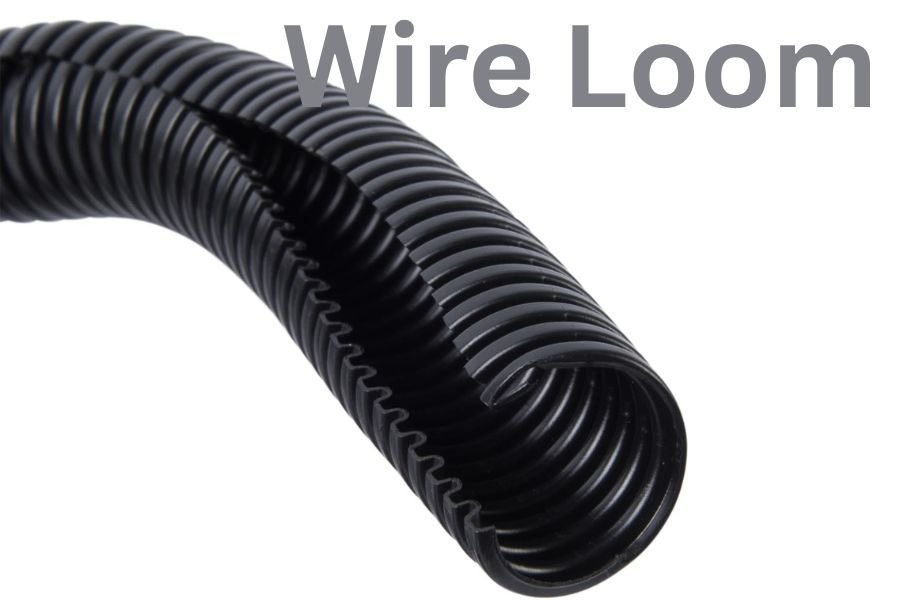
Wire looms are made from materials that complement the wires they protect. Polyethylene, polypropylene, and PVC are common due to their durability, flexibility, and resistance to heat, chemicals, and abrasion. Spiral wraps, split looms, and braided sleeves offer various levels of protection and flexibility, ensuring wires remain safe in dynamic or high-temperature environments. Using a wire loom does not affect conductivity directly but enhances the lifespan and reliability of the wires, preventing failures caused by environmental damage.
Innovations shaping the future of wiring

Wire looms continue to evolve with technological advancements. High-performance plastics, flame-retardant coatings, and flexible braided materials make looms more durable and versatile than ever. Modular loom systems allow for easy installation and future expansion of wiring networks, especially in automotive, aerospace, and industrial sectors.
Fiber optic looms integrate protective sleeving for delicate optical fibers, ensuring minimal signal loss while offering mechanical protection. Smart looms with embedded sensors can monitor temperature, vibration, and electrical current, alerting users to potential issues before they cause failure. These innovations allow wire looms to play a critical role in both wired and wireless infrastructure, supporting devices that rely on stable power and data transmission.
Environmental concerns and sustainable production
Wire production and protection systems, including looms, have environmental impacts. Mining and refining metals such as copper and aluminum consume energy and produce emissions. Disposal of synthetic loom materials can contribute to plastic pollution if not managed properly.
To address these concerns, manufacturers increasingly use recyclable materials and eco-friendly plastics. Recycled copper, biodegradable sleeves, and energy-efficient production techniques reduce environmental footprints. Long-lasting wire looms also minimize replacement frequency, reducing waste and conserving resources. Sustainable wire loom solutions ensure that both wiring and protection systems support modern infrastructure without compromising environmental responsibility.
Case studies – Wire looms in real-world applications
In automotive industries, wire looms protect complex wiring harnesses in vehicles, preventing damage from heat, vibration, and chemical exposure. Modern cars can contain hundreds of meters of wiring, all bundled and shielded with looms to ensure safety and performance.
Industrial machinery uses wire looms to organize power, control, and data cables. In environments with high vibration or movement, looms prevent tangling and mechanical stress, reducing downtime and maintenance costs.
In homes, wire looms improve organization behind entertainment centers, computer setups, and smart home devices. They help prevent accidental damage, reduce clutter, and improve airflow around electronics, indirectly extending the lifespan of devices.
Conclusion
Wire looms are a crucial part of modern electrical infrastructure, enhancing the performance, safety, and longevity of wiring systems across automotive, industrial, and home applications. By bundling and protecting wires, looms reduce wear, prevent failures, and keep electrical networks organized.
Innovations in loom materials, smart monitoring, and eco-friendly production ensure that wire management solutions continue to evolve alongside advancements in wiring technology, fiber optics, and renewable energy systems. Wire looms may seem simple, but they are vital in connecting and protecting the systems that power modern civilization, supporting everything from industrial machinery to everyday consumer electronics.
FAQs
What is a wire loom and why is it important?
A wire loom is a protective sleeve or tube used to bundle and shield wires from damage, heat, chemicals, and abrasion. It is important for maintaining wire organization and ensuring long-term reliability.
What materials are used for wire looms?
Common materials include PVC, polyethylene, polypropylene, and braided or spiral wraps. These provide flexibility, durability, and resistance to heat and wear.
Where are wire looms commonly used?
Wire looms are used in automotive wiring, industrial machinery, home electrical systems, and consumer electronics to organize and protect wires.
Does a wire loom affect electrical performance?
No, wire looms do not impact the conductivity of wires. They protect the wires from physical and environmental damage, indirectly improving reliability.
Can wire looms be recycled?
Yes, many looms are made from recyclable plastics. Using recyclable or biodegradable materials helps reduce environmental impact.
How do wire looms help in automotive wiring?
In vehicles, wire looms bundle engine and body wires, protecting them from heat, vibration, and chemicals while keeping them organized for easier maintenance and repair.
Keep an eye for more latest news & updates on premiumtechy!