Wire is the invisible infrastructure that powers modern civilization. Even with the rise of wireless technologies, the majority of our electrical and communication systems depend on wired connections for reliability and performance. Devices, networks, and industrial systems all rely on high-quality wires to transmit power and data efficiently. Choosing the right type of wire—stranded or solid—is crucial for ensuring optimal performance in applications ranging from household wiring to complex telecommunications networks. Understanding the differences between these wire types is essential for both professionals and DIY enthusiasts.
In this article, we discuss the topic of “stranded vs solid wire“.
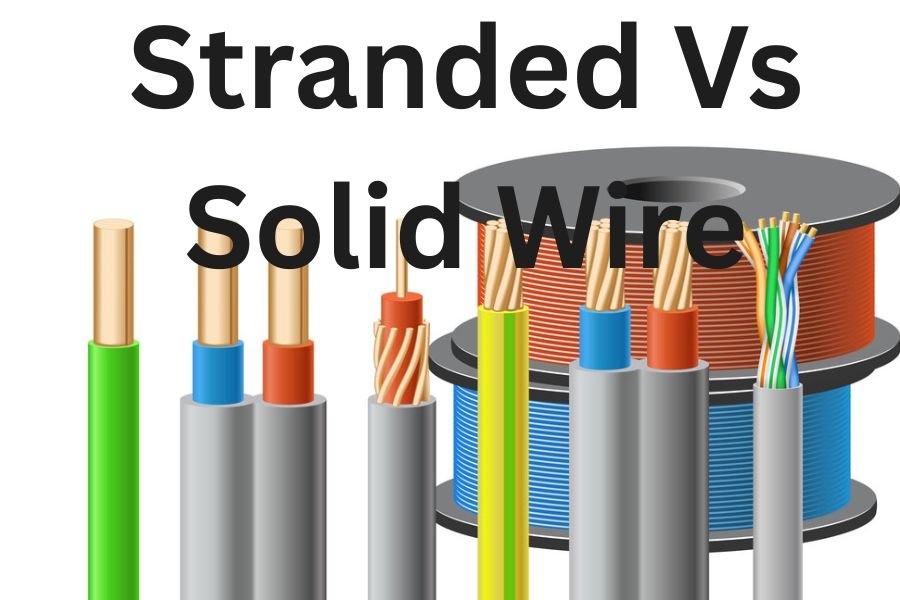
Stranded and solid wires differ primarily in their construction and intended use. Solid wire is made of a single metal core, which provides better conductivity and makes it ideal for permanent installations like home electrical wiring and circuit boards. In contrast, stranded wire is composed of multiple thin strands twisted together, giving it greater flexibility and resistance to damage from bending or vibration.
The history and evolution of wire technology

Wire has a long and storied history, dating back thousands of years. Early civilizations used metals like copper, silver, and gold for decorative and functional purposes. With the advent of the telegraph in the 19th century, wire became the backbone of long-distance communication. Copper and iron lines spanned cities, transmitting signals that connected communities in ways never before possible.
The rise of electricity transformed wire technology further. Thomas Edison and Nikola Tesla pioneered insulated copper wires for power distribution, enabling safe and efficient delivery of electricity. Over time, wire materials diversified to include aluminum, steel, and specialized alloys for industrial and high-voltage applications. Today, wiring systems incorporate fiber optics, superconductors, and smart conductive materials, supporting both wired and wireless technologies.
Different types of wires and their applications
Modern wiring comes in various forms, each designed for specific applications. The two primary types used today are solid wire and stranded wire.
Solid wire consists of a single, solid metal conductor. It provides superior conductivity and is often used in permanent installations such as house wiring and circuit boards. Solid wires are durable under static conditions and are easier to connect in screw terminals and soldering applications.
Stranded wire is made of multiple thin strands of wire twisted together. This construction makes the wire more flexible and resistant to breakage under movement or vibration. Stranded wire is commonly used in applications that require bending or frequent handling, such as robotics, automotive wiring, and portable electronics.
Other wire types include coaxial cables, twisted pairs for networking, and fiber optic cables for high-speed data transmission. Each type serves a unique purpose, but stranded and solid wires remain the foundational choices for electrical and electronic systems.
The science of conductivity and materials used
Conductivity is the measure of a material’s ability to transmit electricity. Metals like copper, silver, and gold have high conductivity, making them ideal for most wiring applications. Copper is widely used due to its balance of conductivity, flexibility, and cost. Aluminum is lighter and often used in power transmission lines where weight is a concern, while steel provides strength for structural applications.
The difference between stranded and solid wire impacts conductivity in practical use. Solid wires offer slightly better conductivity over short distances because electrons flow uninterrupted through a single conductor. Stranded wires, while marginally less conductive, provide flexibility and resilience that prevents wire fatigue in dynamic applications. Insulation materials such as PVC, Teflon, rubber, and polyethylene protect the wire and prevent short circuits, enhancing safety and durability. Fiber optic cables use glass or plastic fibers to transmit light signals, offering immunity to electromagnetic interference and ultra-high-speed data transfer.
Innovations shaping the future of wiring
Wire technology continues to evolve with innovations that enhance efficiency, performance, and sustainability. Fiber optic cables are transforming global communication networks, supporting high-speed internet, video streaming, and cloud computing. Superconducting wires, which conduct electricity with zero resistance under low temperatures, are being developed for advanced medical equipment, energy grids, and research applications.
Smart wires embedded with sensors can monitor electrical performance, detect faults, and provide real-time analytics. Self-healing insulation materials improve durability by repairing minor damage automatically. In renewable energy systems, specialized wires are designed to withstand environmental stresses while transmitting power efficiently. Even wireless devices rely on these wired innovations for power, data transfer, and connectivity, highlighting the continued importance of both stranded and solid wires in modern technology.
Environmental concerns and sustainable production
Wire production has environmental impacts, including energy-intensive mining, metal refining, and waste generation. Copper and aluminum extraction can lead to ecosystem disruption, while improper disposal of old wires contributes to soil and water pollution.
Sustainable practices are increasingly adopted by manufacturers. Recycling metals reduces the need for new mining and conserves energy. Eco-friendly insulation materials, energy-efficient manufacturing processes, and durable wire designs minimize environmental impact. These initiatives ensure that wire technology continues to support homes, industries, and renewable energy systems sustainably, while also providing the backbone for future innovations.
Case studies – Stranded and solid wire in real-world applications

In residential construction, solid wires are commonly used for permanent electrical circuits due to their reliability and ease of installation in outlets and switches. Stranded wires are preferred in applications like computer peripherals, robotics, and automotive wiring, where flexibility and repeated movement are necessary.
Fiber optic networks in urban centers demonstrate the integration of stranded and solid conductors with advanced technology. Solid copper conductors deliver power to networking equipment, while stranded connections in data cables accommodate flexibility and installation requirements. In renewable energy systems, stranded wires handle the movement and vibration of solar panel arrays and wind turbines, ensuring continuous performance.
Conclusion
Wire remains a fundamental element of modern technology. Whether choosing stranded or solid wire, selecting the right type ensures reliability, efficiency, and safety. Advances in materials, manufacturing processes, and innovations like fiber optics and smart wiring are extending the capabilities of wire, enabling faster, cleaner, and more sustainable connections. Even as wireless devices grow in popularity, the underlying wired infrastructure continues to power, connect, and support the digital, industrial, and energy systems that drive modern civilization.
FAQs
What is the main difference between stranded and solid wire?
Solid wire consists of a single metal conductor, offering better conductivity and stability in permanent installations. Stranded wire is made of multiple thin strands twisted together, providing flexibility and resistance to breakage under movement.
Which wire is better for home electrical systems?
Solid wire is typically preferred for fixed wiring in homes because it is easier to terminate in outlets and provides stable conductivity.
Where is stranded wire commonly used?
Stranded wire is used in applications that require flexibility, such as automotive wiring, robotics, portable electronics, and speaker cables.
Does stranded wire conduct electricity less efficiently than solid wire?
Stranded wire has slightly lower conductivity over short distances due to small gaps between strands, but this difference is negligible in most practical applications.
Can both types of wire be recycled?
Yes, copper and aluminum wires, whether stranded or solid, can be recycled multiple times without losing conductive properties.
How do stranded and solid wires support modern technology?
Both types are essential for reliable electrical systems, data networks, and industrial applications, forming the foundation for devices, wireless systems, and renewable energy infrastructure.
Keep an eye for more latest news & updates on premiumtechy!