A smart thermostat without a C wire is a modern temperature control device designed to function even when a home’s HVAC system lacks a dedicated common wire. Traditional smart thermostats often require continuous power from a C wire to operate. However, newer models use alternative power methods such as rechargeable batteries, power stealing, or adapter kits. These thermostats offer advanced features like remote control, scheduling, and energy monitoring. They are especially useful for older homes where installing new wiring can be costly and time-consuming.
When choosing a smart thermostat, it is important to consider HVAC compatibility, installation requirements, desired features, and budget. Popular options from Nest, Ecobee, Honeywell, and Emerson offer reliable performance and energy-saving capabilities for a wide range of home setups. While some models may have limitations compared to systems with a dedicated C wire, modern no-C-wire thermostats continue to improve in efficiency and reliability.
In this article, we discuss the topic of “smart thermostat without c wire“.
How Does a Smart Thermostat Work Without a C Wire?
Smart thermostats without a C wire rely on innovative technologies to maintain power. Many models use a technique called power stealing, which draws small amounts of electricity from existing HVAC wires. Others utilize rechargeable batteries that charge while the heating or cooling system is running. Some manufacturers provide power extender kits that create a substitute for the C wire connection. These solutions allow the thermostat to remain connected to Wi-Fi and perform smart functions without additional wiring. As a result, homeowners can enjoy modern convenience without extensive electrical modifications.
Why Do Some Homes Lack a C Wire?
Many older homes were built before smart thermostats became popular, so their HVAC systems were not designed with a C wire. Traditional thermostats often required only two to four wires to function. Since they did not need constant power, a common wire was unnecessary. As technology advanced, smart thermostats began requiring continuous power for displays and internet connectivity. Homes constructed decades ago may therefore lack the wiring infrastructure needed by some modern devices. This is why no-C-wire solutions have become increasingly popular.
Do You Really Need a C Wire for a Smart Thermostat?
The answer depends on the thermostat model and HVAC system. Some smart thermostats require a C wire for reliable operation, while others are specifically engineered to work without one. Devices that use battery power or power-stealing technology can often function effectively without a common wire. However, a C wire may improve stability and prevent occasional power interruptions. Homeowners should always check compatibility requirements before purchasing a thermostat. Understanding your HVAC setup is essential for a successful installation.
Benefits of Using a Smart Thermostat Without a C Wire
One of the biggest advantages is easier installation since no additional wiring is required. Homeowners can upgrade to smart technology without hiring an electrician in many cases. These thermostats provide energy-saving features such as automated scheduling and remote access. They also improve convenience by allowing users to control temperatures from smartphones or voice assistants. Many models can learn household routines and optimize heating and cooling automatically. Overall, they offer a cost-effective way to modernize home climate control.
Drawbacks of Installing a Thermostat Without a C Wire
Although convenient, no-C-wire thermostats may have certain limitations. Some power-stealing systems can cause compatibility issues with specific HVAC equipment. Battery-powered models may require occasional charging or battery replacement. In rare cases, homeowners may experience short cycling or connectivity problems. Certain advanced features may function more reliably when a dedicated C wire is present. Understanding these potential drawbacks helps users make informed purchasing decisions.
How to Check If Your Home Has a C Wire
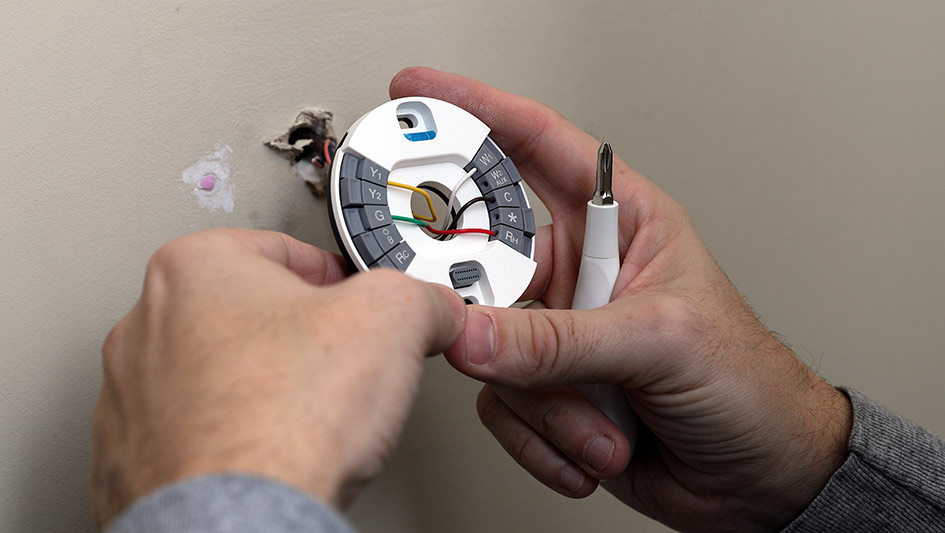
The easiest way to determine whether your home has a C wire is by removing the thermostat faceplate and inspecting the wiring. Look for a wire connected to a terminal labeled “C.” If no wire is attached, check whether an unused wire is tucked behind the wall plate. You can also inspect the HVAC control board near the furnace or air handler. Many manufacturers provide compatibility checkers to help identify wiring configurations. Always turn off power before handling thermostat wiring.
Understanding HVAC Wiring Before Installation
HVAC systems use different wires for specific functions such as heating, cooling, fan control, and power. Common terminal labels include R, Rc, Rh, W, Y, G, and C. Understanding these labels helps ensure proper thermostat installation. Incorrect wiring can lead to equipment damage or system malfunctions. Homeowners should carefully document existing connections before removing an old thermostat. Taking photos of the wiring setup can be extremely helpful during installation.
Types of HVAC Systems Compatible With No-C-Wire Thermostats
Many no-C-wire smart thermostats are compatible with conventional heating and cooling systems. These include forced-air furnaces, central air conditioners, and certain heat pump systems. Compatibility varies depending on the number of wires and system configuration. Some thermostats also support multi-stage heating and cooling systems. However, complex HVAC setups may require additional accessories or professional installation. Checking compatibility before purchase helps avoid unnecessary complications.
Best Smart Thermostats That Work Without a C Wire
Several smart thermostats are known for their ability to operate without a dedicated C wire. Popular choices include Google Nest Thermostat, Nest Learning Thermostat, Ecobee Smart Thermostat with a Power Extender Kit, Emerson Sensi, and select Honeywell models. These devices offer features such as remote access, energy reports, and voice assistant integration. Each model has different strengths depending on budget and HVAC compatibility. Comparing features carefully can help homeowners choose the best option for their needs.
Google Nest Thermostat: Features and Compatibility
The Google Nest Thermostat is one of the most popular smart thermostats available today. It offers a sleek design, easy installation, and integration with Google Home and Amazon Alexa. Many HVAC systems can operate the Nest Thermostat without a dedicated C wire. The thermostat includes energy-saving features, remote access through the mobile app, and customizable schedules. Homeowners looking for a balance between affordability and smart functionality often choose this model.
Nest Learning Thermostat Without a C Wire
The Nest Learning Thermostat is a premium version that automatically learns your temperature preferences over time. It adjusts heating and cooling schedules based on your daily routine, reducing energy waste. In many homes, it can function without a C wire due to its rechargeable internal battery. The device provides detailed energy reports and smart recommendations for efficiency. Its advanced automation features make it a favorite among homeowners seeking a hands-free experience.
Ecobee Smart Thermostat and Power Extender Kit Explained
Ecobee thermostats are known for their excellent smart-home compatibility and energy-saving capabilities. For homes without a C wire, Ecobee provides a Power Extender Kit (PEK) that creates the necessary power connection. This kit allows the thermostat to operate reliably without additional wall wiring. Ecobee devices also support room sensors that help balance temperatures throughout the home. These features make Ecobee an attractive option for households seeking enhanced comfort and control.
Emerson Sensi Smart Thermostat Review
The Emerson Sensi Smart Thermostat is designed for simple installation and broad HVAC compatibility. Many users appreciate its straightforward setup process, especially in homes lacking a C wire. The thermostat supports remote access, scheduling, and energy usage monitoring through a dedicated app. It also integrates with popular voice assistants such as Alexa and Google Assistant. For homeowners seeking a reliable and budget-friendly smart thermostat, the Sensi is a strong contender.
Honeywell Home Smart Thermostats Without a C Wire

Honeywell offers several thermostat models that can work without a dedicated C wire depending on the HVAC system. These thermostats are known for reliability, ease of use, and strong temperature accuracy. Features often include programmable schedules, smartphone control, and energy-saving settings. Honeywell products are widely trusted due to the company’s long history in climate-control technology. Homeowners should review compatibility requirements before selecting a specific model.
Amazon Smart Thermostat and C Wire Requirements
The Amazon Smart Thermostat is an affordable option designed to integrate seamlessly with Alexa-enabled devices. Unlike some competitors, it typically requires a C wire for installation. However, homeowners without a C wire may be able to use a compatible adapter kit. The thermostat provides automated temperature control, energy-saving recommendations, and voice-command functionality. Its low price point makes it appealing to users entering the smart-home ecosystem.
Comparing Top No-C-Wire Smart Thermostats
When comparing smart thermostats, homeowners should consider compatibility, price, features, and installation requirements. Nest models excel in automation and learning capabilities, while Ecobee stands out for room sensors and home integration. Emerson Sensi offers simplicity and affordability, whereas Honeywell focuses on reliability. Some thermostats prioritize energy analytics, while others emphasize ease of installation. Understanding these differences helps consumers choose the best solution for their specific needs.
Cheapest Smart Thermostats That Don’t Need a C Wire
Budget-conscious homeowners can still enjoy smart thermostat benefits without spending a fortune. Affordable options often include Emerson Sensi and selected Honeywell models. These devices typically provide essential features such as remote access, scheduling, and smartphone control. While they may lack advanced learning capabilities, they still deliver noticeable energy savings. Choosing a budget-friendly thermostat can be a practical first step toward a smarter home.
Premium Smart Thermostats for Homes Without a C Wire
Premium thermostats offer advanced automation, detailed energy insights, and superior smart-home integration. Models such as the Nest Learning Thermostat and high-end Ecobee devices are popular in this category. These products often include AI-driven scheduling, occupancy detection, and room-specific temperature management. Although they cost more initially, their energy-saving features can offset expenses over time. Many homeowners view premium thermostats as a long-term investment in comfort and efficiency.
Best Smart Thermostat for Older Homes
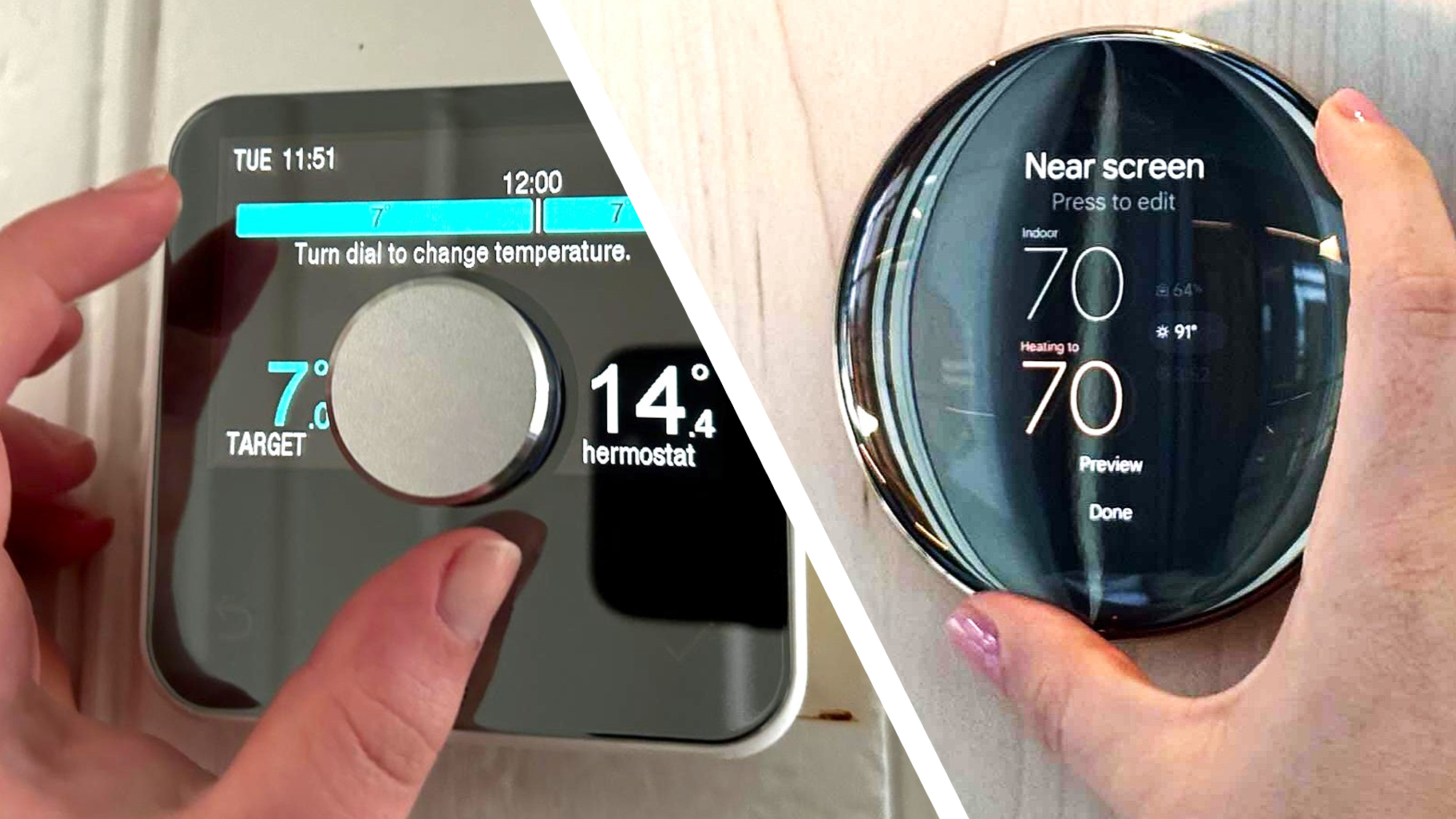
Older homes often present unique challenges such as outdated wiring and limited HVAC compatibility. Smart thermostats designed to operate without a C wire are particularly valuable in these situations. Devices like the Nest Thermostat and Emerson Sensi are commonly recommended because they minimize installation complexity. They provide modern conveniences without requiring extensive electrical upgrades. For homeowners in older properties, selecting a compatible thermostat can simplify the transition to smart climate control.
Conclusion
A smart thermostat without a C wire is an excellent solution for homeowners who want modern climate control without rewiring their HVAC systems. These devices use technologies such as battery power, power stealing, and power extender kits to operate efficiently while providing advanced features like remote access, energy monitoring, and automated scheduling. Whether you choose a budget-friendly option like Emerson Sensi or a premium model such as the Nest Learning Thermostat or Ecobee, there are solutions available for nearly every home and budget.
Before purchasing a thermostat, it is important to verify HVAC compatibility and understand your system’s wiring requirements. Doing so can help prevent installation issues and ensure optimal performance. By selecting the right thermostat, homeowners can improve comfort, reduce energy consumption, and enjoy greater control over their heating and cooling systems. As smart-home technology continues to evolve, no-C-wire thermostats are becoming more capable, accessible, and energy-efficient than ever before.
FAQs
1. Can a smart thermostat really work without a C wire?
Yes, many smart thermostats can operate without a dedicated C wire by using battery power, power-stealing technology, or a power extender kit provided by the manufacturer.
2. Which smart thermostat is best for homes without a C wire?
Popular options include the Google Nest Thermostat, Nest Learning Thermostat, Ecobee Smart Thermostat with a Power Extender Kit, Emerson Sensi, and certain Honeywell Home models.
3. What is a C wire in an HVAC system?
A C wire, or common wire, provides continuous power from the HVAC system to the thermostat. It is commonly used by smart thermostats that require constant power for Wi-Fi connectivity and advanced features.
4. How can I tell if my thermostat has a C wire?
Remove the thermostat faceplate and look for a wire connected to a terminal labeled “C.” You can also inspect the HVAC control board for a common wire connection.
5. Is it difficult to install a smart thermostat without a C wire?
Most no-C-wire smart thermostats are designed for easy installation and include detailed instructions. Some models may require a Power Extender Kit or adapter for proper operation.
6. Will a no-C-wire thermostat save energy?
Yes, smart thermostats can help reduce energy consumption through programmable schedules, occupancy sensing, remote control, and automated temperature adjustments.
Keep an eye for more latest news & updates on premiumtechy!