Blue and brown wires are among the most important color-coded electrical conductors used in modern wiring systems across homes, appliances, lighting units, and industrial installations. Understanding what these colors represent is crucial for safe handling of electrical components, troubleshooting faults, and ensuring compliance with global wiring regulations.
Whether you’re a homeowner, a DIY enthusiast, or a professional electrician, knowing how blue and brown wires function can prevent accidents and ensure a reliable electrical setup. This extensive guide explores everything from wiring color standards to installation techniques and safety rules, offering a fully detailed and beginner-friendly explanation.
Blue and brown wires are standard electrical conductors used in modern AC wiring systems. The brown wire is the live wire that carries electrical current from the power source, while the blue wire is the neutral wire that returns current back to the panel safely.
People also asked In this article, we discuss the topic of “blue and brown wires“.
Understanding the Purpose of Blue and Brown Wires

Blue and brown wires serve as designated color codes for neutral and live conductors in electrical systems. The brown wire typically acts as the live wire carrying electrical current from the power source to the device or circuit. Meanwhile, the blue wire acts as the neutral return path, completing the electrical flow. These standardized colors help prevent wiring errors and increase safety during installation and maintenance. By knowing their purpose, homeowners and electricians can confidently identify functions without confusion. Proper understanding minimizes risks of electric shock and ensures circuits operate efficiently.
What Do Blue and Brown Wires Mean in Electrical Wiring?
In most modern electrical systems, brown wires represent the “live” or “line” conductor. This means the brown wire is responsible for delivering voltage to devices, switches, and outlets. The blue wire, on the other hand, represents the “neutral” conductor, which safely returns current back to the electrical panel. These distinctions help maintain consistent polarity and prevent reverse-wiring accidents that can damage appliances. The meaning of these colors follows internationally recognized wiring standards for better compliance and universal understanding. When working with any electrical components, identifying these colors is crucial for safety.
Safety Guidelines for Working With Blue and Brown Wires
Safety is essential when handling live electrical conductors like blue and brown wires. Before working on any circuit, always disconnect power from the breaker to prevent the risk of shock. Use insulated tools specifically designed for electrical work to avoid accidental contact. Verify wires are not energized using a voltage tester or multimeter. Never attempt electrical repairs without proper knowledge or guidance, as wiring mistakes can lead to fire hazards. Additionally, ensure that all connections are tightly secured and properly insulated to prevent short circuits and overheating.
How to Identify Blue and Brown Wires in a Circuit
Identifying blue and brown wires is straightforward when color coding follows modern standards. The brown wire will almost always be the live conductor, often connected to switches, outlets, or the load terminal. The blue wire will appear connected to the neutral bar or neutral terminal in fixtures and panels. In some older systems, however, wire colors may differ, making identification more challenging. In such cases, a multimeter or continuity tester becomes essential. Proper identification ensures safe installation and prevents accidental miswiring, which can damage equipment.
Blue and Brown Wires: Color Coding Standards Explained
Electrical wiring color standards vary slightly across countries but generally follow the IEC (International Electrotechnical Commission) guideline. According to this standard, brown represents the live wire, while blue acts as the neutral conductor. These colors replaced older wiring schemes that used red and black for live and neutral respectively. The shift was made for global consistency and enhanced safety. Color coding allows electricians to quickly understand wire functions at a glance, reducing the likelihood of mistakes. Understanding these standards is important for working safely with domestic and industrial wiring.
Differences Between Blue and Brown Wires
The primary difference between blue and brown wires lies in their electrical function. The brown wire carries current from the power source to the device, making it the live conductor. The blue wire returns current to the source, acting as the neutral conductor. These roles create a continuous electrical loop. Because the brown wire is always energized when the circuit is on, it poses greater risk and requires more caution during handling. Physically, the wires may be similar except for color, but the color coding is essential for identifying their specific purpose.
Can Blue and Brown Wires Be Interchanged?
Blue and brown wires must never be interchanged under any circumstances. Switching these wires can lead to reversed polarity, causing appliances to malfunction or become unsafe. Live current may end up flowing through the wrong section of a device, increasing the risk of electric shock. Incorrect polarity can also cause short circuits and potentially damage wiring systems. Always follow color coding conventions to prevent dangerous mistakes. If wires appear mislabeled or confusing, test them with a multimeter before connecting anything.
Wiring Basics: The Role of Blue and Brown Wires
In the basic wiring loop, the brown wire delivers electrical energy from the circuit breaker or power supply to the appliance or outlet. The blue wire completes this loop by providing a safe return path back to the electrical panel. Together, these two wires maintain a balanced and functional circuit. Without the neutral return provided by the blue wire, devices would not operate correctly. Understanding these basic roles is essential not only for electricians but for homeowners performing simple tasks like installing a new light fixture or replacing a plug.
How Blue and Brown Wires Function in Home Electrical Systems
In residential wiring, blue and brown wires have designated routes within electrical circuits. The brown live wire connects to switches, outlets, or lighting fixtures, always carrying voltage when the power is on. The blue neutral wire runs directly to the neutral busbar in the consumer unit, ensuring consistent electrical flow. This setup maintains safe operation of household appliances and lighting. In multi-wire systems, each circuit follows the same live-neutral principle. Their correct usage ensures stability and reduces risks like tripped breakers, shocks, and damaged devices.
Common Uses of Blue and Brown Wires in Appliances
Most household appliances use blue and brown wires for power supply connections. The brown wire connects to the terminal providing live voltage, while the blue wire connects to the neutral terminal. These wiring colors appear in devices like ovens, washing machines, fans, lighting fixtures, and many handheld appliances. Following color coding during repairs or replacement prevents reversed connections that can cause motors to run incorrectly or circuits to fail. Because these wires are standardized, they simplify repair processes and make appliance wiring more intuitive.
Why Blue and Brown Wires Are Used in Modern Wiring
Modern wiring adopts blue and brown colors to align with international electrical standards and ensure universal understanding. These colors minimize confusion across different regions and reduce wiring-related accidents. The transition to blue and brown wiring made it easier for electricians and manufacturers to maintain consistent labeling. Additionally, standardized wiring improves safety during maintenance, installation, and emergency repairs. This shift also supports global trade by ensuring appliances work correctly regardless of where they are manufactured or used.
How to Connect Blue and Brown Wires Safely
To safely connect blue and brown wires, always begin by shutting off power at the main breaker. Attach the brown live wire to the live or “L” terminal and the blue neutral wire to the neutral or “N” terminal. Ensure that wire strands are tightly secured within terminals to prevent loose connections. Use appropriate wire strippers to avoid damaging insulation and apply electrical tape or heat-shrink tubing where necessary. After making the connections, restore power and test the circuit for proper functionality. Following correct procedures ensures safety and reliability.
Troubleshooting Issues With Blue and Brown Wire Connections
When electrical problems occur, faulty blue or brown wire connections are often the cause. Loose terminals, damaged insulation, or corroded connectors can disrupt the circuit. Begin troubleshooting by turning off power and visually examining the wires. Look for burns, frayed ends, or exposed copper. Use a multimeter to verify continuity and voltage flow. If polarity is reversed, the device may behave erratically or fail to turn off. Identifying and correcting these issues early prevents long-term damage and ensures device performance.
Voltage Carried by Blue and Brown Wires
In most household circuits, the brown live wire carries the full supply voltage, which is typically 220–240 volts AC depending on your region. This makes the brown wire the most dangerous conductor to handle while the circuit is energized. The blue neutral wire usually carries little to no voltage under normal conditions, although it can still deliver a shock if a fault exists. Both wires work together to maintain electrical flow throughout a circuit. Understanding the voltage difference between them helps ensure safer installation and troubleshooting of appliances and outlets.
Mistakes to Avoid When Handling Blue and Brown Wires
One of the most common mistakes when working with these wires is mixing up the live and neutral connections. Reversing them can cause appliances to malfunction or expose users to dangerous voltage levels. Another mistake is leaving exposed copper wire, which can lead to accidental contact or short circuits. Failing to tighten terminal screws properly can also create loose connections that overheat. Using improper tools or working without shutting off the power increases the risk of injury. Avoiding these mistakes ensures safer and more reliable electrical work.
Are Blue and Brown Wires Positive or Negative?
Blue and brown wires are often mistakenly associated with positive and negative terminals, but this labeling applies only to DC circuits. In AC systems, which homes primarily use, brown is the live (line) conductor and blue is the neutral conductor—neither wire is “positive” or “negative.” Instead, AC wiring focuses on maintaining proper polarity between live, neutral, and earth. Understanding this distinction prevents confusion, especially for DIY enthusiasts who may be more familiar with battery-powered devices. Always treat the brown wire as the energized conductor regardless of polarity.
How Blue and Brown Wire Standards Differ by Country
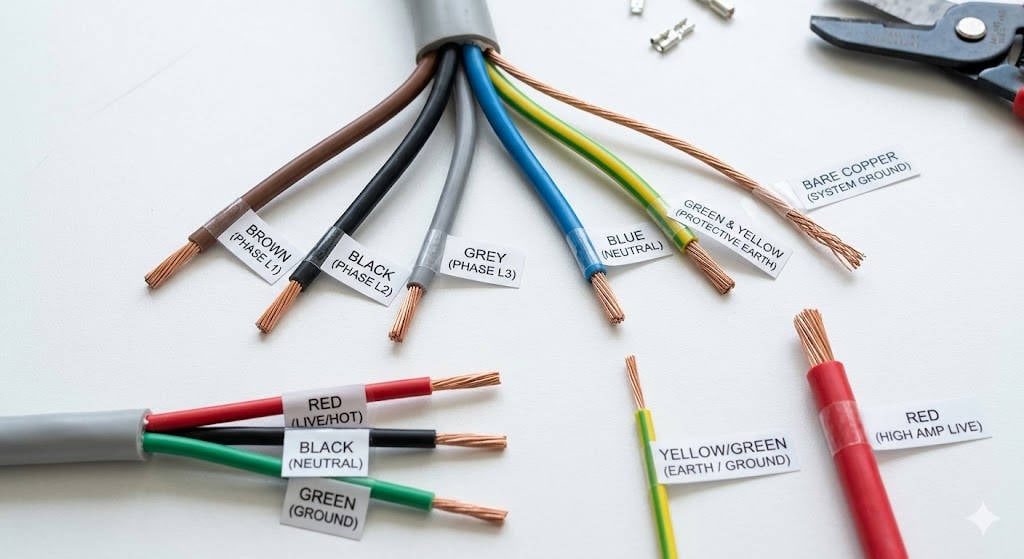
While blue and brown wires are now widely adopted, some countries still use older wiring colors or additional color schemes for three-phase systems. For example, older UK wiring used red for live and black for neutral before switching to brown and blue. In some regions, grey or black may be used as an additional line conductor. Although the IEC standard helps unify color codes, it’s important to verify local requirements before beginning electrical work. Using correct color codes ensures compliance with regional electrical safety regulations.
Old Wiring Colors vs New Blue and Brown Wiring
Older wiring systems often used colors like red for live and black for neutral, which can cause confusion when mixed with modern brown and blue wires. During renovations, electricians must correctly identify old colors and match them to current standards. This prevents polarity mistakes and ensures proper operation of newer appliances. Transitioning to modern color codes makes wiring systems safer and easier to maintain. When old and new wiring coexist, clear labeling is essential to avoid accidental wiring errors during upgrades or repairs.
How to Replace Old Wiring With New Blue and Brown Wires
Replacing old wiring begins with a full inspection of the existing electrical system to identify outdated or unsafe cables. Old wires should be removed carefully to avoid damaging surrounding insulation or fixtures. Install modern brown wires for live connections and blue wires for neutral pathways, following proper routing through conduits or wall cavities. Ensure all junction boxes, outlets, and switches are upgraded to current standards. Finally, test the completed wiring using a multimeter to confirm proper polarity and continuity. This upgrade dramatically improves home safety and reliability.
Understanding the Neutral Role of the Blue Wire
The blue neutral wire acts as the return path for current, completing the circuit and allowing electrical devices to operate correctly. Without the neutral conductor, voltage would not have a balanced path back to the power source, and appliances would fail to function. Because the neutral wire typically carries minimal voltage, it is considered safer than the live conductor—but it can still be dangerous under certain conditions. Faulty neutrals can cause flickering lights, partial power loss, and equipment damage. Understanding its role is essential in diagnosing electrical issues.
Why the Brown Wire Is Used as the Live Conductor
The brown wire carries the full voltage load to power appliances, switches, and lighting fixtures. Its designation as the live conductor follows international wiring standards to maintain consistency and improve safety. Because the live wire remains energized when the circuit is activated, it poses the highest risk of shock. Electricians prioritize clear identification of the brown wire to reduce errors during repairs and installations. Using a distinct color ensures that users never confuse it with the neutral or earth conductor, preventing dangerous wiring mistakes.
Tips for Identifying Faults in Blue and Brown Wires
Faulty wiring can lead to flickering lights, tripping breakers, or malfunctioning appliances. To identify issues, start by turning off the power and examining the wires for visible signs of damage such as burns, fraying, or discoloration. Use a multimeter to check continuity and verify voltage levels. Loose connections should be tightened, and any damaged insulation must be replaced. If wires appear corroded, they should be cut back to expose fresh copper before reconnecting. Early identification prevents hazardous failures and extends the life of electrical components.
Common Electrical Symbols Associated With Blue and Brown Wires
Electrical diagrams often use symbols such as “L” for the brown live conductor and “N” for the blue neutral conductor. These labels help electricians and technicians identify wire functions without confusion. Additional symbols may show connection points, grounding paths, and switches that interact with these wires. Understanding these diagrams helps users troubleshoot circuits more effectively. Consistent labeling also ensures that installations follow international safety standards. Learning basic electrical symbols is essential for anyone reviewing wiring diagrams or performing even simple electrical tasks.
How to Test Blue and Brown Wires With a Multimeter
Testing wires with a multimeter is an essential skill when diagnosing electrical problems. Begin by setting the multimeter to AC voltage mode and carefully touching the probe to the brown wire and a neutral point; a voltage reading indicates live power. To test continuity, switch the multimeter to continuity mode with the power off. Check the blue wire for a complete path back to the panel. Testing helps verify proper connections and identify faults without guesswork. This simple procedure ensures accurate troubleshooting and safer repairs.
Blue and Brown Wires in Lighting Installations
Lighting circuits frequently use blue and brown wires to connect fixtures to switches and the power supply. The brown wire provides the live feed to the switch and the light fixture, while the blue wire completes the neutral path back to the circuit. In some lighting systems, additional wires may control dimming or multi-way switching. Ensuring correct wiring prevents issues like flickering lights or incorrect switch operation. Because lighting is often upgraded, recognizing these colors helps homeowners safely install modern LED fixtures and smart lighting systems.
Safe Installation Practices for Blue and Brown Wires
When installing new wiring, begin by ensuring the power is completely off at the breaker panel. Use proper wire strippers to avoid slicing into wire insulation. Connect the brown wire to the designated live terminal and the blue wire to the neutral terminal, tightening screws securely. Add protective cable clamps to prevent strain on the wires. Always use junction boxes where required and avoid running wires in unsafe or exposed locations. These best practices reduce electrical hazards and ensure circuits remain dependable for years to come.
How Blue and Brown Wires Connect to Switches
Switches typically interrupt the live conductor to control the flow of electricity to a device or light fixture. Therefore, the brown wire is connected to the switch input and output terminals. The blue wire bypasses the switch altogether, traveling directly to the load. Incorrectly connecting the neutral wire to a switch can create unexpected behaviors and unsafe conditions. Properly identifying terminals labeled “L,” “COM,” or “LOAD” helps ensure the switch operates correctly. Understanding this connection is essential for installing or replacing wall switches safely.
Common Problems Caused by Incorrect Blue and Brown Wiring
Incorrect wiring can lead to a wide range of electrical problems including reverse polarity, which makes appliances unsafe and difficult to troubleshoot. Loose connections often cause buzzing sounds, overheating, or intermittent power. Wiring the blue wire to a live terminal can energize metal appliance parts, increasing shock risk. Misconnecting the brown wire can impair device function or cause breaker trips. Such issues highlight the importance of correct installation and thorough testing after completing any wiring job.
Blue and Brown Wires in Plug Connections
Most modern plugs use brown, blue, and green/yellow wires for live, neutral, and earth connections. When wiring a plug, the brown wire must always go to the terminal marked “L,” while the blue wire attaches to the terminal marked “N.” Secure each conductor firmly and ensure the cable clamp holds the outer sheath, not individual wires. Incorrect wiring can damage appliances or create short circuits. Properly wired plugs ensure safe and stable power delivery to connected devices, reducing long-term electrical risks.
How to Extend Blue and Brown Electrical Wires
Extending wires requires the use of suitable connectors, such as WAGO clamps or screw terminals, housed inside an approved junction box. Begin by stripping the wire ends and inserting them into the appropriate connectors—brown to brown and blue to blue. Never mix wire colors or leave connectors exposed. After securing the connections, close the junction box to maintain compliance with electrical regulations. This method ensures safe, durable extensions without compromising wire integrity or insulation.
Using Junction Boxes With Blue and Brown Wires
Junction boxes serve as secure connection points for blue and brown wires, preventing accidental exposure and protecting connections from damage. They are essential when extending circuits, splitting power, or creating branch lines. Always ensure that wires are properly arranged inside the box and that strain relief fittings are used to prevent stress on the connections. Following electrical codes ensures junction boxes remain accessible and not buried behind walls. Proper use of junction boxes improves system reliability and makes future maintenance easier.
The Importance of Proper Insulation for Blue and Brown Wires
Proper insulation protects wires from moisture, abrasion, and accidental contact. Damaged insulation on a brown live wire can cause dangerous shocks or short circuits, while compromised insulation on a blue neutral wire can lead to electrical faults. Using high-quality cables and inspecting them regularly helps prevent insulation failures. Heat-shrink tubing or electrical tape may be used for minor repairs. Proper insulation ensures long-term safety and prevents electrical fires caused by exposed conductors.
Blue and Brown Wires in Smart Home Devices
Many smart home devices, such as smart switches, thermostats, and lighting modules, use blue and brown wires for power. These devices often require continuous live and neutral connections to function correctly. Wiring smart devices incorrectly can cause communication failures or complete device malfunction. Because smart systems sometimes have additional control wires, identifying the main blue and brown conductors ensures proper integration. Following manufacturer instructions is essential to maintain compatibility and safety within a smart home network.
Understanding Load and Line Connections for Brown and Blue Wires
In many electrical devices, “line” refers to the incoming power supplied by the brown live wire and the blue neutral wire. “Load” refers to the outgoing wires that supply downstream devices or fixtures. Understanding the difference ensures proper installation of outlets, switches, and smart controllers. Incorrectly wiring line and load can cause devices to fail or create dangerous conditions. Clear labeling and testing help confirm correct wiring before restoring power.
Differences Between Solid Core and Stranded Blue/Brown Wires
Solid core brown and blue wires are commonly used in permanent installations due to their rigidity and durability. Stranded wires, however, offer flexibility and are ideal for appliances, plugs, and areas requiring frequent movement. Both types follow the same color coding but differ in handling and compatibility with terminals. Solid wires provide better conductivity but can be harder to bend. Stranded wires require secure clamping to prevent fraying. Selecting the right type improves installation safety and performance.
When to Call an Electrician for Blue and Brown Wire Issues
While many minor electrical tasks can be handled by knowledgeable homeowners, certain situations require a licensed electrician. If you notice burning smells, frequent breaker trips, flickering lights, or sparking from outlets, professional intervention is essential. Electricians can diagnose hidden faults such as damaged insulation, overloaded circuits, or improper polarity. Additionally, when upgrading old wiring to modern blue and brown standards, expert assistance ensures full compliance with electrical codes. Calling a professional not only ensures safety but also prevents costly mistakes that may damage appliances or compromise home wiring integrity.
The History Behind the Blue and Brown Wire Color Codes
The blue and brown wiring system originated from the IEC’s effort to standardize electrical colors globally. Before this, different countries used their own unique wiring colors, which caused confusion and increased safety risks. The older UK system, for example, used red for live and black for neutral. By adopting brown for live and blue for neutral, electricians worldwide gained a universal system that simplified training, repairs, and manufacturing. This history explains why modern appliances across different regions now follow the same consistent wiring color conventions.
Blue and Brown Wires in European Electrical Standards
Europe widely follows the IEC standard for wiring color identification, which uses brown for live and blue for neutral conductors. These colors are found in residential, commercial, and industrial electrical systems across EU countries. The consistency makes it easier for electricians to work across borders and ensures appliances meet unified installation standards. European regulations also require green/yellow earth conductors to enhance grounding safety. Understanding these standards helps ensure compliance during installations and helps identify outdated wiring that may require replacement.
How to Ensure Compliance When Using Blue and Brown Wires
Ensuring compliance involves following national electrical codes, using proper color-coded wiring, and installing components according to manufacturer guidelines. Electricians must also use certified materials and ensure junction boxes remain accessible for future maintenance. Correct circuit labeling, use of cable clips, and adherence to load limits are crucial for safe installations. Periodic inspections can verify that wiring remains in good condition and is free from overheating or degradation. Compliance helps prevent hazardous conditions and protects homeowners from electrical failures or insurance issues.
Blue and Brown Wires in Industrial Electrical Systems
Industrial systems may incorporate blue and brown wires, but they often include additional conductors for three-phase power. Brown typically serves as a line conductor in single-phase circuits, while blue functions as the neutral. Industrial wiring requires robust insulation and protective conduits due to high power demands. machinery often includes multiple color-coded wires for control systems, safety circuits, and automation. Ensuring correct identification of brown and blue wires in this environment prevents downtime, protects equipment, and supports consistent performance in industrial operations.
What Happens If Blue and Brown Wires Are Reversed?
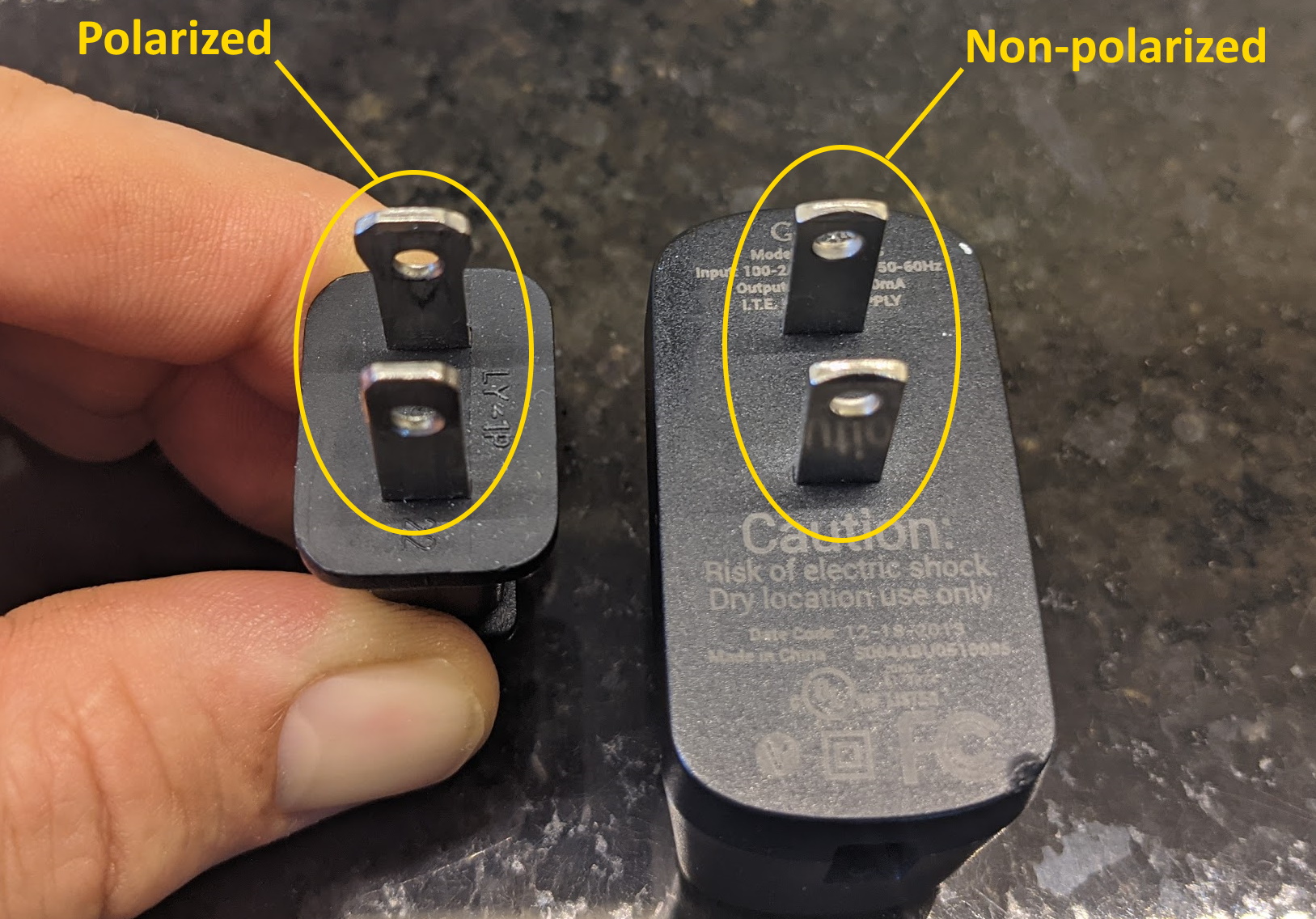
Reversing blue and brown wires causes reverse polarity, a hazardous condition that can make appliances behave unpredictably. Devices that appear off may still have energized components, increasing shock risks during maintenance. Motors may run inefficiently, lights may flicker, and sensitive electronics may become damaged. Circuit breakers might not trip correctly in emergencies, worsening safety issues. Identifying reversed wiring early using a multimeter or polarity tester is essential for preventing long-term damage and ensuring proper electrical performance.
Conclusion
Blue and brown wires form the foundation of modern electrical systems, providing a universally recognized color scheme for live and neutral conductors. Understanding their purpose, differences, safety requirements, and correct application is essential for anyone working with electricity—whether installing lighting, repairing appliances, or upgrading outdated wiring. This comprehensive guide has covered all major aspects of blue and brown wires, from identification to troubleshooting, ensuring you have the knowledge needed for safe and efficient electrical work. By following proper standards and techniques, you can maintain a reliable and hazard-free electrical system in any environment.
FAQs
What do blue and brown wires mean in electrical wiring?
Blue wires represent the neutral conductor, while brown wires represent the live conductor. These colors follow modern IEC wiring standards for safe and consistent electrical installations.
Can I touch blue and brown wires?
No. Even though the blue wire is neutral, it can still carry current under certain conditions. Always turn off power at the breaker before touching any electrical wire.
Can blue and brown wires be reversed?
No. Reversing live (brown) and neutral (blue) creates reverse polarity, which can damage appliances and increase shock risk. Proper polarity must always be maintained.
Why are blue and brown wires used instead of red and black?
Many countries switched from red/black to brown/blue to align with international electrical standards, improving safety and reducing wiring confusion.
Are blue and brown wires AC or DC?
Blue and brown wires are used in AC (Alternating Current) wiring systems such as home electrical circuits. DC circuits use different color codes.
Which wire is dangerous, blue or brown?
The brown wire is more dangerous because it carries live voltage. However, the blue neutral wire can also be hazardous if the circuit is faulty or energized.
Keep an eye for more latest news & updates on premiumtechy!