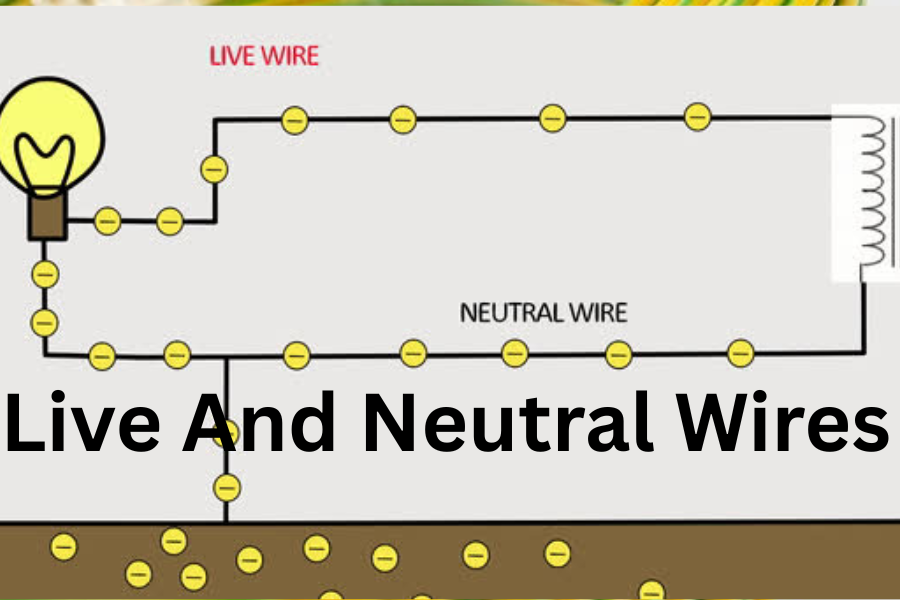
Wires are essential components of modern electrical systems, enabling the safe and efficient transfer of electricity to homes, industries, and devices. Among these, live and neutral wires are fundamental for completing electrical circuits and maintaining safety. The live wire carries current from the power source to appliances, while the neutral wire returns it, ensuring a continuous flow.
Understanding the roles of live and neutral wires is crucial for anyone working with electricity. Correct identification, installation, and maintenance prevent accidents, power failures, and electrical hazards, making these wires integral to both domestic and industrial systems.
These wires are usually made from conductive materials like copper or aluminum and are protected with insulation such as PVC or rubber to prevent shocks and short circuits. Standard color codes, like brown for live and blue for neutral in the UK, help electricians identify wires safely and correctly.
People also asked In this article, we discuss the topic of “live and neutral wires“.
The History And Evolution of Wire Technology

Wire technology dates back centuries, initially used in crafting, communication, and early electrical experiments. As electricity became widespread in the 19th century, copper and aluminum emerged as preferred conductors due to high conductivity and flexibility.
Early electrical systems were often rudimentary, with little standardization. Over time, color codes and safety standards were introduced to help electricians and homeowners identify live, neutral, and earth wires correctly. These developments not only improved safety but also enabled the growth of modern electrical infrastructure and complex electronic systems.
Different Types of Wires And Their Applications
Electrical wiring involves multiple types of wires, each serving a specific function:
Live wire: Carries electrical current from the power source to devices. In the UK, this is typically brown.
Neutral wire: Returns current to the power source to complete the circuit. Blue is the standard color in UK wiring.
Earth wire: Provides a safe path for excess current to prevent shocks and damage, usually green/yellow striped.
Specialized wires: In industrial settings or electronics, wires may include multiple conductors, shielding, or high-purity metals for optimal performance.
Understanding each wire’s purpose is vital for ensuring safety, efficiency, and compliance with electrical standards.
The Science of Conductivity And Materials Used
The efficiency of a wire depends on its conductivity. Copper is the most common material used for live and neutral wires due to its excellent electrical conductivity, flexibility, and resistance to corrosion. Aluminum is used in some large-scale installations but requires careful handling to avoid oxidation and increased resistance.
Insulation is equally important. Live and neutral wires are coated with materials like PVC, rubber, or thermoplastic polymers to prevent electrical leaks, short circuits, and accidental contact. This insulation ensures that electricity flows only where it is intended, maintaining system safety. Advances in wire technology, such as stranded conductors and high-purity metals, enhance both performance and durability.
Innovations Shaping The Future of Wiring
Modern electrical systems benefit from continuous innovations:
High-purity conductors: Oxygen-free copper reduces resistance, improves efficiency, and minimizes energy loss.
Advanced insulation: Durable, heat-resistant polymers protect wires from mechanical and environmental damage.
Smart electrical systems: Embedded sensors monitor current flow and detect faults, providing real-time alerts and enhancing safety.
Sustainable wiring: Recycled metals and eco-friendly insulation reduce environmental impact without compromising performance.
While wireless energy transfer is emerging, live and neutral wires remain indispensable for reliable power delivery in homes, offices, and industrial facilities.
Environmental Concerns And Sustainable Production

Wire production can have significant environmental effects, especially in mining, refining, and plastic insulation manufacturing. Copper mining consumes energy and may impact ecosystems, while traditional insulation contributes to plastic waste.
Sustainable practices include:
Recycling metals: Reusing copper and aluminum reduces mining needs, energy consumption, and emissions.
Eco-friendly insulation: Biodegradable and low-toxicity materials decrease environmental impact.
Energy-efficient manufacturing: Clean production processes minimize carbon footprint and conserve resources.
Responsible sourcing: Ethical supply chains ensure minimal social and environmental disruption.
Integrating sustainability into wire production ensures that electrical systems remain safe, reliable, and environmentally responsible.
Conclusion
Live and neutral wires exemplify the critical role of wiring in modern life. Together, they enable safe and efficient electricity distribution, forming the foundation of homes, businesses, and industries.
From early copper strands to modern insulated conductors with standardized color codes, wire technology has evolved to meet the growing demand for safety, reliability, and performance. Correct identification and installation of live and neutral wires prevent hazards, support advanced technology, and ensure that electrical systems function smoothly.
Wire remains the backbone of civilization, connecting the world through electricity while prioritizing safety, efficiency, and sustainability.
FAQs
What are live and neutral wires?
Live wires carry current from the power source to appliances, while neutral wires return current to complete the circuit.
Why are live and neutral wires important?
They ensure electricity flows safely and reliably through circuits, preventing accidents and device damage.
What colors represent live and neutral wires in the UK?
Live wires are brown, and neutral wires are blue.
Can I handle live and neutral wires myself?
Only if you have proper electrical knowledge. Incorrect handling can lead to serious injury or damage.
How do live and neutral wires work together?
The live wire delivers current to an appliance, and the neutral wire provides a return path, completing the electrical circuit.
Are live and neutral wires used in all electrical systems?
Yes, they are essential in single-phase and three-phase electrical systems.
What insulation materials are used for live and neutral wires?
Common materials include PVC, rubber, and thermoplastic polymers to protect against electrical hazards.
Keep an eye for more latest news & updates on premiumtechy!