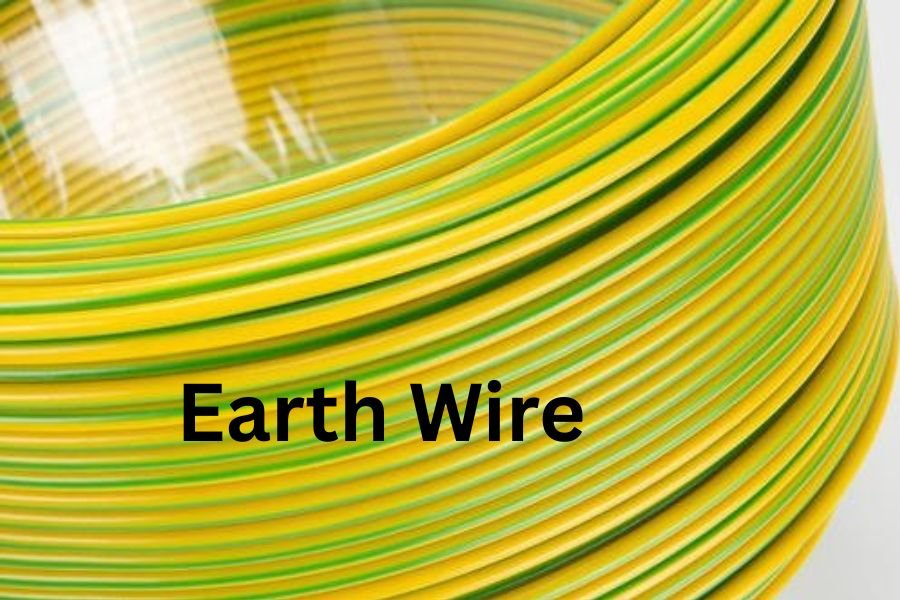
Wire technology is the backbone of modern electrical systems, allowing electricity and data to flow safely and efficiently. Among various types of wires, the earth wire plays a critical role in safety. It provides a path for electrical currents to safely discharge into the ground in case of faults, preventing electric shocks and fire hazards.
The earth wire is a key component in domestic, commercial, and industrial wiring. Its presence ensures that even if live wires develop a fault, excess electricity is safely directed away from users, appliances, and sensitive equipment. Understanding the importance and functionality of the earth wire is essential for electricians, DIY enthusiasts, and anyone concerned with electrical safety.
The earth wire is an essential safety component in electrical systems. It provides a safe path for excess electrical current to flow into the ground during a fault, helping to prevent electric shocks, equipment damage, and electrical fires. In modern wiring systems, the earth wire works alongside live and neutral wires to ensure safe and reliable electricity use in homes, offices, and industries.
People also asked In this article, we discuss the topic of “earth wire“.
The History And Evolution of Wire Technology

The concept of conducting electricity through wires dates back to the 19th century, with copper and aluminum emerging as primary materials due to their high conductivity. Initially, wiring systems were simple and unregulated, leading to safety risks.
As electrical systems became widespread, grounding techniques and safety standards were introduced. The earth wire became a standardized element in modern circuits, particularly in the UK and other regions adhering to international safety codes. Over time, innovations in wire materials, insulation, and color coding have made electrical installations safer and more reliable.
Different Types of Wires And Their Applications
Electrical wiring involves multiple types of wires, each with a specific role:
Live wire: Carries current from the power source to devices. Typically brown in the UK.
Neutral wire: Completes the electrical circuit by returning current to the source. Usually blue.
Earth wire: Connects electrical equipment to the ground, preventing accidental shocks. Green/yellow in the UK.
Specialized wires: Industrial and high-performance wires include flexible copper strands, shielded cables, and fiber optic wiring for data transmission.
The earth wire’s function is distinct yet complementary, ensuring that all systems operate safely while other wires provide power and connectivity.
The Science of Conductivity And Materials Used
Wire performance depends on conductivity, which is the ability of a material to carry electrical current. Copper is the most commonly used material for earth wires due to its excellent conductivity, flexibility, and resistance to corrosion. Aluminum is sometimes used for larger installations, although it requires careful handling.
Insulation protects wires from mechanical damage, moisture, and electrical interference. In the case of earth wires, insulation also ensures that accidental contact with live wires does not compromise the grounding system. Advances in wire design, including stranded conductors and high-purity metals, enhance reliability, especially in safety-critical applications.
Innovations Shaping The Future of Wiring
Wiring technology continues to evolve, impacting safety, efficiency, and sustainability:
High-purity conductors: Oxygen-free copper and silver-plated wires reduce resistance and improve long-term reliability.
Advanced insulation: Heat-resistant, flexible polymers prevent wear and extend wire lifespan.
Smart grounding systems: Integrated sensors can monitor grounding integrity, alerting users to faults before they become dangerous.
Sustainable materials: Eco-friendly insulation and recycled metals reduce environmental impact without compromising performance.
Even as wireless technology grows, wired systems, particularly those with earth connections, remain essential for safety and reliability in modern homes and industries.
Environmental Concerns And Sustainable Production
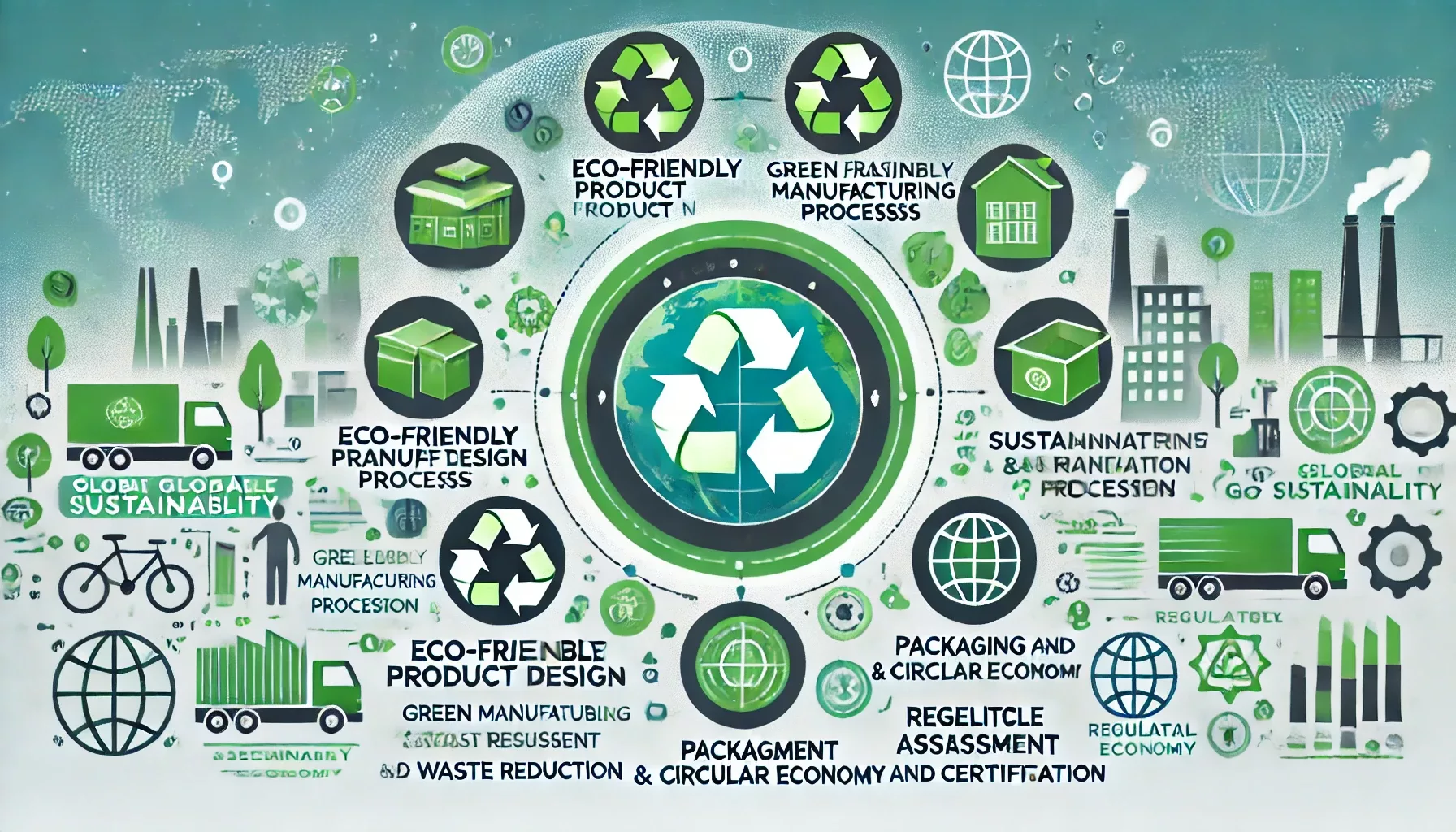
Wire production has ecological implications, especially in mining and refining copper and aluminum. Insulation materials, often plastic-based, contribute to waste if not managed responsibly.
Sustainable practices in wire production include:
Recycling metals: Reusing copper reduces the need for mining and saves energy.
Eco-friendly insulation: Biodegradable and low-toxicity polymers reduce environmental harm.
Energy-efficient manufacturing: Using renewable energy and cleaner production processes reduces carbon emissions.
Responsible sourcing: Ethical supply chains ensure minimal environmental and social impact.
Implementing these measures in electrical systems, including grounding installations, promotes safety and sustainability.
Conclusion
Wire, particularly the earth wire, is a fundamental component of safe electrical systems. It protects users and equipment by safely diverting excess electricity into the ground. From early copper strands to modern, insulated, color-coded wires, the evolution of wiring highlights centuries of innovation.
In homes, offices, and industries, the earth wire exemplifies how wire technology is not just about connectivity but also about safety, reliability, and protection. Understanding its function and importance underscores why wire remains the backbone of modern civilization, ensuring that electricity powers our world safely and efficiently.
FAQs
What is an earth wire?
An earth wire is a safety wire that connects electrical equipment to the ground, preventing electric shocks and damage in case of faults.
Why is an earth wire important?
It provides a safe path for excess electricity, protecting users and appliances from electrical hazards.
What color is the earth wire in the UK?
Green and yellow stripes.
Can I install an earth wire myself?
Only if you have proper electrical knowledge. Improper installation can be dangerous; it’s best handled by a licensed electrician.
How does an earth wire work with other wires?
It works alongside live and neutral wires to ensure the circuit is safe. Live wires carry current to devices, neutral completes the circuit, and earth wires provide protection.
Do all devices require an earth wire?
Not all. Some double-insulated devices may not need an earth connection, but it is essential for appliances with metal casings.
Keep an eye for more latest news & updates on premiumtechy!


VERY NICE WEBSITE