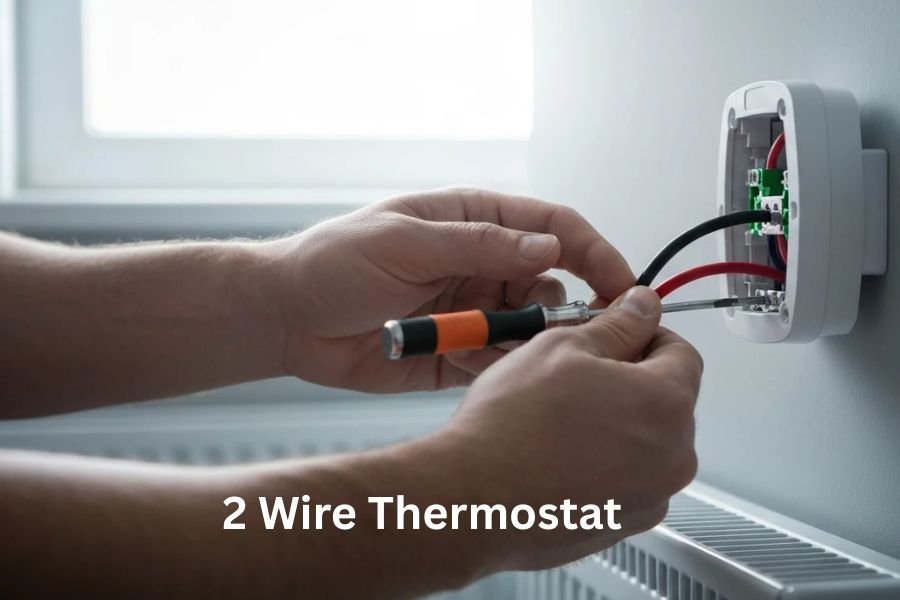
A 2 wire thermostat is one of the simplest types of thermostats used in residential heating systems. It is designed to control heating equipment using only two low-voltage wires, typically labeled R (power) and W (heat). These thermostats are commonly found in older homes, boilers, gas furnaces, and some electric heating systems. Because they focus solely on heating control, they are easy to install, reliable, and cost-effective for homeowners who do not require advanced HVAC features.
Traditional 2 wire thermostats do not require a C wire. However, many smart thermostats need a C wire or an alternative power solution to function properly.Generally, no. Most 2 wire thermostats are designed for heating-only systems. Heating and cooling systems typically require additional thermostat wires and terminals.
In this article, we discuss the topic of “2 wire thermostat“.
How Does a 2 Wire Thermostat Work?
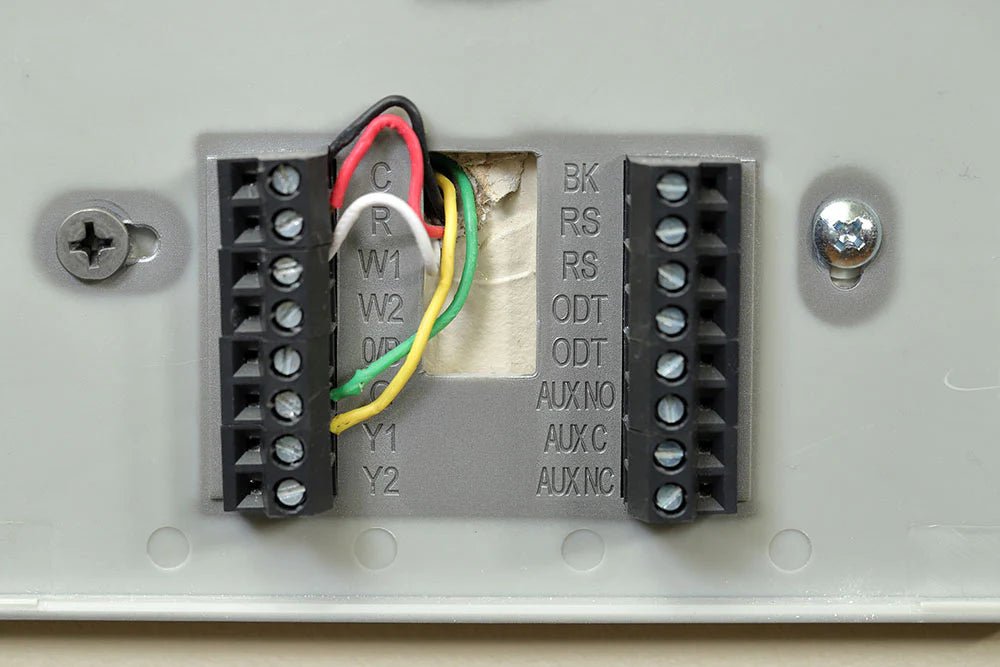
A 2 wire thermostat operates as a basic electrical switch. When the temperature inside the home drops below the desired setting, the thermostat closes the circuit between the R and W wires, signaling the heating system to turn on. Once the room reaches the selected temperature, the thermostat opens the circuit, stopping the flow of electricity and shutting off the heat. This simple mechanism allows the thermostat to maintain a comfortable indoor temperature without requiring complex wiring.
2 Wire Thermostat Wiring Diagram Explained
The wiring configuration of a 2 wire thermostat is straightforward. One wire, usually the R wire, delivers 24-volt power from the heating system’s transformer. The second wire, known as the W wire, carries the signal back to the furnace, boiler, or heating control board. When the thermostat calls for heat, it connects these two wires together, completing the circuit and activating the heating equipment.
How to Install a 2 Wire Thermostat
Installing a 2 wire thermostat is generally a simple process. Before beginning, turn off power to the heating system at the circuit breaker. Remove the old thermostat cover and note the wire connections. Disconnect the existing thermostat, mount the new thermostat base to the wall, and connect the R and W wires to their corresponding terminals. Once the thermostat is secured and the cover is attached, restore power and test the heating system to ensure proper operation.
Best 2 Wire Thermostats for Home Heating
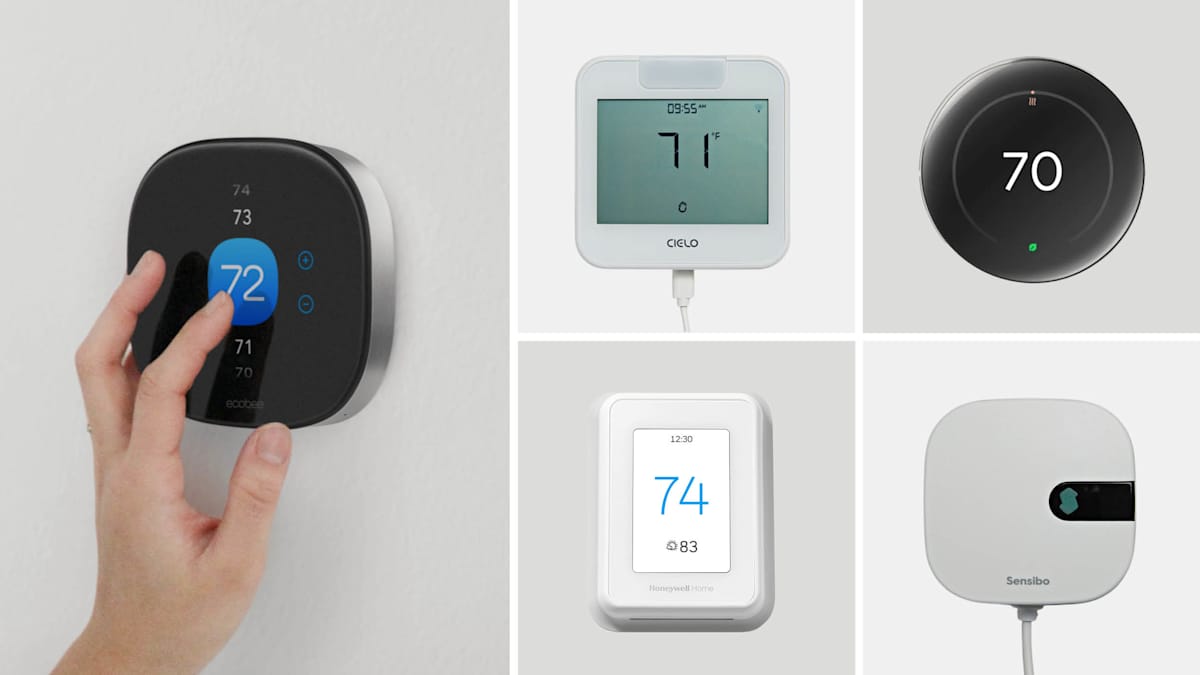
Several manufacturers offer reliable thermostats designed for 2 wire heating systems. Popular options include Honeywell Home thermostats, Emerson Sensi models, Google Nest thermostats with compatible adapters, and Ecobee smart thermostats. The best choice depends on your budget, desired features, and whether you prefer a programmable, non-programmable, or smart thermostat.
Smart Thermostats Compatible With 2 Wire Systems
Many homeowners assume smart thermostats require multiple wires, but several models are compatible with 2 wire systems. Products from Nest, Ecobee, and Honeywell can often work with two-wire heating setups when paired with a power adapter, C-wire kit, or power extender. These solutions provide the additional power needed for advanced smart features while maintaining compatibility with older heating systems.
Can You Use a Smart Thermostat With Only 2 Wires?
Yes, many smart thermostats can function with only two wires, although some may require additional accessories. Since smart thermostats need continuous power for Wi-Fi connectivity, touchscreens, and remote access, manufacturers often provide C-wire adapters or power extender kits. Before purchasing a smart thermostat, it is important to verify compatibility with your specific heating system.
2 Wire Thermostat vs 4 Wire Thermostat
The primary difference between a 2 wire thermostat and a 4 wire thermostat is functionality. A 2 wire thermostat typically controls heating only, while a 4 wire thermostat can manage heating, cooling, fan operation, and other HVAC functions. Homes with central air conditioning generally require more than two wires, whereas heating-only systems can operate effectively with a simple 2 wire configuration.
Common 2 Wire Thermostat Problems and Solutions
Although generally reliable, 2 wire thermostats can occasionally develop issues. Common problems include inaccurate temperature readings, loose wiring connections, dead batteries in digital models, or heating systems that fail to respond. Checking wire connections, replacing batteries, cleaning the thermostat, and verifying system compatibility often resolves these problems without professional assistance.
How to Replace an Old 2 Wire Thermostat
Replacing an old thermostat begins by turning off power to the HVAC system. Carefully remove the old thermostat and label the wires before disconnecting them. Install the new thermostat according to the manufacturer’s instructions, reconnect the R and W wires, and restore power. After installation, test the heating system to ensure the thermostat communicates properly with the equipment.
Do You Need a C Wire for a 2 Wire Thermostat?
Traditional 2 wire thermostats do not require a C wire because they function as simple switches. However, many smart thermostats need a C wire to provide constant power. If your system lacks a C wire, you may need a power adapter, power extender kit, or an additional wire installation to support advanced thermostat features.
How to Identify Thermostat Wires
Identifying thermostat wires is an important step when replacing or upgrading a thermostat. The R wire is usually red and provides power, while the W wire is often white and controls heating. Other wire colors may vary depending on the HVAC system. Always consult the system wiring diagram and thermostat manual to confirm wire functions before making connections.
2 Wire Thermostat Compatibility Guide
Most 2 wire thermostats are compatible with boilers, hydronic heating systems, gas furnaces, and some electric heaters. Compatibility depends on voltage requirements and control methods. Before purchasing a thermostat, verify that it supports your specific heating equipment and wiring configuration.
Best Programmable 2 Wire Thermostats
Programmable thermostats allow homeowners to schedule temperature changes throughout the day, improving comfort and energy efficiency. Models from Honeywell, Emerson, and Lux offer programmable features while maintaining compatibility with 2 wire heating systems. These thermostats can automatically lower temperatures when occupants are away and increase them before they return home.
Non-Programmable 2 Wire Thermostats Explained
Non-programmable thermostats provide manual temperature control without scheduling functions. They are often less expensive and easier to operate than programmable models. Many homeowners choose non-programmable thermostats for simplicity, reliability, and straightforward operation.
How to Upgrade a 2 Wire Thermostat System
Upgrading a 2 wire thermostat system may involve installing a programmable or smart thermostat, adding a C wire, or incorporating a power extender kit. These upgrades can improve comfort, provide remote access through smartphone apps, and enhance energy efficiency without requiring a complete HVAC system replacement.
Troubleshooting a 2 Wire Thermostat Not Working
If a 2 wire thermostat stops working, begin by checking power to the heating system. Verify that wire connections are secure, batteries are functioning, and circuit breakers have not tripped. Testing continuity between the R and W wires can help determine whether the thermostat is sending the proper heating signal.
Why Your 2 Wire Thermostat Is Not Turning On Heat
A thermostat that fails to activate heating may indicate loose wiring, a malfunctioning thermostat, a faulty transformer, or issues within the heating equipment itself. Inspecting the wiring connections and testing the thermostat can often identify the source of the problem.
How to Test a 2 Wire Thermostat
Testing a thermostat typically involves disconnecting power and temporarily connecting the R and W wires together. If the heating system activates, the thermostat may be defective. A multimeter can also be used to verify continuity and proper electrical operation.
2 Wire Thermostats for Boilers, Furnaces, and Electric Heating
Two-wire thermostats are widely used with boilers, gas furnaces, and certain electric heating systems. They provide dependable temperature control and are particularly effective in heating-only applications where cooling functions are unnecessary.
Can a 2 Wire Thermostat Control Cooling?
In most cases, a standard 2 wire thermostat cannot control cooling systems because cooling equipment requires additional wiring for compressor and fan operation. Homes with both heating and air conditioning generally need thermostats with at least four or more wires.
Benefits of Using a 2 Wire Thermostat
The main advantages of a 2 wire thermostat include simple installation, lower cost, reliability, and ease of maintenance. Their straightforward design reduces potential wiring errors and makes them ideal for heating-only systems.
Limitations of 2 Wire Thermostat Systems
While effective for basic heating control, 2 wire thermostats have limitations. They typically cannot manage cooling systems, advanced fan controls, humidity settings, or some smart-home integrations without additional wiring or accessories.
Signs You Need a New Thermostat
Common signs that a thermostat should be replaced include inconsistent temperatures, short cycling, unresponsive controls, inaccurate temperature readings, and rising energy bills. Upgrading to a modern thermostat can improve both comfort and efficiency.
How to Add a C Wire to a 2 Wire Thermostat
Adding a C wire may involve running a new cable, using an unused wire in the existing thermostat cable, or installing a C-wire adapter. This upgrade is often necessary when transitioning to a smart thermostat that requires continuous power.
Safety Tips for Thermostat Installation
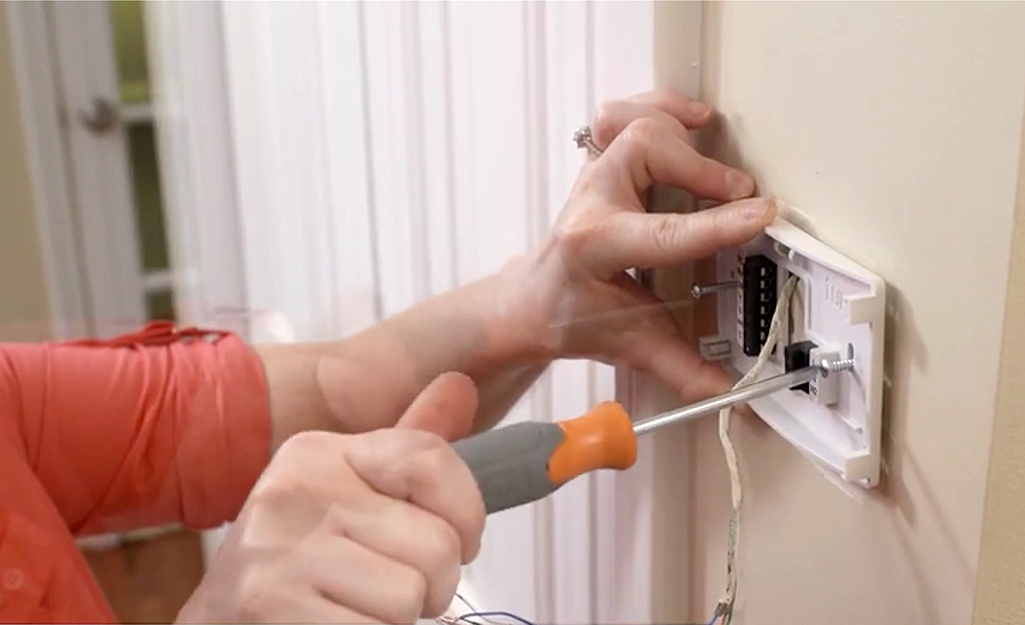
Always turn off electrical power before working with thermostat wiring. Use insulated tools, follow manufacturer instructions, and verify wire identification before making connections. If you are unsure about any step, consult a licensed HVAC technician.
Conclusion
A 2 wire thermostat is a simple yet highly effective solution for controlling heating-only systems such as boilers, gas furnaces, and certain electric heaters. Its straightforward design makes installation, maintenance, and troubleshooting easier than more complex thermostat systems. While traditional 2 wire thermostats are limited to heating control, modern programmable and smart thermostat options have expanded the functionality available to homeowners. Understanding how 2 wire thermostats work, their wiring requirements, and compatibility considerations can help you choose the right model for your home. Whether you are replacing an outdated thermostat or upgrading to a smarter heating control system, a properly selected 2 wire thermostat can improve comfort, convenience, and energy efficiency.
FAQs
What is a 2 wire thermostat used for?
A 2 wire thermostat is primarily used to control heating-only systems, including boilers, gas furnaces, hydronic heating systems, and some electric heaters. It does not typically control air conditioning equipment.
What do the two wires on a thermostat represent?
The two wires are usually the R wire and the W wire. The R wire provides power from the HVAC transformer, while the W wire sends the signal to activate the heating system when heat is needed.
Can I install a 2 wire thermostat myself?
Yes, many homeowners can install a 2 wire thermostat themselves because the wiring is relatively simple. However, it is important to turn off power to the heating system and follow the manufacturer’s installation instructions carefully.
Can a smart thermostat work with only two wires?
Yes, some smart thermostats can work with two-wire systems. However, many require a C-wire adapter, power extender kit, or additional wiring to provide continuous power for smart features and Wi-Fi connectivity.
Do all 2 wire thermostats require batteries?
No. Mechanical thermostats often operate without batteries, while many digital and programmable thermostats use batteries to power their display and internal controls.
Keep an eye for more latest news & updates on premiumtechy!