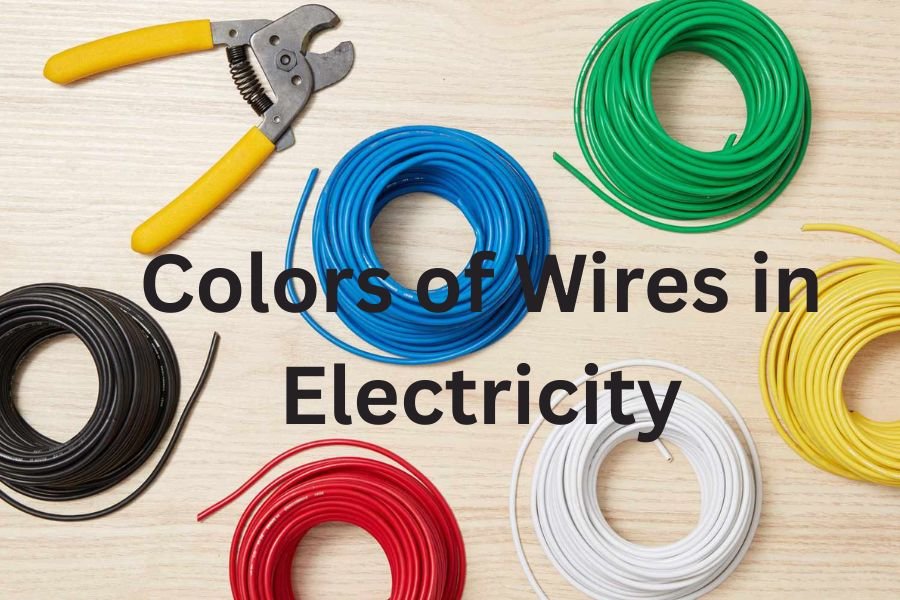
Electrical wiring is one of the most critical components of modern civilization, powering everything from household appliances to complex industrial machinere. Among the essential aspects of wiring is the use of color-coded wires, which allows electricians, engineers, and DIY enthusiasts to quickly identify the purpose of each wire. These color codes prevent mistakes, enhance safety, and make electrical installations more efficient.
Whether you are installing a new home electrical system, repairing a circuit, or setting up industrial equipment, knowing the colors of wires in electricity is indispensable. Beyond simple identification, color coding plays a role in compliance with safety standards and regulations, ensuring that electrical systems function reliably and safely.
As technology evolves, the combination of traditional wiring and modern innovations like smart homes and renewable energy systems makes it more important than ever to understand wire colors and their applications.
Wire colors in electricity help identify the function of each wire, such as live, neutral, and earth, making electrical systems safer and easier to install or repair. Different countries use standardized color codes, like brown for live, blue for neutral, and green/yellow for earth in the UK and Europe.
People also asked In this article, we discuss the topic of “colors of wires in electricity“.
The History And Evolution of Wire Technology

The use of wire for conducting electricity dates back to the late 19th century, when electricity first became widely used for lighting and industrial purposes. Early electrical installations were basic and often uninsulated, which made them unsafe. There was no standardization in wire colors, leading to confusion and an increased risk of accidents.
As electricity became more common, engineers recognized the need for standardization. Copper and aluminum were identified as the most effective conductive materials, offering high conductivity, flexibility, and durability. Copper quickly became the preferred choice for most electrical installations, while aluminum was used for large-scale transmission lines due to its lighter weight and cost-effectiveness.
Over time, countries established standardized color codes to identify live, neutral, and earth wires. In the UK, for example, the color codes were standardized as brown for live, blue for neutral, and green/yellow for earth. Other countries adopted similar standards with minor variations. This standardization made installations safer, easier to maintain, and easier to inspect.
Modern wire technology has evolved to include multi-stranded conductors, heat-resistant insulation, and environmentally friendly materials. These advancements allow for safer, more compact, and more energy-efficient installations, laying the foundation for the electrical systems we rely on today.
Different Types of Wires And Their Applications
Electrical systems use a variety of wires depending on their function. Understanding these wire types and their colors is crucial for safe installation and maintenance.
Live wire
The live wire carries electrical current from the power source to devices and appliances. In the UK, the live wire is typically colored brown. The live wire is the most critical component in a circuit and must be handled carefully. In older wiring systems, the live wire might have been red, highlighting how standards have evolved over time.
Neutral wire
The neutral wire completes the circuit by returning current to the power source. Its standard color in the UK is blue. Neutral wires carry electricity away from devices and help stabilize the circuit. Correct identification is essential for maintaining proper flow and preventing electrical faults.
Earth wire
The earth wire is a safety feature that directs excess current safely into the ground, protecting users from electric shocks. Its standard color is green with yellow stripes. Proper grounding is particularly important for metal appliances and industrial machinery, where electrical faults could otherwise lead to injury or fire.
Specialty wires
In complex installations, specialty wires may be used. These can include additional colors to indicate specific functions, higher voltage levels, or particular sensor connections. Shielded wires reduce electromagnetic interference, while multi-core cables combine several conductors in a single sheath for compact installations.
Examples of color codes in different countries
- UK (current standard): Brown = Live, Blue = Neutral, Green/Yellow = Earth
- USA: Black/Red = Live, White = Neutral, Green/Bare = Ground
- Europe: Brown = Live, Blue = Neutral, Green/Yellow = Ground
Knowing these codes ensures safe and correct wiring, especially when working with imported equipment or international projects.
The Science of Conductivity And Materials Used
The performance of electrical wiring depends on the conductive material and insulation quality.
Conductors
Copper is the most widely used material because of its excellent electrical conductivity, ductility, and resistance to corrosion. High-quality copper wires, sometimes oxygen-free or silver-plated, minimize energy loss and support high-efficiency circuits. Aluminum is another conductor, often used in large-scale transmission lines or low-current circuits, but it requires careful handling to avoid oxidation and overheating.
Insulation
Wire insulation prevents accidental contact, electrical leakage, and short circuits. Common insulation materials include PVC, rubber, and thermoplastic polymers, each providing protection against mechanical damage, moisture, and heat. Modern innovations include heat-resistant and flexible polymers, which allow for compact wiring in tight spaces without compromising safety.
Wire construction
Stranded wires consist of multiple thin strands twisted together, offering greater flexibility and durability compared to solid-core wires. Solid wires, meanwhile, are typically used in permanent, rigid installations. The combination of high-quality conductors and robust insulation ensures safe, reliable electrical performance across applications.
Innovations Shaping The Future of Wiring

Electrical wiring has come a long way from basic copper strands. Recent innovations are making wiring safer, more efficient, and more adaptable to modern needs:
Smart wiring
Advanced wiring systems integrate sensors that monitor current flow, temperature, and voltage. These sensors can alert homeowners or facility managers to faults, overheating, or power surges before accidents occur.
Miniaturization and flexible wires
Flexible, ultra-thin wires enable compact electronics and smart devices. These wires maintain high conductivity while fitting into small devices or tight spaces in buildings, reducing installation complexity.
Sustainable and eco-friendly materials
Manufacturers now produce wires with recycled metals and biodegradable insulation, reducing the environmental impact of electrical installations while maintaining performance standards.
Integration with renewable energy
Modern wiring supports solar panels, wind turbines, and electric vehicle charging stations. Color-coded wiring helps installers safely connect high-voltage systems, ensuring efficiency and safety.
Environmental Concerns And Sustainable Production
Wire production has environmental implications due to mining, energy consumption, and insulation waste. Mining for copper and aluminum can harm ecosystems, while traditional polymer insulation contributes to plastic pollution.
Sustainable practices include:
- Metal recycling: Recovering copper and aluminum reduces the need for mining and energy use.
- Eco-friendly insulation: Biodegradable or low-toxicity polymers reduce waste and pollution.
- Energy-efficient production: Using clean energy and minimizing emissions during manufacturing reduces the environmental footprint.
- Ethical sourcing: Responsible mining and supply chain practices protect communities and ecosystems.
These measures ensure that electrical wiring, including color-coded wires, supports both modern infrastructure and environmental sustainability.
Practical Tips For Handling Wires Safely
Even with proper color codes, safety is paramount when working with electricity:
- Always turn off the power supply before handling wires.
- Use insulated tools and wear protective gloves.
- Verify wire function with a voltage tester or multimeter.
- Never mix wires from different standards without proper labeling.
- For DIY projects, consult local regulations to ensure compliance.
- When in doubt, hire a licensed electrician for safety and reliability.
Following these precautions prevents accidents, equipment damage, and ensures that wiring systems operate safely for years.
Conclusion
The colors of wires in electricity represent more than just visual identification—they symbolize safety, efficiency, and innovation. From early copper strands to today’s insulated, color-coded systems, wire technology has continuously evolved to meet modern demands.
Understanding live, neutral, and earth wires is essential for anyone working with electricity, ensuring safe installations and reliable power delivery. Color-coded wires simplify work for electricians, reduce human error, and support advanced systems like smart homes, industrial automation, and renewable energy.
Despite the growth of wireless technologies, proper wiring remains fundamental. Wire is, and will continue to be, the backbone of modern civilization, connecting the world safely, efficiently, and sustainably.
FAQs
What do the colors of wires in electricity represent?
They identify each wire’s function: live wires carry current, neutral wires return it, and earth wires provide safety.
Why are wire colors important?
Wire colors prevent mistakes, enhance safety, and ensure compliance with electrical standards.
Are wire colors the same worldwide?
No, colors vary by country, but live, neutral, and earth are generally standardized.
Can wire colors be changed?
No. Changing colors creates confusion and safety hazards. Always follow local standards.
What materials are used for wire insulation?
PVC, rubber, and thermoplastic polymers prevent short circuits and protect users.
Do wire colors indicate voltage levels?
Some specialized systems use additional colors to denote voltage or special functions.
Keep an eye for more latest news & updates on premiumtechy!