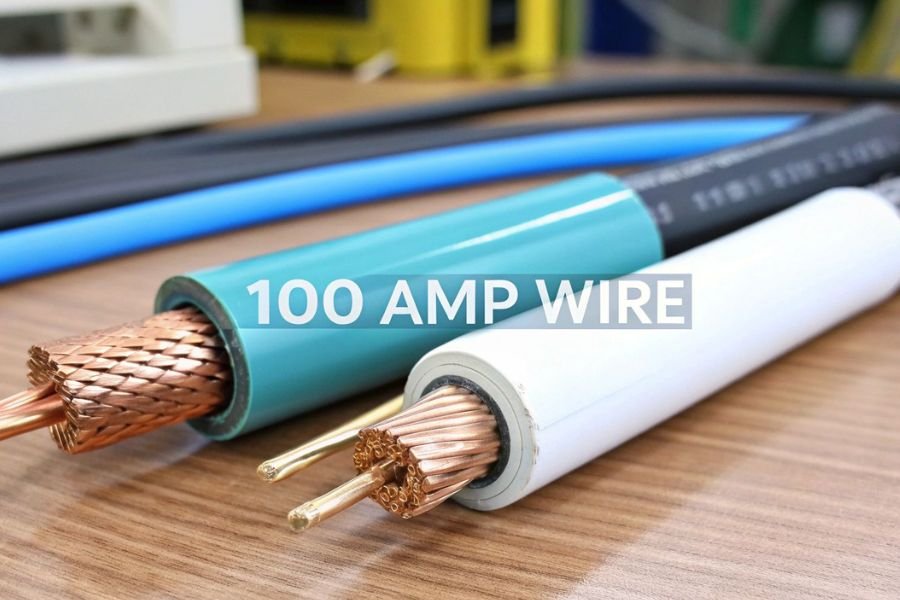
Choosing the correct wire size for a 100 amp electrical service is essential for safety and performance in residential homes. Most electricians recommend using 3 AWG copper wire or 1 AWG aluminum wire for a standard 100 amp service panel. These wire sizes are designed to handle the electrical load without overheating or causing voltage drop issues. Homeowners should always follow local electrical codes and consult licensed electricians before installation.
Choosing the correct 100 amp wire size is important for electrical safety, efficiency, and long-term performance. Most homes use 3 AWG copper or 1 AWG aluminum wire for standard 100 amp service installations. Always follow NEC codes and consult a licensed electrician for proper installation and load calculations.
People also asked In this article, we discuss the topic of “100 amp wire size“.
100 Amp Wire Size Chart for Copper and Aluminum Wires
:max_bytes(150000):strip_icc()/electrical-wire-sizes-1152851-final-f9b6499b4a564c5e9f644b241a7e619f.png)
A wire size chart helps homeowners and electricians quickly determine the right conductor size for a 100 amp circuit. Copper wires usually require smaller gauges because copper has better conductivity than aluminum. For example, 3 AWG copper and 1 AWG aluminum are common choices for 100 amp service. The chart also varies depending on temperature ratings, conduit type, and installation environment.
How Far Can You Run a 100 Amp Service Without Voltage Drop?
The distance of a wire run directly impacts voltage drop in a 100 amp electrical system. Short runs may work efficiently with standard wire sizes, but long distances often require thicker conductors to maintain proper voltage levels. Electricians generally aim for less than a 3% voltage drop for residential installations. Upgrading wire size is one of the best ways to reduce power loss over extended distances.
Best Wire Types for 100 Amp Electrical Service in 2026
Several wire types are suitable for 100 amp electrical service, including THHN, XHHW, SER, and UF cables. THHN wires are popular for conduit installations due to their heat resistance and durability. SER cables are commonly used in residential service entrances because they are flexible and easy to install. Choosing the right wire type depends on the location, moisture exposure, and installation method.
Copper vs Aluminum Wire for 100 Amp Panels
Copper and aluminum wires are both used for 100 amp electrical panels, but each has unique advantages. Copper offers better conductivity, durability, and corrosion resistance, making it a premium choice for residential wiring. Aluminum is more affordable and lighter, but it requires larger sizes to handle the same electrical load. Many homeowners choose aluminum to reduce installation costs while still meeting NEC requirements.
NEC Code Requirements for 100 Amp Wire Size
The National Electrical Code provides strict guidelines for selecting wire sizes for 100 amp services. NEC rules consider factors like conductor material, insulation type, ambient temperature, and load calculations. According to the code, 3 AWG copper and 1 AWG aluminum are generally approved for 100 amp applications. Compliance with NEC standards helps ensure safe and reliable electrical installations.
What Gauge Wire Do You Need for a 100 Amp Breaker?
The correct gauge wire for a 100 amp breaker depends on the wire material and installation conditions. Copper conductors commonly use 3 AWG, while aluminum conductors use 1 AWG for standard residential systems. Wire gauge selection also depends on temperature ratings and conduit fill requirements. Using undersized wire can create overheating risks and electrical hazards.
100 Amp Wire Size for Underground Installation
Underground electrical installations require special attention to wire type and insulation protection. Many electricians use direct burial UF cable or THWN wires inside PVC conduit for underground 100 amp service. Wire size may need adjustment if the run is extremely long to prevent voltage drop. Proper trench depth and moisture-resistant insulation are also critical for long-term safety.
Choosing the Right Conduit for 100 Amp Service
Conduit selection plays an important role in protecting 100 amp wiring systems. PVC conduit is popular for underground and outdoor applications because it resists corrosion and moisture damage. EMT and rigid metal conduits are commonly used indoors for added physical protection. The conduit size must be large enough to safely accommodate all conductors without overcrowding.
100 Amp Wire Size for Detached Garages
Detached garages often require a dedicated 100 amp subpanel to power tools, lighting, and appliances. Electricians typically use 3 AWG copper or 1 AWG aluminum conductors for these installations. Distance between the main house and garage can influence the required wire size due to voltage drop concerns. Proper grounding and conduit protection are also necessary for detached structures.
How to Calculate Voltage Drop for 100 Amp Circuits
Voltage drop calculations help determine whether a wire size is suitable for a specific electrical run. Factors include wire length, conductor material, amperage, and system voltage. Electricians often use online calculators or NEC formulas to estimate voltage drop percentages. Increasing conductor size is the most effective way to reduce excessive voltage loss.
Can You Use 2 AWG Wire for 100 Amp Service?
In some situations, 2 AWG copper wire may be acceptable for a 100 amp service depending on insulation temperature ratings and local code approvals. However, many electricians prefer 3 AWG copper as the standard residential choice. Aluminum conductors generally require larger gauges for the same load capacity. Always verify wire size requirements with local electrical authorities before installation.
100 Amp Wire Size for Mobile Homes
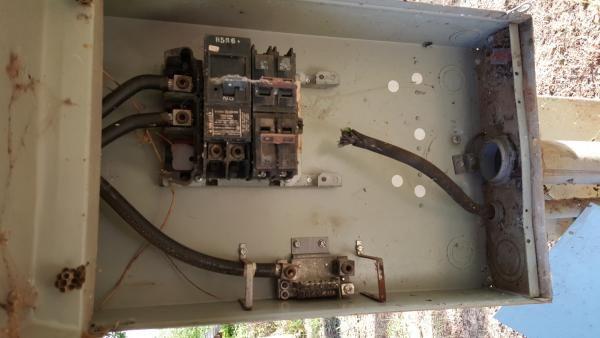
Mobile homes commonly use 100 amp electrical services to support modern appliances and HVAC systems. Wire selection often depends on the distance from the utility connection and the installation environment. SER cable and aluminum conductors are frequently used because they are cost-effective and easy to install. Proper grounding is especially important for mobile home electrical safety.
Best Breaker Panel Setup for 100 Amp Service
A properly organized breaker panel improves safety and electrical efficiency in a 100 amp system. Essential circuits usually include lighting, kitchen outlets, HVAC equipment, and large appliances. Modern breaker panels often include surge protection and space for future circuit expansion. Clear labeling also helps homeowners identify circuits quickly during maintenance or emergencies.
Common Mistakes When Installing 100 Amp Wiring
One of the most common mistakes in 100 amp installations is using undersized wires. Poor grounding, incorrect breaker sizing, and overloaded circuits can also create serious safety hazards. Some homeowners fail to account for voltage drop on long wire runs, which can reduce appliance performance. Hiring a qualified electrician helps prevent costly installation errors.
100 Amp Sub Panel Wire Size Explained
A 100 amp subpanel requires feeder wires capable of safely carrying the electrical load. Standard installations usually use 3 AWG copper or 1 AWG aluminum conductors. The feeder cable must include two hot wires, one neutral, and one grounding conductor. Proper separation of neutral and ground bars inside the subpanel is also required by code.
How Many Appliances Can a 100 Amp Panel Handle?
A 100 amp electrical panel can typically support lighting, kitchen appliances, HVAC systems, and entertainment devices in small to medium-sized homes. However, heavy electrical demands like EV chargers or multiple air conditioning units may push the system close to capacity. Load calculations help determine whether a 100 amp service is sufficient. Energy-efficient appliances can also reduce strain on the panel.
Cost of Installing a 100 Amp Electrical Service
The cost of installing a 100 amp service depends on labor rates, wire materials, permits, and panel upgrades. Copper wiring is generally more expensive than aluminum due to higher material costs. Underground installations and long wire runs can significantly increase project expenses. Homeowners often spend several thousand dollars for a complete professional installation.
100 Amp Wire Size for Solar Power Systems
Solar power systems sometimes require 100 amp feeders to connect inverters and subpanels. Wire size selection depends on current output, distance, and environmental exposure. Copper conductors are commonly used because they provide excellent conductivity and durability. Proper overcurrent protection and grounding are also essential for solar installations.
Understanding AWG Ratings for 100 Amp Wiring

AWG stands for American Wire Gauge, a standardized system used to measure conductor size. Lower AWG numbers indicate thicker wires with higher current-carrying capacity. For example, 3 AWG copper wire is thicker and can safely handle a 100 amp load in many residential applications. Understanding AWG ratings helps homeowners choose the correct wire size for safe electrical performance.
Conclusion
Selecting the correct wire size for a 100 amp electrical service is one of the most important steps in creating a safe and efficient electrical system. Whether you choose copper or aluminum conductors, the wire must match the electrical load, installation method, and distance requirements to avoid overheating and voltage drop problems. Following NEC guidelines and using quality materials can help ensure long-lasting electrical performance in residential, commercial, and outdoor applications.
Modern homes continue to demand more power due to EV chargers, HVAC systems, smart appliances, and solar installations. Because of this, many homeowners are carefully planning their 100 amp systems for both current and future electrical needs. Working with a licensed electrician is always recommended to guarantee proper installation, code compliance, and maximum safety. With the right wire size and installation practices, a 100 amp electrical service can provide reliable power for many years.
FAQs
What size copper wire is needed for 100 amp service?
Most residential 100 amp services use 3 AWG copper wire because it can safely handle the electrical load under standard NEC guidelines. The exact size may vary depending on temperature ratings and installation conditions.
What size aluminum wire is required for 100 amp service?
For most 100 amp residential applications, electricians commonly use 1 AWG aluminum wire. Aluminum conductors need larger sizes than copper because they have lower conductivity.
Can I use 2 AWG wire for a 100 amp breaker?
In certain conditions, 2 AWG copper wire may be allowed depending on insulation ratings and local electrical codes. However, many installations still use 3 AWG copper as the standard choice.
How deep should underground 100 amp wires be buried?
Underground electrical wires are usually buried between 18 and 24 inches deep depending on the conduit type and local code requirements. PVC conduit is commonly used for underground protection.
Is copper better than aluminum for 100 amp service?
Copper offers better conductivity, durability, and corrosion resistance than aluminum. However, aluminum is more affordable and lighter, making it a popular option for budget-friendly installations.
Keep an eye for more latest news & updates on premiumtechy!