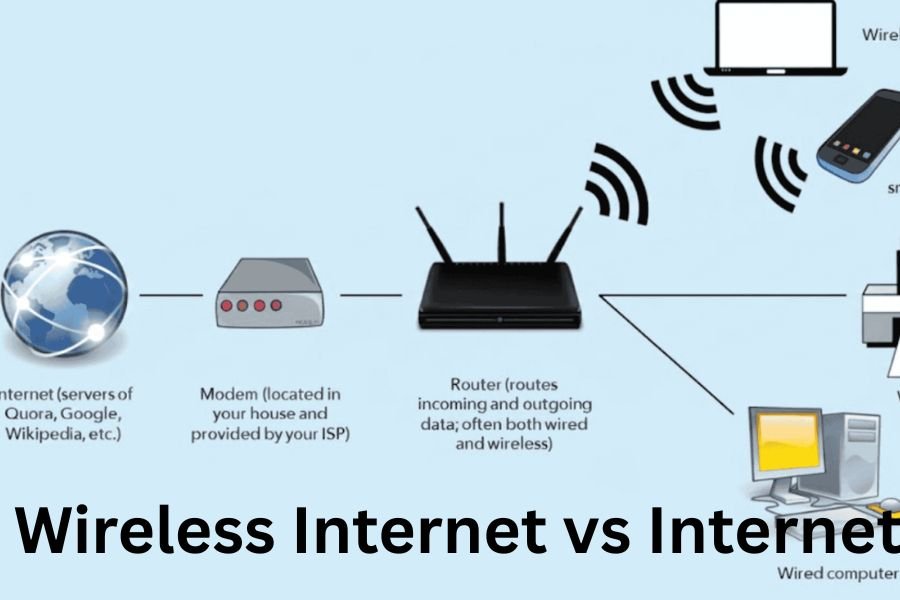
The internet has become an essential part of modern life, supporting everything from communication and entertainment to education and business operations. However, many people still confuse the terms wireless internet and traditional internet, assuming they mean exactly the same thing. In reality, internet refers to the global network that connects computers and devices around the world, while wireless internet is simply one method of accessing that network without relying on physical cables connected directly to the device. Understanding the differences between these technologies helps users choose the right internet solution for their home, office, or mobile needs.
Wireless internet and traditional internet both provide access to online services, but they differ in how they deliver connectivity. Wireless internet offers flexibility, mobility, and easy setup, while traditional wired internet provides stronger stability, faster speeds, and lower latency.
People also asked In this article, we discuss the topic of “wireless internet vs internet“.
What Is Wireless Internet?
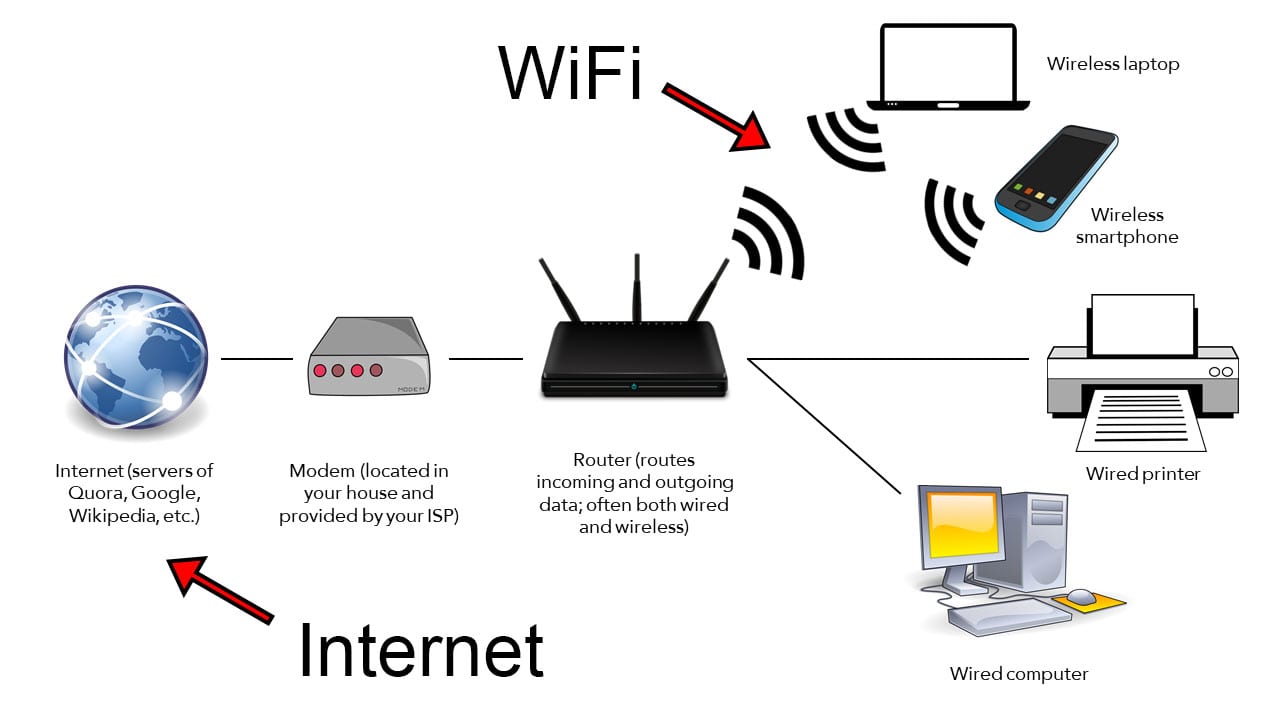
Wireless internet is a technology that allows users to connect to the internet without requiring a direct wired connection between the device and the network source. Instead of physical cables, wireless internet uses radio signals to transmit data from routers, towers, or satellites to connected devices such as smartphones, laptops, tablets, and smart TVs. Wi-Fi, mobile data networks like 4G and 5G, fixed wireless systems, and satellite internet are all examples of wireless internet technologies. One of the biggest advantages of wireless internet is flexibility, since users can move freely while staying connected. Wireless connectivity has transformed homes and workplaces by making internet access more convenient and accessible. However, wireless performance can still depend on factors such as signal strength, network congestion, device compatibility, and environmental interference.
What Is Traditional Internet?
Traditional internet usually refers to internet services delivered through physical infrastructure such as fiber-optic cables, coaxial cable lines, telephone networks, or Ethernet connections. Unlike wireless internet, which sends data through radio waves, traditional internet relies on direct wired communication to transfer information between the service provider and the user’s device or router. Fiber internet uses light signals for extremely fast speeds, while cable internet uses television infrastructure and DSL relies on telephone lines. Traditional internet connections are often known for offering greater reliability, lower latency, and more stable speeds, making them suitable for gaming, business operations, and high-performance applications. Although wired setups may require installation and infrastructure, they remain a preferred option for users who prioritize consistent internet quality.
Wireless Internet vs Internet: Key Differences Explained
Wireless internet and traditional internet both provide access to online services, but they differ in how that access is delivered. Wireless internet focuses on convenience and mobility by transmitting signals through the air, allowing devices to connect without cables. Traditional internet focuses on stability by delivering data through physical connections. Wireless networks are generally easier to install and support multiple devices with minimal setup, while wired solutions often achieve better speed consistency and lower delays. The ideal choice depends on individual requirements such as gaming, remote work, streaming habits, and available infrastructure in a specific location.
How Wireless Internet Actually Works
Wireless internet works by converting internet data into radio signals that travel between an access point and connected devices. First, the internet service provider delivers connectivity to a modem or wireless gateway. The router then converts the incoming connection into wireless signals and broadcasts them across a designated area. Devices equipped with wireless receivers detect the signal and exchange data through encrypted communication protocols. Modern wireless technologies support multiple frequency bands and advanced standards to improve speed, reduce interference, and maintain reliable performance across many connected devices.
Understanding Wired Internet Connections
Wired internet connections create a direct communication path between devices and the internet source through cables. Fiber-optic systems transmit information using pulses of light, while cable internet uses electrical signals through coaxial infrastructure. Ethernet connections are commonly used in offices and gaming environments because they deliver stable and low-latency communication. Wired internet generally performs better in situations requiring uninterrupted data transfer, such as live streaming, cloud computing, and competitive gaming. Although wired setups reduce mobility, they continue to set the standard for maximum reliability and performance.
Wireless Internet vs Broadband: Are They the Same?
Wireless internet and broadband are related concepts but not identical. Broadband refers to high-speed internet access capable of transmitting large amounts of data efficiently. Wireless internet refers specifically to how users connect to that broadband service. Broadband can be delivered through fiber, cable, DSL, satellite, or wireless technologies. In simple terms, broadband describes speed capability, while wireless describes the method of connection. Understanding this distinction helps users compare internet plans more accurately.
Which Is Faster: Wireless Internet or Wired Internet?
Speed comparisons between wireless and wired internet depend on infrastructure, equipment quality, and network conditions. In most scenarios, wired internet provides faster and more stable performance because data travels through dedicated physical channels. Wireless internet may experience fluctuations due to signal interference, physical obstacles, or device limitations. Fiber connections often achieve the highest speeds available to consumers, while modern wireless technologies continue improving and can provide excellent performance for everyday activities. Users focused on maximum speed usually prefer wired solutions, while those prioritizing convenience may choose wireless access.
Wireless Internet vs Fiber Internet Comparison
Wireless internet and fiber internet represent two very different approaches to connectivity. Wireless internet provides flexibility by allowing devices to connect through radio signals without physical cables, while fiber internet delivers data through fiber-optic lines using light signals. Fiber is widely recognized for offering exceptionally fast speeds, lower latency, and greater reliability. Wireless internet, however, remains attractive because of easier installation and mobility. Households with heavy streaming, large downloads, and multiple users often benefit more from fiber, while users prioritizing convenience and quick setup may find wireless internet sufficient.
Wireless Internet vs Cable Internet: Complete Guide
Cable internet uses coaxial cable infrastructure originally developed for television services and remains one of the most common internet options worldwide. Compared with wireless internet, cable typically provides more consistent speeds and stronger performance during activities that require stable connections. Wireless internet allows greater movement and easier access across multiple devices without extensive wiring. Users who frequently stream content, work remotely, or play online games may prefer cable, while users wanting portability often choose wireless solutions.
Is Wireless Internet Reliable for Daily Use?

Wireless internet has improved significantly and is reliable for most everyday activities. Tasks such as browsing websites, video streaming, video calls, online shopping, and social media generally perform well on modern wireless networks. Reliability depends on router quality, internet service provider performance, network congestion, and signal coverage. Proper router placement and updated hardware can greatly improve wireless stability and reduce interruptions.
Pros and Cons of Wireless Internet
Wireless internet offers many benefits that have made it popular worldwide. Its biggest advantages include convenience, mobility, easy installation, and support for multiple connected devices. Users can move freely without managing cables, making wireless ideal for homes and flexible work environments. However, wireless internet may also face limitations such as interference from walls and electronics, inconsistent speeds during busy periods, and potential security concerns if networks are not properly protected.
Pros and Cons of Traditional Internet Connections
Traditional wired internet remains a preferred solution for users who demand reliability and performance. The primary advantages include consistent speeds, lower latency, improved security, and reduced interference. These benefits make wired internet attractive for businesses, gamers, and users handling large amounts of data. On the downside, wired installations may involve higher setup costs, limited flexibility, and dependence on physical infrastructure availability.
Wireless Internet for Remote Work: Is It Worth It?
Remote work has increased demand for dependable home internet. Wireless internet can support remote work effectively when the connection offers stable upload speeds and strong coverage throughout the workspace. Activities such as video conferencing, cloud collaboration, and file sharing generally perform well under a quality wireless setup. Professionals handling sensitive tasks or large data transfers may combine wireless convenience with wired backup connections to ensure uninterrupted productivity.
Best Internet Option for Online Gaming
Online gaming places unique demands on internet performance because it requires low latency and stable communication with game servers. Wired internet connections often outperform wireless solutions because they minimize delays and reduce connection fluctuations. Fiber and Ethernet setups are particularly valued by competitive gamers. Wireless internet still works well for casual gaming, especially with strong router placement and modern Wi-Fi standards.
Wireless Internet vs Internet for Streaming 4K Content
Streaming high-resolution content requires sufficient download speed and stable bandwidth. Wireless internet can handle 4K streaming effectively when supported by strong signal quality and adequate internet plans. Traditional wired internet often delivers more consistent playback with fewer interruptions. Households with several simultaneous streams may benefit from higher-capacity wired infrastructure.
Cost Comparison: Wireless Internet vs Wired Internet
Cost is an important factor when choosing an internet solution. Wireless internet often involves lower installation expenses and reduced infrastructure requirements. Wired internet services may include installation fees but can provide stronger long-term value through stable performance. Users should compare monthly costs, equipment charges, contract terms, and expected internet usage before deciding.
Which Internet Type Offers Better Security?
Security differs between wireless and wired environments. Wired internet generally offers stronger physical control because devices connect directly through cables. Wireless networks broadcast signals that may require additional protection measures. Users can improve wireless security through strong passwords, encrypted network standards, updated firmware, and careful device management. Modern wireless technologies have significantly improved security compared with earlier generations.
Wireless Internet Speed Test: What to Expect
Internet speed tests help users measure network performance by evaluating download speed, upload speed, and latency. Wireless results may vary depending on distance from the router, device capability, and network activity. Wired tests often show more stable measurements. Running multiple tests at different times helps users better understand actual performance.
Can Wireless Internet Replace Traditional Internet?
Wireless internet continues to evolve rapidly and now supports many tasks once dominated by wired services. For typical households, wireless connections can often replace traditional setups for streaming, communication, and daily browsing. However, traditional internet still maintains advantages in areas that demand maximum speed, ultra-low latency, and uninterrupted reliability. The future will likely involve a combination of both technologies rather than complete replacement.
Home Internet Trends You Need to Know
Home internet usage continues changing as more devices become connected. Smart homes, cloud services, video streaming, and remote work have increased bandwidth demands. Consumers are increasingly adopting faster technologies, mesh networking systems, and improved wireless standards to support modern digital lifestyles. Internet providers are also expanding service offerings to meet these changing expectations.
Wireless Internet Installation vs Wired Setup
Installing wireless internet is generally faster and simpler than setting up traditional wired connections. Wireless systems often require only a modem and router configuration, while wired installations may involve additional infrastructure work. Although wired setups require more effort initially, they can provide long-term benefits through stronger stability and performance.
Internet Performance During Peak Hours
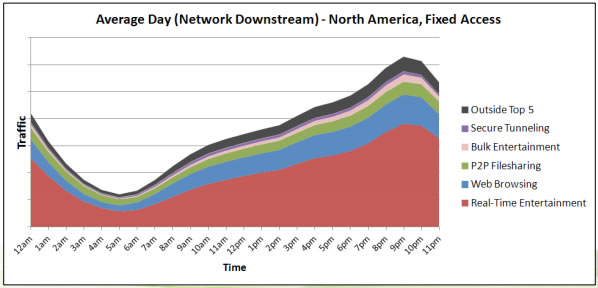
Internet speeds may decline during peak usage periods when many users access the network simultaneously. Wireless networks can experience congestion more noticeably because bandwidth is shared across connected devices. Wired infrastructure may handle demand more efficiently depending on provider capacity. Choosing higher-quality plans and optimizing home networking equipment can help maintain performance.
Conclusion
Choosing between wireless internet and traditional internet ultimately depends on how you use your connection and what matters most to you. Wireless internet delivers convenience, flexibility, and simple setup, making it ideal for households with multiple mobile devices, remote workers, students, and everyday internet users. Traditional wired internet, on the other hand, continues to lead in areas such as speed consistency, lower latency, and long-term reliability, especially for gaming, professional work, and high-bandwidth activities.
As internet technologies continue to evolve, the gap between wireless and wired performance is becoming smaller. Modern wireless solutions now support streaming, video conferencing, smart homes, and even advanced business applications. Rather than one option completely replacing the other, many users benefit from combining both technologies to create a balanced and dependable internet experience. Understanding your needs, budget, and local availability will help you select the best connection for today and future digital demands.
FAQs
What is the main difference between wireless internet and traditional internet?
Wireless internet connects devices through radio signals without physical cables, while traditional internet usually relies on wired infrastructure such as fiber, cable, or DSL connections.
Is wireless internet slower than wired internet?
In many situations, wired internet offers more stable and faster performance. However, modern wireless technologies can still provide excellent speeds for everyday activities.
Can wireless internet support online gaming?
Yes, wireless internet can support gaming, but wired connections are generally preferred for lower latency and more stable gameplay.
Is fiber internet better than wireless internet?
Fiber internet usually provides higher speeds and stronger reliability, while wireless internet offers greater flexibility and easier installation.
Does weather affect wireless internet?
Certain wireless technologies, especially satellite and outdoor wireless systems, may experience performance changes during severe weather conditions.
Is wireless internet secure?
Wireless internet can be highly secure when protected with strong passwords, updated router software, and modern encryption standards.
Keep an eye for more latest news & updates on premiumtechy!