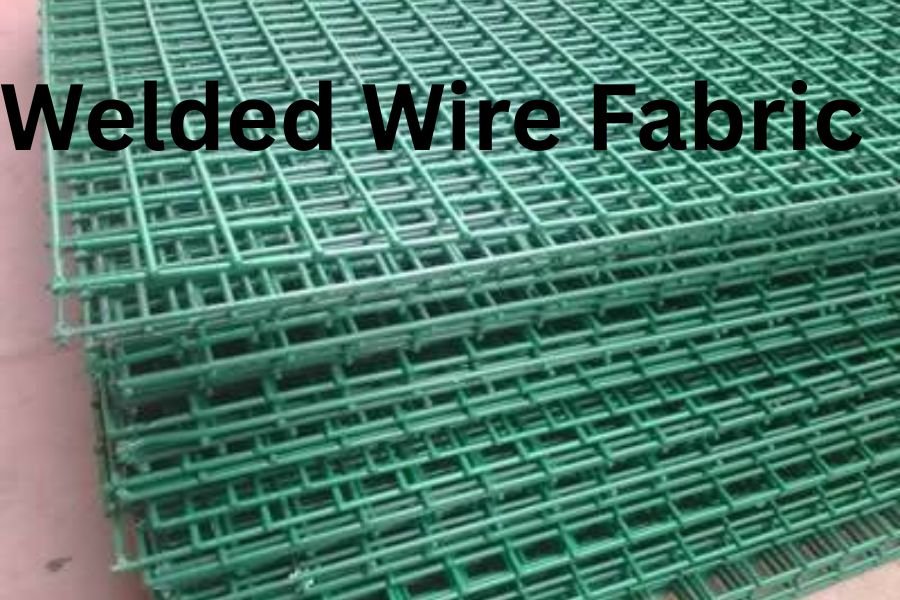
Welded Wire Fabric (WWF), also known as welded wire mesh, is one of the most important reinforcement materials used in modern construction. It plays a critical role in strengthening concrete structures, reducing cracks, improving durability, and accelerating construction timelines. Manufactured by electrically welding steel wires together at precise intersections, welded wire fabric forms a uniform grid pattern that provides reliable reinforcement across concrete surfaces. Today, it is widely used in residential, commercial, industrial, and infrastructure projects because it offers consistency, cost efficiency, and dependable structural performance.
Welded wire fabric helps control and minimize concrete cracking rather than completely preventing it. It distributes tensile forces throughout the concrete and limits crack expansion. This improves the long-term durability and performance of the structure
People also asked In this article, we discuss the topic of “welded wire fabric“.
What Is Welded Wire Fabric?
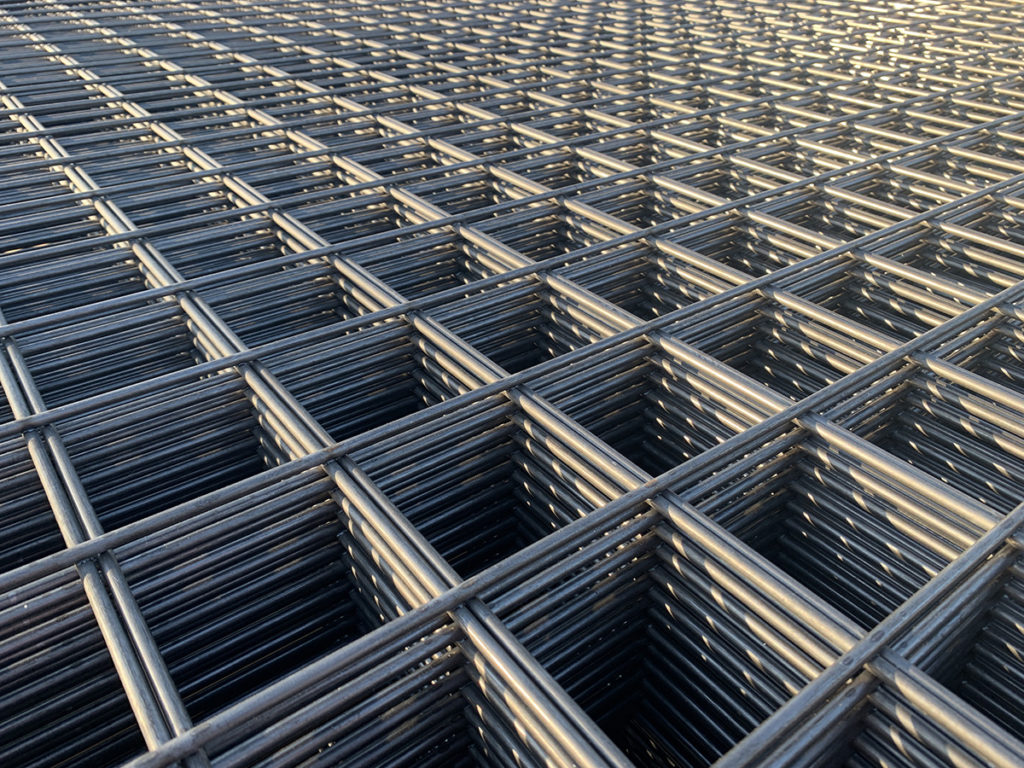
Welded Wire Fabric is a prefabricated steel reinforcement system made by arranging steel wires in perpendicular directions and welding them together at each crossing point. This creates a stable mesh structure designed to improve concrete performance. Unlike traditional reinforcement methods that require workers to tie individual steel bars together onsite, welded wire fabric arrives ready for installation. This not only saves labor but also ensures accurate spacing and uniform reinforcement throughout the structure. Its main purpose is to help concrete resist tensile forces and prevent cracking during service life.
Types of Welded Wire Fabric
There are several types of welded wire fabric available to suit different environmental conditions and structural requirements. Standard welded wire fabric uses plain steel wires and is commonly applied in general concrete reinforcement. Deformed welded wire fabric includes textured or ridged wire surfaces that improve bonding between steel and concrete, resulting in stronger reinforcement performance. Galvanized welded wire fabric features a protective zinc coating that increases resistance to corrosion and extends service life in outdoor or humid environments. Stainless steel welded wire fabric provides even greater durability and chemical resistance for harsh conditions, while PVC-coated variations offer additional protection against moisture and weather exposure.
Benefits of Using Welded Wire Fabric
One of the biggest advantages of welded wire fabric is its ability to improve construction efficiency while maintaining structural integrity. Because it is produced under controlled manufacturing conditions, it provides consistent wire spacing and reinforcement quality. Installation is significantly faster compared to placing individual reinforcement bars, reducing labor costs and project timelines. Welded wire fabric also minimizes material waste and improves crack resistance in concrete. Its ability to distribute loads evenly helps maintain structural stability and reduces maintenance requirements over time, making it an economical and practical solution for many construction projects.
Applications of Welded Wire Fabric in Construction
Welded wire fabric is used across a wide range of construction applications due to its versatility and strength-enhancing properties. In residential construction, it is commonly installed in driveways, foundations, floors, and sidewalks. Commercial buildings use welded wire fabric for reinforced slabs, parking structures, and large floor systems. Industrial projects rely on it for warehouses, manufacturing facilities, and heavy-duty flooring. Infrastructure applications include highways, bridges, airport pavements, retaining walls, and tunnels where reinforced concrete must withstand significant loading and environmental exposure.
Welded Wire Fabric vs Traditional Reinforcement Methods
Compared with traditional reinforcement methods such as manually tied rebar, welded wire fabric offers several operational advantages. Rebar provides excellent flexibility for complex structural designs but often requires extensive labor and longer installation times. Welded wire fabric simplifies placement because reinforcement arrives in preassembled sheets or rolls with uniform spacing. This improves installation speed and reduces labor intensity. Additionally, the consistent arrangement of welded intersections provides predictable performance and better crack control across large concrete surfaces. For many slab and pavement applications, welded wire fabric has become a preferred alternative.
Welded Wire Fabric Sizes and Specifications
Welded wire fabric is available in various sizes and specifications to meet different engineering requirements. Key specifications include wire diameter, spacing between wires, sheet dimensions, and tensile strength. Smaller wire diameters and tighter spacing are typically selected for light-duty applications, while larger diameters and wider grids support heavier structural loads. Sheets are commonly produced in standard sizes for easier transportation and installation, although custom dimensions are available for specialized projects. Selecting the correct specification is essential to achieve proper reinforcement performance.
How Welded Wire Fabric Improves Concrete Strength
Concrete naturally performs well under compressive forces but has limited tensile strength. Welded wire fabric addresses this limitation by reinforcing concrete and helping it resist tensile stress. As loads are applied to the structure, the welded steel grid distributes forces across a wider area and reduces localized stress concentrations. This reinforcement mechanism helps prevent shrinkage cracking, controls crack width, and improves structural durability. The result is a stronger and more reliable concrete system capable of supporting greater loads and maintaining performance over extended periods.
Welded Wire Fabric Installation Guide
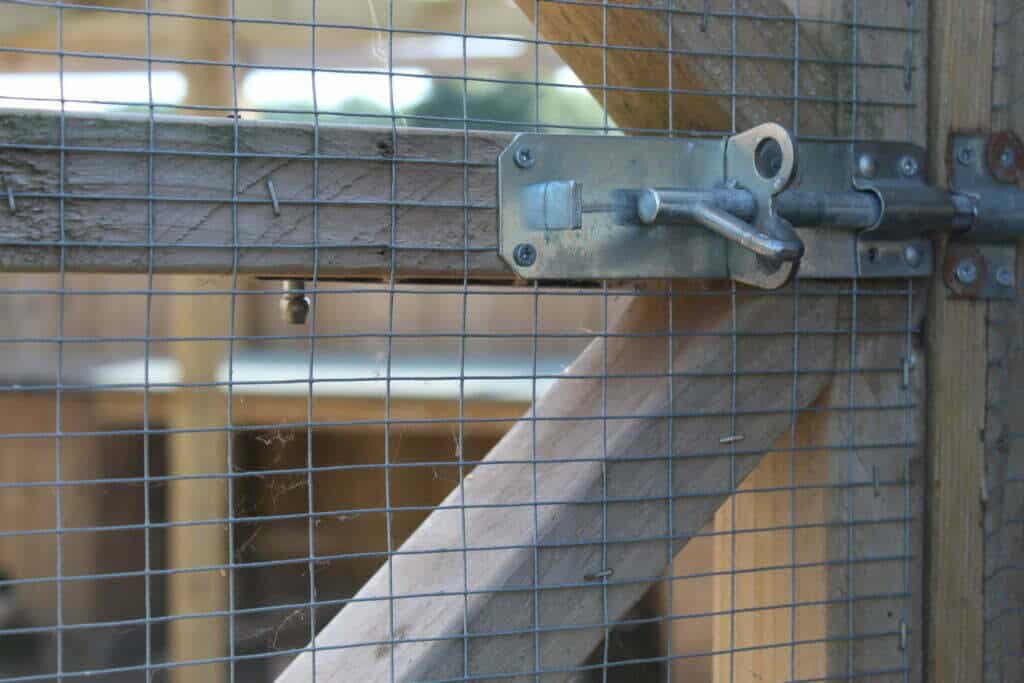
Proper installation is essential to achieve the intended structural benefits of welded wire fabric. The process begins by preparing and leveling the construction surface. Fabric sheets or rolls are then placed according to design specifications while maintaining correct alignment and overlap. Supports or spacers are used to keep reinforcement positioned at the required elevation within the concrete. Workers secure overlapping sections to prevent movement during concrete placement. Once concrete is poured and consolidated, proper curing practices ensure strong bonding between the steel reinforcement and surrounding concrete.
Common Materials Used in Welded Wire Fabric
Steel remains the primary material used in welded wire fabric production because of its strength and compatibility with concrete. Carbon steel is the most common choice due to its cost-effectiveness and structural performance. Galvanized steel is selected for projects exposed to moisture and corrosive environments because its zinc coating protects against rust. Stainless steel provides superior resistance to chemicals and extreme environmental conditions. Additional protective coatings such as PVC may also be applied to increase durability and environmental resistance.
Welded Wire Fabric for Concrete Slabs
Concrete slabs are among the most common applications for welded wire fabric. When installed correctly, the reinforcement controls shrinkage cracking and improves load distribution across the slab surface. Residential driveways, warehouse floors, industrial facilities, and commercial buildings all benefit from reinforced slab construction. Welded wire fabric helps maintain slab integrity during temperature changes and repeated loading, reducing the likelihood of premature deterioration.
Understanding Welded Wire Fabric Standards
Construction standards exist to ensure welded wire fabric meets safety and performance requirements. These standards define acceptable material properties, welding quality, dimensional tolerances, and testing procedures. Compliance with recognized industry standards helps engineers and contractors maintain consistent reinforcement quality and achieve reliable structural performance.
How to Choose the Right Welded Wire Fabric
Choosing the correct welded wire fabric depends on several project factors, including load requirements, environmental exposure, concrete thickness, and installation conditions. Engineers typically evaluate wire diameter, mesh spacing, corrosion resistance, and structural demands before selecting a product. Projects exposed to moisture or chemicals often benefit from galvanized or stainless steel options, while standard applications may use conventional carbon steel reinforcement.
Welded Wire Fabric Price Factors
Several variables influence the cost of welded wire fabric. Material type, wire diameter, coating requirements, manufacturing quality, transportation distance, and project volume all affect pricing. Galvanized and stainless steel products generally cost more than standard carbon steel options due to additional processing and enhanced durability. Larger projects may reduce overall unit costs through bulk purchasing and installation efficiency.
Maintenance and Durability of Welded Wire Fabric
Welded wire fabric generally requires minimal maintenance once embedded in concrete. Proper installation and adequate concrete cover protect the steel from environmental exposure and corrosion. In demanding environments, protective coatings further extend service life. Regular inspections of exposed reinforcement systems help identify early signs of deterioration and support long-term structural performance.
Mistakes to Avoid When Using Welded Wire Fabric
_1772168865_WNo_1000d562.webp)
Several common mistakes can reduce the effectiveness of welded wire fabric. Improper positioning during concrete placement often results in inadequate reinforcement performance. Insufficient overlap between sheets weakens load transfer across joints. Using incorrect wire specifications or failing to maintain concrete cover may increase cracking and corrosion risks. Careful planning and installation practices are necessary to achieve expected results.
Conclusion
Welded wire fabric has become a vital reinforcement solution in modern construction because of its strength, efficiency, and reliability. By improving concrete performance, reducing cracks, and accelerating installation, it offers significant advantages across residential, commercial, industrial, and infrastructure projects. Understanding its types, applications, specifications, and installation methods allows builders and engineers to make informed decisions and maximize structural durability. As construction technologies continue to evolve, welded wire fabric is expected to remain an essential component of efficient and long-lasting reinforced concrete systems.
FAQs
What is welded wire fabric used for?
Welded wire fabric is primarily used to reinforce concrete and improve its strength and durability. It is commonly installed in concrete slabs, foundations, sidewalks, roads, parking lots, industrial floors, and other structural applications to reduce cracking and distribute loads evenly.
Is welded wire fabric better than traditional rebar?
Welded wire fabric can be more efficient than traditional rebar in many applications because it installs faster, requires less labor, and provides consistent reinforcement spacing. However, rebar may still be preferred for complex structural designs or projects requiring heavy load capacity.
Does welded wire fabric prevent concrete cracks?
Welded wire fabric does not completely eliminate cracking, but it significantly helps control and reduce crack formation. It distributes tensile stresses throughout the concrete and limits crack width caused by shrinkage, temperature changes, and loading.
What materials are commonly used to manufacture welded wire fabric?
Welded wire fabric is usually manufactured from carbon steel, galvanized steel, or stainless steel. Some products also include protective coatings such as PVC to improve resistance against corrosion and environmental exposure.
How do I choose the right welded wire fabric for my project?
Selecting the right welded wire fabric depends on factors such as structural load requirements, environmental conditions, concrete thickness, wire diameter, mesh spacing, and corrosion resistance. Project specifications and engineering recommendations should guide the selection process.
Can welded wire fabric be used outdoors?
Yes, welded wire fabric can be used outdoors. For outdoor or moisture-prone environments, galvanized or corrosion-resistant welded wire fabric is often recommended to improve durability and extend service life.
Keep an eye for more latest news & updates on premiumtechy!