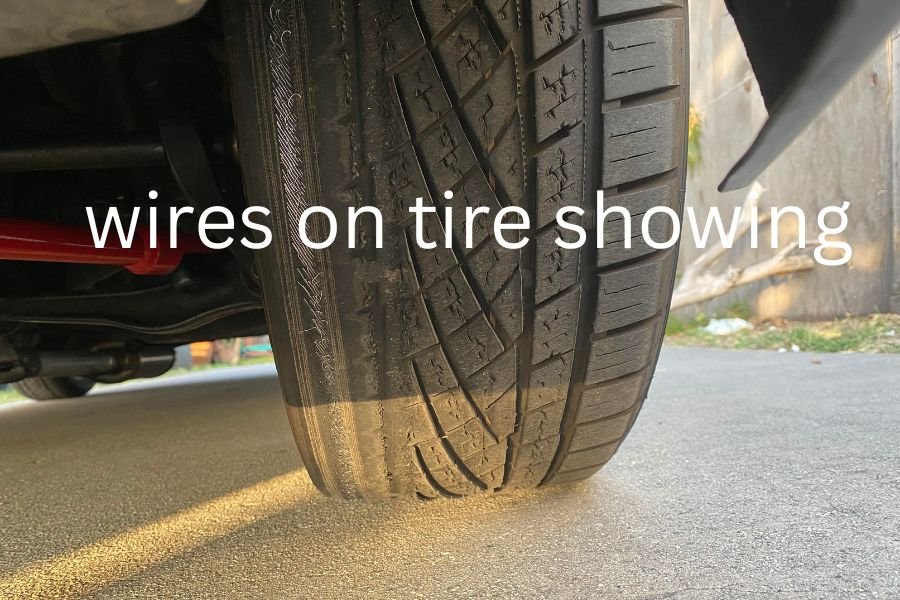
When wires are showing on a tire, it means the outer rubber tread has completely worn away, exposing the internal steel belts or cords that reinforce the tire’s structure. These wires are not supposed to be visible under any normal driving conditions. Seeing them indicates severe tire wear, usually from age, misalignment, or improper inflation. Once these wires are exposed, the tire becomes unsafe to drive on because it loses its ability to grip the road properly. The exposed wires can also lead to punctures, air leaks, or even complete blowouts.
No, it is not safe to drive when tire wires are showing because the tire’s protective tread is completely worn away, leaving the internal steel belts exposed. This severely weakens the tire’s structure, greatly increasing the risk of a sudden blowout, loss of traction, and poor braking. For safety, the tire should be replaced immediately and the vehicle should only be driven if absolutely necessary to reach a repair shop.
In this article, we discuss the topic of “wires on tire showing“.
Why Are Tire Wires Starting to Show?
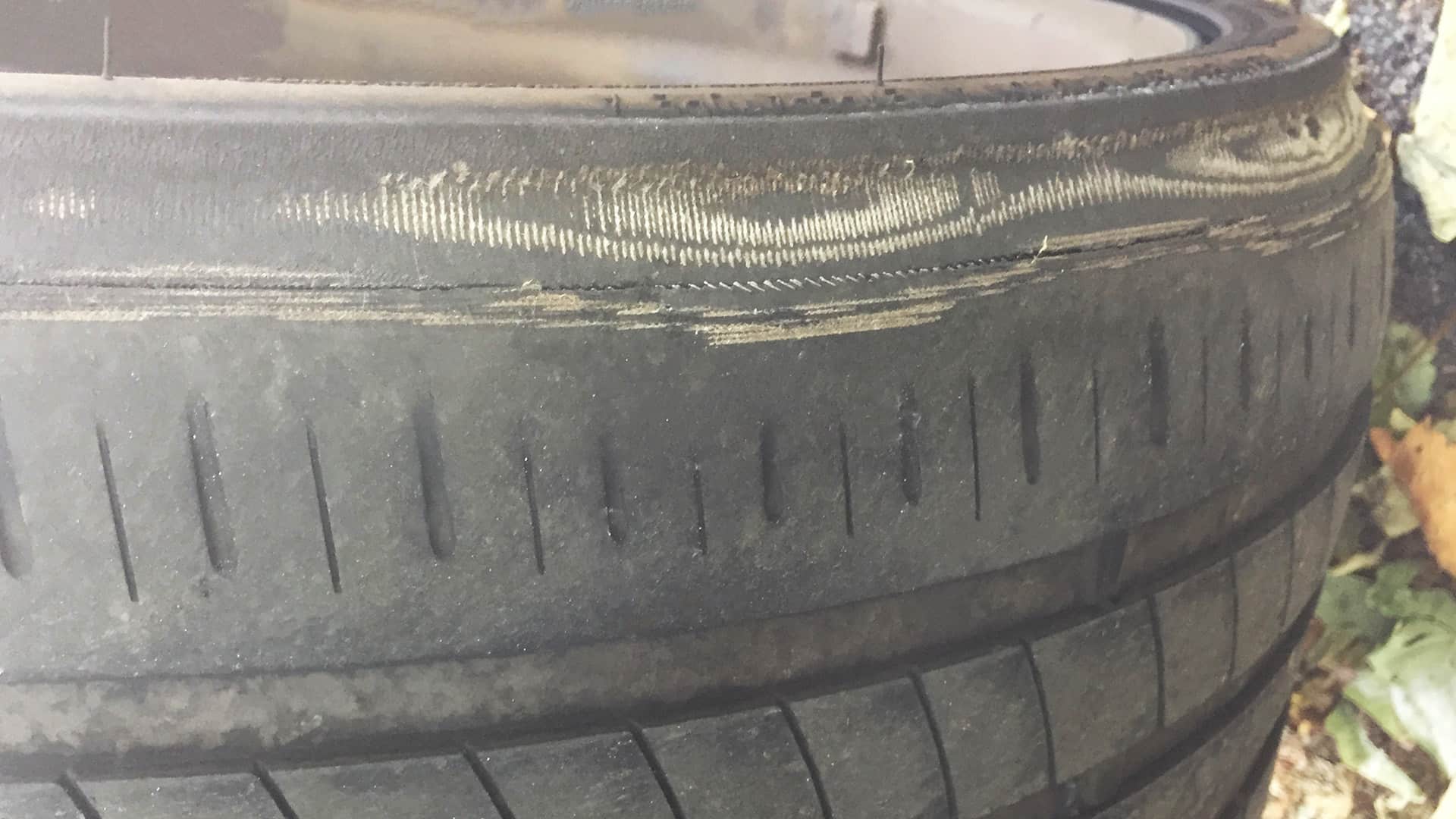
Tire wires begin to show when the tread rubber wears away due to prolonged use or improper tire maintenance. Over time, constant friction with the road causes the tread to thin. If your tires aren’t rotated regularly or the wheels are misaligned, one part of the tire can wear faster than others. Low or high air pressure also plays a role, as it changes how the tire contacts the road. When you start noticing the metallic sheen of steel cords, it’s a red flag that your tire’s life is over and replacement is necessary.
Signs Your Tire Is Wearing Down to the Wires
Several warning signs appear before tire wires become visible. Uneven tread depth, vibration in the steering wheel, and increased road noise are common early indicators. You might also notice your vehicle pulling to one side or losing traction on wet surfaces. Visually, the tread grooves may look shallow, smooth, or bald in patches. Once any part of the wire mesh is visible, the tire’s internal structure is compromised. Continuing to drive at this point can lead to a dangerous blowout or loss of control.
Is It Safe to Drive With Wires Showing on Tires?
Driving with wires showing on your tires is extremely unsafe. Those exposed wires are part of the tire’s internal framework, and once revealed, the tire no longer has the proper strength to hold air pressure or provide traction. Even at low speeds, the risk of a sudden blowout is very high. In wet conditions, the lack of tread causes hydroplaning, while in dry weather, braking distance increases drastically. For your safety and that of others, any tire with visible wires should be replaced immediately.
How Long Can You Drive With Wires Showing on a Tire?
You should not drive at all once the wires are showing on your tire. Even if the car seems fine during short trips, the tire could fail without warning at any moment. The structural integrity has been compromised, and every rotation of the wheel increases the risk of a blowout. In some cases, the wire ends can puncture the inner layers, causing rapid air leaks. If you must move your vehicle, do so slowly and only to reach a safe place or a repair shop.
Causes of Wires Showing on Tires
The most common causes include uneven tread wear, poor wheel alignment, overinflation, underinflation, and old age. Hitting potholes or curbs can also damage the internal structure, leading to faster wear. Additionally, driving long distances with improper tire rotation patterns can cause one section of the tread to thin more quickly than others. Weather and temperature changes can further weaken rubber compounds over time. All these factors combined eventually wear down the tread and reveal the wires underneath.
Tire Tread Wear and Exposed Wires Explained
Tire tread is designed to protect the underlying layers from friction, heat, and debris. As you drive, the tread naturally wears down, but proper maintenance ensures even wear. When the tread wears past its minimum safe depth (2/32 of an inch), the internal belts begin to surface. These belts are made of steel or nylon for reinforcement. Once exposed, the tire loses its flexibility and becomes prone to cracking or separating. This is why routine tread inspections are essential to prevent wire exposure.
How Misalignment Causes Wires to Show on Tires
When your vehicle’s wheels are misaligned, the tires don’t make even contact with the road surface. This uneven contact causes one side of the tire to wear faster than the other. Over time, the stressed area loses tread, eventually exposing the wire belts beneath. Alignment problems can result from hitting curbs, potholes, or general suspension wear. If you notice one side of your tire wearing thin or showing cords, it’s a clear indication that your car needs an alignment check immediately.
How Tire Balancing Affects Wire Exposure
Unbalanced tires cause vibrations and uneven wear patterns that lead to premature wire exposure. When the weight around a tire isn’t evenly distributed, certain spots carry more pressure during rotation. This uneven stress results in bald patches forming on the tread. As these patches deepen, the wires underneath can start showing. Regular tire balancing ensures smooth rotation and helps all tires wear evenly. It’s a small maintenance step that significantly extends tire life and prevents costly replacements.
The Role of Tire Rotation in Preventing Wire Wear
Tire rotation plays a crucial role in evenly distributing wear across all tires. Because the front and rear tires handle different loads and driving forces, they wear at different rates. Rotating your tires every 5,000 to 7,500 miles helps balance this out. Neglecting rotations can cause certain tires—especially front ones on front-wheel-drive cars—to wear faster, eventually revealing the wires. Following your manufacturer’s rotation schedule ensures longer tire life, better traction, and even tread wear.
What Camber Wear Looks Like on a Tire
Camber wear occurs when your tires tilt inward or outward instead of sitting flat on the road. This tilt causes one side of the tread to wear faster, while the other side remains thicker. Over time, the worn edge may expose the metal cords or wires beneath the surface. If you notice one side of your tire looking bald or uneven, camber misalignment is likely the culprit. Regular suspension checks and wheel alignment services can help prevent camber-related wire exposure.
Overinflation and Its Effect on Tire Wires
When tires are overinflated, they become overly firm and lose their ability to flex properly. This causes the center of the tread to bear most of the vehicle’s weight, leading to premature wear in the middle of the tire. Eventually, the rubber may thin out to the point that the steel belts underneath begin to show. Overinflation also reduces traction and comfort, increasing your risk of sliding on wet or uneven roads. Always follow the manufacturer’s recommended pressure levels to prevent such damage.
Underinflation and Tire Wire Exposure
Underinflated tires cause the opposite problem—too much pressure on the outer edges and sidewalls. Because the center of the tire doesn’t make full contact with the road, the sides wear out faster. This uneven pressure can eventually expose the reinforcing wires near the tire’s shoulder area. Underinflation also increases rolling resistance, which makes your engine work harder and reduces fuel efficiency. Checking your tire pressure at least once a month is one of the simplest ways to prevent wire exposure.
The Dangers of Ignoring Tire Wire Damage
Ignoring tire wire damage can lead to catastrophic results. Exposed wires weaken the tire’s overall structure, making it prone to blowouts even at moderate speeds. A blowout can cause sudden loss of control, putting you and others at serious risk. Additionally, damaged tires compromise braking power and traction, especially in wet conditions. If you see wires on any tire, treat it as an emergency and replace it immediately. Continuing to drive could lead to costly vehicle damage—or worse, an accident.
Why You Should Replace a Tire When Wires Are Visible
Once wires become visible, the tire’s protective layers are gone, and there’s no safe way to repair it. The steel cords inside are designed for reinforcement, not direct road contact. Driving on them will quickly cause the rubber to separate or the belts to snap. Replacing the tire immediately prevents further damage to your suspension and ensures your car handles correctly. Investing in new tires may seem costly upfront, but it’s far cheaper than repairing accident damage caused by a blowout.
How Age and Usage Wear Down Tire Tread
Even with perfect maintenance, tires have a natural lifespan. After five to six years of use, the rubber compounds begin to harden and lose flexibility. As the tire ages, cracks and dry rot may appear, leading to faster tread deterioration. The older the tire, the easier it becomes for wires to show through. Factors such as heat exposure, road salt, and sunlight speed up this process. Replacing tires at regular intervals ensures safety and prevents unexpected wire exposure.
What Happens When You Keep Driving on Exposed Wires
Driving on exposed tire wires is like walking on broken glass—it’s only a matter of time before failure occurs. The wires can puncture the inner layers of the tire, leading to air leaks or sudden blowouts. They also scratch against the road, generating heat that weakens the remaining rubber. The longer you drive in this condition, the higher the risk of losing control of your vehicle. If you ever see visible wires, stop driving immediately and have the tire replaced.
Can You Repair a Tire That’s Showing Wires?
Unfortunately, once a tire’s wires are showing, it’s beyond repair. Patching or plugging only addresses surface punctures, not deep structural damage. The steel belts that give the tire its strength have already been compromised. Even if a temporary fix appears to work, it will fail quickly under pressure and speed. For safety reasons, professional mechanics will always recommend full replacement rather than repair. Installing a new tire is the only way to restore proper performance and reliability.
Difference Between Normal Wear and Wire Exposure
:max_bytes(150000):strip_icc()/Electricalwirestuds-GettyImages-1155545321-334be031a680425b879a8ab20ee2b880.jpg)
Normal wear occurs gradually, with tread depth reducing evenly across all tires. You can measure this with a tread gauge or by checking the built-in wear bars. Wire exposure, on the other hand, is a severe form of wear where the rubber layers are completely gone in certain areas. If you can see shiny metallic threads or cords, that’s no longer normal wear—it’s a safety hazard. Regular inspection helps you catch early wear before it reaches the dangerous wire stage.
Warning Signs Before Tire Wires Start Showing
Before your tires reach the point of wire exposure, they’ll often give subtle warnings. You might notice vibration, increased noise, or poor handling. The tread may appear uneven, or the edges may feel rough to the touch. In some cases, you’ll see bald patches or cracks developing. Paying attention to these early indicators allows you to replace your tires before the problem becomes dangerous. Preventive action always costs less than emergency repairs or accident damage.
How to Inspect Tires for Hidden Wire Damage
Not all wire damage is immediately visible, especially if it starts beneath the tread surface. To inspect your tires, start by checking for uneven tread wear or bald spots. Use a flashlight to look closely between the grooves for signs of cracking or bulging. Run your hand gently along the tire surface to feel for rough textures or thin spots. Also, check the inner sidewalls since they’re often overlooked and can hide wire exposure. Regular monthly inspections help you detect early damage and prevent accidents.
What Causes Uneven Tire Wear and Wire Exposure?
Uneven tire wear happens when certain parts of a tire contact the road more than others. This can result from misaligned wheels, unbalanced tires, or suspension issues. Over time, the uneven pressure causes some areas to wear down to the wire faster. Driving habits like taking sharp turns or frequent braking also add stress to the tread. Maintaining proper alignment, rotation, and inflation ensures that your tires wear evenly and remain safe for longer.
The Connection Between Suspension Issues and Wire Showing
A worn or damaged suspension system can directly contribute to tire wire exposure. When shocks, struts, or control arms fail, they cause the tires to bounce unevenly or tilt out of alignment. This uneven motion grinds down the tread, eventually exposing the steel belts underneath. If you notice a bumpy ride or uneven tire wear, your suspension may be at fault. Regular inspections and timely suspension repairs help prevent premature tire wear and improve overall vehicle stability.
How Wheel Alignment Extends Tire Life
Proper wheel alignment ensures that all four tires point in the same direction and contact the road evenly. Misalignment can cause rapid and uneven tread wear, eventually revealing the wires inside. By keeping your wheels correctly aligned, you minimize stress on the tire edges and sidewalls. Most experts recommend getting an alignment every 6,000 to 10,000 miles or whenever you replace your tires. This small maintenance step significantly increases tire lifespan and prevents costly damage.
Common Driving Habits That Cause Tire Wires to Show
Certain driving behaviors accelerate tire wear and increase the risk of wire exposure. Hard braking, aggressive acceleration, and cornering at high speeds all put excessive stress on tires. Driving with low tire pressure or ignoring regular rotations also leads to uneven wear. Even something as simple as hitting curbs or potholes can damage internal structures. Practicing smoother driving habits and maintaining consistent tire care can help you avoid premature wire exposure.
How to Fix Tires Showing Wires – Step-by-Step
Once wires are showing, fixing the tire itself isn’t an option—but you can take steps to resolve the situation safely.
- Stop driving immediately to prevent a blowout.
- Inspect all tires to check if multiple are affected.
- Replace the damaged tire with a new one or a full set if wear is uneven.
- Get a wheel alignment to correct underlying issues.
- Check inflation and rotation schedule to prevent recurrence.
These steps restore safety, performance, and proper tire wear balance on your vehicle.
When to Replace Tires Showing Wires
You should replace your tires as soon as you notice even a small section of exposed wire. Waiting too long increases the risk of sudden failure, especially during high-speed driving or extreme temperatures. Even if the tire still holds air, it’s no longer structurally sound. When replacing, consider doing so in pairs or sets for even traction. Investing in high-quality tires ensures longer durability, better performance, and peace of mind on the road.
Cost to Replace a Tire With Exposed Wires
The cost of replacing a damaged tire depends on your vehicle type, tire size, and brand. On average, standard tires range between $100 and $250 each, while performance or SUV tires may cost $300 or more. Labor for mounting and balancing typically adds $20–$50 per tire. Though replacing might seem expensive, it’s far cheaper than dealing with an accident or vehicle damage caused by a blowout. Always choose a trusted shop that provides proper alignment and balancing with your replacement.
Tire Maintenance Tips to Avoid Wire Damage
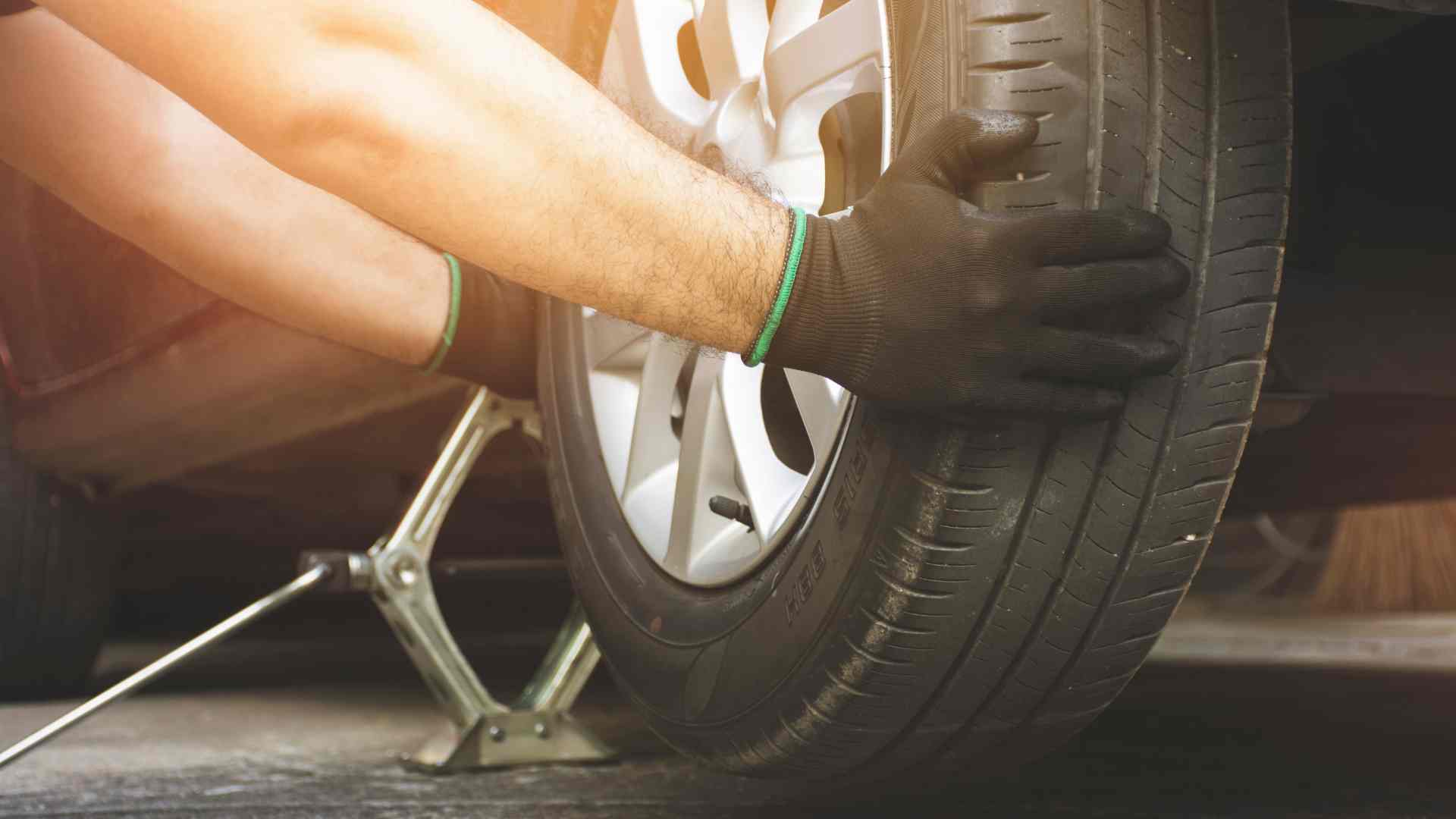
Preventing wire exposure starts with consistent tire care. Check tire pressure monthly and adjust according to the manufacturer’s recommendations. Rotate your tires every 5,000–7,500 miles and schedule regular alignments. Avoid harsh braking, rapid acceleration, and overloading your vehicle. Inspect tread depth regularly and replace tires once they reach 2/32 of an inch. Proper maintenance not only prevents wire exposure but also ensures smoother rides, improved fuel economy, and better handling performance.
How Temperature Affects Tire Wear and Wires
Extreme temperatures have a direct impact on tire wear. In hot weather, the rubber softens, increasing tread wear and the likelihood of wire exposure. In cold conditions, the rubber stiffens, making it more prone to cracking and surface damage. Rapid temperature changes can also affect tire pressure, leading to over- or underinflation. Keeping your tires properly inflated and parking in shaded or sheltered areas can help minimize these temperature-related effects and prolong tire life.
Conclusion
When the wires on your tire are showing, it’s a clear signal that your tires have reached the end of their safe lifespan. Exposed steel belts or cords mean the protective tread has completely worn away, leaving your vehicle vulnerable to blowouts, loss of traction, and poor handling. Continuing to drive in this condition puts you and others at serious risk.
By maintaining proper tire pressure, performing regular rotations, and ensuring correct wheel alignment, you can prevent uneven wear and wire exposure. Always inspect your tires for cracks, bald spots, or unusual vibrations before hitting the road. If you ever notice visible wires, don’t delay—replace the tire immediately. Proper maintenance today can save you from costly repairs and dangerous situations tomorrow.
FAQs
1. Can I drive if the wires on my tire are showing?
No, you should never drive when the wires on your tire are visible. Exposed wires indicate severe tire damage and a high risk of sudden blowout. Replace the tire immediately to ensure your safety.
2. What causes wires to show on tires?
Wires show when the tread wears down due to misalignment, overinflation, underinflation, or aging tires. Poor driving habits and lack of rotation can also accelerate the wear process.
3. Can I repair a tire that’s showing wires?
Unfortunately, no. Once wires are exposed, the tire’s internal structure is compromised. Repairing it won’t restore strength or safety—replacement is the only safe option.
4. How can I prevent tire wires from showing?
Check tire pressure monthly, rotate tires regularly, and schedule wheel alignments. Avoid overloading your vehicle and drive carefully to minimize uneven wear and internal damage.
5. How often should I replace my tires to avoid wire exposure?
Most tires last between five to six years or around 50,000 miles, depending on quality and driving habits. Always inspect tread depth and replace tires before they reach 2/32 of an inch.
6. Is it dangerous to drive on just one tire showing wires?
Yes, even one damaged tire can cause instability, blowouts, or poor braking. It’s best to replace all tires if the wear is uneven to maintain balanced traction and control.
7. What happens if I ignore exposed tire wires?
Ignoring visible wires can lead to tire failure, loss of vehicle control, and accidents. The longer you drive on exposed cords, the greater the risk of serious damage or injury.
8. How can I check for wire exposure at home?
Use a flashlight to inspect the tire surface and tread edges. Look for shiny metallic threads, bald spots, or cracks. Run your hand carefully along the surface—any rough or uneven areas may signal wire exposure.
9. Do alignment and balancing really help prevent wire damage?
Yes, both are essential. Proper alignment ensures even contact with the road, while balancing prevents vibration and patchy wear that can expose wires prematurely.
10. What should I do immediately after noticing tire wires?
Stop driving right away. Replace the affected tire or call a tow service if necessary. After replacement, have your vehicle inspected for alignment, suspension, and balancing issues to prevent future damage.
Keep an eye for more latest news & updates on premiumtechy!