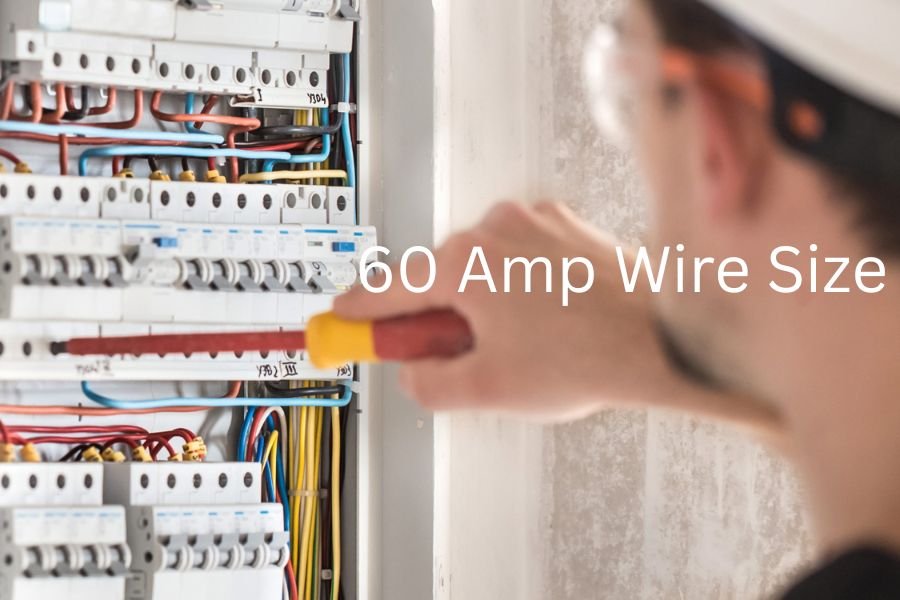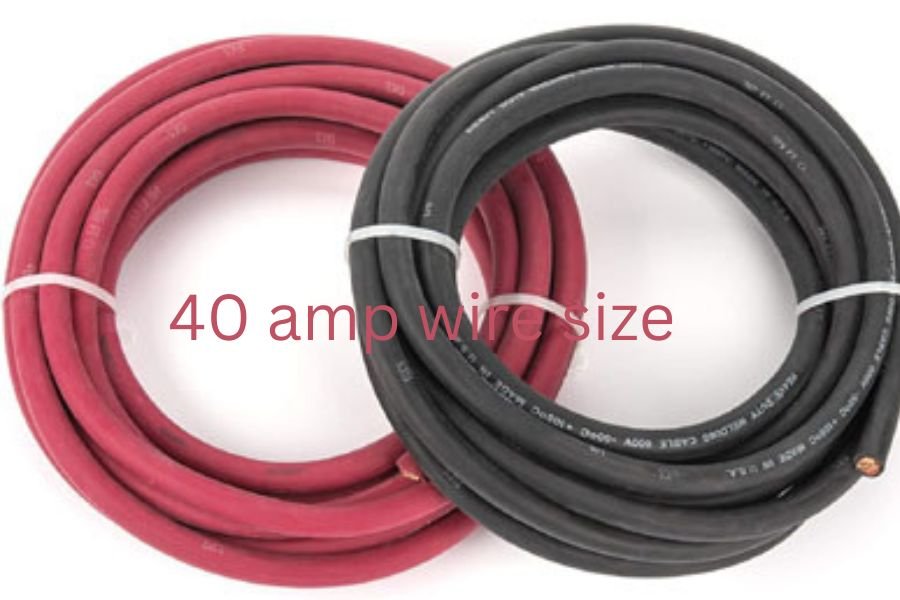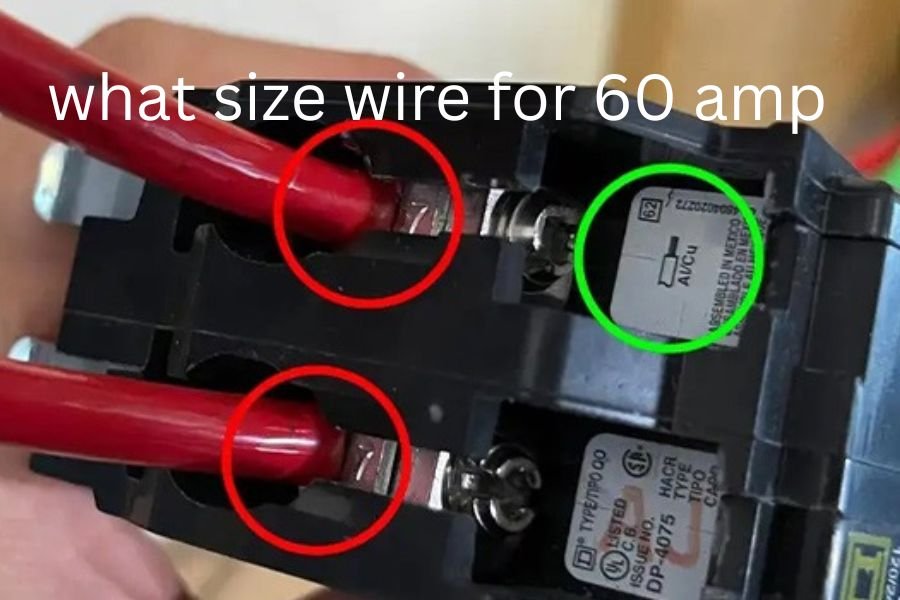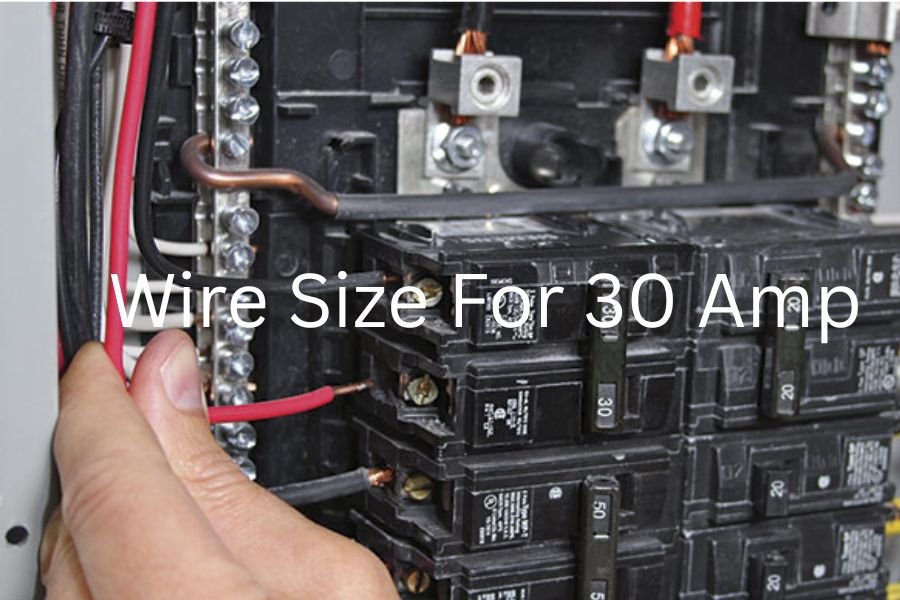
A 30-amp breaker is an essential safety device in electrical systems that protects circuits from overcurrent. It automatically shuts off electricity if the current exceeds 30 amps, preventing potential fires or damage. These breakers are commonly used for larger appliances, such as dryers, air conditioners, or RV systems. Choosing the right breaker ensures both safety and efficient power delivery. Understanding its function is the first step in proper wiring.
For a 30-amp breaker, the correct wire size is 10 AWG copper, which safely handles the load and meets electrical code requirements. In cases of long wire runs, high temperatures, or special conditions, 8 AWG wire may be needed to reduce voltage drop and overheating. Choosing the proper wire size ensures safety, efficiency, and long-term reliability of your electrical system.
In this article, we discuss the topic of “wire size for 30 amp“.
Why Choosing the Right Wire Size Is Crucial for 30-Amp Circuits

Using the correct wire size is vital to prevent overheating, voltage drops, and fire hazards. Undersized wires cannot handle the full current load, while oversized wires are more expensive and harder to install. Proper sizing ensures that your appliances receive stable power, your circuit breaker works effectively, and your installation meets electrical codes. Safety and performance depend on matching wire gauge to the breaker.
Understanding the Relationship Between Wire Gauge and Amperage
Wire gauge, measured in AWG (American Wire Gauge), determines the amount of current a wire can safely carry. Lower gauge numbers mean thicker wires, which can handle higher amperage. For example, a 10 AWG wire is standard for 30-amp circuits. Choosing the correct gauge prevents overheating, ensures energy efficiency, and protects connected devices from damage. Ampacity charts are a helpful tool for selecting the right size.
How Wire Size Affects Electrical Safety
Incorrect wire sizing can create serious hazards. Too small a wire can overheat, melt insulation, or even start a fire. Conversely, while oversized wires are generally safe, they can be stiff and challenging to route in tight spaces. Proper wire selection reduces the risk of voltage drops, protects appliances, and keeps your electrical system compliant with code requirements. Safety is always the top priority.
Standard Wire Size for a 30-Amp Breaker
The most common wire size for a 30-amp circuit is 10 AWG copper wire. It is capable of handling 30 amps safely under typical conditions and is widely available in electrical stores. Aluminum wires may also be used but require a slightly larger gauge due to lower conductivity. Using the standard wire size ensures compliance with national electrical codes and reliable circuit performance.
10 AWG Copper Wire: The Most Common Choice
10 AWG copper wire is ideal for most 30-amp applications. It offers excellent conductivity, is flexible enough for easy installation, and is code-approved for indoor and most outdoor circuits. This wire size is commonly used for dryers, RV hookups, and medium-sized air conditioners. Its balance between cost, safety, and ease of use makes it the go-to option for electricians and DIY installers.
When to Consider 8 AWG Copper Wire for 30 Amps
In some cases, using 8 AWG copper wire for a 30-amp circuit is recommended. This is usually necessary for long wire runs, where voltage drop could affect appliance performance. It’s also used in high-temperature environments or bundled cables, where heat can reduce ampacity. Although thicker and more expensive, 8 AWG ensures safe and efficient operation under demanding conditions.
Using Aluminum Wire for a 30-Amp Breaker
Aluminum wire can be an alternative to copper, but it has lower conductivity. Typically, 8 AWG aluminum wire is required for a 30-amp circuit. It is lighter and less expensive than copper but needs careful connections to prevent corrosion. Aluminum wires must be installed according to NEC guidelines to ensure safety, especially in outdoor or high-load applications.
Ampacity: What It Means for Wire Sizing
Ampacity is the maximum amount of electrical current a wire can safely carry without overheating. It is affected by wire material, gauge, insulation type, and environmental conditions. Choosing a wire with the correct ampacity ensures your 30-amp breaker works safely, prevents voltage drops, and protects connected devices. Always check ampacity charts before selecting wire.
Understanding the NEC 80% Rule for Circuit Load
The National Electrical Code (NEC) 80% rule states that continuous loads should not exceed 80% of the breaker’s rated capacity. For a 30-amp breaker, the safe continuous load is 24 amps. Following this rule prevents breaker tripping and overheating of wires, especially for appliances that run for long periods. It ensures both safety and compliance with code standards.
Factors That Affect Wire Size Selection
Wire size selection depends on multiple factors: material (copper or aluminum), length of run, installation environment, ambient temperature, and load type. Longer runs require thicker wires to prevent voltage drop, while outdoor installations may need insulated wires. Proper consideration of these factors ensures safe, efficient, and code-compliant circuits.
Wire Length and Voltage Drop Considerations
Long wire runs can cause voltage drops, reducing efficiency and potentially damaging appliances. To compensate, a larger gauge wire may be necessary. For instance, a 30-amp circuit running over 100 feet may need 8 AWG wire instead of 10 AWG. Calculating voltage drop ensures devices operate correctly and safely.
How Ambient Temperature Impacts Wire Choice
High ambient temperatures can reduce a wire’s current-carrying capacity. Wires in attics, near heat sources, or bundled together may require a larger gauge to maintain safety. Considering temperature ratings when selecting 30-amp circuit wires ensures consistent performance and prevents overheating.
The Role of Conduit Type in Wire Sizing
Conduit type can influence wire size. Enclosed or metal conduits can trap heat, requiring wires with higher ampacity. Outdoor or underground installations may need additional insulation or protective cables, such as UF-B. Understanding conduit effects helps prevent overheating and ensures compliance with electrical codes.
Copper vs. Aluminum: Pros and Cons for 30-Amp Circuits
Copper wires offer better conductivity, flexibility, and reliability but are more expensive. Aluminum is lighter and cheaper but less conductive and prone to oxidation, requiring careful installation. Choosing between the two depends on budget, location, and circuit length while maintaining NEC compliance.
Using Wire Size Charts for Accurate Selection
Wire size charts provide ampacity ratings for various wire gauges. They help determine the correct wire size based on current load and conditions. Consulting these charts ensures your 30-amp circuit is safe, efficient, and code-compliant. They are an essential tool for both professionals and DIY installers.
Recommended Wire Sizes for Various Appliances
Different appliances require different wire sizes even for a 30-amp breaker. For example, a dryer or RV system may use 10 AWG copper, while a long-distance air conditioner run may require 8 AWG. Matching wire size to appliance and installation conditions ensures proper functionality and safety.
How a 30-Amp Breaker Works in Your Electrical System
A 30-amp breaker monitors current flow and automatically shuts off power if it exceeds the rated amperage. It protects wiring, appliances, and users from hazards. Breakers work alongside properly sized wires to maintain safe, reliable power delivery in homes, RVs, or off-grid systems.
Common Appliances That Require a 30-Amp Circuit
30-amp circuits are typically used for dryers, RV electrical systems, small furnaces, and central air conditioning units. They provide dedicated power for single high-demand appliances. Ensuring the correct wire size for these devices prevents overheating and maintains appliance efficiency.
Wiring a Central Air Conditioner with a 30-Amp Breaker
Air conditioners often require dedicated 30-amp circuits to handle starting and running currents. Using 10 AWG copper or 8 AWG for long runs ensures stable operation. Proper installation prevents breaker trips, voltage drops, and potential fire hazards.
RV Electrical Systems and 30-Amp Wire Requirements
RV electrical systems commonly use 30-amp circuits to power multiple appliances at once, including air conditioners, microwaves, and lighting. For these setups, 10 AWG copper wire is standard, though 8 AWG may be needed for long cable runs to prevent voltage drop. Using the correct wire size ensures safe operation while traveling and protects sensitive electronics. Dedicated 30-amp circuits are essential for RV safety and reliability.
Electric Clothes Dryers and 30-Amp Circuit Wiring
Most modern electric clothes dryers require a 30-amp dedicated circuit. Proper wire selection is crucial to handle the appliance’s high current. Using 10 AWG copper wire is generally sufficient, but 8 AWG may be required for longer distances or elevated temperatures. Ensuring the breaker and wire are correctly matched prevents overheating, fire hazards, and frequent breaker trips.
Kitchen Appliances That Need a 30-Amp Circuit
Some kitchen appliances, such as compact ovens, smaller electric ranges, or under-counter dishwashers, need a 30-amp circuit for safe operation. Installing the proper wire size ensures that these appliances receive stable power without overheating. Following NEC guidelines and using copper or aluminum wires rated for 30 amps keeps the kitchen safe and appliances functioning efficiently.
Small Electric Furnaces and Dedicated 30-Amp Circuits
Small electric furnaces often require dedicated 30-amp circuits to operate safely and efficiently. Using 10 AWG copper wire ensures adequate power supply, prevents voltage drops, and avoids tripping the breaker. Properly sized wiring extends the lifespan of the furnace and reduces the risk of electrical hazards. Dedicated circuits also prevent interference with other household appliances.
How to Read Wire Labels and Gauge Numbers
Wire labels indicate size, type, and conductor count. For example, “10-3 w/G” refers to 10 AWG wire, three conductors, with a ground wire. Understanding these labels ensures you select the correct wire for a 30-amp breaker. Misreading labels can lead to undersized wiring, breaker trips, or unsafe conditions. Always double-check before installation.
Understanding “14-2,” “10-3 w/G,” and Other Wire Codes
Wire codes like “14-2” or “10-3 w/G” indicate gauge and number of conductors. “14-2” is 14 AWG with two conductors; “10-3 w/G” is 10 AWG with three conductors and a ground. Correctly interpreting these codes ensures proper wire selection for 30-amp circuits. Using inaccurate wiring can compromise safety and efficiency.
Choosing NM-B Romex Cable for Indoor 30-Amp Circuits
NM-B Romex cable is ideal for indoor residential wiring of 30-amp circuits. It’s easy to install, flexible, and comes with built-in insulation for safety. Romex works well for dryers, air conditioners, or RV hookups inside buildings. Always ensure proper gauge selection (usually 10 AWG) to meet code and prevent overheating.
Using UF-B Cable for Outdoor or Moist Environments
UF-B cable is designed for outdoor or damp installations. It is moisture-resistant, making it ideal for garden appliances, water heaters, or RV connections. For 30-amp circuits, 10 AWG copper UF-B wire is standard, but 8 AWG may be needed for long runs. This type of cable ensures safety and durability in challenging conditions.
MC Metal-Clad Cable Applications for 30 Amps
MC (metal-clad) cables are used when wiring requires extra mechanical protection, such as exposed or industrial areas. They are suitable for 30-amp circuits but are heavier and more challenging to install than NM-B or UF-B. MC cables prevent physical damage while maintaining code compliance, making them suitable for high-traffic or exposed runs.
THWN Copper and Aluminum Wires in Conduit Systems
THWN wires are insulated for wet and dry conditions and are commonly installed in conduit. They are suitable for 30-amp circuits in outdoor, industrial, or exposed settings. Copper THWN offers better conductivity, while aluminum is lighter and less expensive. Proper conduit installation ensures protection and compliance with NEC standards.
What Happens If You Use the Wrong Wire Size
Using incorrect wire sizes can lead to serious hazards. Undersized wires can overheat, melt insulation, or cause fires. Oversized wires are safer but harder to handle and install. Wrong wire size can also cause breaker trips, voltage drops, and damage to appliances. Always match wire gauge to the 30-amp breaker to maintain safety and efficiency.
Risks of Undersized Wire in 30-Amp Circuits

Undersized wire is a major fire hazard. If a 30-amp breaker is paired with 12 AWG or smaller wire, it can overheat, leading to insulation failure or electrical fires. Voltage drops may also damage appliances or cause frequent tripping. Ensuring the correct wire gauge eliminates these risks and provides reliable power delivery.
Why Oversized Wires Can Be Inconvenient
While oversized wires are generally safe, they are heavier, stiffer, and harder to route through walls or conduits. They can increase installation costs and require additional bending and support. Using the right wire size for 30-amp circuits ensures ease of installation without compromising safety or efficiency.
Step-by-Step Guide to Installing Wire for a 30-Amp Breaker
Installing a 30-amp circuit involves careful planning. Begin by turning off power, selecting the correct wire, and measuring the run. Strip the wire ends, connect to the breaker and load, secure along its path, and finally test the circuit. Following each step ensures safe and code-compliant installation for home, RV, or off-grid applications.
Safety Precautions Before Starting Installation
Before beginning any electrical work, always turn off the main power to prevent electric shock. Wear insulated gloves and safety goggles to protect against accidental sparks. Use tools rated for electrical work, and double-check your materials for correct gauge and type. Ensuring safety first protects both you and your home. Following these precautions also ensures a smooth and risk-free installation process.
Measuring and Cutting Wire Accurately
Accurate measurement is crucial for a clean and effective installation. Measure the distance from the breaker to the load, adding a few extra inches for flexibility and connection. Cutting too short may require splicing, while excess wire can create clutter. Using precise measurements ensures efficient use of materials and a professional-looking installation.
Stripping Wire Ends Without Damaging the Conductor
When stripping wire insulation, use the correct gauge stripper to avoid nicking the copper or aluminum core. Damaged conductors can create weak points, increase resistance, or even cause sparks. Strip only the necessary length for a secure connection. Proper technique ensures a safe and reliable electrical connection for your 30-amp circuit.
Connecting Wire to the Breaker and Load Safely
Insert the stripped wire ends firmly into the breaker and load terminals, tightening to manufacturer torque specifications. Connect the neutral and ground wires to their respective terminals. Ensuring tight and secure connections prevents loose wires, overheating, and electrical hazards. Proper connections maintain safe and reliable power delivery throughout the circuit.
Securing Wires Along Their Path for Compliance
Cables should be secured every 4–4.5 feet and within 12 inches of boxes using staples, clamps, or straps. Proper support prevents sagging, physical damage, and code violations. Secure wiring also helps maintain a neat installation and prevents stress on connections, ensuring long-term reliability and safety.
Testing Your 30-Amp Circuit After Installation
Once wiring is complete, restore power and test the circuit using a multimeter. Check voltage at the load and ensure proper grounding. Test the breaker by applying the expected load to confirm it trips appropriately. Testing verifies that the installation is safe, functional, and ready to power your appliances reliably.
Voltage Drop Calculations for Long Wire Runs
Voltage drop can affect performance in long runs of wire. If the circuit exceeds 100 feet, consider upsizing the wire to maintain voltage within safe limits. Using the correct gauge ensures appliances receive proper voltage, preventing inefficiency or damage. Calculating voltage drop ensures a high-performing 30-amp circuit.
How Wire Bundling and Conduit Fill Affect Ampacity
Bundled wires or cables in conduit can create heat buildup, reducing ampacity. If multiple wires share a conduit, you may need a larger gauge to compensate. Proper planning of wire routing prevents overheating, maintains safety, and ensures compliance with NEC guidelines.
Understanding the Importance of Grounding in 30-Amp Circuits
Grounding is essential for electrical safety, protecting against shocks and equipment damage. A 30-amp circuit requires a properly sized ground wire connected to the breaker panel and load. Grounding also stabilizes voltage and ensures proper operation of circuit breakers. Following code ensures effective protection for you and your devices.
Tips for Wiring Off-Grid Systems or Portable Power Stations
Off-grid systems, like solar setups or portable power stations, often require 30-amp circuits. Use appropriate wire gauge, consider voltage drop, and choose insulated or outdoor-rated wire. Proper planning ensures efficient energy transfer, protects batteries, and maintains safe operation for off-grid or portable applications.
Using 30-Amp Breakers in Temporary or Construction Sites
Temporary installations, such as construction sites, often use 30-amp breakers for high-demand tools and equipment. Choose durable, outdoor-rated cables like UF-B or THWN in conduit. Ensure wiring is protected, grounded, and installed to code to prevent hazards in dynamic or exposed environments.
Troubleshooting Common Issues With 30-Amp Circuits
Common issues include tripping breakers, overheating wires, or voltage drops. Inspect wire gauge, connections, and load size if problems occur. Ensure no shared circuits exceed capacity and check for physical damage or corrosion. Proper troubleshooting extends equipment life and ensures safety.
Electrical Code Guidelines for 30-Amp Wiring
National Electrical Code (NEC) provides standards for wire sizing, grounding, insulation, and breaker selection. Following these guidelines ensures legal compliance, safety, and reliable performance. Always consult the NEC when planning 30-amp installations to prevent hazards and ensure proper system function.
When to Consult a Licensed Electrician
If unsure about wire sizing, load calculations, or installation procedures, always consult a licensed electrician. Complex setups, long runs, or off-grid systems may require professional expertise. An electrician ensures the circuit is safe, efficient, and compliant with code, reducing risks and providing peace of mind.
Upgrading Existing Circuits to 30 Amps Safely

When upgrading a 15- or 20-amp circuit to 30 amps, you must replace both the breaker and wiring. Using insufficient wire is dangerous and can cause fires or damage. Proper planning, wire selection, and compliance with code ensure a safe and efficient upgrade.
Final Recommendations for Wire Size Selection and Safety
For most 30-amp circuits, 10 AWG copper wire is standard, while 8 AWG may be used for long runs or special conditions. Aluminum wire can also be used if properly sized. Always follow code, account for voltage drop, and test circuits after installation. Prioritizing safety and correct sizing ensures reliable and long-lasting electrical performance.
Conclusion
Choosing the correct wire size for a 30-amp breaker is essential for safety, efficiency, and compliance with electrical codes. For most standard applications, 10 AWG copper wire is ideal, while 8 AWG copper or aluminum wire may be necessary for long runs, high temperatures, or special installations. Using the proper wire prevents overheating, voltage drops, and potential fire hazards. Always consider factors such as wire length, material, insulation type, conduit, and ambient temperature. Following NEC guidelines, performing proper testing, and consulting a licensed electrician when necessary will ensure your 30-amp circuits operate safely and reliably for years to come.
FAQs
1. Can I use 14 AWG wire for a 30-amp circuit?
No. 14 AWG wire is rated for a maximum of 15 amps. Using it on a 30-amp breaker is extremely dangerous and can cause overheating or fire. Always use at least 10 AWG copper or 8 AWG aluminum wire for a 30-amp circuit.
2. Is 10 AWG wire enough for a 30-amp breaker?
Yes. 10 AWG copper wire is the standard size for most 30-amp circuits and is sufficient for typical household or RV applications. However, longer runs or special conditions may require upsizing to 8 AWG.
3. Can aluminum wire be used instead of copper for 30 amps?
Yes, aluminum wire can be used, but it has lower conductivity than copper. For a 30-amp circuit, 8 AWG aluminum wire is typically recommended. Proper installation and anti-oxidation measures are essential for safety.
4. How do I calculate voltage drop for a 30-amp circuit?
Voltage drop depends on wire length, gauge, current, and load. Longer runs or bundled wires may require a larger gauge to maintain voltage within safe limits. Using online calculators or voltage drop charts helps ensure proper sizing.
5. What happens if I use the wrong wire size?
Using an undersized wire can cause overheating, breaker trips, insulation melting, and even fire. Oversized wire is generally safe but harder to install and more expensive. Always match wire gauge to your 30-amp breaker for safety and efficiency.
6. Can I upgrade a 20-amp circuit to 30 amps without changing the wire?
No. Upgrading requires both a new 30-amp breaker and the correct wire size (usually 10 AWG copper). Using undersized wire with a higher-rated breaker is unsafe and violates electrical codes.
7. Do I need a licensed electrician for a 30-amp installation?
While some DIY enthusiasts can handle simple installations, consulting a licensed electrician is recommended for complex setups, long runs, or off-grid systems. Professionals ensure code compliance and safe operation.
Keep an eye for more latest news & updates on premiumtechy!