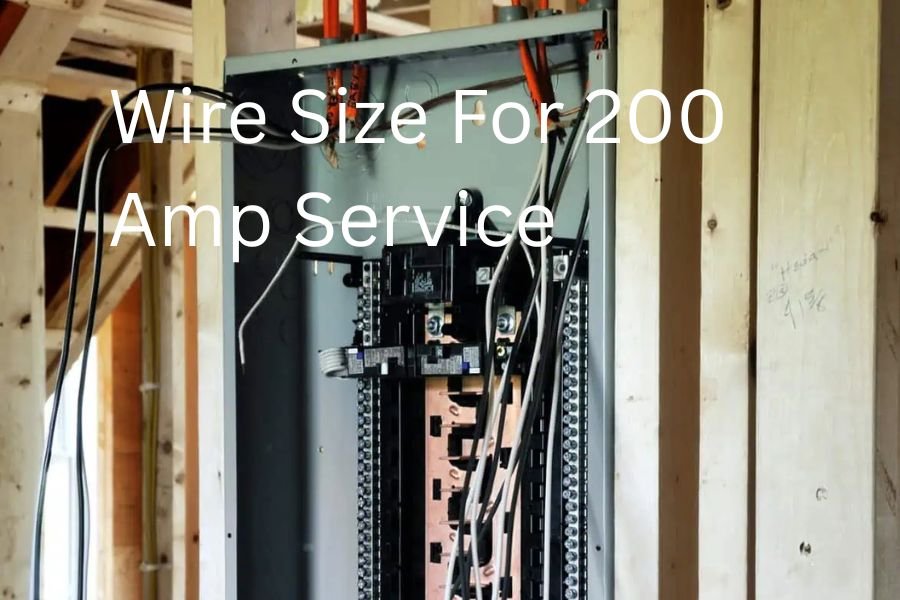
The correct wire size for a 200 amp service typically depends on the type of conductor used and the distance between the power source and the panel. In most cases, 2/0 AWG copper or 4/0 AWG aluminum wire is required to safely handle 200 amps. The National Electrical Code (NEC) provides precise standards to ensure that the wire can carry the load without overheating or losing voltage. Using the right wire size is essential for safety, efficiency, and compliance.
For a 200 amp electrical service, the correct wire size is typically 2/0 AWG copper or 4/0 AWG aluminum, as required by NEC standards for safety and efficiency. The final choice depends on factors like distance, voltage drop, temperature, and whether the installation is underground or overhead. Selecting the proper wire size ensures reliable power delivery, prevents overheating, and keeps your electrical system code-compliant and safe.
In this article, we discuss the topic of “wire size for 200 amp service”.
Understanding 200 Amp Service and Its Electrical Capacity
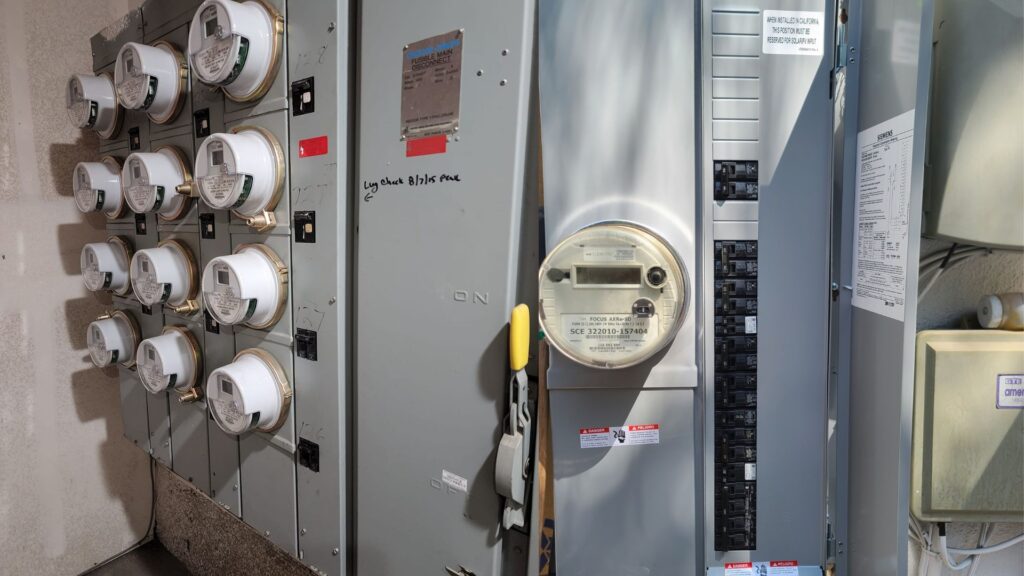
A 200 amp service is common in modern homes that require enough power for multiple appliances, HVAC systems, and electric vehicles. It refers to the maximum amount of electricity that can safely flow into your electrical panel. This level of service provides plenty of capacity for medium to large homes or small commercial spaces. Understanding this helps in selecting the right wire size that can handle high current demands without overloading the system.
Copper vs Aluminum Wire for 200 Amp Service: Which Is Better?
Copper and aluminum are both approved for electrical installations, but they differ in performance and cost. Copper has superior conductivity, meaning it transmits electricity more efficiently, but it’s heavier and more expensive. Aluminum, while cheaper and lighter, requires a thicker wire to handle the same current. The choice between the two often depends on budget, installation distance, and local building codes.
Minimum Wire Size Requirements for 200 Amp Service
The minimum wire size for a 200 amp service is 2/0 AWG copper or 4/0 AWG aluminum, according to NEC guidelines. These wire sizes ensure that the conductor can safely carry 200 amps without overheating. However, certain conditions such as distance, voltage drop, and temperature may require a larger size. Always verify with your local code and an electrician before finalizing your wire selection.
Why Wire Gauge Matters for a 200 Amp Panel
Wire gauge determines how much current a wire can safely carry. A smaller gauge number means a thicker wire capable of handling more current. If the wire is too small, it can overheat, leading to potential fire hazards. For a 200 amp panel, selecting the correct wire gauge ensures system stability, minimizes energy loss, and keeps your electrical installation compliant with safety standards.
3/0 AWG Copper Wire for 200 Amp Service Explained
In some cases, 3/0 AWG copper wire is used for 200 amp service, particularly for longer distances or higher temperature environments. This slightly larger wire size helps reduce voltage drop and ensures efficient current flow. Although it may be more expensive, it offers an extra safety margin and can be ideal for demanding installations like workshops or larger homes.
4/0 AWG Aluminum Wire for 200 Amp Service: Is It Enough?
Yes, 4/0 AWG aluminum wire is typically sufficient for a 200 amp service, provided that the distance between the service point and panel is not excessive. Aluminum has lower conductivity than copper, so it requires a larger diameter to carry the same current. It’s a cost-effective and commonly used choice for residential main service cables, especially for underground installations.
Comparing 2/0 Copper vs 4/0 Aluminum for 200 Amp Systems
When comparing 2/0 copper and 4/0 aluminum, both meet the NEC’s ampacity requirements for 200 amps. Copper wires are more compact and durable but come at a higher cost. Aluminum wires, though thicker, are lightweight and cheaper. The decision depends on project budget, installation distance, and whether the service is overhead or underground.
How to Calculate Voltage Drop for 200 Amp Service
Voltage drop occurs when electricity travels a long distance through a conductor, causing a loss of power. For a 200 amp service, calculating voltage drop ensures that your equipment receives enough voltage to function properly. The formula involves wire length, resistance, and load current. Keeping voltage drop under 3% is ideal for maintaining performance and safety.
Recommended Wire Size for 200 Amp Service at 50 Feet Distance
At 50 feet, 2/0 AWG copper or 4/0 AWG aluminum is generally sufficient. The short distance means minimal voltage drop, so standard wire sizes work effectively. However, it’s still essential to check local codes and ensure the wire insulation type matches your installation environment, whether it’s underground or in conduit.
Best Wire Size for 200 Amp Service at 100 Feet Distance
When the distance between your main panel and power source reaches about 100 feet, you’ll want to upsize the wire to limit voltage drop. In most cases, 3/0 AWG copper or 250 kcmil aluminum performs better than standard 2/0 and 4/0. This slight increase in thickness helps maintain full power delivery. It’s always smart to confirm your design with a licensed electrician and follow local code adjustments.
Wire Size for 200 Amp Service at 150 Feet or More
At 150 feet or more, voltage drop becomes a larger concern. For such distances, electricians often recommend 4/0 AWG copper or 300 kcmil aluminum conductors. These larger wires reduce energy loss and keep your electrical system efficient. You may pay more for materials, but the improved safety and consistent performance justify the cost over time.
NEC Guidelines for Wire Size in 200 Amp Installations
The National Electrical Code (NEC) serves as the gold standard for safe electrical installations. Article 310 of the NEC details conductor ampacity ratings and temperature limits. Following these requirements ensures your 200 amp service passes inspection and avoids overheating. Because local jurisdictions sometimes adopt different versions of the NEC, verify the latest updates in your area before purchasing materials.
Ground Wire Size for 200 Amp Service
A proper ground wire is vital for safety. According to NEC Table 250.66, a #4 AWG copper or #2 AWG aluminum grounding conductor is typically required for a 200 amp service. This path safely directs fault current to the earth, preventing shock and fire risks. Never overlook grounding; it’s just as important as choosing the right hot conductors.
Conduit Size for 200 Amp Service: What You Should Know
Conduit protects your service wires from physical damage and environmental factors. For a 200 amp installation, a 2-inch PVC or EMT conduit usually provides enough space for wire pull and cooling. When using larger aluminum wires, you may need a bigger conduit. Always check fill-rate charts to ensure your wires fit comfortably without exceeding code limits.
How to Choose Between SER and THHN Wires for 200 Amp Panels
SER cable and THHN wire both serve different purposes. SER is a pre-assembled cable with multiple conductors, perfect for above-ground runs inside walls. THHN wires, however, are single conductors typically pulled through conduit. For outdoor or underground installations, THHN paired with conduit offers better protection and flexibility.
Underground vs Overhead 200 Amp Service Wire Options
Underground and overhead installations require different wire types. Underground service uses USE-2 or XHHW-2 aluminum cable rated for direct burial, while overhead service often uses triplex aluminum cable attached to poles. Underground wiring offers cleaner aesthetics and weather resistance, whereas overhead service is cheaper and easier to maintain.
Wire Size for 200 Amp Underground Service: Complete Chart
For underground 200 amp runs, follow this quick chart:
– Up to 50 ft: 4/0 Aluminum USE-2 or 2/0 Copper XHHW-2
– 50–100 ft: 250 kcmil Aluminum or 3/0 Copper
– 100–150 ft: 300 kcmil Aluminum or 4/0 Copper
Selecting the right insulation (USE-2, XHHW-2) ensures moisture protection and long-term reliability underground.
How to Size Wires Based on Distance and Load
To size wires accurately, calculate both the load current and distance. Use the formula: Voltage Drop = (Current × Resistance × Distance) ÷ 1000. For 240-volt systems, keep drop under 3 percent. Adjust the wire size upward when loads are continuous or the run is long. This prevents flickering lights and equipment strain.
Understanding Ampacity and Its Role in Wire Sizing
Ampacity is the maximum amount of current a wire can safely carry. It depends on conductor material, insulation temperature rating, and installation environment. For instance, 2/0 copper at 75 °C has an ampacity around 175 amps, but in practice it’s rated higher under service-entrance conditions. Always reference NEC Table 310.16 for the correct ampacity chart.
Factors That Affect Wire Size Selection for 200 Amp Panels
Several factors influence the ideal wire size for a 200 amp panel. These include the distance of the run, conductor type (copper or aluminum), temperature rating, and installation method (underground, overhead, or conduit). Environmental conditions like moisture and heat also matter. A longer run or higher temperature usually requires thicker wire to maintain safe operation and prevent voltage loss.
Ambient Temperature Impact on 200 Amp Wire Size
Temperature can significantly affect conductor performance. In warmer environments, wires can’t carry as much current without overheating. The NEC provides derating factors that reduce ampacity at higher ambient temperatures. For instance, in a hot attic or outdoor conduit, you may need to upgrade from 2/0 to 3/0 copper to maintain a safe margin. Always check temperature correction tables when planning your installation.
Choosing the Right Conductor Material: Copper or Aluminum
Both copper and aluminum can safely deliver 200 amps when properly sized. Copper offers higher conductivity, lower resistance, and better durability against corrosion. Aluminum is lighter and more affordable but slightly less efficient. For long underground runs, aluminum is a practical choice. For indoor or shorter distances, copper is typically preferred for its stability and reliability.
200 Amp Service for Residential Homes: Wiring Guide
A 200 amp service is ideal for modern residential properties with high electrical demands. It supports large appliances, electric stoves, central AC units, and EV chargers. Homeowners installing this service should use 2/0 copper or 4/0 aluminum wires for the main feed. Always pair this with a properly rated panel, breaker, and grounding system to meet safety standards.
Wire Size for 200 Amp Service in Commercial Buildings
Commercial buildings often need a heavier-duty installation due to continuous loads and higher demand. Wire size recommendations follow the same NEC rules, but factors like load diversity and conduit fill must be considered. Businesses often use THHN copper wires in conduit for durability and fire resistance. Upsizing may be necessary when powering heavy machinery or lighting systems.
Is 200 Amp Service Enough for a Large Home?
For most large homes, a 200 amp service is more than adequate. It can handle multiple HVAC systems, kitchen appliances, entertainment systems, and lighting circuits without strain. However, homes exceeding 5,000 square feet or using extensive smart technology might need to consider 400 amp service. Conducting a load calculation ensures your service size fits your household’s energy needs.
When to Upgrade to a 200 Amp Electrical Service
You should consider upgrading to a 200 amp service if your current system struggles with demand. Common signs include tripped breakers, dimming lights, or limited capacity for new appliances. Modern homes often require higher amperage due to EV chargers, central air units, and advanced electronics. Upgrading improves safety, prevents overloading, and increases home resale value.
Common Mistakes to Avoid When Choosing Wire Size for 200 Amp Service

One of the biggest mistakes homeowners make is choosing wire based solely on cost or guesswork. Using undersized wire can cause voltage drops and overheating. Ignoring NEC guidelines or skipping permit inspections can lead to dangerous and costly problems later. Always consult a licensed electrician to confirm wire size, breaker ratings, and local requirements.
How to Prevent Voltage Drop in Long 200 Amp Runs
To reduce voltage drop, use larger gauge wires for long runs and minimize sharp bends or unnecessary connections. Copper wire is more efficient for long distances due to lower resistance. You can also split loads across multiple circuits to balance the demand. Maintaining a drop below 3% ensures your devices operate at optimal performance and reduces energy waste.
200 Amp Service Wire Size Chart (Copper & Aluminum)
| Material | Wire Size | Typical Distance | Voltage Drop (Approx.) |
| Copper | 2/0 AWG | Up to 100 ft | <3% |
| Copper | 3/0 AWG | 100–150 ft | <3% |
| Aluminum | 4/0 AWG | Up to 100 ft | <3% |
| Aluminum | 250–300 kcmil | 100–150 ft | <3% |
This chart simplifies choosing the correct wire for your installation. Always verify with NEC tables and your local code.
How to Determine the Length of Wire Needed for 200 Amp Service
Accurate wire length calculation ensures you buy enough material and avoid costly shortfalls. Measure the total distance from your meter base or power source to the main breaker panel, including vertical and horizontal routes. Add an extra 10% for slack, bends, and connections. Always plan for neat routing to reduce tension on conductors and comply with NEC bending radius standards.
The Cost of 2/0 Copper Wire vs 4/0 Aluminum Wire
Copper and aluminum prices can vary based on market rates, but generally, 2/0 copper is much more expensive than 4/0 aluminum. A 100-foot roll of 2/0 copper can cost several hundred dollars more than the equivalent aluminum size. While copper offers better conductivity, aluminum remains a practical and affordable option for long service runs without compromising safety.
Is 2/0 Copper Wire Suitable for 200 Amp Service?
Yes, 2/0 AWG copper wire is suitable for most 200 amp residential services. It meets NEC requirements and performs efficiently for distances under 100 feet. For longer runs or areas with higher ambient temperatures, you may want to upgrade to 3/0 copper to maintain voltage and reduce energy loss. Always base your choice on total load and installation environment.
Why 3/0 Copper Wire Is Often Recommended for 200 Amp Panels
Electricians often prefer 3/0 copper wire for 200 amp panels because it provides a margin of safety against heat and voltage loss. Although 2/0 is technically sufficient, 3/0 ensures consistent performance across long distances or heavy loads. This slightly larger gauge also helps future-proof your installation in case you expand your electrical system later.
How to Ensure Safe Installation for 200 Amp Service Wiring
Safety begins with proper planning. Turn off all power sources before starting any wiring work. Use insulated tools, wear protective gear, and double-check all connections. Ensure the neutral and ground are properly bonded and that conduit fittings are tight. Always follow NEC code, local inspection requirements, and never exceed rated breaker capacities.
Electrical Code Compliance for 200 Amp Service
Code compliance ensures your installation is both legal and safe. The NEC outlines precise conductor sizes, grounding methods, and breaker configurations for 200 amp services. Local jurisdictions may add extra rules, such as specific conduit materials or burial depths. Passing inspection protects your property insurance and guarantees long-term reliability.
Tools and Materials Needed for 200 Amp Wiring Projects
For a successful 200 amp installation, you’ll need wire cutters, conduit benders, voltage testers, wire strippers, and a torque wrench. Materials include 2/0 or 4/0 wire, conduit, fittings, connectors, and the main breaker panel. Using the correct tools ensures precise connections, prevents wire damage, and reduces the risk of future maintenance issues.
Safety Precautions When Installing 200 Amp Service
Always treat electrical wiring with caution. Shut off all power before working and verify with a voltage tester. Avoid installing wires near water or damp areas without proper insulation. Maintain secure terminations and use anti-oxidant compounds on aluminum connections. Following safety precautions prevents accidents, fire hazards, and costly mistakes.
The Role of the Main Breaker in a 200 Amp Panel
The main breaker acts as the central safety device, allowing you to disconnect power to the entire system at once. In a 200 amp service, it ensures no more than 200 amps flow through the panel. If the current exceeds this limit, the breaker automatically trips, protecting your wiring and appliances from damage.
How to Test Wire Size and Voltage After Installation
Once installation is complete, test your system using a voltage meter or multimeter. Verify that the voltage at outlets and circuits matches the expected 120V or 240V readings. Check for consistency and confirm that no excessive voltage drop occurs. If you detect fluctuations, inspect connections and ensure all terminations are tight and properly torqued.
Pros and Cons of Using Aluminum Wire for 200 Amp Service
Pros: Aluminum wire is lightweight, easy to work with, and significantly more affordable than copper. It’s ideal for long-distance runs and underground use.
Cons: Aluminum is less conductive and prone to oxidation, which can increase resistance over time. Proper installation with anti-oxidant paste and correct lugs minimizes these drawbacks and ensures longevity.
Why Copper Wire Is More Reliable for 200 Amp Panels
Copper remains the top choice for reliability. It has excellent conductivity, minimal expansion or contraction, and high resistance to corrosion. These qualities make it perfect for long-term use in residential and commercial systems. Although it’s pricier, copper wire ensures stable power delivery, lower maintenance, and superior safety.
Wire Insulation Types for 200 Amp Service (THHN, XHHW, USE-2)
Choosing the right insulation type is critical for protection.
- THHN: Best for indoor conduit applications, heat-resistant, and versatile.
- XHHW-2: Ideal for outdoor or damp environments due to its thicker insulation.
- USE-2: Designed for direct burial underground, offering moisture and UV protection.
Each type must match your installation environment for optimal performance.
Tips for Running 200 Amp Wire Through Conduit
When pulling heavy-gauge wires like 2/0 or 4/0, use wire lubricant to prevent insulation damage. Avoid tight bends and sharp turns. Label each conductor for easy identification. Ensure the conduit is appropriately sized—usually at least 2 inches for three large wires. Proper conduit setup keeps your wiring protected and up to code.
How Much Does It Cost to Install a 200 Amp Electrical Service?
The cost of installing a 200 amp service varies from $2,000 to $5,000 depending on materials, labor, and local permits. Copper wiring raises costs, while aluminum reduces them.Underground installations typically cost more due to trenching and conduit work. Always get multiple quotes and use licensed electricians for safety and code compliance.
Wire Size Recommendations for Detached Garages with 200 Amp Service
If you’re powering a detached garage, calculate distance carefully. For runs under 100 feet, 4/0 aluminum or 2/0 copper is usually sufficient. Longer runs may require 250 kcmil aluminum or 3/0 copper. Use appropriate conduit rated for outdoor exposure and include a grounding rod at the garage for added safety.
Common Signs Your Wire Size Is Too Small for 200 Amp Service

If lights dim when large appliances run or breakers trip frequently, your wire may be undersized. Other signs include warm electrical panels, buzzing sounds, or burnt wire insulation. Address these issues immediately with a licensed electrician to prevent fires and ensure your electrical system operates safely.
How to Upgrade from 100 Amp to 200 Amp Service Safely
Upgrading requires replacing the meter base, main breaker panel, and service entrance wires. Always get permits and hire a qualified electrician for the job. Your utility provider may also need to disconnect power during installation. The upgrade increases your home’s electrical capacity and supports modern energy needs efficiently.
Conclusion
Choosing the correct wire size for a 200 amp service is crucial for both safety and performance. Whether you use 2/0 copper or 4/0 aluminum, the right conductor ensures efficient current flow, reduces voltage drop, and prevents overheating. Always consider the total distance, installation type (underground or overhead), and local electrical codes when planning your setup.
Copper is the premium choice for durability and conductivity, while aluminum remains a cost-effective solution for longer runs. Above all, follow NEC standards, use quality materials, and have your installation inspected by a licensed electrician. A properly sized wire not only keeps your electrical system safe but also guarantees long-term reliability and peace of mind for your home or business.
FAQs
1. What size wire do I need for a 200 amp service?
The standard recommendation is 2/0 AWG copper or 4/0 AWG aluminum. These sizes meet NEC requirements for carrying 200 amps safely without overheating.
2. Does distance affect the wire size for a 200 amp service?
Yes. Longer runs cause voltage drop, so the further your panel is from the meter, the thicker your wire should be. For example, at 100 feet or more, upgrade to 3/0 copper or 250–300 kcmil aluminum.
3. What is the best wire type for underground 200 amp service?
For underground installations, USE-2 or XHHW-2 aluminum cables are best. They’re moisture-resistant, UV-protected, and rated for direct burial.
4. Can I use copper-clad aluminum wire for 200 amp service?
While copper-clad aluminum is lighter and cheaper, it’s not as efficient as pure copper. Always confirm with your local inspector if this type is acceptable for your service entrance.
5. How deep should I bury 200 amp service wire?
For direct burial, the NEC recommends at least 24 inches deep. If you’re using conduit, you can reduce the depth to 18 inches depending on local regulations.
6. Is it okay to mix copper and aluminum wires?
Mixing is allowed only if connectors are rated for both metals (marked AL/CU). Use anti-oxidant compound on aluminum ends to prevent corrosion and ensure a secure connection.
7. What’s the difference between THHN and XHHW-2 wires?
THHN is typically used indoors within conduit, while XHHW-2 is better for outdoor or wet locations due to thicker insulation and higher temperature tolerance.
8. Can a 200 amp service handle a large home or small business?
Yes. A 200 amp service provides ample capacity for large modern homes and small commercial properties. For extremely large properties or heavy machinery, consider a 400 amp upgrade.
9. How much does it cost to install a 200 amp service?
Installation costs range between $2,000 and $5,000, depending on materials, labor, and whether the service is overhead or underground. Copper wiring and trenching increase the cost.
10. Should I hire an electrician for a 200 amp upgrade?
Absolutely. Working with high amperage wiring is dangerous. A licensed electrician ensures code compliance, proper grounding, and safe installation—saving you from future electrical issues.
Keep an eye for more latest news & updates on premiumtechy!