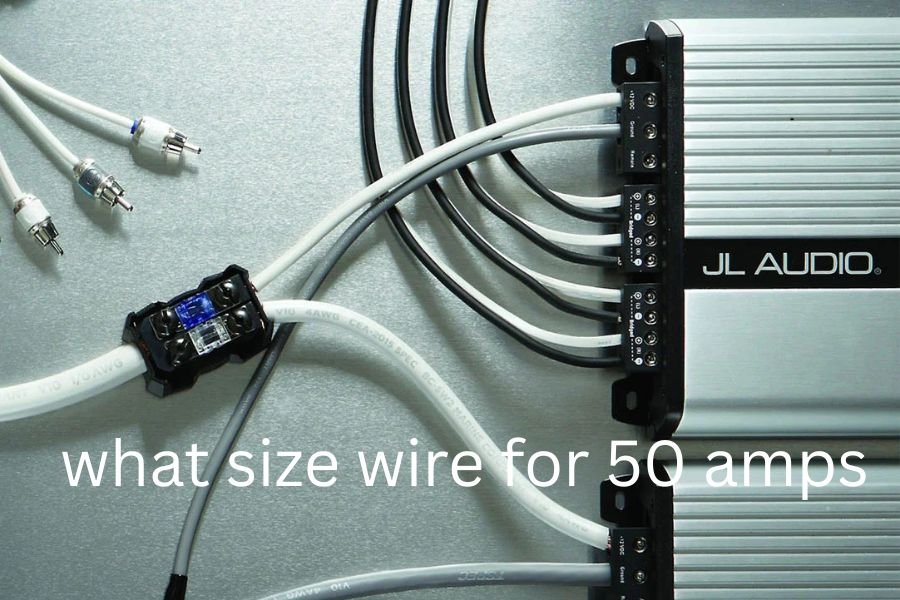
A 100-amp service is an electrical system capable of supplying up to 100 amps of power to a home, subpanel, or building. It is commonly found in older homes, small apartments, detached garages, and workshops. This service feeds various circuits through a main panel or subpanel. Although newer homes often use 150–200 amps, 100-amp service is still considered safe and sufficient for light to moderate electrical loads. Understanding its limitations helps determine the correct wire size needed to avoid overheating and electrical hazards.
Choosing the right wire size for a 100-amp subpanel is essential for safety, efficiency, and code compliance. According to NEC guidelines, the minimum requirement is #3 AWG copper or #1 AWG aluminum, with larger sizes recommended for longer distances to reduce voltage drop. Proper wire sizing prevents overheating, ensures stable power delivery, and protects your electrical system from fire hazards and equipment damage.
In this article, we discuss the topic of “wire size for 100 amp sub panel“.
Where Is a 100-Amp Service Commonly Used?
A 100-amp service is popular in smaller residential homes, cabins, and tiny houses. Many property owners also use it for detached garages, shops, and small business buildings. It can safely power essential appliances, lighting circuits, and some workshop tools. Mobile homes and RV setups may also use 100-amp service depending on their electrical needs. Knowing where this service is commonly used helps determine proper wiring requirements for safe distribution
Why Wire Size Matters for a 100-Amp Service
Choosing the right wire size prevents overheating, voltage drop, and potential fire hazards. Undersized wire cannot carry the electrical load safely and may violate NEC requirements. Proper wire size ensures the electrical system operates efficiently and safely under maximum load. It also improves performance for appliances and reduces electrical strain over long distances. Because of safety and code requirements, selecting the correct wire size is essential for any 100-amp installation
Factors That Influence 100-Amp Wire Size
Several factors affect the correct wire size, including distance, voltage drop, conductor material, and insulation type. Temperature conditions also play a role, especially in outdoor or high-heat environments. Local building codes may impose additional requirements beyond NEC standards. The total electrical load and the type of installation—buried cable, conduit, or overhead—can also impact wire selection. Understanding these factors ensures safe and efficient power distribution.
NEC Guidelines for 100-Amp Service Wiring
The National Electrical Code (NEC) provides specific ampacity guidelines to ensure safe wiring practices. For 100-amp service, NEC recommends using #3 AWG copper or #1 AWG aluminum. The NEC also considers temperature ratings and allowable ampacity adjustments for various environments. Keeping up with NEC updates is crucial for compliance and safety. Always verify local amendments, as some jurisdictions require larger conductors for additional safety.
Minimum Wire Size Required for 100-Amp Service
The minimum wire size for a 100-amp service is #3 AWG copper or #1 AWG aluminum according to NEC standards. These wires can safely carry 100 amps without exceeding temperature limits or risking overheating. Using smaller wires is unsafe and violates electrical codes. In some cases—such as long runs—larger conductors may be required to reduce voltage drop. Always consider both minimum code requirements and real-world performance when choosing wire size.
Copper vs. Aluminum Wire for 100-Amp Service
Copper wire is more conductive, durable, and resistant to corrosion compared to aluminum. It performs better under heavy load and has lower voltage drop. Aluminum wire, however, is lighter and significantly cheaper, making it a popular choice for long-distance runs or budget-conscious installations. Both materials are safe when installed correctly, but aluminum requires anti-oxidant paste and secure connections. The choice between copper and aluminum depends on cost, distance, and local building codes.
Understanding AWG Wire Sizes
AWG (American Wire Gauge) is a standardized system used to measure wire diameter. Smaller gauge numbers indicate thicker wires capable of carrying more current. For a 100-amp service, common AWG sizes include #3 copper and #1 aluminum. Understanding AWG helps ensure proper wire selection for safe electrical installations. The system also accounts for factors such as resistance, heat dissipation, and voltage drop. Having basic AWG knowledge is essential for any wiring project.
How Distance Affects 100-Amp Wire Size
The longer the wire run, the more resistance builds up, causing voltage drop. Excessive voltage drop can reduce appliance performance and damage sensitive equipment. For 100-amp circuits, long distances may require upsizing the wire to maintain safe voltage levels. NEC recommends keeping voltage drop under 3% for branch circuits and 5% total. Distance is one of the biggest reasons wire size adjustments are necessary.
Voltage Drop Considerations for 100-Amp Circuits
Voltage drop occurs naturally as electricity travels through a conductor. For 100-amp circuits, keeping voltage drop minimal ensures efficient power distribution. Excessive drop can cause lights to dim, motors to overheat, and breakers to trip. Using larger wire sizes helps reduce voltage drop on long runs. Proper calculations and planning help maintain stable voltage levels throughout the system.
Temperature Ratings and Wire Ampacity
Wires are rated based on the maximum temperature they can safely handle. Higher temperature ratings typically allow higher ampacity. For 100-amp circuits, common ratings include 60°C, 75°C, and 90°C insulation. Ambient temperatures, such as attic heat or outdoor conditions, can reduce wire ampacity. Choosing the correct insulation rating ensures safety and compliance with NEC codes. Temperature must always be considered when selecting wire.
Solid vs. Stranded Wire for 100-Amp Panels
Solid wire consists of a single metal core and is typically used for smaller gauges. Stranded wire, made from multiple thin strands, is more flexible and easier to pull through conduits. For 100-amp circuits, stranded wire is usually preferred due to its flexibility and durability. It handles vibration better and is suitable for long-distance conduit runs. Both types are safe when installed correctly.
Recommended Copper Wire Sizes for 100-Amp Service
Copper wire is known for its excellent conductivity and durability, making it a top choice for 100-amp service installations. The NEC recommends #3 AWG copper as the standard minimum wire size for a 100-amp panel. This size offers efficient current flow with minimal voltage drop. For longer runs, upsizing to #2 or #1 AWG copper may be necessary to maintain performance. Copper wires are more resistant to heat and corrosion, contributing to long-term safety and reliability.
Recommended Aluminum Wire Sizes for 100-Amp Service
Aluminum wire is lighter and more affordable than copper, making it a popular alternative for 100-amp circuits. The NEC specifies #1 AWG aluminum as the minimum allowable size for 100-amp service. For long-distance runs exceeding 100 feet, installers may choose 1/0 AWG aluminum to reduce voltage drop. While aluminum requires careful installation to avoid loose connections, it performs reliably when properly rated and terminated. Its lower cost makes it ideal for budget-friendly electrical projects.
Using #3 AWG Copper for 100-Amp Service
#3 AWG copper is widely accepted as the standard for 100-amp service because it provides excellent conductivity and low resistance. It is suitable for most residential installations where the distance between panels is short. This wire type supports stable voltage delivery even under heavy loads. Electricians prefer #3 AWG copper due to its ease of installation and long-term durability. It is also highly resistant to overheating, making it one of the safest options for 100-amp circuits.
Using #1 AWG Aluminum for 100-Amp Service
#1 AWG aluminum is the recommended minimum wire size for 100-amp service because it compensates for aluminum’s lower conductivity. It is commonly used in subpanel installations located in detached garages, workshops, and outbuildings. This wire size offers a cost-effective solution while meeting NEC safety requirements. When installing aluminum, anti-oxidant compound should be applied to the terminals to prevent corrosion. Properly installed, #1 AWG aluminum provides reliable performance for both residential and commercial applications.
When a Larger Wire Size Is Needed
Larger wire sizes are necessary when dealing with long-distance runs, high ambient temperatures, or heavy continuous loads. Voltage drop becomes a major issue when the distance exceeds 100 feet, requiring wire upsizing. Local codes may also mandate larger wire sizes for additional safety. Certain appliances, such as large HVAC units or workshop tools, may place extra demand on the electrical system. Using a larger gauge wire ensures consistent power delivery and reduces overheating risks.
Wire Size Requirements for Long-Distance Runs
Long-distance electrical runs require special attention because resistance increases with length, causing voltage drop. For 100-amp circuits, wire size must often be increased to maintain safe voltage levels. For example, runs longer than 100 feet may require #1 AWG copper or 1/0 aluminum. Using voltage drop calculators helps ensure compliance with recommended limits. Proper planning ensures your electrical system remains safe, efficient, and capable of handling expected loads.
Correct Wire Size for a 100-Amp Subpanel
The correct wire size for a 100-amp subpanel depends on the conductor material and distance. NEC guidelines specify #3 copper or #1 aluminum for most standard installations. If the subpanel is located farther away—such as in a detached garage—larger sizes may be needed. Always use a four-wire feed for subpanels: two hots, one neutral, and one ground. Proper wire sizing ensures the subpanel operates safely and efficiently without overloaded circuits.
Wire Size for 100-Amp Subpanel 50–100 Feet Away
For a subpanel located 50–100 feet from the main panel, slight upsizing may be beneficial. While #3 copper and #1 aluminum still meet minimum requirements, many electricians prefer #2 copper or 1/0 aluminum to limit voltage drop. This helps maintain stable power delivery for tools, appliances, or lighting circuits. Even small improvements in voltage regulation can enhance performance over time. Choosing the right wire size ensures long-term safety and efficiency.
Wire Size for 100-Amp Subpanel Over 100 Feet Away
When the distance exceeds 100 feet, voltage drop becomes a major concern. To maintain less than 3% voltage drop, upsizing is usually necessary. Installers often recommend #1 or 1/0 copper, or 1/0 to 2/0 aluminum for distances over 100 feet. This ensures consistent voltage and prevents overheating during high-demand usage. Long-distance installations require precise planning and adherence to NEC guidelines. Proper wire sizing protects both the wiring and the connected equipment.
Types of Copper Wire Used for 100-Amp Panels
Copper wires commonly used in 100-amp panels include THHN, THWN, and XHHW varieties. These wires offer high temperature ratings and excellent resistance to wear. They are suitable for both indoor and outdoor conduit installations. Copper SER cable is another popular choice for feeding subpanels in residential applications. Each copper wire type provides reliable conductivity and high durability, making them appropriate for demanding electrical loads.
Types of Aluminum Wire Used for 100-Amp Panels
Aluminum wire used for 100-amp panels typically includes XHHW, XHHW-2, THHN/THWN (aluminum variant), and SER cable. These wires are designed to handle higher current loads despite aluminum’s lower conductivity. XHHW-2 aluminum is especially popular because it has a high temperature rating and excellent moisture resistance. SER aluminum cable is commonly used for feeder lines to subpanels in homes and garages. When properly installed and treated with anti-oxidant paste, aluminum wiring offers a safe and cost-effective solution for 100-amp service.
THHN/THWN Wires for 100-Amp Service
THHN and THWN wires are some of the most common choices for running 100-amp circuits through conduit. THHN is designed for dry locations, while THWN is rated for wet environments, making it versatile for indoor and outdoor installations. These wire types have a 90°C temperature rating, which allows them to carry higher ampacity under NEC rules. Their tough insulation makes them suitable for long conduit runs with minimal risk of damage. Electricians prefer these wires for their durability and ease of pulling through conduit.
XHHW-2 Wires for 100-Amp Service
XHHW-2 wire has a cross-linked polyethylene insulation that provides excellent heat resistance and moisture protection. It is commonly used for feeder cables supplying 100-amp subpanels in harsh or outdoor conditions. With a 90°C wet/dry rating, XHHW-2 wire can safely carry more ampacity than many other wire types. Its durability makes it ideal for underground conduit installations and long-distance runs. This wire is available in both copper and aluminum, depending on budget and application needs.
SER Cable Options for 100-Amp Panels
SER (Service Entrance Cable, Round) is a popular choice for feeding 100-amp subpanels in residential homes. It contains multiple conductors bundled together in a protective jacket, making installation faster and easier. Common SER sizes for 100-amp service include #1 AWG aluminum and #3 AWG copper. SER cable is often used when running feeders along walls, basements, or attics rather than through conduit. It is flexible, affordable, and meets NEC requirements for feeder installations when properly supported.
Pros and Cons of Copper Wiring
Copper wiring offers excellent conductivity, low resistance, and superior durability. It is less susceptible to corrosion and performs well in high-demand electrical systems. However, copper is significantly more expensive than aluminum, which can increase installation costs. It is also heavier and more difficult to work with in long runs. Despite the higher price, copper wiring remains the top choice for reliability, safety, and long-term performance.
Pros and Cons of Aluminum Wiring
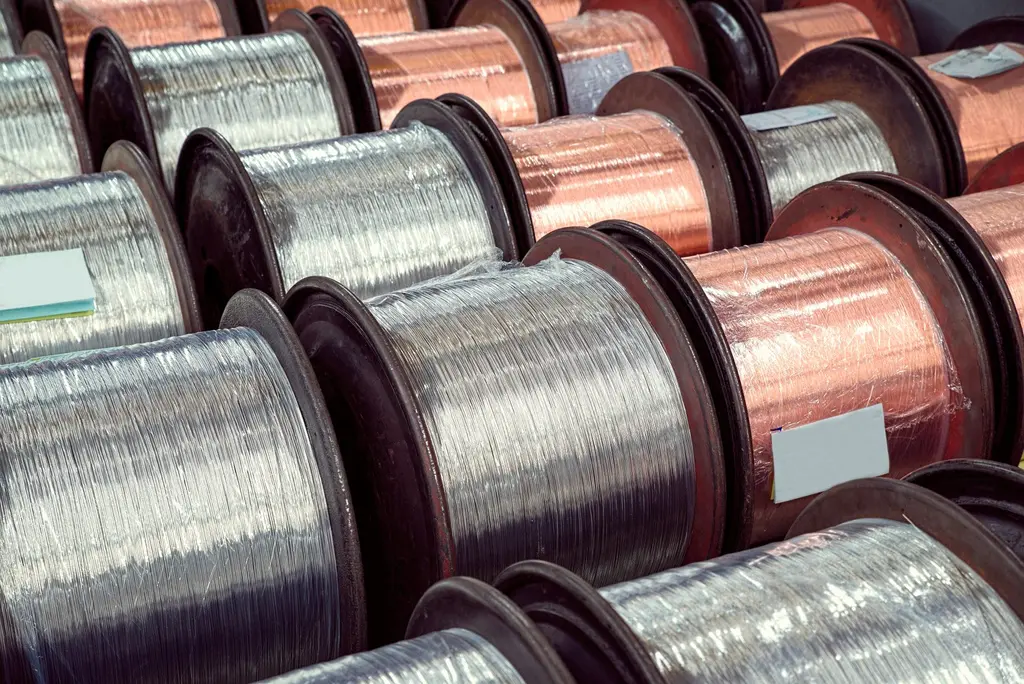
Aluminum wiring is lightweight, flexible, and much cheaper than copper, making it appealing for large installations. It performs well when sized correctly and installed with anti-oxidant paste to prevent corrosion. However, aluminum expands and contracts more than copper, which may lead to loose connections over time if not properly maintained. Its lower conductivity also requires a thicker gauge for the same amperage. Even so, aluminum is widely used in feeder circuits due to its affordability.
Safety Considerations When Choosing Wire Size
Safety must always come first when choosing a wire size for a 100-amp panel. Undersized wires can overheat, leading to fires and damage to electrical components. Always follow NEC guidelines and local code requirements to ensure compliance. Consider environmental factors such as heat, moisture, and conduit fill. Properly tightened connections, high-quality materials, and correct insulation types all contribute to a safe installation. When in doubt, consulting a licensed electrician is the safest option.
Common Mistakes When Installing a 100-Amp Service
One common mistake is choosing wire that is too small for the load or distance. Others include improper grounding, using the wrong type of cable, or failing to isolate neutrals and grounds in subpanels. Some DIY installers forget to account for voltage drop on long runs, which leads to performance issues. Loose or improperly torqued connections also pose major safety hazards. Avoiding these mistakes helps ensure a long-lasting and safe 100-amp electrical system.
How to Reduce Voltage Drop in 100-Amp Circuits
Reducing voltage drop begins with choosing the correct wire size based on distance and load. Upsizing from #3 copper to #2 or #1 can significantly improve voltage stability. Keeping wire runs as short as possible also helps minimize loss. Using high-quality wire with proper insulation reduces resistance and overheating. Voltage drop calculators allow you to estimate the effects before installation, ensuring optimal performance. Good planning ensures efficient power delivery to all connected devices.
Cost Comparison of Copper vs. Aluminum Wire
Copper wire is more expensive than aluminum due to its higher conductivity and durability. On long runs, copper can significantly increase project costs, especially when upgrading feeder lines or installing subpanels. Aluminum wire, on the other hand, offers a more budget-friendly option with acceptable performance. Although aluminum requires larger gauge sizes, the overall cost remains much lower than copper. The choice often depends on distance, budget, and local code preferences.
Local Code Requirements for 100-Amp Service
Local electrical codes may have stricter requirements than the NEC, so it’s essential to check with your building department before installation. Some jurisdictions require larger wire sizes to improve safety margins. Others may specify conduit types, burial depths, or additional grounding requirements. Local inspectors often enforce regulations to ensure installations meet regional safety standards. Always verify your plans with local authorities before purchasing materials or starting work. Following local codes helps prevent costly corrections later.
How Load Type Affects Wire Size Selection
The type of electrical load—continuous, intermittent, or mixed—can affect the wire size needed for a 100-amp service. Continuous loads, such as HVAC systems, require wires that can handle heat buildup over long periods. Heavy machinery or workshop tools may cause temporary surges that require thicker conductors. Sensitive electronics benefit from stable voltage delivery and low resistance. Understanding the nature of the load ensures proper wire sizing for safety and peak performance. Accurate calculations prevent overheating and voltage fluctuations.
Wire Size for 100-Amp Service in Mobile Homes
Mobile homes often use aluminum SER cable for 100-amp service due to its affordability and code compliance. The recommended size is typically #1 AWG aluminum, although some setups may require 1/0 based on distance. Mobile homes must meet HUD and NEC standards, which emphasize proper grounding and conductor separation. Because mobile homes can shift or settle, flexible wiring is especially beneficial. Correct wire sizing ensures safe operation of HVAC units, lighting, and kitchen appliances.
Wire Size for 100-Amp Service in RVs
RVs rarely use a full 100-amp service, but when they do—typically for large luxury models—the correct wire size is critical. #3 AWG copper or #1 AWG aluminum is required for safe power distribution. RV installations must account for movement, vibration, and exposure to the elements. Stranded wire is often preferred because of its flexibility. Proper wire sizing helps prevent overheating when operating multiple appliances, air conditioners, and charging systems simultaneously.
Wire Size for 100-Amp Service in Small Businesses
Small businesses such as workshops, retail stores, and offices may use 100-amp service for lighting, computers, and small machinery. Choosing the correct wire size—#3 copper or #1 aluminum—ensures consistent power for daily operations. For businesses with long feeder runs, upsizing may be required to prevent voltage fluctuations. Compliance with commercial building codes is especially important. Proper wire sizing supports reliable performance and reduces downtime due to electrical issues.
When to Upgrade From 100-Amp to 200-Amp Service
Upgrading to a 200-amp service is recommended when adding high-power appliances, EV chargers, or major home renovations. If your circuits frequently trip or lights dim when multiple devices run, the existing 100-amp system may be overloaded. Modern homes with central air, large kitchens, and smart devices benefit from increased power capacity. Installing a 200-amp panel improves safety and supports future electrical expansion. Consult a licensed electrician to determine if an upgrade is necessary.
Tools Needed to Install a 100-Amp Service Panel
Installing a 100-amp service panel requires tools such as wire strippers, voltage testers, torque screwdrivers, fish tape, and conduit benders. A multimeter is essential for verifying connections and ensuring proper voltage. Safety equipment, including gloves and protective glasses, helps prevent electrical injuries. Using the correct tools ensures clean and secure connections throughout the installation. Professional-grade equipment increases accuracy and reduces installation time. Always prioritize safety when handling electrical components.
Understanding Service Entrance Wiring
Service entrance wiring connects the utility supply to the main electrical panel or meter. For a 100-amp service, this wiring must meet NEC standards and local utility requirements. It typically involves overhead or underground conductors, grounding systems, and proper weatherproofing. The wire size must match the service rating to prevent overheating. Understanding service entrance wiring ensures a safe transition from the utility grid to the building’s electrical system. Proper installation is crucial for reliable operation.
How Climate Affects Wire Performance

Extreme temperatures, moisture, and environmental conditions can impact wire performance. In hot climates, wires may require higher temperature-rated insulation to prevent overheating. Cold environments can cause insulation to stiffen, increasing the risk of cracking. Moist or coastal areas may accelerate corrosion, making copper a better choice than aluminum. Underground installations must consider soil temperature and moisture levels. Climate-sensitive planning ensures long-term safety and durability of a 100-amp electrical system.
What Happens If You Use Undersized Wire?
Using undersized wire for a 100-amp service is extremely dangerous and can cause overheating, insulation failure, and electrical fires. The wire may not handle the full load, leading to frequent breaker trips or voltage drops. Appliances and electronics may become damaged due to unstable voltage supply. Undersized wire installations also fail electrical inspections and violate NEC regulations. Correct wire sizing ensures safety, efficiency, and long-lasting electrical performance.
Conclusion
Choosing the correct wire size for a 100-amp service is crucial for the safety, efficiency, and longevity of your electrical system. Factors such as wire type, distance, load, temperature, and local codes all play a significant role in determining the right conductor size. Copper wire offers superior conductivity and durability, while aluminum is more cost-effective but requires careful sizing. Following NEC guidelines and consulting a licensed electrician ensures proper installation and prevents hazards such as overheating, voltage drop, or electrical fires. By selecting the appropriate wire size and installation methods, you can maintain reliable power for your home, RV, mobile home, or small business.
FAQs
1. What is the recommended wire size for a 100-amp service?
The minimum recommended wire size is #3 AWG copper or #1 AWG aluminum. For longer runs or higher demand, larger sizes may be required to prevent voltage drop.
2. Can I use aluminum wire for a 100-amp service?
Yes, aluminum wire can be used, typically #1 AWG, but it must be properly sized and connected to prevent corrosion and overheating. Copper is generally more durable and conductive.
3. How does distance affect wire size for 100 amps?
Longer distances cause voltage drop, reducing efficiency. To compensate, you may need to increase the wire gauge beyond the minimum recommendation.
4. What is the difference between solid and stranded wire?
Solid wire is a single conductor and rigid, ideal for permanent installations. Stranded wire is flexible and better for applications where vibration or movement occurs.
5. Is it necessary to follow NEC guidelines for wire sizing?
Yes, NEC (National Electrical Code) guidelines ensure safety, efficiency, and compliance with local regulations. Ignoring them can result in hazards or failed inspections.
6. Can I install a 100-amp subpanel myself?
It is strongly recommended to hire a licensed electrician. Incorrect installation or undersized wiring can cause fire hazards, equipment damage, or code violations.
7. When should I upgrade from 100-amp to 200-amp service?
Consider upgrading when adding large appliances, EV chargers, HVAC systems, or if your current service frequently trips or struggles to meet power demands.
8. How do I prevent voltage drop in a 100-amp circuit?
Use the correct wire size, minimize the distance between the main panel and subpanel, and choose high-quality copper or aluminum wire with proper insulation ratings.
9. Can mobile homes and RVs use a 100-amp service?
Yes, mobile homes and RVs commonly use 100-amp service, usually with aluminum SER cable. Proper sizing and flexible wiring are essential for safety and mobility.
10. What are the risks of using undersized wire for 100-amp service?
Undersized wire can overheat, cause breaker trips, damage appliances, and even start electrical fires. Always ensure the wire meets NEC and load requirements.
Keep an eye for more latest news & updates on premiumtechy!