Choosing the correct wire for a 50 amp circuit is crucial for safety, efficiency, and compliance with electrical codes. Typically, a 6 AWG copper wire is recommended for most 50 amp applications. Aluminum wires require a larger gauge, usually 4 AWG, due to lower conductivity. Understanding your circuit load, distance, and installation type ensures you avoid overheating, voltage drop, and potential fire hazards. Proper wire sizing also protects connected appliances and maintains system efficiency.
A 50-amp circuit typically requires 6 AWG copper wire or 4 AWG aluminum wire to safely handle the electrical load, and these sizes help prevent overheating, voltage drop, and equipment damage. If the wire run is very long—usually over 100 feet—you may need to upsize the wire to maintain proper performance. Using the correct gauge ensures safety, efficiency, and compliance with electrical code standards.
In this article, we discuss the topic of “what size wire for 50 amps”.
Understanding How Wire Gauge Works

Wire gauge, or AWG (American Wire Gauge), measures the diameter of the wire. The smaller the gauge number, the thicker the wire and the higher current it can safely carry. For example, 6 AWG copper wire handles 50 amps safely, whereas smaller wires, like 8 AWG, are suitable only for 40 amps. Wire gauge affects resistance, voltage drop, and heat generation. Selecting the correct gauge is critical to ensure electrical safety and long-term reliability of your wiring system.
The Importance of Choosing the Right Wire Size
Using the wrong wire size can cause overheating, tripped breakers, or even electrical fires. An undersized wire can’t handle the current, while an oversized wire is unnecessarily expensive and difficult to install. Choosing the right wire ensures compliance with National Electrical Code (NEC) guidelines and provides safe power delivery. It also prevents voltage drops that can reduce appliance efficiency or damage sensitive equipment. Safety, performance, and cost-effectiveness all hinge on proper wire sizing.
50 Amp Wire Size Chart for Copper and Aluminum
For 50 amp circuits, copper wires typically use 6 AWG, while aluminum wires require 4 AWG. The chart below provides a quick reference:
| Current (Amps) | Copper Wire (AWG) | Aluminum Wire (AWG) |
| 50 | 6 | 4 |
Copper is preferred for indoor and high-load circuits due to its conductivity, while aluminum can be used outdoors or in budget-conscious installations. Always follow manufacturer recommendations and local codes.
What Is the Correct AWG for a 50 Amp Circuit?
The correct AWG for a 50 amp breaker is usually 6 AWG copper or 4 AWG aluminum. This sizing accounts for typical 120V or 240V household applications. Using these sizes ensures minimal voltage drop over standard distances and avoids exceeding thermal limits of the wire. Always consider installation type, whether in conduit, buried underground, or exposed indoors, as this can influence the wire selection.
Can You Use 6 AWG Wire for 50 Amps?
Yes, 6 AWG copper wire is commonly recommended for 50 amp circuits. It safely carries the full load without overheating or excessive voltage drop under standard conditions. However, installation environment, distance, and insulation type may require adjustments. For example, long runs or high-temperature conditions might require upsizing to 4 AWG copper to maintain safety and efficiency.
50 Amp Wire Size at Different Distances
Voltage drop becomes significant for long wire runs. For a 50 amp circuit, a 6 AWG copper wire is suitable up to approximately 100 feet at 240V. Beyond that, upsizing to 4 AWG copper or 2 AWG aluminum may be necessary to maintain safe voltage levels. Calculating voltage drop ensures that appliances operate efficiently and prevents overheating or underperformance.
How Far Can You Run 6 Gauge Wire for 50 Amps?
6 AWG copper wire can typically run up to 100 feet for a 50 amp 240V circuit without excessive voltage drop. For runs exceeding 100 feet, increasing the wire size to 4 AWG copper or 2 AWG aluminum may be required. Always calculate the voltage drop based on your exact load and distance to ensure compliance with NEC standards and to maintain safe and efficient operation.
Voltage Drop and Its Impact on Wire Sizing
Voltage drop occurs when electricity travels over long distances through a wire, causing appliances to receive less voltage than intended. Excessive voltage drop can reduce efficiency, overheat wires, and damage equipment. For 50 amp circuits, a voltage drop of more than 3% is generally unacceptable. Choosing the correct wire gauge based on distance and load mitigates this risk and ensures consistent performance.
How to Calculate Wire Size for 50 Amp Service
To calculate wire size, consider voltage, current, distance, and material. Use the formula: Voltage Drop = (2 × Length × Current × Resistance) ÷ 1000. Resistance depends on wire type and gauge. For a 50 amp service, standard calculations confirm that 6 AWG copper or 4 AWG aluminum wire is sufficient for typical runs, but adjustments are necessary for long distances or high-temperature environments.
What Happens If the Wire Is Too Small for 50 Amps?
Using an undersized wire creates excessive heat, melts insulation, and can trip breakers or cause fire hazards. A wire smaller than 6 AWG copper for a 50 amp load will overheat under continuous use. This compromises both safety and performance. Always verify wire sizing before installation, as even short-term overload can damage appliances and electrical panels.
What Happens If the Wire Is Too Large for 50 Amps?
Oversized wire is not dangerous but can be more expensive, heavier, and harder to handle. Installing a larger wire like 4 AWG copper for a 50 amp circuit is safe but may not be cost-efficient. The main consideration is ease of installation; thicker wires require larger conduit and connectors. Safety is not compromised, but practicality and budget must be considered.
Copper vs Aluminum Wire for 50 Amp Circuits
Copper has higher conductivity, smaller size, and better durability than aluminum, making it ideal for indoor circuits. Aluminum is lighter and cheaper but requires a larger gauge and anti-oxidation measures at connections. For 50 amp circuits, 6 AWG copper or 4 AWG aluminum is standard. Consider environmental factors and long-term reliability when choosing between the two.
Is 6 Gauge Aluminum Wire Enough for 50 Amps?
No, aluminum requires a larger gauge due to its lower conductivity. For a 50 amp circuit, a 6 AWG aluminum wire is typically insufficient and may overheat. NEC standards recommend 4 AWG aluminum for 50 amps to handle the load safely. Correct sizing ensures compliance and prevents voltage drop and overheating.
Factors That Affect Wire Size Selection
Wire size depends on current load, distance, voltage, insulation type, temperature rating, and installation method. Conduit fill, ambient temperature, and future expansion also influence selection. For 50 amp circuits, 6 AWG copper is standard, but special conditions may require upsizing. Proper planning and adherence to codes are essential for safety and performance.
The Role of Conduit in 50 Amp Wiring
Conduits protect wires from physical damage and help with heat dissipation. Wire installed in conduit may require derating due to limited airflow. For 50 amp circuits, ensure that conduit size accommodates the wire gauge and number of conductors without exceeding NEC fill requirements. Proper conduit installation extends wire life and improves safety.
Indoor vs Outdoor 50 Amp Wire Requirements
Indoor wiring typically uses NM-B (Romex) cable, whereas outdoor or underground wiring requires UF-B, THHN, or XHHW with proper conduit. Outdoor wires must resist moisture, UV, and temperature extremes. For 50 amp circuits, 6 AWG copper is suitable indoors, while 6 AWG THHN/THWN in conduit is standard outdoors, with aluminum requiring a larger gauge.
Underground 50 Amp Wire: What You Should Know
Buried wires must use insulation rated for underground use or be placed in conduit. Moisture, soil acidity, and rodent protection are considerations. Copper or aluminum wires can be used, but aluminum requires a larger gauge. For 50 amp service, 6 AWG copper in conduit or 4 AWG aluminum is recommended, ensuring voltage drop remains within safe limits.
What Type of Wire for 50 Amp RV Service?
RV installations require 50 amp service with 6 AWG copper wire for 120/240V circuits. Use outdoor-rated, flexible wire such as SER, SEU, or THHN in conduit. Ensure proper grounding and GFCI protection for safety. Voltage drop over long distances may require upsizing, especially for RV parks or remote installations.
Wire Size for 50 Amp Sub Panel Installation
When installing a sub-panel, wire size must support the sub-panel rating. For a 50 amp sub-panel, 6 AWG copper or 4 AWG aluminum is standard. Proper grounding, bonding, and breaker sizing are critical. Distance and load calculations ensure safe and efficient distribution without excessive voltage drop.
Choosing the Right Wire for a 50 Amp Breaker Box
Selecting the correct wire involves calculating the load, considering future expansion, and adhering to NEC guidelines. For a 50 amp breaker, 6 AWG copper is standard, but installation conditions may require upsizing. Correct wire selection prevents overheating, voltage drop, and potential hazards, ensuring long-term system reliability.
50 Amp Wire for Hot Tub or Spa Installations
Hot tubs require 50 amp dedicated circuits. Copper wire is preferred, sized 6 AWG for 50 amps. Ground fault protection, GFCI breakers, and proper conduit installation are mandatory. Outdoor conditions and distance from the main panel must be considered to avoid voltage drop, ensuring safe and efficient operation of the spa.
Best Wire for 50 Amp Range or Oven
Electric ranges or ovens often draw 50 amps. 6 AWG copper wire is recommended for standard distances. Aluminum can be used at 4 AWG. Wire must be rated for high-temperature appliances and installed in proper conduit or cable type. Proper breaker coordination prevents overheating and ensures appliance efficiency.
Wire Size for 50 Amp Electric Dryer
Electric dryers on a 50 amp circuit use 6 AWG copper wire for distances under 100 feet. Aluminum wires require 4 AWG. Ensure the dryer’s voltage and amperage match the breaker. Using undersized wires can cause overheating, while oversized wires increase cost and installation difficulty.
50 Amp Wire for Welder Circuits
Welders require high amperage and consistent voltage. 6 AWG copper wire is standard for 50 amp circuits, with aluminum at 4 AWG. Consider distance, duty cycle, and insulation type. Proper grounding and breaker protection are essential to prevent voltage drop and overheating during extended welding operations.
What Size Wire for 50 Amp Generator Connection?
Connecting a 50 amp generator requires 6 AWG copper wire for short runs, or upsized aluminum wire for longer distances. Use outdoor-rated, flexible wire and appropriate connectors. Ensure grounding and transfer switches comply with NEC guidelines to safely feed power from the generator to your home or sub-panel.
Wire Gauge for 50 Amp Extension Cord
Extension cords for 50 amp loads must use 6 AWG copper or 4 AWG aluminum. Length affects voltage drop; longer cords require thicker wire. Use cords rated for outdoor use with proper insulation. Avoid undersized cords, as overheating can damage appliances and pose serious fire hazards.
How to Read Wire Labels Like a Pro
Wire labels include AWG, conductor count, and insulation type. For example, “6/3 w/G” means three 6 AWG conductors plus a ground wire. THHN or THWN indicate temperature and moisture ratings. Correctly interpreting labels ensures safe selection for 50 amp circuits, avoiding mismatched wires or unsafe installations.
Decoding AWG and Stranded Wire Markings
AWG numbers indicate wire diameter; stranded wire is flexible but may have slightly lower current capacity. For 50 amp circuits, both solid and stranded 6 AWG copper are acceptable if properly terminated. Understanding markings ensures correct selection, preventing voltage drop, overheating, or code violations.
How Temperature Affects 50 Amp Wire Performance
Wire insulation rating and ambient temperature affect ampacity. High temperatures reduce the safe current capacity. For 50 amp circuits, using wire with proper insulation (THHN, THWN) and considering ambient heat is critical. Oversized wire may be unnecessary, but undersized wire can fail under hot conditions.
Safety Codes for 50 Amp Wiring Installations
NEC and local codes dictate proper wire sizing, grounding, breaker selection, and installation methods. For 50 amp circuits, compliance prevents hazards. Always consult an electrician if unsure. Following codes ensures insurance coverage, appliance safety, and overall system reliability.
NEC Guidelines for 50 Amp Circuits
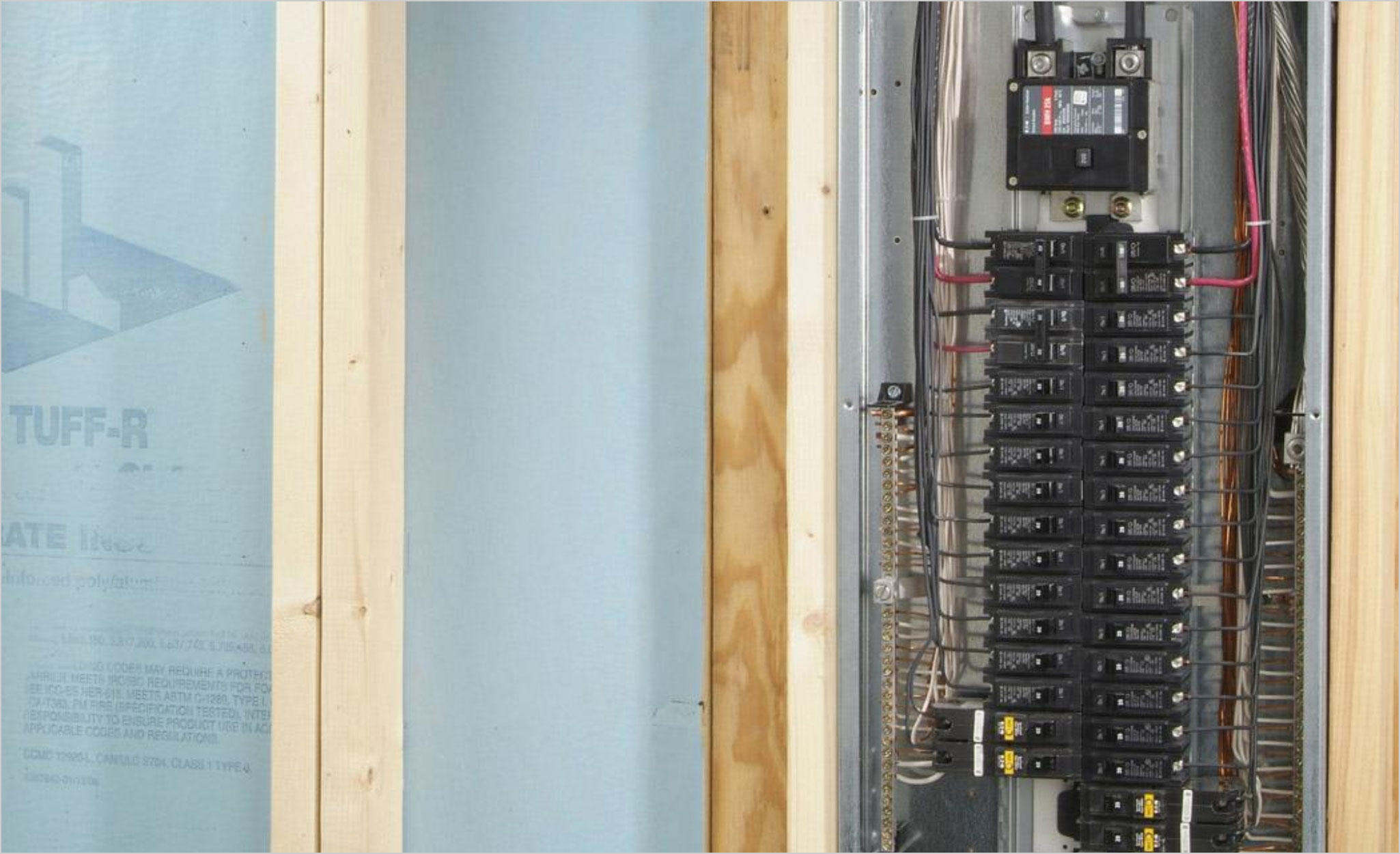
NEC recommends 6 AWG copper or 4 AWG aluminum for 50 amp circuits under normal conditions. It also provides rules for conductor type, insulation, voltage drop, and installation environment. Compliance is mandatory for safe, legal installations and helps prevent fire, overheating, and equipment damage.
Common Mistakes When Choosing Wire for 50 Amps
Mistakes include using undersized wire, ignoring voltage drop, mismatched breaker ratings, or neglecting environmental factors. Oversized wire can also complicate installation. Understanding load, distance, and code requirements ensures correct 50 amp wiring and prevents costly and dangerous errors.
Signs You’re Using the Wrong Wire Size
Warning signs include tripped breakers, warm outlets, dimming lights, or melting insulation. If any appear in a 50 amp circuit, immediate inspection is required. Properly sized 6 AWG copper or 4 AWG aluminum wire prevents these issues, maintaining safe and efficient operation of appliances.
Upgrading from 30 Amp to 50 Amp Service
Upgrading requires increasing wire size, breaker rating, and possibly outlet type. For a 50 amp upgrade, replace 10 AWG copper with 6 AWG copper. Ensure panels, conduits, and receptacles can handle higher current. Following proper procedures prevents overheating and ensures long-term system safety.
When to Hire an Electrician for 50 Amp Wiring
Hire a licensed electrician for complex 50 amp installations, long runs, or outdoor circuits. Mistakes can be dangerous. Professionals ensure code compliance, correct wire sizing, proper grounding, and safe breaker selection. Even experienced DIYers benefit from expert consultation for high-load circuits.
Cost of Installing 50 Amp Wiring at Home
Costs include wire, conduit, breakers, outlets, and labor. Copper wire is more expensive than aluminum, and underground runs increase costs. On average, a 50 amp installation can range from $200 to $600 depending on distance and complexity. Proper planning and correct wire sizing prevent future expenses due to unsafe wiring.
How to Test Wire Capacity for 50 Amps
Testing involves using a clamp meter or multimeter to check current load, voltage drop, and heating under load. Ensure breakers trip at rated amperage and wire remains cool. Regular testing of 50 amp circuits identifies potential hazards before they cause damage or fire.
Recommended Tools for 50 Amp Wire Installation
Essential tools include wire cutters, strippers, fish tape, conduit benders, multimeter, and screwdrivers. For 50 amp circuits, insulated tools and proper personal protective equipment (PPE) are recommended. Using the correct tools ensures safe and professional installation.
Step-by-Step Process to Install 50 Amp Wiring
- Turn off main power.
- Calculate wire size and run distance.
- Select wire (6 AWG copper or 4 AWG aluminum).
- Install conduit or cable as required.
- Pull wire and connect to breaker and receptacles.
- Test for voltage drop and continuity.
- Ensure grounding and code compliance.
50 Amp Wiring Diagrams for Homeowners
Diagrams illustrate proper connections, breaker selection, grounding, and load distribution. For 50 amp circuits, diagrams help visualize placement of wires, sub-panels, and appliances. Correct diagrams reduce errors and ensure safe, efficient wiring.
How to Connect 50 Amp Wire to Breaker Panel
Strip insulation, connect hot wires to the breaker, neutral to neutral bar, and ground to ground bar. Ensure tight connections to prevent arcing. Use torque tools if recommended. Proper connection ensures safety, prevents overheating, and maintains system reliability.
Safety Precautions When Working with 50 Amp Circuits
Turn off power, wear PPE, verify voltage with a meter, and follow NEC guidelines. Use proper wire gauge and conduit. Avoid working alone and ensure all connections are secure. Following precautions prevents electrical shock, fire, and damage to appliances.
Do You Need a Permit for 50 Amp Electrical Work?
Most local jurisdictions require a permit for 50 amp installations. Permits ensure inspections for code compliance and safety. Always check local rules before starting work. Permits protect homeowners, ensure insurance coverage, and guarantee that installations are safe and legal.
50 Amp Wire Size for Long Runs (Over 100 Feet)
Long runs require upsizing wire to mitigate voltage drop. For 50 amp circuits over 100 feet, 4 AWG copper or 2 AWG aluminum may be required. Calculating exact load and distance ensures safe voltage levels and efficient appliance performance, maintaining NEC compliance.
Wire Size for 50 Amp at 120V vs 240V Circuits
At 120V, the current doubles for the same load, increasing voltage drop and heating. For 50 amp service, 240V circuits are standard. 6 AWG copper is sufficient for 240V, while longer or high-ambient 120V runs may require upsizing to 4 AWG copper.
Troubleshooting Common 50 Amp Wiring Problems

Common issues include tripped breakers, overheating, voltage drop, and loose connections. Inspect wires, breakers, and outlets for damage. Use proper testing tools to diagnose issues. Correct wire sizing and secure connections prevent recurring problems and maintain safe operation.
Maintenance Tips for 50 Amp Electrical Systems
Inspect for corrosion, loose connections, overheating, and insulation damage. Test voltage and load periodically. Keep panels clean and dry. Regular maintenance extends the lifespan of 50 amp circuits and ensures appliances operate safely and efficiently.
Conclusion
Proper wire sizing is essential for safety, efficiency, and code compliance. 6 AWG copper or 4 AWG aluminum is standard for 50 amp circuits. Consider distance, load, environment, and installation type. Following these guidelines prevents overheating, voltage drop, and fire hazards, ensuring long-term safe operation.
FAQs
1. What size wire do I need for a 50 amp circuit?
For a standard 50 amp circuit, 6 AWG copper wire or 4 AWG aluminum wire is recommended. Copper wires are more conductive and preferred for indoor use, while aluminum is lighter and cheaper but requires a larger gauge. Always consider distance and voltage drop when selecting wire.
2. Can I use 6 AWG wire for 50 amps?
Yes, 6 AWG copper wire is suitable for 50 amp circuits under normal conditions. However, for long runs exceeding 100 feet or in high-temperature environments, upsizing to 4 AWG copper may be necessary to prevent voltage drop and overheating.
3. Can aluminum wire be used for a 50 amp circuit?
Yes, aluminum can be used, but it must be larger than copper due to lower conductivity. For a 50 amp circuit, use 4 AWG aluminum. Proper connectors and anti-oxidation measures are essential to prevent loose connections and overheating.
4. How far can I run 6 AWG wire for 50 amps?
A 6 AWG copper wire can safely carry 50 amps up to about 100 feet for a 240V circuit without significant voltage drop. For longer distances, upsizing to 4 AWG copper or 2 AWG aluminum is recommended to maintain efficiency.
5. What happens if I use the wrong wire size?
Using an undersized wire can cause overheating, tripped breakers, or even electrical fires. An oversized wire is safe but more expensive and harder to handle. Proper sizing ensures safety, efficiency, and compliance with electrical codes.
6. What type of wire is best for 50 amp RV service?
Outdoor-rated, flexible wires like SER, SEU, or THHN are best for RV service. Use 6 AWG copper or 4 AWG aluminum for 50 amps. Ensure proper grounding, GFCI protection, and code compliance for safe RV connections.
7. Do I need a permit to install 50 amp wiring?
Yes, most local jurisdictions require a permit for 50 amp installations. Permits ensure inspections for code compliance and safety. Always check your local building codes before starting the installation.
8. Can I use 50 amp wire for a hot tub or spa?
Yes, hot tubs and spas typically require a dedicated 50 amp circuit. Use 6 AWG copper or 4 AWG aluminum, with GFCI protection and proper conduit for outdoor installations. Voltage drop must be considered for long runs.
9. What is the difference between 6 AWG and 4 AWG wire?
The difference is thickness and current-carrying capacity. 4 AWG is thicker and can handle more amps or longer distances without significant voltage drop. For 50 amps, 6 AWG copper is standard, but 4 AWG is used for long runs or aluminum installations.
10. How do I calculate wire size for 50 amps?
Wire size depends on current, voltage, distance, and material. Use the formula:
Voltage Drop = (2 × Length × Current × Resistance) ÷ 1000.
Standard sizing: 6 AWG copper or 4 AWG aluminum for 50 amps under typical conditions.
Keep an eye for more latest news & updates on premiumtechy!