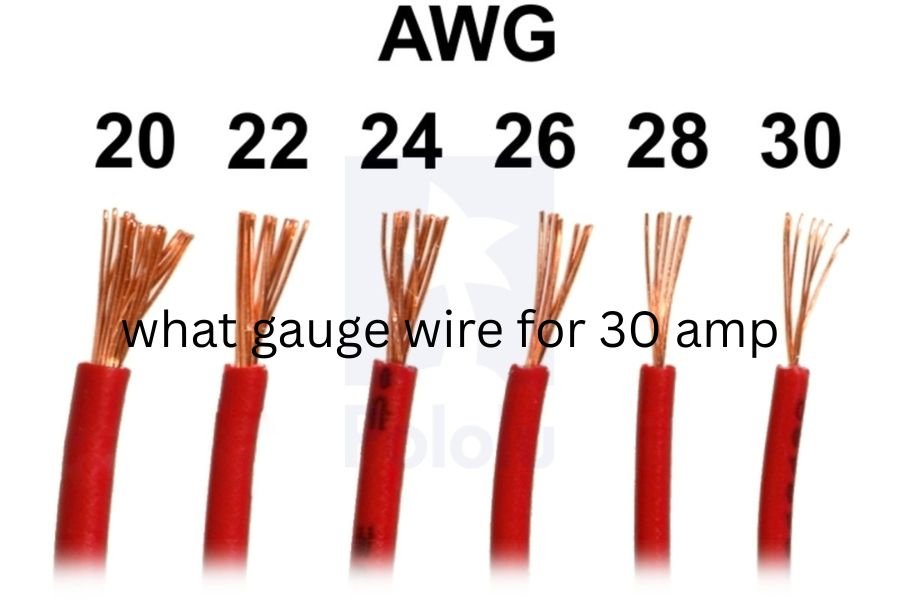
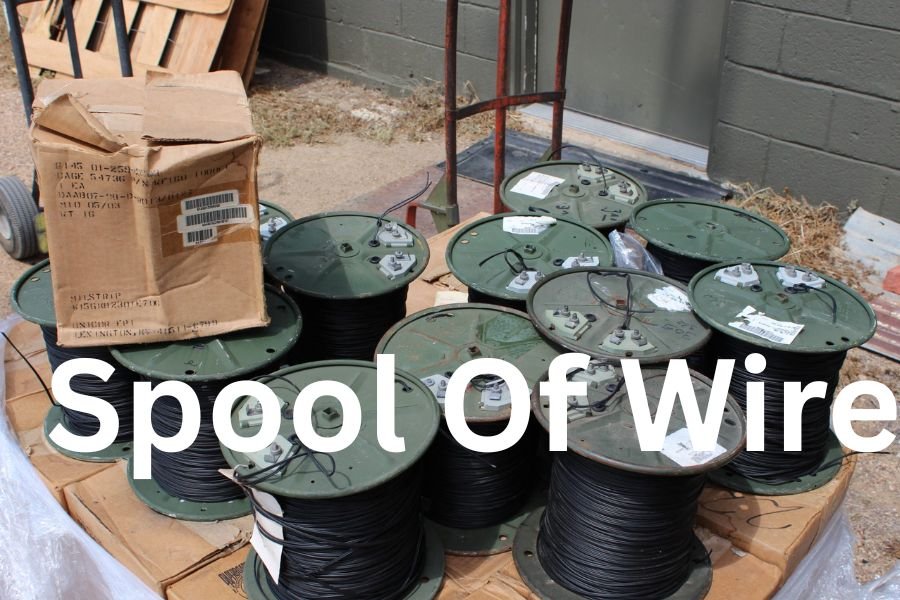
Choosing the right wire size For a 50 amp circuit breaker is crucial For both safety and efficiency. A 50 amp breaker typically powers high-demand appliances like electric dryers, ovens, and hot tubs, which require sufficient current without overheating. According to the National Electrical Code (NEC), the wire must handle at least 80% of the breaker’s rated current to prevent potential hazards. For shorter runs, 6 AWG copper wire or 4 AWG aluminum wire is generally recommended. Longer runs may require larger wires to compensate For voltage drop. Selecting the correct wire ensures the circuit operates safely and appliances function efficiently.
For a 50 amp circuit, the correct wire size is 6 AWG copper or 4 AWG aluminum for runs under 100 feet.
Longer distances require upsizing to reduce voltage drop (e.g., 3 AWG copper or 2/0 aluminum).
Choosing the right wire ensures safety, prevents overheating, and meets NEC code requirements.
In this article, we discuss the topic of “what size wire for 50 amp”.
Copper Wire Sizes For a 50 Amp Circuit
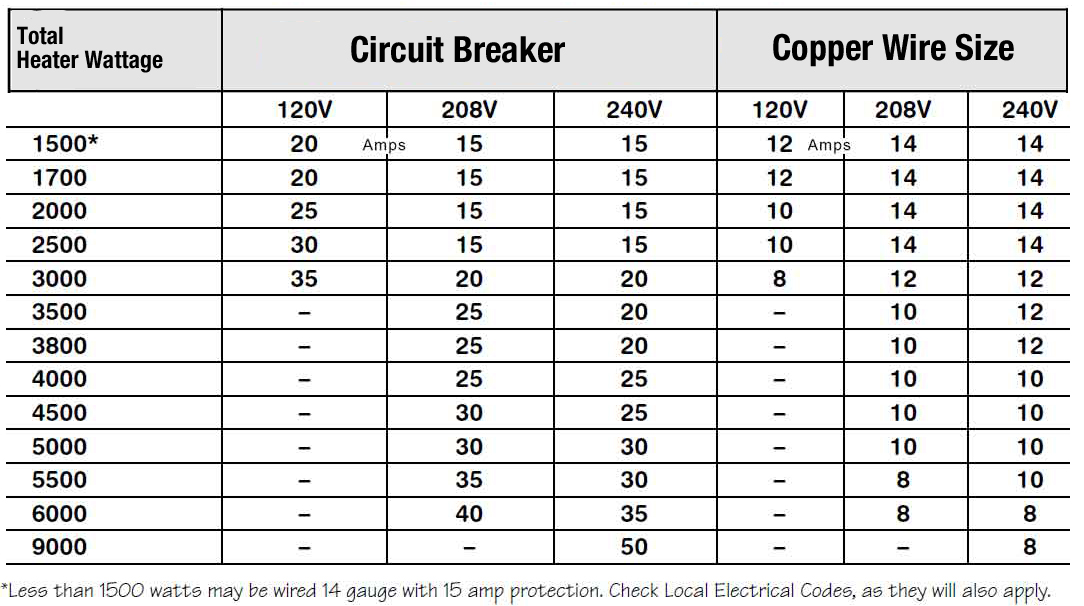
Copper is a preferred conductor For many 50 amp circuits due to its high conductivity and durability. For circuits under 100 feet, 6 AWG copper wire is standard and can safely carry a 50 amp load. This wire size minimizes heat buildup while allowing consistent power flow. Copper wires also offer lower resistance compared to aluminum, reducing energy loss. However, cost and flexibility considerations may affect the choice. In longer cable runs, upgrading to 3 AWG or 2 AWG copper wire is advisable to prevent voltage drop. Proper copper wire selection is essential For home, commercial, or industrial applications.
Aluminum Wire Sizes For a 50 Amp Circuit
Aluminum wire is a cost-effective alternative to copper For 50 amp circuits, though it requires careful handling. For runs under 100 feet, 4 AWG aluminum wire is recommended. Aluminum has higher resistance than copper, so using a larger gauge compensates For potential energy loss. Proper connectors and anti-oxidant compounds are essential to prevent corrosion at terminals. For longer runs exceeding 100 feet, 2/0 or 4/0 AWG aluminum may be necessary. Choosing the correct aluminum wire ensures a balance between cost, efficiency, and safety For your 50 amp circuit.
Best Wire Gauge For 50 Amp Breakers Under 100 Feet
When installing a 50 amp breaker with a cable run shorter than 100 feet, the wire gauge must safely handle the load without overheating. Standard recommendations suggest 6 AWG copper or 4 AWG aluminum. These gauges ensure the circuit operates within safe parameters, delivering sufficient power to appliances such as dryers, ovens, or hot tubs. Oversizing the wire is unnecessary For short runs but can provide extra protection. Proper gauge selection also simplifies installation and meets NEC code requirements, making it the safest and most efficient choice For home wiring.
Recommended Wire Size For 50 Amp Circuit Longer Than 100 Feet
Long cable runs For a 50 amp breaker introduce voltage drop, which can reduce appliance perFor mance and increase heat. To counter this, larger wire sizes are recommended. For copper, 3 AWG or 2 AWG wire is ideal For runs around 150–200 feet. For aluminum, 2/0 or 4/0 AWG provides the necessary capacity. Proper sizing ensures that appliances receive consistent voltage, protects the wiring from overheating, and meets NEC requirements. Planning wire size based on distance is critical For reliable and safe electrical installations.
Why 8 AWG Copper Is Not Ideal For 50 Amp Circuits
While 8 AWG copper has an ampacity rating close to 50 amps, it is generally not recommended For continuous loads. NEC guidelines suggest circuits should operate at no more than 80% of the breaker’s rating. Using 8 AWG copper on a 50 amp breaker could risk overheating, especially during prolonged use. Additionally, voltage drop in longer runs can further reduce efficiency and safety. Choosing 6 AWG copper provides the proper safety margin and ensures compliance with code requirements, preventing electrical hazards in residential and commercial setups.
Understanding 6 AWG Copper Wire For 50 Amp Service
6 AWG copper wire is widely used For 50 amp circuits due to its balance of safety, conductivity, and cost-effectiveness. This wire size can handle the amperage of most household high-demand appliances, ensuring minimal heat generation. Copper wiring is less prone to oxidation and offers superior durability over aluminum. When installed in a conduit, 6 AWG copper maintains consistent voltage across the circuit. For circuits longer than 100 feet, larger wires may be needed to prevent voltage drop. Proper installation of 6 AWG copper ensures safe and efficient power delivery.
Using 4 AWG Aluminum Wire For 50 Amp Applications
4 AWG aluminum wire is commonly used For 50 amp circuits in residential and commercial applications. Aluminum wire is lighter and more cost-effective than copper but requires careful handling. Its higher resistance compared to copper means a larger gauge is necessary to prevent overheating and voltage drop. For circuits shorter than 100 feet, 4 AWG aluminum is sufficient, while longer runs may require 2/0 or 4/0 AWG. Proper connectors and anti-oxidant paste should be used to ensure safe connections. Choosing the right aluminum wire guarantees reliable operation For high-demand appliances.
How Voltage Drop Affects Wire Size For 50 Amp Circuits
Voltage drop is an important factor when selecting wire For 50 amp circuits. Longer cable runs cause electricity to lose power as it travels, leading to decreased appliance perFor mance and potential overheating. To mitigate voltage drop, larger wire gauges are recommended For distances exceeding 100 feet. Copper and aluminum wires behave differently, with aluminum requiring a larger size to maintain voltage. Calculating the proper wire size based on load and distance ensures safety, efficiency, and compliance with NEC standards. Proper planning prevents unnecessary hazards.
Wire Sizes For Different Types of 50 Amp Circuit Breakers
The type of circuit breaker does not significantly change the wire size For 50 amp service. Standard breakers, AFCI (Arc Fault Circuit Interrupter), and GFCI (Ground Fault Circuit Interrupter) all typically require the same wire gauge. Copper and aluminum conductors should meet NEC standards, with 6 AWG copper and 4 AWG aluminum being the norm For most residential applications. Larger gauges are necessary For longer runs. Understanding this helps ensure proper installation and safety while preventing costly mistakes during electrical upgrades or installations.
Standard vs AFCI vs GFCI: Does Wire Size Change For 50 Amp?
When choosing wire For 50 amp circuits, the type of breaker—standard, AFCI, or GFCI—does not usually change the wire size. The main factor is the ampacity of the wire in relation to the load. Copper or aluminum wire must safely carry the 50 amp current regardless of breaker type. AFCI breakers provide protection against arc faults, and GFCI breakers protect against ground faults, but wire selection remains based on amperage and distance. Correct wire sizing ensures all breakers function safely without risk of overheating or failure.
How to Choose Wire For High-Demand Appliances
High-demand appliances, such as electric dryers, ovens, and air conditioning units, require circuits that can safely handle large currents. Selecting the right wire gauge For a 50 amp breaker involves considering the appliance load, cable length, and material. Copper is preferred For short, high-efficiency runs, while aluminum is more economical For longer distances. Ensure that wire size accommodates 80% of the breaker’s capacity. Correct wire selection not only protects appliances but also ensures energy efficiency and prevents circuit overload.
THHN Copper Wire For 50 Amp Circuits
THHN copper wire is one of the most commonly used wires For 50 amp circuits. It is durable, resistant to heat, and suitable For conduit installation. This type of wire is ideal For residential and commercial high-demand circuits, providing consistent conductivity and safety. For runs under 100 feet, 6 AWG copper THHN is recommended. Longer runs may require larger gauges to account For voltage drop. THHN wire also comes in various colors, allowing For easy identification of live, neutral, and ground connections during installation.
THWN Aluminum Wire For 50 Amp Applications
THWN aluminum wire is widely used in industrial and commercial settings For 50 amp circuits. Aluminum provides a lightweight and cost-effective solution but has higher resistance than copper. To maintain safe operation, 4 AWG or larger is recommended depending on distance. THWN wire is suitable For wet or dry locations when installed in conduit. It is essential to use proper connectors and anti-oxidant compounds to prevent corrosion. Choosing THWN aluminum ensures reliable power delivery while minimizing installation costs.
NM-B Romex® Cable and 50 Amp Circuits
NM-B, or non-metallic sheathed Romex® cable, is a popular choice For indoor 50 amp circuits in residential settings. It is easy to install and comes pre-insulated, reducing labor time. For 50 amp applications, 6 AWG copper NM-B wire is typically recommended. This type of cable is ideal For powering electric dryers, ovens, and similar high-demand appliances. While NM-B is convenient, it should not be used in wet or outdoor locations. Proper installation according to NEC guidelines ensures safe and efficient operation.
Using UF-B Cable Outdoors For 50 Amp Circuits
UF-B (Underground Feeder) cable is designed For outdoor and underground 50 amp circuit installations. It is weather-resistant and provides protection against moisture and physical damage. For a standard 50 amp breaker, 6 AWG copper or 4 AWG aluminum UF-B cable is recommended For distances under 100 feet. Longer runs may require larger gauges to compensate For voltage drop. Proper burial depth and conduit installation improve safety and code compliance. UF-B is ideal For hot tubs, outdoor workshops, or other high-demand outdoor circuits.
MC Metal-Clad Wire Options For 50 Amp Service
MC (metal-clad) wire is a flexible and durable option For 50 amp circuits in commercial and industrial installations. It consists of insulated conductors enclosed in a metallic sheath, providing extra mechanical protection. For 50 amp service, 6 AWG copper or 4 AWG aluminum is standard. MC wire is often preferred For exposed areas where additional protection is required. Its flexibility allows easier routing through conduits and around obstacles. Using the correct MC wire ensures both safety and code compliance For demanding electrical applications.
Service Entrance Cable Options For 50 Amp Breakers
Service entrance cables supply power from the main panel to subpanels or large appliances on 50 amp circuits. These cables are typically copper or aluminum and can handle high amperages safely. 6 AWG copper or 4 AWG aluminum is standard For most residential 50 amp breakers, though longer runs may require larger sizes. Service entrance cables are designed For both indoor and outdoor use and are often installed in conduit For protection. Selecting the proper cable ensures reliable and safe power delivery across your electrical system.
XHHW Wire in Conduit For 50 Amp Circuits
XHHW wire is a cross-linked polyethylene-insulated wire suitable For 50 amp circuits, especially when installed in conduit. It provides excellent heat resistance and durability, making it ideal For industrial and outdoor applications. Copper or aluminum XHHW wires are used depending on budget and load requirements. For standard residential runs, 6 AWG copper or 4 AWG aluminum is recommended. Proper conduit installation protects the wire from physical damage and ensures compliance with NEC safety standards. XHHW wiring is reliable For long-term, high-demand power distribution.
Wire Size Guide For Electric Dryers on 50 Amp Circuits
Electric dryers are among the most common appliances requiring a dedicated 50 amp circuit. Choosing the correct wire size ensures safe operation and prevents overheating. For copper wiring, 6 AWG is recommended For runs under 100 feet, while aluminum requires 4 AWG. Longer cable runs should consider upsizing to prevent voltage drop. Proper installation, including secure connections and grounding, guarantees safety and optimal perFor mance. Selecting the correct wire protects both the dryer and the home’s electrical system.
Choosing Wire For Electric Ovens on 50 Amp Lines
Electric ovens demand significant power, making correct wire sizing critical. A 50 amp breaker typically requires 6 AWG copper or 4 AWG aluminum wire For oven circuits under 100 feet. Longer runs may require 3 AWG copper or 2/0 aluminum to maintain voltage and efficiency. Proper installation ensures minimal heat generation and prevents tripping the breaker. Insulated wires, correct conduit usage, and secure terminations are essential. Using the right wire size improves appliance longevity and reduces fire hazards.
Air Conditioning Units and the Right 50 Amp Wire
Central air conditioning units For larger homes often require a dedicated 50 amp breaker. Proper wire sizing is essential to handle continuous loads without overheating. Copper 6 AWG or aluminum 4 AWG is standard For short runs, while longer distances need larger gauges to reduce voltage drop. Correct conduit installation and proper grounding are critical For safety. Choosing the right wire ensures the system runs efficiently, reduces energy loss, and prevents circuit overloads.
Wire Size For Hot Tubs on 50 Amp Circuits
Hot tubs are high-demand appliances requiring a properly sized 50 amp circuit. Short runs usually use 6 AWG copper or 4 AWG aluminum wire. For distances over 100 feet, upsizing the wire is necessary to maintain voltage and prevent overheating. Outdoor installations require UF-B or THWN wires to resist moisture. Proper grounding and GFCI protection are essential For safety. Correct wire sizing ensures the hot tub operates efficiently and minimizes the risk of electrical hazards.
EV Charging Stations: Recommended 50 Amp Wire

Electric vehicle (EV) charging stations often use 50 amp circuits to deliver fast charging. The wire must safely carry high currents without overheating. Copper 6 AWG or aluminum 4 AWG is ideal For short runs. Longer distances may require 3 AWG copper or 2/0 aluminum to prevent voltage drop. Proper conduit installation and weatherproof connectors ensure safety. Selecting the right wire guarantees efficient and reliable EV charging while protecting both the vehicle and home electrical system.
RV Power Outlets and Proper Wire Gauge
RV parks and home RV hookups commonly use 50 amp circuits. Proper wire sizing is essential to handle high-demand appliances inside RVs. Short runs typically use 6 AWG copper or 4 AWG aluminum. Longer distances require upsized wires to account For voltage drop. Outdoor-rated cables like UF-B or THWN should be used For safety. Correct installation prevents overheating, maintains voltage stability, and ensures reliable power For recreational vehicles.
Backup Generators: Wire Sizing For 50 Amp Service
Backup generators often connect to homes via a 50 amp breaker, requiring proper wire selection. Copper 6 AWG or aluminum 4 AWG is recommended For typical short runs. Longer connections may need larger gauges. Conduit installation protects wires from physical damage and weather. Correct sizing ensures the generator can safely deliver power without overloading the circuit. This protects both appliances and the electrical system during emergencies.
Wiring Home Workshops with a 50 Amp Circuit
Home workshops with power tools and machinery often require 50 amp circuits. Short runs usually use 6 AWG copper or 4 AWG aluminum wire. For longer distances, larger wires may be necessary to reduce voltage drop. Proper conduit installation and secure grounding enhance safety. Choosing the correct wire ensures all equipment operates efficiently and reduces the risk of overheating. This setup supports tools like compressors, saws, and welders safely.
50 Amp Circuits in Commercial Kitchens: Wire Considerations
Commercial kitchens use multiple high-demand appliances, necessitating 50 amp circuits. Copper 6 AWG or aluminum 4 AWG wires are standard For short runs. Longer distances require upsized wires. MC or THHN wires are often preferred For durability and ease of installation. Proper conduit installation and grounding are essential to meet code requirements. Correct wire selection ensures safe operation of ovens, fryers, and other heavy-duty appliances in busy kitchen environments.
HVAC Units and Recommended Wire Sizes For 50 Amp Service
HVAC systems, especially in large homes or commercial buildings, often rely on 50 amp circuits. Copper 6 AWG or aluminum 4 AWG wire is standard For short distances. Voltage drop must be considered For longer runs, potentially requiring 3 AWG copper or 2/0 aluminum. Proper conduit and grounding installation ensure safety and efficiency. Choosing the correct wire size protects the HVAC unit from electrical stress and ensures reliable climate control in homes and businesses.
Wire Requirements For Laundry Services on 50 Amp Lines
Laundry facilities, both residential and commercial, often require 50 amp circuits For electric dryers and high-capacity washers. Copper 6 AWG or aluminum 4 AWG wire is typically recommended For runs under 100 feet. Longer runs may need upsized wires to avoid voltage drop and maintain appliance efficiency. Proper conduit installation, grounding, and secure connections are essential For safety. Correct wire sizing ensures reliable operation of multiple machines simultaneously while minimizing the risk of tripped breakers or electrical hazards.
Industrial Pump Stations: Choosing 50 Amp Wire
Industrial pump stations demand continuous power For pumps and motors, making proper wire sizing critical. Copper 6 AWG or aluminum 4 AWG wires are suitable For short runs, while longer distances may require 3 AWG copper or 2/0 aluminum. THHN or XHHW wiring is commonly used in conduit to provide protection against heat and physical damage. Correct sizing prevents voltage drop, ensures efficient motor operation, and reduces the risk of circuit overload. Safe installation is essential to maintain continuous operation in industrial settings.
Welders and High-Power Machinery on 50 Amp Circuits
Welders and heavy-duty machinery need dedicated 50 amp circuits with wires capable of handling high current. Short runs usually use 6 AWG copper or 4 AWG aluminum wire. For longer distances, larger gauges compensate For voltage drop. Proper grounding and conduit installation protect the wiring from heat and mechanical stress. Choosing the correct wire size ensures equipment functions safely and efficiently, preventing energy loss and protecting both machinery and operators from electrical hazards.
Conveyor Systems: Wire Size For 50 Amp Power Supply
Conveyor systems in industrial or manufacturing environments require reliable power from 50 amp circuits. Copper 6 AWG or aluminum 4 AWG is standard For short runs, while longer distances may require 3 AWG copper or 2/0 aluminum. Conduit-protected wiring ensures durability and safety in high-traffic areas. Proper sizing prevents voltage drop and overheating, ensuring consistent operation of motors and controls. Selecting the right wire is critical For uninterrupted production and reducing maintenance risks.
Production Line Equipment and 50 Amp Wire
Production lines with multiple high-demand machines often rely on 50 amp circuits. Short runs can use 6 AWG copper or 4 AWG aluminum wire. For extended runs, larger wire gauges are needed to maintain voltage and prevent overheating. THHN or XHHW wires in conduit provide protection and compliance with NEC standards. Proper wire selection ensures the smooth operation of industrial equipment, reduces the risk of downtime, and ensures safety For operators and machinery.
Street Lighting Circuits and 50 Amp Wire Options
Street lighting systems, especially in parks or sports complexes, may require 50 amp circuits. For these applications, copper 6 AWG or aluminum 4 AWG wire is standard. Longer runs may necessitate upsizing to 3 AWG copper or 2/0 aluminum to reduce voltage drop. Proper conduit installation protects wires from weather and physical damage. Selecting the correct wire ensures reliable operation, reduces maintenance costs, and prevents potential electrical hazards in public spaces.
Sports Complexes: Wiring with 50 Amp Circuits
Sports complexes often require high-powered lighting, HVAC systems, and other electrical equipment powered by 50 amp circuits. Copper 6 AWG or aluminum 4 AWG wire works For standard runs under 100 feet. Longer distances require larger gauges to maintain voltage and efficiency. Conduit installation, proper grounding, and weatherproofing ensure safe and reliable operation. Choosing the correct wire size supports energy-intensive systems while minimizing the risk of electrical failure.
Irrigation Systems: Best Wire Size For 50 Amp Service
Large irrigation systems For farms, parks, or golf courses often use 50 amp circuits. Copper 6 AWG or aluminum 4 AWG wire is suitable For short runs. Longer distances require upsized wires to maintain voltage and prevent energy loss. UF-B or THWN wires are preferred For outdoor and wet environments. Proper conduit and grounding enhance safety and code compliance. Correct wire selection ensures efficient irrigation operation and reduces maintenance and electrical hazards.
How to Calculate Wire Size For Long 50 Amp Runs

Calculating the correct wire size For long 50 amp runs involves considering both amperage and distance. Voltage drop becomes significant over long distances, reducing appliance efficiency and increasing heat. Copper or aluminum wires should be upsized according to load and length. Use NEC ampacity charts to select the proper gauge, factoring in temperature and installation conditions. Proper calculation prevents safety hazards, ensures energy efficiency, and maintains consistent perFor mance For all high-demand appliances.
Safety Tips When Installing 50 Amp Wire
Safety is paramount when installing 50 amp circuits. Always turn off power at the main panel beFor e starting work. Use the correct wire gauge based on amperage and distance. Proper conduit, grounding, and secure connections prevent overheating and electrical shocks. Avoid sharp bends and exposed wires, and follow NEC guidelines For installation. Using protective gear and testing equipment ensures that the installation is both safe and code-compliant, protecting both the home and its occupants.
Conclusion
Choosing the correct wire size For a 50 amp circuit is critical For safety, efficiency, and compliance with electrical codes. Whether you are wiring high-demand appliances like electric dryers, ovens, hot tubs, or industrial equipment, selecting the right wire gauge ensures that your circuits operate without overheating or voltage drop. Copper and aluminum wires are both viable options, with copper offering superior conductivity and aluminum providing a cost-effective alternative.
For standard runs under 100 feet, 6 AWG copper or 4 AWG aluminum is typically recommended, while longer runs require upsized wires to maintain perFor mance. Proper installation—including conduit protection, grounding, and adherence to NEC guidelines—ensures reliable, safe, and long-lasting electrical service. By planning your wiring carefully, you can protect both your appliances and your home or commercial electrical system from hazards and inefficiencies.
FAQs
1. What size wire is required For a 50 amp breaker?
For standard residential applications, use 6 AWG copper or 4 AWG aluminum For runs under 100 feet. Longer runs may require larger wires to prevent voltage drop.
2. Can I use 8 AWG copper wire For a 50 amp circuit?
No. Even though 8 AWG copper has a high ampacity, it is not recommended because the NEC requires circuits to operate at no more than 80% of the breaker’s rating For continuous loads.
3. Does the type of breaker (AFCI, GFCI, or standard) affect wire size?
No. Wire size is determined by amperage and distance, not the type of breaker. 6 AWG copper or 4 AWG aluminum is typically sufficient For all 50 amp breakers.
4. What wire should I use For a long 50 amp run?
For runs longer than 100 feet, consider upsizing the wire to 3 AWG or 2 AWG copper, or 2/0 or 4/0 aluminum, to compensate For voltage drop.
5. Is copper better than aluminum For 50 amp circuits?
Copper has better conductivity, lower resistance, and higher durability, making it ideal For most residential applications. Aluminum is more cost-effective and lightweight but requires larger gauges and proper anti-oxidant treatment.
6. Can I use 50 amp circuits For outdoor applications?
Yes, but you must use outdoor-rated wires like UF-B or THWN, install proper conduit, and ensure secure connections to protect against moisture and physical damage.
7. What appliances typically require a 50 amp circuit?
High-demand appliances like electric dryers, ovens, hot tubs, EV charging stations, air conditioning units, and heavy machinery often require a dedicated 50 amp breaker.
8. How do I ensure safety when installing a 50 amp wire?
Turn off power at the main panel, choose the correct wire gauge, use proper conduit and grounding, and follow NEC guidelines. Testing the installation after wiring is also recommended.
9. Can 50 amp circuits be used in commercial or industrial settings?
Yes. They are commonly used For HVAC units, commercial kitchens, pump stations, production lines, and machinery that require high current loads.
10. What is the effect of voltage drop on a 50 amp circuit?
Voltage drop can reduce appliance efficiency and increase heat in the wires. Using the correct wire size For the distance ensures consistent voltage and safe operation.
Keep an eye for more latest news & updates on premiumtechy!