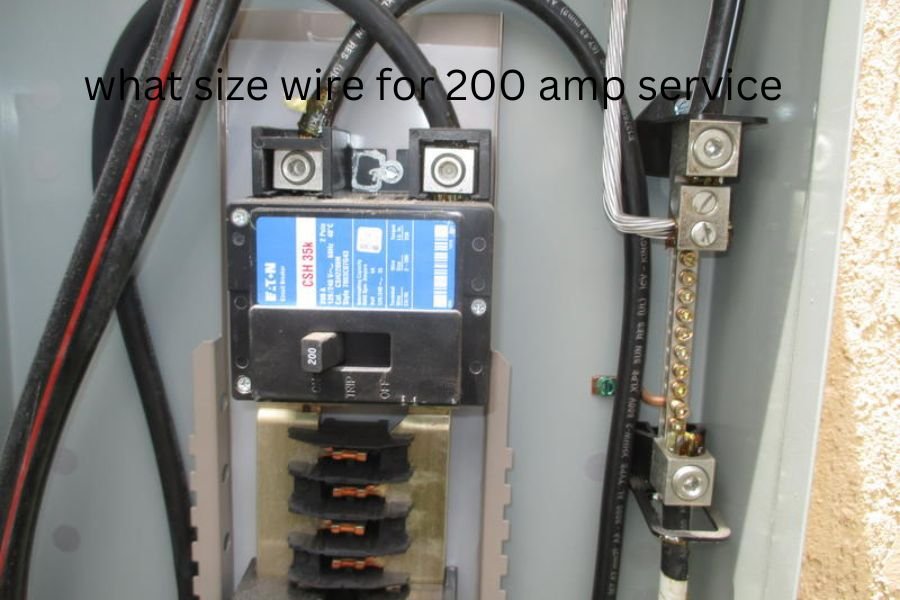
Wire sizing is the process of selecting the correct thickness or gauge of wire to safely handle a specific amount of electrical current. Choosing the right wire size prevents overheating, voltage drop, and potential fire hazards. Each wire gauge has a maximum current capacity, known as ampacity. When a circuit carries more current than the wire can handle, it becomes a serious safety risk. Therefore, understanding wire sizing is the first step to ensuring your electrical system runs safely and efficiently.
For a 40-amp breaker, the correct wire size is 8 AWG copper or 6 AWG aluminum under standard conditions, according to NEC guidelines. Using the proper wire size prevents overheating, voltage drop, and fire hazards while ensuring safe and efficient power delivery. For long wire runs (over 100 feet) or high-temperature environments, upsizing the wire is recommended for added safety and performance.
In this article, we discuss the topic of “what size wire for 40 amp breaker”.
What Does “40 Amp Breaker” Actually Mean?
:max_bytes(150000):strip_icc()/sub-panels-for-additional-space-1152719-hero-d464dd917e004ffc9f2d10e28d466dca.jpg)
A 40-amp breaker is designed to protect a circuit that carries up to 40 amps of electrical current before tripping to prevent overload. It’s typically used for heavy-duty appliances like electric stoves, EV chargers, and water heaters. The breaker acts as a safeguard, automatically shutting off power if the current exceeds 40 amps. This protection ensures that the wiring and connected devices don’t overheat or sustain damage. Knowing your breaker’s amp rating helps determine the correct wire gauge needed to handle that load.
Why Wire Size Matters for a 40 Amp Circuit
Wire size is critical because it determines how much current the wire can carry without overheating. Using a smaller wire for a 40-amp breaker can cause insulation melting, short circuits, or even electrical fires. Conversely, using the correct size wire ensures safe operation, efficient power delivery, and compliance with electrical codes. For a 40-amp circuit, the proper wire gauge also depends on distance, material type, and voltage level. Always match your wire gauge to the breaker rating for safe and reliable performance.
What Happens If You Use the Wrong Wire Size?
Using the wrong wire size for a 40-amp breaker can cause several dangerous issues. If the wire is too small, it can overheat under heavy load, leading to insulation breakdown or fire hazards. An undersized wire also causes excessive voltage drop, reducing appliance performance. On the other hand, an oversized wire isn’t dangerous but can be impractical and more expensive. Correct wire sizing ensures that your electrical system operates efficiently and safely while complying with NEC standards.
The Relationship Between Amps, Volts, and Wire Gauge
Amperage (amps), voltage (volts), and wire gauge are interconnected factors in electrical systems. Amps measure the current flow, volts represent electrical pressure, and wire gauge indicates conductor thickness. Thicker wires (lower AWG numbers) carry more current with less resistance. When voltage increases or distance grows, wire resistance and heat also rise, demanding thicker wire sizes. For a 40-amp breaker, choosing the correct wire gauge ensures efficient power transmission and minimal voltage loss throughout the circuit.
Overview of American Wire Gauge (AWG) System
The American Wire Gauge (AWG) system standardizes wire sizes used in electrical wiring across North America. In this system, smaller numbers represent thicker wires — for example, 6 AWG is thicker than 10 AWG. Each step down in gauge size roughly increases the wire diameter by 26%, allowing more current to flow safely. For a 40-amp breaker, the AWG system helps electricians quickly determine the ideal wire size, typically 8 AWG copper or 6 AWG aluminum, depending on the application.
Standard Wire Gauge (SWG) vs. AWG – What’s the Difference?
SWG (Standard Wire Gauge) and AWG (American Wire Gauge) are two measurement systems used worldwide, but they differ slightly. AWG is mainly used in North America, while SWG is more common in the UK and some other countries. The numerical values and diameters between the two systems aren’t identical, meaning an SWG wire may not match its AWG counterpart exactly. For accurate and code-compliant installations, always follow the AWG system when sizing wires for a 40-amp breaker in the U.S. or Canada.
How to Calculate Wire Size for a 40 Amp Breaker
To calculate the correct wire size, electricians consider three key factors: current (amps), distance (feet), and voltage drop. Start by identifying the load — in this case, 40 amps. Then apply the NEC’s 125% rule to account for continuous loads, making the minimum ampacity requirement 50 amps. Next, refer to an ampacity chart to find the wire gauge that supports 50 amps. For most cases, 8 AWG copper or 6 AWG aluminum wire is sufficient for a 40-amp breaker within short distances.
NEC (National Electrical Code) Guidelines for Wire Sizing
The NEC provides strict guidelines for determining wire size to ensure safety and reliability in electrical installations. According to NEC Table 310.16, a copper wire rated for 40 amps must be at least 8 AWG in size, assuming standard conditions. Aluminum wires require a larger size, typically 6 AWG, due to lower conductivity. The NEC also mandates temperature correction factors and ampacity adjustments for long runs, conduit type, and environmental conditions. Always consult the latest NEC standards before selecting your wire.
The 125% Safety Rule Explained
The 125% safety rule ensures that wires and breakers are not overloaded when circuits run continuously for three hours or more. For a 40-amp breaker, multiplying 40 amps by 1.25 equals 50 amps of required ampacity. This means your wire must handle at least 50 amps to prevent overheating during prolonged operation. This rule, established by the NEC, adds a vital safety margin, ensuring your circuit performs reliably even under constant load conditions, such as powering stoves or EV chargers.
Recommended Wire Size for a 40 Amp Breaker
The recommended wire size for a 40-amp breaker depends on both the material and length of the run. According to the NEC, 8 AWG copper wire is suitable for most residential 40-amp circuits under standard conditions. If you’re using aluminum wire, step up to 6 AWG, since aluminum has lower conductivity. It’s crucial to also consider the total distance of the wire run—longer distances require thicker wire to reduce voltage drop. Choosing the correct wire size ensures optimal efficiency and compliance with safety codes.
Copper Wire Size for a 40 Amp Breaker
Copper wire is the preferred choice for 40-amp breakers due to its superior conductivity, durability, and resistance to heat. For most applications, 8 AWG copper wire is ideal, capable of carrying up to 50 amps safely when installed under typical conditions. Copper’s lower resistance ensures minimal voltage drop and better performance for demanding appliances like ovens or EV chargers. Although copper is more expensive than aluminum, it offers longer lifespan and reliability, making it a great investment for residential and commercial setups.
Aluminum Wire Size for a 40 Amp Breaker
When using aluminum wire for a 40-amp breaker, you’ll need to size up because aluminum doesn’t conduct electricity as efficiently as copper. The NEC recommends 6 AWG aluminum wire for this purpose. It’s lighter and cheaper but requires careful installation to prevent oxidation and ensure tight connections. Aluminum wiring should always be used with anti-oxidant compound and rated terminals. If installed properly, it’s a safe and cost-effective choice for large wire runs or subpanels.
Comparing 8 AWG vs 6 AWG Wire for 40 Amps
Choosing between 8 AWG and 6 AWG wire depends on the application and distance. For short runs under 50 feet, 8 AWG copper works perfectly fine for a 40-amp breaker. However, for longer runs or aluminum wiring, 6 AWG is a safer choice to prevent voltage loss. A thicker wire ensures your appliances get the power they need without stressing the circuit. Always calculate total distance and consider future load expansions before making your final choice between the two gauges.
Is 10 Gauge Wire Suitable for a 40 Amp Breaker?
No, 10-gauge wire is not suitable for a 40-amp breaker. It can safely carry only up to 30 amps of current according to the NEC. Using 10 AWG on a 40-amp circuit will cause overheating and potentially melt the insulation, creating a serious fire hazard. Even if the wire is copper and runs a short distance, it still cannot handle 40 amps safely. Always use at least 8 AWG copper or 6 AWG aluminum wire for 40-amp circuits to ensure compliance and safety.
Why You Should Avoid Undersized Wires
Undersized wires restrict current flow, causing heat buildup and increased resistance. This not only reduces efficiency but also creates fire risks. For instance, connecting a 40-amp breaker to a 10 AWG wire means the wire could overheat long before the breaker trips. Over time, this can lead to insulation damage and circuit failure. The NEC emphasizes using proper wire sizing to match the load capacity. Always choose a wire with ampacity equal to or greater than your breaker’s rating.
Oversized Wires – Are They Safe to Use?
Using a slightly oversized wire for a 40-amp breaker is perfectly safe. In fact, it can be beneficial in some cases, especially for long runs where voltage drop is a concern. For example, using 6 AWG copper instead of 8 AWG won’t cause any issues—it simply provides extra capacity and lower resistance. However, oversized wires can be harder to work with and cost more. While they’re safe, you should balance performance, cost, and practicality before deciding to upsize your wiring.
40 Amp Wire Size for Copper vs. Aluminum
For a 40-amp circuit, the choice between copper and aluminum depends on distance, cost, and installation environment. 8 AWG copper wire handles 40 amps efficiently for short to medium runs. 6 AWG aluminum wire is suitable when copper isn’t practical or cost-effective, especially for longer distances. Copper offers better conductivity and corrosion resistance, while aluminum is lighter and cheaper. Always use connectors rated for aluminum wiring if you go that route to prevent oxidation and connection failure.
Wire Temperature Ratings for 40 Amp Circuits
Wire insulation temperature ratings are crucial when selecting wire for a 40-amp breaker. Most wires are rated for 60°C, 75°C, or 90°C. Higher temperature ratings allow the wire to carry more current safely. For example, 8 AWG copper wire rated at 75°C supports up to 50 amps, while the same wire at 60°C handles only 40 amps. Always check both the wire insulation and terminal temperature ratings. Matching them ensures safety and prevents premature wire degradation or insulation melting.
40 Amp Breaker Wire Size Chart (Copper & Aluminum)
A quick reference chart simplifies wire size selection for 40-amp breakers.
- Copper Wire: 8 AWG (up to 50 feet), 6 AWG (over 100 feet)
- Aluminum Wire: 6 AWG (up to 50 feet), 4 AWG (over 100 feet)
This chart assumes standard temperature and installation conditions. If your run exceeds these lengths or is exposed to heat, size up accordingly. Always follow NEC guidelines and consider the 125% rule to maintain compliance and ensure your system remains both efficient and safe under load.
Wire Size for 40 Amp Breaker at 120 Volts
For a 120-volt circuit with a 40-amp breaker, the wire must safely carry 40 amps without overheating. Typically, 8 AWG copper wire is sufficient for short to medium distances. If the run exceeds 50 feet, you may need to increase the wire size to 6 AWG to reduce voltage drop. Aluminum wiring for the same circuit would require at least 6 AWG. Always consider appliance load and total wattage, since 120V circuits are more sensitive to voltage fluctuations.
Wire Size for 40 Amp Breaker at 240 Volts
240-volt circuits are commonly used for appliances like ovens, dryers, or air conditioners. For a 40-amp breaker at 240V, 8 AWG copper is typically adequate for most installations under 50 feet. Aluminum wires require 6 AWG. Because the voltage is higher, current flow is lower than a 120V circuit for the same wattage, slightly reducing heat buildup. Longer runs require upsizing to compensate for voltage drop and ensure appliances receive full power.
Wire Size for 40 Amp Breaker at 480 Volts
In industrial or commercial applications, 480-volt circuits may use a 40-amp breaker. For these high-voltage setups, wire sizing is critical due to increased power demands. 8 AWG copper may still be used for short distances, but runs longer than 50–100 feet may require 6 AWG copper. Aluminum alternatives are generally 4 AWG. Always consult local electrical codes for high-voltage applications, as insulation types and ampacity ratings differ significantly from residential standards.
Single-Phase vs. Three-Phase 40 Amp Circuits
Single-phase circuits are standard for homes, whereas three-phase circuits are common in industrial or commercial settings. In single-phase 40-amp setups, 8 AWG copper and 6 AWG aluminum are typically recommended. For three-phase systems, wire sizing must consider phase load balancing and voltage drops across all three conductors. Often, a slightly smaller wire can handle the same amperage due to the distribution of current, but precise calculations are crucial for safety and efficiency.
Wire Size for 40 Amp Breaker Over Long Distances
Long wire runs increase resistance, leading to voltage drop and potential overheating. For 40-amp circuits longer than 100 feet, upsizing is recommended. Copper: 6 AWG; Aluminum: 4 AWG. This ensures the appliances at the end of the line receive full voltage without stressing the wire or breaker. Always calculate voltage drop (ideally under 3%) and consider conduit, insulation type, and ambient temperature for accurate sizing.
40 Amp Wire Size for 50, 100, and 200 Feet
Wire size for 40-amp breakers varies with distance:
- 50 feet: 8 AWG copper, 6 AWG aluminum
- 100 feet: 6 AWG copper, 4 AWG aluminum
- 200 feet: 4 AWG copper, 2 AWG aluminum
Longer distances require thicker wire to reduce voltage drop and maintain system efficiency. Accurate calculation is crucial when installing appliances that demand consistent power, such as EV chargers or HVAC units.
How to Reduce Voltage Drop in Long Runs
Voltage drop occurs when electricity loses power as it travels through wire, especially over long distances. To reduce it, increase the wire gauge, minimize bends, and avoid overloading the circuit. Using high-conductivity materials like copper or upgrading to aluminum with a larger size helps. Additionally, parallel runs or step-up transformers can stabilize voltage. Proper voltage drop management ensures appliances operate efficiently without tripping breakers.
Calculating Voltage Drop for a 40 Amp Breaker
Voltage drop can be calculated using the formula: VD = 2 × K × I × L ÷ CM, where K is resistivity, I is current, L is wire length, and CM is cross-sectional area. For a 40-amp circuit, this helps determine if you need to upsize from 8 AWG copper to 6 AWG. Keeping voltage drop below 3% is ideal for sensitive appliances. Always verify calculations using wire charts or software to ensure safety and compliance.
How Conduit Type Affects Wire Sizing
The type of conduit affects heat dissipation, which impacts wire ampacity. Enclosed metal conduits may trap heat, requiring thicker wire. PVC conduit allows better heat dissipation, but ambient temperature still matters. Multiple wires in one conduit reduce cooling, so upsizing may be necessary. Following NEC derating factors ensures wires handle 40 amps safely without overheating.
Choosing the Right Wire Insulation for 40 Amps

Wire insulation protects against heat, moisture, and mechanical damage. For a 40-amp breaker, use THHN/THWN or NM-B rated for 75°C or 90°C. Outdoor or wet locations require UF-B or conduit-rated insulation. Proper insulation ensures wires maintain ampacity and prevents fire hazards. Always check both wire and breaker ratings to ensure the system’s efficiency and safety.
Common Appliances That Use 40 Amp Breakers
A 40-amp breaker is typically used for high-demand appliances. Common devices include electric ranges, dryers, central air conditioners, large water heaters, welders, and EV chargers. These appliances draw a substantial amount of electricity, requiring a dedicated circuit. Using the correct wire size ensures that the appliance receives full voltage without overheating the wire or tripping the breaker. Always check the manufacturer’s specifications to match the appliance with the proper breaker and wire gauge.
Can You Use a 40 Amp Breaker for a Stove?
Many modern stoves and ranges require a 40-50 amp circuit. For a stove drawing around 40 amps, using an 8 AWG copper wire is suitable, or 6 AWG aluminum wire if necessary. Installing a dedicated 40-amp circuit ensures the stove operates efficiently without overloading the electrical system. Avoid sharing the circuit with other appliances, as this may trip the breaker or cause overheating. Always follow NEC guidelines when wiring kitchen appliances.
What Wire Size Is Needed for a 40 Amp EV Charger?
Level 2 EV chargers often require 40-amp circuits for fast charging. For a standard installation, 8 AWG copper or 6 AWG aluminum wires are recommended for short runs. Long cable runs exceeding 50–100 feet may need upsizing to 6 AWG copper or 4 AWG aluminum. Proper wire sizing ensures the charger delivers full power to the vehicle while minimizing voltage drop. Always use a dedicated breaker for EV chargers to maintain safety and efficiency.
Wire Size for a 40 Amp Hot Tub or Spa Circuit
Hot tubs and spas are high-demand appliances often needing a 40-amp dedicated circuit. Copper wires should be 8 AWG and aluminum 6 AWG, depending on distance and voltage. Use THWN or UF-B cable if wiring outdoors. Conduit or buried cable installation may require upsizing to handle voltage drop and ambient heat. Always follow NEC rules for GFCI protection and grounding to prevent shocks or electrical hazards around water.
Wire Size for a 40 Amp Air Conditioner
Large central air conditioning units require 40-amp circuits to power compressors and fans. Copper 8 AWG and aluminum 6 AWG wires are standard for short runs. Long distances may require 6 AWG copper or 4 AWG aluminum to prevent voltage drop. Using the correct wire gauge ensures the A/C operates efficiently without overheating the breaker or wiring. Proper insulation, conduit, and grounding are also critical for safe outdoor installations.
40 Amp Wire Size for Water Heaters
Electric water heaters typically need dedicated 40-amp circuits, especially larger models (75 gallons or more). Copper 8 AWG and aluminum 6 AWG wires are ideal for short distances. For runs over 100 feet, upsizing to 6 AWG copper or 4 AWG aluminum is recommended to prevent voltage drop. Always follow NEC guidelines for GFCI protection, proper grounding, and insulation type to ensure safety around hot water appliances.
Can You Use a 40 Amp Breaker for a Dryer?
Many modern electric dryers require a 40-50 amp breaker. Using a 40-amp breaker with 8 AWG copper or 6 AWG aluminum ensures the dryer runs safely. Dryers with higher wattage may require a 50-amp circuit. Avoid undersized wiring like 10 AWG or 12 AWG, as this could lead to overheating and fire hazards. Always install a dedicated circuit for dryers to prevent overloading.
Wire Size for a 40 Amp Subpanel Feed
Feeding a subpanel with a 40-amp breaker requires careful wire sizing. Typically, 8 AWG copper or 6 AWG aluminum wires are sufficient for short runs. Longer distances may require upsizing to maintain voltage and prevent overheating. Ensure the subpanel has proper grounding and neutral separation per NEC codes. Correctly sized wires and breakers ensure safe distribution of power to additional circuits.
Wire Size for Outdoor or Underground 40 Amp Circuits
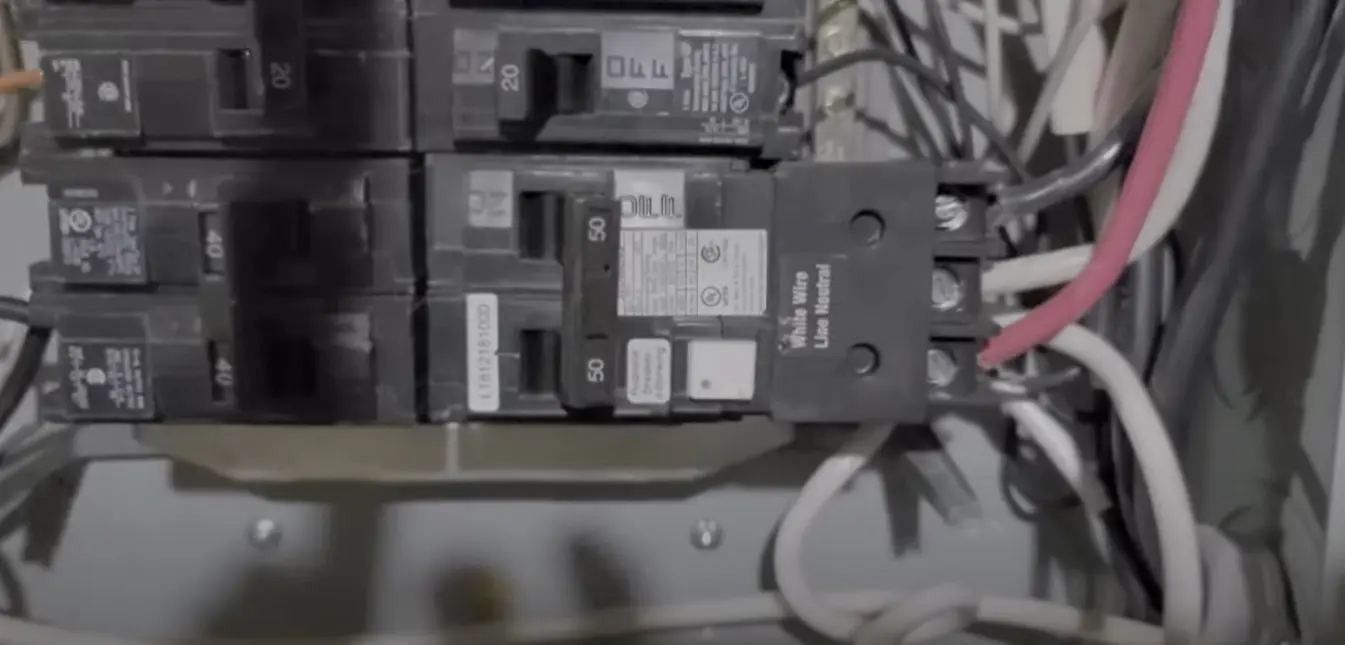
Outdoor or underground circuits demand special considerations. Use UF-B or THWN wire rated for moisture and temperature. Copper 8 AWG and aluminum 6 AWG wires are standard for 40-amp circuits, but long runs may require upsizing. Conduits help protect the wire from mechanical damage and UV exposure. Always follow NEC and local codes for buried depth, grounding, and GFCI protection for outdoor installations.
Choosing the Right Cable Type (NM-B, UF-B, MC, THWN)
Selecting the correct cable type ensures safety and longevity. NM-B is common for indoor dry locations. UF-B is ideal for outdoor or wet environments. MC (metal-clad) is suitable for exposed areas needing mechanical protection. THWN is used in conduit for wet or hot locations. Matching the wire type with the environment, voltage, and breaker amperage prevents overheating, insulation breakdown, and electrical hazards.
Conclusion
Choosing the correct wire size for a 40-amp breaker is essential for safety, efficiency, and compliance with electrical codes. Using an undersized wire can lead to overheating, voltage drop, or even fire hazards, while oversized wires, though safe, can be more expensive and harder to handle. The standard recommendation for copper wires is 8 AWG, and for aluminum wires, 6 AWG, with adjustments made for long distances to prevent voltage drop. Factors like circuit length, insulation type, temperature rating, and installation environment must also be considered. Always consult the National Electrical Code (NEC) and a licensed electrician when installing or upgrading circuits. By following proper guidelines, you ensure your electrical system operates safely and efficiently for high-demand appliances like stoves, dryers, EV chargers, air conditioners, hot tubs, and more.
FAQs
1. What wire gauge is recommended for a 40-amp breaker?
For a standard 40-amp circuit, use 8 AWG copper wire or 6 AWG aluminum wire. Longer runs may require upsizing to prevent voltage drop.
2. Can I use 10-gauge wire for a 40-amp circuit?
No. 10-gauge copper wire is rated for 30 amps, which is not sufficient for a 40-amp breaker and could overheat.
3. Does wire material matter for a 40-amp circuit?
Yes. Copper has higher conductivity and is more durable. Aluminum is cheaper but requires a larger gauge for the same amperage and proper installation to prevent hazards.
4. How does wire length affect the size needed?
Longer runs increase resistance and voltage drop. For distances over 100 feet, it’s recommended to increase the wire size (e.g., 6 AWG copper instead of 8 AWG).
5. Can I use a 40-amp breaker for multiple appliances?
Ideally, no. A 40-amp breaker should be dedicated to a single high-demand appliance to prevent overloading and tripping.
6. Which wire types are safe for a 40-amp breaker?
Common types include NM-B (indoor dry), UF-B (underground/wet), MC (metal-clad/exposed), and THWN (conduit/wet locations).
7. What happens if I use a smaller wire than recommended?
The wire may overheat, causing insulation damage, tripped breakers, or a fire hazard. Always follow NEC recommendations.
8. Are oversized wires dangerous?
No, oversized wires are safe but heavier and more difficult to handle. They also add unnecessary cost to the project.
9. Do local codes affect wire sizing?
Yes. While NEC sets general guidelines, local building codes may have additional requirements. Always check before installation.
10. When should I call a licensed electrician?
For any 40-amp installation or upgrade, especially if you are unsure about wire size, distance, or type, hiring a professional ensures safety and compliance.
Keep an eye for more latest news & updates on premiumtechy!