Selecting the correct wire size for a 2000-watt inverter ensures maximum power efficiency and prevents overheating or voltage loss. The right wire allows electricity to flow smoothly from the battery to the inverter without wasting energy as heat. Factors such as voltage, current, and distance all influence your wire choice. In this guide, we’ll explore the best wire gauges, cable types, and installation practices to safely run your inverter system.
A 2000-watt inverter needs different wire sizes depending on system voltage and cable length. For a 12V setup, use 2/0 AWG for runs up to 10 feet, while 4 AWG works for 24V and 8 AWG for 48V systems at the same distance. Always choose a thicker wire for longer runs to prevent voltage drop and keep the inverter operating safely and efficiently.
In this article, we discuss the topic of “what size wire for 2000 watt inverter”.
Why Wire Size Matters for a 2000 Watt Inverter
Wire size directly impacts how efficiently electricity travels between your inverter and battery. If the wire is too thin, it can overheat and cause power loss or even a fire hazard. A thicker wire reduces resistance, which improves performance and safety. Proper wire sizing is essential for both efficiency and long-term reliability in any 2000W inverter setup.
Understanding How Inverter Power Relates to Wire Size

Inverter power determines how much current the system draws from your battery. A 2000-watt inverter running at 12 volts can pull over 160 amps, which requires heavy-duty wire. At higher voltages, the current is lower, allowing thinner wires. This relationship between power, voltage, and current forms the basis for choosing the right wire gauge.
Calculating Amps for a 2000 Watt Inverter at Different Voltages
To find the correct wire, you need to calculate current using the formula: Current = Power ÷ Voltage. For example, at 12V: 2000 ÷ 12 = 167A; at 24V: 2000 ÷ 24 = 84A; and at 48V: 2000 ÷ 48 = 42A. The higher the current, the thicker the wire you need. Always size your wire to safely handle these amp levels with minimal voltage drop.
12V 2000 Watt Inverter Wire Size Recommendations
A 12V system draws very high current, so large gauge cables are necessary. For runs under 10 feet, use 2/0 AWG wire; for 10–20 feet, 3/0 AWG; and for 20–30 feet, 4/0 AWG. Using wires smaller than these may cause overheating or reduced inverter performance.
24V 2000 Watt Inverter Wire Size Recommendations
At 24 volts, current is halved, making wire requirements more manageable. For short runs up to 10 feet, 4 AWG is sufficient; for 10–20 feet, use 2 AWG; and for longer distances up to 30 feet, 1/0 AWG works best. This setup ensures safe operation with minimal voltage loss.
48V 2000 Watt Inverter Wire Size Recommendations
A 48V system offers the highest efficiency with the lowest current draw. For 1–10 feet, use 8 AWG wire; for 10–20 feet, 6 AWG; and for 20–30 feet, 4 AWG. These wire sizes provide excellent current handling without unnecessary bulk or cost.
Wire Size Chart for 2000 Watt Inverter by Voltage and Distance
A wire size chart helps match voltage, distance, and current to the correct gauge. Typically, shorter runs can use smaller wires, while longer runs require thicker ones to prevent voltage drop. Always consult a chart or calculator for precise sizing and safety compliance.
How Voltage Drop Affects Inverter Performance
Voltage drop occurs when resistance in the wire reduces voltage by the time it reaches the inverter. Excessive drop can cause low-voltage errors and limit power output. Using thicker wires and shorter cable runs significantly reduces voltage drop and ensures stable inverter performance.
Best Practices to Minimize Voltage Drop in DC Wiring
Keep DC cables as short as possible, use larger gauge wires, and secure all connections tightly. Avoid sharp bends and corrosion on terminals, as these increase resistance. Regularly inspect your cables to maintain efficient current flow and safe operation.
How to Calculate Correct Wire Gauge Using Amps and Length
Determine the total current your inverter draws and the one-way cable length. Then, refer to an AWG chart or online calculator to find the wire that limits voltage drop below 3%. Choosing the correct gauge prevents wasted power and heat buildup in your system.
Recommended Wire Gauge for 2000 Watt Inverter at 10 Feet
For a 10-foot cable run, use 2/0 AWG for 12V, 4 AWG for 24V, and 8 AWG for 48V systems. These gauges ensure optimal power transfer with less than 3% voltage drop, keeping your inverter efficient and cool during operation.
Recommended Wire Gauge for 2000 Watt Inverter at 20 Feet
For 20 feet, you’ll need thicker cables to compensate for extra resistance. Use 3/0 AWG for 12V, 2 AWG for 24V, and 6 AWG for 48V systems. Always verify current ratings to avoid overheating during peak load.
Recommended Wire Gauge for 2000 Watt Inverter at 30 Feet
At 30 feet, the wire must be even thicker to control voltage loss. Recommended sizes are 4/0 AWG for 12V, 1/0 AWG for 24V, and 4 AWG for 48V. Longer distances demand heavier wire to maintain system reliability.
Copper vs Aluminum Wire: Which Is Better for a 2000W Inverter?
Copper wire is preferred for inverter setups because it offers higher conductivity and lower resistance than aluminum. It’s also more durable and less prone to corrosion. While aluminum is cheaper, it requires larger gauges and special connectors to perform safely.
AWG Explained: What Does Wire Gauge Really Mean?
AWG stands for American Wire Gauge, a standardized system used to measure wire thickness. The smaller the AWG number, the thicker the wire. Understanding AWG helps you choose a wire that safely carries your inverter’s current load.
Choosing Between 2 AWG, 4 AWG, and 1/0 AWG for a 2000W Inverter
For most 2000-watt systems, the right choice depends on voltage and distance. 2 AWG works for short 24V runs, 4 AWG for higher voltage or shorter connections, and 1/0 AWG for longer or lower-voltage applications. Always verify amperage ratings before installing.
How Temperature Impacts Wire Ampacity and Safety
High temperatures can reduce a wire’s ability to carry current safely. As insulation heats up, resistance increases, which may cause overheating. Choose cables with proper temperature ratings and allow adequate ventilation to ensure consistent performance.
How to Select the Right Wire Insulation for Your Inverter
Select insulation that matches your environment—PVC for standard use, EPDM rubber for flexibility and heat resistance, or XLPE for chemical and moisture exposure. Proper insulation protects against short circuits, abrasion, and environmental wear.
Safe Distance Between Battery and Inverter Connections
Keep the inverter as close to the battery as practical, ideally within 3–6 feet. Longer distances increase resistance and voltage drop. Short, thick cables maximize performance and reduce the risk of energy loss or fire hazards.
How to Connect Battery to 2000 Watt Inverter Safely
Use heavy-duty copper cables with crimped lugs and secure connections. Always disconnect the battery before wiring and install a fuse close to the battery terminal. Double-check polarity—reversing connections can permanently damage your inverter.
Best Cable Types for 2000 Watt Inverter Installations
Choose from flexible and durable cable types like welding cable, marine battery cable, or SGT automotive cable. Each offers excellent current-carrying capacity and insulation suitable for DC power systems.
Using Welding Cable for 2000 Watt Inverter Connections
Welding cable is extremely flexible and heat-resistant, making it ideal for tight spaces and off-grid setups. Its thick copper strands handle high current efficiently, preventing voltage loss and improving overall inverter performance.
Using Marine Battery Cable for 2000 Watt Inverter Systems
Marine battery cables are tinned copper wires designed to resist corrosion from moisture and salt. They’re perfect for boats, RVs, and outdoor setups where durability and weather resistance are priorities.
Using SGT Automotive Cable for RV or Van Inverters
SGT automotive wire is a common, cost-effective option for RV and camper van systems. It’s flexible, easy to route, and works well for shorter, protected runs where exposure to the elements is minimal.
Installing a Fuse or Breaker for a 2000 Watt Inverter
A fuse or breaker protects your system from overcurrent damage. Always install one as close as possible to the battery’s positive terminal. This small safety feature prevents fires and protects expensive inverter equipment.
Proper Fuse Rating for a 12V 2000 Watt Inverter Setup
For a 12V inverter drawing around 167 amps, a 200A fuse is typically recommended. Use an ANL or Class T fuse rated for DC use, and make sure it’s securely mounted for easy inspection and replacement.
Inverter to Load Wiring: AC Cable Types and Safety
The AC output of your inverter should use standard electrical cables like THHN, NM-B (Romex), or SOOW, depending on your setup. Always follow electrical codes and use appropriately rated cables for indoor or outdoor environments.
THHN vs Romex vs SOOW: Which AC Wire Should You Use?
THHN is ideal for conduit installations, Romex works well for indoor fixed wiring, and SOOW is perfect for flexible or outdoor use. Choose the cable that best suits your installation type and environmental conditions.
Outdoor Wiring Options for Off-Grid Inverter Systems
For outdoor setups, use UF-B or SOOW cables rated for moisture and sunlight resistance. Protect cables in conduit or bury them underground to prevent physical damage and extend service life.
How to Connect a 2000 Watt Inverter in a Solar Setup
When wiring an inverter to a solar system, connect panels to the charge controller, then to the battery, and finally to the inverter. Use proper DC-rated cables and connectors for each segment to maintain efficiency and safety.
Solar Panel to Charge Controller Wiring Guide
Use PV wire between your solar panels and charge controller. It’s UV- and heat-resistant, designed for long outdoor runs. Size it correctly to handle the current output of your solar array.
Charge Controller to Battery Wire Size for a 2000W Inverter
Use the same high-current cable type as between the battery and inverter. For 12V systems, 4 AWG or thicker is often needed to minimize voltage loss between the charge controller and battery bank.
Common Mistakes When Choosing Inverter Wire Size
Many users undersize their wires or ignore voltage drop, leading to poor inverter performance. Avoid using aluminum wire without proper terminals and never skip installing a fuse. Always base your decision on current, distance, and voltage.
Signs Your Inverter Wire Size Is Too Small

If your cables or terminals feel hot, lights flicker, or the inverter shuts down under load, your wire is likely too small. Upgrading to thicker wire solves these issues and restores stable performance.
How to Prevent Overheating and Power Loss in Inverter Wires
Use quality copper cables, avoid excessive cable lengths, and ensure tight connections. Check for corrosion or frayed wires regularly, and route cables away from heat sources or sharp edges to prevent damage.
Can You Use Extension Cables with a 2000 Watt Inverter?
It’s best to avoid long extension cords on the DC side. If necessary on the AC output, use heavy-duty cords rated for at least 15 amps. Keep them as short as possible to avoid voltage loss and safety risks.
2000 Watt Inverter Wiring Diagram Overview
A wiring diagram typically shows the battery connected to the inverter with heavy DC cables, protected by a fuse, and AC output running to outlets or breakers. Following a clear layout ensures safety and simplifies troubleshooting.
Safety Precautions When Installing Inverter Cables
Always disconnect power before wiring, use insulated tools, and wear protective gear. Keep positive and negative cables separate to prevent shorts, and double-check all connections before powering on the inverter.
Tools Needed for Wiring a 2000 Watt Inverter
You’ll need wire cutters, crimping tools, heat shrink tubing, a multimeter, and a wrench set. Having the right tools ensures clean, tight, and safe electrical connections every time.
Step-by-Step Installation for 2000 Watt Inverter Wiring
Mount your inverter near the battery, cut cables to the correct length, attach lugs securely, install a fuse, and connect to the battery last. Test all connections and monitor voltage after startup to confirm proper operation.
Testing Voltage Drop After Installation
Use a multimeter to check voltage at the battery and inverter while under load. A drop greater than 3% means your wire may be too thin or connections too loose. Fixing this improves performance immediately.
Troubleshooting Common 2000 Watt Inverter Wiring Issues
If your inverter won’t start, check battery charge, fuse continuity, and cable tightness. Overheating or low output often indicates undersized wires or poor connections. Regular maintenance keeps your setup reliable.
How Long Can Inverter Cables Be Without Power Loss?
Ideally, DC cables should not exceed 10 feet for best efficiency. Longer cables increase resistance, requiring thicker wire to maintain voltage and performance. Always calculate based on your system’s amperage.
Inverter Wire Size Recommendations for RV and Camper Vans
RV setups benefit from flexible welding or marine-grade cables. Keep runs short and use 2/0 AWG for 12V systems up to 10 feet. Proper sizing prevents dimming lights and overheating under high loads.
Off-Grid Cabin 2000 Watt Inverter Wiring Example
In an off-grid cabin, the inverter connects to deep-cycle batteries and solar panels. Using 4 AWG to 1/0 AWG wires ensures stable power delivery for lights, appliances, and tools without efficiency loss.
Can a 2000 Watt Inverter Run Household Appliances?
Yes, it can run most small and medium appliances such as refrigerators, microwaves, and TVs. However, check each device’s wattage and ensure the total load doesn’t exceed 2000 watts continuous output.
Powering Tools and Electronics with a 2000 Watt Inverter
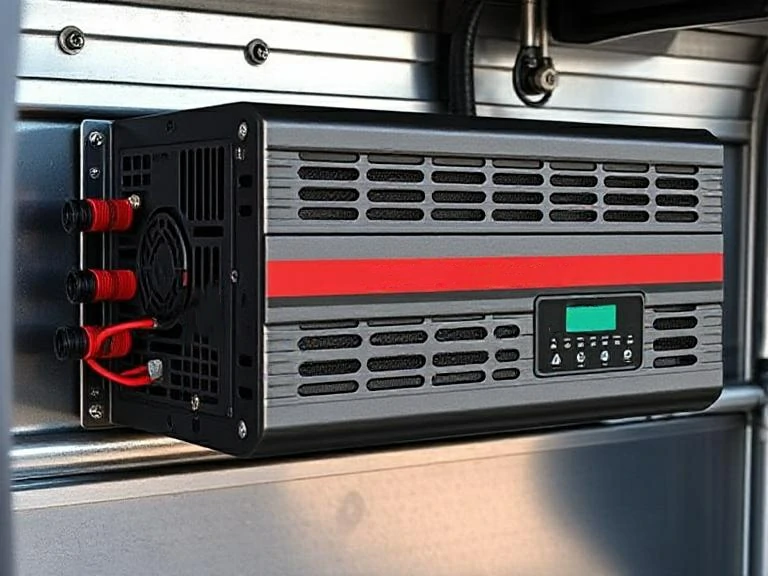
You can use a 2000W inverter for drills, laptops, fans, and even coffee makers. Always factor in startup surges—some tools momentarily draw more power than their rated wattage, so verify your inverter’s surge rating.
Conclusion
Always choose thicker wire when in doubt, keep cables short, and use quality copper conductors. Double-check all connections and fuse ratings before powering up. A well-wired system guarantees safe, efficient operation for years.
FAQs
1. What size wire do I need for a 2000 watt inverter?
The wire size depends on your system voltage and cable length. For a 12V inverter, use 2/0 AWG up to 10 feet. For 24V, use 4 AWG, and for 48V, use 8 AWG. Always choose a thicker wire for longer runs to prevent voltage drop.
2. Can I use 4 AWG wire for a 2000 watt inverter?
You can use 4 AWG wire for short runs on 24V or 48V systems, but it’s too small for a 12V 2000W inverter. At 12V, the inverter can draw over 160 amps, requiring at least 2/0 AWG wire for safe operation.
3. What is the best wire type for a 2000 watt inverter?
The best wire type is copper welding cable because it’s flexible, heat-resistant, and has excellent conductivity. Marine battery cable is also a great option for boats and RVs due to its corrosion resistance.
4. How far can I run wire to my 2000 watt inverter?
Try to keep DC cable runs under 10 feet to minimize voltage drop. If the inverter must be farther away, upgrade to a thicker gauge wire. Longer cables increase resistance, reducing efficiency and performance.
5. What fuse size should I use for a 2000 watt inverter?
For a 12V system, use a 200A fuse close to the battery’s positive terminal. For 24V, a 100A fuse works well. This protects your wiring and inverter from overloads and short circuits.
6. Can I use aluminum wire for a 2000 watt inverter?
Aluminum wire is not recommended because it has higher resistance than copper and can corrode over time. If you must use it, increase the wire gauge by at least two sizes and use approved aluminum connectors.
7. How do I calculate wire size for my inverter?
Use the formula Amps = Watts ÷ Volts to find your current draw. Then, match that current and cable length to a wire size chart that keeps voltage drop below 3%. Always round up to the next thicker wire for safety.
8. What happens if my inverter wire is too small?
Undersized wire causes voltage drop, heat buildup, and potential inverter shutdowns. It can also melt insulation or start electrical fires under heavy load. Always use wire thick enough to safely carry your inverter’s amperage.
9. Is it safe to use an extension cord with a 2000 watt inverter?
Yes, but only on the AC output side, and it must be a heavy-duty cord rated for at least 15–20 amps. Avoid using long extension cords on the DC input side, as it can cause major voltage loss.
10. Can a 2000 watt inverter run a refrigerator or power tools?
Yes, a 2000W inverter can run most medium appliances like refrigerators, power tools, microwaves, and TVs. Just make sure the total running wattage stays below 2000W, and the surge rating matches high-startup devices.
Keep an eye for more latest news & updates on premiumtechy!