Upgrading or installing a 200 amp service is a major step toward ensuring your home or business has enough electrical power for all appliances, tools, and modern technologies. Choosing the correct wire size is crucial for safety, efficiency, and compliance with the National Electrical Code (NEC). This guide explains the right wire sizes, distances, materials, and practical tips for installing a reliable 200 amp service that can handle all your electrical needs.
A 200-amp electrical service typically requires 3/0 AWG copper or 4/0 AWG aluminum wire to ensure safe and efficient power delivery. Longer distances — usually beyond 100 feet — may require upsizing the wire to prevent voltage drop and maintain proper performance. Always follow NEC guidelines and local codes to ensure the installation is safe and compliant.
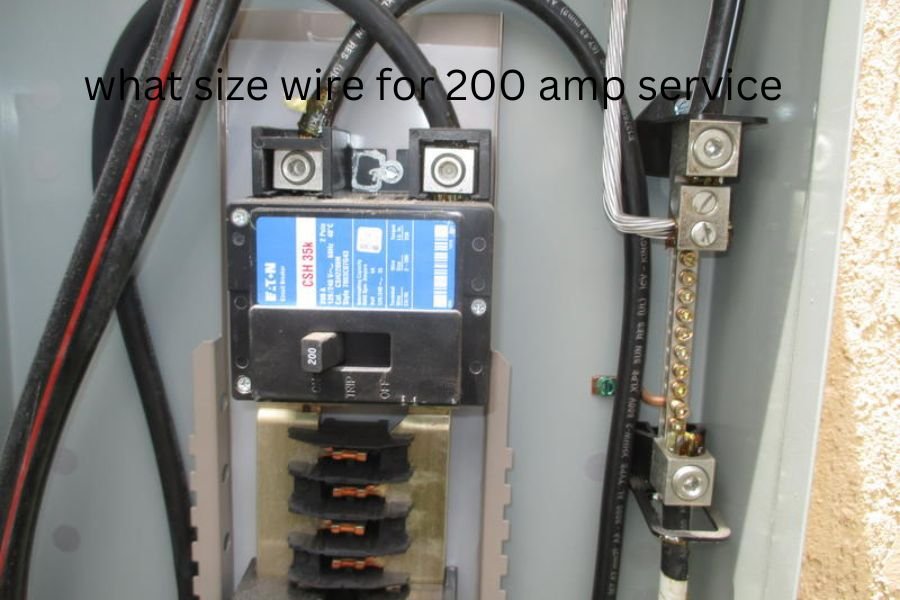
In this article, we discuss the topic of “what size wire for 200 amp service“.
What Size Wire Do I Need for a 200 Amp Service?
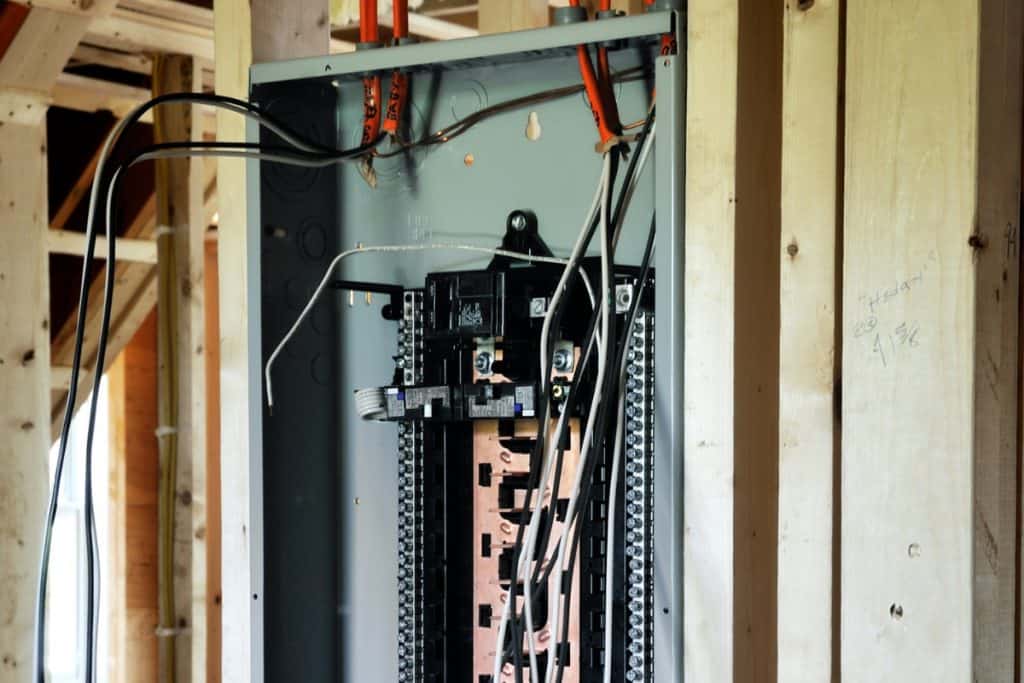
For a standard 200 amp service, the recommended wire size is 3/0 AWG copper or 4/0 AWG aluminum. These sizes provide enough capacity to safely carry the electrical load without overheating. Copper offers better conductivity and less voltage drop, while aluminum is lighter and more affordable. The right choice depends on your budget, installation distance, and local building codes.
Understanding 200 Amp Service Capacity and Usage
A 200 amp service provides enough electrical power for most medium to large homes and small commercial properties. It supports multiple large appliances, HVAC systems, water heaters, EV chargers, and modern electronics simultaneously. This capacity is ideal for homes ranging between 2,500 to 4,000 square feet, providing flexibility for future expansion and reducing overload risks.
Copper vs Aluminum Wire for 200 Amp Service
Copper wire is more conductive and durable, making it the premium choice for 200 amp service installations. It resists corrosion and handles higher temperatures effectively. Aluminum, on the other hand, is lighter and cheaper, making it popular for long-distance or budget-friendly projects. Both are NEC-approved if installed correctly, but connections must be tight and corrosion-protected when using aluminum.
Minimum Wire Size Required for 200 Amp Panel
The minimum wire size depends on the material you choose. For copper, use 3/0 AWG, and for aluminum, use 4/0 AWG. Undersizing wire can cause overheating, voltage drops, and even fire hazards. Always check local codes since some areas require upsizing for temperature ratings or conduit fill limits, especially in hot climates or underground runs.
200 Amp Wire Size Chart – Copper and Aluminum Comparison
A quick look at the wire size chart shows that 3/0 copper supports 225 amps, while 4/0 aluminum handles around 205 amps. For longer distances, 250 MCM aluminum or 4/0 copper may be required. The chart helps compare conductivity, weight, and cost so you can choose the best material for your installation. Always consider voltage drop when comparing options.
Ampacity Explained: How It Affects Wire Size
Ampacity refers to the maximum amount of electrical current a conductor can safely carry before overheating. The ampacity of a wire depends on material, insulation type, and ambient temperature. For a 200 amp service, the selected wire must handle at least 200 amps continuously without exceeding its rated temperature. Proper ampacity ensures efficiency, safety, and code compliance.
NEC Code Requirements for 200 Amp Service Wire
The National Electrical Code (NEC) outlines strict requirements for service conductor sizes, grounding, and insulation. For a 200 amp main service, NEC typically recommends 3/0 AWG copper or 4/0 AWG aluminum. It also specifies using approved insulation types like THHN/THWN or SER cable and proper grounding conductors. Compliance ensures safety, reduces liability, and passes electrical inspections smoothly.
How Far Can You Run Wire for 200 Amp Service?
Distance plays a big role in determining wire size. The longer the run, the more voltage drop occurs. For example, if your main panel is 100 feet away, you may need to upsize the wire to 4/0 copper or 250 MCM aluminum. Beyond 200 feet, larger gauges like 350 MCM aluminum are often recommended to maintain efficiency and safety.
Voltage Drop Considerations for Long 200 Amp Runs
Voltage drop happens when current travels through long lengths of wire, losing energy as heat. NEC recommends a maximum 3% voltage drop for efficiency. To achieve this in a 200 amp system, wire size must be increased for long runs. For example, at 150–200 feet, upgrading to 4/0 copper or 350 MCM aluminum minimizes voltage loss and ensures stable performance.
Recommended Wire Size for 200 Amp Service at 100 Feet
If your service distance is around 100 feet, use 4/0 AWG aluminum or 3/0 AWG copper wire. This setup balances safety, cost, and performance while keeping voltage drop under control. Copper is ideal for tighter spaces and high-efficiency needs, while aluminum remains a strong cost-saving alternative for straightforward residential installations.
Recommended Wire Size for 200 Amp Service at 150 Feet
For a 150-foot distance, voltage drop becomes more noticeable, so upsizing the wire is essential. The best option is 4/0 AWG copper or 250 MCM aluminum to ensure efficiency and safety. This larger size reduces resistance, keeps voltage stable, and meets NEC’s 3% voltage drop guideline. While copper performs better, aluminum remains more affordable for long-distance runs.
Recommended Wire Size for 200 Amp Service at 200 Feet
When the distance reaches 200 feet, you’ll need even larger wire to handle the voltage drop. Experts recommend 250 MCM copper or 350 MCM aluminum for a 200 amp service at this length. Using smaller wires may cause overheating or reduced power delivery. Always consult a licensed electrician to verify proper sizing and to meet local electrical regulations.
What Size Ground Wire for 200 Amp Service?
A proper ground wire ensures electrical safety by redirecting excess current into the earth. According to NEC, for a 200 amp copper system, use a #4 AWG copper grounding conductor. For aluminum, use #2 AWG aluminum. The ground wire connects the panel to the grounding electrode, preventing shocks and protecting your home’s electrical system from surges and lightning strikes.
Choosing the Right Conduit Size for 200 Amp Wiring
Conduit size depends on the number and gauge of wires used. For 200 amp service, a 2-inch to 2.5-inch conduit is generally recommended to allow three main conductors and one ground wire. Using too small a conduit can make pulling wire difficult and may violate code. Always choose PVC or metal conduit rated for outdoor or underground use when required.
3/0 Copper Wire vs 4/0 Aluminum Wire for 200 Amps
Both 3/0 copper and 4/0 aluminum can safely carry 200 amps, but each has unique advantages. Copper offers superior conductivity and less voltage drop, ideal for long runs or high-load applications. Aluminum is lighter, easier to handle, and more cost-effective. However, aluminum requires anti-oxidant compounds at connections to prevent corrosion and ensure long-term reliability.
When Should You Use 250 MCM or 350 MCM Wire?
You should use 250 MCM or 350 MCM wire when the 200 amp service run exceeds 150 feet or when voltage drop calculations exceed 3%. These larger wires reduce resistance and maintain voltage consistency over long distances. 250 MCM is ideal for most extended residential runs, while 350 MCM aluminum or copper is often used in commercial or industrial applications.
Using THHN/THWN Wire for 200 Amp Service
THHN/THWN wires are popular for 200 amp services due to their high temperature ratings and versatility. These single-conductor wires are often used inside conduits for service entrance applications. THHN (dry locations) and THWN (wet locations) insulation types ensure durability, making them suitable for both indoor and outdoor installations. Always use color-coded wires for phase identification and safety.
Using SER Cable for 200 Amp Panel Installations
SER (Service Entrance) cable is a common choice for connecting the meter base to the main panel in above-ground installations. It’s available in both copper and aluminum variants and includes multiple conductors wrapped in durable insulation. For 200 amp service, 4/0 aluminum SER cable or 3/0 copper SER is typically used. It’s flexible, code-compliant, and easy to install for residential setups.
Using USE-2 Cable for Underground 200 Amp Service
USE-2 cable (Underground Service Entrance) is designed for direct burial without conduit. It’s rated for wet and underground environments, making it ideal for outdoor installations. For 200 amp service, you can use 4/0 aluminum USE-2 or 3/0 copper USE-2 cable. Ensure the cable is moisture-resistant and protected from sharp objects underground. Always follow burial depth requirements for safety and code compliance.
How to Calculate Wire Size for 200 Amp Main Panel
Wire size calculations depend on current, distance, voltage drop, and wire material. The general formula considers resistance per foot and acceptable voltage loss. For 200 amps at standard residential distances, 3/0 copper or 4/0 aluminum is sufficient. For long distances, upsizing to 250–350 MCM may be necessary. Using online voltage drop calculators or consulting an electrician ensures precise results.
How to Size Wires for 200 Amp Subpanel
When sizing wires for a 200 amp subpanel, distance and load play key roles. If the subpanel is close to the main service (under 50 feet), 3/0 AWG copper or 4/0 AWG aluminum is ideal. For longer distances, you may need to increase the wire gauge to 250 MCM or more to minimize voltage drop. Always use a four-wire system — two hot wires, one neutral, and one ground — for safe subpanel connections.
Difference Between 200 Amp Main and Subpanel Wiring
The main difference between wiring a main panel and a subpanel lies in the neutral-ground bonding. In a main panel, the neutral and ground are bonded together, but in a subpanel, they must be kept isolated to prevent current leakage. Both panels use the same wire size (3/0 copper or 4/0 aluminum for 200 amps), but subpanels require separate grounding for safety and NEC compliance.
What Size Wire for 200 Amp Service 300 Feet Away?
At a distance of 300 feet, voltage drop becomes significant. To maintain performance, you’ll need 350 MCM aluminum or 250 MCM copper wire for a 200 amp service. This upgrade helps maintain proper voltage levels and prevents overheating. Always calculate voltage drop precisely or consult a professional electrician to ensure code compliance for long runs.
What Size Wire for 200 Amp Service 400 Feet Away?
For extremely long distances such as 400 feet, upsizing wire is crucial to avoid energy loss. Use 500 MCM aluminum or 350 MCM copper wire to safely carry 200 amps. This ensures the voltage drop remains within 3%, preserving electrical efficiency. Large-gauge wires are more expensive but essential for reliability, especially when powering remote buildings or workshops.
Grounding and Bonding Requirements for 200 Amp Systems
Proper grounding and bonding prevent electrical shocks and equipment damage. A 200 amp service must include a ground electrode system connected with a #4 copper or #2 aluminum wire. Bonding connects metal parts to the grounding system, ensuring fault currents have a safe path to earth. Following NEC grounding rules guarantees protection from lightning and short circuits.
Common Mistakes When Choosing Wire for 200 Amps
A common mistake is choosing wire based only on amp rating without considering distance or temperature. Undersized wires can overheat and cause breaker trips or fire hazards. Another error is neglecting aluminum wire maintenance, like applying anti-oxidant paste. Always check voltage drop, insulation type, and conduit size before installation. Correct planning ensures efficiency and long-lasting performance.
Why 2/0 Copper Is Not Ideal for 200 Amp Service
Although 2/0 copper wire can technically carry up to 195–200 amps, it operates at its maximum limit. This leaves no margin for voltage fluctuations or future expansion. Using 3/0 copper provides a safety buffer and ensures the wire runs cooler and more efficiently. Oversizing slightly also helps meet NEC’s 80% continuous load recommendation, keeping your system secure.
How Temperature Impacts Wire Ampacity
Wire ampacity decreases as ambient temperature increases. For example, a wire rated at 200 amps in 75°F may handle less in 100°F conditions. The NEC includes temperature correction factors that must be applied when calculating ampacity. Choosing wires with higher temperature-rated insulation like THHN or XHHW ensures safe operation, especially in attics or outdoor environments.
What Type of Insulation Is Best for 200 Amp Wire?
For 200 amp service, use insulation rated for 75°C or 90°C, depending on the application. Common types include THHN/THWN for conduit runs and XHHW for outdoor or underground use. These materials resist heat, moisture, and abrasion, making them ideal for heavy-duty electrical systems. Always match insulation type to environmental conditions to maximize wire lifespan and safety.
Choosing Between Direct Burial and Conduit Installations
Direct burial installations use USE-2 or URD cables designed to withstand underground moisture without conduit. Conduit installations, however, offer better protection against physical damage and are easier to replace later. For 200 amp service, conduit is often preferred in high-traffic or rocky areas. The choice depends on soil conditions, cost, and whether future access is required.
Understanding Service Entrance Conductors (SEC)
Service Entrance Conductors (SECs) are the main wires that connect utility power to your electrical panel. For a 200 amp service, these conductors must be heavy-duty — typically 3/0 AWG copper or 4/0 AWG aluminum. They carry all the electricity entering your home, so correct sizing is critical. SECs must be rated for outdoor use and properly insulated against moisture, UV exposure, and mechanical damage. Always use code-approved materials and secure them firmly at connection points.
How to Connect 200 Amp Wire to a Breaker Panel
Connecting wire to a 200 amp breaker panel requires careful preparation and adherence to safety codes. First, strip the wire insulation cleanly and insert it into the main lugs or breaker terminals. Tighten connections securely without damaging the wire strands. For aluminum conductors, apply anti-oxidant compound to prevent corrosion. Label each wire clearly and double-check torque specifications per the manufacturer’s instructions to ensure safe and reliable connections.
How to Safely Upgrade to 200 Amp Service
Upgrading from 100 or 150 amps to a 200 amp service improves capacity for modern electrical needs. The process involves replacing the service panel, upgrading the meter base, and installing larger conductors. It’s vital to hire a licensed electrician because the main power must be disconnected during the upgrade. Always coordinate with your utility company and obtain the necessary permits. This upgrade increases safety, supports higher loads, and enhances property value.
Do You Need a Permit to Install 200 Amp Service?
Yes — electrical service upgrades require a permit in most areas. The permit ensures that the work follows National Electrical Code (NEC) and local building regulations. Once approved, a certified inspector verifies wire size, grounding, and overall safety before the system is energized. Working without a permit can lead to penalties, voided insurance, or safety risks. Always check with your local authority before starting any 200 amp installation.
How to Inspect 200 Amp Wire Installations
/electrical-service-size-of-my-home-1152752-hero-0a04c3eec7c94154a5e8f116e7fe329f.jpg)
Inspecting a 200 amp installation ensures safety and compliance. Start by checking that the correct wire sizes are used — 3/0 copper or 4/0 aluminum — and that insulation is intact. Verify that grounding and bonding are properly done, and that all terminals are tight. Look for signs of overheating or corrosion at connections. Routine inspections by certified electricians can prevent failures, ensuring long-term reliability and peace of mind.
Cost of Wire for 200 Amp Service Installation
The total cost of wiring a 200 amp service varies based on wire type, distance, and labor. Copper wire costs more but offers better conductivity, while aluminum wire is cheaper and lighter. On average, the wire alone may range from $3 to $10 per foot, depending on the gauge. Including permits, panels, and professional labor, a complete 200 amp upgrade can cost $2,000 to $5,000. Investing in quality materials ensures efficiency and longevity.
200 Amp Wire Size for Residential Homes
For most residential applications, 3/0 copper or 4/0 aluminum is the standard for 200 amp service. This size supports heavy appliances such as HVAC systems, water heaters, ovens, and electric vehicles. Homes between 2,500 and 4,000 square feet typically require 200 amps to operate efficiently. Choosing the correct wire ensures stable power distribution and allows for future electrical upgrades without major rewiring.
200 Amp Wire Size for Commercial Buildings
Small commercial spaces — such as shops, cafes, or offices — often use a 200 amp service for lighting, computers, and HVAC systems. For commercial wiring, 4/0 aluminum or 250 MCM may be used depending on the distance from the main supply. Copper is preferred in environments with high current demand or frequent power fluctuations. Ensuring proper wire sizing keeps electrical systems efficient and minimizes downtime.
200 Amp Wire Size for Industrial Applications
In industrial settings, 200 amp service is typically used for light manufacturing, workshops, and warehouses. Because equipment in these areas may draw high current, 250 MCM copper or 350 MCM aluminum wire is often recommended. Voltage stability is critical to protect machines and motors. Proper wire sizing, grounding, and conduit protection are essential for reliability and compliance with industrial electrical standards.
How to Future-Proof Your Home with 200 Amp Service
Installing a 200 amp service today ensures your home can handle tomorrow’s electrical demands. It supports EV chargers, solar inverters, smart appliances, and high-capacity HVAC systems. Use larger conduit and slightly oversized wire to allow future upgrades without rewiring. A properly installed 200 amp service adds value to your property and ensures a steady, safe power supply for years to come.
Best Practices for Installing 200 Amp Wire in New Homes
When installing a 200 amp wire in a new home, plan your layout before starting. Use the correct wire gauge — 3/0 copper or 4/0 aluminum — and follow NEC rules for grounding and conduit sizing. Keep wire runs as short as possible to reduce voltage drop. Label circuits clearly and avoid sharp bends that may damage insulation. Hiring a licensed electrician ensures the installation is safe, efficient, and passes inspection the first time.
How to Prevent Overheating in 200 Amp Wires
Overheating occurs when wires are undersized, overloaded, or improperly connected. To prevent it, always use wire rated for the full 200 amps and match the insulation to the environment. Ensure all terminals are clean and tightened to manufacturer torque settings. Avoid bundling too many wires in a single conduit, as this restricts airflow. Regular inspections and thermal checks can help detect early signs of overheating before damage occurs.
Safety Tips for Working with 200 Amp Electrical Systems
A 200 amp electrical system carries significant current and must be handled carefully. Always turn off power at the main breaker before touching any wires. Wear insulated gloves, safety glasses, and non-conductive footwear. Use insulated tools rated for electrical work and double-check connections before energizing. Never work on live circuits — 200 amps can cause severe injury or damage. Following strict safety protocols ensures both personal protection and code compliance.
Tools Needed for 200 Amp Service Wire Installation
Installing 200 amp service wiring requires the right tools for precision and safety. You’ll need wire cutters, strippers, conduit benders, torque wrenches, and voltage testers. Fish tape helps pull wires through conduits, while anti-oxidant paste is essential for aluminum connections. A multimeter ensures proper voltage and continuity testing. Using high-quality tools not only makes the job easier but also helps maintain professional installation standards.
Signs You Need to Upgrade to 200 Amp Service
Common signs you need a 200 amp upgrade include frequent breaker trips, flickering lights, or insufficient power for new appliances. If your home has added HVAC units, EV chargers, or modern electronics, your existing service may be overloaded. Older homes with 100 amp panels often struggle to handle today’s electrical demands. Upgrading to 200 amps provides safety, efficiency, and capacity for future technologies.
Pros and Cons of Aluminum vs Copper for 200 Amp Service
Copper wire offers excellent conductivity, durability, and resistance to corrosion, making it ideal for heavy-duty applications. However, it is more expensive and heavier. Aluminum wire, on the other hand, is affordable, lightweight, and effective when properly installed. The downside is that it’s more prone to oxidation and expansion under heat. Ultimately, both are safe choices for 200 amp service if installed according to NEC standards.
Frequently Asked Questions About 200 Amp Wire Size
Many homeowners ask, “What size wire do I need for 200 amps?” The answer is 3/0 copper or 4/0 aluminum. Others wonder about distance — beyond 100 feet, you should increase wire size to prevent voltage drop. Some ask if copper is mandatory — it’s not, aluminum works fine if installed correctly. Always verify with local codes and a licensed electrician before finalizing your installation plan.
Troubleshooting 200 Amp Wire Connection Issues

Loose, corroded, or overheated connections are the most common issues in 200 amp systems. Inspect terminals regularly for discoloration or melted insulation. Re-torque all lugs to manufacturer specifications and clean aluminum conductors before reapplying anti-oxidant paste. If breakers trip frequently, measure voltage at the panel to check for load imbalance or damaged wires. Early troubleshooting prevents system failure and costly repairs.
Expert Recommendations for 200 Amp Wiring
Experts recommend using high-quality copper conductors for shorter runs and aluminum for long-distance or budget-conscious projects. Always upsize the wire if the run exceeds 100 feet or if voltage drop calculations exceed 3%. Grounding must follow NEC Article 250 for complete safety. For best results, work with a certified electrician who understands both code requirements and proper installation techniques.
Conclusion
Choosing the right wire size for a 200 amp service is crucial for safety, performance, and efficiency. In most cases, 3/0 AWG copper or 4/0 AWG aluminum provides optimal capacity. Larger distances may require upsizing to 250 MCM or more to prevent voltage drop. Always follow NEC guidelines, use proper grounding, and prioritize professional installation. With the correct wire and setup, your electrical system will safely power your home or business for decades.
FAQs
1. What size wire is required for a 200 amp service?
You’ll typically need 3/0 AWG copper or 4/0 AWG aluminum wire for a standard 200 amp service.
2. Does wire length affect the size needed for 200 amp service?
Yes. For long runs (over 100 feet), you should increase wire size to reduce voltage drop and maintain efficiency.
3. Is copper better than aluminum for 200 amp wiring?
Copper offers superior conductivity and durability, but aluminum is cheaper and lighter, making it ideal for long runs if installed properly.
4. What size ground wire is needed for 200 amp service?
A #4 AWG copper or #2 AWG aluminum ground wire is generally recommended for a 200 amp system.
5. How far can I run a 200 amp wire before voltage drop becomes a problem?
After about 100 feet, voltage drop can exceed safe limits. Upsizing the wire or using copper conductors helps maintain proper voltage.
6. Can I use SER cable for a 200 amp panel?
Yes, SER cable rated for 200 amps is suitable for above-ground residential installations when installed per NEC standards.
7. What conduit size should I use for 200 amp service wire?
Typically, a 2-inch PVC or metal conduit is sufficient for 3/0 copper or 4/0 aluminum wire, depending on local codes.
8. Do I need a permit to install a 200 amp service?
Yes. Most areas require a permit and electrical inspection to ensure the installation meets NEC and safety regulations.
9. What’s the best wire for underground 200 amp service?
USE-2 or URD aluminum cable is commonly used for underground runs because it’s moisture-resistant and rated for direct burial.
10. How do I know if my home needs a 200 amp upgrade?
If your breakers trip often, lights flicker, or you’ve added high-demand devices like HVAC systems or EV chargers, an upgrade to 200 amps may be necessary.
Keep an eye for more latest news & updates on premiumtechy!