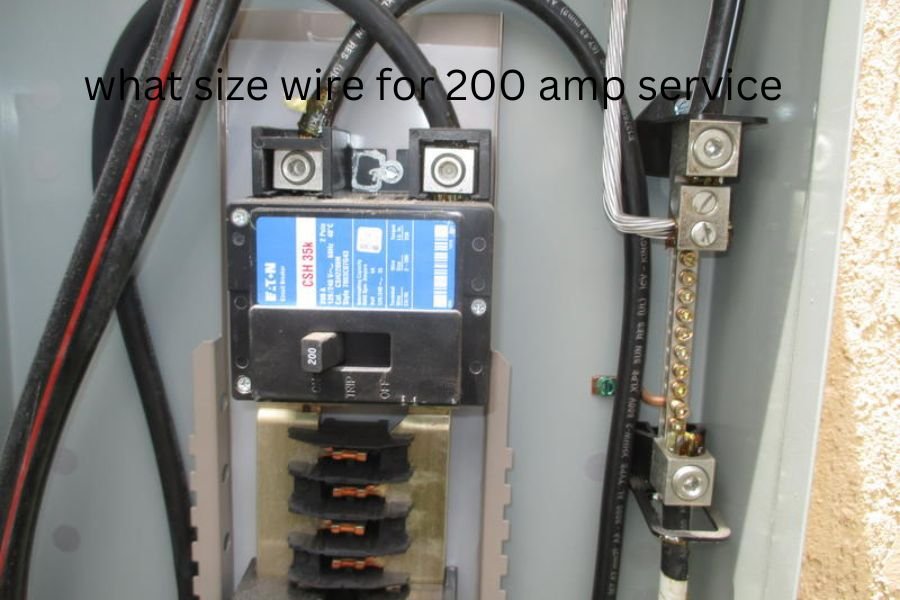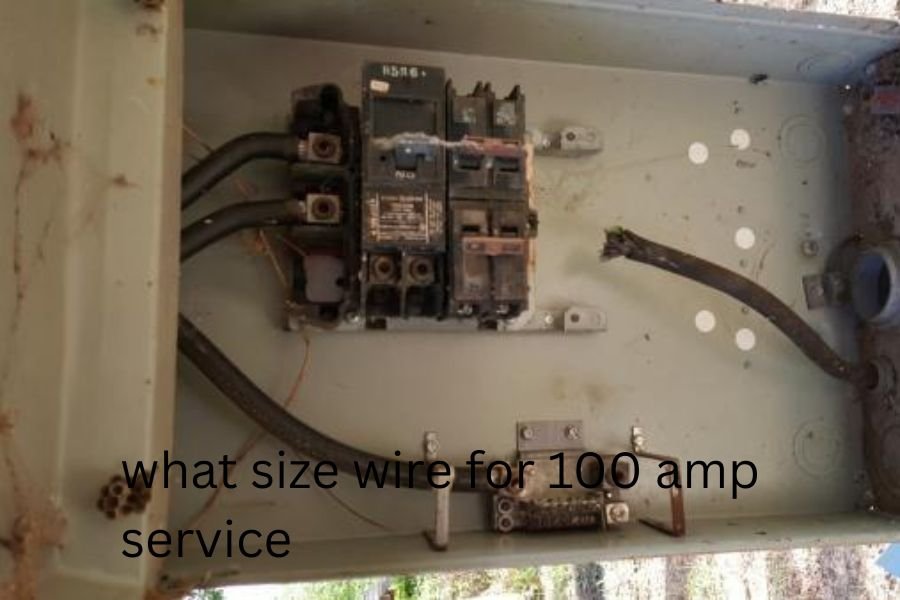
Choosing the correct wire size for a 100-amp service is essential for the safety and efficiency of your electrical system. Using the wrong wire can lead to overheating, voltage drops, or even fire hazards. Both copper and aluminum wires are commonly used, but the size requirements differ depending on the material and the distance of the run. The National Electrical Code (NEC) provides guidelines, but factors like load, insulation type, and environmental conditions also play a role. In this guide, we will explore everything you need to know about selecting the proper wire size for a 100-amp service in homes, small businesses, and mobile setups. By following these recommendations, you can ensure reliable power and long-lasting safety.
For a 100-amp service, the correct minimum wire size is #3 AWG copper or #1 AWG aluminum, as required by the NEC. For longer distances, you may need to increase the wire size—such as using #2 or #1 copper or #1 or 2/0 aluminum—to prevent voltage drop. Always check local electrical codes and consult a licensed electrician to ensure a safe and compliant installation.
In this article, we discuss the topic of “what size wire for 100 amp service”.
What Size Wire Is Needed for a 100-Amp Service?
:max_bytes(150000):strip_icc()/electrical-wire-sizes-1152851-1c278609d8364a7e93e277903520836e.png)
For a 100-amp service, the wire size depends on the material and installation conditions. Typically, #3 AWG copper wire or #1 AWG aluminum wire is considered the minimum required. However, longer wire runs or higher temperatures may require larger wires to prevent voltage drop. The wire must be capable of safely carrying 100 amps without overheating. Proper sizing ensures that appliances, lighting, and HVAC systems operate efficiently. Consulting the NEC and a licensed electrician is recommended to confirm the best wire size for your specific setup. Additionally, local building codes may impose stricter requirements for safety.
Understanding 100-Amp Electrical Service
A 100-amp electrical service provides sufficient power for smaller homes, apartments, and some commercial spaces. It can support standard appliances like refrigerators, ovens, air conditioners, and lighting circuits without overloading the system. While larger homes may require 150- or 200-amp services, 100-amps remains common in mid-sized properties. Understanding the limits and capabilities of a 100-amp service helps prevent overloads and ensures electrical safety. This service type also works well for mobile homes, workshops, and small offices, making it versatile for various residential and light commercial applications.
Why Choosing the Right Wire Size Is Critical
Using the correct wire size is crucial for both safety and efficiency. If the wire is too small, it can overheat, causing insulation damage and fire risks. Conversely, oversized wires are expensive, difficult to install, and unnecessary for smaller loads. Correct sizing ensures proper voltage levels, minimizing fluctuations that can damage appliances. It also extends the lifespan of the electrical system by preventing undue strain on breakers and panels. Choosing the right wire protects your home, saves money, and guarantees compliance with electrical codes. Always follow NEC guidelines and consult a professional when planning a 100-amp installation.
Residential vs Commercial 100-Amp Service
In residential settings, a 100-amp service typically powers homes with standard appliances and moderate energy usage. In commercial settings, 100-amp panels may serve small offices, workshops, or retail spaces with limited electrical needs. The wiring and load calculations differ between these applications. Residential systems focus on safety and comfort, while commercial installations may require higher-quality wires for durability and consistent power. Understanding these differences is vital for selecting the correct wire size and type. Choosing the right wire ensures both safety and efficiency regardless of the environment.
Common Applications for 100-Amp Service
A 100-amp service is commonly used in smaller homes, apartments, mobile homes, and RVs. It is also suitable for workshops, detached garages, or temporary construction power. These applications generally have moderate electricity demands and don’t require higher-capacity services. The service is ideal for properties with basic HVAC, kitchen appliances, and lighting circuits. Selecting the right wire size for these applications ensures safe operation, prevents overheating, and reduces voltage drops. Understanding where 100-amp service is adequate helps avoid unnecessary upgrades or underpowered systems.
Is 100-Amp Service Enough for Your Home?
Determining if a 100-amp service is sufficient depends on your home’s square footage, appliances, and future expansion plans. Smaller homes with standard appliances usually operate well under 100-amps. However, homes with electric heat, central air conditioning, or large kitchens may require 150- or 200-amp service. Assessing your electrical load and usage patterns ensures you select a service that meets your current and future needs. Consulting an electrician can help identify whether a 100-amp panel is sufficient or if a larger service is recommended. Proper planning prevents overloads and enhances system safety.
Typical Electrical Load for a 100-Amp Panel
A 100-amp panel can handle up to 24,000 watts of electricity at 240 volts. This is enough to power most appliances, lighting, and HVAC systems in smaller to mid-sized homes. Typical loads include refrigerators, ovens, dishwashers, and basic heating or cooling units. When calculating load, consider the simultaneous use of multiple appliances. Proper load calculations prevent breaker trips and overheating. Understanding your electrical load helps in selecting the right wire size and ensures safe, reliable operation of the electrical system.
Best Copper Wire Sizes for 100-Amps
Copper wire is preferred for 100-amp service due to its high conductivity and durability. Common sizes include #3 AWG or #2 AWG for short runs, and larger sizes for long distances or high-temperature environments. Copper wires offer lower resistance, reducing voltage drop and improving efficiency. They are suitable for both residential and commercial applications. Proper selection ensures safe current flow and compliance with NEC standards. Additionally, copper wire is less prone to corrosion than aluminum, making it a long-lasting option for service panels.
Copper Wire: Features and Applications
#4 copper wire is commonly used for shorter 100-amp circuits or subpanels. It has an ampacity rating of approximately 85 amps, making it suitable for homes with moderate electrical needs. This wire is durable, easy to install, and resistant to heat buildup. #4 wire is ideal for indoor or outdoor installations when the run is relatively short. It provides a cost-effective solution for smaller service panels. Always check local codes to ensure #4 copper wire is acceptable for your specific installation.
#2 Copper Wire for Longer Wire Runs
#2 copper wire is ideal for longer runs where voltage drop could become a concern. It has a higher ampacity than #4 wire, making it capable of safely carrying a 100-amp load over extended distances. Using a larger wire ensures that your appliances and lighting receive adequate voltage without overheating the wire. #2 copper is commonly used in homes with larger panels or when the service entrance is far from the main breaker. Proper sizing prevents inefficiency and potential hazards. Always follow NEC guidelines and consult an electrician for precise calculations.
#1 Copper Wire: When to Use It
#1 copper wire is thicker and has a higher current-carrying capacity than #2 or #4 wires. It is suitable for homes or buildings that have higher electrical loads or longer wire runs. This wire can handle up to 110 amps, providing a safety margin for 100-amp service. It is ideal for commercial buildings, workshops, or residential properties with multiple high-power appliances. Choosing #1 copper wire ensures stability, reduces voltage drops, and increases safety. Always ensure compliance with local codes when installing thicker copper wires.
2/0 Copper Wire for High Load Applications
2/0 copper wire is used for applications that require higher amperage than a standard 100-amp service. It is suitable for industrial or commercial settings with heavy electrical loads. This wire size can carry up to 145 amps and is ideal for long-distance runs with minimal voltage drop. Using 2/0 copper wire ensures efficient energy delivery and reduces the risk of overheating. While more expensive, it provides a safe and reliable solution for demanding electrical systems. Professional installation is recommended to meet NEC standards.
4/0 Copper Wire: Industrial Use Only
4/0 copper wire is the thickest copper wire commonly available for electrical installations. It is mainly used for large industrial or commercial applications with extremely high electrical loads. With a capacity of up to 195 amps, it is far beyond the needs of a standard 100-amp service. Unless you have a unique or heavy-duty requirement, 4/0 wire is not necessary for residential setups. Its installation requires careful planning due to its weight and stiffness. 4/0 copper provides maximum safety and efficiency for specialized applications.
Advantages of Using Copper Wire
Copper wire is highly preferred for electrical service due to its superior conductivity and strength. It allows electricity to flow with minimal resistance, reducing energy loss and voltage drops. Copper is durable, corrosion-resistant, and has a longer lifespan than aluminum wire. It is also more flexible, making it easier to install in tight spaces and around corners. Though copper wire is more expensive, its reliability and safety benefits outweigh the cost. Using copper ensures your 100-amp service operates efficiently and safely.
Choosing Aluminum Wire for 100-Amps
Aluminum wire is a cost-effective alternative to copper for 100-amp service panels. It is lighter, easier to handle, and less expensive, making it attractive for large or long runs. However, aluminum has lower conductivity, so larger wire sizes are needed to carry the same amperage as copper. Proper installation and anti-oxidant compounds are important to prevent corrosion and overheating. Aluminum wire is commonly used in residential, commercial, and mobile home applications. Always ensure it meets NEC standards and local regulations.
#1 Aluminum Wire: Standard for 100-Amp Panels
#1 aluminum wire is commonly used for residential 100-amp service panels. It provides sufficient capacity to safely carry 100 amps over typical distances. Aluminum’s lower conductivity means the wire must be slightly larger than copper to achieve the same amperage rating. It is suitable for service entrances, subpanels, and longer runs where flexibility and cost savings are desired. Proper installation is essential to prevent issues like thermal expansion, corrosion, and overheating. Consultation with an electrician ensures safety and compliance.
2/0 Aluminum Wire: High Capacity Option
2/0 aluminum wire is used when higher amperage or longer runs are required. It has an ampacity suitable for applications beyond standard 100-amp service, providing a buffer against voltage drop. It is commonly used for larger homes, small commercial buildings, or extended service runs. Aluminum wire must be installed carefully to prevent loose connections and oxidation. Using 2/0 aluminum wire ensures reliable electricity flow while remaining cost-effective compared to copper. NEC guidelines and professional installation are recommended.
Aluminum THWN Wire: Characteristics and Uses
THWN aluminum wire is thermoplastic, heat, and water-resistant, making it suitable for indoor and outdoor 100-amp service panels. The nylon coating protects against moisture, and the wire is rated for higher temperatures, reducing the risk of overheating. THWN is flexible, durable, and ideal for conduit installations. It is widely used in residential and commercial setups where reliable power delivery is essential. Selecting the right size based on distance and load ensures safe operation. Proper grounding and secure connections are critical for safety.
Aluminum XHHW-2 Wire: Durability and Ampacity
XHHW-2 aluminum wire is cross-linked, heat, water, and chemical resistant, making it suitable for high-demand applications. It is rated for 600 volts and can carry 100 amps efficiently in a residential 100-amp service panel. Its durability allows it to perform well in indoor, outdoor, and wet locations. XHHW-2 is commonly used for subpanels, service entrances, and areas exposed to moisture or heat. Correct sizing and professional installation help prevent voltage drops and overheating. This wire type combines cost efficiency with reliable performance.
Aluminum SER Cable for Service Panels
Aluminum SER (Service Entrance) cable is a reliable choice for 100-amp service panels. It consists of multiple insulated conductors bundled together with a bare ground wire, all encased in a protective outer jacket. SER cable is suitable for both indoor and outdoor use and can handle moderate to long distances without significant voltage drop. It is commonly used in residential homes, small commercial buildings, and mobile homes. Proper sizing and installation are essential to prevent overheating and maintain safety. Following NEC standards ensures that SER cable performs efficiently and reliably.
Pros and Cons of Aluminum vs Copper Wire
Copper wire is preferred for its high conductivity, durability, and resistance to corrosion, while aluminum is lightweight and cost-effective. Copper requires smaller gauge sizes than aluminum to carry the same amperage, making it ideal for tight spaces. Aluminum, however, is less expensive and easier to handle, especially for longer runs. The main drawback of aluminum is its susceptibility to oxidation, which can lead to overheating if not properly installed. Both types can safely deliver power if installed correctly. Choosing between them depends on budget, distance, and specific project requirements.
Solid vs Stranded Wire: What You Should Know
Electrical wires come in two main forms: solid and stranded. Solid wire is made of a single, solid conductor, offering higher durability and slightly higher ampacity. Stranded wire is composed of multiple smaller strands twisted together, providing greater flexibility, especially in bends or tight spaces. For service panels, both types can be used, but stranded wire is easier to pull through conduit. The choice depends on installation conditions and personal preference. Proper sizing of either type is essential for safe and efficient 100-amp service.
Insulation Types for 100-Amp Wire
The type of insulation on a wire affects its safety, durability, and temperature rating. Common insulation types include PVC, THHN, THWN, XHHW, and XLPE. Each type offers different resistance to heat, moisture, and chemicals. Proper insulation prevents electrical shocks, short circuits, and fire hazards. Choosing the right insulated wire ensures compliance with NEC guidelines and improves the lifespan of your 100-amp service. Always consider environmental conditions when selecting insulated wire for residential or commercial setups.
Thermoplastic vs Thermoset Insulation
Thermoplastic insulation, such as PVC, is flexible, affordable, and commonly used in residential wiring. It is suitable for standard temperatures but may degrade in high-heat environments. Thermoset insulation, like cross-linked polyethylene (XLPE), is heat-resistant and ideal for industrial or high-temperature applications. Both types protect the wire from damage and electrical hazards. The choice between thermoplastic and thermoset depends on the installation environment and amperage requirements. Proper insulation ensures long-term safety and efficiency in 100-amp service wiring
Understanding THHN, THWN, and XHHW Wire Types
THHN, THWN, and XHHW are common wire types for 100-amp service panels. THHN is heat-resistant and ideal for dry locations, while THWN adds moisture resistance for wet environments. XHHW wire is durable, heat and water-resistant, and suitable for industrial or high-demand applications. Each type has a specific ampacity and installation purpose. Selecting the appropriate wire type ensures safe electricity flow and reduces the risk of overheating. Understanding these differences is crucial when planning a 100-amp service installation.
UF-B and USE Wire for Underground Applications
UF-B and USE wires are designed for underground use in residential and commercial settings. UF-B is a direct burial cable that can handle wet and dry conditions, while USE is commonly used for service entrances and underground conduit. Both types are rated for 100-amp service and are resistant to moisture and corrosion. Using the correct underground wire prevents voltage drop, electrical hazards, and insulation damage. Proper sizing and installation according to NEC guidelines are critical for safe underground power delivery.
Copper SER vs Aluminum SER Cables
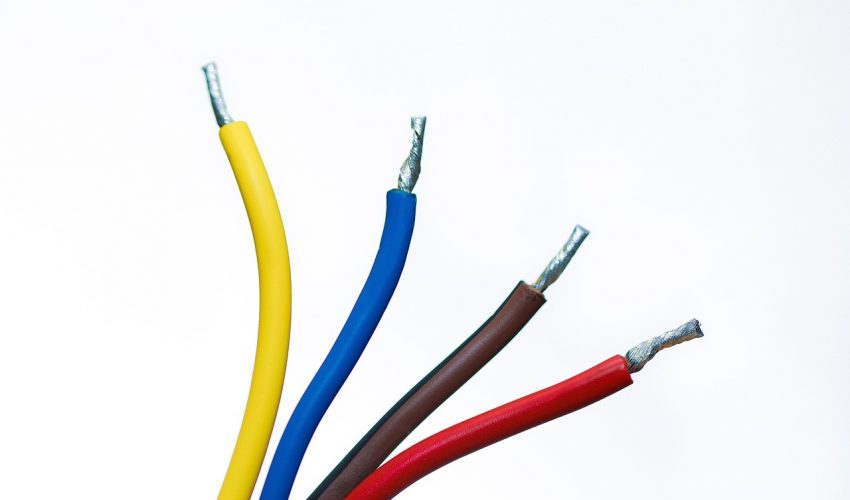
Copper and aluminum SER cables serve the same purpose but differ in conductivity and cost. Copper SER offers higher conductivity, requires smaller gauge sizes, and is more durable. Aluminum SER is more cost-effective and lightweight but requires larger gauge sizes for the same amperage. Both types are suitable for 100-amp service panels if installed correctly. Choosing between copper and aluminum SER depends on budget, distance, and environmental factors. Proper grounding and secure connections are essential for safety.
How Wire Length Affects Wire Size
The longer the wire run, the more resistance electricity encounters, which can cause voltage drop. Voltage drop can reduce the efficiency of appliances and potentially damage electrical equipment. To compensate, a larger wire size is often required for longer distances. NEC guidelines provide formulas to calculate the appropriate size based on distance and amperage. Proper wire sizing ensures that your 100-amp service maintains consistent voltage and operates safely. Always consider distance when planning your electrical installation.
Voltage Drop Considerations for 100-Amps
Voltage drop occurs when electricity loses power as it travels through a wire, especially over long distances. Excessive voltage drop can cause appliances to underperform or overheat. To minimize voltage drop, using the correct wire size is crucial. Copper or aluminum wire should be selected based on distance, load, and environmental conditions. For 100-amp service, voltage drop should not exceed 3% for optimal performance. Accounting for voltage drop during installation ensures safe and efficient electricity delivery.
Effect of Ambient Temperature on Wire Ampacity
Ambient temperature affects how much current a wire can safely carry. Higher temperatures reduce a wire’s ampacity, meaning it can carry less current without overheating. In hot environments, you may need to increase wire size to compensate for heat-related voltage drops. Conversely, cooler environments allow wires to carry their rated load more easily. NEC guidelines provide ampacity adjustments for different temperatures. Considering ambient temperature ensures your 100-amp service is safe, efficient, and compliant with electrical codes.
Determining the Correct Ground Wire Size
The ground wire is a critical component of any 100-amp service, providing safety in case of electrical faults. For copper, an 8 AWG grounding wire is typical, while aluminum often requires a 6 AWG wire. The ground wire must handle fault current and ensure safe operation of breakers. Proper sizing reduces the risk of electrical shock and protects equipment. Local codes and NEC guidelines dictate minimum sizes for grounding. Always ensure a secure and continuous connection when installing the ground wire.
Overhead vs Underground Wire Installation
Wire installation can be overhead or underground, and the method affects the wire type and size. Overhead installations may use aluminum or copper with appropriate weatherproof insulation. Underground installations require direct burial cables like UF-B, USE, or SER, designed to withstand moisture and soil conditions. Voltage drop and distance also influence sizing. Proper installation ensures safe and reliable 100-amp service. Following NEC codes is essential for both overhead and underground wiring projects.
Choosing Wire Size for Long Distance Runs
For long-distance wire runs, voltage drop becomes a major concern. To prevent power loss and overheating, increasing the wire gauge is necessary. Copper and aluminum wires behave differently, with aluminum requiring larger sizes for the same amperage. Calculating the distance and expected load ensures safe and efficient electricity delivery. NEC guidelines provide formulas for sizing wires over long runs. Proper planning prevents expensive upgrades and ensures reliable performance of your 100-amp service.
NEC Guidelines for 100-Amp Wire Size
The National Electrical Code (NEC) provides minimum wire sizes for 100-amp service: typically #3 AWG copper or #1 AWG aluminum. These sizes ensure safe current flow and compliance with national safety standards. NEC guidelines also consider factors like distance, insulation, temperature, and voltage drop. Following these rules ensures your installation is code-compliant, safe, and efficient. Consulting a licensed electrician can help apply NEC recommendations accurately for your specific installation scenario.
Local Electrical Codes to Follow
Local electrical codes may be stricter than NEC standards and are essential for safe installations. They dictate minimum wire sizes, grounding methods, and permissible wire types for residential and commercial use. Adhering to these codes ensures your 100-amp service is legally compliant and reduces the risk of inspection issues. Ignoring local codes can lead to fines, unsafe installations, and potential hazards. Always check your city or county regulations before purchasing or installing wires.
Preventing Overheating and Fire Hazards
Incorrect wire sizing can cause overheating, which may damage insulation and create fire hazards. Using the proper wire gauge ensures the wire can carry the full load without excessive heat. Factors such as load, distance, ambient temperature, and insulation type all influence wire performance. Properly sized wires maintain efficient electricity flow, reduce voltage drop, and prevent dangerous conditions. Regular inspections and adherence to NEC and local codes further enhance safety.
Proper Wire Size for Future Electrical Expansion
Planning for future electrical expansion is important when installing a 100-amp service. Adding appliances, HVAC systems, or subpanels may increase demand over time. Selecting a slightly larger wire gauge now can save costs and effort later. Proper planning ensures voltage stability, reduces the need for rewiring, and keeps the system compliant with NEC guidelines. Considering future loads helps prevent system overload and enhances long-term safety.
Safety Tips for Installing 100-Amp Service
/BHG-home-improvement-electrical-how-to-install-an-electrical-subpanel-hero_31124-cd706de081734ea69026cc256ce26422.jpg)
When installing 100-amp service, safety should be the top priority. Always turn off power at the main panel before working on wires. Use appropriate personal protective equipment, such as gloves and safety glasses. Follow NEC guidelines for wire size, insulation, and grounding. Avoid mixing copper and aluminum wires unless properly connected. Ensure all connections are tight and free from corrosion. Hiring a licensed electrician is highly recommended for safe and compliant installations.
How to Calculate the Right Wire Size
Calculating the right wire size involves considering the amperage, voltage, distance, and material. Copper wires require smaller gauges than aluminum for the same amperage. Use NEC ampacity charts and formulas to account for voltage drop and temperature. For long runs, increase wire size to maintain efficiency. Consulting with an electrician ensures accuracy and safety. Proper calculation prevents overheating, energy loss, and potential fire hazards in your 100-amp service system.
Conclusion
Choosing the correct wire size for a 100-amp service is crucial for the safety, efficiency, and longevity of your electrical system. The right wire ensures that electricity flows properly without overheating, voltage drops, or potential hazards. Factors such as wire material, length of the run, type of load, ambient temperature, and local electrical codes all influence the proper wire selection. Copper wires provide superior conductivity and durability, while aluminum offers cost-effective solutions for longer runs. Whether you are installing a new panel, upgrading your service, or planning for future expansion, consulting NEC guidelines and hiring a licensed electrician ensures your 100-amp service operates safely and efficiently. Proper planning, installation, and maintenance guarantee reliable electricity for your home or business for years to come.
FAQs
1. What is the minimum wire size for a 100-amp service?
The minimum wire size recommended by the NEC is #3 AWG copper or #1 AWG aluminum. However, factors like distance, load, and temperature may require larger wires. Consulting an electrician ensures proper sizing.
2. Can I use aluminum wire for a 100-amp service?
Yes, aluminum wire can be used. For standard 100-amp service, #1 aluminum wire is typical. Aluminum is cost-effective and lightweight, but proper installation is crucial to prevent oxidation and overheating.
3. Is copper better than aluminum for 100-amp service?
Copper has higher conductivity, smaller gauge requirements, and is more durable. Aluminum is cheaper and lighter but requires a slightly larger gauge. Both are safe if installed correctly.
4. What wire size is needed for a long distance 100-amp service run?
For long runs (over 100 feet), a larger wire gauge is recommended to prevent voltage drop. For copper, #2 or #1 AWG may be needed; for aluminum, #1 or 2/0 AWG is common.
5. Can I mix copper and aluminum wires in the same panel?
Mixing copper and aluminum is allowed if proper connectors and anti-oxidant compounds are used. Improper connections can cause overheating and safety hazards.
6. What is the difference between THHN, THWN, and XHHW wires?
THHN is heat-resistant and used indoors; THWN adds water resistance for wet locations; XHHW is durable, heat, and chemical resistant, suitable for industrial and high-demand applications.
7. Do I need a larger ground wire for aluminum service?
Yes, aluminum requires a slightly larger ground wire than copper. Typically, a 6 AWG aluminum or 8 AWG copper grounding wire is used for 100-amp service.
8. Can a 100-amp service run a whole house?
Yes, it can run small to medium-sized homes with standard appliances and HVAC systems. Larger homes with electric heating or multiple high-power appliances may require 150 or 200-amp service.
9. How do I prevent voltage drop in a 100-amp service?
Use the correct wire gauge based on distance, consider copper over aluminum for shorter runs, and avoid undersized wiring. NEC voltage drop guidelines recommend keeping it below 3%.
10. Should I hire an electrician for 100-amp service installation?
Absolutely. A licensed electrician ensures that the wire size, type, and installation comply with NEC standards and local codes. This guarantees safety and efficiency in your electrical system.
Keep an eye for more latest news & updates on premiumtechy!