Electricity is the backbone of modern living, powering everything from small household appliances to large industrial machines. When setting up or upgrading an electrical system, one of the most common questions electricians and homeowners face is, “What size wire do I need for 100 amps?” Choosing the correct wire size isn’t just about efficiency — it’s about safety, compliance, and ensuring your system runs without interruptions. In this comprehensive guide, we’ll explore every factor influencing wire selection for a 100-amp circuit, from materials and distance to code requirements and practical applications.
For a 100-amp electrical service, the recommended wire size is #4 AWG copper or #2 AWG aluminum, depending on the material you choose. Copper wire offers better conductivity and durability, while aluminum is a more cost-effective option for longer runs. If the distance between the power source and the panel exceeds 100 feet, it’s important to use a larger wire size to reduce voltage drop and maintain efficiency. Always ensure the installation follows National Electrical Code (NEC) standards and is performed by a qualified electrician for safety and compliance.
In this article, we discuss the topic of “what size wire for 100 amp”.
Understanding the Importance of Wire Size
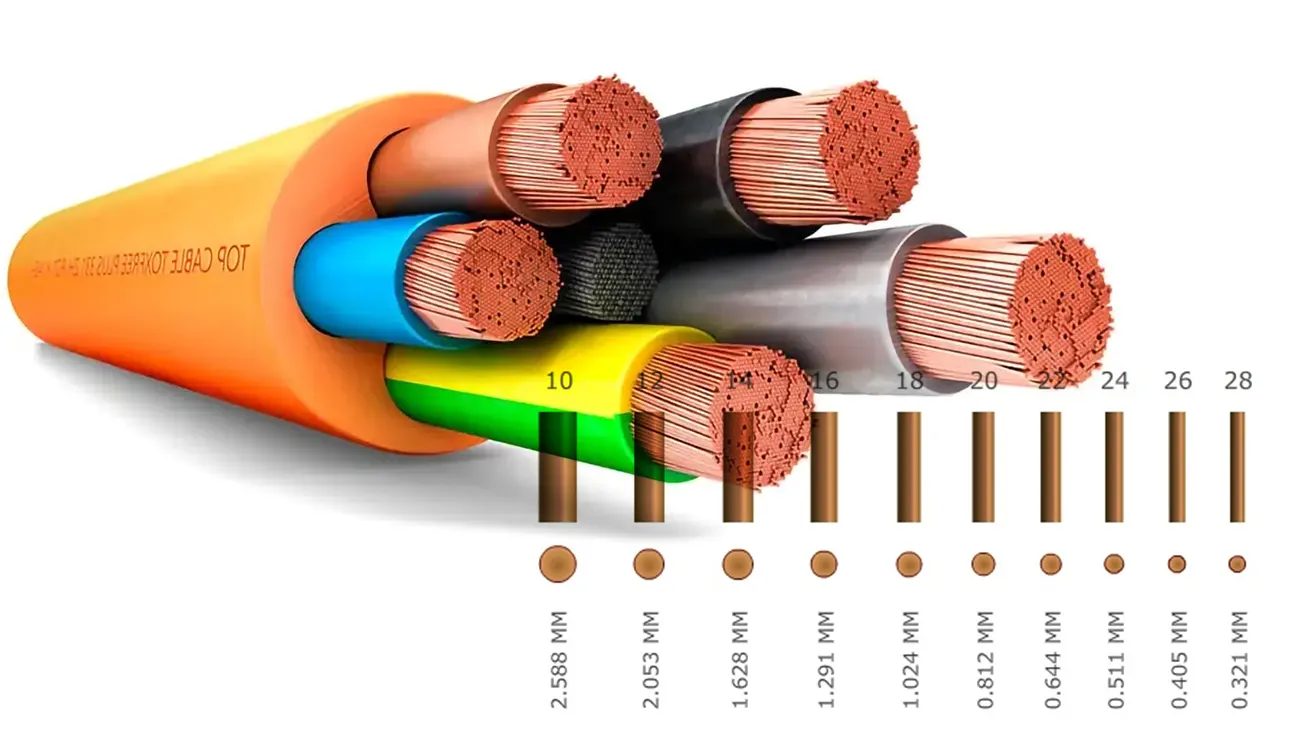
Wire size directly impacts how much current can safely flow through your electrical system. If the wire is too small for the current load, it can overheat, melt insulation, and even cause electrical fires. On the other hand, using an unnecessarily large wire can increase installation costs. The correct wire size ensures optimal performance, minimal voltage drop, and compliance with the National Electrical Code (NEC). Understanding how wire gauge, distance, and materials interact is essential for creating a safe and efficient setup.
What Does 100 Amp Mean?
A 100-amp service refers to the total current capacity that a circuit can handle safely. In residential settings, a 100-amp service panel provides sufficient power for average-sized homes with standard electrical demands such as lighting, outlets, appliances, and small HVAC systems. The amp rating helps determine both the wire thickness and the breaker size. For instance, higher amperage requires thicker wires to handle the electrical load without overheating. Knowing what 100 amps truly represent helps you plan circuits properly and avoid dangerous overloads.
Why Choosing the Right Wire Size Matters
Selecting the correct wire size for a 100-amp service ensures system stability, reduces energy loss, and enhances safety. If you choose a smaller gauge wire, you risk excessive heat buildup, insulation failure, and even fire hazards. On the other hand, oversizing wires leads to unnecessary costs and installation difficulties. The right wire size maintains voltage levels across distances and meets NEC standards. It’s a balance between safety, efficiency, and economy — getting it right prevents costly future repairs and safety violations.
National Electrical Code (NEC) Guidelines
The National Electrical Code (NEC) provides detailed guidelines on wire sizing, insulation types, and installation practices. According to NEC Table 310.16, wire size depends on current-carrying capacity (ampacity), insulation type, and temperature rating. For example, a 100-amp circuit typically requires #4 AWG copper or #2 AWG aluminum wire under standard conditions. NEC also mandates adjustments for temperature and conduit fill. Following these guidelines ensures compliance, prevents overheating, and maintains the integrity of your electrical system over time.
Copper vs Aluminum Wires
Copper and aluminum are the two most common conductors used in electrical wiring. Copper is preferred for its superior conductivity, durability, and resistance to corrosion. It carries more current through smaller diameters, making it efficient but more expensive. Aluminum, on the other hand, is lightweight and cost-effective but requires larger wire sizes to carry the same current as copper. For 100-amp service, #4 copper or #2 aluminum is standard. Always ensure proper termination and anti-oxidant compound use when installing aluminum wires to prevent corrosion and overheating.
Temperature Rating and Its Effect
Temperature rating defines how much heat a wire’s insulation can handle before deteriorating. Common ratings include 60°C, 75°C, and 90°C. The higher the rating, the more current the wire can safely carry. For example, a #4 AWG copper wire rated at 75°C can safely handle 100 amps, while a lower-rated wire might not. When selecting wire, ensure both the wire and breaker terminals are rated for the same temperature. This compatibility ensures consistent performance and reduces the risk of insulation breakdown due to overheating.
Voltage Drop Considerations
Voltage drop occurs when electrical current travels through a conductor and loses voltage due to resistance. Excessive voltage drop can cause appliances to operate inefficiently or even fail. The NEC recommends keeping voltage drop under 3% for branch circuits and 5% total for feeders. For long runs (over 100 feet), you may need to increase wire size to compensate. For example, instead of #4 copper for 100 amps, you might use #3 or #2 to maintain voltage integrity. Proper calculations ensure energy efficiency and protect sensitive electronics.
Distance and Wire Size Relationship
Distance plays a crucial role in determining wire size. The longer the distance, the greater the resistance, which leads to voltage drop. To maintain proper current flow, thicker wires are required for longer runs. For example, a 100-amp service located 50 feet away may need #4 copper wire, while a 150-foot run could require #2 copper. Ignoring distance can result in poor performance, flickering lights, and equipment malfunction. Always measure the total wire length before selecting the appropriate gauge.
100 Amp Wire Size for Short Distance

When the electrical panel or subpanel is located close to the power source — typically under 50 feet — the voltage drop is minimal. In this case, you can safely use #4 AWG copper or #2 AWG aluminum wire for a 100-amp circuit. This setup ensures efficiency, safety, and compliance without needing to upsize. However, always verify local code requirements, as some regions mandate slightly different sizes based on environmental or installation conditions. Short runs simplify installation and reduce material costs significantly.
100 Amp Wire Size for Long Distance
When you’re wiring over a long distance—say, more than 100 feet—the size of the wire becomes even more critical. Long wire runs increase resistance, which leads to voltage drop. To counter this, you’ll need to upsize your wire. For instance, instead of #4 AWG copper, you may need #2 AWG copper or even #1 AWG aluminum to handle the load efficiently. The longer the distance, the thicker the wire required. By upsizing, you maintain voltage stability, improve power efficiency, and reduce strain on appliances and electrical systems.
Best Wire Size for 100 Amp Service 50 Feet
For a 50-foot distance, the ideal wire size depends on the material. #4 AWG copper wire or #2 AWG aluminum wire is typically suitable for a 100-amp service at this distance. The voltage drop over 50 feet is minimal, keeping your electrical system within NEC-recommended limits. Copper wire offers better conductivity, but aluminum is a more budget-friendly choice if properly installed. Always ensure tight connections and corrosion prevention when using aluminum to maintain long-term safety and efficiency.
Best Wire Size for 100 Amp Service 100 Feet
At 100 feet, voltage drop begins to play a more noticeable role. To prevent power loss and ensure full performance, you’ll want to upgrade your wire size to #3 AWG copper or #1 AWG aluminum. This thicker wire minimizes energy loss, keeping your appliances running smoothly. If your installation is in an area with high ambient temperatures or in conduit, consider using 90°C-rated insulation like XHHW or THHN for added protection. Proper sizing ensures compliance with NEC and extends the lifespan of your electrical system.
Best Wire Size for 100 Amp Service 150 Feet
A 150-foot run is considered long for a 100-amp line, and voltage drop can become significant if the wrong wire size is chosen. In this scenario, #2 AWG copper or 1/0 AWG aluminum wire is generally recommended. These thicker wires ensure the current flows efficiently without excessive heat buildup. Oversizing the wire slightly at this distance provides a margin of safety and helps accommodate future load increases. Always calculate voltage drop using the formula or online calculators to confirm exact requirements.
Best Wire Size for 100 Amp Service 200 Feet
When your 100-amp service spans 200 feet or more, voltage drop compensation becomes mandatory. You should use 1/0 AWG copper or 3/0 AWG aluminum wire for best results. Although larger wires are more expensive and harder to install, they ensure stable performance across long distances. This wire size keeps your voltage drop below the NEC’s 3% recommendation. Investing in the right gauge at this stage prevents flickering lights, equipment damage, and inefficient power delivery down the road.
What Size Wire for 100 Amp Sub Panel
For a 100-amp subpanel, the wire size depends on distance and whether copper or aluminum is used. For runs under 100 feet, #4 copper or #2 aluminum wire works well. If the subpanel is located farther away—say 150 feet—you may need to upsize to #2 copper or 1/0 aluminum. Always include a properly sized ground wire and ensure a four-wire system (two hots, one neutral, one ground) for safety and code compliance. Subpanels power detached garages, workshops, and additions, so correct sizing is essential.
What Size Wire for 100 Amp Breaker
A 100-amp breaker requires wire capable of handling its maximum load without overheating. The most commonly used wire sizes are #4 AWG copper or #2 AWG aluminum, rated for 75°C terminals. Always verify your breaker’s terminal rating and the wire insulation temperature. Using a smaller wire size than required can cause breaker tripping and insulation damage. Oversizing slightly, such as using #3 copper, adds safety margin and ensures the breaker performs optimally under load fluctuations or high ambient conditions.
What Size Wire for 100 Amp Main Panel
/electrical-service-size-of-my-home-1152752-hero-0a04c3eec7c94154a5e8f116e7fe329f.jpg)
The main service panel is the central distribution point for all household circuits. For a 100-amp main panel, you’ll generally need #4 copper or #2 aluminum wire. However, if your panel is located far from the meter base, upsizing may be necessary. Panels typically use SER cable or THHN conductors in conduit depending on installation conditions. Always follow NEC rules for grounding and bonding. Properly sized conductors ensure efficient power distribution, reduce heating risks, and extend the lifespan of your electrical components.
What Size Wire for 100 Amp Garage Sub Panel
Garages often require dedicated subpanels for tools, lighting, and charging systems. For a garage subpanel rated at 100 amps, use #4 AWG copper or #2 AWG aluminum wire for distances under 50 feet. For runs over 100 feet, upgrade to #2 copper or 1/0 aluminum. Because garages may experience temperature extremes, select a wire type rated for outdoor or conduit installation, such as XHHW. Ensure your garage wiring includes GFCI protection and proper grounding to maintain safety during operation.
What Size Wire for 100 Amp Outdoor Service
Outdoor installations require additional considerations like moisture, UV exposure, and conduit protection. For a 100-amp outdoor service, #2 AWG aluminum URD (Underground Residential Distribution) cable is a popular choice due to cost and corrosion resistance. If you prefer copper, #4 AWG THWN or XHHW wire in waterproof conduit works perfectly. Outdoor-rated wire ensures long-term durability and compliance with NEC Article 310 for wet locations. Always seal connections properly and use weatherproof enclosures to prevent corrosion or shorts due to environmental exposure.
Conclusion
Choosing the right wire size for a 100-amp service is vital for both safety and performance. The ideal choice—#4 AWG copper or #2 AWG aluminum—depends on your material preference, budget, and installation distance. Copper provides superior conductivity and longevity, while aluminum offers affordability for longer runs. Always account for distance, temperature rating, and voltage drop when selecting wire size. Most importantly, ensure compliance with National Electrical Code (NEC) standards and have the installation performed by a qualified electrician. With the right wire size, your 100-amp system will operate efficiently, safely, and reliably for years to come.
FAQs
1. What is the standard wire size for a 100-amp service?
The standard wire size for a 100-amp service is #4 AWG copper or #2 AWG aluminum. These sizes are suitable for most residential installations under 100 feet in distance.
2. Can I use aluminum wire instead of copper for a 100-amp circuit?
Yes, you can use #2 AWG aluminum wire for 100 amps. It’s cost-effective but slightly larger in diameter than copper and requires proper installation techniques, such as using anti-oxidant compounds at connections.
3. How far can I run 100 amps on #4 AWG copper wire?
You can safely run #4 AWG copper wire up to about 100 feet before experiencing noticeable voltage drop. Beyond this distance, you should upsize to #3 or #2 AWG copper to maintain efficiency.
4. What happens if I use the wrong wire size for 100 amps?
Using a wire that’s too small can cause overheating, breaker trips, or even electrical fires. Oversizing isn’t dangerous but may increase cost and make installation harder. Always follow NEC guidelines for safe operation.
5. Does the National Electrical Code (NEC) require specific wire sizes for 100 amps?
Yes, the NEC Table 310.16 specifies the minimum conductor sizes based on ampacity, insulation type, and temperature rating. For 100 amps, #4 copper or #2 aluminum is typically required under standard conditions.
6. How do I choose between copper and aluminum wire?
Choose copper for better conductivity and durability, especially for shorter runs. Choose aluminum if you want a more budget-friendly option for longer distances, ensuring proper installation and corrosion prevention.
7. How do I calculate voltage drop for a 100-amp line?
Voltage drop depends on the wire size, material, distance, and load. The goal is to keep voltage drop under 3% for branch circuits and 5% total. You can use online voltage drop calculators or consult an electrician for precise results.
8. What type of wire insulation is best for a 100-amp service?
Common insulation types include THHN, XHHW, and THWN, depending on the installation environment. For outdoor or underground setups, choose XHHW or URD-rated cables for extra protection against moisture and heat.
9. Can I use a 100-amp wire size for a subpanel?
Yes. For subpanels under 100 feet, use #4 AWG copper or #2 AWG aluminum. For longer runs, upsize to #2 copper or 1/0 aluminum to reduce voltage drop and ensure stable power supply.
10. Should I hire an electrician to install 100-amp wiring?
Absolutely. Handling high-amperage circuits requires professional knowledge of local codes, grounding, and safety standards. Always hire a licensed electrician to ensure your system is safe, compliant, and reliable.
Keep an eye for more latest news & updates on premiumtechy!