
A single-pole AFCI (Arc Fault Circuit Interrupter) breaker is a type of circuit breaker designed to protect a single 120-volt branch circuit in residential electrical panels. It primarily safeguards your home from electrical fires caused by arc faults, which are dangerous unintended electrical discharges. Unlike standard breakers, which only trip during overcurrent or short circuits, an AFCI breaker continuously monitors electrical currents for abnormal patterns. This type of breaker is commonly rated for 15 or 20 amps and is ideal for lighting, receptacles, and general household circuits. Understanding its function is essential before attempting installation or wiring. Proper identification of a single-pole AFCI breaker ensures safe and compliant electrical work.
A single-pole AFCI breaker connects three wires directly: the hot wire, the circuit neutral, and the breaker’s built-in pigtail. The ground wire is part of the circuit but attaches only to the panel’s ground bus, not the breaker. This wiring setup allows the AFCI to monitor both the hot and neutral for dangerous arcs and provide proper fire protection.
In this article, we discuss the topic of “how many wires are connected to a single-pole afci breaker”.
Understanding the Purpose of AFCI Breakers in Modern Homes

AFCI breakers are specifically designed to prevent fires caused by arc faults in electrical wiring. Arc faults occur when electricity jumps between conductors due to damaged wires, loose connections, or degraded insulation. Modern homes, with numerous appliances, electronics, and lighting circuits, face higher risks of these arcs. The AFCI breaker detects irregular current patterns and shuts off power before a fire can start. Installing AFCI breakers in bedrooms, living rooms, and other high-use areas is now required by electrical codes. Homeowners benefit from increased safety, while electricians rely on AFCI protection to comply with modern NEC standards.
How AFCI Breakers Differ from Standard Circuit Breakers
Unlike standard circuit breakers that only trip during overloads or short circuits, AFCI breakers are designed to detect arc faults in electrical circuits. A standard breaker responds solely to excessive current, protecting wiring from overheating. In contrast, AFCI breakers continuously monitor both the hot and neutral wires for irregular waveforms that indicate dangerous arcing. This unique functionality helps prevent electrical fires caused by hidden wiring damage that standard breakers cannot detect. While both types of breakers are essential for electrical safety, AFCIs offer an advanced layer of protection that is increasingly mandated in modern homes.
The Role of Arc Fault Protection in Electrical Safety
Arc fault protection is critical in preventing residential electrical fires. Electrical arcs generate intense heat, capable of igniting nearby materials like insulation, wood, or drywall. Many household fires start silently due to damaged wires, loose connections, or punctured cables, often behind walls. AFCI breakers sense these arcs instantly and cut off power to the affected circuit. By monitoring both current flow and waveform patterns, AFCI breakers offer proactive fire prevention. Incorporating arc fault protection in electrical systems aligns with modern safety standards and provides homeowners with peace of mind.
How Many Wires Are Connected to a Single-Pole AFCI Breaker?
A single-pole AFCI breaker involves four key wires, but only three actually connect directly to the breaker. These include the circuit hot wire, the circuit neutral wire, and the factory-installed neutral pigtail wire. The fourth wire, the ground wire, connects to the panel’s ground bus and does not attach to the breaker itself. Understanding the exact wiring configuration is critical for safe installation. Incorrect connections can disable the arc fault detection feature and compromise electrical safety. Knowing how many wires connect to the breaker ensures proper setup and adherence to electrical code requirements.
Overview of the Four Key Wires in a Single-Pole AFCI Circuit
A single-pole AFCI circuit requires careful attention to four main wires: hot, neutral, pigtail, and ground. The hot wire carries electricity from the panel to the load. The circuit neutral returns current through the breaker, enabling its arc detection. The factory-installed pigtail wire connects the breaker to the neutral bus bar, powering its internal electronics. Finally, the ground wire provides a safe path for fault current but does not connect to the breaker. Each wire has a specific function, and proper connections are essential for the breaker’s performance and overall home safety.
The Hot Wire: What It Does and Where It Connects
The hot wire, typically black or red, delivers electricity from the electrical panel to the devices on the circuit, such as lights or outlets. In a single-pole AFCI breaker, it connects directly to the breaker’s load terminal. This wire serves as the primary source of current, and its secure attachment is crucial for proper breaker operation. If the hot wire is loose or misconnected, the AFCI cannot monitor current accurately, potentially causing nuisance trips or leaving circuits unprotected. Correct identification and connection of the hot wire are fundamental steps in any AFCI installation.
The Neutral Wire: Completing the Circuit Path
The circuit neutral wire, usually white, carries current back to the panel, completing the electrical circuit. In an AFCI breaker setup, it connects directly to the breaker’s neutral terminal, not the panel’s neutral bus. This connection allows the breaker to monitor both outgoing and returning current for abnormal arcs. Miswiring the neutral wire, such as connecting it to the panel instead of the breaker, disables the arc fault detection system. Ensuring the neutral wire is correctly installed maintains both safety and compliance with electrical codes.
The Breaker Pigtail Wire: Function and Connection Point
Every AFCI breaker comes with a factory-installed white pigtail wire. This wire connects the breaker to the neutral bus bar in the panel and powers the breaker’s internal electronics. Without this connection, the breaker cannot sense current or detect arc faults. The pigtail is pre-attached, so electricians or homeowners only need to secure the free end to the neutral bus bar. Proper installation of this pigtail is essential for the AFCI function, and skipping this step can render the breaker useless in detecting dangerous arcs.
The Ground Wire: Safety Path and Panel Connection
The ground wire, typically bare copper or green, provides a low-resistance path for electrical faults to safely return to the panel. Unlike the hot, neutral, or pigtail wires, the ground wire never connects to the AFCI breaker. Instead, it attaches directly to the panel’s ground bus bar. This connection ensures electrical safety by preventing stray currents from causing shocks or fires. While the ground wire does not influence arc detection, it is mandatory for code compliance and overall system safety.
Why Only Three Wires Connect Directly to the Breaker
Only the hot wire, the circuit neutral, and the pigtail wire connect directly to a single-pole AFCI breaker. The ground wire is excluded because it does not participate in arc fault detection. This design allows the breaker to monitor the flow of current accurately through the hot and neutral wires, which is essential for detecting dangerous arcs. Understanding this wiring distinction is critical for proper installation and ensures that the breaker performs its protective function reliably.
Step-by-Step Wiring of a Single-Pole AFCI Breaker
Wiring a single-pole AFCI breaker involves a clear sequence of steps. First, turn off the main power to ensure safety. Next, identify the hot, neutral, and ground wires. Connect the hot wire to the breaker’s load terminal and the neutral wire to the neutral lug. Secure the pigtail wire to the panel’s neutral bus bar and ensure the ground wire is attached to the ground bus. After wiring, test the breaker using its built-in test button. Following these steps ensures the AFCI breaker operates correctly and provides maximum protection against arc faults.
Safety Precautions Before Working Inside a Panel
Working inside an electrical panel can be dangerous and requires strict safety precautions. Always turn off the main breaker before touching any wires. Use insulated tools and wear protective gloves to prevent accidental shocks. Verify that the circuit is de-energized with a voltage tester. Avoid touching live bus bars or exposed terminals. Keep your workspace clear of conductive materials and distractions. Following these safety measures protects both the installer and the home while ensuring a proper AFCI installation.
Tools Required for Wiring an AFCI Breaker
Installing a single-pole AFCI breaker requires several essential tools. These include a flathead and Phillips screwdriver, wire strippers, a voltage tester, and a flashlight for visibility inside the panel. A multimeter is helpful for checking connections and continuity. Insulated pliers and gloves enhance safety during wiring. Having the right tools ensures that the installation is safe, precise, and compliant with code requirements. Proper preparation reduces the risk of errors and protects against potential electrical hazards.
Identifying Hot, Neutral, and Ground Wires
Before connecting wires to an AFCI breaker, it is important to correctly identify each conductor. The hot wire is usually black or red, the neutral wire is white, and the ground wire is green or bare copper. Using a voltage tester can confirm which wire is live. Correct identification prevents wiring errors that could disable the breaker or create a hazard. Labeling wires before installation can simplify the process, especially in panels with multiple circuits. Proper identification ensures that the breaker functions as intended and maintains home safety.
How to Connect the Hot Wire to the AFCI Breaker Terminal
To connect the hot wire to a single-pole AFCI breaker, first strip approximately 3/8 to 1/2 inch of insulation from the wire’s end. Insert the stripped end into the breaker’s load terminal and tighten the screw securely. A loose connection can lead to arcing or breaker trips, defeating the protective purpose of the AFCI. Always ensure that the wire is fully seated under the terminal clamp. Double-check the wire orientation to prevent any crossing with adjacent wires. After securing, gently tug the wire to confirm a tight connection before restoring power.
How to Connect the Circuit Neutral to the Neutral Lug
The neutral wire must connect directly to the breaker’s neutral lug, not to the panel’s neutral bus. Strip the insulation carefully and insert the wire fully into the lug. Tighten the terminal screw firmly, ensuring no copper strands are exposed outside the clamp. Correct installation allows the AFCI breaker to monitor returning current accurately, enabling it to detect arc faults. Miswiring the neutral can render the AFCI ineffective and may create electrical hazards. Always verify with a voltage tester that connections are secure before closing the panel cover.
How to Attach the Pigtail Wire to the Neutral Bus Bar
The factory-installed white pigtail on an AFCI breaker provides power to the breaker’s internal electronics. This wire must connect securely to the neutral bus bar using an available open terminal. Loosely attached pigtails can prevent the breaker from sensing current or tripping during an arc fault. Ensure the connection is clean, tight, and free of paint or corrosion. After attaching, check that the pigtail does not contact the panel’s metal parts. A properly connected pigtail ensures the AFCI breaker functions as designed and enhances household electrical safety.
Why the Ground Wire Never Connects to the AFCI Breaker
The ground wire serves as a safety path for stray currents but does not participate in arc detection. Therefore, it never connects directly to an AFCI breaker. Instead, it attaches to the panel’s ground bus bar. Connecting the ground to the breaker could bypass the internal sensing mechanism, disabling arc fault protection. The ground wire is essential for safety compliance, providing a low-resistance path for electrical faults. Understanding its role prevents wiring mistakes and ensures both code compliance and effective circuit protection.
Common Wiring Mistakes When Installing AFCI Breakers
Several wiring mistakes are common when installing AFCI breakers. These include connecting the neutral wire to the panel instead of the breaker, failing to attach the pigtail properly, or using the wrong wire gauge. Loose or improperly tightened terminals can also cause nuisance tripping or prevent the breaker from detecting arc faults. Another frequent error is mixing AFCI-protected circuits with non-AFCI circuits on the same breaker. Being aware of these pitfalls and carefully following installation instructions minimizes risks and ensures proper functioning of the AFCI system.
What Happens If You Miswire an AFCI Breaker
Miswiring an AFCI breaker can compromise its protective function and pose a serious hazard. If the neutral wire is connected incorrectly, the breaker cannot detect arcs, leaving the circuit unprotected. Loose connections or reversed wires may cause nuisance tripping, overheating, or even potential fires. Additionally, the breaker may fail electrical inspections, creating costly delays in construction or renovation projects. Proper wiring is critical not only for safety but also to ensure the AFCI breaker performs according to its design specifications. Careful attention to each connection is essential.
How AFCI Breakers Detect Arcing Faults
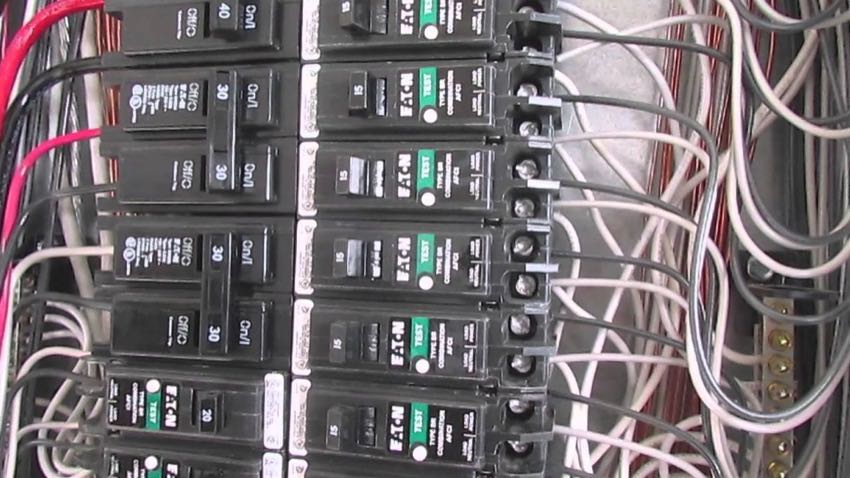
AFCI breakers detect arc faults by continuously monitoring the waveform of current flowing through the hot and neutral wires. When the breaker senses an irregular spike or pattern indicative of an arc, it instantly trips to cut off power. This advanced detection prevents fires caused by loose connections, damaged insulation, or punctured wires. Unlike standard breakers, AFCIs respond to dangerous arcing before it escalates into a serious hazard. Understanding this monitoring mechanism helps electricians and homeowners appreciate why proper wiring is crucial for effective protection.
The Internal Mechanism of an AFCI Breaker Explained
Inside an AFCI breaker, electronic sensors analyze current flow in real-time. These sensors detect rapid surges, micro-arcs, or irregular waveforms that indicate potential hazards. The breaker’s internal logic distinguishes between normal appliance startup currents and dangerous arcing events. When a fault is detected, the breaker trips almost instantly, shutting off power to the circuit. The pigtail wire powers this internal monitoring system, while the neutral connection ensures accurate sensing. Proper installation ensures the mechanism functions reliably, safeguarding both property and lives.
AFCI vs GFCI: Key Differences in Protection and Wiring
While AFCI and GFCI breakers both enhance electrical safety, their purposes differ. AFCI breakers prevent fires caused by arcing faults in wiring, while GFCI breakers protect people from ground-fault shocks by detecting current leakage to ground. Wiring also differs: AFCI neutral wires connect to the breaker, whereas GFCI neutrals may route differently depending on the panel. In some areas, circuits may require both protections, using dual-function breakers. Understanding the differences helps electricians choose the right device for each location, ensuring code compliance and safety.
Do All Circuits Require AFCI Protection?
Not all circuits require AFCI protection, though codes increasingly mandate them in residential spaces. Bedrooms, living rooms, dining areas, and hallways are typically required to have AFCI protection. Kitchens, bathrooms, garages, and unfinished basements may have exceptions, often requiring GFCI protection instead. Using AFCI breakers in required areas helps prevent fire hazards caused by damaged or degraded wiring. Homeowners should consult the NEC (National Electrical Code) or a licensed electrician to determine which circuits must be protected in their homes.
NEC Requirements for AFCI Breakers in Residential Wiring
The National Electrical Code (NEC) mandates AFCI protection in nearly all habitable areas of modern homes. The code specifies that new circuits for bedrooms, living rooms, and similar areas must use AFCI breakers or outlets. The 2025 NEC update extends these requirements further, often including kitchens and laundry rooms in certain situations. Following NEC guidelines ensures compliance, reduces insurance risks, and enhances household fire safety. Electricians must understand the exact placement rules and use correct breaker types to meet code requirements accurately.
When to Use 14/2, 12/2, or 12/3 Cable for AFCI Circuits
The type of cable used depends on the breaker’s amperage and circuit layout. A 14/2 NM-B cable is suitable for 15-amp circuits, while 12/2 is used for 20-amp circuits. For shared-neutral or multi-wire branch circuits, 12/3 cable allows two hot wires and one neutral to serve multiple circuits safely. Using the correct cable ensures proper current handling and prevents breaker trips. Always verify wire gauge against breaker ratings, and follow NEC recommendations to maintain safe and reliable AFCI-protected circuits.
Can You Share a Neutral on AFCI Circuits?
Sharing a neutral between two circuits can be tricky with AFCI breakers. Standard single-pole AFCI breakers require dedicated neutral connections for accurate arc detection. Sharing a neutral without a two-pole AFCI breaker may cause nuisance trips or fail to detect faults. In multi-wire branch circuits, a two-pole AFCI breaker is recommended to monitor both hot wires with a shared neutral safely. Understanding how neutrals are handled in AFCI circuits prevents installation errors and ensures proper protection.
Using Multi-Wire Branch Circuits with AFCI Protection
Multi-wire branch circuits carry two hot wires and a shared neutral to serve multiple circuits efficiently. For AFCI protection, these circuits require careful wiring to prevent false trips or unsafe operation. Using a two-pole AFCI breaker allows both hots to be monitored simultaneously, while the shared neutral connects correctly to the breaker. Improper setup can compromise arc fault detection or lead to electrical hazards. Proper planning, correct breaker selection, and precise wiring are essential for safe and compliant multi-wire branch circuits.
How to Wire a Two-Pole AFCI Breaker for Shared-Neutral Circuits
A two-pole AFCI breaker accommodates circuits with shared neutrals by monitoring both hot wires simultaneously. First, attach the factory pigtail to the neutral bus bar. Then, connect each hot wire to the designated terminals on the breaker. Finally, attach the shared neutral to the neutral lug. This configuration allows the breaker to sense arcing in either hot wire while maintaining accurate monitoring through the shared neutral. Following this procedure ensures both safety and compliance with NEC requirements.
Troubleshooting a Tripping AFCI Breaker
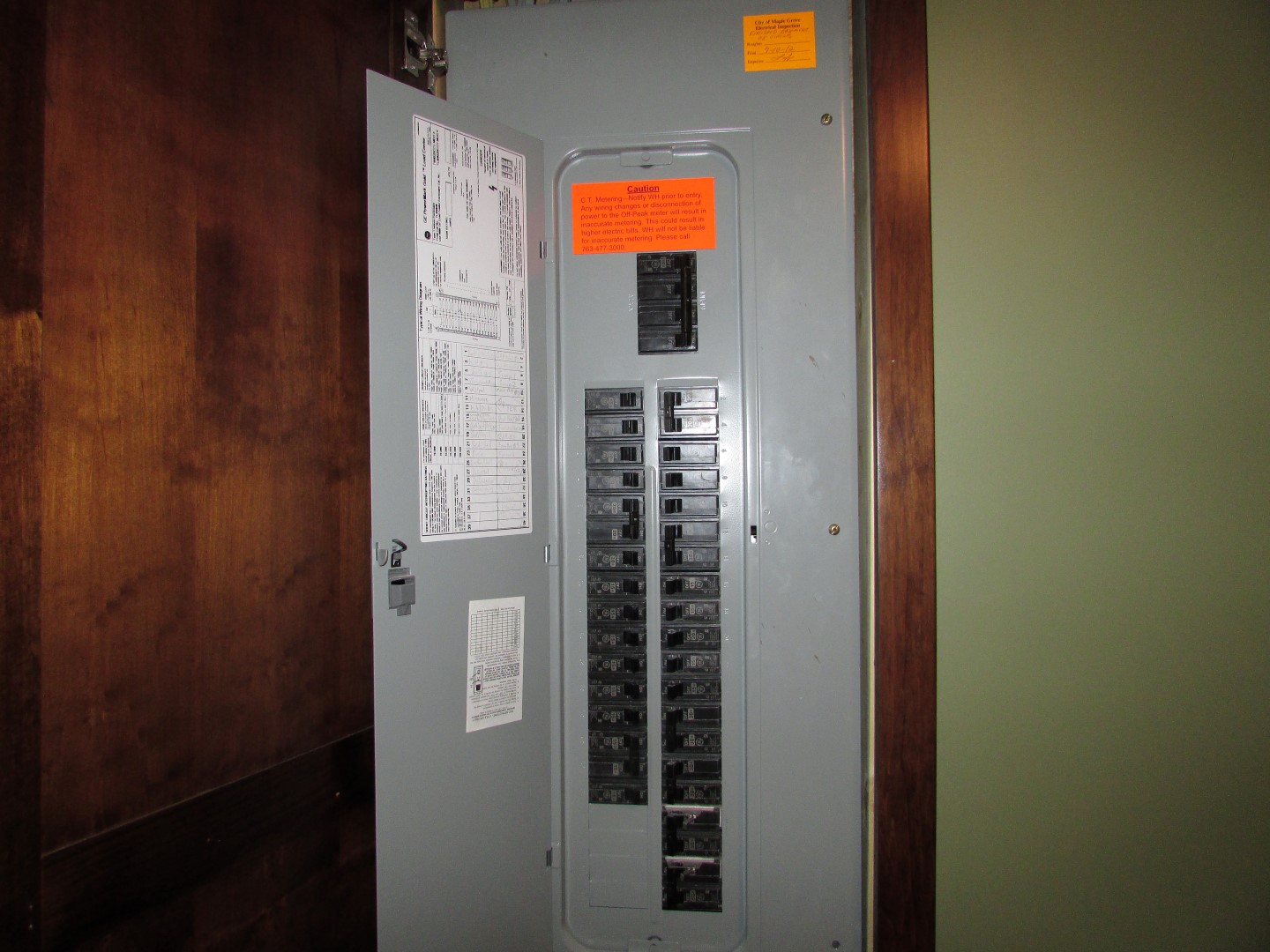
A nuisance tripping AFCI breaker can result from loose connections, damaged wires, or incompatible devices on the circuit. Start troubleshooting by turning off the breaker and inspecting all terminals. Check for neutral-sharing issues, faulty appliances, or damaged cords. Testing the breaker with its built-in test button ensures it functions properly. Replacing old or malfunctioning breakers may also resolve repeated trips. Careful diagnosis prevents repeated interruptions and ensures the breaker continues to provide reliable arc fault protection.
How to Test Your AFCI Breaker After Installation
After wiring, testing the AFCI breaker is crucial for safety. Use the breaker’s built-in test button to simulate an arc fault; the breaker should trip immediately. A multimeter can verify proper voltage and continuity across the hot and neutral terminals. Inspect connections visually for loose wires or stray strands. Testing ensures that the breaker’s internal electronics and monitoring mechanisms are fully operational. Regular testing, at least annually, maintains effective protection and prevents undetected arc faults in the home.
Conclusion
Properly wiring a single-pole AFCI breaker is essential for maintaining electrical safety in your home. Understanding the function of each wire—the hot, neutral, pigtail, and ground—is key to ensuring the breaker operates effectively. AFCI breakers not only protect against short circuits and overloads but also detect dangerous arc faults that can lead to fires. Following NEC guidelines, using the correct wire sizes, and carefully connecting each terminal ensures that your electrical system is both code-compliant and safe. Whether you are a homeowner or a professional electrician, attention to detail during installation and regular testing of AFCI breakers can prevent potential hazards and give peace of mind knowing your circuits are properly protected.
FAQs
1. How many wires connect directly to a single-pole AFCI breaker?
Typically, three wires connect directly: the hot wire, the circuit neutral, and the factory-installed pigtail. The ground wire connects to the panel but not to the breaker.
2. Can I connect the neutral wire to the panel instead of the breaker?
No. The circuit neutral must connect to the breaker’s neutral lug. Miswiring the neutral disables arc fault detection.
3. What wire gauge should I use for a 15-amp AFCI circuit?
Use 14/2 NM-B (Romex) cable for 15-amp circuits. For 20-amp circuits, use 12/2 NM-B.
4. What is the purpose of the pigtail on an AFCI breaker?
The pigtail connects to the neutral bus and powers the breaker’s internal electronics, enabling it to detect arc faults.
5. Can I share a neutral between two AFCI circuits?
Not with single-pole breakers. For shared neutrals, a two-pole AFCI breaker is required to monitor both circuits safely.
6. What causes AFCI breakers to trip unexpectedly?
Common causes include loose connections, damaged wires, neutral-sharing issues, or faulty appliances on the circuit.
7. Do all home circuits need AFCI protection?
No. AFCI protection is required for most living areas such as bedrooms, living rooms, and hallways, but not usually for bathrooms, kitchens, garages, or unfinished basements.
8. How do AFCI breakers detect dangerous arcing?
They monitor current flow through the hot and neutral wires for irregular waveforms. When an arc is detected, the breaker trips immediately.
9. Can I combine AFCI and GFCI protection on the same circuit?
Yes, in some situations, dual-function breakers provide both AFCI and GFCI protection. Consult NEC guidelines to determine proper placement.
10. How often should I test my AFCI breaker?
Use the breaker’s built-in test button at least once a year to ensure proper operation. After installation, always test it before relying on the circuit.
Keep an eye for more latest news & updates on premiumtechy!


