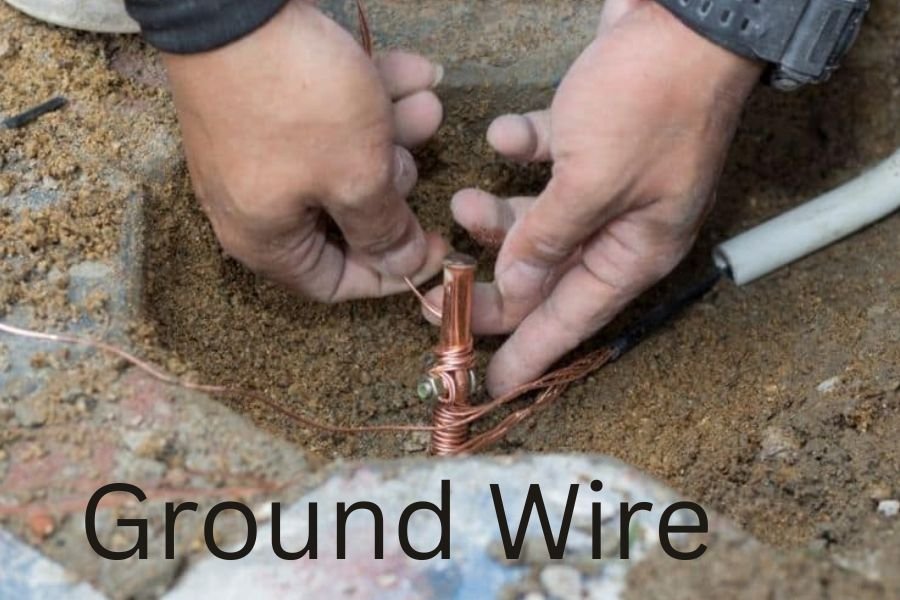
A ground wire is a dedicated electrical conductor that provides a safe path for excess or fault current to travel into the earth. Its primary purpose is to reduce the risk of electrical shock and prevent damage to appliances and systems. The ground wire works as a protective feature in nearly every modern electrical installation. When an electrical fault occurs, this wire ensures the current flows harmlessly away instead of remaining in the system. In simple terms, the ground wire acts as an essential safety mechanism. Without it, electrical systems become far more dangerous and unstable.
A ground wire is an essential safety feature in electrical systems that provides a safe path for excess or fault current to flow into the earth. It helps prevent electric shock, electrical fires, and damage to appliances by stabilizing voltage levels. Proper grounding ensures electrical systems operate safely, efficiently, and in compliance with modern safety standards.
In this article, we discuss the topic of “ground wire“.
Importance of a Ground Wire in Electrical Systems
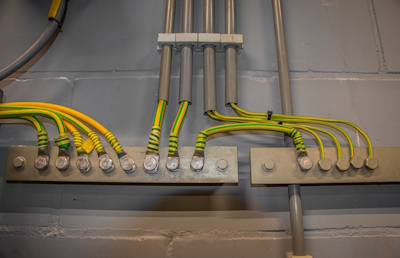
Ground wires play a critical role in keeping buildings, appliances, and people safe. They help stabilize the voltage levels, ensuring that electrical systems function smoothly without sudden spikes. Without a ground wire, the risk of electrocution and fires increases significantly. Grounding also helps protect sensitive electronics by regulating stray voltage. It is mandatory in all modern households and commercial installations because it prevents catastrophic electrical failures. Ultimately, grounding enables safe, reliable, and efficient electricity use.
How a Ground Wire Works
The ground wire functions by creating a direct physical connection between electrical equipment and the earth. When a short circuit, overload, or insulation failure occurs, the current immediately flows through the ground wire instead of the device. The earth has the ability to absorb and dissipate large amounts of electrical energy. This prevents the dangerous buildup of electrical pressure, also known as voltage. By providing a safe escape route, the ground wire eliminates hazardous conditions. Its operation relies on basic electrical principles but provides immense real-world safety.
Types of Ground Wires Used in Homes
Homes typically use several types of ground wires depending on the purpose and electrical code. Bare copper ground wire is one of the most common choices because it is highly conductive and resistant to corrosion. Green insulated copper wire is also frequently used for indoor wiring protection. For grounding rods and outdoor installations, thicker copper or galvanized steel wires are often preferred. Some systems also use grounding conductors built into cables, such as Romex wires containing a ground strand. Each type serves a specific need within the grounding system.
Difference Between Ground Wire and Neutral Wire
Although the ground wire and neutral wire are often confused, their functions are very different. The neutral wire carries current back to the source during normal operation, while the ground wire only carries current during a fault. The neutral is part of the active electrical circuit, but the ground wire is not normally energized. The neutral balances voltage and completes the electrical loop, whereas the ground wire is purely a safety feature. In many systems, the neutral and ground connect at the main panel, but they must remain separate in branch circuits. Understanding the distinction is essential for safe wiring.
Common Materials Used for Ground Wires
Copper is the most widely used material for ground wires due to its excellent conductivity and long-term durability. In some environments, aluminum can be used as a grounding material, although it is less conductive and more prone to oxidation. Outdoor and industrial grounding systems may use galvanized steel because it resists rust and is cost-effective. Certain high-performance systems may incorporate copper-clad steel for added strength and longevity. Material selection depends on budget, environmental factors, and code requirements. No matter the material, conductivity and corrosion resistance are top priorities.
Ground Wire Color Codes Explained
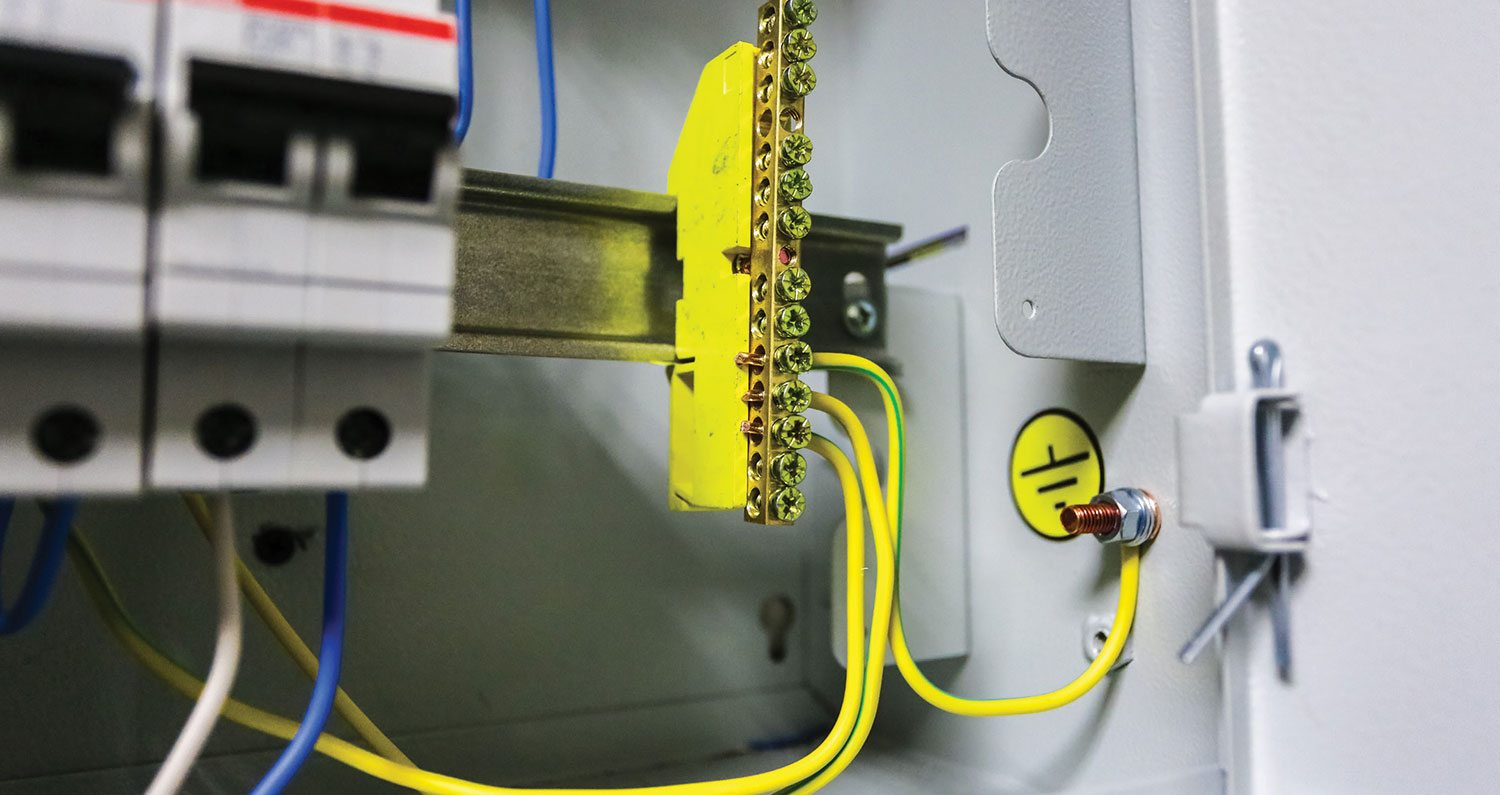
In most electrical systems, the ground wire is identified by a distinct color to prevent confusion. The standard color for grounding wires is green or green with a yellow stripe. In some cases, especially outdoor or high-voltage environments, the ground wire may be bare without insulation. These color codes are mandated by electrical safety regulations to ensure consistency across installations. Neutral wires are white or gray, while hot wires are typically black, red, or other colors. Proper color coding helps technicians quickly identify wires and avoid dangerous mistakes.
Standard Ground Wire Sizes
Ground wire size depends on the electrical load and safety requirements of the system. Most household circuits use ground wires between 14 AWG and 10 AWG. Larger appliances or service panels require thicker wires to handle potential fault currents. Grounding electrodes, such as rods, often use 6 AWG or thicker conductors for durability and capacity. Electrical codes provide detailed guidelines for selecting the right size. Using the wrong gauge can lead to insufficient grounding and potential hazards.
How to Identify a Ground Wire in Your Circuit
Identifying the ground wire in a circuit is usually straightforward due to color coding. Look for a green, yellow-green, or bare copper wire within outlets, switches, or breaker panels. In electrical cables like Romex, the ground wire is often uninsulated. In metal conduit systems, the conduit itself may act as the grounding path. If the wiring appears outdated or unclear, a voltage tester or continuity tester can be used to confirm grounding. Proper identification prevents wiring mistakes that could compromise safety.
Why Every Electrical Device Needs a Ground Wire
Modern electrical devices require ground wires to protect users from potential electrical faults. Appliances with metal exteriors, such as refrigerators and washing machines, could become energized if an internal wire loosens or insulation fails. The ground wire diverts this dangerous current before it reaches the user. Devices with delicate electronics also rely on grounding to prevent damage from voltage surges. Even small household devices often include grounding features. The presence of a ground wire makes all electrical equipment significantly safer.
Ground Wire Requirements in Modern Wiring
Modern electrical codes mandate grounding for almost all circuits, appliances, and electrical equipment. These requirements ensure a standardized level of safety across installations. Ground wires must be properly sized, securely connected, and free of corrosion or damage. Electrical panels require grounding systems that link to grounding rods or metal water piping. In newer homes, even lighting circuits include ground conductors. These requirements minimize the risk of electrical fires and shocks.
Ground Wire Safety Standards
Safety standards for ground wires are defined by national and international electrical codes. These standards ensure installations meet performance, durability, and safety expectations. They dictate how grounding must be connected, the materials allowed, and the minimum acceptable wire sizes. Inspections are often required to confirm compliance. Following these standards prevents serious electrical hazards. Homeowners and electricians must never ignore or modify grounding systems outside approved guidelines.
How to Install a Ground Wire Properly
Installing a ground wire requires selecting the right size, material, and routing method. The wire must run from the electrical device to the grounding point without breaks or weak connections. Outlets must connect the ground wire to the green screw terminal. In breaker panels, ground wires attach to the grounding bus bar. Outdoor grounding systems require connecting the wire to a grounding rod driven into the earth. Proper installation ensures the wire will function effectively during a fault.
Ground Wire Connection Methods
Ground wires can be connected using various approved techniques depending on the environment. Common methods include screw terminals, grounding clamps, wire nuts, crimped connectors, and bonding devices. Outdoor systems often use heavy-duty clamps to attach ground wires to rods or pipes. All connections must be tight and corrosion-resistant. Loose or weak connections can prevent proper grounding and pose significant hazards. Choosing the right method ensures long-term reliability.
Tools Needed to Work With Ground Wires
Working with ground wires typically requires pliers, wire strippers, screwdrivers, and voltage testers. Electricians may also use crimping tools, grounding clamps, drill drivers, and continuity testers. Outdoor grounding installations require grounding rods and rod drivers. High-quality tools help ensure connections are secure and compliant with electrical codes. Using proper tools not only speeds up the process but also enhances safety and accuracy. Beginners should invest in essential insulated tools.
Common Ground Wire Mistakes and How to Avoid Them
Many wiring problems arise from improper grounding practices. Common mistakes include loose connections, incorrect wire sizes, corroded wires, or missing grounding in older homes. Some DIY installations incorrectly connect ground and neutral wires outside the main panel, which violates safety codes. Others may leave ground wires disconnected entirely. Avoiding these mistakes requires understanding electrical codes and following established grounding methods. When in doubt, consulting a professional is essential.
How to Test a Ground Wire for Proper Function
Testing a ground wire involves checking its continuity and connection to the earth. A multimeter can confirm that the wire is correctly connected by measuring resistance. Specialized ground testers measure soil resistance and grounding effectiveness. Outlet testers can confirm whether grounding is present in wall receptacles. Regular tests help maintain safety, especially in older homes or systems exposed to moisture. Proper grounding must always deliver a clear, low-resistance path.
Ground Wire Resistance: What You Should Know
Ground wire resistance measures how easily electrical current can travel through the grounding system. Lower resistance means better grounding performance. Electrical codes recommend specific resistance values to ensure safety. Factors affecting resistance include wire material, wire size, soil type, moisture, and grounding rod depth. High resistance can prevent grounding from functioning during emergencies. Regular testing and proper installation ensure the grounding system performs at an optimal level.
Ground Wire Code Requirements by Region
Different regions have their own electrical codes that regulate grounding practices. In the United States, the National Electrical Code (NEC) outlines grounding requirements for homes and businesses. Other countries follow standards from IEC or local regulatory bodies. Codes vary based on climate, soil type, building structure, and electrical infrastructure. Electricians must follow the specific codes for their region to ensure compliance and safety. Non-compliance may lead to dangerous installations or failed inspections.
Ground Wire vs. Bonding Wire
Grounding and bonding are often used together but serve different functions. A ground wire provides a path to the earth, whereas a bonding wire connects metal parts to maintain equal electrical potential. Bonding prevents voltage differences that could cause electrical shock or equipment damage. Both systems enhance safety by managing stray voltage. Understanding the difference helps ensure proper installation and compliance with electrical codes. Bonding is especially important in metal buildings, pools, and industrial systems.
Ground Wire for Outdoor Electrical Systems
Outdoor electrical systems require robust grounding to handle moisture, weather, and environmental factors. Landscape lighting, pool equipment, garden outlets, and sheds all need proper grounding. Outdoor conditions increase the risk of short circuits and shock hazards. Ground wires must be weather-resistant and protected inside conduit where necessary. Grounding rods are often used for standalone outdoor circuits. Proper outdoor grounding ensures user safety and equipment longevity.
How Ground Wires Protect Against Electrical Shock
Ground wires protect against electrical shock by redirecting dangerous fault currents away from people. If a metal device becomes energized, the ground wire sends the current into the earth. This prevents the user from becoming the path of least resistance. Grounding also stabilizes electrical systems, reducing the chance of unexpected voltage spikes. Together, these functions greatly reduce shock hazards. Ground wires are essential safety components in every electrical installation.
Ground Wire Problems and Troubleshooting Guide
Ground wire issues can arise due to corrosion, loose connections, improper installation, or physical damage. Troubleshooting typically begins with visual inspection and electrical testing. Missing or broken ground wires must be replaced immediately. Corroded grounding rods or connections may require cleaning or upgrading. If grounding failures cause frequent electrical issues, a full system inspection may be needed. Regular maintenance helps prevent grounding failures.
Happens if a Ground Wire Is Not Connected
Leaving a ground wire disconnected can significantly increase the risk of electrical shock. In the event of a fault, the electrical current may travel through the device casing or nearby surfaces. This creates a potentially lethal situation for anyone touching the equipment. Unconnected grounding also increases the risk of electrical fires due to uncontrolled fault currents. Sensitive devices may also experience damage from voltage instability. Proper grounding is essential—not optional.
Do All Circuits Require a Ground Wire?
Most modern electrical circuits are required to have grounding for safety. However, older homes may contain ungrounded circuits, especially in lighting systems or early wiring installations. Some specialized circuits may use alternative grounding methods, such as metal conduit acting as the ground path. Despite a few exceptions, grounding is universally recommended. Upgrading ungrounded circuits enhances safety and reduces electrical hazards.
Ground Wire in Appliances and Electronics

Appliances and electronics include ground wires to protect users and internal components. Devices with metal exteriors especially rely on grounding to prevent electrical shock. Many surge-protected devices also need grounding to function properly. Electronics like computers, televisions, and gaming systems benefit from grounding by avoiding static and voltage disturbances. Without proper grounding, devices may malfunction or suffer permanent damage. Manufacturers design grounding systems to meet strict safety regulations.
Ground Wire in Automotive Electrical Systems
Vehicles use ground wiring to complete electrical circuits and stabilize voltage. The car chassis often acts as the primary grounding path. Faulty ground wires in vehicles can cause dim lighting, sensor malfunctions, and starting problems. Modern vehicles with advanced electronics rely heavily on clean, stable grounding. Corrosion, loose bolts, or damaged ground straps can lead to serious electrical issues. Maintaining automotive ground systems ensures optimal performance.
Role of Ground Wires in Generators
Generators require proper grounding to reduce electrical hazards and ensure stable power output. Portable generators often use grounding rods when powering external equipment. Standby generators must integrate with home grounding systems. Grounding prevents shock hazards by stabilizing voltage and redirecting fault currents. Without grounding, generators could become dangerous during overloads. Proper ground connections are critical for safe generator operation.
Ground Wire for RVs and Campers
RVs and campers often operate on portable electrical systems that must be grounded correctly. RV hookups at campgrounds include grounding installed in the electrical pedestals. When using generators or external power, grounding prevents frame electrification and shock hazards. Some RVs include bonding systems that tie metal components together. Grounding ensures safe operation of appliances, lighting, and charging systems inside the vehicle. Failure to ground can result in severe electrical risks.
Ground Wire for Solar Power Systems
Solar power systems rely heavily on grounding for safety and performance. Solar panels, mounting racks, and inverters must be properly grounded to prevent shock risk and protect equipment. Grounding also helps reduce static buildup and lightning-related surges. Solar installations include grounding electrodes, bonding jumpers, and ground wires running through conduits. Proper grounding ensures the entire system meets electrical code requirements. Neglecting grounding can lead to serious equipment failures or electrical hazards.
Ground Wire for Pools and Hot Tubs
Electrical installations near water require extra grounding protection. Pools, spas, and hot tubs involve bonding metal components such as ladders, pumps, and heaters. Ground wires prevent electrical shock by equalizing voltage throughout the system. Faulty grounding near water is extremely dangerous and can lead to electrocution. Electrical codes require strict grounding procedures for pool areas. Proper grounding ensures safe swimming and operation of equipment.
Ground Rod vs. Ground Wire
A ground rod is a metal rod driven into the earth, while a ground wire connects electrical systems to that rod. Ground rods provide the earth contact needed for electrical dissipation. The ground wire acts as the pathway between the system and the rod. Both components must work together to create a complete grounding system. Ground rods must be installed at specific depths and resistances to function effectively. Choosing the right rod and wire ensures optimal grounding performance.
Can You Use Any Wire as a Ground Wire?
Not all wires are suitable for grounding. Ground wires must meet code requirements for thickness, material, and conductivity. Using incorrect wire types can lead to overheating or grounding failure. Only copper, aluminum, or approved steel conductors should be used. Additionally, wire size must match the circuit it protects. Using random or undersized wires poses serious electrical risks. Always follow electrical guidelines when selecting a ground wire.
Upgrading an Old Electrical System With New Ground Wires
Older homes often lack proper grounding, making upgrades essential. Upgrading involves adding ground wires to outlets, light fixtures, and junction boxes. Electrical panels may need grounding electrode upgrades as well. Metal plumbing systems may serve as temporary grounding paths, but modern standards require dedicated wires. The upgrade process improves safety and reduces fire risks. Homeowners should consult professionals for major grounding upgrades.
Cost to Install or Replace Ground Wires
The cost of installing or replacing ground wires varies depending on the scope of the work. Minor repairs in a single outlet may cost a small amount, while whole-house grounding upgrades can be more expensive. Material costs include wire, clamps, grounding rods, and connectors. Labor charges depend on the home’s layout and accessibility. Despite the cost, proper grounding is a worthwhile investment in safety and compliance. It also protects appliances and electronics from damage.
Ground Wire Safety Tips for DIY Homeowners
DIY homeowners should follow strict safety practices when working with ground wires. Always turn off the power before starting any electrical work. Use the correct wire gauges and connectors to ensure safe installation. Avoid mixing neutral and ground wires in outlets or junction boxes. Use proper tools, and double-check connections for tightness and corrosion. When working outdoors, protect ground wires from weather exposure. If you’re unsure, consulting a professional is best.
Myths and Misconceptions About Ground Wires
Many myths surround ground wires, leading to dangerous misunderstandings. Some people believe grounding is optional—but it is essential for safety. Others mistakenly assume the neutral wire acts as a ground, which is incorrect and dangerous. Some think older two-prong outlets are safe enough, but upgrading improves protection. Another myth is that grounding only matters for large appliances. In reality, grounding protects all electrical systems. Understanding the truth helps promote safer installations.
How Lightning Affects Ground Wires
Ground wires play an important role in protecting buildings from lightning. When lightning strikes nearby, grounding helps disperse the energy safely into the earth. Without proper grounding, electrical surges can damage appliances, start fires, or travel through wiring systems. Lightning protection systems often include specialized grounding components. Ensuring a low-resistance grounding system improves lightning protection significantly. Proper grounding reduces the risk of catastrophic damage.
Why Ground Wires Are Important for Surge Protection
Surge protectors rely on ground wires to redirect excess voltage safely. Without grounding, surge protectors cannot operate effectively. Grounding allows them to stabilize voltage during power spikes from lightning, grid issues, or appliance start-ups. Sensitive electronics such as computers and TVs rely heavily on grounding for protection. Proper grounding ensures a safe pathway for redirected energy. It is an essential part of any surge protection strategy.
Ground Wire Requirements for Metal Buildings
Metal buildings need extensive grounding and bonding to prevent shock hazards. Because metal structures conduct electricity, they must be bonded to ensure equal voltage across all surfaces. Grounding rods connect the entire building to the earth. All electrical equipment inside must follow grounding standards. This reduces risks from lightning, static electricity, and electrical faults. Proper grounding is crucial for large metal warehouses, barns, and workshops.
Ground Wire in Smart Home Installations
Smart homes include advanced electrical devices that rely on stable grounding. Smart switches, hubs, sensors, and Wi-Fi devices can malfunction without proper grounding. Ground wires help ensure clean electrical signals, reducing interference. Many smart home systems require grounded outlets and surge protection for reliable performance. Proper grounding prevents damage to sensitive smart electronics. As smart homes grow more complex, grounding becomes even more important.
How Ground Wires Protect Home Electronics
Home electronics such as televisions, computers, and home theaters depend on grounding for protection. Ground wires prevent electrical shocks by stabilizing voltages. They also reduce static buildup and interference, improving device performance. Surge protectors need grounding to protect electronics from harmful spikes. Without grounding, electronic devices may wear out faster or suffer sudden failures. Proper grounding helps maintain long-term reliability.
Ground Wire Compatibility With GFCI and AFCI Breakers
GFCI and AFCI breakers require proper grounding to function optimally. GFCIs monitor current flow and trip when they detect imbalances, while AFCIs detect arc faults. Although GFCIs can technically operate without grounding, protection is significantly improved when ground wires are present. AFCIs also benefit from grounding by reducing the risk of arcing faults. Grounding enhances overall circuit safety when used with these protective devices.
How to Add a Ground Wire to Ungrounded Outlets
Upgrading ungrounded outlets involves adding a dedicated ground wire or using an alternative grounding method. One approach is running a new ground wire from the outlet to the breaker panel. Another method involves grounding through metal conduit or boxes if properly bonded. Installing GFCI outlets is a code-approved temporary solution for two-prong outlets. However, adding a real ground wire ensures the highest level of safety. Professional installation is recommended for complex upgrades.
Ground Wire Requirements for EV Chargers
Electric vehicle chargers require strong grounding systems due to high power demands. Ground wires must meet exact specifications for conductor size and connection method. EV chargers rely on grounding to prevent shock hazards and ensure proper charging performance. Electrical codes mandate dedicated circuits with proper grounding systems for EV installations. Grounding rods and bonding systems may also be required. Safety regulations for EV chargers are strict and must be followed closely.
Understanding Grounding Loops and How to Fix Them
Ground loops occur when multiple ground paths create unwanted electrical noise. These loops can cause buzzing, interference, or equipment malfunction. They are common in audio, computer, and smart home systems. Fixing ground loops involves eliminating redundant ground paths or using isolators. Proper grounding design helps prevent these issues. Understanding ground loops improves system performance and reduces electrical noise significantly.
Ground Wire Maintenance Tips
Ground wires should be inspected regularly to ensure long-term safety. Check for loose connections, corrosion, moisture damage, and physical wear. Outdoor grounding systems require periodic soil testing to confirm acceptable resistance levels. Connections near water sources or high humidity areas should be maintained more frequently. Replacing worn or damaged grounding components helps maintain electrical reliability. Routine maintenance keeps systems safe and functional.
How Long Should a Ground Wire Be?
Ground wire length depends on the distance between the electrical device and the grounding point. Shorter ground wires are preferable because they provide a lower-resistance return path. However, safety codes specify minimum lengths and routing requirements. Ground wires must reach the grounding bus bar, grounding rod, or bonding point without tension or sharp bends. Excessively long or coiled wires can reduce grounding effectiveness. Proper length ensures optimal performance.
Ground Wire Installation Mistakes to Avoid
Common installation mistakes include using the wrong wire size, loose connections, or mixing ground and neutral incorrectly. Ground wires must be securely connected to approved grounding points. Avoid running ground wires through hazardous spaces without protection. Using makeshift materials instead of approved conductors is extremely unsafe. Avoid grounding electrical systems to gas pipes or unsafe surfaces. Following proper techniques prevents electrical hazards and code violations.
Future Trends in Electrical Grounding Technology
Electrical grounding technology is evolving with smart systems, improved materials, and advanced monitoring. Smart grounding sensors can detect faults in real time. Improved corrosion-resistant materials extend system life. Grounding systems for solar, EVs, and renewable energy will continue to advance. Lightning protection and surge management technologies will also improve grounding efficiency. The future promises safer and more reliable grounding systems that integrate with modern electrical infrastructure.
Conclusion
Ground wires are one of the most essential components of any electrical system, providing a safe and reliable path for excess or fault current to travel into the earth. Throughout this guide, we explored how ground wires work, why they’re critical for preventing electrical shock, and how they help protect your home, appliances, and sensitive electronics. From understanding proper wire sizes to installing and testing grounding systems, each section emphasizes the importance of following electrical codes and safety standards.
Whether you’re dealing with modern wiring, outdoor electrical systems, solar setups, EV chargers, or older ungrounded circuits, the principles of grounding remain the same—safety, stability, and protection. Proper grounding reduces the risk of fires, protects against lightning and surges, and ensures that electrical devices operate at their highest efficiency. As technology continues to evolve, grounding systems are also becoming more advanced, integrating with smart home technologies and renewable energy systems.
In the end, a well-installed and well-maintained ground wire isn’t just a technical detail—it’s a life-saving feature. Investing in proper grounding today creates a safer environment, extends the lifespan of your electrical equipment, and ensures peace of mind for years to come.
FAQs
1. What is a ground wire?
A ground wire is a safety wire that carries excess electrical current safely into the earth to prevent shocks and fires.
2. Why is grounding important?
Grounding protects people and appliances by stabilizing voltage and preventing dangerous electrical faults.
3. What color is the ground wire?
In most wiring systems, the ground wire is green or bare copper.
4. Can a device work without a ground wire?
Yes, many devices will still work, but they may be unsafe and more prone to electrical hazards.
5. How do I know if my home is properly grounded?
You can check using a plug-in tester or have a licensed electrician inspect your system.
6. Can a ground wire shock you?
A ground wire normally carries no current, but it can become dangerous if the system is wired incorrectly.
7. Is a ground wire required by code?
Yes, modern electrical codes require proper grounding for safety.
Keep an eye for more latest news & updates on premiumtechy!