
Copper is one of the most valuable metals in the recycling industry, and scrap yards are always looking to buy it. However, not all copper is treated equally—especially when it’s burnt. Many people wonder, “Do scrap yards take burnt copper wire?” The answer depends on several factors such as legality, copper grade, and condition. This article dives deep into what happens when copper wire is burned, how it affects its value, and what you should do instead.
Yes, most scrap yards do take burnt copper wire, but they pay much less for it compared to clean copper. Burnt wire is downgraded because burning reduces purity and damages the metal. For the best price, strip the insulation instead of burning.
We talk about “do scrap yards take burnt copper wire” in this article.
Understanding Burnt Copper Wire
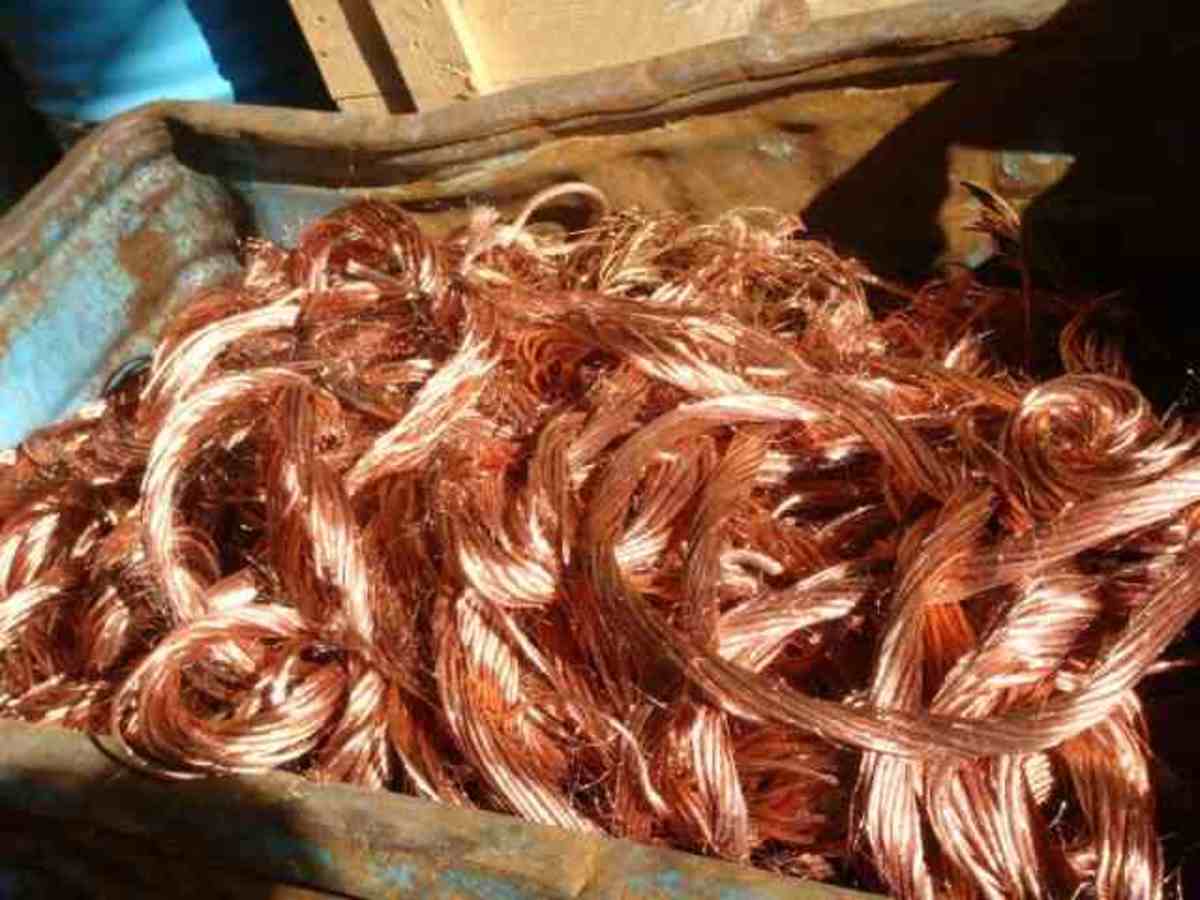
Burnt copper wire is simply copper electrical wiring that has had its insulation burned off by fire. This is often done by people looking to quickly remove the plastic coating. While it might seem like a shortcut, burning copper changes its appearance, texture, and purity, which can impact its resale value and recyclability. Scrap yards can easily identify burnt wire because it looks darker and more brittle than clean copper.
Why People Burn Copper Wire
The main reason people burn copper wire is to remove the plastic insulation without having to manually strip it. It’s faster, requires minimal tools, and seems like an easy fix. However, what many don’t realize is that this process releases toxic fumes and can make the copper less valuable. Burning also makes it more difficult for scrap yards to process the material properly and safely.
What Happens When Copper Wire Is Burned
When you burn copper wire, the extreme heat causes oxidation, which changes the chemical composition of the metal’s surface. The bright reddish-orange shine fades into a dull, dark brown or black color. The protective oxide layer can also reduce the weight and purity of the copper, making it worth less. Additionally, residual ash and soot can stick to the wire, contaminating the batch.
The Difference Between Burnt and Clean Copper
Clean copper is stripped mechanically, leaving a shiny surface free of contaminants. Burnt copper, on the other hand, is darkened, oxidized, and often covered with soot. Scrap yards prefer clean copper because it’s easier to melt and recycle. The cleaner the copper, the higher the grade—and the better the price you’ll receive.
Do Scrap Yards Accept Burnt Copper Wire?
Most scrap yards do accept burnt copper wire, but at a much lower price. Some may even reject it entirely depending on their policies. They often downgrade burnt wire to a lower grade such as “#2 copper” or “bare bright” only if it’s still mostly clean. Always call ahead before hauling burnt wire to avoid disappointment or wasted trips.
Legal Restrictions on Burning Copper Wire
In many areas, burning copper wire is illegal due to environmental and health hazards. Local laws often prohibit open burning of insulated wire because it releases toxic chemicals like dioxins into the air. Violating these regulations can lead to hefty fines or even criminal charges. It’s important to check with local authorities or the Environmental Protection Agency (EPA) before attempting to burn any wire.
Environmental Impact of Burning Copper
Burning copper doesn’t just affect the wire—it harms the environment too. The insulation on copper wires contains PVC and other plastics that release carcinogenic fumes when burned. These toxins pollute the air, soil, and water sources, posing risks to humans, animals, and the ecosystem. It’s a small act that leads to significant long-term damage.
How Scrap Yards Grade Burnt Copper
Scrap yards grade copper based on purity and cleanliness. Burnt copper typically falls into #2 copper or even insulated copper wire grades. If it’s severely oxidized or contains non-metallic residues, it might be classified as “low recovery” copper. This grading system directly impacts how much money you’ll get per pound.
Copper Wire Grades Explained
- Bare Bright Copper (#1 Copper): Clean, shiny, and free of insulation or coatings. Highest value.
- #2 Copper: Tarnished, painted, or slightly corroded. Still valuable but less pure.
- Insulated Copper Wire: Copper still covered by insulation. Value depends on copper content.
Burnt copper typically falls into the #2 or insulated category, depending on its condition.
Price Differences Between Burnt and Clean Copper
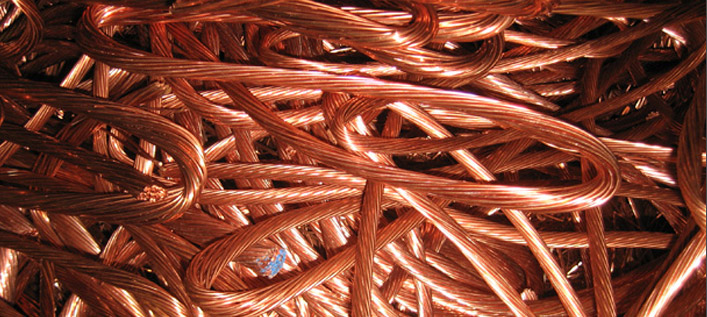
Burnt copper can be worth 30–50% less than clean copper. For example, if clean copper sells for $4 per pound, burnt copper might fetch only $2.50–$3. The reason is simple—scrap yards must invest more time and energy to clean, process, and refine burnt copper before resale.
How Scrap Yards Test Burnt Copper Wire
Scrap yards use visual inspection, magnet tests, and sometimes chemical analysis to identify burnt copper. They check for signs of oxidation, contaminants, and brittleness. If the copper breaks easily or looks blackened, it’s downgraded. Some yards even use X-ray fluorescence (XRF) analyzers for accurate metal composition testing.
Why Some Scrap Yards Reject Burnt Copper
Certain scrap yards refuse burnt copper altogether because it’s harder to process and could contaminate clean copper batches. Additionally, they must comply with environmental laws that prohibit accepting material suspected of being burned illegally. To stay compliant, many yards prefer to reject burnt copper rather than risk fines or reputation damage.
Can You Sell Burnt Copper Wire Legally?
Selling burnt copper wire is legal in most places if you didn’t burn it yourself and it came from a legitimate source, such as a fire-damaged building. However, selling wire you personally burned can raise red flags. Always keep receipts or proof of ownership to avoid being accused of copper theft or illegal burning.
Best Practices Before Selling Copper Wire
Before heading to the scrap yard, sort your copper wire by type and cleanliness. Use wire strippers instead of burning to remove insulation. Weigh your copper to estimate its value and call local yards to compare prices. Clean, organized, and documented copper always gets better offers and faster transactions.
Alternatives to Burning Copper Wire
Instead of burning, use safer methods like mechanical stripping, chemical stripping, or heat guns to remove insulation. These methods protect both your health and the environment while keeping your copper bright and valuable. Investing in a wire stripper pays off quickly, especially if you handle copper frequently.
How to Strip Copper Wire Safely
Use a manual or electric wire stripper to peel off insulation efficiently. Clamp the wire securely, adjust the blade depth, and feed the wire slowly through the stripper. Always wear gloves and safety glasses. For large quantities, automatic strippers are faster and safer than hand tools.
Tools for Stripping Copper Wire
Essential tools include:
- Wire strippers (manual or electric)
- Utility knife for small jobs
- Pliers for pulling insulation
- Heat gun for loosening tough coatings
- Gloves and goggles for protection
Investing in the right tools saves you time, prevents injury, and preserves copper quality.
Should You Burn or Strip Copper Wire?

When comparing burning vs. stripping, the answer is simple—strip, don’t burn. Burning might seem quicker but reduces copper’s value, violates laws, and harms your health. Stripping preserves both the environment and your profits. It’s the smarter long-term option.
Risks of Burning Copper at Home
Burning copper wire at home exposes you to toxic smoke containing lead, arsenic, and dioxins. These chemicals can cause respiratory issues, skin irritation, and even long-term diseases. It’s never worth the health risks for a few extra dollars.
Local Laws on Copper Wire Burning
Every state and city has its own rules regarding copper burning. Most U.S. states consider it an environmental violation. Always check with your local fire department or environmental agency before engaging in such activities. Ignorance of the law won’t save you from penalties.
Conclusion
In conclusion, while scrap yards do take burnt copper wire, it’s rarely the best option for sellers. Burning copper reduces its purity, lowers its value, and can even make it illegal to sell in certain areas. Moreover, the environmental and health risks far outweigh the short-term convenience of burning. If you’re serious about recycling copper for profit, stripping your wire properly is the safest, most profitable, and most eco-friendly method. By keeping your copper clean and following legal guidelines, you’ll not only earn more money but also contribute positively to the recycling industry and the environment.
FAQs
1. Can I sell burnt copper wire to any scrap yard?
Not all scrap yards accept burnt copper wire. Some may buy it at a reduced price, while others reject it entirely due to oxidation and legal concerns. It’s always best to call ahead before visiting.
2. Is it illegal to burn copper wire in the U.S.?
Yes, in many states, burning copper wire is illegal because it releases toxic fumes. Always check your local regulations before attempting to burn or sell burnt wire.
3. How much less is burnt copper worth compared to clean copper?
Burnt copper can be worth 30–50% less than clean, bright copper. Scrap yards downgrade burnt wire to lower grades, which directly impacts its market price.
4. What’s the safest way to remove insulation from copper wire?
The safest and most efficient method is mechanical stripping using a wire stripper. It preserves copper quality, keeps you safe, and ensures maximum resale value.
5. Can I clean burnt copper wire to improve its value?
Yes, you can clean burnt copper using a wire brush, vinegar solution, or sandpaper to remove soot and oxidation. However, it won’t restore it to “bare bright” quality—so it will still fetch less than clean copper.
6. Why do scrap yards prefer clean copper wire?
Scrap yards prefer clean copper because it’s easier to process, has higher purity, and produces better-quality recycled metal. Clean copper requires less energy to melt down and refine, making it more valuable and efficient to handle.
7. Can burnt copper wire damage recycling equipment?
Yes, burnt copper can sometimes contain ash, melted plastic, or other residues that clog or damage recycling machines. That’s one reason many scrap yards hesitate to accept heavily burnt material—it’s messy and costly to process.
8. What happens if I mix burnt and clean copper together?
Mixing burnt and clean copper reduces the overall grade of your batch. Scrap yards will likely downgrade the entire lot to the lowest quality level, meaning you’ll earn much less than if you kept them separate.
9. Are there eco-friendly ways to recycle copper wire?
Absolutely! You can use mechanical strippers, heat guns, or chemical baths to remove insulation without burning. These methods protect the environment, prevent air pollution, and maintain the copper’s full value.
10. How can I find scrap yards that accept burnt copper wire?
Start by searching online or calling local scrap yards directly. Be upfront about the condition of your copper. Some yards specialize in handling mixed or burnt materials and may still offer competitive prices.
Keep an eye for more latest news & updates on premiumtechy!


