Spark plugs are small but crucial components in your vehicle’s engine that ignite the air-fuel mixture to power the combustion process. Each spark plug produces an electric spark that ignites the mixture inside the cylinder, enabling the engine to run smoothly. Ignition wires, sometimes called spark plug wires, connect the ignition coil to the spark plugs, transmitting the electrical current needed to generate the spark. Together, spark plugs and ignition wires form the ignition system, which is essential for starting your engine and maintaining optimal performance. Understanding these parts helps you appreciate why their maintenance is important.
Replacing spark plugs and ignition wires typically costs between $100 and $360 for spark plugs and $100 to $250 for ignition wires, depending on engine size, part quality, and labor rates. Costs are lower for 4-cylinder engines and higher for V6 or V8 engines, especially when premium platinum or iridium plugs are used. DIY replacement can save labor costs, but professional service ensures proper installation and reliable engine performance.
In this article, we discuss the topic of “cost to replace plugs and wires“.
Why Do Spark Plugs and Wires Need Replacing?
.jpg)
Over time, spark plugs and ignition wires wear out due to continuous exposure to high heat, pressure, and electrical stress. Spark plugs can develop carbon deposits, eroded electrodes, or cracked insulators that reduce their efficiency, leading to engine misfires or poor fuel combustion. Ignition wires can deteriorate internally or suffer from external damage such as cracks or corrosion, causing weak or inconsistent electrical flow. When either component fails, engine performance suffers, resulting in reduced fuel efficiency, rough idling, and difficulty starting the vehicle. Regular replacement keeps your engine running smoothly and reliably.
How Often Should You Replace Spark Plugs?
The replacement interval for spark plugs varies depending on the type, vehicle, and driving conditions. Traditional copper spark plugs typically last around 20,000 to 30,000 miles, whereas more durable platinum and iridium spark plugs can last between 60,000 and 100,000 miles. It’s important to follow your vehicle manufacturer’s recommendations, which you can find in the owner’s manual. If you notice signs of engine hesitation or reduced fuel efficiency before the recommended mileage, it may be time to inspect and replace the plugs earlier to prevent further damage.
How Often Should You Replace Ignition Wires?
Ignition wires usually have a lifespan between 30,000 and 50,000 miles but can vary depending on the vehicle and wire quality. Because they transmit high-voltage electricity, insulation can degrade over time due to heat, vibration, and exposure to engine chemicals. Cracked or damaged wires cause misfires or weak sparks, negatively impacting engine performance. Regular inspection every 30,000 miles or during spark plug replacement can help detect worn wires early. Replacing ignition wires along with spark plugs ensures your ignition system remains efficient and reliable.
Signs Your Spark Plugs Need Replacing
Common symptoms of worn spark plugs include rough idling, engine misfires, reduced acceleration, and decreased fuel economy. You might also experience difficulty starting your car or hear unusual knocking sounds from the engine. If your check engine light comes on, it may indicate ignition system problems that involve faulty spark plugs. Visually inspecting spark plugs can reveal wear such as burnt or fouled electrodes and heavy carbon buildup. Addressing these signs promptly can prevent more expensive engine damage.
Signs Your Ignition Wires Are Worn Out
Worn ignition wires cause similar issues as faulty spark plugs, such as engine misfires, rough running, and hesitation during acceleration. Additionally, damaged wires may cause visible arcing (sparks jumping outside the wire), cracked insulation, or corrosion at the connection points. You may notice a loss of power or inconsistent engine performance, especially under load. If your vehicle is older or has never had its ignition wires replaced, these symptoms warrant an inspection and likely replacement to avoid further problems.
Cost to Replace Spark Plugs in 2025
The cost to replace spark plugs varies widely based on the type of plugs and your vehicle’s engine configuration. On average, copper spark plugs are the most affordable, costing between $3 and $5 each. Platinum and iridium spark plugs can range from $6 to $20 or more per plug. Labor costs can add another $50 to $150 depending on your mechanic and vehicle complexity. For most four-cylinder engines, expect total costs between $100 and $200, while V6 and V8 engines can be more expensive due to the higher number of plugs and harder access.
Average Cost to Replace Ignition Wires in 2025
Ignition wire replacement costs vary depending on vehicle make, model, and wire quality. A full set of ignition wires generally costs between $40 and $150 for parts alone. Labor charges may range from $60 to $120, especially if wires are difficult to access. On average, the total cost to replace ignition wires is between $100 and $250. Choosing premium wire sets may increase costs but can improve durability and engine performance over time.
Cost Breakdown: Parts vs Labor for Spark Plug Replacement
When budgeting for spark plug replacement, it’s important to consider both parts and labor costs. Parts typically make up 30% to 50% of the total expense, while labor can account for 50% to 70%, especially if plugs are located deep within the engine bay. Labor costs increase when additional components like intake manifolds must be removed for access. DIY replacement saves labor costs but requires proper tools and mechanical skill. Knowing the breakdown helps you plan and decide whether to DIY or visit a professional.
Cost Breakdown: Parts vs Labor for Ignition Wire Replacement
Replacing ignition wires also involves parts and labor expenses. Wire sets cost between $40 and $150 depending on quality and brand. Labor costs vary but often fall between $60 and $120. Unlike spark plugs, ignition wire replacement is usually quicker and easier, sometimes making labor costs lower. However, complex engine layouts can increase labor time and expenses. Always ask for a detailed quote to understand the cost structure before authorizing work.
How Spark Plug Type Affects Replacement Cost
The type of spark plug you choose has a significant impact on the replacement cost. Copper spark plugs are the most budget-friendly option but typically have a shorter lifespan. Platinum plugs last longer and offer better performance but come with a higher price tag. Iridium spark plugs, often considered premium, offer the best durability and ignition efficiency but can cost two to three times more than copper plugs. Choosing the right spark plug depends on your vehicle’s requirements and your budget, balancing upfront cost with long-term value.
Copper vs Platinum vs Iridium Spark Plugs: Price Comparison
Copper spark plugs generally cost between $3 and $5 each, making them ideal for older or budget vehicles. Platinum spark plugs are priced around $6 to $12 each and are preferred for their improved durability and performance. Iridium spark plugs, while more expensive at $8 to $20 per plug, offer enhanced longevity and superior spark quality. While the initial investment is higher for platinum and iridium, their extended lifespan often reduces replacement frequency and maintenance costs over time.
How Engine Size Influences Spark Plug Replacement Costs
Larger engines with more cylinders require more spark plugs, increasing both parts and labor costs. For example, a four-cylinder engine uses four plugs, while a V6 uses six, and a V8 requires eight or more. This directly multiplies the cost of parts and installation time. Additionally, some high-performance or luxury vehicles with V8 or larger engines may have more complex engine layouts, which can increase labor costs due to the difficulty of accessing spark plugs.
Cost to Replace Spark Plugs in 4-Cylinder Engines
Replacing spark plugs in a typical 4-cylinder engine is often the most affordable option. The cost for parts alone usually ranges from $12 to $80, depending on plug type. Labor charges typically add another $50 to $100, as spark plugs are generally easier to reach. Overall, you can expect to pay between $70 and $180 for a full spark plug replacement in a 4-cylinder vehicle, making it a cost-effective maintenance task.
Cost to Replace Spark Plugs in 6-Cylinder Engines
A 6-cylinder engine requires more spark plugs, which increases parts cost. You can expect to pay $18 to $120 for plugs alone, depending on type and brand. Labor costs may rise to between $80 and $140 due to longer service times or more complicated engine access. Total replacement costs for a 6-cylinder engine usually fall between $100 and $260, reflecting the increased number of components and installation complexity.
Cost to Replace Spark Plugs in V8 Engines
V8 engines typically require eight or more spark plugs, which can make replacement more expensive. Parts alone may cost between $24 and $160 or more, especially if premium plugs are used. Labor costs can also be higher, often ranging from $100 to $200, because spark plugs may be harder to access. Overall, V8 spark plug replacement costs range from $150 to $360, and some high-performance engines may require specialized tools or additional labor.
How Many Spark Plugs Does Your Vehicle Need?
The number of spark plugs varies by engine size and design. Most modern vehicles have one spark plug per cylinder, meaning four plugs for a four-cylinder engine, six for a V6, and eight for a V8. However, some engines use two plugs per cylinder, especially in performance or heavy-duty vehicles, doubling the required number. Knowing your engine’s configuration helps accurately estimate replacement costs and ensures you purchase the correct number of plugs.
The Role of Ignition Wires in Engine Performance
Ignition wires carry high-voltage electricity from the ignition coil to the spark plugs, enabling the spark that ignites the fuel-air mixture. Good-quality ignition wires ensure a strong, consistent spark, which leads to efficient combustion and smooth engine operation. Damaged or worn wires can cause weak sparks, misfires, and reduced engine power. Maintaining ignition wires is critical to keeping your vehicle running efficiently and avoiding costly repairs.
How to Tell If Your Ignition Wires Are Causing Engine Problems
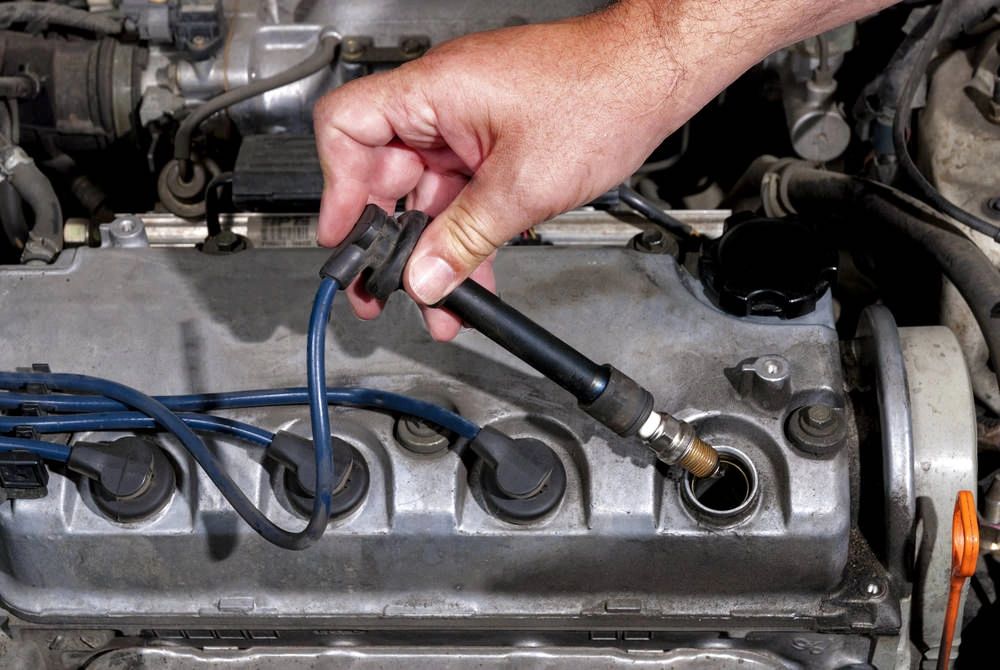
If your ignition wires are faulty, your engine might experience rough idling, hesitation during acceleration, or misfires. You may also notice decreased fuel efficiency or an illuminated check engine light. Visually inspect the wires for cracks, wear, or corrosion at the connectors. Spark tester tools can help diagnose weak wires. Timely replacement of ignition wires helps prevent further damage to the ignition system and engine components.
Replacing Spark Plugs Yourself: Tools and Time Required
Replacing spark plugs yourself can save money but requires basic mechanical skills and tools like a ratchet wrench, spark plug socket, and gap gauge. The job typically takes one to two hours for an average engine. Proper care is essential to avoid damaging the plugs or engine components. Many DIY guides and video tutorials are available online to help beginners perform this task safely and correctly.
DIY Spark Plug Replacement: Step-by-Step Cost Guide
Replacing spark plugs yourself can significantly reduce costs by eliminating labor fees. The primary expense will be purchasing the spark plugs, which range from $3 to $20 each depending on type and quality. You may also need to invest in basic tools like a spark plug socket and gap gauge if you don’t already own them, but these are typically one-time purchases. Overall, a DIY spark plug replacement can cost between $30 and $100, depending on your vehicle’s number of cylinders and the type of plugs chosen.
Professional Spark Plug Replacement: What to Expect
When opting for professional spark plug replacement, expect to pay for both parts and labor. Mechanics will charge based on the difficulty of accessing the spark plugs and the number of cylinders in your engine. Labor times typically range from one to two hours, with costs between $50 and $150. Professionals have the tools and experience to complete the job efficiently, reducing risks of damage and ensuring proper installation, which can be worth the extra expense.
When to Choose Professional Help Over DIY
If your vehicle has difficult-to-reach spark plugs, a complex engine design, or you lack mechanical experience, it’s best to hire a professional. Incorrect installation can cause engine misfires or damage. Additionally, vehicles with coil-on-plug ignition systems or specialty plugs may require specialized tools. For peace of mind and to avoid costly mistakes, professional service is recommended for most drivers unless you have adequate skills and tools.
Can You Replace Ignition Wires Yourself?
Replacing ignition wires is generally a straightforward task suitable for DIY enthusiasts with basic mechanical knowledge. The process involves disconnecting old wires from the spark plugs and ignition coil and attaching new ones in the correct order. It’s important to label wires before removal to avoid mixing them up. With the right tools and a repair manual, replacing ignition wires can be completed in under an hour and save you the cost of labor.
Ignition Wire Replacement: DIY vs Professional Costs
DIY ignition wire replacement can cost as little as the price of the wire set, usually between $40 and $150. Professional replacement adds labor costs, generally between $60 and $120, increasing the total expense. While DIY saves money, professional services ensure proper routing and connection, which is important for preventing future misfires or electrical issues. Weigh your confidence and experience before deciding which route to take.
The Impact of Vehicle Make and Model on Replacement Costs
Different vehicles have unique engine designs that influence spark plug and wire replacement costs. Luxury or performance cars often have more complicated engine layouts, increasing labor time and costs. Some models require special tools or parts that are pricier than standard replacements. Additionally, parts availability can vary based on make and model, with imports sometimes costing more due to shipping and rarity.
How Advanced Engine Designs Affect Spark Plug Access and Cost
Modern engines with turbochargers, direct injection, or hybrid systems often place spark plugs in harder-to-reach locations. These designs can require removal of engine covers, intake manifolds, or other components before spark plugs are accessible. This increases labor time and overall replacement cost. It’s essential to factor in engine complexity when budgeting for spark plug maintenance.
Hidden Costs in Spark Plug and Wire Replacement
Beyond parts and labor, additional costs may arise during replacement. Damaged ignition coils or connectors discovered during the service might require immediate replacement. Some vehicles need special lubricants or anti-seize compounds for spark plug threads. Taxes, shop fees, and diagnostic charges can also add to the bill. Always request a detailed estimate upfront to avoid surprises.
Why Labor Costs Vary for Spark Plug Replacement
Labor costs fluctuate based on factors like vehicle make and model, mechanic experience, and geographic location. In densely populated areas or high-cost-of-living regions, labor rates are typically higher. Complex engine configurations require more time and skill, increasing labor expenses. Some shops charge flat fees while others bill hourly, so understanding the pricing structure helps you make informed decisions.
How to Find Affordable Spark Plugs and Ignition Wires
Finding quality but affordable spark plugs and ignition wires involves research and comparison shopping. Online retailers often offer competitive prices and discounts compared to brick-and-mortar stores. Checking manufacturer websites for recommended parts ensures compatibility. Buying from reputable brands guarantees performance and longevity, which can save money on frequent replacements. Avoid bargain-bin parts that may compromise engine health.
Conclusion
Replacing spark plugs and ignition wires is essential maintenance that keeps your vehicle running efficiently and reliably. While the cost varies depending on the type of parts, engine size, and whether you choose DIY or professional service, investing in quality components and timely replacement helps prevent engine misfires, poor fuel economy, and costly repairs. Understanding the factors influencing replacement costs, such as plug type, labor rates, and vehicle complexity, empowers you to make informed decisions and budget accordingly. Whether you opt for a professional mechanic or a DIY approach, regular inspection and maintenance of your ignition system will extend your engine’s lifespan and improve overall performance.
FAQs
1. How often should I replace my spark plugs and ignition wires?
Spark plugs typically last between 30,000 and 100,000 miles depending on their type, while ignition wires generally need replacement every 30,000 to 50,000 miles. Always follow your vehicle manufacturer’s recommendations.
2. Can I replace spark plugs and wires myself?
Yes, if you have basic mechanical skills and the right tools, replacing spark plugs and ignition wires is a manageable DIY task. However, complex engines or coil-on-plug systems may require professional service.
3. How much does it cost to replace spark plugs and ignition wires?
Costs vary widely but expect to pay between $100 and $360 for spark plugs depending on engine size, and $100 to $250 for ignition wires, including labor when done by a professional.
4. What type of spark plugs should I buy? Copper plugs are affordable but less durable, while platinum and iridium plugs offer better longevity and performance. Choose based on your vehicle’s requirements and budget.
5. What are the signs that my spark plugs or ignition wires need replacement?
Common signs include engine misfires, rough idling, reduced fuel efficiency, difficulty starting, and a check engine light. Visual inspection can reveal wear or damage.
6. Does replacing spark plugs improve fuel efficiency?
Yes, worn spark plugs can cause incomplete combustion, reducing fuel efficiency. Replacing them restores optimal engine performance and can improve gas mileage.
7. Are professional replacements worth the extra cost?
Professional service ensures proper installation and can prevent costly mistakes, especially for difficult-to-access plugs or complex ignition systems. It’s often worth the investment for peace of mind.
Keep an eye for more latest news & updates on premiumtechy!