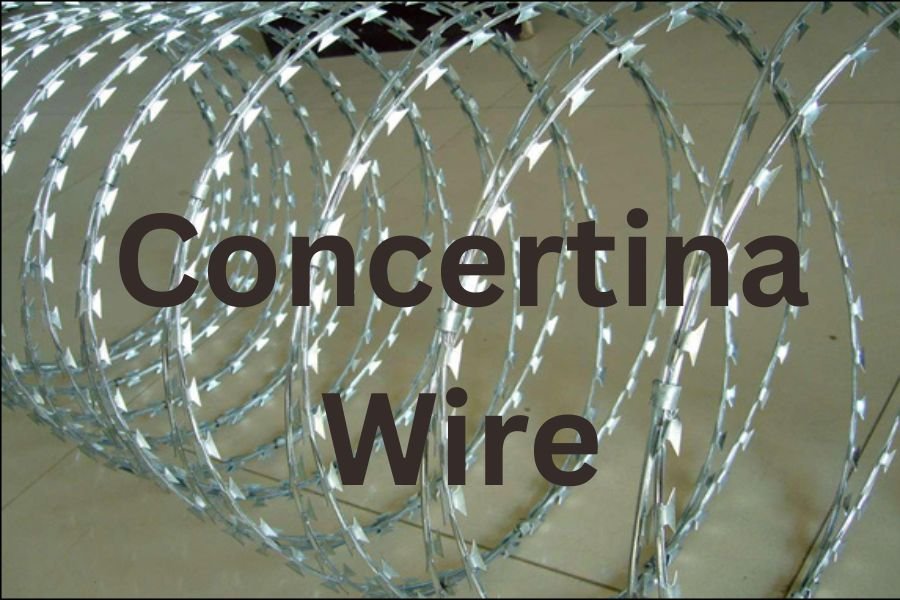
Concertina wire is a type of coiled barbed or razor wire designed to create a highly effective barrier for security purposes. Unlike standard barbed wire, concertina wire is formed in large coils that can expand into a helical shape, creating an intimidating obstacle that is difficult to cross. Its sharp edges and flexible design make it an ideal choice for protecting perimeters, military installations, and sensitive properties.
Originally developed for wartime use, concertina wire is now commonly used for both military and civilian security applications. The wire is lightweight yet durable, allowing for quick deployment while maintaining a high level of protection. It can be installed along fences, walls, or on the ground, depending on security requirements. Its distinctive appearance also acts as a visual deterrent for potential intruders.
Concertina wire is a highly effective security barrier made from coiled steel wire with sharp barbs or razor edges that deter unauthorized access. It is commonly used for military, border, industrial, and high-risk residential security due to its strength, durability, and intimidating appearance. When properly selected, safely installed, and well maintained, concertina wire provides long-lasting physical and psychological protection.
In this article, we discuss the topic of “concertina wire“.
2. History of Concertina Wire
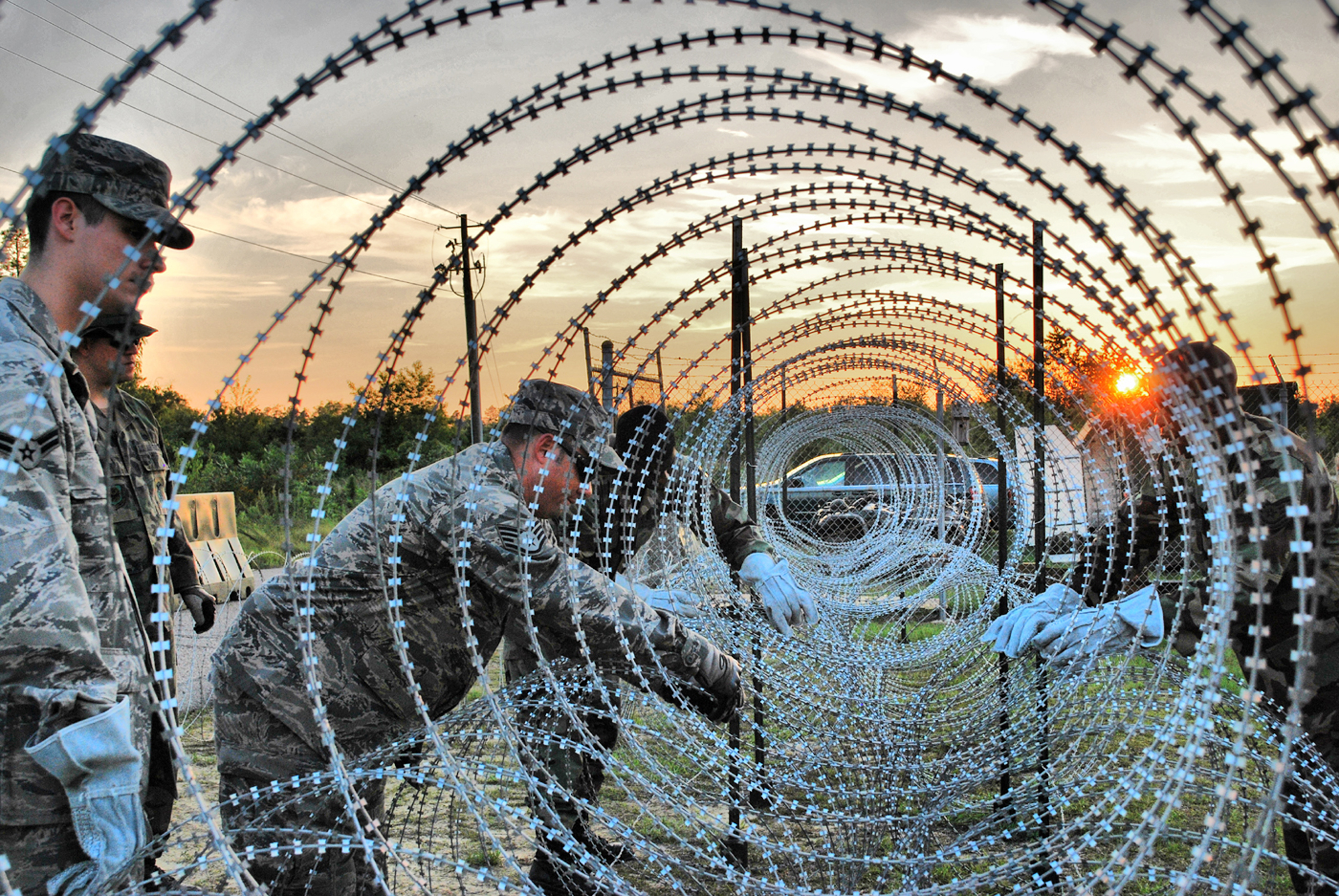
Concertina wire has its origins in military conflicts during the early 20th century. Initially, armies used it as a defensive tool to slow down enemy advances in trench warfare. Over time, the design evolved from simple barbed coils to more sophisticated razor-tipped wire that could inflict serious deterrence without requiring constant human monitoring.
During both World Wars, concertina wire became a standard feature for fortifications, prison camps, and battlefield barriers. Its effectiveness led to broader adoption in border security, law enforcement, and industrial protection. Today, the technology has been refined with galvanized steel and modern manufacturing techniques to withstand harsh environmental conditions. Despite its militaristic origins, concertina wire has found a place in civilian security applications due to its reliability and ease of installation.
3. How Concertina Wire Works
Concertina wire works by combining coiled wire with razor-edged or barbed protrusions to create a formidable physical barrier. When stretched between posts or laid on the ground, the coils expand to form a continuous obstacle. The sharp edges make it extremely difficult and dangerous to cross without specialized equipment. The wire’s tension and coil design add structural integrity, making it resistant to cutting or breaching attempts. It can be stacked in multiple layers or combined with fencing to increase security levels. Its flexibility allows for rapid deployment in temporary or permanent security settings. In addition to its physical barrier, the intimidating appearance of concertina wire serves as a psychological deterrent against trespassers or intruders.
4. Key Components of Concertina Wire
A typical concertina wire setup consists of a core wire, barbs or razor edges, coils, clips, and handles. The core wire provides strength and durability, while barbs or razor edges are designed to prevent climbing or cutting. Coils allow the wire to expand and contract, making installation easier and more adaptable. Clips are used to secure coils to posts or existing fences, and handles facilitate deployment and handling. The materials used, such as galvanized steel or low-carbon steel, ensure longevity and resistance to corrosion. Every component plays a crucial role in ensuring that the concertina wire performs effectively as a security barrier. The precise engineering of these elements allows for standardized production while maintaining reliability under various environmental conditions.
5. Differences Between Concertina Wire and Razor Wire
While often confused, concertina wire and razor wire are not identical. Razor wire is a general term that refers to any wire with sharp edges or blades designed to deter passage. Concertina wire, on the other hand, is a specific form of razor wire that is coiled into loops and can expand into a helical barrier. Razor wire can be used in straight lines or other configurations, while concertina wire is primarily used for high-security barriers due to its coil structure. The coiled design of concertina wire makes it more effective in preventing trespassing, as it is more difficult to climb over or cut through. Understanding the difference is crucial when choosing the right type of wire for specific security needs.
6. Types of Concertina Wire
Concertina wire comes in several types to suit different security applications. The most common varieties include galvanized concertina wire, mild steel concertina wire, and razor concertina wire. Galvanized wire is coated with zinc to resist rust and corrosion, making it ideal for outdoor use. Mild steel wire is stronger and more durable but may require additional treatment to prevent rusting. Razor-tipped wire features sharp edges to deter intruders and is often used in high-security environments. Each type has specific advantages and is chosen based on factors like location, environmental conditions, and security requirements. Some advanced designs combine multiple features for maximum protection.
7. Galvanized Concertina Wire Explained
Galvanized concertina wire is treated with a layer of zinc to enhance its resistance to corrosion and extend its lifespan. This makes it suitable for harsh environments, including coastal areas, industrial sites, and border regions with extreme weather conditions. The galvanization process ensures that the wire maintains its strength and sharpness over time, reducing the need for frequent replacement. Galvanized wire is also easier to maintain and can withstand exposure to rain, wind, and UV radiation. It comes in various diameters, coil sizes, and barb configurations to meet specific security needs. Its combination of durability and deterrence makes it a preferred choice for many security applications.
8. Mild Steel Concertina Wire Specifications
Mild steel concertina wire is known for its high tensile strength and durability. Typically, it is made from low-carbon steel and may be galvanized for corrosion resistance. Standard rolls can vary in length, often reaching hundreds of meters, and weights are carefully calculated for easy handling and installation. Barb spacing, coil diameter, and breaking strength are standardized to meet safety and security requirements. Mild steel wire is often chosen for long-term installations where strength and resilience are more critical than flexibility. It can be used in military, industrial, and residential security setups and is compatible with various installation methods.
9. Concertina Wire Size and Dimensions
Concertina wire comes in a variety of sizes and dimensions to suit different applications. Coil diameters can range from 500 mm to 900 mm, depending on the wire type and purpose. Barb spacing usually falls between 100 mm and 125 mm to optimize deterrence without compromising safety during installation. Wire thickness, measured in millimeters, determines both strength and ease of handling. Roll lengths vary, with some products reaching over 300 meters per reel. These standardized dimensions allow for consistent performance, easy calculation of material requirements, and seamless integration into existing fencing systems. Choosing the right size is essential for maximizing security effectiveness.
10. Standard Lengths of Concertina Wire Rolls
Concertina wire is sold in pre-determined roll lengths to simplify transportation, storage, and installation. Common lengths include 12 meters for smaller galvanized rolls and up to 400 meters for mild steel rolls. Longer rolls reduce the number of joints, which increases overall barrier strength and reduces weak points. Roll lengths are often selected based on the area to be secured, accessibility of the site, and installation method. Proper planning ensures that rolls can be uncoiled efficiently and deployed without unnecessary waste. Understanding roll lengths is critical for logistics, cost estimation, and project planning.
11. Weight and Packing of Concertina Wire
Concertina wire is carefully weighed and packed to ensure safe handling, transportation, and storage. Rolls can range from 11.5 kg for small galvanized coils to over 25 kg for longer mild steel coils. Proper packing typically includes waterproof paper or protective wrapping and wooden or woven bags to prevent damage during shipping. Each bundle may contain multiple coils tightly bound together for convenience. Correct packaging helps maintain the integrity of the wire, preventing sagging, bending, or corrosion. Accurate weight information is essential for planning installation logistics and ensuring safety during handling. These measures also facilitate compliance with transportation regulations and reduce the risk of accidents.
12. Core Wire Material in Concertina Wire
The core wire of concertina wire provides its structural strength and flexibility. High-quality low-carbon steel is commonly used, offering a balance of durability and ease of handling. Some versions are galvanized to enhance corrosion resistance and extend service life. The core wire serves as the backbone for barbs or razor blades, ensuring the coil maintains its shape under tension or when stretched over fences. The choice of core material impacts the wire’s tensile strength, breaking point, and overall reliability. Proper material selection ensures the wire can withstand environmental stresses and potential tampering, making it suitable for both temporary and permanent installations.
13. Blade and Barb Design in Concertina Wire
The design of blades and barbs is critical to the effectiveness of concertina wire. Razor-edged blades are shaped to inflict discomfort and prevent crossing, while barbs provide a deterrent without excessive lethality. Spacing, size, and sharpness are standardized to optimize security while ensuring consistent manufacturing. Advanced designs allow for multiple barbs per meter, increasing the barrier’s deterrent effect. Blade thickness and barb diameter are measured precisely to withstand cutting attempts and maintain integrity over time. The combination of blades and barbs makes the wire an intimidating physical and psychological barrier against trespassers.
14. Breaking Strength and Durability of Concertina Wire
Breaking strength measures the amount of force required to snap or deform concertina wire, an essential factor in its reliability. Standard rolls can endure loads exceeding 300 kg without failure, making them extremely difficult to breach. Durability is further enhanced through galvanization or high-quality steel construction, allowing the wire to withstand environmental conditions such as rain, UV exposure, and extreme temperatures. Regular inspection and proper installation help maintain durability over long periods. By combining high breaking strength with flexible deployment options, concertina wire offers a secure and long-lasting solution for various applications.
15. Barb Spacing and Distance Explained
Barb spacing refers to the distance between individual sharp points on the wire. Standard concertina wire typically features barb distances ranging from 110 mm to 125 mm. Proper spacing ensures maximum deterrence while maintaining manageable handling during installation. Tight spacing increases the difficulty of climbing or cutting the wire, enhancing overall security. Designers consider both human and environmental factors when determining spacing to prevent accidental injury and reduce weak points. Correct installation with consistent spacing ensures the wire forms a continuous, unbroken barrier.
16. Coil Diameter and Lops of Concertina Wire
Coil diameter and the number of loops per coil, often referred to as lops, play a significant role in the wire’s security performance. Smaller diameters are easier to transport and deploy, while larger coils provide a more formidable barrier. Standard coils may have diameters from 500 mm to 900 mm, depending on the wire type. The number of loops per coil determines how the wire expands and stacks when installed, influencing both its visual deterrent effect and physical resistance. Correct coil selection allows for efficient deployment while maximizing protection.
17. Handles and Clips in Concertina Wire Installation
Handles and clips are essential components that simplify the installation of concertina wire. Handles allow installers to safely carry, stretch, and position coils, reducing the risk of injury. Clips secure the coils to fence posts or existing barriers, keeping them taut and in place. The number and placement of clips are carefully calculated to ensure stability and prevent sagging. Together, these components make the installation process faster and safer, allowing security personnel to deploy large sections of wire with minimal effort. Proper use of handles and clips also prolongs the lifespan of the wire.
18. ASTM and JIS Standards for Concertina Wire
Concertina wire is manufactured to meet international standards such as ASTM and JIS to ensure quality, safety, and consistency. These standards define specifications for wire diameter, barb size, coating thickness, and tensile strength. Compliance guarantees that the wire performs reliably under stress and environmental exposure. Standards also help buyers compare products from different manufacturers and choose the best option for their security needs. Meeting these standards ensures the wire is legally compliant for both domestic and international applications.
19. Pre-Galvanized vs. Post-Galvanized Concertina Wire
Concertina wire can be pre-galvanized before manufacturing or post-galvanized after production. Pre-galvanized wire has a zinc coating applied to the raw steel, offering uniform corrosion resistance and easier handling during fabrication. Post-galvanized wire is coated after manufacturing, which may provide additional protection on surfaces exposed during cutting or coiling. Each method has advantages: pre-galvanization is cost-effective and suitable for large-scale production, while post-galvanization provides extra durability in harsh outdoor conditions. Understanding the difference helps select the right wire for specific environmental and security requirements.
20. Advantages of Using Concertina Wire
Concertina wire offers numerous advantages over traditional fencing options. Its coiled design provides a highly effective physical barrier, difficult to climb, cut, or bypass. It is quick to deploy and can cover large areas efficiently, making it ideal for both temporary and permanent security setups. The intimidating appearance acts as a psychological deterrent, reducing the likelihood of intrusion. High durability and resistance to corrosion ensure a long service life with minimal maintenance. Additionally, concertina wire is versatile, suitable for military, industrial, residential, and border security applications. Its modular design allows customization based on specific security needs.
21. Military Applications of Concertina Wire
Concertina wire is extensively used in military operations to secure bases, checkpoints, and temporary encampments. Its coiled design provides an effective barrier against enemy troops while minimizing the need for continuous monitoring. The wire can be rapidly deployed to create perimeter defenses, block access points, or protect sensitive equipment. Military versions are often made with reinforced steel and razor edges for maximum deterrence. Its portability allows for flexible tactical deployment in both urban and rugged terrains. The psychological impact of concertina wire also discourages infiltration and enhances the overall security posture.
22. Border Security Uses of Concertina Wire
Concertina wire is a key component in border security worldwide. It is deployed along international borders to prevent illegal crossings and protect strategic areas. The wire is effective in both rural and urban settings, and it can be combined with fencing, patrols, and surveillance systems. Its coiled structure makes climbing difficult and dangerous, providing both a physical and psychological deterrent. Authorities often use multiple layers of wire to reinforce security, especially in high-risk zones. Additionally, the visibility of concertina wire serves as a clear warning to trespassers and enhances the effectiveness of border enforcement measures.
23. Industrial Security Applications
Industries such as power plants, warehouses, and chemical factories use concertina wire to protect valuable assets and prevent unauthorized access. It is commonly installed atop fences or walls surrounding the perimeter. Concertina wire provides a cost-effective solution for safeguarding equipment, raw materials, and facilities against theft or vandalism. Its installation can be customized based on site-specific security requirements. The combination of physical barrier and visual deterrent ensures that unauthorized entry is minimized. Regular inspection and maintenance help sustain the wire’s effectiveness in industrial environments.
24. Residential Security Applications
While less common, concertina wire can also be used in residential security for high-risk properties. Homeowners in sensitive areas may install it on walls or fences to deter intruders. Its intimidating appearance is often sufficient to discourage trespassing without the need for additional security measures. Installation must comply with local laws and safety standards to prevent accidents. Proper placement ensures that it provides protection without posing unnecessary risks to neighbors or passersby. Residential applications are typically combined with CCTV, alarms, and lighting to enhance overall home security.
25. Installing Concertina Wire Safely
Safe installation of concertina wire is crucial to prevent injury and ensure effective performance. Installers should wear protective gloves, goggles, and clothing to protect against cuts from sharp edges. Proper handling techniques include using handles and clips to position coils without direct contact. Posts or fencing must be prepared in advance to secure the wire properly. Adequate spacing and tension are necessary to maintain barrier integrity. Following manufacturer guidelines and safety protocols reduces risks and ensures the wire functions as intended.
26. Tips for Stretching and Sagging Control
When deploying concertina wire, controlling sagging is essential for maintaining security effectiveness. Coils should be stretched evenly between support posts, and additional clips or ties can be used to prevent gaps. Proper tension prevents loops from collapsing or bending under external pressure. Using multiple layers of wire can reinforce weak points. Monitoring the installation over time ensures that sagging is addressed promptly. Correct stretching and support placement improve the wire’s durability and resistance to tampering.
27. Handling and Transportation of Concertina Wire
Transporting concertina wire requires careful planning to prevent injury and damage. Rolls should be handled with gloves and mechanical aids if necessary. Packaging, such as waterproof paper and woven bags, protects the wire during transit. Trucks or carts must accommodate the weight and size of multiple coils. Proper stacking prevents tangling and reduces the risk of cuts. Secure transportation also ensures compliance with regulations and minimizes installation delays. Efficient handling techniques improve safety and project efficiency.
28. Waterproof Packing and Storage Methods
Concertina wire is often packaged in waterproof materials to prevent rust and damage during storage. Wooden boxes, plastic wraps, and woven bags are commonly used. Proper storage includes keeping coils off the ground and in a dry, ventilated area. Avoiding exposure to rain and direct sunlight preserves the wire’s galvanized coating. Correct storage extends the lifespan and ensures that the wire remains ready for deployment. It also minimizes maintenance costs and prevents corrosion-related failures.
29. Common Misconceptions About Concertina Wire
Many people confuse concertina wire with regular barbed or razor wire. Unlike straight barbed wire, concertina wire is coiled and designed to expand into a helical barrier. Some assume it is lethal, but properly installed concertina wire is intended as a deterrent rather than a weapon. Another misconception is that it is difficult to install; in reality, with proper tools and safety precautions, it can be deployed efficiently. Understanding these facts helps users choose the right type of wire for their security needs and apply it correctly.
30. Concertina Wire vs Barbed Wire

Concertina wire differs significantly from traditional barbed wire. While barbed wire consists of straight strands with spaced barbs, concertina wire is coiled and can expand into a dense barrier. This structure makes it more difficult to cross or cut, enhancing its security effectiveness. Concertina wire is ideal for high-security applications, while barbed wire is suitable for lighter perimeter protection. Visual deterrence is also stronger with concertina wire due to its intimidating appearance. Choosing between the two depends on the level of security required and the environment in which it will be deployed.
31. Comparing BTO-10 and BTO-22 Wire Models
BTO-10 and BTO-22 are common models of concertina wire, differing in coil diameter, number of loops, and clip arrangements. BTO-10 coils are larger, making them suitable for wide coverage areas, while BTO-22 features tighter coils for concentrated barriers. Both models use razor-edged blades and core steel wire for strength and durability. Choosing the right model depends on the security application, site layout, and installation method. Understanding the differences ensures optimal barrier performance and cost efficiency.
32. Spiral Loop vs Cross Type Concertina Wire
Concertina wire is manufactured in two main forms: spiral loop and cross type. Spiral loop coils are continuous and flexible, making them suitable for long perimeters and temporary barriers. Cross-type coils have interconnected loops that increase resistance to stretching or climbing. Each type has advantages depending on the security requirement. Spiral loops offer faster deployment, while cross-type wire provides more robust physical resistance. Selection should consider installation complexity, intended use, and threat level.
33. Environmental Impacts of Concertina Wire
Concertina wire can have environmental implications if not installed responsibly. Wildlife may become trapped or injured if the wire is placed in migration paths or natural habitats. Visual impacts include disruption of natural landscapes, especially in scenic areas or protected regions. Corrosion and debris from neglected wire can contaminate soil and water sources. Mitigation strategies include careful placement, signage, and periodic inspections. Balancing security with environmental responsibility ensures compliance with regulations and protects ecosystems.
34. Legal Considerations When Installing Concertina Wire
Installing concertina wire may be subject to legal restrictions depending on location. Many municipalities regulate its height, placement, and use on residential or public property. Permits may be required for commercial or industrial installations. Ignoring legal requirements can result in fines or forced removal. Understanding local laws ensures that security measures comply with regulations and reduce liability. Legal compliance also protects installers and property owners from potential lawsuits related to injuries or trespassing.
35. Maintenance and Longevity of Concertina Wire
Proper maintenance extends the lifespan of concertina wire. Regular inspections identify rust, loose clips, or sagging coils. Cleaning debris and repairing minor damage prevents structural weaknesses. Galvanized and high-quality steel wires typically last several years, even under harsh weather conditions. Preventive maintenance ensures consistent security and reduces replacement costs. Longevity is enhanced when installed correctly and combined with environmental protection measures such as waterproof packing and proper tensioning.
36. Cost Factors for Concertina Wire
The cost of concertina wire depends on several factors, including material type, coil size, length, and manufacturing standards. Galvanized steel and razor-edged wire tend to be more expensive due to their durability and deterrent capability. Additional costs include installation equipment, protective gear, and maintenance. Bulk purchases can reduce per-unit costs, while custom specifications may increase expenses. Considering total lifecycle costs helps users budget effectively and select the most appropriate solution for their security needs.
37. Choosing the Right Concertina Wire for Your Needs
Selecting the right concertina wire involves evaluating the security threat, environment, and budget. Factors to consider include wire material, coil size, barb spacing, and installation method. High-security areas may require multiple layers or reinforced razor-edged wire, while lower-risk zones might use standard galvanized coils. Consultation with security experts ensures the wire meets both functional and regulatory requirements. Proper selection maximizes deterrence, reduces maintenance costs, and enhances overall safety.
38. Safety Gear for Handling Concertina Wire
Handling concertina wire requires appropriate safety gear to prevent injury. Protective gloves, goggles, and long-sleeved clothing are essential to guard against cuts from sharp blades and barbs. Sturdy boots and helmets may be necessary for large-scale installations. Safety equipment facilitates efficient handling, reduces accidents, and ensures compliance with occupational safety regulations. Proper use of gear also enhances confidence during deployment, making installation safer and faster.
39. Tools Required for Concertina Wire Installation
Installing concertina wire requires specific tools to ensure proper tensioning, securing, and alignment. Common tools include wire cutters, pliers, hammers, fencing posts, clips, and tensioning devices. Some installations may also require scaffolding or mechanical aids for large coils. Using the right tools reduces the risk of injury, improves efficiency, and ensures the wire performs as intended. Proper training on tool usage is critical to maintain safety and security standards.
40. Innovations in Razor and Concertina Wire
Modern innovations in concertina wire focus on increasing durability, ease of deployment, and deterrent effectiveness. Advances include pre-galvanized wire, razor-edge designs for higher security, and modular coils for rapid installation. Some systems incorporate detection technology or integration with surveillance cameras. Environmental-friendly coatings and improved handling mechanisms reduce risks and maintenance needs. These innovations allow security professionals to customize barriers for specific threats while improving overall safety and performance.
41. Common Problems With Concertina Wire Installations
Despite its effectiveness, concertina wire installations can encounter common issues if not managed properly. Sagging coils, improperly spaced barbs, or insufficient tension can reduce the wire’s deterrent effect. Environmental factors, such as wind, rain, or corrosion, may also compromise durability over time. Incorrect installation can lead to safety hazards for both workers and trespassers. Regular inspection, proper training, and adherence to manufacturer guidelines help prevent these problems. Addressing these challenges ensures that the wire performs reliably and maintains security standards.
42. How to Remove or Replace Concertina Wire
Removing or replacing concertina wire requires caution and proper tools due to its sharp edges and tensioned coils. Safety gear, including gloves, goggles, and protective clothing, is essential. Coils should be cut carefully using wire cutters, and clips or fasteners removed methodically. Replacement involves uncoiling new wire, securing it with posts or supports, and ensuring proper tension. Following safety protocols minimizes injury risks and prevents damage to surrounding structures. Proper disposal of old wire also prevents environmental hazards.
43. Stories from Border Security Installations
Concertina wire has played a critical role in border security worldwide, often serving as a deterrent in high-risk areas. For instance, along the U.S.-Mexico border, authorities have installed concertina wire to block unauthorized crossings while minimizing the need for constant patrols. Similar setups are used in Europe, Asia, and Africa to secure sensitive areas. First-hand accounts from security personnel highlight both its effectiveness and the challenges of maintaining large-scale installations. These stories illustrate the wire’s role in modern security operations and its impact on border management strategies.
44. Concertina Wire in Wildlife Areas: Precautions
Installing concertina wire in or near wildlife areas requires careful planning to minimize ecological impact. Animals can become entangled or injured if the wire is placed along migration paths. To mitigate risks, authorities may install wildlife crossings, signage, or buffer zones. Monitoring and periodic adjustments help ensure both security and environmental safety. Balancing effective security with ecological responsibility is essential for sustainable use in sensitive areas. Proper planning and awareness can prevent harm to wildlife while maintaining deterrence.
45. Historical Uses of Concertina Wire in Wars
Concertina wire has a long history in military conflicts, dating back to World War I. It was used extensively to slow enemy advances in trench warfare, protect fortifications, and control prisoner movement. During subsequent wars, including World War II and modern conflicts, concertina wire evolved into more effective designs with razor edges and standardized coils. Its continued use reflects its enduring value as a defensive measure. Historical applications demonstrate how concertina wire transformed military tactics by providing both a physical barrier and psychological deterrent.
46. DIY vs Professional Installation: What You Should Know
Concertina wire can be installed by trained professionals or skilled DIY enthusiasts, but each approach has considerations. Professional installation ensures safety, compliance with local laws, and optimal barrier performance. DIY installation may reduce costs but carries higher risks of injury, improper tensioning, or legal violations. Using proper tools, safety gear, and following detailed guides is critical for DIY setups. Weighing the benefits and risks helps determine the best approach based on the complexity of the installation and the area to be secured.
47. The Future of Concertina Wire Technology
The future of concertina wire is focused on innovation, safety, and integration with modern security systems. New designs include environmentally friendly coatings, modular deployment systems, and enhanced razor-edge technology. Some installations are paired with electronic sensors or surveillance systems for real-time monitoring. Research into lightweight, durable materials aims to reduce installation labor while increasing effectiveness. These advancements ensure that concertina wire remains a versatile and reliable security solution for years to come.
48. Myths About Concertina Wire Debunked

Several myths surround concertina wire, often exaggerating its danger or complexity. One common misconception is that it is lethal; in reality, it is designed primarily as a deterrent. Another myth is that it cannot be installed by non-professionals; with proper safety precautions, DIY installations are feasible. Some believe it requires constant maintenance, but high-quality galvanized or mild steel wire can last many years with minimal care. Debunking these myths helps property owners and security personnel make informed decisions about its use.
Conclusion
Concertina wire remains one of the most reliable and versatile security solutions for military, industrial, residential, and border protection applications. Its coiled design, sharp barbs, and durable materials create an effective physical and psychological barrier against trespassers. By selecting the appropriate type—whether galvanized, mild steel, or razor-edged—and following proper installation and maintenance practices, users can maximize safety, longevity, and deterrence. While not suitable for every situation, concertina wire is ideal for areas requiring high security, quick deployment, and clear visual deterrence. Understanding its specifications, legal considerations, and environmental impact ensures that it is deployed responsibly and effectively.
FAQs
1. What is concertina wire used for?
Concertina wire is primarily used for perimeter security, border protection, and military installations to deter unauthorized access.
2. How is concertina wire different from regular barbed wire?
Unlike straight barbed wire, concertina wire is coiled, expandable, and more difficult to climb or cut, offering enhanced security.
3. Can concertina wire be installed at home?
Yes, but local laws and safety regulations must be followed, and proper protective measures should be taken during installation.
4. What types of concertina wire are available?
Common types include galvanized concertina wire, mild steel concertina wire, and razor-edged concertina wire.
5. How long does galvanized concertina wire last?
High-quality galvanized wire can last 10–15 years or more with proper installation and minimal maintenance.
6. Is concertina wire dangerous?
It is designed as a deterrent; when handled properly, it is not lethal, but it can cause injury if safety precautions are ignored.
7. Can animals get trapped in concertina wire?
Yes, improper placement in wildlife areas may harm animals, so precautions such as signage and buffer zones are recommended.
8. What tools are needed to install concertina wire?
Common tools include wire cutters, pliers, posts, clips, tensioning devices, and protective gear for safe handling.
9. Can concertina wire be reused?
Yes, undamaged coils can be reused if carefully removed and stored properly, maintaining their shape and functionality.
10. Is professional installation necessary?
Professional installation is recommended for large-scale or high-security setups, but trained DIY users can also install it safely with proper precautions.
Keep an eye for more latest news & updates on premiumtechy!