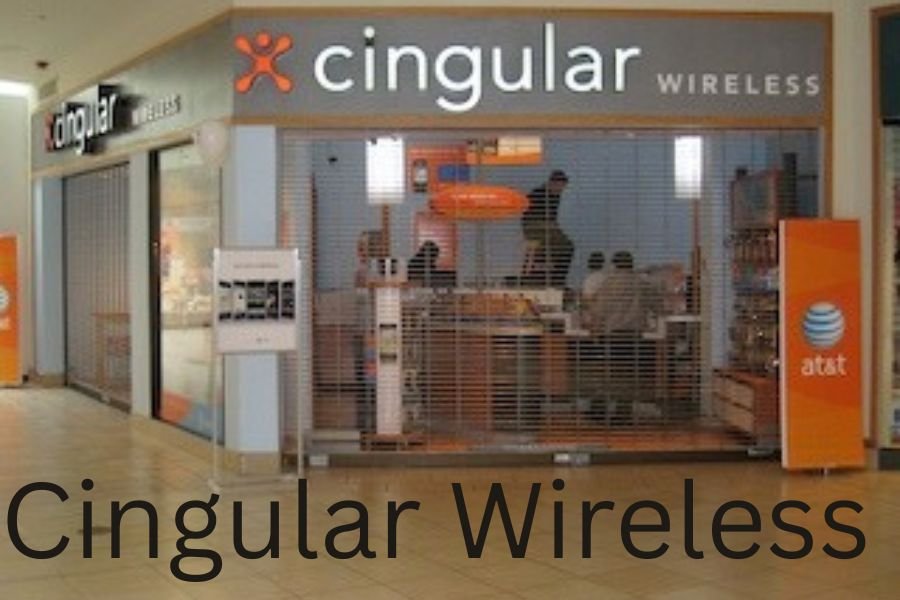
Cingular Wireless was one of the largest mobile network providers in the United States before it merged with AT&T. Established to provide reliable voice and data services, Cingular quickly became a household name for mobile communication. It offered a range of services including voice calls, messaging, and mobile internet to both individual and business customers.
Known for its extensive coverage and network reliability, it became a trusted brand in the telecommunications sector. Over the years, Cingular also expanded its offerings to include smartphones, tablets, and mobile hotspots. The brand became synonymous with innovative mobile solutions during its operation. Today, its legacy continues under AT&T, influencing the modern mobile landscape.
Cingular Wireless was a major U.S. mobile carrier that helped shape modern wireless communication through wide coverage, flexible plans, and early smartphone adoption. Founded in 2000, it grew rapidly before merging with AT&T, which expanded its network strength and technological reach. Although the Cingular brand ended, its innovations and customer-focused approach continue to influence AT&T and today’s mobile services.
In this article, we discuss the topic of “cingular wireless“.
History of Cingular Wireless
Cingular Wireless was founded in 2000 as a joint venture between SBC Communications and BellSouth. The company was created to consolidate mobile services and offer nationwide coverage to U.S. consumers. From its inception, Cingular aimed to challenge existing providers by focusing on network quality and customer service. The brand quickly grew by acquiring regional carriers and expanding its coverage footprint. By 2004, Cingular had become the largest wireless provider in the U.S., surpassing competitors in subscriber count. Its focus on innovation led to early adoption of 3G technology and mobile data services. The history of Cingular represents a transformative period in American telecommunications.
How Cingular Wireless Started
Cingular Wireless was started to combine the resources of multiple regional wireless carriers under one national brand. SBC Communications and BellSouth identified the growing demand for mobile connectivity and collaborated to establish a unified network. The company leveraged existing infrastructure to provide improved service reliability. It targeted both urban and rural areas to ensure broad accessibility. Initially, the focus was on voice services, but Cingular soon expanded to include data and internet-based solutions. Strategic partnerships with handset manufacturers helped in offering popular mobile devices. This foundation allowed Cingular to rapidly scale its operations and customer base.
Cingular Wireless and AT&T Merger
In 2004, AT&T acquired BellSouth’s stake in Cingular, marking the beginning of a strategic consolidation. This merger combined Cingular’s mobile network with AT&T’s national presence, creating a telecommunications giant. The rebranding process eventually led to the adoption of the AT&T Wireless brand, unifying services under one umbrella. Customers benefited from enhanced coverage, improved network reliability, and a wider selection of devices. The merger also accelerated technological advancements such as 3G and later 4G services. Regulatory approvals ensured that the merger did not compromise competition in the market. Ultimately, the Cingular brand gradually phased out but left a lasting impact on mobile services in the U.S.
Overview of Cingular Wireless Services
Cingular Wireless offered a diverse range of services, catering to both individual and corporate users. Core offerings included voice calls, SMS, and MMS messaging. The company was among the first to introduce mobile internet access on smartphones. Customers could choose between prepaid and postpaid plans based on usage preferences. Value-added services included voicemail, call forwarding, mobile email, and mobile security features. Cingular also offered device financing programs to make smartphones accessible. These services created a complete mobile ecosystem for its subscribers.
Cingular Wireless Network Coverage
Cingular Wireless prided itself on providing one of the most extensive coverage networks in the United States. Its network spanned urban, suburban, and rural areas, ensuring connectivity for most Americans. The company invested heavily in towers, network upgrades, and spectrum acquisition to maintain service quality. Coverage included both voice and data services, supporting early 3G technologies. Regular updates to coverage maps helped customers identify service availability. High network reliability contributed to the brand’s reputation as a dependable provider. Cingular’s investment in coverage laid the foundation for AT&T’s national network today.
Cingular Wireless Plans and Pricing
Cingular Wireless offered flexible plans tailored to diverse customer needs. Postpaid plans included unlimited talk, text, and data options, while prepaid plans allowed pay-as-you-go flexibility. Plans varied based on usage limits, device eligibility, and contract length. Bundling services like family plans or mobile internet provided additional value. Promotional offers, such as discounted phones or free data, were common to attract new customers. Transparent pricing and clear billing statements helped maintain customer trust. Overall, Cingular aimed to make mobile communication affordable and accessible.
Cingular Wireless Prepaid vs Postpaid
Cingular provided both prepaid and postpaid options to cater to different user needs. Prepaid plans allowed customers to pay upfront without long-term contracts, ideal for budget-conscious users. Postpaid plans offered monthly billing, often with better device options and higher data limits. Prepaid users could avoid credit checks, while postpaid users enjoyed perks such as family sharing and loyalty programs. Each plan type included voice, messaging, and data services, though postpaid generally had more features. The flexibility to switch between prepaid and postpaid made Cingular appealing to a wide audience. Prepaid options also supported travelers who needed temporary mobile access.
Cingular Wireless for Smartphones
Cingular Wireless played a pivotal role in popularizing smartphones in the U.S. market. The company partnered with manufacturers like BlackBerry, Motorola, and Samsung to offer cutting-edge devices. Smartphones provided internet access, email, and mobile applications, transforming how users communicated. Cingular introduced data plans specifically for smartphones, accommodating growing user demand. Device financing and trade-in programs made these devices accessible to more customers. Cingular’s smartphone offerings contributed to the early adoption of mobile email and browsing. The company’s support for smartphones positioned it as an innovative wireless provider.
Cingular Wireless Data Plans Explained
Cingular Wireless data plans were designed to support both casual and heavy mobile internet users. Plans varied by data allowance, speed, and device compatibility. Early 3G plans allowed mobile email, web browsing, and multimedia messaging. Unlimited data plans were introduced for smartphones to attract tech-savvy consumers. Prepaid data options provided short-term access without contracts. The pricing structure encouraged users to upgrade devices to access faster network speeds. Overall, data plans were a key differentiator for Cingular in a competitive market.
Cingular Wireless 3G and 4G Networks
Cingular Wireless invested in modern network technologies, launching 3G services to enable faster data transfer. 3G supported video calls, email, and web browsing on mobile devices. Later, as AT&T took over, network upgrades led to 4G LTE deployment. The transition to 4G significantly improved download speeds and connectivity reliability. Cingular’s early adoption of 3G positioned it as a forward-thinking provider. Network upgrades were accompanied by device compatibility programs. These advancements enhanced user experience and laid the foundation for future technologies.
Differences Between Cingular Wireless and Competitors
Cingular Wireless differentiated itself through network coverage, customer service, and innovative plans. Compared to Verizon and Sprint, Cingular offered broader coverage in some regions. Its customer service and retail presence were highly rated by subscribers. The focus on smartphone adoption and data plan flexibility gave it an edge in technology offerings. Promotional deals and loyalty programs attracted a larger subscriber base. Pricing structures were competitive without compromising service quality. Cingular’s strategic partnerships and acquisitions further strengthened its market position.
Cingular Wireless Customer Service Overview
Cingular Wireless prioritized customer satisfaction through multiple support channels. Customers could access service via phone, online chat, and retail stores. The company provided troubleshooting guides, account management tools, and device assistance. Customer service representatives were trained to handle billing, network, and device-related issues. Loyalty programs rewarded consistent subscribers with offers and discounts. Feedback mechanisms helped improve service quality over time. Overall, the company focused on responsive and helpful customer interactions.
How to Activate Cingular Wireless Service
Activating Cingular Wireless service was straightforward for new users. Customers could purchase a SIM card or device from retail stores or online. Activation required providing personal information and plan selection. The process involved inserting the SIM, powering on the device, and completing setup instructions. Online account creation allowed for easy management and billing setup. Customer service could assist with activation if issues arose. Successful activation ensured immediate access to voice, messaging, and data services.
Cingular Wireless Phone Unlocking Policy
Cingular Wireless allowed phone unlocking under specific conditions. Postpaid customers with completed contracts could request device unlocking. Prepaid users might face different requirements, depending on plan duration and device type. Unlocking enabled the use of devices on other compatible networks. The company provided instructions and codes to facilitate the unlocking process. Policies ensured that unlocking did not violate device warranties. Unlocking increased flexibility for international travel and network switching.
Popular Cingular Wireless Phones
Cingular Wireless offered a wide range of popular mobile devices. BlackBerry phones were favored for business users and email access. Motorola and Samsung devices gained popularity for multimedia and entertainment. Apple iPhones were later supported after the AT&T merger. Feature phones were still available for budget-conscious users. Devices were paired with compatible data and voice plans. The availability of popular phones contributed to subscriber growth and brand loyalty.
Cingular Wireless BlackBerry Devices
Cingular Wireless partnered with BlackBerry to offer secure mobile email solutions. These devices became synonymous with business communication and productivity. BlackBerry phones supported push email, calendars, and messaging. Cingular provided specialized data plans for these devices. The company offered device support and troubleshooting guides. BlackBerry integration strengthened Cingular’s reputation among corporate users. It positioned the network as reliable for professional communication needs.
Cingular Wireless for Business Users
Cingular Wireless tailored solutions for business clients, providing corporate plans and device management. Business plans included pooled data, shared minutes, and centralized billing. The company offered enterprise solutions for email, messaging, and remote work. Dedicated support helped businesses manage devices and accounts efficiently. Customizable plans accommodated organizations of various sizes. Corporate discounts and promotions incentivized adoption. Overall, Cingular became a preferred provider for business communication services.
International Roaming with Cingular Wireless
Cingular Wireless offered international roaming services for travelers. Subscribers could use voice, text, and data services abroad. Roaming plans included daily, weekly, or per-use billing options. Partnerships with global carriers ensured widespread coverage. Roaming setup and activation required contacting customer support. Pricing transparency helped prevent unexpected charges. International roaming allowed customers to stay connected during travel.
Cingular Wireless Mobile Hotspot Options
Cingular Wireless provided mobile hotspot services for internet access on multiple devices. Users could connect laptops, tablets, and other Wi-Fi-enabled devices. Hotspot plans varied by speed, data allowance, and duration. This feature was useful for remote work, travel, or home backup connections. Device compatibility ensured seamless connectivity. Security features such as password protection safeguarded networks. Mobile hotspots enhanced Cingular’s value proposition in the data-driven era.
How Cingular Wireless Handles Billing
Cingular Wireless implemented a clear and structured billing system for both postpaid and prepaid customers. Postpaid accounts received monthly statements detailing voice, text, and data usage. Additional charges for international calls or overages were clearly itemized. Online account access allowed customers to view statements, download invoices, and set up auto-pay. Prepaid users could monitor balances through the website or mobile app. Notifications for low balances and upcoming payments were sent via email or text. This transparency reduced billing disputes and enhanced customer satisfaction.
Cingular Wireless Payment Methods
Cingular Wireless accepted multiple payment options for convenience. Credit and debit cards were commonly used for both postpaid and prepaid accounts. Auto-pay setups ensured timely monthly payments and avoided late fees. Customers could also pay in retail stores or via phone payment systems. Online account portals provided easy access to payment history and options for changing payment methods. For business accounts, centralized billing and invoicing simplified accounting. Multiple payment channels demonstrated Cingular’s commitment to flexibility and customer ease.
Cingular Wireless App Features
Cingular Wireless offered a mobile app to streamline account management. Users could check balances, monitor usage, pay bills, and manage devices directly from their smartphones. Notifications for payment reminders, plan upgrades, and promotional offers were sent through the app. Some apps included troubleshooting guides and chat support for quick assistance. The app also provided options to upgrade plans or add new services without visiting a store. Security features ensured safe login and data protection. The app improved the overall customer experience and reduced service center dependency.
Cingular Wireless Online Account Management
Online account management was a key feature for Cingular customers. Users could access billing, usage statistics, and plan options from their computers or mobile devices. Account settings allowed plan changes, device upgrades, and personal information updates. Online support tickets helped resolve technical or billing issues efficiently. Notifications for overages and promotional offers enhanced transparency. The system also enabled monitoring multiple lines in family or business plans. By offering comprehensive online management, Cingular empowered users to control their mobile experience.
Troubleshooting Cingular Wireless Network Issues

Cingular Wireless provided various resources to address network issues. Customers could consult online troubleshooting guides or contact support representatives. Common issues included poor signal strength, dropped calls, and data connectivity problems. Network maintenance updates were communicated proactively to minimize inconvenience. Device-specific solutions helped resolve software or hardware conflicts. Additionally, customers were guided to check coverage maps before reporting problems. Effective troubleshooting contributed to the company’s reputation for reliable service.
Cingular Wireless Signal Strength Tips
Maximizing signal strength was important for Cingular Wireless subscribers. Tips included positioning devices near windows, avoiding underground locations, and minimizing interference from other electronics. Regular software updates ensured devices connected optimally to towers. Customers could also perform network resets or toggle airplane mode to restore signal. In areas with consistent poor reception, signal boosters or femtocells were recommended. Awareness of coverage areas helped users plan communications efficiently. These tips reduced call drops and enhanced data performance.
Cingular Wireless Coverage Maps
Cingular Wireless published coverage maps to help users understand network availability. Maps indicated areas with strong, moderate, or weak signal strength. Separate maps highlighted voice, 3G, and later 4G LTE coverage. Interactive online maps allowed users to check service at specific addresses or zip codes. Updates were made regularly to reflect network upgrades or expansions. Coverage maps guided customers in selecting plans and devices suitable for their locations. Transparency in coverage contributed to customer trust.
Cingular Wireless SIM Card Information
SIM cards were essential for accessing Cingular Wireless services. New users received SIMs with their devices or could purchase them separately. SIM cards linked devices to subscriber accounts, enabling voice, messaging, and data services. Activation processes required entering unique SIM numbers and following setup instructions. Lost or damaged SIMs could be replaced through customer service or retail stores. Cingular supported multiple SIM types depending on device compatibility. Proper SIM management ensured seamless connectivity and account security.
Cingular Wireless Device Compatibility
Device compatibility was crucial for seamless use of Cingular Wireless services. Most smartphones and feature phones required approval for network use. Compatibility depended on network technology, frequency bands, and device capabilities. Cingular provided online tools and support to verify device eligibility. Customers switching from other carriers were guided on unlocking procedures. Updates in network technology required device firmware updates or upgrades. Ensuring compatibility minimized technical issues and enhanced customer satisfaction.
Switching from Cingular Wireless to Another Carrier
Cingular Wireless allowed customers to switch carriers following contract completion or with early termination fees. Unlocking devices enabled usage on other networks. Customers were advised to pay outstanding balances and ensure number portability. Porting phone numbers preserved continuity for personal and business contacts. Online guides and customer service facilitated smooth transitions. Switching often involved evaluating coverage, plan features, and device compatibility. This flexibility allowed users to choose the network that best suited their needs.
Cingular Wireless Family Plans
Family plans provided cost-effective options for multiple lines under a single account. Shared minutes, texts, and data allowed families to save on individual subscriptions. Plan customization allowed prioritization of high-usage users or children’s phones. Billing consolidation simplified payments and monitoring. Discounts for adding multiple lines incentivized adoption. Parental controls and usage monitoring were often included. Family plans enhanced customer loyalty by offering flexible and budget-friendly options.
Cingular Wireless Customer Reviews
Customer reviews of Cingular Wireless highlighted strengths and areas for improvement. Users praised network reliability, extensive coverage, and innovative devices. Some customers noted billing issues or occasional technical problems. Overall, positive reviews emphasized customer service quality and plan flexibility. Feedback influenced company decisions on promotions, network upgrades, and plan structures. Online forums and review sites provided insights for potential customers. Consistent engagement with reviews improved trust and brand reputation.
Pros and Cons of Using Cingular Wireless
Cingular Wireless had several advantages, including broad network coverage, flexible plans, and early smartphone support. Strong customer service and a variety of devices added to its appeal. On the downside, some users experienced higher costs compared to competitors. Limited international roaming options were a concern for frequent travelers. Device restrictions on certain plans posed challenges. Overall, the pros outweighed the cons, making Cingular a preferred choice for many subscribers during its operation.
Cingular Wireless Promotions and Deals
Cingular Wireless frequently offered promotions to attract new customers and retain existing ones. Deals included discounted devices, free service months, or additional data packages. Seasonal promotions and holiday sales were common. Promotions often required contract commitments or specific plan selections. Online portals highlighted current offers and eligibility criteria. Regular promotional campaigns maintained subscriber interest and competitiveness in the market.
Cingular Wireless Gift Cards and Offers
Gift cards and special offers provided flexibility for Cingular Wireless users. Gift cards could be redeemed for service credits, devices, or accessories. Promotional offers included referral discounts or bundled services. Holiday and seasonal offers encouraged new sign-ups. These incentives enhanced brand loyalty and engagement. Easy redemption processes ensured customer satisfaction. Gift cards were also popular as presents, introducing new users to the network.
Cingular Wireless Mobile Security Features
Cingular Wireless emphasized mobile security to protect user data and devices. Features included encryption for calls, secure messaging, and device tracking. Antivirus and malware protection were recommended for smartphones. Parental controls helped monitor children’s usage. Security alerts and account monitoring added layers of protection. Regular software updates addressed vulnerabilities. Mobile security strengthened trust and ensured safe network usage.
Cingular Wireless Voicemail Setup
Voicemail setup with Cingular Wireless was straightforward. Users could access voicemail via a dedicated phone number or device menu. Personalized greetings, passwords, and notifications enhanced usability. Voicemail-to-text and email notifications were available on certain devices. Setup guides and customer support assisted with configuration. Voicemail ensured users never missed important calls. Efficient setup contributed to better communication management.
Cingular Wireless Text Messaging Services
Cingular Wireless supported standard SMS and MMS messaging services. Users could send texts, images, and multimedia content. Group messaging and international texting were supported on selected plans. Text messaging was integrated with smartphones, tablets, and mobile apps. Notifications and delivery confirmations improved communication reliability. Plan options allowed unlimited or limited messaging based on usage. Text services were a core part of Cingular’s connectivity offerings.
Cingular Wireless International Calling Rates
Cingular Wireless offered international calling options for travelers and business users. Rates varied depending on country and plan type. Promotional packages provided discounted minutes for frequent destinations. Customers could monitor usage through online accounts to manage costs. International calling required activation for certain lines or devices. Transparent pricing helped prevent unexpected charges. These services allowed users to stay connected globally.
Cingular Wireless Network Reliability
Cingular Wireless was known for reliable network performance. Investments in towers, infrastructure, and spectrum ensured minimal downtime. Maintenance schedules were communicated to customers to avoid disruption. Reliable voice and data connectivity strengthened user trust. High network reliability contributed to brand reputation and customer retention. Comparisons with competitors often highlighted Cingular’s consistent service. Reliability remained a cornerstone of the company’s value proposition.
Cingular Wireless LTE Upgrade Options
As mobile technology evolved, Cingular Wireless prepared subscribers for LTE adoption. Upgrades provided faster data speeds and improved call quality. Devices compatible with LTE were promoted to existing customers. Plans were adjusted to support higher bandwidth usage. Retail and online support facilitated smooth device and plan transitions. LTE adoption enhanced the user experience for streaming, browsing, and communication. The upgrade positioned the company to meet growing consumer expectations.
The Legacy of Cingular Wireless in Telecom History
Cingular Wireless left a lasting legacy in U.S. telecommunications. It introduced innovative mobile services, expanded coverage nationwide, and fostered smartphone adoption. The company’s merger with AT&T set a precedent for future industry consolidations. Cingular’s focus on customer service and flexible plans influenced modern carrier practices. Its contributions to mobile technology adoption and network infrastructure were significant. Even after rebranding, Cingular’s impact is evident in today’s wireless landscape.
How Cingular Wireless Influenced Modern Mobile Services
Cingular Wireless shaped modern mobile communication trends. By supporting smartphones, introducing data plans, and expanding coverage, it set benchmarks for competitors. The company’s focus on customer service, promotions, and technology adoption influenced industry standards. Mobile email, apps, and hotspot services popularized by Cingular remain integral today. Its early investments in 3G and 4G networks paved the way for LTE and 5G advancements. Overall, Cingular played a key role in defining expectations for wireless services.
Cingular Wireless and Smartphone Innovations
Cingular Wireless contributed to smartphone innovation through device partnerships and early adoption of mobile data services. BlackBerry integration enabled secure business communication. Support for iPhones and Android devices expanded consumer choice. Mobile app ecosystems grew alongside network capabilities. Data plan options allowed users to explore advanced features. Device financing and trade-in programs made smartphones accessible. These innovations positioned Cingular as a technology-forward provider.
Cingular Wireless Support for Tablets
Cingular Wireless expanded services to support tablets, meeting growing mobile computing needs. Plans included data packages specifically for tablets. Customers could use mobile hotspots or LTE-enabled devices for connectivity. Support included troubleshooting, device compatibility checks, and online guides. Tablets were integrated into family and business plans for flexible use. This support reflected Cingular’s commitment to evolving customer needs. Tablets became an essential part of mobile productivity and entertainment.
Cingular Wireless Eco-Friendly Initiatives
Cingular Wireless implemented eco-friendly initiatives to reduce environmental impact. Programs included recycling old devices and reducing electronic waste. Energy-efficient network infrastructure minimized power consumption. Online billing and paperless notifications supported sustainability. Partnerships with manufacturers promoted green device production. Customer awareness campaigns encouraged responsible device disposal. These initiatives demonstrated corporate responsibility and environmental commitment.
Comparing Cingular Wireless with AT&T Mobility
Cingular Wireless and AT&T Mobility shared similar service offerings post-merger. Cingular had a stronger legacy in network expansion and customer service. AT&T brought broader corporate resources and technological upgrades. Coverage, plans, and device options were eventually unified under AT&T branding. Comparison highlights Cingular’s early focus on smartphone adoption and innovative plans. The merger created a stronger market leader while preserving Cingular’s customer-focused strategies.
Cingular Wireless Customer Loyalty Programs
Cingular Wireless offered loyalty programs to reward long-term subscribers. Benefits included discounted devices, priority support, and exclusive offers. Points systems and referral bonuses encouraged continued service usage. Family and business plan members received additional incentives. Loyalty programs enhanced retention and customer satisfaction. Promotions targeted at returning customers helped reduce churn. Overall, these initiatives reinforced positive relationships with subscribers.
Future of Cingular Wireless Services

Although the Cingular brand no longer exists, its services and innovations continue under AT&T. Legacy practices in coverage, network reliability, and customer service influence modern mobile offerings. Emerging technologies like 5G, IoT, and mobile payments build on Cingular’s foundational work. Lessons from Cingular’s operations inform future network upgrades and service enhancements. The emphasis on customer experience remains central to wireless innovation. Cingular’s legacy ensures continued growth and adaptation in the telecom industry.
Conclusion
Cingular Wireless played a transformative role in shaping mobile communications in the United States. Its focus on coverage, customer service, and technology adoption set industry benchmarks. Partnerships with smartphone manufacturers and network investments influenced the modern mobile landscape. Despite its merger with AT&T, the Cingular brand left a lasting imprint on service quality, plan flexibility, and network innovation. Its contributions continue to resonate in today’s wireless services, illustrating the importance of strategic vision and customer-centric operations in telecommunications.
FAQs
What was Cingular Wireless?
A major U.S. mobile network provider that merged with AT&T.
When did Cingular Wireless start?
Founded in 2000 as a joint venture between SBC Communications and BellSouth.
Did Cingular Wireless offer smartphones?
Yes, including BlackBerry, iPhone, and Android devices.
Could I use Cingular Wireless internationally?
Yes, with available international roaming plans.
What happened to Cingular Wireless?
It merged with AT&T and was rebranded under AT&T Wireless.
Keep an eye for more latest news & updates on premiumtechy!