Wiring 240V in a house is a common requirement for powering high-demand appliances such as stoves, dryers, water heaters, and EV chargers. Unlike standard 120V circuits, 240V wiring requires careful planning, understanding of electrical codes, and proper safety measures. This guide will break down every aspect of wiring 240V in your home, covering legality, tools, installation steps, troubleshooting, and safety tips.
Wiring 240V in a home is possible but requires proper permits, correct wire gauge, double-pole breakers, and strict adherence to NEC and local codes. Safety steps like shutting off main power, proper grounding, and testing with a multimeter are essential to prevent shocks or fires. While experienced homeowners may DIY where legal, hiring a licensed electrician is the safest option for reliable, code-compliant installation.
In this article, we discuss the topic of “can you wire 240v in house“.
What Does Wiring 240V in a House Mean?

Wiring 240V in a house involves creating a dedicated electrical circuit that provides a higher voltage supply than standard outlets. Standard home outlets typically deliver 120V, sufficient for small appliances and lighting. However, large appliances like electric stoves, dryers, or water heaters require more power. A 240V circuit combines two 120V hot wires, each carrying current in opposite phases, providing double the voltage. Understanding this concept is essential before attempting any installation. Proper 240V wiring ensures appliances operate efficiently and safely, while improper wiring can lead to equipment damage or serious electrical hazards.
Is It Legal to Wire 240V in a House Yourself?
Whether you can legally wire 240V yourself depends on local regulations. Many regions allow homeowners to perform electrical work on their own property if they pull the necessary permits. However, some areas require a licensed electrician to handle circuits above 120V due to safety concerns. Always check your local building codes and electrical regulations before starting any 240V project. Even if legally allowed, working with 240V carries significant risks, including electric shock or fire, making strict adherence to safety practices and NEC guidelines essential.
Basic Electrical Requirements for 240V Wiring
To wire 240V safely, you must ensure your home’s electrical system can handle the load. The main panel should have sufficient capacity and space for double-pole breakers. Standard requirements include appropriate wire gauge, grounding, and overcurrent protection. You also need a properly rated breaker and wiring that matches the amperage of your appliance. Additionally, ensuring that the service panel has balanced phases can prevent overheating and tripped breakers. Understanding these requirements helps prevent future electrical issues and keeps your home compliant with safety standards.
Understanding Single-Phase vs. Three-Phase 240V
240V wiring in homes usually uses a single-phase system, combining two 120V hot wires to achieve 240 volts. Single-phase power is common in residential settings and suitable for most high-power appliances. Three-phase 240V, however, is more common in industrial or commercial applications. It uses three wires carrying alternating currents to provide consistent power and handle higher loads. While residential wiring rarely requires three-phase power, understanding the difference helps you plan for potential upgrades or large-scale electrical projects safely and efficiently.
Tools Needed to Wire 240V in a House
Wiring 240V requires specialized tools to ensure safety and accuracy. Essential tools include wire strippers, voltage testers, a multimeter, a drill for running wiring through walls, screwdrivers, and pliers. You may also need conduit benders and fish tape for routing wires through difficult spaces. Using quality tools not only makes installation easier but also reduces the risk of mistakes that could lead to electrical hazards. Always wear insulated gloves and safety goggles when working on high-voltage circuits to protect yourself from shocks and sparks.
Safety Precautions Before Wiring 240V
Safety is paramount when handling 240V wiring. Always turn off the main breaker before starting any installation. Verify with a voltage tester that no live current is present. Avoid working in damp areas, and keep children and pets away from the work zone. Use insulated tools, and wear protective equipment, including gloves and goggles. Additionally, follow manufacturer instructions for appliances and electrical components. Taking these precautions can significantly reduce the risk of accidents and ensures your 240V installation is completed safely.
How a 240V Circuit Differs from a 120V Circuit
A 240V circuit differs from a 120V circuit primarily in voltage, amperage, and wiring configuration. While 120V circuits use one hot wire and a neutral wire, 240V circuits use two hot wires from different phases. This allows double the voltage for higher-power appliances. Additionally, 240V circuits require a double-pole breaker, while 120V circuits use single-pole breakers. Understanding this difference is crucial to avoid overloading circuits or causing electrical hazards. Proper installation ensures appliances receive adequate power without compromising safety.
How to Determine if Your Home Can Support 240V
Before installing a 240V circuit, evaluate your home’s electrical panel capacity. Check the main panel’s amperage rating and available slots for breakers. Older homes may have panels that cannot handle additional high-power circuits. Consider the total load of all appliances running simultaneously. If unsure, consult a licensed electrician to assess the system. Upgrading your panel might be necessary in some cases to safely accommodate new 240V circuits, preventing tripped breakers and electrical hazards.
Step-by-Step Guide to Wiring 240V Outlets
Wiring a 240V outlet involves several steps: first, turn off the main power. Next, install a double-pole breaker in your panel and run the proper gauge wire to the outlet location. Connect the two hot wires to the breaker terminals, the neutral (if required) to the neutral bus, and the ground wire to the grounding bus. At the outlet, connect the wires according to the manufacturer’s instructions. Finally, test the circuit with a multimeter before plugging in any appliances. Following these steps ensures safe and reliable operation.
Common Appliances That Require 240V Wiring
High-power appliances require 240V circuits to operate efficiently. Common examples include electric stoves, clothes dryers, water heaters, and electric vehicle chargers. Other appliances like large air conditioning units, welders, and heavy-duty power tools may also require 240V. Properly wiring these appliances ensures they run efficiently without tripping breakers or causing fire hazards. Using the correct circuit and breaker size is critical to prevent overloading and maintain safety in your home.
Choosing the Right Circuit Breaker for 240V
Selecting the correct circuit breaker is essential for safe 240V wiring. Double-pole breakers are used to handle both hot wires. The amperage rating should match the appliance’s requirements, ensuring adequate protection against overloads. Choosing a breaker with insufficient capacity can cause frequent tripping, while an oversized breaker can compromise safety. Always follow NEC guidelines and manufacturer specifications when choosing a breaker to ensure reliable and safe operation.
Copper vs. Aluminum Wire for 240V Circuits
Both copper and aluminum wires are used for 240V circuits, but they have differences. Copper is highly conductive, durable, and less prone to oxidation, making it the preferred choice. Aluminum is lighter and cheaper but requires special connectors and careful handling due to its higher resistance and expansion properties. For most residential applications, copper is recommended to ensure safety, longevity, and compliance with electrical codes. Aluminum is generally reserved for large feeders or where cost constraints exist.
Understanding Wire Gauge for 240V Installation
Wire gauge is critical for safe 240V installations. The size of the wire determines how much current it can safely carry without overheating. For example, a 30-amp circuit typically uses 10-gauge wire, while a 50-amp circuit may require 6-gauge wire. Using the correct gauge prevents electrical fires, tripped breakers, and appliance damage. Always consult NEC tables and appliance specifications to select the proper wire size for your specific 240V application.
Color Codes for 240V Wiring in Homes
Proper color coding helps identify wires in a 240V circuit. In the U.S., black and red are commonly used for hot wires, white for neutral, and green or bare for ground. Proper labeling ensures safe connections and makes troubleshooting easier. Following these color standards is essential to comply with NEC regulations and prevent mistakes during installation. Deviating from standard codes can result in confusion, faulty connections, and potential hazards.
How to Properly Ground a 240V Circuit
Grounding a 240V circuit is crucial for safety. The ground wire directs excess electricity safely into the earth in case of a fault. Connect the ground wire to the grounding bus in the panel and the outlet box. Proper grounding reduces the risk of electric shock and helps protect appliances from voltage spikes. Always use approved grounding methods and materials to ensure compliance with NEC codes and maintain safety in your home.
How to Install a 240V Outlet Safely
Installing a 240V outlet requires careful preparation. Turn off the main breaker and verify no current is present. Run the appropriate gauge wire from the panel to the outlet location. Connect the two hot wires, neutral (if required), and ground according to the outlet’s instructions. Secure the outlet in a proper box and cover it with a faceplate. Test the outlet using a multimeter to ensure correct voltage before use. Following these steps prevents electrical hazards and ensures reliable operation.
What Tools Are Required for 240V Outlet Installation
Installing a 240V outlet requires a set of reliable tools to ensure safety and accuracy. Essential items include a multimeter for voltage testing, wire strippers to prepare wires, screwdrivers, pliers, and a drill for creating openings in walls. Fish tape or conduit pullers help run wiring through tight spaces. Insulated gloves and safety glasses are mandatory to protect against electric shock and sparks. Using the right tools not only ensures a safe installation but also speeds up the process and prevents mistakes that can lead to costly repairs or hazards.
Running 240V Wiring Through Walls and Ceilings
Running 240V wiring through walls and ceilings requires careful planning to avoid damaging existing structures. Plan the route to minimize bends and obstacles, using fish tape to pull wires through studs and joists. Protect the wires with conduits or cable clamps to prevent abrasion. Avoid running wiring near water pipes or HVAC ducts. Drill clean, precise holes for passage, and secure wires at regular intervals. Following these steps ensures a neat, code-compliant installation that reduces future maintenance issues and safety risks.
How to Protect 240V Wiring with Conduits
Protecting 240V wiring with conduits increases safety and durability. Conduits shield wires from physical damage, moisture, and accidental punctures. Common materials include PVC, metal, and flexible conduits. Metal conduits offer better grounding and protection against fire hazards, while PVC is easier to install and cost-effective. Secure conduits with brackets and connectors to avoid sagging. Ensuring proper conduit protection extends the life of your wiring and keeps your home compliant with electrical codes.
Can You Use Existing 120V Circuits for 240V Appliances?
Existing 120V circuits cannot safely power 240V appliances because they are not designed for higher voltage loads. Attempting to convert a 120V outlet to 240V by adding a second hot wire is dangerous and violates electrical codes. Installing a dedicated 240V circuit with appropriate breaker, wire gauge, and outlet is necessary. Proper installation prevents electrical fires, tripped breakers, and appliance damage. Always follow code requirements when adding or upgrading circuits to meet the higher power needs safely.
Step-by-Step Electrical Panel Connection for 240V
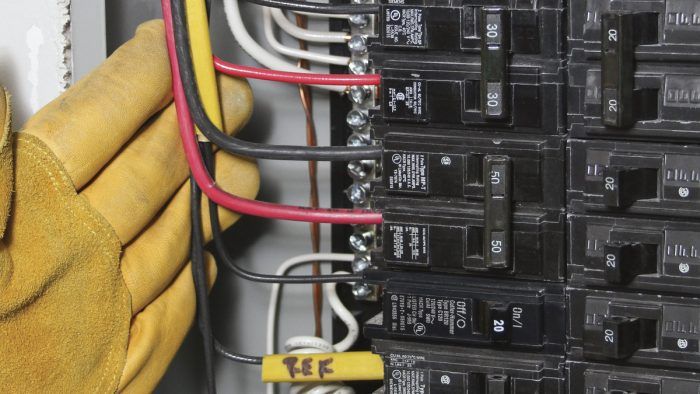
Connecting a 240V circuit to your electrical panel requires precision. First, turn off the main breaker and identify an available double-pole breaker slot. Run the 240V wire to the panel, connecting each hot wire to the breaker terminals. Attach the neutral (if required) and ground to their respective bus bars. Secure the wires and tighten all connections. Test the breaker and wiring with a multimeter before turning the main power back on. Proper panel connection ensures safe, code-compliant power delivery to your appliances.
How to Test a 240V Circuit Before Use
Testing a 240V circuit before using it ensures proper functionality and safety. Use a multimeter to measure voltage across the hot wires; it should read around 240 volts. Verify continuity and check that the ground connection is intact. Inspect the outlet and connections for any signs of loose wiring or damage. Testing prevents damage to appliances and reduces the risk of shocks or fires. Routine testing is also recommended after installation to ensure the circuit remains safe over time.
Common Mistakes When Wiring 240V in a House
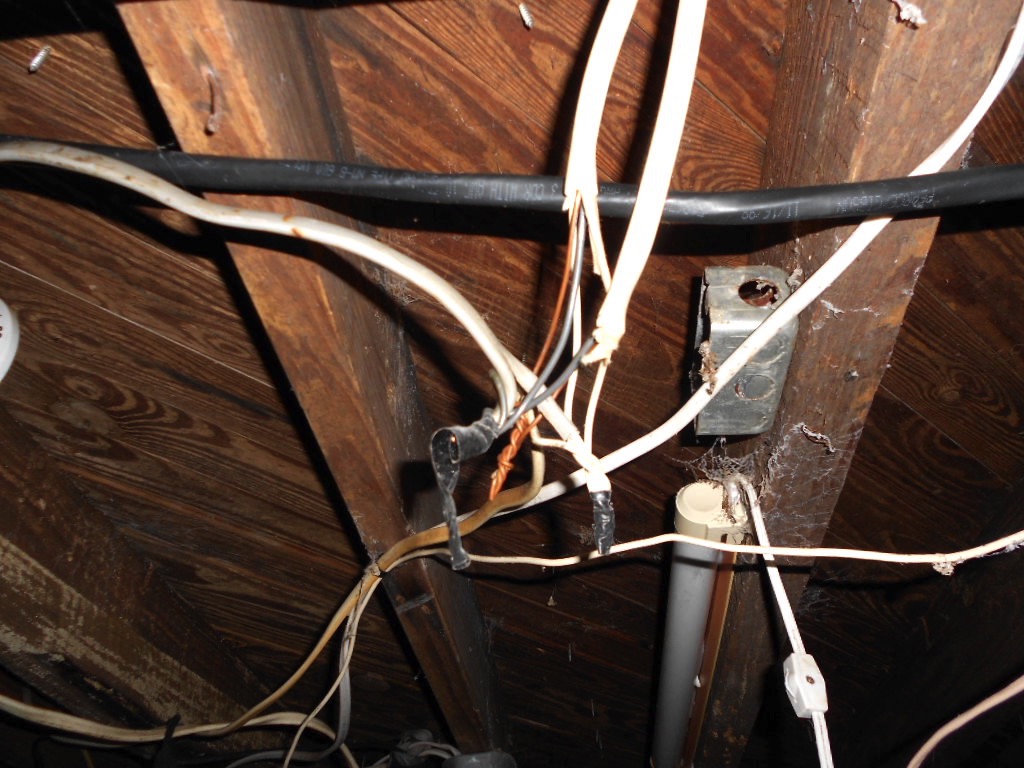
Wiring 240V incorrectly can lead to dangerous situations. Common mistakes include using the wrong wire gauge, improper grounding, incorrect breaker size, and mislabeling circuits. Other errors include attempting to convert 120V circuits or skipping permits. These mistakes can cause tripped breakers, electrical fires, or appliance damage. Following code standards, using correct materials, and double-checking connections can prevent these issues. Education and caution are key to successful 240V installations.
Understanding Load Capacity for 240V Circuits
Each 240V circuit has a specific load capacity, determined by the wire gauge and breaker rating. Overloading a circuit can cause overheating, tripped breakers, and fire hazards. Calculate the total amperage of connected appliances and ensure it stays below the circuit’s maximum capacity. For example, a 30-amp 240V circuit can safely power appliances up to 7200 watts. Proper planning and adherence to load limits prevent electrical problems and extend the lifespan of appliances and wiring.
How to Avoid Overloading a 240V Circuit
Preventing overloading requires careful planning and appliance management. Avoid connecting multiple high-power devices to a single 240V circuit. Check the circuit’s amperage rating and compare it with the power requirements of the appliances. Installing a breaker with proper amperage and using appropriately sized wires also prevents overloading. Regularly inspect circuits for signs of overheating, such as melted insulation or discolored outlets. Proper load management ensures safety and avoids costly damage.
Wiring 240V for Electric Stoves and Ovens
Electric stoves and ovens require dedicated 240V circuits due to their high power demands. Typically, a 40–50 amp double-pole breaker is used, with 6 or 8-gauge wires depending on the stove’s specifications. Run the wires through conduits or walls carefully, ensuring proper grounding. Use a compatible outlet and test the voltage before connecting the stove. Proper wiring ensures safe operation, prevents tripped breakers, and allows your appliance to perform efficiently.
Wiring 240V for Clothes Dryers
Clothes dryers often require 240V circuits, usually rated between 30–40 amps. Use the correct wire gauge and install a double-pole breaker. Connect the two hot wires to the breaker, the neutral wire to the neutral bus, and the ground wire properly. Ensure the outlet matches the dryer plug type. Testing with a multimeter ensures proper voltage and continuity. Correct wiring prevents overheating, appliance damage, and reduces fire risk, making laundry safe and efficient.
Wiring 240V for Electric Water Heaters
Electric water heaters demand high voltage, typically 240V, to operate efficiently. Use a dedicated double-pole breaker sized according to the heater’s wattage. Select the proper wire gauge and ensure secure connections to prevent loose wiring. Ground the circuit correctly and protect it with conduit if required. Testing before powering on ensures safety and confirms the heater receives the correct voltage. Proper installation guarantees efficient operation and prolongs the appliance’s life.
Wring 240V for EV Chargers
Electric vehicle chargers are high-power appliances that require dedicated 240V circuits. The amperage can range from 30 to 50 amps, depending on the charging speed. Use proper wire gauge, breakers, and a correctly rated outlet or hardwired connection. Grounding is essential for safety. Plan the wiring route carefully to avoid interference with other utilities. Testing the circuit before connecting the charger ensures safety, efficiency, and reliable performance for daily EV charging needs.
Can You Add 240V Outlets Without Replacing the Panel?
Adding 240V outlets may be possible without replacing the panel if there is sufficient capacity and available breaker slots. However, older panels may lack space or amperage, requiring upgrades. Always verify load limits and consider future expansion needs. Using proper wiring, breakers, and outlets is essential even if the panel is adequate. Consulting a licensed electrician ensures safety and compliance with local electrical codes while avoiding overloading the system.
How to Plan 240V Circuit Layout in Your Home
Planning a 240V circuit layout involves evaluating appliance locations, existing wiring, and panel capacity. Identify the shortest and safest routes for wiring while avoiding obstacles. Consider the type and amperage of appliances to determine wire gauge and breaker size. Label all circuits for easy identification. Using conduits or cable trays can organize wiring and prevent damage. Proper planning simplifies installation, reduces costs, and ensures long-term safety and efficiency.
How Much Does Wiring 240V in a House Cost?
The cost of wiring 240V varies based on materials, labor, and panel upgrades. DIY installation reduces costs but carries risks, while hiring a licensed electrician ensures safety. Wire gauge, breaker size, and outlet type also affect costs. On average, installing a single 240V circuit can range from $150 to $500 or more. Additional expenses may include permits, panel upgrades, and conduit materials. Budgeting for proper materials and professional work ensures a safe and reliable installation.
Pros and Cons of DIY 240V Wiring
DIY wiring offers cost savings and personal satisfaction but carries significant risks. Pros include lower labor costs and control over the project. Cons include potential code violations, electrical hazards, and lack of expertise. Mistakes in 240V wiring can lead to serious injuries or fires. Ensuring proper permits, following NEC standards, and double-checking connections are essential for DIY projects. For complex installations, hiring a licensed electrician is safer and more reliable.
Hiring a Licensed Electrician for 240V Wiring
Hiring a licensed electrician ensures 240V circuits are installed safely and up to code. Electricians have the training, tools, and experience to handle complex wiring. They can assess panel capacity, select the correct wire gauge, and secure proper grounding. Professional installation reduces the risk of electrical hazards, prevents code violations, and ensures appliances operate efficiently. While it may cost more upfront, it provides peace of mind and long-term safety for your home.
How to Pull Permits for 240V Electrical Work
Pulling permits for 240V electrical work ensures compliance with local building codes. Contact your city or county building department to obtain the necessary permits. Provide details of the project, including breaker size, wire gauge, and outlet locations. Inspections may be required at different stages of the installation. Permits help protect homeowners, reduce liability, and ensure work meets safety standards. Always follow local guidelines to avoid fines or safety violations.
Understanding National Electrical Code (NEC) for 240V
The National Electrical Code (NEC) provides standards for safe 240V wiring in residential settings. It defines proper wire sizes, breaker ratings, grounding requirements, and installation practices. Following NEC ensures compliance with legal and safety standards. Ignoring code requirements can result in unsafe installations, electrical fires, and insurance issues. Familiarizing yourself with NEC guidelines is critical for planning and installing 240V circuits safely.
How to Label 240V Circuits for Safety
Proper labeling of 240V circuits ensures safety and ease of maintenance. Use clear, durable labels at the breaker panel and outlets. Include information such as voltage, amperage, and appliance served. Labeling helps prevent accidental shutdowns, assists electricians during repairs, and ensures household members avoid misuse. Clear identification is essential for troubleshooting and maintaining a safe electrical system.
How to Troubleshoot a 240V Circuit
Troubleshooting a 240V circuit involves checking voltage, continuity, and connections. Use a multimeter to verify that the circuit delivers the correct voltage across both hot wires. Inspect the breaker, wiring, and outlet for signs of damage or loose connections. Common issues include tripped breakers, faulty outlets, or overloaded circuits. Addressing problems promptly prevents appliance damage, ensures safety, and maintains reliable operation.
Common Signs of a Faulty 240V Circuit
Signs of a faulty 240V circuit include frequent breaker trips, flickering lights, burning smells, or warm outlets. Appliances may fail to operate properly or show signs of overheating. Loose wiring or poor connections are common causes. Detecting issues early and addressing them with proper repairs prevents fire hazards, ensures electrical safety, and extends the lifespan of appliances and wiring.
How to Upgrade Old Wiring to Support 240V
Older homes may have wiring insufficient for 240V appliances. Upgrading requires assessing the panel, replacing old wires, and installing appropriate breakers. Ensure wire gauge matches appliance amperage, and install proper grounding. Using modern outlets and conduit protects the circuit and prevents hazards. Professional evaluation is recommended for older homes to ensure code compliance and safe installation of high-voltage circuits.
Can You Wire 240V in Older Homes?
Wiring 240V in older homes is possible but requires careful assessment. Many older homes have panels with limited capacity or outdated wiring. Replacing breakers, wires, and outlets may be necessary to handle modern high-power appliances. Ensure grounding meets current standards and follow NEC codes. Upgrading ensures safe, reliable operation while minimizing risks of fire, shocks, and circuit failures in older electrical systems.
How to Avoid Electrical Fires When Wiring 240V
Electrical fires can occur from improper wiring, overloaded circuits, or poor connections. To avoid fires, use proper wire gauge, breakers, and grounding. Secure connections tightly and avoid DIY shortcuts without proper knowledge. Install outlets and conduits according to NEC standards and test circuits before use. Regular inspection of 240V circuits ensures early detection of faults, preventing hazards and keeping your home safe.
How Long Does It Take to Wire a 240V Outlet?
Wiring a 240V outlet typically takes 2–6 hours, depending on the complexity and preparation. Factors affecting time include panel accessibility, wire routing, wall construction, and experience level. DIY projects may take longer due to planning and safety precautions. Professional electricians often complete installations faster due to experience and specialized tools. Proper preparation and planning reduce time while ensuring a safe and code-compliant installation.
Cost-Effective Solutions for Adding 240V Circuits
Cost-effective solutions include running wires through existing conduit, using flexible metal tubing, or selecting appliances with lower amperage requirements. Planning efficient wire routes reduces labor and material costs. Purchasing quality wire and breakers prevents costly replacements in the future. DIY projects can reduce costs but require strict adherence to safety standards. Balancing cost savings with safety ensures reliable 240V circuits without overspending.
How to Combine 240V Circuits for High-Power Appliances
Combining 240V circuits may be necessary for appliances with exceptionally high power demands, such as large EV chargers or industrial equipment. Use properly rated breakers, wires, and outlets for combined load. Avoid overloading any single circuit by calculating total amperage requirements. Professional evaluation is recommended to prevent safety hazards. Combining circuits improperly can lead to tripped breakers, overheating, or fire risks, so careful planning is essential.
How to Test Amperage and Voltage for 240V
Testing amperage and voltage ensures the 240V circuit operates correctly. Use a multimeter to measure voltage across hot wires; it should read approximately 240 volts. Clamp meters can measure amperage draw under load to ensure it is within safe limits. Regular testing helps detect overloads, faulty breakers, or damaged wiring. Proper testing prevents appliance damage, enhances safety, and maintains reliable operation of high-power devices.
Understanding Double-Pole Breakers for 240V
Double-pole breakers are essential for 240V circuits, connecting two hot wires to provide full voltage. They offer overload and short-circuit protection for both wires simultaneously. The breaker rating must match the appliance’s amperage requirements. Installing a double-pole breaker ensures safe, reliable operation of high-power appliances while preventing fire hazards. Understanding how these breakers work is critical for anyone wiring 240V circuits.
Can You Wire 240V Outdoors?
Outdoor 240V wiring requires additional protection against moisture, physical damage, and weather conditions. Use weatherproof outlets, GFCI protection, and conduit suitable for exterior use. Ensure proper grounding and follow NEC standards for outdoor circuits. Avoid routing wires through exposed areas without protection. Proper outdoor installation ensures safety, prevents short circuits, and allows reliable operation of equipment such as pool pumps, EV chargers, or outdoor stoves.
How to Maintain Your 240V Wiring Over Time
Maintaining 240V wiring includes periodic inspections for wear, corrosion, or loose connections. Check breakers, outlets, and grounding for signs of damage. Clean dust and debris from panels and use surge protectors for sensitive appliances. Address minor issues promptly to prevent major failures. Regular maintenance extends the lifespan of wiring, reduces fire risk, and ensures continued safe and efficient operation of high-power appliances in your home.
Final Safety Tips for Wiring 240V in a House
Final safety tips include always turning off the main breaker before work, using the correct wire gauge and breaker, and ensuring proper grounding. Follow NEC guidelines and local codes, and avoid shortcuts that compromise safety. Label all circuits clearly, test voltage and amperage, and inspect work before use. When in doubt, hire a licensed electrician. Following these tips ensures a safe, reliable, and code-compliant 240V installation, protecting your home and family.
Conclusion
Wiring 240V in a house is a critical task that requires careful planning, knowledge, and adherence to safety standards. From understanding voltage differences and load capacity to selecting the right breakers, wire gauge, and outlets, every step plays a vital role in ensuring a safe and reliable electrical system. While DIY installations are possible for experienced individuals, consulting a licensed electrician is always recommended, especially for older homes or complex setups.
By following the National Electrical Code (NEC) guidelines, using proper tools, and taking all necessary precautions, homeowners can safely power high-demand appliances such as stoves, dryers, water heaters, and EV chargers. Proper installation, regular maintenance, and careful planning not only prevent hazards but also ensure long-term efficiency and safety for your home’s electrical system.
FAQs
1. Can I wire 240V myself?
Yes, if local codes allow, but safety precautions and proper permits are required.
2. What appliances need 240V?
Electric stoves, dryers, water heaters, EV chargers, and large AC units.
3. What wire gauge is needed for 240V?
Depends on amperage: 30A = 10-gauge, 50A = 6-gauge.
4. Do I need a double-pole breaker?
Yes, it provides proper protection for both hot wires in a 240V circuit.
5. Can I convert a 120V outlet to 240V?
No. A dedicated 240V circuit is required for safety.
6. Is grounding necessary?
Absolutely. It protects against shocks and electrical fires.
7. Can 240V circuits be installed outdoors?
Yes, but use GFCI protection, weatherproof outlets, and proper conduit.
Keep an eye for more latest news & updates on premiumtechy!