When it comes to electrical wiring, understanding which type of wire to use for a specific voltage is crucial. The term “10/2 wire” refers to a specific gauge and configuration of wire often used in household circuits. Many DIYers and electricians encounter the question: Can I use 10/2 wire for 220 volts? The answer depends on factors like amperage, distance, and the type of appliance. Before making any connections, it’s important to know the limitations and proper applications of this wire type to ensure safety and efficiency.
Yes, you can use 10/2 wire for 220 volts if the appliance doesn’t require a neutral wire. It’s perfect for 220V devices like water heaters, air compressors, or welders. However, for appliances needing both 120V and 220V, you must use 10/3 wire instead.
In this article, we discuss the topic of “can i use 10 2 wire for 220”.
Understanding What 10/2 Wire Means

10/2 wire refers to a cable with a 10-gauge conductor and two insulated wires (plus a ground). The “10” indicates the wire gauge, while the “2” means it contains two current-carrying conductors—typically black (hot) and white (hot or neutral, depending on use)—plus a bare copper ground wire. This type of wire is commonly used for 120V and 240V circuits that don’t require a neutral. Understanding this helps determine when 10/2 wire can handle 220 volts safely and effectively.
The Basics of 220-Volt Electrical Systems
A 220V circuit uses two hot wires, each carrying 110 volts out of phase with the other. When combined, they deliver 220 volts to an appliance. Many high-power devices such as dryers, ovens, and air conditioners run on 220V because it allows them to operate more efficiently. The circuit setup differs from 120V systems because it often doesn’t require a neutral wire, depending on the appliance design. Knowing how 220V works is key before wiring with 10/2 cable.
Difference Between 10/2 and 10/3 Wire
The major difference between 10/2 and 10/3 wire is the number of insulated conductors. A 10/2 wire has two insulated wires (black and white) and a bare ground. A 10/3 wire, on the other hand, has three insulated conductors (black, red, and white) plus a ground. Appliances requiring both 220V power and a neutral connection—like electric dryers with 120V control panels—need 10/3 wire. Using 10/2 wire in those cases would result in improper grounding and potential electrical hazards.
Can I Use 10/2 Wire for 220 Volts?
Yes, you can use 10/2 wire for 220V in certain cases—but only for appliances or circuits that don’t need a neutral. Since 10/2 has two conductors and a ground, it’s perfect for simple 220V loads like air compressors or water heaters. However, if your 220V device requires both 120V and 220V components, you’ll need 10/3 wire. Always verify the appliance wiring diagram and NEC (National Electrical Code) before making the connection.
When It’s Safe to Use 10/2 Wire for 220V
Using 10/2 wire for 220 volts is safe when the circuit doesn’t require a neutral, and the load does not exceed the amperage rating for 10-gauge wire (typically 30 amps). Examples include 220V single-phase equipment like air conditioners, heaters, and welders that use only two hot wires and ground. Ensuring that the wire insulation and breaker match the load prevents overheating and fire hazards. Always check the wire length, as voltage drop can also affect performance.
When You Shouldn’t Use 10/2 Wire for 220V
Avoid using 10/2 wire for any 220V device requiring a neutral connection. Appliances such as ranges or dryers often need both 220V for heating elements and 120V for lights or controls. In such cases, 10/3 wire is mandatory. Using 10/2 would eliminate the neutral, forcing improper grounding and creating dangerous backfeeding. It’s also unsafe for long-distance runs where voltage drop might exceed acceptable limits.
Understanding the Wire Gauge System
The American Wire Gauge (AWG) system ranks wires by size. The smaller the number, the thicker the wire. A 10-gauge wire is thicker than 12 or 14 gauge and can safely carry more current. This makes 10/2 wire ideal for medium-load 220V circuits up to 30 amps. Choosing the correct gauge ensures minimal resistance and prevents overheating. Undersized wires can cause voltage drop, damaging connected appliances or even starting electrical fires.
Amperage Ratings for 10-Gauge Wire
10-gauge copper wire can handle approximately 30 amps safely in most residential applications. However, this rating assumes the wire is properly insulated and used under normal temperature conditions. When wiring 220V circuits, it’s essential that the breaker matches the wire’s current capacity. A breaker larger than 30 amps would allow excessive current to flow, potentially overheating the wire and increasing fire risk.
Voltage Drop and Its Importance in 220V Circuits
Voltage drop occurs when electricity loses potential as it travels through the wire due to resistance. Over long distances, this can affect equipment performance. For 220V circuits, keeping voltage drop under 3% is ideal. Using 10/2 wire for long runs may cause noticeable voltage loss, especially for high-power loads. If your circuit exceeds 75 feet, consider upgrading to 8-gauge wire to maintain stable voltage.
How Far Can You Run 10/2 Wire on a 220V Circuit?
For a 30-amp 220V circuit, the maximum recommended distance for 10/2 wire is around 100 feet before voltage drop becomes a concern. Longer runs can cause significant power loss and reduced equipment efficiency. Factors like load type and ambient temperature can also impact the safe running distance. For longer runs, thicker wire such as 8/2 or 6/2 is advised to maintain consistent voltage and prevent overheating.
Common Applications for 10/2 Wire in 220V Systems
10/2 wire is commonly used for heavy-duty 220V applications like water heaters, small air conditioners, and single-phase welders. It’s also suitable for electric baseboard heaters and pumps. The wire’s gauge supports sufficient amperage for medium-power devices that don’t need a neutral connection. Always confirm appliance specifications before installation to ensure compatibility with 10/2 wire and breaker rating.
10/2 Wire for Air Conditioners
Most air conditioners that require 220V and don’t need a neutral wire can safely operate on 10/2 wire. The wire’s capacity supports the compressor load efficiently. However, ensure that the breaker size matches the manufacturer’s recommendations. Incorrect sizing can cause frequent tripping or overheating. Always check whether your AC’s control system requires a neutral before wiring.
Using 10/2 Wire for Water Heaters
Water heaters typically draw 220 volts using only two hot wires and ground, making 10/2 wire a perfect match. Since there’s no neutral involved, the wiring setup is straightforward. The 10-gauge wire supports the typical 25- to 30-amp load most water heaters require. It’s important to follow local code requirements and ensure connections are made using proper wire nuts and secure grounding.
10/2 Wire for Electric Dryers—Is It Okay?
Electric dryers typically need both 220V power for heating elements and 120V for controls, timers, or lights. This means they require a neutral wire. Since 10/2 wire lacks a dedicated neutral, it’s not recommended for modern dryers. Using 10/2 wire could lead to malfunctioning controls or even safety hazards. Always use 10/3 wire for dryers because it includes the extra neutral conductor necessary for proper function and compliance with electrical codes.
Can I Use 10/2 Wire for a 30 Amp Breaker?
Yes, 10/2 wire is rated for up to 30 amps, making it a good fit for 30-amp 220V circuits. It’s commonly used for water heaters, air compressors, and other appliances drawing less than 30 amps. However, ensure that the total circuit length is within acceptable limits to prevent voltage drop. Using a breaker larger than 30 amps with 10/2 wire would violate code and could lead to overheating.
Can I Use 10/2 Wire for a 40 Amp Breaker?
No, you cannot safely use 10/2 wire on a 40-amp breaker. The wire’s capacity maxes out around 30 amps, so a 40-amp breaker could allow too much current through, creating a fire risk. For 40-amp circuits, upgrade to 8-gauge wire instead. Always size your breaker according to the wire’s ampacity, not the appliance rating alone. Overprotecting wire with oversized breakers is one of the most common electrical safety mistakes.
Understanding the Role of Ground Wires in 220V Circuits
In 220V circuits, the ground wire provides a safe path for stray electrical current in case of a fault. It doesn’t normally carry current, but it’s essential for safety. When using 10/2 wire, the bare copper wire serves as the ground. It’s vital to connect it securely to the appliance frame or outlet ground terminal. Never use the ground wire as a substitute for a neutral—it’s unsafe and violates NEC regulations.
Two-Hot-Wire Configuration Explained
A standard 220V circuit uses two hot wires, each delivering 110 volts out of phase with one another. This creates the combined 220V potential difference. In a 10/2 setup, the black and white wires are typically used as the two hots (the white wire must be re-marked with black or red tape to indicate it’s “hot”). This configuration provides power for devices that don’t require a neutral connection, like many water heaters and compressors.
Why Some 220V Devices Need a Neutral Wire
Some 220V appliances, like ranges or dryers, have internal components that use 120V (for lights, timers, or control panels). These devices need a neutral to complete the 120V circuit. Without it, the 120V components won’t function correctly, or worse, the appliance could become unsafe. This is why such devices require 10/3 wire instead of 10/2. The neutral ensures balanced voltage and prevents accidental grounding.
How to Wire a 220V Outlet Using 10/2 Wire
To wire a 220V outlet with 10/2 wire, start by turning off the power at the main panel. Connect the black and re-marked white wire to the two hot terminals on the outlet. Attach the bare copper ground wire to the ground terminal. Ensure all connections are tight and secure before mounting the outlet box. Once wired, turn the breaker back on and test the outlet using a multimeter to confirm 220 volts across the two hot wires.
Step-by-Step Wiring Instructions
- Turn off power at the main circuit panel.
- Route the 10/2 cable to the outlet or appliance location.
- Strip about ¾ inch of insulation from each wire.
- Connect the black and re-marked white wire to the two hot terminals.
- Attach the bare copper wire to the ground terminal.
- Tighten all connections and secure the outlet cover.
- Test the circuit using a multimeter to verify 220V output.
Always follow NEC standards and local codes for safe installation.
Tools You’ll Need to Work with 10/2 Wire
You’ll need a few basic tools: a voltage tester, wire strippers, needle-nose pliers, electrical tape (for marking the white wire), a screwdriver, and a multimeter. A cable ripper helps expose conductors safely without damaging insulation. For longer runs, use fish tape to guide the wire through conduits. Always wear insulated gloves and use safety glasses when working with live circuits.
Safety Precautions When Wiring a 220V Circuit
Working with 220 volts is more dangerous than 120V. Always shut off power before starting. Double-check with a voltage tester before touching any wire. Use the correct breaker size and ensure all connections are tight. Avoid substituting neutral for ground. Keep the wiring neat and secured to prevent mechanical damage. If you’re unsure about any step, consult a licensed electrician. Safety should always come first.
NEC Code Requirements for 10/2 Wire
The National Electrical Code (NEC) specifies rules for using 10/2 wire in 220V circuits. It must be protected by a 30-amp breaker and used only in circuits not requiring a neutral. All connections should be made inside approved boxes, with grounding conducted properly. Cables should not be exposed to high temperatures or moisture unless rated for it. Compliance ensures safety, prevents liability issues, and passes inspection.
Common Mistakes People Make with 10/2 Wiring
One common mistake is failing to re-mark the white wire as a hot conductor when using it in a 220V circuit. Others include overloading the wire, using it for appliances requiring a neutral, or connecting it to an oversized breaker. Incorrect grounding and using non-rated connectors are also frequent issues. Double-checking your work and following code guidelines helps avoid costly and dangerous errors.
Can You Use 10/2 Wire for a 220V Welder?
Yes, most welders that run on 220 volts can use 10/2 wire safely, provided they draw less than 30 amps. Many home or hobby welders fall into this category. However, if your welder is a high-output industrial model, you may need thicker wire like 8/2 or 6/2. Always check the welder’s specifications before wiring to ensure safe operation and avoid tripping breakers.
Using 10/2 Wire for Electric Ovens
Most modern electric ovens require both 220V and 120V connections, meaning they need a neutral. Therefore, 10/2 wire is generally not suitable. However, older or simpler ovens that operate solely on 220V without a neutral can use 10/2 safely. Always check the wiring diagram inside the oven’s junction box. If it specifies a neutral, you must upgrade to 10/3 cable.
10/2 Wire for Subpanel Connections—Good Idea or Not?
Using 10/2 wire for subpanel connections is not recommended. Subpanels require separate hot, neutral, and ground connections for safety and to prevent electrical feedback. Because 10/2 lacks a neutral wire, it can’t safely feed a subpanel. Always use 10/3 or larger wire rated for your amperage when connecting a subpanel.
Is 10/2 Wire Rated for Outdoor Use?
Standard NM-B (Romex) 10/2 wire is not rated for outdoor or wet environments. If you need to run 10/2 wire outdoors, use UF-B (Underground Feeder) or THWN wire inside a conduit. These types are moisture-resistant and UV-protected. Using the wrong wire outdoors can lead to insulation breakdown and dangerous short circuits.
Types of 10/2 Wire—Romex vs. THHN
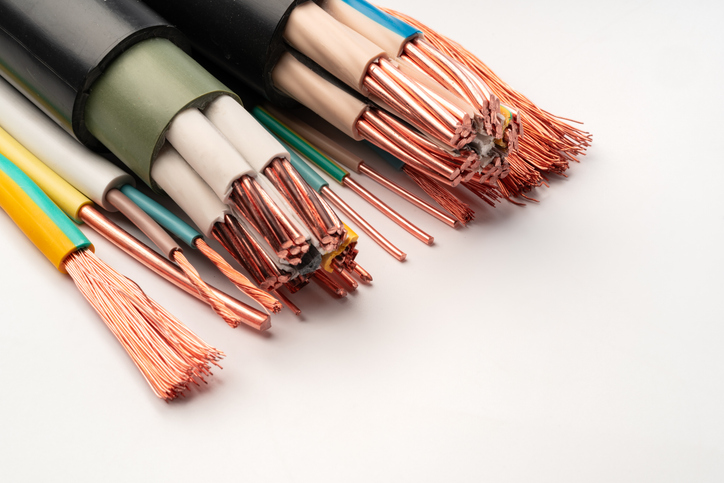
Romex (NM-B) is the most common 10/2 wire used indoors for dry locations. THHN wire, however, is used in conduit and rated for higher temperatures and moisture resistance. If you’re wiring a garage, workshop, or outdoor equipment, THHN inside a conduit may be a better choice. Both types use the same 10-gauge conductors but differ in insulation and application.
What Happens If You Use the Wrong Wire Gauge
Using wire that’s too small for the amperage load can cause excessive heat buildup. This may melt insulation, trip breakers, or even start a fire. For instance, running a 40-amp load through 10/2 wire is extremely unsafe. Always match the wire gauge to the circuit’s amperage. Conversely, using a thicker wire is fine but may be less flexible and more costly.
220V Circuits and Breaker Sizing
The breaker size must always match the wire’s ampacity. For 10/2 wire, use a 30-amp double-pole breaker. This ensures the breaker will trip before the wire overheats. Never use a breaker larger than 30 amps on 10-gauge wire. Also, ensure both poles of the breaker are tied together to simultaneously disconnect both hot wires during a trip event.
How to Test Voltage on a 10/2 Wire Circuit
Testing voltage on a 10/2 wire circuit ensures your wiring is done correctly and safely. Start by setting your multimeter to AC voltage mode. Touch one probe to each of the two hot wires (black and re-marked white). A proper 220V circuit should read around 220–240 volts. Next, test between each hot and ground to confirm 110–120 volts individually. This helps verify both hot wires are correctly connected and balanced. Always wear safety gear and ensure you’re standing on a dry, insulated surface during testing.
Signs Your 10/2 Wire Isn’t Handling Load Properly
If your 10/2 wire is overheating, the insulation feels warm, or breakers trip frequently, your circuit might be overloaded. Flickering lights, buzzing sounds, or burnt smells are red flags that the wire can’t handle the amperage. These issues indicate excessive current or poor connections, which can lead to fire hazards. If you notice these warning signs, turn off the circuit immediately and inspect the connections or upgrade to a heavier-gauge wire.
Wire Color Coding and Identification
In a 10/2 wire, the color coding is simple: black is hot, white is typically neutral (or hot in 220V systems), and bare copper is ground. When using 10/2 for 220V, the white wire must be re-marked with red or black tape to show it’s a hot conductor. This helps anyone inspecting the circuit know it’s not a neutral. Proper color identification is vital for both safety and code compliance.
How to Read Labels on Electrical Wire
Every electrical wire is labeled with important information such as gauge size (e.g., 10 AWG), number of conductors (e.g., /2), insulation type (e.g., NM-B or UF-B), and voltage rating. For example, a label reading “10/2 NM-B 600V” means the wire is 10-gauge, has two insulated conductors, is non-metallic sheathed, and rated up to 600 volts. Reading labels correctly helps you choose the right wire for the job and ensures your installation meets code requirements.
Can I Use 10/2 Wire for a Split-Phase 220V Circuit?
Yes, you can use 10/2 wire for a split-phase 220V circuit that doesn’t need a neutral. In such a setup, each hot wire carries 110 volts from opposite phases, giving you the full 220 volts between them. The bare ground serves as the safety path. This configuration works well for heating elements and similar loads, but not for appliances that also need 120V components. Always check the device’s wiring diagram before proceeding.
Differences Between Single-Phase and Split-Phase 220V
Single-phase 220V uses two conductors and delivers 220 volts continuously between them, common in industrial setups. Split-phase 220V, used in most homes, has two 110V lines that are 180 degrees out of phase, combining to create 220V. 10/2 wire works perfectly for split-phase 220V systems that don’t require a neutral. Understanding this distinction helps you determine if your wiring configuration suits your equipment.
Why Ground Wires Are Not Neutral Wires
Ground and neutral may seem similar, but they serve different purposes. The neutral wire carries return current under normal operation, while the ground only carries current during faults. Using the ground as a neutral is dangerous because it bypasses circuit protection and can electrify metal parts. In 10/2 wire used for 220V, the ground should always remain a safety path, never a functional return conductor.
Can You Use 10/2 Wire for 240V Instead of 220V?
Yes, 10/2 wire can be used for 240V circuits just as easily as 220V, since both systems function the same way in residential wiring. The slight difference between 220V and 240V is negligible for most appliances. Just ensure that your wire gauge and breaker rating match the load. Many manufacturers list “220–240V” on their nameplates, which means 10/2 wire is still a safe option for non-neutral loads up to 30 amps.
Understanding Wire Insulation and Heat Resistance
Wire insulation protects conductors from moisture, heat, and mechanical damage. 10/2 NM-B wire is rated for temperatures up to 90°C (194°F) in dry environments. However, insulation deteriorates if exposed to prolonged heat or UV light. For high-temperature or outdoor applications, choose THHN or UF-B types. Always ensure your wire insulation matches the conditions in which it’s used to prevent premature failure.
How to Extend or Splice 10/2 Wire Safely
If you need to extend a 10/2 circuit, use an electrical junction box rated for the environment. Strip the wire ends, twist matching colors together, and secure them with wire nuts. Wrap the connections with electrical tape for added safety, and always include the ground connection. Ensure all splices are enclosed in an accessible junction box—never bury them inside walls without access. Label the box to comply with electrical code standards.
Testing Continuity in a 10/2 Wire Circuit
Testing continuity ensures that the wire conductors are intact and unbroken. Turn off all power, then use a multimeter in continuity mode. Touch the probes to both ends of each conductor separately. A continuous tone means the wire is intact. Check each hot and the ground wire individually. This quick test helps identify breaks or poor connections that can cause performance issues or electrical hazards.
Troubleshooting Common 220V Wiring Problems
Common problems in 220V wiring include loose connections, tripped breakers, or incorrect wire labeling. If your appliance won’t start, verify that both hot wires have 110–120V relative to ground and 220–240V between them. Inspect connections for corrosion, damage, or burnt terminals. A loose or oxidized joint can cause voltage loss and overheating. Regular inspection and proper tightening prevent many of these issues.
10/2 Wire for Portable Generators—Is It Compatible?
Yes, 10/2 wire can be used for 220V portable generators that don’t require a neutral, such as those powering 220V tools or pumps. Ensure the generator’s output matches your circuit’s voltage and amperage. If your generator uses a four-prong plug (hot-hot-neutral-ground), you’ll need 10/3 wire instead. For simpler two-pole connections, 10/2 is sufficient and safe when grounded properly.
How to Upgrade from 10/2 to 10/3 Wiring
Upgrading from 10/2 to 10/3 involves running a new cable with an additional insulated conductor for the neutral. Disconnect the old 10/2 wire from the breaker and outlet, then replace it with 10/3 cable. The new wire allows both 220V and 120V operation, providing versatility for modern appliances. It’s often a good idea to upgrade if you’re remodeling or adding new electrical devices.
Cost Considerations for Using 10/2 Wire

10/2 wire costs more than smaller gauges but less than heavier wires like 8/2. Prices vary based on insulation type, copper market rates, and length. On average, NM-B 10/2 wire costs between $1.50 and $2.50 per foot. Although pricier than lighter wires, it offers safety and efficiency for 220V loads. Always calculate both material and labor costs before starting your project to stay within budget.
Professional Tips for Working with 220V Wiring
- Always label hot wires clearly.
- Match the wire gauge to the breaker amperage.
- Use conduit when running cables through exposed areas.
- Never substitute ground for neutral.
- Test voltage after installation.
- Follow NEC and local code rules.
- When in doubt, hire a licensed electrician.
These practices keep your installation safe, durable, and code-compliant.
Conclusion
Yes, you can use 10/2 wire for 220V circuits if the appliance doesn’t need a neutral wire. It’s perfect for devices like water heaters, welders, and air compressors. However, for mixed-voltage appliances requiring both 120V and 220V, 10/3 wire is mandatory. Always consider amperage, distance, and environmental conditions before installation. Proper use of 10/2 wire ensures safety, efficiency, and compliance with electrical standards.
FAQs
1. Can I use 10/2 wire for a 220V air conditioner?
Yes, as long as the air conditioner doesn’t require a neutral wire. Most 220V-only models work fine with 10/2 wire.
2. What breaker size is best for 10/2 wire?
A 30-amp double-pole breaker is ideal for most 220V applications using 10/2 wire.
3. Is 10/2 wire okay for outdoor 220V use?
Only if it’s UF-B or THWN wire inside a conduit. Standard Romex (NM-B) isn’t rated for outdoor use.
4. Can I wire a 220V dryer with 10/2 wire?
Not safely. Modern dryers need a neutral connection, so 10/3 wire is required.
5. What happens if I overload 10/2 wire?
Overloading causes heat buildup, which may melt insulation and lead to electrical fires. Always match wire gauge to circuit amperage.
6. How far can I safely run 10/2 wire on a 220V circuit?
You can typically run 10/2 wire up to about 100 feet for a 30-amp 220V circuit before voltage drop becomes an issue. For longer distances, consider upgrading to 8-gauge wire to maintain performance and safety.
7. Do I need to re-mark the white wire when using 10/2 for 220V?
Yes, always mark the white wire with black or red electrical tape at both ends to show that it’s being used as a “hot” conductor. This helps avoid confusion and ensures compliance with electrical codes.
8. Can I use 10/2 wire for a 220V pool pump?
Yes, if the pool pump only requires 220 volts and no neutral wire. However, ensure the wiring is installed in a waterproof conduit and meets all local safety and GFCI requirements for pool areas.
9. What’s the difference between 220V and 240V when using 10/2 wire?
Practically, there’s no major difference for wiring purposes—both systems operate the same way in residential circuits. 10/2 wire works safely for both, as long as the current draw doesn’t exceed 30 amps.
10. Can 10/2 wire handle continuous loads?
Yes, 10/2 wire can handle continuous loads up to 80% of its rated capacity, meaning around 24 amps on a 30-amp circuit. Always account for continuous load calculations when planning your electrical circuit.
Keep an eye for more latest news & updates on premiumtechy!