Electric wiring may seem complicated, but it’s essentially the nervous system of your home. Every light switch, outlet, and appliance depends on properly sized wires to carry electricity safely and efficiently. When homeowners attempt DIY electrical work, one of the most common questions is: Can I mix 14/2 and 12/2 wire? Understanding the basics of how wiring works, what wire sizes mean, and why they matter can save you from dangerous mistakes, code violations, and costly repairs later. Let’s break it all down step-by-step in this complete guide.
You should not mix 14/2 and 12/2 wire on the same circuit unless the entire circuit is limited to 15 amps, as the smaller wire dictates the circuit’s capacity. Using 14/2 wire on a 20-amp breaker is unsafe and can cause overheating or fire. Always match wire gauge to breaker size and follow NEC guidelines for safety.
In this article, we discuss the topic of “can i mix 14 2 and 12 2 wire”.
What Does 14/2 and 12/2 Wire Mean?

The terms 14/2 and 12/2 refer to the gauge (thickness) and number of conductors in the wire. The first number (14 or 12) is the wire gauge, which determines how much electrical current it can safely handle. The smaller the number, the thicker the wire, and the higher the current capacity. The “/2” means there are two insulated conductors inside the cable—one black (hot) and one white (neutral)—plus a bare copper ground wire. These types of wires are common in residential circuits, especially for outlets, lights, and small appliances.
Differences Between 14/2 and 12/2 Wire
While 14/2 and 12/2 wires may look similar, their electrical capacity and intended uses are quite different. A 14-gauge wire can handle up to 15 amps of current, while a 12-gauge wire is rated for up to 20 amps. This difference might not sound like much, but it’s crucial for preventing overheating and electrical fires. Additionally, 12/2 wire is thicker and harder to bend, which can make installation slightly more difficult, especially in tight spaces. Knowing which one to use depends on the circuit’s amperage rating and what devices it will power.
Why the Wire Gauge Matters
Wire gauge directly affects how much current can safely flow through the wire without generating excessive heat. If a wire is too thin for the current it carries, resistance increases, causing it to overheat and potentially start a fire. That’s why the National Electrical Code (NEC) mandates specific wire sizes for particular amperage ratings. For instance, a 15-amp circuit should always use 14-gauge wire, and a 20-amp circuit should use 12-gauge wire. Mixing these two on the same circuit can lead to unsafe conditions if not properly managed.
National Electrical Code (NEC) Guidelines on Mixing Wires
The NEC does not explicitly forbid mixing wire gauges on a circuit, but it does set strict rules about the minimum wire size that can be used with a given breaker. The code requires that all wiring in a circuit must be rated to handle the circuit breaker’s amperage. This means if you mix 14/2 and 12/2 on a 20-amp breaker, the 14-gauge section becomes a weak point—violating code and creating a potential fire hazard. Always follow NEC standards to ensure your wiring is both legal and safe.
Can You Mix 14/2 and 12/2 Wire on the Same Circuit?
Technically, yes—you can physically connect 14/2 and 12/2 wire together—but it’s not recommended unless you’re reducing the circuit’s amperage to match the smaller wire. The rule of thumb is: the smallest wire dictates the entire circuit’s capacity. So, if you mix 14-gauge with 12-gauge wire, the whole circuit must be treated as a 15-amp circuit. Failing to do so could cause the thinner wire to overheat, melt, or even ignite if the current exceeds its capacity. Always match the wire size to the breaker.
Dangers of Mixing Different Wire Gauges
Mixing different wire gauges introduces several potential hazards. The most obvious danger is overheating, which occurs when a smaller wire carries more current than it can handle. This can damage the insulation, expose live conductors, and increase the risk of fire. Another issue is uneven voltage drop, which can cause lights to flicker or appliances to run inefficiently. Lastly, improper wire mixing can make troubleshooting and repairs confusing for future electricians, potentially leading to further mistakes down the line.
When Mixing Might Be Technically Possible (But Not Recommended)
There are rare cases where mixing 14/2 and 12/2 wire can be done safely, but only under very specific conditions. For example, if you have a long circuit run and need to use 12/2 wire to reduce voltage drop for most of the distance, you can step down to 14/2 at the very end only if the breaker is rated for 15 amps. This ensures that even the smallest section of wire remains within safe limits. However, this approach still requires proper junction boxes and labeling to maintain code compliance.
Voltage Drop and Its Impact
Voltage drop refers to the loss of electrical pressure as current travels through a wire. The longer the wire, the greater the voltage drop—especially in thinner wires like 14-gauge. Excessive voltage drop can cause lights to dim and appliances to perform poorly. That’s why electricians sometimes use thicker 12/2 wire for long runs, even on 15-amp circuits. Mixing 14/2 and 12/2 can worsen this problem if done incorrectly. Always calculate voltage drop when designing circuits that cover large distances.
Breaker Ratings and Wire Size Compatibility
Circuit breakers are designed to protect your wiring by cutting power when too much current flows through the circuit. The breaker’s amperage rating must always match the smallest wire in the circuit. For example, if you use 14/2 wire anywhere on a circuit, the breaker must be 15 amps. Using a 20-amp breaker with any 14/2 wire is unsafe and violates NEC rules. Matching wire and breaker ratings ensures consistent protection across the entire circuit, preventing overheating and potential electrical fires.
The 15-Amp vs 20-Amp Circuit Rule
Understanding the 15-amp vs 20-amp rule is fundamental to safe wiring. A 15-amp circuit is typically used for lighting and light-duty outlets, while a 20-amp circuit handles heavier loads like kitchen appliances or power tools. The key takeaway: never use 14-gauge wire on a 20-amp breaker. If you need more power, upgrade the entire circuit to 12-gauge wire and replace the breaker accordingly. Mixing 14/2 and 12/2 wire without adjusting the breaker can overload the smaller wire, posing serious safety risks.
How to Identify 14/2 vs 12/2 Wires in Your Home
Identifying wire gauge is easy once you know what to look for. Most NM (non-metallic) cables are labeled along the outer sheathing with their size—such as “14/2” or “12/2.” You can also identify them by color: 14/2 is typically white-sheathed, while 12/2 is yellow. Additionally, 12/2 wire feels thicker and heavier. Always double-check before making connections or repairs. If in doubt, use a wire gauge measuring tool or consult a professional electrician to verify the wire size before proceeding.
What Happens If You Mix 14/2 and 12/2 Wire
When 14/2 and 12/2 wires are mixed on the same circuit without proper consideration, you create an electrical imbalance. The thinner 14-gauge wire can become overloaded if connected to a 20-amp breaker intended for 12-gauge wire. This excess current causes the wire to heat beyond its safe limit, which can melt the insulation and ignite nearby materials. Even if no fire starts, the circuit may experience frequent breaker trips or reduced voltage at outlets. Always remember: your circuit is only as strong as its weakest wire.
Common Mistakes Homeowners Make With Wire Mixing
Many DIY enthusiasts assume that connecting wires of different gauges won’t matter as long as “it works.” Unfortunately, that mindset leads to unsafe wiring conditions. A common mistake is extending a 20-amp circuit using leftover 14/2 wire because it’s “close enough.” Another frequent error is using wire nuts incorrectly, leaving loose or exposed connections. Homeowners may also forget to label mixed circuits properly, confusing future repairs. Each of these mistakes can violate the National Electrical Code and increase the risk of electric shock or fire.
How to Correct a Circuit That Uses Mixed Wires
If you’ve discovered mixed 14/2 and 12/2 wire in your home, don’t panic—there are safe ways to fix it. The simplest solution is to downgrade the circuit breaker to 15 amps, ensuring that the smallest wire (14-gauge) remains protected. Alternatively, replace the 14-gauge sections with 12/2 wire so the entire circuit matches the 20-amp rating. Use junction boxes for any splices and label them clearly. If the wiring is extensive or hidden behind walls, consider hiring a licensed electrician to perform a professional rewire.
Electrical Fire Hazards From Underrated Wiring
Underrated wiring—when a wire’s ampacity is lower than the breaker’s rating—is one of the leading causes of electrical fires. A 14-gauge wire on a 20-amp circuit may handle normal loads for a while, but when appliances draw high current, the wire heats up rapidly. This heat can degrade insulation, expose conductors, and ignite wood framing or insulation materials. Even worse, the circuit breaker might not trip in time because it’s designed to protect 12-gauge wire. The result can be a dangerous fire hidden behind your walls.
The Role of Circuit Breakers in Wire Safety
Circuit breakers act as the first line of defense against overloads. They automatically shut off power when too much current flows through the circuit. However, breakers can’t always protect against improper wire mixing. For example, a 20-amp breaker won’t detect overheating in a 14-gauge section if the current remains below 20 amps but still exceeds 14-gauge capacity. This is why it’s essential to match wire gauge to breaker rating. Think of breakers as guardians—they protect your home only when the wiring is properly sized.
Using 14/2 Wire on a 20-Amp Breaker: Why It’s a Bad Idea
Using 14/2 wire on a 20-amp breaker is a serious safety hazard and a clear NEC violation. The 14-gauge wire simply isn’t designed to carry 20 amps of current. While it might seem to function at first, the wire can overheat under sustained load, potentially melting insulation or starting an electrical fire. If your home has this configuration, replace all 14-gauge sections with 12-gauge wire or change the breaker to 15 amps. Never “push” wire capacity—it’s not worth the risk to your property or safety.
Best Practices for Upgrading Old Wiring Systems
When upgrading an older electrical system, consistency is key. Always use the same gauge wire throughout each circuit to ensure even load distribution. Before beginning, map your home’s circuits and note the breaker ratings. Replace outdated or damaged wiring with new NM-B cable rated for modern safety standards. Install GFCI or AFCI breakers where required by code. Upgrading gives you the opportunity to increase capacity for today’s power-hungry appliances while improving fire safety and reducing the risk of electrical shock.
How to Plan Your Home Wiring Safely
Planning your home wiring starts with knowing the intended load for each circuit. Divide your home into zones—lighting, kitchen, laundry, and so on—and calculate the expected current draw. Choose the correct wire gauge and breaker size for each zone: 14/2 for 15-amp circuits and 12/2 for 20-amp circuits. Label everything clearly on your breaker panel. Avoid mixing wire gauges or overloading circuits. A well-planned electrical layout not only ensures safety but also makes future upgrades and troubleshooting easier.
Using Junction Boxes Correctly When Changing Wire Gauge
If you must change the wire gauge on a circuit—for example, from 12/2 to 14/2 when dropping to a lower load—you must use a junction box. Junction boxes provide a safe enclosure for wire splices and prevent accidental contact. Inside the box, use appropriate wire nuts or connectors rated for the wire sizes involved. The box should remain accessible (not hidden behind drywall) and clearly labeled with the circuit’s amp rating. Properly installed junction boxes maintain code compliance and minimize the risk of connection failure.
Tools and Materials Needed for Safe Wiring Work
Working with electrical wiring safely requires the right tools and materials. You’ll need wire strippers, voltage testers, screwdrivers, pliers, electrical tape, and wire nuts. For cutting and installing cable, a fish tape and utility knife come in handy. Always use UL-listed materials rated for residential electrical use. Safety gear such as rubber-soled shoes, gloves, and safety goggles are a must. And most importantly—never work on a live circuit. Turn off power at the breaker and double-check with a voltage tester before touching any wire.
Understanding Ampacity and Load Capacity
Ampacity refers to the maximum current a wire can carry safely without overheating. Load capacity, on the other hand, is the total current demand from all devices connected to the circuit. For example, if your circuit has lighting fixtures, outlets, and appliances that draw a combined 16 amps, you’ll need at least a 20-amp circuit using 12/2 wire. Exceeding a wire’s ampacity can cause dangerous heat buildup. That’s why proper wire sizing and circuit planning are crucial for both safety and efficiency.
The Science Behind Wire Heating
When electricity flows through a wire, resistance converts some of that energy into heat. The thinner the wire, the higher the resistance—and therefore, more heat. In a properly rated circuit, this heat remains minimal and harmless. But if a wire is undersized (like 14-gauge on a 20-amp breaker), excessive resistance causes the wire to reach dangerous temperatures. Over time, this heat can degrade insulation, increase resistance further, and create a feedback loop that may end in a short circuit or fire.
Proper Splicing Techniques for Electrical Wires
Safe splicing is vital for maintaining strong electrical connections. Always strip the correct length of insulation, usually around ¾ inch, and twist wires together tightly in a clockwise direction before securing with a wire nut. Make sure the wire nut fully covers the exposed copper and no bare metal is visible. Use connectors rated for the wire gauge and number of wires involved. For extra safety, wrap the connection with electrical tape and enclose it in a junction box with a cover plate.
Grounding and Neutral Wires: What to Know
Grounding and neutral wires play different but equally important roles in electrical systems. The neutral wire completes the circuit by returning current to the breaker panel, while the ground wire provides a safety path in case of faults. Both must be properly connected at every junction and outlet. Never mix or swap them—they serve distinct purposes. Proper grounding prevents shocks, stabilizes voltage, and ensures your breakers trip when needed. Failing to ground correctly can make your entire electrical system unsafe.
Color Coding in Electrical Wiring
In residential wiring, color codes help identify each wire’s purpose. Typically, black or red wires are “hot,” white wires are “neutral,” and bare copper or green wires are “ground.” For 14/2 and 12/2 NM-B cables, these color standards remain consistent. Following color codes reduces confusion, especially when troubleshooting or extending circuits. Always double-check colors before connecting wires, and never assume a wire’s purpose based solely on appearance—older homes may have nonstandard color schemes that require testing to confirm.
The Importance of Wire Insulation Rating
Wire insulation isn’t just for organization—it’s a critical safety feature. Each insulation type has a temperature and voltage rating that determines where it can safely be used. NM-B cables, for instance, are rated for 600 volts and 90°C. Using wire with insufficient insulation in high-heat or outdoor environments can cause premature failure. When mixing or replacing wires, always ensure both insulation types are rated equally. Cheap or damaged insulation can compromise safety even if the wire gauge itself is correct.
How to Avoid Overloading Circuits
Overloaded circuits are one of the most common causes of electrical issues in homes. This happens when too many devices draw power from the same circuit, exceeding its designed ampacity. For instance, plugging multiple high-wattage appliances into a single 15-amp circuit can push the total load beyond safe limits, causing breakers to trip or wires to overheat. To avoid this, distribute your appliances across multiple circuits, use surge protectors responsibly, and know your home’s electrical limits. Regularly check for warm outlets, flickering lights, or tripped breakers—these are early warning signs of overloads.
Signs of an Unsafe Electrical Circuit
Recognizing the signs of an unsafe circuit can help you prevent disasters before they happen. Look for discolored outlets, burning smells, or frequent breaker trips. Buzzing sounds from outlets or switches indicate loose connections or arcing, both of which are serious hazards. Dimming lights when appliances turn on can suggest voltage drop or wire undersizing. In older homes, cracked insulation or aluminum wiring can also pose risks. If you notice any of these symptoms, stop using the circuit and contact a licensed electrician immediately.
DIY Electrical Work: When to Call a Professional
While basic tasks like changing outlets or light switches can be safe for knowledgeable homeowners, anything involving circuit design, breaker replacement, or wire gauge changes should be handled by professionals. Electricians are trained to calculate load demands, adhere to NEC standards, and use proper testing equipment. Mistakes in DIY electrical work can lead to short circuits, fire hazards, or even electrocution. Calling a professional ensures not only your safety but also compliance with local electrical codes and insurance requirements.
Electrical Permits and Inspections
Electrical permits are required for most significant wiring projects, including new circuits, service upgrades, or major rewiring. The purpose of a permit is to ensure that all work meets safety and code standards. After the wiring is complete, an inspector will verify that everything is properly installed and labeled. Skipping this step can lead to fines, denied insurance claims, or costly rework later. Always check with your local building department before starting any electrical project—it’s a small step that guarantees peace of mind.
How Electricians Handle Different Wire Gauges
Professional electricians have specific techniques for working with multiple wire gauges safely. If a project requires transitioning from 12/2 to 14/2, they’ll install a properly sized junction box and adjust the breaker to match the smaller gauge. They also use wire connectors rated for different diameters to ensure secure splices. Electricians label all transitions and document changes on circuit diagrams. This attention to detail maintains system integrity and makes future troubleshooting much easier. Proper handling of wire gauges is a mark of professional workmanship.
Understanding Circuit Continuity and Resistance
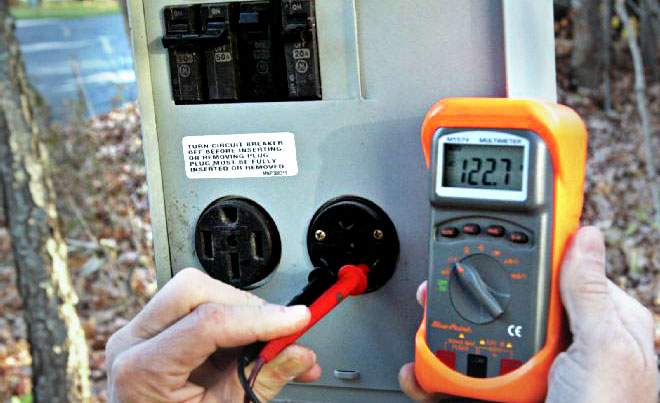
Continuity refers to the unbroken flow of electricity through a circuit, while resistance measures how much a wire opposes that flow. Every wire has some resistance, which increases with length and decreases with thickness. Mixing 14/2 and 12/2 wire can disrupt continuity if the connections aren’t properly made, and it can increase resistance where thinner wire is used. Using a multimeter to test continuity and resistance ensures that all connections are solid and your circuit performs efficiently without unexpected voltage drops.
Safety Equipment for Home Electrical Work
Whenever you’re working on electrical wiring, safety gear is non-negotiable. Wear insulated gloves, rubber-soled shoes, and safety goggles. Use a voltage tester to confirm that circuits are de-energized before touching any wire. Non-contact testers are especially useful for detecting live voltage in wires or outlets. Keep your work area dry and well-lit, and never work alone if you’re unsure about a procedure. Investing in basic safety equipment can prevent serious injuries and ensure that your DIY projects are both safe and successful.
Upgrading Circuits for Modern Appliances
Today’s homes demand more power than ever before. Upgrading circuits ensures your wiring can handle the load from modern appliances like microwaves, washing machines, and air conditioners. For high-power devices, 20-amp circuits with 12/2 wire are the standard. Kitchens, garages, and workshops often require dedicated circuits for each major appliance. During upgrades, it’s also smart to install AFCI (Arc Fault Circuit Interrupter) and GFCI (Ground Fault Circuit Interrupter) breakers, which provide additional layers of protection against electrical fires and shocks.
Can I Mix Wire Gauges Temporarily?
Some homeowners ask if it’s okay to mix wire gauges “just temporarily” until a proper fix is done. The short answer is no—it’s never truly safe. Even a temporary mix can create weak points that overheat or fail unexpectedly. Electricity doesn’t care if it’s temporary or permanent; it simply follows the path of least resistance. If you must make a short-term repair, always downsize the breaker to 15 amps to protect the smaller wire, and schedule a proper repair as soon as possible.
The Cost of Rewiring vs. Temporary Fixes
While rewiring an entire circuit can seem expensive, temporary fixes often end up costing more in the long run. Temporary splices, mismatched wires, or patched circuits can fail inspection, void insurance, or cause damage requiring even more repairs. Rewiring with a consistent wire gauge ensures long-term safety and performance. The cost of professional rewiring varies based on circuit length and accessibility, but it’s a worthwhile investment that adds safety and value to your home—especially compared to the risks of unsafe wiring.
Myths About Mixing 14/2 and 12/2 Wire
There are plenty of myths surrounding mixed wiring. One common misconception is that “it’s fine as long as it works.” In reality, functioning doesn’t mean safe. Another myth claims that the breaker will always protect smaller wires—it won’t if the breaker’s rating exceeds the wire’s ampacity. Some people think splicing thicker wire to thinner wire “boosts” circuit strength, but that’s false; the weakest link still limits the system. Always rely on verified electrical standards, not DIY myths circulating online or in forums.
The Right Way to Extend a Circuit Safely
When extending an existing circuit, the extension must match the original wire gauge and breaker size. For example, if the circuit uses 12/2 wire and a 20-amp breaker, the new section must also be 12/2. Use a junction box for the connection, ensure tight wire nuts, and clearly label the box with the circuit’s details. Plan your extension route to minimize bends and avoid contact with moisture or insulation. Following these steps ensures your extended circuit remains code-compliant and safe for long-term use.
How Wire Gauge Affects Energy Efficiency
Wire gauge not only affects safety but also energy efficiency. Thicker wires like 12-gauge have less resistance, allowing electricity to flow more easily with minimal energy loss as heat. Over long runs, using too thin a wire can waste energy and cause voltage drops that make appliances work harder. This inefficiency can lead to higher energy bills and shortened equipment life. Choosing the correct wire gauge ensures your electrical system delivers power efficiently and safely, without unnecessary energy waste.
Troubleshooting Mixed Wire Problems
If your home has mixed wiring, you can troubleshoot issues using a multimeter and careful observation. Start by mapping the circuit and identifying where different gauges connect. Check for voltage inconsistencies between outlets or fixtures. Warm junction boxes or flickering lights often point to poor splices or overloaded sections. Replace mismatched wires wherever possible, and test the circuit’s continuity and amperage after repairs. If you’re unsure, have a professional perform a load test to verify that the system operates safely.
How to Test Wire Gauge Using Tools
Testing wire gauge is simple with the right tools. A wire gauge tool, often a metal or plastic plate with notches labeled by size, helps you measure the conductor diameter precisely. You can also use a digital caliper to measure the bare copper and compare it to standard gauge charts. Never guess by eye—14- and 12-gauge wires look similar but differ enough to impact safety. Once confirmed, label wires in your junction boxes to avoid confusion in future repairs or upgrades.
Best Practices for Wiring in Kitchens and Bathrooms
Kitchens and bathrooms are two areas that demand special wiring attention. Due to moisture and high-power appliances, all outlets in these rooms must be protected by GFCI breakers or receptacles. Kitchens often require multiple 20-amp circuits using 12/2 wire for devices like microwaves, toasters, and coffee makers. Bathrooms typically use 20-amp circuits as well to power hair dryers and heated mirrors safely. Avoid mixing wire gauges in these areas—stick with 12/2 wiring to handle high current loads without risk of overheating.
Outdoor Wiring: Special Considerations
Outdoor wiring must withstand weather, temperature changes, and moisture. Always use outdoor-rated cables such as UF-B or THWN wire in conduit. Mixing wire gauges outdoors introduces additional risk because exposure can cause insulation wear, leading to short circuits. Ensure all connections are sealed with waterproof junction boxes and weatherproof fittings. GFCI protection is mandatory for all outdoor outlets. Proper outdoor wiring not only improves safety but also prevents costly damage from corrosion, rodents, and environmental wear.
Code-Compliant Wiring for Garages and Workshops
Garages and workshops often house heavy-duty tools that require 20-amp circuits or even dedicated 240-volt outlets. Use 12/2 wire for standard 120V 20-amp circuits and 10/2 or 10/3 wire for 240V equipment. Mixing gauges in these high-demand areas is a recipe for disaster. Plan your layout with sufficient outlets to avoid overloading extension cords. Install GFCI protection and ensure your wiring is properly secured to studs or conduit. Following NEC standards keeps your workspace safe and fully code-compliant.
Replacing Old Aluminum Wiring Safely
Homes built in the 1960s and 1970s may have aluminum wiring, which expands and contracts differently than copper, leading to loose connections and fire risks. If you’re replacing old aluminum wiring, switch to copper 14/2 or 12/2 wires based on your circuit’s amp rating. Never mix aluminum and copper directly; always use connectors rated for both materials to prevent corrosion. Replacing outdated wiring improves safety, reliability, and resale value while bringing your electrical system up to modern standards.
Energy Loss in Poorly Wired Circuits
Poor wiring, especially when wire gauges are mixed, can lead to unnecessary energy loss. The increased resistance in thinner wires converts more electrical energy into heat instead of useful power. This means your appliances may run less efficiently and consume more electricity over time. Inconsistent wire thickness also causes voltage drops that make motors work harder, shortening their lifespan. Ensuring consistent wire gauge throughout circuits minimizes energy waste, keeps your devices running efficiently, and maintains consistent voltage levels.
Future-Proofing Your Home Electrical System
As technology advances, power demands continue to rise. Future-proofing your electrical system means designing circuits with capacity for tomorrow’s needs. Using 12/2 wire instead of 14/2 for most general-purpose outlets gives you flexibility to upgrade to 20-amp circuits later. Consider adding extra circuits for EV chargers, home offices, and smart devices. Always label circuits clearly and maintain consistent wire gauges. Investing in quality wiring today saves time, money, and frustration in the future as electrical standards continue to evolve.
Conclusion
When it comes to wiring, safety and consistency should always take priority. Mixing 14/2 and 12/2 wire might seem harmless, but it introduces unnecessary risks and violates basic electrical principles. Always size your wire according to the circuit breaker’s amperage and follow NEC guidelines. If in doubt, consult a licensed electrician before making changes. A properly wired home not only operates efficiently but also protects your family from preventable electrical hazards. Remember—electrical safety starts with proper planning and ends with consistent practice.
FAQs
1. Can I mix 14/2 and 12/2 wire on the same circuit?
You can physically connect them, but it’s unsafe unless the entire circuit is limited to 15 amps. The smallest wire dictates the circuit’s capacity.
2. What happens if I use 14/2 wire on a 20-amp breaker?
The 14-gauge wire may overheat under load, potentially melting insulation or causing a fire. It’s a clear NEC violation.
3. How can I tell if my home has mixed wiring?
Check wire labels or sheath colors—white for 14/2, yellow for 12/2. If unsure, measure with a wire gauge tool or call an electrician.
4. Is it expensive to replace mixed wiring?
Costs vary by length and accessibility, but replacing mixed wires is usually less expensive than repairing fire damage or failed inspections later.
5. What’s the safest wire to use for home outlets?
For general-purpose outlets, 12/2 wire on a 20-amp breaker is best—it offers more capacity and flexibility for modern appliances.
6. Can mixing wire gauges cause breaker tripping?
Yes, mixed wire gauges can cause irregular resistance, which may lead to nuisance tripping or breakers not tripping when they should. This imbalance can confuse the circuit’s load behavior and reduce reliability.
7. Is it okay to splice 14/2 and 12/2 wires in a junction box?
Only if the breaker is rated for 15 amps or less. When splicing different gauges, always use a proper junction box, rated connectors, and label the box clearly. The circuit must then be treated as a 15-amp circuit.
8. How do electricians prevent voltage drop on long runs?
Electricians use thicker wire, such as 12/2 instead of 14/2, to minimize resistance and voltage drop. For very long runs, they might even use 10/2 wire. Keeping voltage drop under 3% is ideal for safety and efficiency.
9. What’s the difference between ampacity and amperage?
Amperage is the amount of current flowing through a circuit, while ampacity is the maximum current a wire can safely handle. Using wire with insufficient ampacity for its amperage load can cause dangerous overheating.
10. Should I upgrade all my 14/2 circuits to 12/2?
Not necessarily. If your 14/2 circuits are properly rated for 15 amps and working safely, they’re fine. However, when adding new outlets or rewiring areas with high power needs, upgrading to 12/2 offers more flexibility for future use.
Keep an eye for more latest news & updates on premiumtechy!