
Electrical wiring can seem confusing at first, especially when you hear terms like neutral, ground, and hot wire. Each of these wires serves a unique function in keeping electricity safe and efficient within a building. The neutral wire completes the electrical circuit by carrying current back to the source, while the ground wire provides a safety path for excess current. Understanding how these components work—and more importantly, how they should not be connected—is essential for maintaining electrical safety in homes, offices, and industrial setups.
A neutral wire should only be connected to ground at the main service panel to create a single bonding point. Connecting neutral to ground elsewhere is dangerous, causing shock hazards, electrical noise, and breaker malfunctions. Always keep neutral and ground separate in subpanels, outlets, and branch circuits.
In this article, we discuss the topic of “can a neutral wire be connected to ground”.
What Is a Neutral Wire?
The neutral wire is a critical part of any AC electrical system. It acts as the return path for electrical current, completing the circuit that begins at the power source. In most modern systems, the neutral wire is color-coded white or gray. It connects directly to the neutral bus bar in the service panel, ensuring that current safely flows back to the power grid. Without a proper neutral connection, electrical devices cannot function correctly, and voltage imbalances can occur, leading to potential hazards.
The Role of the Ground Wire in Electrical Systems
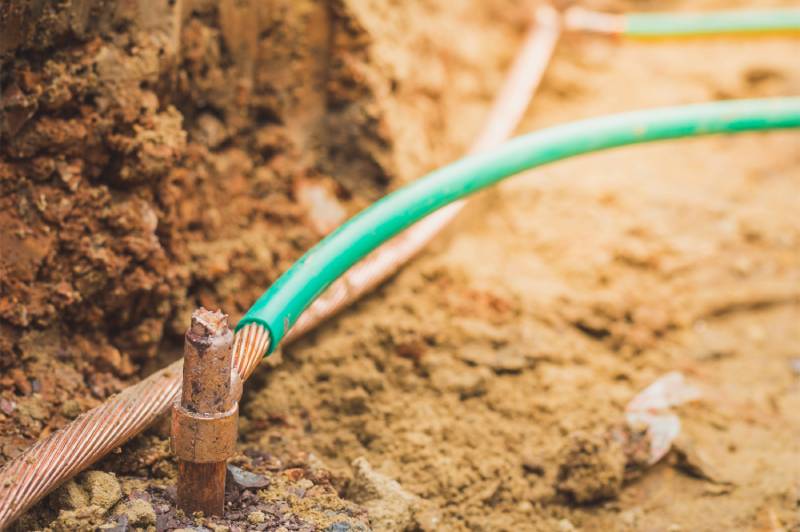
The ground wire, often green or bare copper, doesn’t normally carry current during regular operation. Instead, it serves as a safety mechanism designed to carry electricity safely to the earth in case of a fault or short circuit. This path helps prevent electric shocks and protects appliances from damage. Think of the ground wire as a safety net that ensures stray voltage doesn’t harm people or sensitive equipment. In essence, it’s the last line of defense in your electrical system.
Can a Neutral Wire Be Connected to Ground?
The short answer is no, except in specific and controlled cases like the main service panel where the neutral and ground are intentionally bonded. Connecting neutral to ground anywhere else can create dangerous conditions. It can cause ground loops, increase shock risks, and make circuit breakers fail to trip properly. This kind of improper connection is a common mistake among DIY electricians, often leading to code violations and potential electrical fires.
Why Neutral and Ground Are Kept Separate
Keeping neutral and ground separate ensures that only one path exists for current to return to its source. When these two wires are joined incorrectly, current can flow through unintended paths such as metal pipes or grounded enclosures, creating shock hazards. This separation also helps maintain voltage stability and ensures that protective devices like circuit breakers and GFCIs function correctly. The electrical code mandates this separation for very good reasons—your safety depends on it.
The Dangers of Connecting Neutral to Ground Improperly
Connecting neutral and ground together outside the main service panel is not just a code violation—it’s a safety nightmare. It can cause circulating currents that energize metal parts, turning everyday items like appliance housings into potential shock sources. This also leads to electrical noise and interference that affects sensitive electronics. Over time, such conditions can damage wiring insulation and even result in electrical fires, making it one of the most dangerous wiring mistakes.
Electrical Code Requirements for Neutral and Ground
According to the National Electrical Code (NEC), neutral and ground must only be bonded at one single point—the main service disconnect. This rule exists to ensure that electrical currents follow predictable paths, reducing the risk of electric shock. In subpanels or branch circuits, neutrals and grounds must remain isolated. Violating this rule can cause unpredictable and dangerous current flow. Always consult local electrical codes before performing any electrical work.
Neutral-to-Ground Bonding in Main Panels
The main service panel is the only location where the neutral and ground should be bonded together. This bond ensures a low-impedance path to the source, allowing protective devices to operate correctly during faults. The bonding jumper inside the panel connects the neutral bus bar to the ground bus bar, establishing the single connection point that stabilizes the system. Beyond this panel, the two must remain separate to prevent parallel return paths.
Subpanel Wiring: Why Neutrals and Grounds Must Be Isolated
Subpanels serve as extensions of the main electrical service, distributing power to other areas of a building. However, unlike the main panel, neutral and ground must be kept separate in subpanels. This isolation prevents stray currents from traveling along grounding conductors, which can cause shock hazards or nuisance tripping. Using separate bus bars for neutral and ground ensures a clean, safe electrical system that adheres to code.
How Neutral and Ground Work Together in a Circuit
Although neutral and ground serve different roles, they work together to maintain system balance and safety. The neutral carries current during normal operation, while the ground only acts during faults. Together, they ensure electricity flows smoothly and safely, providing redundancy in dangerous situations. The key is keeping their functions distinct—neutral for operation, ground for protection.
What Happens If Neutral Is Connected to Ground Accidentally?
An accidental connection between neutral and ground can lead to several problems. It may cause the breaker to trip randomly, lights to flicker, or appliances to malfunction. Worse, it can energize the ground wire, creating shock hazards even when equipment is off. Detecting and correcting these issues quickly is crucial to avoid electrical accidents or system damage.
Symptoms of Neutral-to-Ground Faults
Common symptoms include buzzing noises in electrical panels, tingling sensations when touching appliances, and repeated tripping of breakers or GFCIs. You might also notice dimming or flickering lights. These signs indicate current leakage or improper bonding between neutral and ground. If you encounter any of these symptoms, it’s essential to have a licensed electrician inspect your system immediately.
How to Test for a Neutral-Ground Connection
Testing for improper neutral-ground connections involves using a multimeter or specialized electrical tester. Electricians measure resistance or voltage between neutral and ground terminals. A reading showing continuity outside the main panel indicates an improper bond. Always perform such tests with the power off and preferably under the guidance of a professional to avoid accidental shocks.
Can You Use Ground as Neutral Temporarily?
Never. Using a ground wire as a neutral substitute, even temporarily, is extremely dangerous and violates electrical codes. The ground is not designed to carry continuous current. Doing so increases the risk of electric shock and fire. Always use proper neutral conductors for return paths, and if a neutral is missing, repair or rewire the circuit correctly.
What the NEC Says About Neutral-Ground Connections
The NEC (National Electrical Code) clearly defines where and how neutral-ground connections must occur. Only at the main disconnect point may neutral and ground be bonded. This regulation ensures consistent safety across all electrical installations in the U.S. Any deviation from this rule can lead to unsafe conditions, failed inspections, and potential liabilities.
Neutral and Ground in Older Electrical Systems
Older homes often have wiring systems that don’t meet today’s safety standards. In these setups, you might find shared neutral-ground connections or even ungrounded outlets. While these systems may still function, they pose serious safety risks. Neutral and ground separation was not always enforced in the past, which means older circuits can carry unintended current through metal pipes or casings. Upgrading such systems to modern code standards is crucial for reducing shock and fire hazards.
Differences Between Neutral, Ground, and Earth
Though many people use the terms interchangeably, neutral, ground, and earth are not the same. The neutral carries current under normal conditions, the ground provides a safety path, and the earth (literally the ground beneath your feet) acts as the final discharge point for electrical faults. These distinctions are important because each serves a unique purpose. Mixing them up can lead to dangerous wiring errors that compromise safety and system performance.
Neutral and Ground in Residential Wiring
In modern residential wiring, the neutral wire connects to the utility transformer’s center tap, while the ground is bonded to earth through grounding rods. Every outlet and circuit in your home follows this principle. The neutral ensures electrical continuity, while the ground provides a failsafe. Keeping these wires separate except at the main panel ensures electricity flows safely, preventing unwanted current on grounded surfaces like sinks or appliance frames.
Neutral and Ground in Commercial Electrical Systems
Commercial buildings have more complex wiring due to larger loads and multiple distribution panels. Here, maintaining strict separation between neutral and ground is even more critical. Improper bonding can cause voltage fluctuations that damage computers, servers, and industrial machinery. Commercial electricians use isolated grounding systems to minimize interference and maintain stable power quality across all equipment. Even a small wiring error can result in major downtime or costly repairs.
Neutral-Ground Bonding in Generators
Generators often require special attention when it comes to neutral-ground bonding. Some portable generators have a “floating neutral,” meaning the neutral isn’t connected to the frame or ground. Others have a bonded neutral. The correct setup depends on how the generator connects to your home or business electrical system. Always check manufacturer instructions and local codes to avoid creating unsafe neutral-ground loops when switching between generator and utility power.
Bonding in Portable vs. Standby Generators
Portable generators typically have floating neutrals because they are used as standalone units, while standby generators that are hardwired into a home’s electrical system usually have bonded neutrals. Connecting a bonded generator to an already bonded main panel can cause a dangerous double bond, leading to parallel current paths. This setup increases the risk of electrical shock and violates code. Always confirm your generator’s configuration before use.
Grounding in Off-Grid Electrical Systems
Off-grid systems, such as solar-powered homes or cabins, must establish their own grounding and neutral-bonding points. The grounding system stabilizes voltage levels and provides safety during lightning strikes or equipment faults. In these systems, one neutral-to-ground connection must exist at the main inverter or power control center. Proper grounding ensures system stability and protects expensive electronics from power surges.
Neutral-Ground Issues in RVs and Campers
RVs and campers often face unique challenges with neutral and ground connections. Many portable power sources or campground pedestals have different wiring standards, leading to potential misbonding. If the RV’s onboard generator and the campground supply are both bonded, it can cause double bonding issues, tripping GFCIs or even shocking anyone who touches the RV frame. Always test for proper wiring before connecting to an external power source.
Neutral-Ground Loops and Electrical Noise
When neutral and ground wires are improperly connected at multiple points, they create loops that allow small currents to circulate continuously. These neutral-ground loops generate electrical noise, which can interfere with sensitive electronics such as audio equipment, computers, and Wi-Fi routers. This unwanted interference may cause hums, flickers, or erratic device behavior. Proper grounding and a single neutral-ground bond eliminate these problems.
The Purpose of Ground Rods in a System
Ground rods serve as the physical connection between your electrical system and the earth. They allow stray or fault currents to safely dissipate into the ground rather than through people or appliances. Typically made of copper or galvanized steel, these rods are driven deep into the soil near the service panel. Without them, your grounding system would be incomplete and unable to safely handle electrical surges or lightning strikes.
How Ground Fault Circuit Interrupters (GFCIs) Work
GFCIs are lifesaving devices that detect differences in current between the hot and neutral wires. If any imbalance occurs—like current leaking to ground—the GFCI instantly shuts off power. This prevents electric shocks, especially in wet areas like kitchens and bathrooms. However, if neutral and ground are connected improperly, the GFCI may trip unnecessarily or fail to operate as intended, reducing protection.
Neutral-Ground Connections and GFCI Tripping
Improper neutral-ground connections often lead to nuisance tripping in GFCIs. When these two conductors are tied together downstream of the GFCI, it causes small current imbalances that the device interprets as a fault. As a result, the circuit shuts down even when no real danger exists. The fix is simple—ensure that neutral and ground remain isolated after the GFCI outlet or breaker.
Can Neutral Be Grounded at Multiple Points?
No. Neutral should only be grounded at one location—the main service panel or designated bonding point. Grounding it in multiple spots creates parallel current paths that can energize metal parts, increasing shock risks. These multiple bonding points also lead to unpredictable fault currents and interfere with sensitive devices. Keeping one single bonding location ensures a safe and balanced system.
The Importance of a Single Bonding Point
The single bonding point is the heart of your electrical system’s safety. It connects the neutral and ground just once, providing a stable reference for voltage levels and a clear path for fault currents. Multiple bonding points confuse the system, causing currents to stray through unintended routes like water pipes or cable shields. A single bond keeps everything working in harmony.
How Neutral Carries Current Back to the Source
Every electrical circuit operates on the principle of current flow from the source through the load and back. The neutral wire completes this loop. It carries current only under normal operation, returning electricity to the transformer’s center tap. It’s vital that the neutral path has low resistance to ensure efficiency and prevent overheating or voltage drops.
Why Ground Should Not Carry Current
Ground wires should never carry current during normal operation. Their sole job is to conduct fault currents safely to earth when something goes wrong. If ground wires carry current regularly, it indicates an improper neutral-ground connection or wiring fault. This can energize exposed metal parts and increase shock risk. A proper inspection is needed if current flows on the grounding system.
Effects of Shared Neutrals and Improper Bonding
Shared neutrals can cause unpredictable problems, especially when circuits share the same return path. If neutrals are connected improperly to ground or to other circuits, it can lead to overheating, false tripping, or even fire hazards. In multi-wire branch circuits, neutrals must be correctly wired and isolated to prevent such issues. Always label and route neutrals carefully when working on electrical systems.
Electrical Safety: Neutral vs. Ground Hazards

Both neutral and ground can become dangerous under the wrong conditions. A broken neutral can cause voltage spikes that damage appliances, while an energized ground wire can deliver shocks to anyone touching a metal surface. Regular inspections and proper grounding help prevent these hazards. Always remember: neutral carries current, ground carries safety.
How to Correct a Neutral-Ground Fault
Fixing a neutral-ground fault starts with identifying where the improper connection exists. Electricians typically isolate circuits and test continuity between neutral and ground to locate the fault. Once found, the wire must be separated and reconnected properly. Sometimes, the issue lies in faulty appliances that internally connect neutral to ground—these must be repaired or replaced to restore system safety.
Signs of Improper Neutral-Ground Bonding in Homes
One of the most noticeable signs of improper neutral-ground bonding is frequent breaker tripping. You might also observe mild shocks when touching metal parts of appliances, or flickering lights that seem unrelated to load changes. Other red flags include buzzing noises from the breaker panel or burning smells near outlets. These are all warning signals of stray current flowing through your grounding system. Addressing these issues promptly is crucial to prevent long-term electrical damage or fire hazards.
How Electricians Check for Neutral-Ground Separation
Professional electricians use a systematic process to verify that neutral and ground are properly separated. They begin by visually inspecting the electrical panel to ensure that the neutral and ground bus bars are isolated in subpanels. Then, they use continuity testers or multimeters to measure resistance between neutral and ground conductors. If continuity exists where it shouldn’t, the electrician isolates circuits one by one to find the fault. This thorough testing process ensures compliance with safety codes and prevents dangerous faults.
Neutral and Ground in Transformer Systems
In electrical transformer systems, the neutral point is typically derived from the secondary winding and bonded to ground at one location. This connection provides a stable reference voltage and a safe path for fault currents. If the neutral-ground bond in a transformer system is missing or duplicated, it can create voltage instability and dangerous touch voltages. Industrial facilities often use grounding transformers specifically designed to manage neutral grounding safely and consistently.
Floating Neutrals and Grounding Problems
A floating neutral occurs when the neutral conductor loses connection to the system ground. This can result in uneven voltages across circuits, causing lights to dim or burn out and appliances to malfunction. In severe cases, it can cause electric shock hazards. Floating neutrals are especially problematic in backup power systems, such as generators or solar inverters, where the neutral bond may be incorrectly configured. Routine inspection and proper bonding prevent these issues.
Neutral-Ground Bond in Solar Power Systems
Solar power systems must follow strict grounding and bonding protocols to ensure safety and compliance with code. The inverter typically serves as the bonding point between neutral and ground. This ensures proper fault protection and stable system voltage. If the bond is missing or duplicated, fault current may not return correctly, leading to inverter damage or shock hazards. Proper grounding also protects solar arrays from lightning and power surges.
Why Grounding Is Vital for Electrical Safety
Grounding acts as the electrical system’s “pressure relief valve.” It provides a safe escape route for fault currents, preventing the buildup of dangerous voltage. Without grounding, electrical faults could energize exposed surfaces, turning ordinary metal appliances into shock hazards. Proper grounding not only protects people but also shields sensitive electronics from transient surges and lightning strikes. It’s one of the most critical elements in any electrical design.
Can a Ground Wire Replace a Neutral Wire?
No—this is one of the most common and dangerous misconceptions in electrical work. While both neutral and ground are connected to the earth at one point, they serve entirely different roles. The neutral carries current during normal operation, while the ground only carries current during faults. Substituting a ground for a neutral means current could flow along surfaces not designed to carry it, creating a serious risk of shock or fire.
Neutral-Ground Bonding in Substations
Electrical substations are the backbone of power distribution, and neutral-ground bonding plays a crucial role there. Substations often include grounding grids that safely dissipate fault currents into the earth. The neutral point of the transformer is bonded to this grid to stabilize voltage and protect equipment. Multiple safety layers, including lightning arresters and grounding resistors, ensure that both personnel and equipment remain safe during power disturbances.
The Role of the Neutral Bus Bar
The neutral bus bar in your electrical panel is where all neutral conductors from branch circuits terminate. It’s usually insulated from the panel’s metal enclosure in subpanels to maintain separation from ground. In the main panel, however, this bus bar is bonded to the ground bus bar to create the system’s single neutral-ground connection. Keeping these bus bars correctly configured ensures proper current flow and compliance with electrical codes.
Electrical Shock Risks From Neutral-Ground Connections
When neutral and ground are improperly connected, electrical current can leak onto metal casings, plumbing, or other grounded surfaces. Touching these energized parts can cause a potentially lethal shock. The danger increases in damp areas like kitchens, bathrooms, and basements, where water lowers resistance. Ensuring neutral and ground are properly separated and bonded only at the main panel eliminates these life-threatening risks.
How to Properly Bond Neutral and Ground in a Panel
Proper bonding depends on whether the panel is the main service disconnect or a subpanel. In the main panel, the neutral bus bar is bonded to the enclosure and connected to the grounding electrode system using a bonding jumper. In subpanels, the neutral bus bar must remain isolated from the enclosure and the ground bar. Always follow the National Electrical Code and manufacturer instructions when bonding panels to ensure safety and compliance.
Neutral and Ground Separation in Metal Conduits
Metal conduits, such as EMT or rigid steel conduit, are often used in electrical installations and can serve as grounding conductors. However, the neutral conductor inside must still be insulated and separate from the metal conduit. If a neutral wire’s insulation is damaged and touches the conduit, it can cause current to flow through the grounding system, leading to unpredictable hazards. Proper insulation and secure fittings ensure a safe and reliable system.
Understanding Ground Potential Difference
Ground potential difference (GPD) refers to voltage differences between two grounding points. Even though they’re connected to the earth, slight variations can occur due to soil composition, current flow, or distance between ground rods. Large GPDs can lead to stray voltage, causing damage to sensitive electronics or creating shock risks. This is why all grounds within a building must be bonded together to maintain a common potential.
Neutral-Ground Bonds and Lightning Protection
When lightning strikes near an electrical system, it induces massive voltage surges. A proper neutral-ground bond ensures that these surges safely dissipate into the earth instead of through electrical equipment. Bonding all metallic systems—such as power, phone, and cable—at a single grounding point reduces potential differences during lightning events. Without this bond, lightning surges could travel through household wiring and destroy electronics.
Common Misconceptions About Neutral and Ground
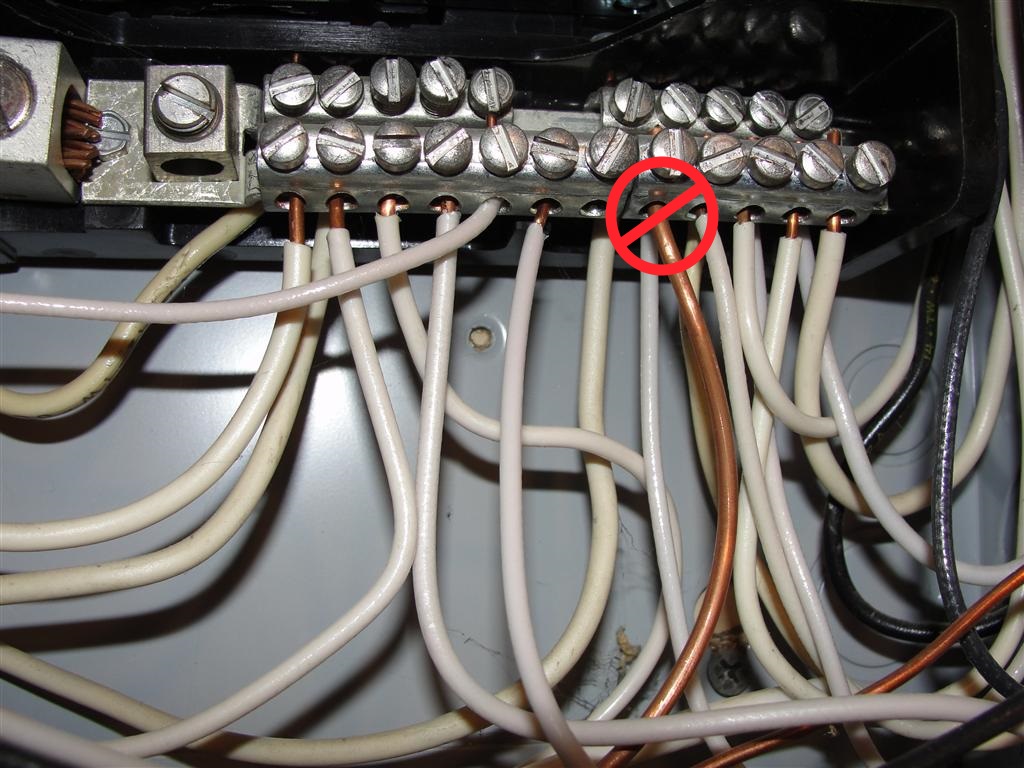
One of the biggest myths is that neutral and ground are “the same wire.” In reality, their functions differ entirely. Another misconception is that grounding alone can protect against electrical shock, which is not true—proper bonding and circuit protection are also required. Some DIY enthusiasts believe connecting ground to neutral fixes tripping breakers, but this actually creates hidden hazards. Understanding their correct roles prevents unsafe shortcuts and ensures lasting safety.
Conclusion
Neutral and ground are two of the most important components of any electrical system. The neutral carries return current, while the ground provides protection. Connecting them incorrectly can cause electrical noise, shock hazards, or even fires. The key takeaway is simple: they should only meet at one point—the main service panel. With proper wiring, grounding, and regular inspections, you can ensure your home or business stays safe and compliant.
FAQs
1. Why are neutral and ground connected only at one point?
Because it ensures a single return path for current and prevents dangerous parallel currents that can energize metal objects.
2. What happens if neutral and ground are connected together in a subpanel?
It can cause circulating currents and shock hazards by energizing grounded surfaces and creating voltage imbalances.
3. Can you use the ground wire as a neutral in emergencies?
No, this is extremely unsafe and violates electrical codes. The ground is for protection, not for carrying current.
4. How do electricians detect a neutral-ground fault?
They use a continuity tester or multimeter to measure resistance between neutral and ground; if there’s continuity where none should exist, a fault is present.
5. Why do GFCI outlets trip when neutral and ground are connected?
Because GFCIs sense any imbalance between hot and neutral currents. A shared connection between neutral and ground causes false imbalance readings, triggering the trip.
Keep an eye for more latest news & updates on premiumtechy!


