A smooth-running engine depends on precise ignition timing, clean fuel delivery, and a strong electrical spark. When one of these elements fails, you may experience a dreaded “misfire.” Among the many possible culprits, spark plug wires are often overlooked. These seemingly simple cables play a critical role in ensuring each cylinder receives the right amount of spark energy at the right time. If they fail, the results can range from rough idling to complete engine shutdown. In this article, we’ll explore how bad spark plug wires can cause misfires, how to diagnose the issue, and the best ways to keep your ignition system healthy.
Yes, bad spark plug wires can cause engine misfires. When the wires are damaged or worn, they fail to deliver enough voltage to the spark plugs, leading to incomplete combustion. This results in rough idling, loss of power, and poor fuel efficiency.
In this article, we discuss the topic of “can bad spark plug wires cause misfire”.
Understanding Spark Plug Wires

Spark plug wires, also known as ignition wires, serve as the electrical lifeline between your vehicle’s ignition coil and the spark plugs. Their job is to transfer high-voltage electricity to ignite the air-fuel mixture inside each combustion chamber. These wires must be durable, well-insulated, and capable of handling thousands of volts without leaking energy. Over time, exposure to heat, vibration, and moisture can degrade them. Understanding their purpose and structure helps in spotting issues early before they lead to severe misfires.
How Spark Plug Wires Work
When you start your car, the ignition coil generates a powerful jolt of electricity—often up to 40,000 volts. This energy travels through the spark plug wires to the spark plugs. Inside the combustion chamber, the spark ignites the compressed air-fuel mixture, creating the explosion that powers your engine. Any interruption in this electrical flow—such as a break in the wire, corrosion, or carbon tracking—can prevent the spark from firing properly. This interruption leads directly to engine misfires or weak combustion.
What Is an Engine Misfire?
An engine misfire occurs when one or more cylinders fail to ignite the air-fuel mixture properly. You might feel it as a stumble, hesitation, or rough vibration while driving. Misfires not only affect performance but can also increase emissions and damage the catalytic converter over time. The engine control unit (ECU) often detects this and triggers the check engine light, storing misfire-related codes like P0300 (random misfire) or P0301–P0306 (specific cylinder misfire). The root cause may be electrical, mechanical, or fuel-related—but faulty spark plug wires are one of the most common reasons.
Can Bad Spark Plug Wires Cause Misfire?
Yes, bad spark plug wires are one of the leading causes of engine misfires. When a wire is damaged, cracked, or corroded, it cannot deliver the full voltage to the spark plug. This leads to incomplete combustion or no combustion at all in one or more cylinders. The result is a rough idle, loss of power, and decreased fuel efficiency. Because spark plug wires deteriorate over time, replacing them at the first sign of trouble is crucial to maintaining engine health.
Why Spark Plug Wires Go Bad
Spark plug wires fail for several reasons. Continuous exposure to engine heat causes the insulation to harden and crack. Moisture or oil leaks can corrode the terminals, leading to poor conductivity. Vibration and friction from engine movement can also wear away the outer layer, allowing the electrical current to arc or “jump” to nearby metal surfaces. Over time, this results in weak or inconsistent sparks, directly contributing to misfires and performance issues.
Common Symptoms of Bad Spark Plug Wires
When spark plug wires begin to fail, several symptoms become noticeable. The most common include engine misfires, reduced acceleration, rough idling, poor fuel economy, and a flashing check engine light. You might also hear a “ticking” or “snapping” sound caused by electrical arcing. Another sign is difficulty starting the engine, especially in damp weather. Recognizing these symptoms early allows for prompt repair, preventing more expensive engine damage later.
The Science Behind Ignition Failure
Ignition failures occur when the high voltage cannot bridge the spark plug gap effectively. This failure can be due to increased resistance in the spark plug wires, leading to a weak or absent spark. Resistance builds up over time as the wire’s core material degrades. When this happens, the ignition coil has to work harder to deliver power, stressing the entire system. Eventually, the coil itself can fail, compounding the misfire problem.
How Misfires Affect Engine Performance
Misfires disrupt the engine’s smooth operation, causing vibrations and uneven power output. Since each cylinder contributes to engine rotation, missing even one combustion cycle can make the engine feel unbalanced. Continuous misfiring wastes fuel and sends unburned gasoline into the exhaust, where it can damage the catalytic converter. The result is a noticeable drop in fuel economy and overall performance. Left unchecked, misfires may even lead to costly internal engine damage.
Can a Car Run with Bad Spark Plug Wires?
Technically, yes—but not efficiently or safely. A car with bad spark plug wires will run rough, consume more fuel, and struggle to accelerate. The longer you drive in this condition, the greater the risk of damaging other components like the ignition coil, oxygen sensors, or catalytic converter. In severe cases, the car may stall unexpectedly or refuse to start altogether. It’s always best to replace faulty spark plug wires as soon as problems arise.
The Connection Between Spark Plug Wires and Fuel Efficiency
Bad spark plug wires can drastically reduce fuel efficiency. When the spark is weak or inconsistent, the fuel doesn’t burn completely. This means more unburned fuel exits through the exhaust, leading to wasted energy and higher emissions. The engine compensates by injecting more fuel, but the performance doesn’t improve—resulting in poor miles per gallon (MPG). Keeping your ignition system in top condition ensures every drop of fuel is used effectively.
How to Diagnose Bad Spark Plug Wires
Diagnosing faulty spark plug wires involves both visual inspection and electrical testing. Start by looking for cracks, burns, or corrosion on the wires and connectors. Next, use an ohmmeter to measure the resistance of each wire. High resistance indicates deterioration. You can also perform a “dark test” in a dimly lit garage—start the engine and look for visible sparks jumping from the wires. This arcing means the insulation is compromised and replacement is needed.
Using an Ohmmeter to Test Spark Plug Wires
Testing spark plug wires with an ohmmeter is one of the most reliable ways to check their health. Start by setting your multimeter to the ohms (Ω) setting, then touch one probe to each end of the wire. The reading you get represents the wire’s resistance. Generally, good spark plug wires should show resistance between 3,000 and 12,000 ohms per foot, depending on the manufacturer’s specifications. If the resistance is significantly higher or infinite, the wire is internally damaged or broken. Consistent testing of your spark plug wires ensures the ignition system stays in top shape, preventing misfires before they happen.
Visual Signs of Damaged Spark Plug Wires
A simple visual inspection can reveal a lot about the condition of your spark plug wires. Look for cracks, burns, discoloration, or oil residue along the wire’s length. Damaged insulation often causes the spark to “leak” or arc to nearby metal parts, especially at night when it’s easier to see the sparks jumping. If you notice melted or brittle areas near the spark plug boots, it’s a clear sign of overheating or electrical leakage. Regular inspections of every oil change can help you identify problems early, avoiding engine misfires and poor performance.
When to Replace Spark Plug Wires
.jpg)
Most spark plug wires last 30,000 to 60,000 miles, but this depends on your driving conditions and maintenance habits. If you notice symptoms like misfires, rough idling, or poor acceleration, it might be time for a replacement even earlier. Wires exposed to extreme heat, oil leaks, or moisture tend to wear faster. Replacing them as part of your regular tune-up schedule can keep your ignition system efficient and reliable. Always follow your vehicle manufacturer’s maintenance guidelines for the best results.
How Often Should You Replace Spark Plug Wires?
The lifespan of spark plug wires varies depending on their material and vehicle type. Silicone and high-performance wires last longer than standard rubber-insulated ones. As a general rule, you should inspect the wires every 30,000 miles and replace them by 60,000 to 100,000 miles at the latest. Some modern vehicles with coil-on-plug systems don’t use traditional spark plug wires, but for those that do, timely replacement ensures smooth combustion and prevents engine misfires that can harm your catalytic converter.
Best Replacement Spark Plug Wires
When choosing replacement spark plug wires, look for reputable brands known for durability and conductivity. Brands like NGK, MSD, Denso, Bosch, and Taylor Cable offer excellent performance and long life. OEM (Original Equipment Manufacturer) wires are always a safe bet if you want factory-level reliability. For those seeking performance gains, aftermarket options with low-resistance cores can improve spark energy delivery. Investing in quality spark plug wires not only enhances ignition performance but also reduces the risk of misfires and electrical interference.
OEM vs Aftermarket Spark Plug Wires
OEM spark plug wires are designed to meet the exact specifications of your vehicle, ensuring a perfect fit and reliable performance. They’re usually more expensive but offer peace of mind and compatibility. On the other hand, aftermarket wires can provide better insulation, higher voltage capacity, or even aesthetic upgrades like color options. However, not all aftermarket products are equal—cheap alternatives might not fit properly or could wear out faster. If you’re unsure, stick with OEM parts to guarantee consistent performance and longevity.
Can One Bad Spark Plug Wire Cause Misfire?
Absolutely! Even a single bad spark plug wire can cause a noticeable misfire. Since each wire delivers voltage to its specific cylinder, one damaged wire means that the cylinder won’t ignite properly. You might notice shaking, poor acceleration, or a flashing check engine light. Over time, the unburned fuel from that cylinder can enter the exhaust system, damaging the catalytic converter. Replacing just one bad wire can restore full performance, but it’s generally recommended to replace the entire set to maintain even performance across all cylinders.
Can Bad Spark Plug Wires Damage the Engine?
Yes, neglecting faulty spark plug wires can eventually harm the engine. When a misfire occurs repeatedly, unburned fuel enters the exhaust system, raising temperatures and stressing components like the catalytic converter and oxygen sensors. The engine also has to work harder to maintain power, which increases wear on internal parts. In severe cases, it can lead to piston damage or carbon buildup in the combustion chamber. Simply replacing the spark plug wires when needed can save you from expensive repairs later.
How Temperature Affects Spark Plug Wires
Temperature plays a big role in the longevity and performance of spark plug wires. High engine bay heat can cause the wire’s insulation to become brittle or melt, while cold temperatures can make the material hard and prone to cracking. Both extremes increase the risk of electrical leakage or breakage. Using heat-resistant silicone-coated wires is an excellent way to prevent temperature-related damage. Keeping your engine properly ventilated and clean also helps prolong the life of your ignition components.
Electrical Resistance and Spark Plug Wires
Resistance in spark plug wires determines how efficiently voltage is transmitted from the ignition coil to the spark plug. Over time, internal wire corrosion or carbon buildup increases resistance, reducing spark strength. When resistance is too high, the spark becomes too weak to ignite the air-fuel mixture properly, leading to a misfire. Regularly checking resistance levels ensures your ignition system maintains optimal performance. Low-resistance wires are ideal for performance vehicles that demand consistent and strong spark delivery.
How Moisture Impacts Spark Plug Wires
Moisture is one of the biggest enemies of spark plug wires. When water seeps into the wire connectors or insulation, it can cause short circuits and weaken the spark. This is especially common after heavy rain, car washes, or driving through puddles. Dampness increases the risk of arcing—the spark jumps to nearby metal surfaces instead of traveling to the plug tip. You might notice rough idling or hard starts in wet conditions. To prevent this, always ensure your engine bay is dry, use dielectric grease on connections, and replace old, cracked wires that can’t resist moisture intrusion.
Symptoms of Misfire Caused by Spark Plug Wires
When spark plug wires go bad, misfires often follow. The most common signs include shaking at idle, reduced acceleration, poor fuel economy, and engine hesitation. You might also hear a popping sound or feel vibrations through the steering wheel. In some cases, your exhaust might emit a fuel smell due to incomplete combustion. The check engine light often flashes or stays on, signaling ignition issues. If multiple wires are failing, the misfire becomes more noticeable and may cause the engine to stall under load.
Check Engine Light and Spark Plug Wires
A bad spark plug wire will almost always trigger the check engine light (CEL). The onboard diagnostics system (OBD-II) monitors the performance of each cylinder. When it detects a misfire, it logs a code like P0300 (random misfire) or P0301–P0306 (specific cylinder misfires). Using an OBD-II scanner helps identify which cylinder is affected. If replacing spark plugs doesn’t solve the issue, it’s likely that a worn-out spark plug wire is at fault. Addressing the CEL early prevents further damage and saves on repair costs.
Rough Idle and Spark Plug Wire Problems
One of the first things you’ll notice with failing spark plug wires is a rough or uneven idle. The engine may shake, sputter, or sound like it’s “missing” every few seconds. This happens because one or more cylinders aren’t firing properly. A smooth idle requires consistent spark delivery, but when resistance or arcing occurs, combustion becomes irregular. If your vehicle vibrates more than usual while stopped, inspect your spark plug wires immediately. Replacing them can quickly restore that smooth, steady hum your engine once had.
Acceleration Hesitation and Spark Plug Issues
If your car hesitates or jerks during acceleration, it could be due to faulty spark plug wires. When a wire can’t deliver enough voltage to the spark plug, the cylinder fails to fire at the right time. This causes a temporary loss of power that feels like hesitation or surging. It’s particularly noticeable when climbing hills or merging onto highways. Poor spark delivery also wastes fuel and can lead to longer-term engine wear. Upgrading to high-quality, low-resistance wires ensures crisp throttle response and smoother acceleration.
Can Bad Spark Plug Wires Cause Backfire?
Yes—damaged spark plug wires can definitely cause backfiring. Backfire occurs when unburned fuel ignites outside the combustion chamber, usually in the exhaust or intake system. Faulty wires create irregular or delayed sparks, leading to incomplete combustion. When this unburned mixture finally ignites, it produces a loud popping noise. Besides being annoying, backfire can damage exhaust valves, mufflers, and catalytic converters. Replacing worn-out spark plug wires often eliminates backfire instantly, restoring proper ignition timing and engine balance.
Can Bad Spark Plug Wires Cause Hard Starting?
If your car takes longer to start or cranks without firing up smoothly, your spark plug wires might be to blame. During ignition, spark plug wires must deliver a strong voltage to ignite the air-fuel mixture instantly. Weak or damaged wires reduce spark energy, making it harder for the engine to start, especially in cold or humid weather. You might need multiple attempts to start your vehicle, or it might stall soon after starting. Regular wire maintenance and dielectric grease application can help ensure reliable cold starts every time.
Can Bad Spark Plug Wires Cause Poor Gas Mileage?
Absolutely. Poor spark delivery leads to incomplete combustion, meaning fuel isn’t being burned efficiently. The engine compensates by injecting more fuel, but since ignition is inconsistent, much of it goes to waste. This not only reduces mileage but also increases emissions. Over time, your wallet will feel the effect at the pump. If you’ve noticed a sudden drop in fuel economy without any leaks or mechanical issues, inspect your ignition system. Replacing old spark plug wires can often boost fuel economy by several miles per gallon.
Difference Between Spark Plug and Spark Plug Wire Problems
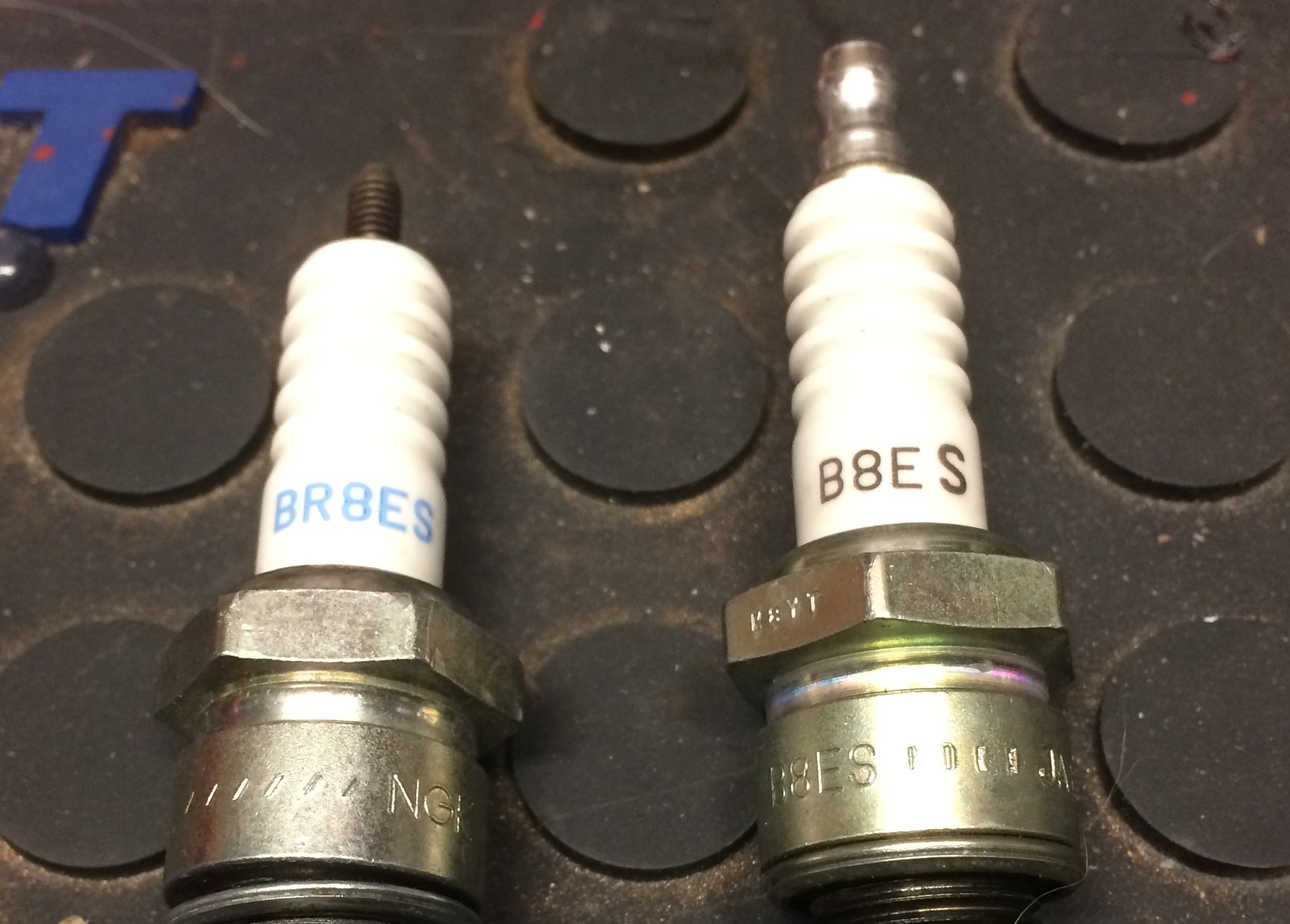
While spark plugs and spark plug wires work together, they can fail independently. Bad spark plugs typically show carbon buildup, oil fouling, or worn electrodes, causing weak or no sparks. Bad spark plug wires, however, often have cracked insulation, corrosion, or high resistance that prevents voltage from reaching the plug. Misfires can occur in either case, but testing both components is crucial to pinpointing the real cause. Replacing both spark plugs and wires together is often the best way to restore full ignition efficiency.
DIY Spark Plug Wire Replacement Guide
Replacing spark plug wires yourself is easier than it sounds and saves you money. Start by labeling each wire to ensure proper reinstallation order. Remove one wire at a time to avoid mixing up connections. Twist and pull the boot gently from the spark plug, then attach the new wire securely until it clicks into place. Continue this process for each wire. Once all are replaced, start the engine to check for smooth idling and performance. This quick DIY fix can eliminate misfires and improve throttle response instantly.
Conclusion
Spark plug wires might seem like small, simple components, but they play a critical role in keeping your engine running smoothly. When they wear out, crack, or corrode, your ignition system loses efficiency—causing misfires, poor fuel economy, hesitation, and even long-term engine damage. The good news is that spark plug wires are relatively affordable and easy to replace. Regular inspection, proper testing, and timely replacement can prevent misfires before they start and keep your engine firing on all cylinders. If your car feels sluggish, idles roughly, or triggers the check engine light, don’t ignore it—bad spark plug wires could be the silent culprit. Stay proactive, maintain your ignition system, and your car will reward you with better performance, lower fuel costs, and a longer lifespan.
FAQs
1. How do I know if my spark plug wires are causing a misfire?
You’ll often feel rough idling, hesitation during acceleration, or notice the check engine light flashing. Visually inspect the wires for cracks, burns, or corrosion. Testing resistance with a multimeter can confirm whether the wires are within the manufacturer’s specifications.
2. Can I drive with bad spark plug wires?
You can, but it’s not recommended. Driving with bad spark plug wires can lead to poor performance, increased fuel consumption, and damage to the catalytic converter. Prolonged driving in this condition could result in expensive repairs.
3. How often should I replace spark plug wires?
Most spark plug wires should be replaced every 30,000 to 60,000 miles, depending on the type and quality of the wires. Always check your vehicle’s owner’s manual for specific intervals.
4. Do spark plug wires affect fuel economy?
Yes, they do. Faulty spark plug wires cause incomplete combustion, forcing the engine to burn more fuel to maintain power. Replacing old wires can improve fuel efficiency and reduce emissions significantly.
5. What’s the best way to prevent spark plug wire failure?
Keep your engine bay clean and dry, avoid direct contact with oil and coolant leaks, and use high-quality silicone-coated wires. Applying a small amount of dielectric grease to the boots also helps prevent moisture and corrosion.
Keep an eye for more latest news & updates on premiumtechy!