Copper clad aluminum (CCA) wire is gaining popularity in the automotive industry for its potential to offer a good balance of performance and cost-efficiency. With the constant need to improve vehicle wiring systems while minimizing weight and reducing costs, CCA presents an attractive option for automakers. CCA wire features an aluminum core coated with a thin layer of copper, combining the benefits of both materials. In automotive applications, CCA wire is being used in everything from electrical systems to sensor wiring and even in high-performance vehicle circuits.
Yes, copper clad aluminum wire is a good choice for automotive applications due to its lightweight, cost-effective nature, and decent electrical conductivity. While it is not as durable as pure copper, its benefits make it ideal for reducing vehicle weight and manufacturing costs. It works well in many automotive wiring systems, provided proper installation and maintenance are ensured.
In this article, we discuss the topic of “is copper clad aluminum wire good for automotive“.
What is Copper Clad Aluminum Wire?
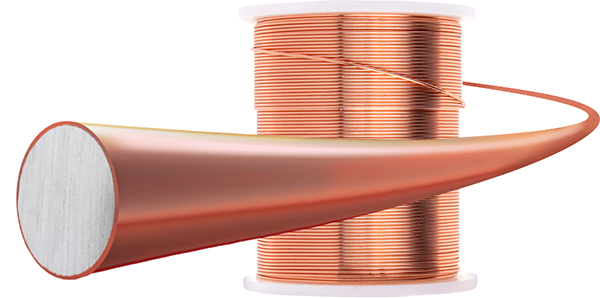
Copper clad aluminum wire is a type of electrical wire that has an aluminum core with a layer of copper wrapped around it. This combination offers the conductivity benefits of copper with the lighter weight and lower cost of aluminum. CCA wire is particularly useful in applications where reducing weight is a key concern without sacrificing too much on performance. It is commonly used in industries like telecommunications, automotive, and power transmission, where a balance of electrical performance and physical properties is crucial.
Understanding the Differences Between Copper and Copper Clad Aluminum
While both copper and copper clad aluminum wire are used extensively in automotive applications, they have distinct differences. Copper wire is a better conductor of electricity and is more durable, but it is also heavier and more expensive. On the other hand, copper clad aluminum wire offers the electrical performance of copper but with reduced weight and cost. This makes CCA wire an appealing choice for applications where weight reduction is important, such as in modern vehicles and electric vehicles (EVs).
Why Use Copper Clad Aluminum Wire in Automotive Wiring?
Automotive manufacturers are increasingly using copper clad aluminum wire due to its ability to provide a cost-effective and lightweight alternative to pure copper wire. With fuel efficiency and weight reduction being major priorities in the automotive industry, CCA wire serves as a viable solution. It is often used in wiring for the interior electronics, sensors, and power transmission lines within vehicles, helping to maintain electrical conductivity without adding unnecessary weight.
Key Benefits of Copper Clad Aluminum Wire for Cars
One of the key benefits of copper clad aluminum wire in cars is its ability to offer a balance of lightness and conductivity. The wire provides excellent electrical performance while being significantly lighter than pure copper, which is essential for improving fuel efficiency and overall vehicle performance. Moreover, CCA wire is generally more affordable than copper, helping to lower the manufacturing costs for automotive companies. This makes it a highly attractive choice for car manufacturers looking to reduce costs without compromising on quality.
How Copper Clad Aluminum Wire Improves Vehicle Efficiency
The use of copper clad aluminum wire can contribute to vehicle efficiency in several ways. First, by reducing the weight of the wiring system, CCA wire helps to decrease the overall weight of the vehicle, which can directly impact fuel efficiency. Lighter vehicles require less energy to move, which translates into better mileage and lower emissions. Additionally, the high conductivity of copper in the CCA wire ensures that electrical systems within the vehicle operate efficiently without performance loss.
Is Copper Clad Aluminum Wire Durable for Automotive Use?
When considering copper clad aluminum wire for automotive applications, durability is a critical factor. While CCA wire offers many advantages, it is not as durable as pure copper wire in terms of resistance to corrosion, wear, and tear. However, the copper cladding helps protect the aluminum core from oxidation, making CCA wire a viable option for many automotive environments. Still, manufacturers need to be mindful of potential wear, especially in areas exposed to moisture or extreme temperatures.
Weight Comparison: Copper vs Copper Clad Aluminum in Automotive
One of the main reasons CCA wire is used in automotive applications is its weight advantage over pure copper wire. Copper is significantly heavier, which can add unnecessary weight to a vehicle, negatively impacting fuel efficiency and performance. Copper clad aluminum, with its aluminum core, is much lighter than copper, making it ideal for reducing the overall weight of automotive wiring systems without sacrificing too much on electrical performance. This weight-saving benefit is especially important for electric and hybrid vehicles, where every ounce counts.
Electrical Conductivity of Copper Clad Aluminum Wire
While copper is known for its excellent electrical conductivity, copper clad aluminum wire also offers strong conductivity, although it is not quite as efficient as pure copper. The copper cladding ensures that the wire can carry electrical currents effectively, which is essential in automotive applications. However, since the aluminum core is less conductive than copper, the overall performance of CCA wire can be slightly less efficient, especially in applications requiring high currents. Nevertheless, for most automotive applications, CCA wire’s conductivity is more than sufficient.
Copper Clad Aluminum Wire vs. Pure Copper Wire in Automotive Applications
When comparing copper clad aluminum wire to pure copper wire in automotive use, the main differences lie in weight, cost, and performance. Pure copper is a better conductor, but it is heavier and more expensive than CCA wire. Copper clad aluminum provides a good compromise between the two, offering lighter weight and lower cost, while still maintaining good electrical conductivity for most automotive applications. However, in critical applications where maximum conductivity is required, pure copper wire may still be preferred.
Corrosion Resistance of Copper Clad Aluminum in Automotive Environments
Corrosion resistance is another important factor when considering wire materials for automotive use. Copper is naturally resistant to corrosion, but aluminum can corrode more easily when exposed to moisture or salt. Fortunately, the copper cladding around the aluminum wire helps to mitigate this issue, providing a level of protection against corrosion. However, if the cladding is damaged, the aluminum core may be more vulnerable to oxidation. Automotive manufacturers often coat CCA wire with additional protective layers to enhance its durability in harsh conditions.
Cost-Effectiveness of Copper Clad Aluminum Wire for Car Manufacturers
The cost of materials is a major concern for automakers, and copper clad aluminum wire offers significant cost savings over pure copper. Copper is an expensive material, and reducing the amount of copper used in automotive wiring can lower production costs. Copper clad aluminum offers a less expensive alternative while still maintaining reasonable electrical performance. This makes it particularly appealing for manufacturers aiming to keep vehicle prices competitive without sacrificing quality or performance.
Heat Resistance of Copper Clad Aluminum in Automotive Settings
Automotive systems often operate in extreme temperature environments, from the heat of the engine to the cold of the outside air. Copper clad aluminum wire is relatively heat-resistant, though not as much as pure copper. In areas where the wire is exposed to high temperatures, such as near the engine, manufacturers must ensure that the wire’s insulation and cladding are designed to handle these conditions. CCA wire’s heat resistance makes it suitable for many automotive applications, but careful consideration is needed for high-temperature areas.
How Copper Clad Aluminum Wire Affects Vehicle Performance
The weight and conductivity of copper clad aluminum wire can have a direct impact on vehicle performance. By reducing the weight of the wiring system, CCA wire helps to improve the overall performance of the vehicle, especially in terms of fuel efficiency and handling. The lighter the vehicle, the less energy is required to move it, which can lead to better acceleration, braking, and fuel economy. Additionally, CCA wire’s ability to conduct electricity efficiently ensures that the vehicle’s electrical systems function properly without causing performance issues.
Environmental Impact of Using Copper Clad Aluminum in Vehicles
Using copper clad aluminum wire in vehicles may also have an environmental benefit. The lighter weight of CCA wire helps improve fuel efficiency, which can reduce greenhouse gas emissions and the vehicle’s overall environmental footprint. Additionally, because CCA wire is less expensive to manufacture, it may help lower the environmental impact associated with the production of wiring systems. As automakers look to improve sustainability in their manufacturing processes, the use of CCA wire can contribute to greener vehicle production.
Manufacturing Process of Copper Clad Aluminum Wire
The manufacturing process for copper clad aluminum wire involves several steps, including the extrusion of aluminum wire and the bonding of copper to the surface. The copper cladding is typically applied by either the overcoating or cladding process, where a thin layer of copper is fused to the aluminum wire. This process ensures that the wire maintains the desired electrical conductivity while also benefiting from the lightweight nature of aluminum. Manufacturers must carefully control the process to ensure a uniform coating that provides optimal performance and durability.
Applications of Copper Clad Aluminum Wire in Modern Automobiles
Copper clad aluminum wire is used in a variety of applications within modern vehicles. It is commonly found in the electrical systems of cars, such as in the wiring harnesses, power distribution units, and electronic control systems. CCA wire is also used in hybrid and electric vehicles to reduce the weight of wiring without compromising electrical performance. Additionally, it is used in sensor systems, lighting, and entertainment systems, offering a lightweight and cost-effective solution for automotive manufacturers.
Is Copper Clad Aluminum Wire Suitable for High-Voltage Automotive Wiring?
Copper clad aluminum wire can be used in high-voltage automotive wiring applications, but its suitability depends on the specific requirements of the system. While CCA wire provides good electrical conductivity, it may not be the best choice for high-voltage systems that require maximum efficiency. In these cases, pure copper wire may still be preferred for its superior conductivity and reliability under extreme conditions. However, for lower voltage applications or those that prioritize weight reduction, CCA wire can be an effective alternative.
Comparison: Copper Clad Aluminum vs. Aluminum in Automotive Wiring

Copper clad aluminum wire shares some similarities with pure aluminum wire, but with added benefits. Aluminum wire is lighter and more cost-effective than copper, but it is less conductive and prone to oxidation. Copper clad aluminum offers a balance between aluminum’s lightweight properties and copper’s conductivity. The copper cladding provides a protective layer that enhances the durability of the aluminum core, making CCA wire a superior choice for many automotive applications compared to pure aluminum.
Copper Clad Aluminum Wire and Its Role in Electric Vehicles (EVs)
In electric vehicles, weight reduction is a top priority to maximize battery life and efficiency. Copper clad aluminum wire offers a solution by providing the necessary electrical conductivity while keeping the weight low. Many EV manufacturers use CCA wire in the wiring systems for everything from battery connections to power distribution. The lower cost of CCA wire also helps reduce overall vehicle production costs, making electric vehicles more affordable for consumers.
Are There Any Safety Concerns with Copper Clad Aluminum Wire in Cars
Copper clad aluminum wire is generally safe for automotive applications, but there are some safety considerations to keep in mind. CCA wire is more prone to damage at connection points, especially if not properly installed or maintained. Over time, the aluminum core may weaken, leading to potential connection issues. However, with proper manufacturing and installation practices, the safety risks associated with CCA wire can be minimized. Regular inspections and maintenance can help ensure that the wire continues to perform as expected.
The Role of Copper Clad Aluminum Wire in Hybrid Cars

Hybrid vehicles, which combine internal combustion engines with electric power, benefit from copper clad aluminum wire in several ways. CCA wire helps reduce the weight of the vehicle, improving fuel efficiency and overall performance. Additionally, the lower cost of CCA wire helps reduce production costs, making hybrid vehicles more affordable. CCA wire is used in various electrical systems within hybrid cars, including power management, battery charging, and communication between the electric motor and the engine.
The Impact of Copper Clad Aluminum on Automotive Wiring Systems
Copper clad aluminum wire has a significant impact on automotive wiring systems by offering an affordable and lightweight alternative to traditional copper wire. The reduced weight helps improve vehicle efficiency, while the electrical conductivity of the copper cladding ensures reliable performance. CCA wire is used in a wide range of applications within modern vehicles, including lighting systems, sensors, and electrical control units, contributing to the overall efficiency and functionality of the car’s wiring system.
Conclusion
Copper clad aluminum wire is a viable and often preferable option for many automotive applications. It offers a good balance between performance, weight reduction, and cost-efficiency. While there are some limitations, such as its slightly lower conductivity and potential durability concerns, the advantages of CCA wire make it an attractive choice for automakers looking to optimize vehicle performance while keeping costs low. As long as manufacturers carefully consider the application and ensure proper installation, copper clad aluminum wire can be an excellent solution for modern automotive wiring systems.
FAQs
1. What is copper clad aluminum (CCA) wire?
Copper clad aluminum wire is an electrical wire with an aluminum core and a copper outer layer, combining copper’s conductivity with aluminum’s lightweight properties.
2. Why is copper clad aluminum wire used in automotive applications?
CCA wire is used in cars to reduce weight and cost while maintaining good electrical performance, making it ideal for wiring in vehicles.
3. Is copper clad aluminum wire durable enough for automotive use?
While CCA wire is durable, it is less resistant to wear and corrosion compared to pure copper, so regular maintenance is necessary for optimal performance.
4. Does copper clad aluminum wire improve vehicle efficiency?
Yes, the lighter weight of CCA wire helps reduce overall vehicle weight, which can improve fuel efficiency and overall performance.
5. How does copper clad aluminum wire compare to pure copper wire?
CCA wire is lighter and cheaper than pure copper, but it has slightly lower conductivity and may be less durable in high-stress environments.
6. Can copper clad aluminum wire be used for high-voltage systems in cars?
For high-voltage applications, pure copper wire is generally preferred, as it handles higher currents more efficiently than CCA wire.
7. Is copper clad aluminum wire more cost-effective than pure copper?
Yes, CCA wire is significantly cheaper than pure copper, which helps reduce the overall cost of manufacturing vehicles.
8. What are the main advantages of using copper clad aluminum wire?
The key advantages of CCA wire include lower weight, reduced cost, and decent electrical conductivity, making it suitable for most automotive wiring needs.
9. Is copper clad aluminum wire resistant to corrosion?
Copper clad aluminum wire has some corrosion resistance due to the copper layer, but the aluminum core is more prone to oxidation in harsh conditions.
10. How does copper clad aluminum wire affect vehicle performance?
By reducing weight and maintaining reliable electrical conductivity, CCA wire helps improve vehicle performance, particularly in fuel efficiency and handling.
Keep an eye for more latest news & updates on premiumtechy!