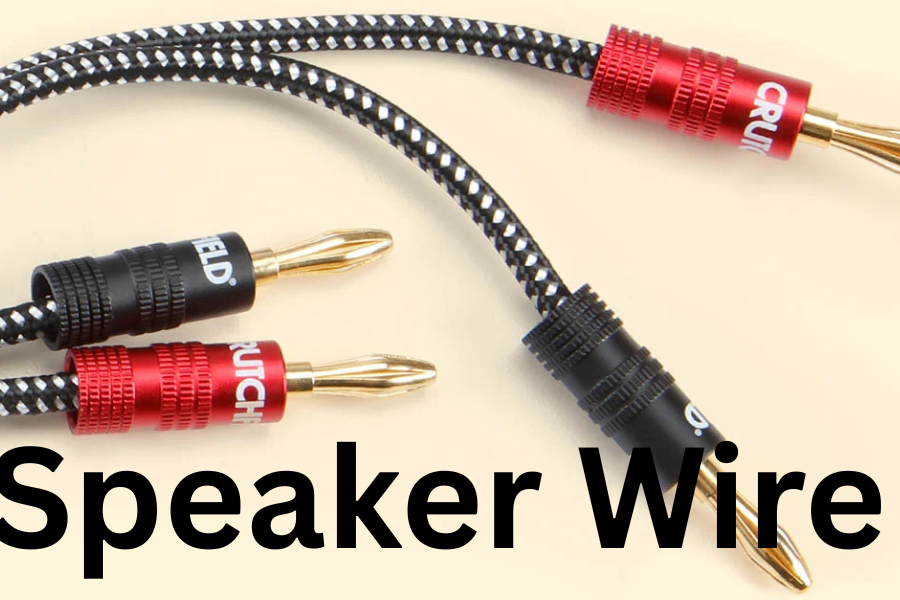
Wire is one of the most essential inventions in human history. It powers homes, supports communication networks, and enables the technology that connects people and industries around the globe. Among its many applications, speaker wire plays a key role in delivering high-quality sound by transmitting audio signals from amplifiers or receivers to speakers without loss or interference.
While often overlooked, speaker wire demonstrates the intersection of traditional wire technology and modern innovation. From home theaters to professional sound systems, this seemingly simple wire ensures clarity, efficiency, and reliability. Understanding the science and evolution of wire technology helps explain why high-quality speaker wire is crucial for optimal performance and how innovations continue to shape our connected world.
Speaker wire is important for delivering clear and reliable audio from amplifiers to speakers with minimal signal loss. Modern wire technology uses high-quality materials like copper and advanced insulation to improve performance, durability, and efficiency in audio and communication systems. Even with the rise of wireless technology, wires remain essential for powering homes, supporting global connectivity, and ensuring high-quality sound in everyday life.
“People also asked” In this article, we discuss the topic of “speaker wire“.
The History Aand Evolution Of Wire Technology

The use of wire dates back thousands of years. Early civilizations used metal strands for tools, ornaments, and basic fastening. However, the real revolution in wire technology began with the discovery of electricity and the Industrial Revolution. Copper quickly became the preferred material for conducting electricity due to its excellent conductivity and durability.
In the 19th century, telegraph lines and early electrical grids relied heavily on copper wire. By the 20th century, insulation materials were developed, making wires safer and more efficient. Coaxial cables and twisted pair wires revolutionized communication, allowing signals to travel longer distances with minimal loss. Fiber optics later transformed data transmission by using light rather than electrical signals, enabling high-speed internet and global communication networks.
Speaker wire, in particular, evolved from simple bare metal strands to insulated, high-purity copper or silver conductors designed to reduce signal loss and interference. The evolution of wire technology continues to impact industries ranging from telecommunications to home audio systems, integrating traditional wired connections with modern smart technologies.
Different Types Of Wires And Their Applications
Wires come in a variety of types, each engineered for specific applications:
Electrical wire: Electrical wires deliver power safely from the source to devices. Copper and aluminum are the most common materials, chosen for their conductivity and reliability.
Telecommunication cables: Coaxial, twisted pair, and fiber optic cables transmit voice, data, and video signals. Fiber optics provide high-speed, low-loss transmission and are crucial for modern smart systems.
Speaker wire: Speaker wire is designed specifically to carry audio signals with minimal interference or degradation. Commonly made of copper, sometimes silver-plated for premium systems, it ensures that sound from the amplifier reaches the speakers with clarity.
Automotive wiring: Vehicles rely on complex wire systems to operate engines, lights, sensors, and entertainment systems. High-voltage wires in electric vehicles require advanced insulation and high conductivity.
Construction and structural wire: Steel wire reinforces concrete, supports suspension bridges, and provides tension in buildings. It is essential for structural stability and safety.
Specialty wires: Industries such as aerospace, medical devices, and renewable energy use wires that must withstand extreme temperatures, vibration, or environmental conditions.
Speaker wires, while appearing simple, are engineered to reduce resistance, prevent interference, and maintain signal integrity over various lengths. They exemplify the importance of wire selection for specific applications.
The Science Of Conductivity And Materials Used
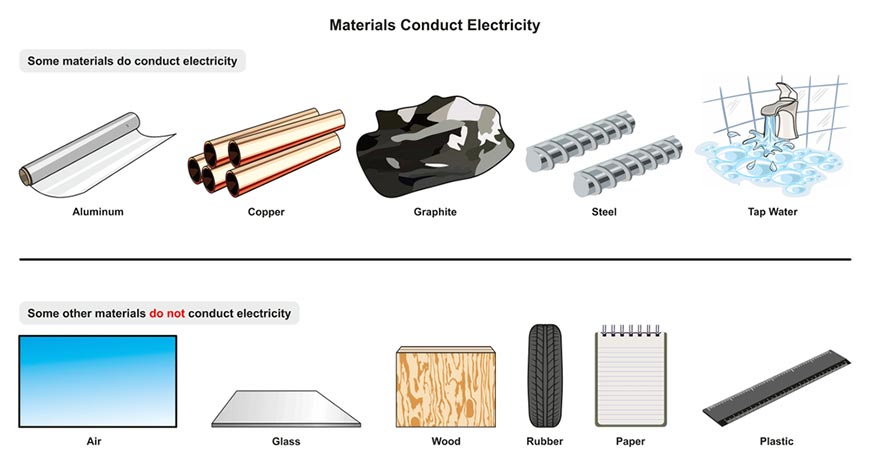
Conductivity determines how efficiently a wire transmits electricity or signals. Metals with free-flowing electrons, like copper, aluminum, and silver, conduct energy effectively. Copper is preferred for speaker wire due to its balance of high conductivity, durability, and cost. Silver has even higher conductivity but is used mainly in specialized applications due to cost.
Insulation plays an equally important role. PVC, rubber, silicone, and advanced polymers protect wires from heat, moisture, and interference, ensuring reliable performance over time. In speaker wire, insulation also prevents crosstalk and electromagnetic interference that could degrade audio quality.
Fiber optic wires, while not used for audio transmission in most homes, demonstrate the next level of conduction technology. They transmit data as light, enabling high-speed, interference-free communication in telecommunications and internet networks. Superconducting wires, another advanced material, allow zero-resistance energy flow at extremely low temperatures and are used in medical imaging, research, and emerging energy technologies.
Innovations Shaping The Future Of Wiring
Wire technology continues to evolve, with innovations improving efficiency, reliability, and functionality:
High-purity conductors: Speaker wires now often use oxygen-free copper or silver-plated conductors to minimize resistance and improve signal quality.
Smart wires: Embedded sensors can monitor current, temperature, or integrity in real-time, enhancing safety and maintenance in industrial and residential applications.
Fiber optic expansion: The growth of fiber optic networks allows integration of high-speed data with smart home devices, including wireless audio systems and home automation.
Eco-friendly materials: Recycled metals and biodegradable insulation reduce environmental impact while maintaining performance, making modern wiring sustainable.
Wireless integration: Wireless light switches, wireless audio transmitters, and smart speakers rely on underlying wired systems for power and connectivity. Innovations in wireless control enhance convenience without eliminating the need for robust wire infrastructure.
These advancements highlight how traditional wire technology continues to adapt to modern needs, bridging conventional functionality with cutting-edge solutions.
Environmental Concerns And Sustainable Production

Wire production has environmental implications, including energy consumption, mining impacts, and waste from insulation materials. Copper and aluminum mining can lead to habitat disruption, soil erosion, and water contamination. Traditional plastic insulation contributes to chemical pollution and landfill waste.
Sustainable practices include:
Recycling metals: Copper and aluminum can be recycled without losing conductivity, reducing mining demand and environmental impact.
Eco-friendly insulation: Biodegradable and low-toxicity polymers reduce chemical pollution and support long-term sustainability.
Energy-efficient production: Manufacturers are adopting renewable energy, reducing emissions, and implementing water-saving processes.
Responsible sourcing: Ethical and transparent supply chains ensure minimal ecological and social impact.
By adopting these practices, wire manufacturers support technological growth while minimizing environmental harm, ensuring that innovations like speaker wire remain both high-performing and sustainable.
Conclusion
Wire is far more than a simple conductor; it is the foundation of modern life. It powers homes, supports global communication, enables industrial machinery, and ensures high-quality audio in speaker systems. From early copper strands to fiber optics, superconductors, and smart materials, wire technology has continuously evolved to meet the demands of modern civilization.
Speaker wire exemplifies how innovation in wiring can directly impact the user experience, delivering clear, reliable sound in homes and professional setups. Even as wireless systems and smart technologies become more common, the underlying wire infrastructure remains essential for performance, reliability, and safety.
Wire continues to connect the world, shaping technology, infrastructure, and everyday life, proving that this humble invention remains at the heart of human innovation.
FAQs
What is speaker wire used for?
Speaker wire transmits audio signals from amplifiers or receivers to speakers, ensuring high-quality sound with minimal signal loss.
What material is best for speaker wire?
Copper is the most common material due to its high conductivity and durability. Silver is sometimes used for premium applications because of its slightly higher conductivity.
Does the gauge of speaker wire matter?
Yes, the gauge affects resistance. Lower gauge numbers (thicker wire) reduce resistance and are better for long distances or high-power systems.
Can speaker wire affect sound quality?
Yes, poor-quality wire can introduce resistance or interference, reducing audio clarity. Using high-quality, properly sized wire maintains optimal performance.
How long can speaker wire run before signal degrades?
Signal degradation depends on wire gauge, material, and power level. For typical home setups, runs under 50 feet usually have negligible impact.
Is insulated speaker wire necessary?
Yes, insulation prevents short circuits, interference, and crosstalk, protecting both the wire and connected devices.
Can speaker wire be used outdoors?
Special outdoor-rated speaker wire is available with UV and moisture-resistant insulation to withstand environmental conditions.
Do premium speaker wires make a big difference?
While high-quality wire ensures minimal loss and better durability, extremely expensive cables often offer diminishing returns for typical home audio setups.
Can multiple speaker wires control the same speaker?
Yes, many systems allow parallel wiring, but it must be done carefully to avoid overloading the amplifier or affecting impedance.
How should speaker wire be maintained?
Keep wires clean, avoid sharp bends, and ensure connections are tight. For long-term setups, check for corrosion and replace damaged sections.
Keep an eye for more latest news & updates on premiumtechy!