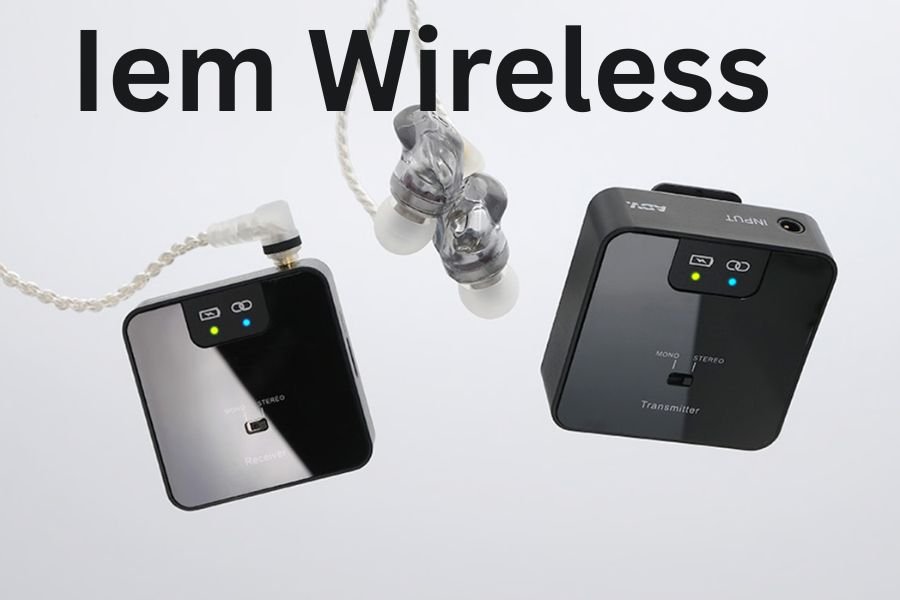
In-ear monitoring (IEM) wireless systems have transformed the way musicians, performers, and audio professionals experience live and studio sound. Unlike traditional floor monitors, IEM wireless setups deliver high-fidelity audio directly to the performer’s ears, offering precise mixes and complete freedom of movement on stage.
The innovation of IEM wireless systems has not only improved sound clarity but also reduced stage noise, minimized feedback, and enhanced overall performance quality. Whether for touring musicians, studio engineers, or home recording enthusiasts, understanding the technology, setup, and benefits of IEM wireless systems is essential in today’s music industry.
IEM wireless systems provide clear, high-fidelity sound directly to a performer’s ears, reducing stage noise and feedback while allowing full freedom of movement. Over time, these systems have evolved into advanced digital solutions with customizable mixes, reliable wireless transmission, and ergonomic designs. As a result, IEM wireless technology has become an essential tool for live performances, studio recording, and broadcast production.
In this article, we discuss the topic of “iem wireless“.
The history and evolution of IEM wireless technology
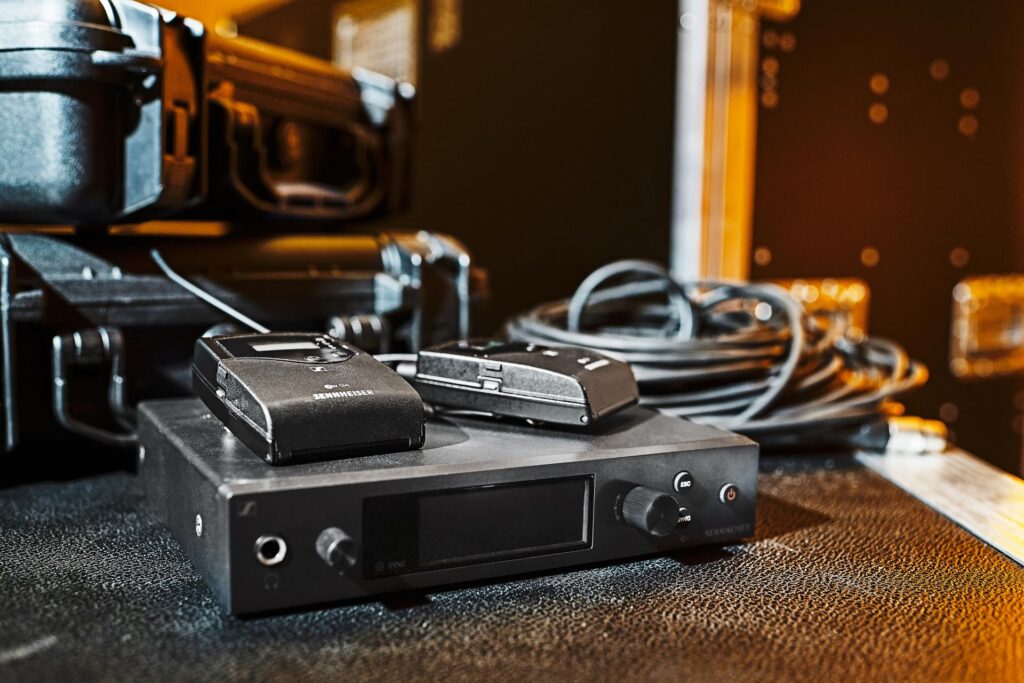
The evolution of in-ear monitoring began in the late 1970s and early 1980s, when performers sought alternatives to loud stage monitors that often created excessive noise and feedback issues. Early IEM systems were analog, bulky, and limited in range, but they allowed performers to hear their mix clearly without interference from other stage sounds.
Over time, IEM wireless technology evolved significantly:
- Digital wireless systems: Offering crystal-clear sound quality, reduced interference, and more reliable frequency management
- Multiple channels: Allowing performers to create customized mixes for each band member
- Rechargeable and lightweight transmitters and receivers: Increasing mobility and comfort during long performances
- Integration with mixing consoles and mobile apps: Enhancing control and customization of personal mixes
Today, IEM wireless systems are standard in professional concerts, recording studios, and broadcast environments, illustrating their importance in modern audio production.
Different types of IEM wireless systems and their applications
IEM wireless systems vary depending on the technology, frequency band, and use case. Common types include:
- Analog IEM systems: Traditional systems using FM transmission; still in use for their simplicity and reliability in certain scenarios
- Digital IEM systems: Offering high-resolution sound with minimal latency, commonly used in professional touring and recording setups
- Single-channel systems: Suitable for solo performers or small setups
- Multi-channel systems: Allowing multiple performers to receive independent mixes simultaneously
- Earphone options: Custom-molded in-ear monitors for comfort and noise isolation, or universal-fit earbuds for flexible use
Applications of IEM wireless systems extend across:
- Live concerts and stage performances
- Broadcast and television production
- Recording studios and rehearsal spaces
- Fitness instructors and public speakers seeking clear audio cues
The science behind IEM wireless systems
IEM wireless systems rely on radio frequency (RF) technology to transmit audio from a transmitter to a receiver worn by the performer. The science behind these systems ensures accurate, high-fidelity sound without interference.
Key components include:
- Transmitter: Converts the audio signal into a radio signal for wireless transmission
- Receiver: Captures the RF signal and converts it back into audio for the performer’s in-ear monitors
- Frequency selection: Ensures minimal interference by operating in available frequency bands (UHF or VHF)
- Signal processing: Advanced digital systems provide noise reduction, compression, and equalization for consistent audio quality
Understanding these elements is crucial for achieving reliable performance, avoiding dropouts, and optimizing sound quality.
Innovations shaping the future of IEM wireless systems
Recent advancements in IEM wireless technology have expanded their capabilities and usability:
- Digital spectrum management: Automatically avoids interference by dynamically selecting the clearest frequency channels
- Bluetooth and hybrid systems: Integrate wireless audio streaming from mobile devices and software for personal monitoring
- Rechargeable lithium-ion batteries: Replace disposable batteries, providing longer runtime and eco-friendly solutions
- Customizable EQ and mix presets: Allow performers to tailor their sound with precision for different songs or venues
- Compact, ergonomic designs: Improve comfort for extended use without causing fatigue or ear strain
These innovations continue to elevate live performance and studio monitoring, making IEM wireless systems an indispensable tool for professional audio.
Environmental concerns and sustainable production
As with any electronic equipment, IEM wireless systems have environmental considerations, including production, battery usage, and electronic waste. Responsible manufacturers address these concerns through:
- Energy-efficient components: Reducing power consumption during operation and standby modes
- Rechargeable batteries: Minimizing the environmental impact of disposable batteries
- Recyclable materials: Designing casings and components that can be recycled at the end of their lifespan
- Sustainable packaging: Reducing plastic use and adopting biodegradable or recyclable packaging
These practices ensure that IEM wireless systems meet both performance and environmental standards, aligning with the growing demand for sustainable technology.
Setup and best practices for IEM wireless systems
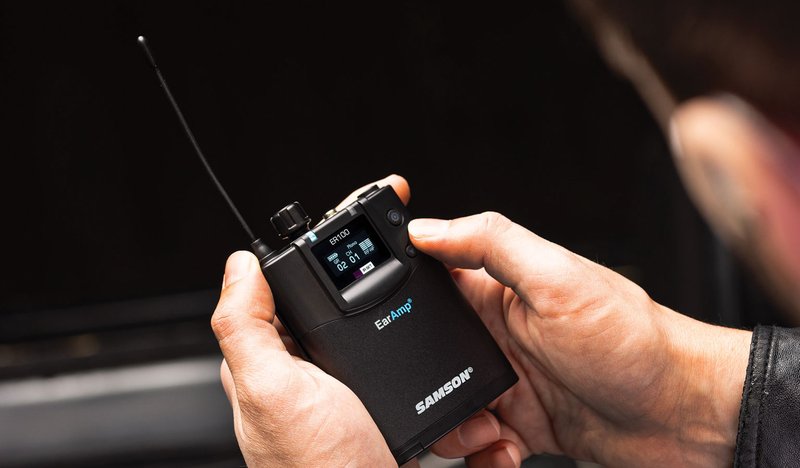
Proper setup is essential to ensure optimal performance and reliability. Key tips include:
- Frequency coordination: Avoid interference by checking available frequency bands and coordinating channels for multi-performer setups
- Transmitter placement: Position transmitters for maximum line-of-sight coverage to minimize signal dropouts
- Personal mix customization: Each performer should adjust their mix using EQ controls, balance, and volume levels
- Battery management: Use fully charged rechargeable batteries or monitor battery levels to prevent unexpected loss of audio
- Regular maintenance: Keep receivers and earphones clean, inspect cables and connectors, and update firmware if available
Following these best practices ensures a reliable, high-quality audio experience in every performance or recording session.
Conclusion
IEM wireless systems have revolutionized the way performers experience sound. By providing high-fidelity audio directly to the ears, minimizing stage noise, and allowing full mobility, these systems have become indispensable in live performances, studio recording, and broadcast production.
Innovations in digital transmission, battery technology, and ergonomic design have elevated IEM wireless systems to new levels of reliability and performance. With careful setup, maintenance, and frequency management, these systems ensure a professional, immersive audio experience for performers of all levels.
Whether you are a touring musician, a recording engineer, or a fitness instructor, IEM wireless systems exemplify the intersection of technology, innovation, and convenience in modern audio production.
FAQs
What is an IEM wireless system?
An IEM wireless system is an in-ear monitoring setup that transmits audio wirelessly from a transmitter to earphones worn by performers or audio professionals.
Why use IEM wireless instead of stage monitors?
IEM wireless systems reduce stage noise, eliminate feedback, and provide performers with a personalized audio mix directly in their ears.
What frequency bands do IEM wireless systems use?
Most systems operate in UHF or VHF bands. Digital systems may also use Bluetooth or hybrid transmission for added flexibility.
Can multiple performers use IEM wireless at the same time?
Yes, multi-channel systems allow several performers to receive independent mixes simultaneously without interference.
Do IEM wireless systems have latency issues?
High-quality digital IEM systems have very low latency, typically imperceptible to performers. Analog systems may have slightly higher latency but are still usable for live performance.
How do IEM wireless systems improve stage performance?
They provide clear, consistent audio, reduce reliance on floor monitors, and allow performers to move freely without losing sound quality.
Are IEM wireless systems suitable for home recording?
Yes, they are increasingly used in home studios for precise monitoring and silent recording sessions.
How do I maintain IEM wireless systems?
Regularly clean earphones, inspect cables, keep firmware updated, charge batteries properly, and store equipment in protective cases to ensure longevity.
Keep an eye for more latest news & updates on premiumtechy!