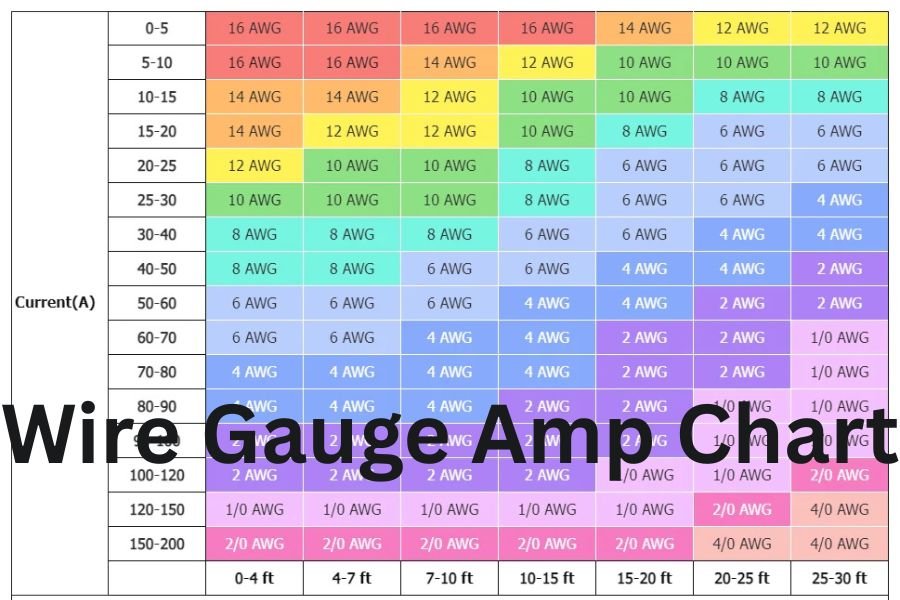
Wire is the backbone of modern electrical systems, enabling the flow of electricity in homes, industries, and technology devices. Proper wire selection is essential for safety, efficiency, and long-term performance. A wire gauge amp chart serves as a critical tool for understanding how different wire sizes correspond to their maximum current-carrying capacity, preventing overheating and electrical hazards.
Whether you are an electrician, a DIY enthusiast, or a homeowner upgrading wiring systems, understanding wire gauge and amp ratings ensures that electrical systems operate safely and efficiently. Wire gauge charts provide clarity in selecting the right wire for circuits, appliances, and devices, taking into account material, insulation, and environment.
A wire gauge amp chart helps you choose the correct wire size based on how much current it can safely carry, reducing the risk of overheating and electrical fires. It considers factors like wire material, insulation, temperature, and length to ensure efficient and safe electrical performance. Using the chart correctly is essential for homeowners, DIYers, and electricians working with modern electrical systems.
In this article, we discuss the topic of “wire gauge amp chart“.
The history and evolution of wire technology

The use of wire for conducting electricity dates back to the 19th century, coinciding with the rise of telegraph and early electrical power systems. Initially, wires were made from simple copper strands insulated with cloth or rubber. As electricity became widespread, standards for wire sizes, gauges, and amp ratings were developed to ensure safety and efficiency.
Early standards like the American Wire Gauge (AWG) system allowed electricians to select wires based on diameter and current-carrying capacity. Over time, wires evolved from simple solid copper to include stranded copper, aluminum, and specialized alloys. Insulation materials advanced from rubber and cloth to PVC, Teflon, and cross-linked polyethylene, offering higher temperature resistance, flexibility, and durability.
Different types of wires and their applications
Wire types vary depending on material, structure, and intended use. Common types include:
- Solid copper wire: Single-strand wire, ideal for permanent, stationary installations such as home wiring.
- Stranded copper wire: Multiple fine strands twisted together, offering flexibility for movable devices, appliances, and robotics.
- Aluminum wire: Lightweight alternative for high-voltage or long-distance transmission, often used in utility lines.
- Tinned copper wire: Copper coated with tin for corrosion resistance, commonly used in marine or outdoor applications.
- Fiber optic cables: Glass or plastic fibers transmitting light, used in high-speed telecommunications and networking.
Wire gauge amp charts are crucial for selecting the correct wire type and size for each application, ensuring both performance and safety.
The science behind wire gauge and amp ratings
Wire gauge directly influences its ability to carry electrical current safely. Larger diameter wires can carry more current without overheating, while smaller wires are suited for low-current circuits. Key scientific concepts include:
- Electrical resistance: Thinner wires have higher resistance, causing energy loss and heat buildup.
- Conduction efficiency: Copper and aluminum conduct electricity efficiently, but differences in conductivity affect amp ratings.
- Temperature rating: Wire insulation materials have maximum operating temperatures that limit current-carrying capacity.
- Voltage drop: Long wire runs require larger gauge wires to prevent voltage drop, ensuring proper device operation.
A wire gauge amp chart consolidates these factors, providing safe and reliable recommendations for various wire sizes and applications.
Understanding the wire gauge amp chart
Wire gauge amp charts typically include:
- Wire gauge size (AWG or metric): The diameter of the wire
- Maximum current (amps): Safe current the wire can carry without overheating
- Voltage rating: Maximum voltage the wire can handle
- Temperature rating: Recommended operating temperature range
For example, a 14 AWG copper wire is rated for 15 amps in residential circuits, while a 12 AWG wire is rated for 20 amps. Understanding the chart prevents circuit overloads and electrical fires. Wire gauge amp charts often include adjustments for wire type (solid vs. stranded), insulation, and environmental conditions such as ambient temperature.
Innovations shaping the future of wire and amp charts
Modern advancements in wire technology and design have improved both safety and functionality:
- High-temperature insulation: Wires that withstand extreme temperatures expand the range of safe amp ratings.
- Smart wiring systems: Integrating sensors and monitoring technology allows real-time current tracking and alerts for overloads.
- Advanced alloys: Materials like superconducting wires offer near-zero resistance, promising higher current capacity with minimal energy loss.
- Modular wiring solutions: Pre-fabricated harnesses and labeled wires simplify installation and reduce human error in complex systems.
These innovations ensure that wire gauge amp charts remain relevant while adapting to evolving electrical and technological needs.
Environmental concerns and sustainable production
Wire manufacturing has environmental implications, from mining raw materials to insulation production. Sustainable practices include:
- Recycled copper and aluminum: Reduces the environmental footprint and conserves natural resources.
- Eco-friendly insulation: Materials such as biodegradable or halogen-free compounds reduce environmental harm.
- Energy-efficient manufacturing: Optimizing production processes minimizes carbon emissions.
- Longevity and durability: High-quality wires reduce waste and the need for frequent replacements.
Considering sustainability when selecting wires contributes to safer, greener electrical infrastructure.
Practical tips for using wire gauge amp charts
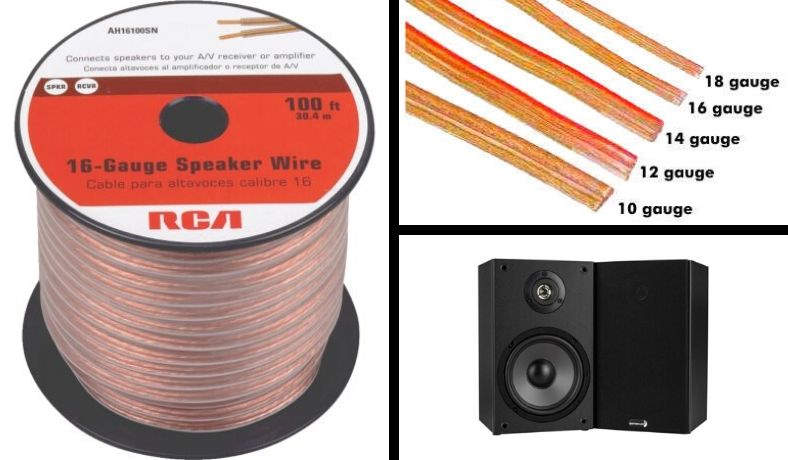
When working with electrical systems, following these practical tips ensures safety and efficiency:
- Verify wire type: Always account for insulation material and solid vs. stranded construction.
- Check temperature ratings: Ambient conditions can affect the ampacity of a wire.
- Consider length of wire run: Longer runs may require a larger gauge to prevent voltage drop.
- Follow code standards: Adhere to local electrical codes and standards for installation and safety.
- Use charts as a guide: Wire gauge amp charts are reference tools; consult an electrician for high-current or specialized applications.
Using these guidelines ensures electrical systems operate reliably and safely.
Conclusion
Wire gauge amp charts are fundamental tools for anyone working with electricity. They provide clear guidance for selecting wire sizes based on current capacity, safety, and efficiency. Understanding wire types, materials, and environmental factors helps prevent overheating, voltage drop, and potential hazards.
As electrical systems become more complex and energy demands increase, wire gauge amp charts remain a cornerstone of safe and reliable design. By integrating modern innovations and sustainable practices, these charts help electricians, engineers, and homeowners make informed decisions, ensuring the safe and efficient flow of electricity in every application.
FAQs
What is a wire gauge amp chart?
A wire gauge amp chart is a reference tool showing the safe current-carrying capacity of different wire sizes based on material, insulation, and environmental conditions.
Why is a wire gauge amp chart important?
It helps prevent overheating, electrical fires, and voltage drops by guiding proper wire selection for specific current loads.
What is AWG?
AWG (American Wire Gauge) is a standard system used to measure the diameter of electrical wires in North America. Smaller AWG numbers indicate thicker wires.
Can I use a smaller wire than recommended?
No, using a smaller wire than recommended can cause overheating, equipment damage, and potential fire hazards.
How do environmental factors affect amp ratings?
High ambient temperatures or bundling multiple wires can reduce the current-carrying capacity, requiring adjustments in wire selection.
Are wire gauge amp charts different for copper and aluminum?
Yes, aluminum has lower conductivity than copper, so aluminum wires require a larger gauge for the same current.
Can wire gauge amp charts be used for DIY projects?
Yes, they are useful for DIY electrical work, but always follow local electrical codes and consult a professional for complex installations.
How do I account for long wire runs?
Longer runs can cause voltage drop, so it is often necessary to use a thicker wire to maintain voltage and performance.
Keep an eye for more latest news & updates on premiumtechy!