Welded wire, often called welded wire mesh, is a type of metal fabric made by welding intersecting wires together at regular intervals. The process creates a rigid, grid-like structure that offers both strength and flexibility for a variety of applications.
Welded wire is used extensively in construction, agriculture, and industrial projects due to its durability and ease of installation. Unlike woven wire, which is interlaced, welded wire provides consistent spacing and uniform strength across the panel. It is typically available in different gauges, coatings, and mesh sizes, making it highly versatile. Welded wire is valued for its ability to provide security, reinforcement, and support while remaining lightweight and manageable.
Welded wire is a strong, rigid metal mesh made by welding intersecting wires, widely used in construction, fencing, agriculture, and DIY projects for support, security, and reinforcement. It offers uniform spacing, high durability, and comes in various gauges, mesh sizes, materials, and protective coatings like galvanized or PVC. Choosing the right welded wire ensures long-lasting performance, corrosion resistance, and reliable strength for both indoor and outdoor applications.
In this article, we discuss the topic of “welded wire“.
History of Welded Wire Manufacturing
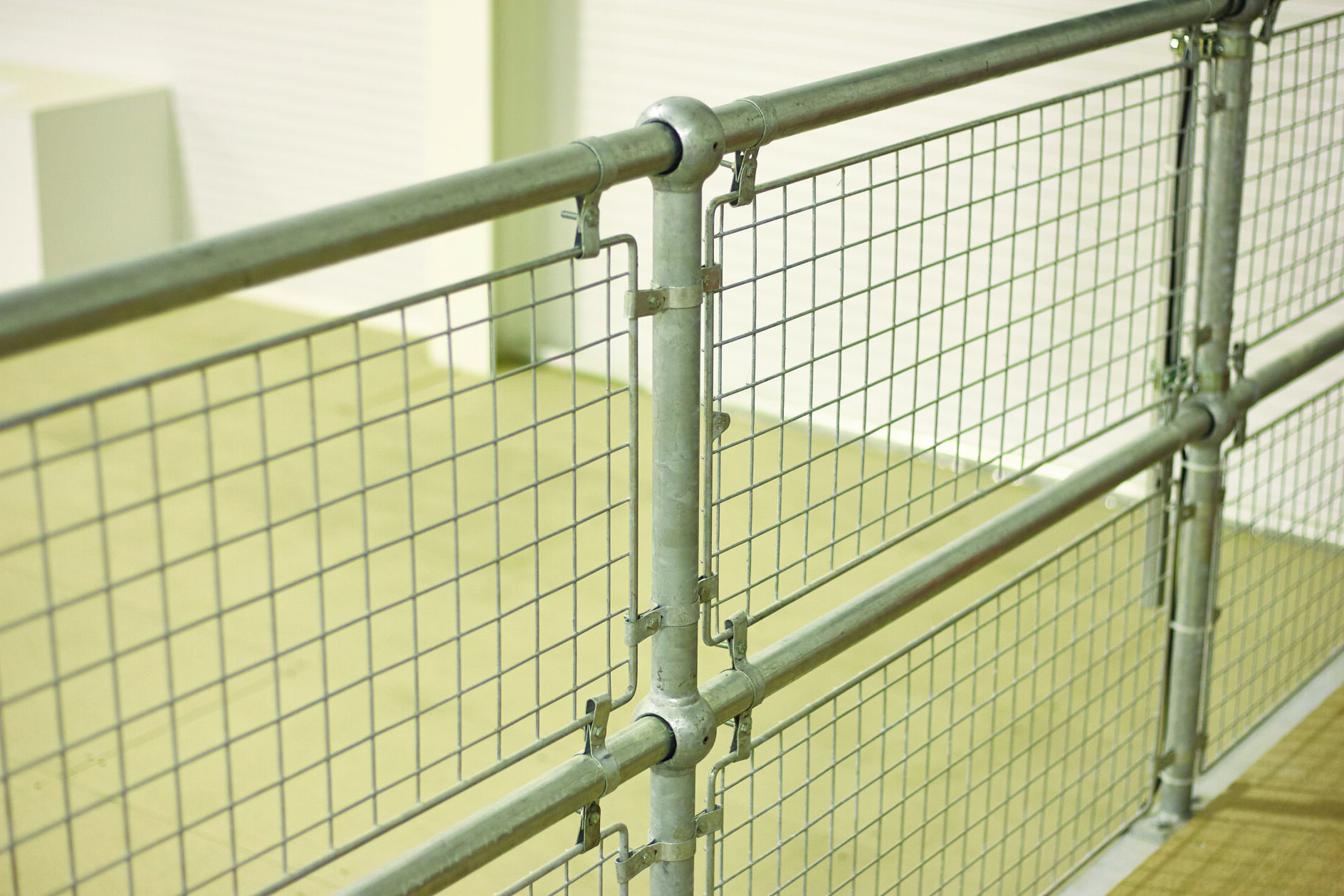
The history of welded wire dates back to the early 20th century when industrial advancements made it possible to produce stronger and more consistent wire meshes. Early manufacturing relied on manual welding techniques, which were labor-intensive and time-consuming.
With the introduction of automated welding machines, the production of welded wire became faster and more efficient, enabling its use in large-scale construction and industrial projects. Over the decades, the industry has evolved to include various types of coatings and specialized wire materials. Today, welded wire manufacturing combines precision engineering with durable materials to create products suitable for everything from concrete reinforcement to decorative fencing.
How Welded Wire Is Made
The manufacturing process of welded wire begins with high-quality wire, usually steel, which is fed into a welding machine. The machine positions the wires at precise intervals and applies heat or electric current to fuse the intersections permanently. This ensures a strong, rigid structure that can withstand heavy loads and environmental stress. After welding, the mesh can undergo additional processes such as galvanization or PVC coating for added corrosion resistance. Quality control checks are performed at each stage to ensure uniformity in mesh size, wire thickness, and overall strength. The result is a highly durable material suitable for multiple industrial, agricultural, and domestic uses.
Types of Welded Wire Products
Welded wire comes in several types designed for specific applications. Standard welded wire mesh is used in construction and fencing, while heavy-duty versions support concrete reinforcement and structural projects. Galvanized welded wire provides additional corrosion protection for outdoor and industrial use, whereas PVC-coated wire is often used in landscaping or animal enclosures. Some welded wire products are designed to be decorative, offering aesthetic patterns in addition to functionality. There are also specialized options for high-security areas, featuring smaller mesh sizes and thicker gauges to prevent intrusion or damage. Choosing the right type depends on your project’s strength, durability, and environmental requirements.
Welded Wire Mesh vs. Woven Wire
Welded wire mesh and woven wire are two commonly used wire fabrics, but they differ in construction and performance. Welded wire is created by fusing wires at each intersection, resulting in a rigid, uniform grid. Woven wire, on the other hand, is made by weaving wires over and under each other, creating a more flexible mesh. While woven wire may offer some elasticity and a traditional appearance, welded wire provides superior strength, stability, and consistent spacing. These qualities make welded wire ideal for applications where support, security, or load-bearing capacity is critical, such as concrete reinforcement or heavy-duty fencing.
Common Materials Used in Welded Wire
Welded wire is primarily made from steel, but variations include stainless steel, aluminum, and coated options. Carbon steel is often used for general-purpose applications, providing excellent strength at a reasonable cost. Stainless steel offers enhanced corrosion resistance, making it ideal for outdoor or industrial environments. Aluminum wire is lightweight and resistant to rust, but generally less strong than steel. Additionally, welded wire can be coated with zinc (galvanized) or PVC to extend its lifespan and protect against environmental damage. Selecting the right material depends on factors like load-bearing requirements, weather conditions, and the desired longevity of the installation.
Wire Gauge Sizes for Welded Wire
The gauge of welded wire refers to the thickness of the wire used to construct the mesh. Thicker wires provide higher strength and durability, while thinner wires are suitable for lighter applications such as garden fencing or decorative projects. Common wire gauges range from 16 to 6, with smaller numbers indicating thicker, heavier wires. Selecting the correct gauge is crucial for ensuring the mesh can handle the intended load without bending or breaking. Engineers and builders often consider both wire gauge and mesh spacing when calculating the overall strength and performance of welded wire in a specific project.
Standard Welded Wire Mesh Sizes
Welded wire mesh is manufactured in standard sizes to suit a variety of applications. The mesh size refers to the distance between the wires, which can range from as small as 1/4 inch to over 4 inches. Smaller mesh sizes are commonly used in security fencing, animal cages, and concrete reinforcement, where strength and containment are important. Larger mesh sizes are often used for garden fencing, structural support, or industrial storage. Standardization ensures consistency across projects and allows builders and engineers to easily calculate material requirements, ensuring the mesh meets both strength and aesthetic specifications.
Coatings for Welded Wire: Galvanized vs PVC
Coatings are applied to welded wire to protect it from rust and corrosion, extending its lifespan. Galvanized coatings involve dipping the wire mesh in molten zinc, creating a protective layer that resists moisture and chemical damage. PVC-coated welded wire adds a layer of plastic over the galvanized or plain wire, offering additional protection and a smooth finish. PVC coatings also come in various colors, which can enhance the appearance of fences, cages, and decorative installations. Choosing the right coating depends on the environmental exposure and the intended purpose of the welded wire product.
Uses of Welded Wire in Construction
Welded wire plays a crucial role in modern construction projects. It is commonly used as concrete reinforcement, providing tensile strength that prevents cracking and enhances structural integrity. It is also used in building fences, gates, and partitions, offering both durability and security. Welded wire mesh can be incorporated into floors, walls, and ceilings to support heavy loads and improve stability. Additionally, it is used in formwork, retaining walls, and scaffolding applications. Its versatility makes welded wire an essential material for engineers, builders, and architects across a wide range of construction projects.
Welded Wire Fencing Applications
Welded wire fencing is a popular choice for residential, commercial, and industrial properties. It is used to enclose gardens, livestock, construction sites, and high-security areas. The rigid structure of welded wire provides a strong barrier that resists bending and cutting. Fencing made from welded wire is easy to install and maintain, and it can be customized with different heights, mesh sizes, and coatings to suit the environment. Its durability and adaptability make it a cost-effective solution for long-term security and property management.
Industrial Uses of Welded Wire
Industries benefit from welded wire in numerous applications, from storage solutions to manufacturing processes. It is often used to construct cages, racks, shelves, and partitions in warehouses and factories. Welded wire mesh provides excellent airflow, visibility, and strength, making it ideal for heavy-duty industrial use. It can also be used in filtration systems, machine guards, and conveyor belts. The versatility, durability, and customizable nature of welded wire make it a staple material in industrial engineering and logistics.
Welded Wire in Agriculture
Agriculture relies on welded wire for a variety of purposes. It is commonly used for animal enclosures, such as chicken coops, rabbit hutches, and livestock pens, providing both security and ventilation. Welded wire is also used for crop protection, preventing animals from entering gardens or fields. Trellises, vine supports, and fencing for orchards often utilize welded wire due to its strength and flexibility. Its ability to withstand outdoor conditions, resist rust, and provide long-lasting protection makes welded wire an essential tool for farmers and agricultural workers.
Welded Wire for Garden and Landscaping
Gardeners and landscapers use welded wire for fencing, plant support, and decorative installations. It can create durable garden borders, protect flowers from pests, and support climbing plants or vines. Welded wire’s flexibility allows it to be shaped into arches, trellises, or other creative designs, while its rigidity ensures stability over time. Coated or painted welded wire is often chosen for aesthetic appeal and added weather resistance. Using welded wire in landscaping enhances both functionality and visual appeal, making gardens more organized and protected.
How to Choose the Right Welded Wire
Selecting the right welded wire depends on the intended application, environmental conditions, and load requirements. Consider the wire gauge, mesh size, material, and coating when making your choice. Thicker wires provide greater strength for heavy-duty use, while thinner wires may suffice for decorative or lightweight projects. Galvanized or PVC-coated wire is ideal for outdoor installations exposed to moisture. Additionally, assess the height, length, and rigidity needed to ensure the welded wire meets safety and durability standards. Proper selection ensures long-lasting performance and reduces the need for frequent replacements.
Welded Wire Strength and Durability
Welded wire is highly regarded for its strength and long-term durability. The welded intersections create a rigid, load-bearing structure that can resist bending, stretching, or breaking under pressure. Steel welded wire is capable of supporting heavy loads, making it ideal for concrete reinforcement, industrial cages, and fencing. Coatings like galvanization or PVC further enhance durability by preventing rust and corrosion. Properly installed welded wire can last for decades, even in outdoor and high-stress environments, making it a reliable choice for both residential and industrial applications.
Weight Considerations in Welded Wire Mesh
The weight of welded wire mesh is determined by the wire gauge, mesh size, and material. Heavier gauges and smaller mesh sizes increase the overall weight, which can affect handling, installation, and structural support. Engineers and contractors must consider weight when calculating load-bearing capacity and transportation requirements. Lightweight welded wire is easier to handle and ideal for fencing or decorative use, while heavier mesh provides superior strength for concrete reinforcement or industrial applications. Understanding weight considerations ensures proper installation and optimal performance of welded wire in any project.
Corrosion Resistance in Welded Wire
Corrosion resistance is critical for welded wire used in outdoor or humid environments. Steel welded wire can rust over time if exposed to moisture, chemicals, or salt. Galvanized welded wire, coated with a protective zinc layer, resists rust and extends the wire’s lifespan. PVC-coated welded wire provides an additional barrier against moisture and UV damage while enhancing aesthetics. Stainless steel welded wire offers the highest corrosion resistance, suitable for marine or chemical applications. Selecting the right material and coating ensures the welded wire maintains its strength and appearance over time.
Welded Wire for Concrete Reinforcement
Concrete structures require reinforcement to handle tensile stress and prevent cracking, and welded wire is an ideal solution. Welded wire mesh is placed within concrete slabs, walls, or foundations to distribute loads evenly and enhance structural integrity. It provides excellent resistance to bending and tensile forces, improving the lifespan and durability of concrete installations. Using welded wire also reduces the need for traditional rebar placement, saving time and labor costs. Its consistent mesh size and rigidity make it highly effective for both small-scale and large-scale construction projects.
How Welded Wire Supports Structural Integrity
The rigidity of welded wire helps maintain structural integrity in construction projects. By reinforcing concrete or supporting walls and partitions, welded wire ensures that materials can withstand environmental stress, heavy loads, and mechanical pressure. The uniform spacing and strong intersections of the wire prevent movement and maintain the shape of structures. Welded wire also distributes forces evenly, reducing localized stress points and preventing cracks or failure. Its use is essential in modern engineering to achieve safe, durable, and long-lasting structures.
Installing Welded Wire Fencing
Installing welded wire fencing is relatively straightforward but requires careful preparation. Start by measuring the area and marking post locations. Dig holes for fence posts and secure them with concrete for stability. Roll out the welded wire mesh along the fence line, ensuring it is level and straight. Attach the mesh to the posts using staples, clips, or ties, stretching it tightly to prevent sagging. Regular maintenance, such as tightening loose areas and checking for rust, ensures the fence remains strong and effective over time. Proper installation maximizes both durability and security.
Tools Needed for Welded Wire Installation
Installing welded wire requires basic tools that make the process easier and more efficient. Common tools include wire cutters for trimming mesh, pliers or fencing staples for securing the wire, and a hammer or post driver for installing fence posts. A measuring tape and level help ensure accurate alignment, while gloves and safety glasses protect hands and eyes during installation. For larger projects, a tensioning tool may be used to stretch the wire for a tighter fit. Having the right tools ensures a smooth installation process and long-lasting performance of welded wire fencing.
DIY Welded Wire Projects
Welded wire is versatile and ideal for DIY projects at home or in the garden. Homeowners can create small animal cages, garden trellises, compost bins, or protective fencing for plants. Welded wire panels can also be used for craft projects, shelving units, or decorative screens. Because it is easy to cut, bend, and shape, DIY enthusiasts can customize welded wire for their specific needs. Proper planning, safety precautions, and appropriate tools are key to completing successful DIY projects using welded wire.
Welding vs. Mechanical Fastening of Wire
Welded wire is typically created using welding, where intersecting wires are fused together for maximum strength. Mechanical fastening, such as twisting or clipping wires, provides less strength and may not withstand heavy loads or long-term stress. Welded intersections ensure uniformity and rigidity, making the wire suitable for industrial, construction, and security applications. While mechanical fastening may be sufficient for lightweight or temporary projects, welding is preferred for permanent installations that require durability, structural support, and resistance to environmental factors.
Safety Tips When Handling Welded Wire
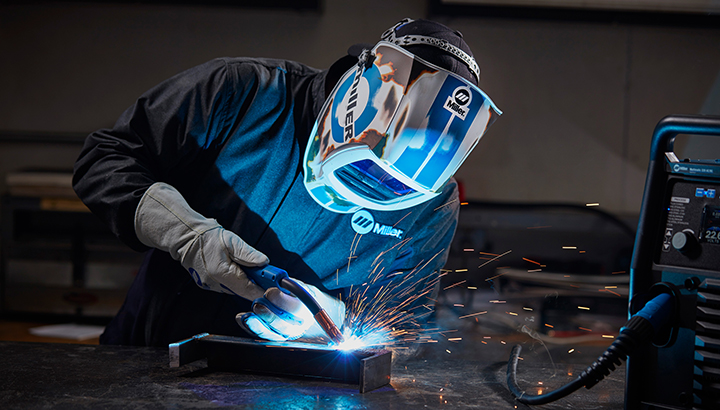
Handling welded wire requires attention to safety to prevent injuries. Wear gloves to protect hands from sharp edges and safety glasses to prevent eye injuries from wire fragments. Use caution when cutting or bending the wire, and ensure that tools are properly maintained. When installing fencing or large panels, consider using additional help to avoid strain or accidents. Proper storage of welded wire rolls, away from moisture and chemicals, also enhances safety and prolongs the wire’s lifespan. Following these precautions ensures a safe working environment while handling welded wire.
Cutting Welded Wire Mesh Properly
Cutting welded wire mesh requires the right tools and techniques. Use heavy-duty wire cutters, bolt cutters, or angle grinders for thick or high-gauge wire. Always measure and mark the cutting points accurately to avoid wastage. Cutting should be done slowly and carefully to prevent jagged edges or deformation of the mesh. Wearing gloves and eye protection is essential during cutting. Proper cutting ensures clean edges, maintains mesh integrity, and allows for precise fitting in construction or fencing projects.
Joining Welded Wire Panels
Joining welded wire panels can be achieved through a variety of methods, including wire ties, clips, or welding. Overlapping the panels slightly before fastening increases stability and strength. For fences, posts or corner brackets help secure panels and maintain alignment. In construction applications, welding provides a permanent and rigid connection that withstands stress and load. Proper joining techniques are essential to maintain structural integrity, prevent gaps, and ensure the welded wire performs as intended over time.
Welded Wire in Security Applications
Welded wire is widely used for security purposes due to its strength and rigidity. High-gauge welded wire panels with small mesh openings are often installed around industrial sites, warehouses, and restricted areas to prevent unauthorized access. Its rigid structure makes cutting or bending extremely difficult, providing a strong deterrent. Coated or galvanized options enhance durability in outdoor environments while maintaining the wire’s security function. In addition to fencing, welded wire can be used for window guards, cages, and protective barriers. Its adaptability and strength make it a reliable choice for security applications in both commercial and residential settings.
Animal Enclosures Made from Welded Wire
Welded wire is ideal for constructing animal enclosures, offering both safety and visibility. Chicken coops, rabbit hutches, dog pens, and livestock cages benefit from its durability and resistance to escape or intrusion. The rigid welded intersections prevent bending or breaking, keeping animals secure. Galvanized or PVC-coated wire ensures longevity, even when exposed to outdoor elements such as rain or snow. Welded wire can also be customized to different heights, mesh sizes, and panel shapes to suit specific species or enclosures. This makes it a versatile solution for farmers, pet owners, and animal shelters.
Cost of Welded Wire Per Square Foot
The cost of welded wire varies depending on gauge, mesh size, material, and coating. Lightweight welded wire for garden use is generally more affordable, while heavy-duty galvanized or stainless steel mesh is more expensive. On average, prices range from a few dollars per square foot for small-scale or lightweight wire to higher rates for industrial-grade mesh. Additional factors, such as coating type, roll length, and delivery costs, also influence pricing. Understanding cost per square foot helps in budgeting for projects like fencing, concrete reinforcement, or industrial installations.
Comparing Welded Wire Prices Online
Purchasing welded wire online offers convenience and access to a wide variety of products. Online retailers often provide detailed specifications, including gauge, mesh size, coating, and roll dimensions. Prices can vary significantly based on brand, material quality, and shipping costs. Comparing options allows buyers to find the best balance between cost and quality. Many websites also offer bulk discounts for large projects. Reading customer reviews and verifying seller credibility ensures that online purchases meet expectations in terms of durability and performance.
Where to Buy Welded Wire Locally
Welded wire is available at hardware stores, building supply centers, agricultural suppliers, and fencing specialty shops. Local suppliers allow buyers to inspect the material, gauge quality, and receive advice on installation or application. Contractors often prefer local purchases for urgent projects, as delivery is immediate and flexible. Industrial suppliers may offer bulk quantities at discounted rates, while smaller hardware stores cater to residential or DIY needs. Visiting multiple local sources can help identify the most suitable product for both budget and application requirements.
Eco-Friendly Welded Wire Options
Eco-friendly welded wire products focus on sustainable materials and long-lasting durability to minimize environmental impact. Some manufacturers use recycled steel or environmentally responsible coatings to reduce carbon footprint. Galvanized wire can often be recycled at the end of its life, and PVC alternatives may be formulated to be more environmentally friendly. Choosing durable, high-quality welded wire reduces the need for frequent replacement, conserving resources. Eco-conscious consumers and businesses can balance performance with sustainability when selecting welded wire for their projects.
Welded Wire Maintenance Tips
Maintaining welded wire ensures longevity and functionality. Regularly inspect fences, panels, and enclosures for rust, loose connections, or damage. Clean debris and vegetation that may trap moisture against the wire, as prolonged exposure can lead to corrosion. Tighten any loose fasteners and replace damaged sections promptly. For coated wire, check for peeling or cracking and apply touch-up coatings if necessary. Proper maintenance preserves structural integrity, appearance, and safety, especially in outdoor or high-stress environments.
How Long Does Welded Wire Last?
The lifespan of welded wire depends on material, coating, and environmental conditions. Galvanized welded wire typically lasts 15–25 years outdoors, while PVC-coated wire can last even longer under similar conditions. Stainless steel welded wire may last 50 years or more due to its superior corrosion resistance. Environmental factors like humidity, salt exposure, and mechanical wear can reduce longevity. Proper installation and maintenance, including regular inspections and repairs, significantly extend the useful life of welded wire, ensuring it remains reliable over decades.
Custom Welded Wire Solutions
Custom welded wire solutions cater to specific project requirements. Manufacturers can adjust wire gauge, mesh size, panel dimensions, and coatings based on application needs. Custom solutions are essential for unique installations, such as specialized enclosures, decorative designs, or industrial partitions. Collaborating with suppliers ensures that welded wire meets both functional and aesthetic demands. Customization may also include color coating, pre-cut panels, or specialized strength ratings. Tailored solutions provide flexibility, allowing projects to achieve optimal performance while meeting exact specifications.
Welded Wire in Commercial Projects
Commercial projects frequently utilize welded wire for structural, security, and aesthetic purposes. Retail stores, warehouses, offices, and hotels incorporate welded wire for partitions, shelving, and fencing. Its durability and uniform appearance make it suitable for high-traffic areas. In construction, welded wire reinforces concrete, supports heavy equipment, and ensures safety in scaffolding or temporary barriers. Commercial applications often require adherence to regulatory standards, making high-quality welded wire a practical choice for architects, engineers, and project managers.
Welded Wire Standards and Regulations
Standards and regulations ensure that welded wire meets safety, quality, and performance requirements. Organizations like ASTM International and ISO set guidelines for wire gauge, tensile strength, coating, and mesh size. Compliance with these standards ensures that welded wire can safely support loads, resist corrosion, and perform reliably in structural or security applications. Local building codes may also dictate specific welded wire requirements for construction, fencing, or agricultural use. Adhering to standards protects both workers and end-users while ensuring long-term performance.
Testing Welded Wire Strength
Welded wire undergoes rigorous testing to ensure structural integrity and performance. Tensile tests measure the wire’s ability to withstand stress without breaking. Impact and bend tests assess durability under physical force. Coating adhesion and corrosion resistance are evaluated to determine long-term performance. Testing helps manufacturers ensure uniform quality and allows engineers to select appropriate wire for construction, security, or industrial applications. Reliable testing is essential for ensuring welded wire meets both regulatory and project-specific requirements.
Troubleshooting Welded Wire Problems
Despite its strength, welded wire may face issues such as corrosion, sagging, or broken intersections. Rust can weaken the mesh and is often caused by environmental exposure or coating damage. Sagging panels may result from improper installation or insufficient tension. Broken intersections may occur under extreme loads. Troubleshooting involves inspecting the wire regularly, replacing damaged sections, tightening loose connections, and applying protective coatings. Prompt attention to problems ensures the welded wire continues to perform effectively and prevents further structural or safety issues.
Innovations in Welded Wire Technology
Welded wire technology continues to evolve, introducing stronger, lighter, and more durable products. Advanced coatings, including UV-resistant and anti-rust options, enhance longevity. Automated welding processes improve precision and consistency, reducing material waste. Some innovations focus on eco-friendly production methods, using recycled steel and sustainable coatings. Specialized welded wire products now cater to niche applications, such as high-security fencing, decorative panels, and industrial filtration. These advancements expand the versatility and usability of welded wire across multiple sectors.
Welded Wire vs Chain Link Fencing
Welded wire and chain link fencing are common options for security and containment, but they differ in performance. Welded wire provides greater rigidity and durability, making it harder to bend or cut. Chain link fencing is more flexible and easier to install, but it may require additional reinforcement for heavy-duty or high-security applications. Welded wire also offers more uniform spacing and a cleaner aesthetic, suitable for both commercial and residential use. Choosing between the two depends on factors such as security requirements, budget, and environmental conditions.
Advantages of Welded Wire Over Other Mesh
Welded wire offers several advantages compared to woven or chain link mesh. Its rigid construction provides superior strength, load-bearing capacity, and stability. Uniform mesh spacing ensures consistent performance in reinforcement and containment applications. Welded wire is easier to install, maintain, and customize for different projects. Additionally, coatings like galvanization or PVC extend its lifespan and improve corrosion resistance. Its versatility makes it suitable for a wide range of industrial, agricultural, and residential applications.
Welded Wire for Decorative Purposes
Beyond industrial and functional uses, welded wire is popular in decorative applications. It can be shaped into panels, screens, gates, or trellises that enhance outdoor spaces, gardens, or interiors. Colored PVC coatings or powder coatings add aesthetic appeal while protecting against environmental wear. Decorative welded wire offers both functionality and visual appeal, providing a unique combination of strength, versatility, and style. Designers often use welded wire to create creative, modern, or rustic looks in both residential and commercial environments.
Painting and Coating Welded Wire
Painting or coating welded wire extends its lifespan and improves its appearance. Powder coatings, epoxy, or PVC layers protect against moisture, UV damage, and corrosion. Coatings can also be applied in different colors to match design schemes or property aesthetics. Proper surface preparation, such as cleaning and degreasing, ensures adhesion and long-lasting protection. Maintaining coated wire includes inspecting for chips or wear and applying touch-ups as needed. Coating enhances both the durability and visual appeal of welded wire installations.
Welding Techniques for Wire Mesh
Welding techniques determine the strength and quality of welded wire. Spot welding is the most common method, fusing intersections with electrical current to create permanent, rigid connections. Seam welding may be used for continuous panels, ensuring uniform strength across large areas. Advanced automated welding machines improve accuracy, consistency, and production efficiency. Proper welding prevents weak points, ensures durability, and allows welded wire to withstand heavy loads and environmental stress. Understanding these techniques is important for manufacturers and installers seeking reliable welded wire products.
Handling Large Welded Wire Rolls
Large welded wire rolls require careful handling to prevent injury and damage. Use gloves, lifting equipment, or additional personnel when moving heavy rolls. Avoid dragging rolls on rough surfaces, which can deform the mesh. Secure rolls during storage to prevent tipping or unwinding. Handling with care ensures panels maintain their shape, intersections remain intact, and installation is easier. Proper storage also protects the wire from environmental exposure, ensuring longevity and performance.
Common Mistakes When Using Welded Wire
Common mistakes with welded wire include improper installation, incorrect mesh selection, and insufficient tensioning. Using the wrong gauge or mesh size can compromise structural integrity or containment. Cutting without proper tools can create jagged edges, leading to injuries or weak points. Failure to apply coatings or maintain the wire may result in rust and reduced durability. Avoiding these mistakes through careful planning, proper tool use, and regular maintenance ensures welded wire performs effectively and safely over its lifespan.
Future Trends in Welded Wire Manufacturing

The future of welded wire manufacturing focuses on innovation, sustainability, and customization. Automated welding and advanced materials are making production more efficient and consistent. Eco-friendly coatings and recycled steel reduce environmental impact. Customized panels with varying gauges, coatings, and mesh sizes cater to niche applications. Integration with smart technology, such as sensors for security fences or automated tensioning systems, is emerging. These trends will continue to enhance the versatility, strength, and environmental responsibility of welded wire in multiple industries.
Summary: Choosing the Right Welded Wire for Your Project
Selecting the right welded wire involves considering material, gauge, mesh size, coating, and application. Understanding the differences between galvanized, PVC-coated, stainless steel, and plain steel options ensures the wire meets environmental and load-bearing requirements. Proper installation, regular maintenance, and adherence to safety standards maximize longevity and performance. Whether for construction, agriculture, fencing, or decorative purposes, welded wire offers unmatched strength, versatility, and reliability. By choosing the right product and applying it correctly, projects achieve optimal functionality, durability, and value.
Conclusion
Welded wire is a versatile, durable, and essential material used across construction, agriculture, industrial, and decorative applications. Its rigid structure, consistent mesh spacing, and strength make it ideal for concrete reinforcement, fencing, animal enclosures, and DIY projects. With a variety of materials, gauges, coatings, and mesh sizes available, welded wire can be tailored to meet specific project requirements, whether for durability, corrosion resistance, or aesthetic appeal.
Proper selection, installation, and maintenance are key to maximizing the lifespan and performance of welded wire. Galvanized or PVC-coated options offer added protection against environmental factors, while custom solutions allow flexibility for unique applications. By understanding the types, uses, and advantages of welded wire, homeowners, contractors, and engineers can make informed decisions that enhance safety, functionality, and value in their projects.
Ultimately, welded wire remains a reliable, cost-effective, and practical solution for countless applications, combining strength, longevity, and versatility in a single material.
FAQs
1. What is welded wire used for?
Welded wire is used in construction, fencing, concrete reinforcement, agriculture, industrial projects, and decorative applications. Its strength and rigidity make it ideal for these purposes.
2. What is the difference between welded wire and woven wire?
Welded wire is fused at each intersection, creating a rigid, uniform grid, while woven wire is interlaced, making it more flexible but less strong.
3. Can welded wire be used outdoors?
Yes. Galvanized or PVC-coated welded wire is suitable for outdoor use, resisting rust, corrosion, and environmental wear.
4. How long does welded wire last?
The lifespan varies: galvanized wire can last 15–25 years, PVC-coated lasts longer, and stainless steel welded wire may last up to 50 years with proper maintenance.
5. Can I cut welded wire myself?
Yes. Heavy-duty wire cutters, bolt cutters, or angle grinders can cut welded wire. Always wear gloves and eye protection for safety.
Keep an eye for more latest news & updates on premiumtechy!