
A bank wire transfer is a method of sending money electronically from one bank account to another, either domestically or internationally. It is considered a fast, secure, and reliable way to move funds, often used for large transactions like buying a house, paying tuition, or transferring business funds.
Unlike checks or automated clearing house (ACH) transfers, wire transfers move money almost instantaneously through bank networks. This system relies on banks exchanging payment instructions through secure networks. The recipient usually receives funds within the same day or a few business days, depending on the type of transfer. Wire transfers are typically irreversible, making accuracy crucial when sending money.
A bank wire transfer is a secure method of sending money electronically between accounts, either domestically or internationally. Domestic wires usually clear the same day or within one business day, while international transfers take 1–5 business days due to factors like currency conversion, time zones, and intermediary banks. Processing speed depends on bank size, cut-off times, accuracy of details, and whether standard or expedited service is used.
In this article, we discuss the topic of “how long does a bank wire take“.
Understanding the Basics of Bank Wire Transfers
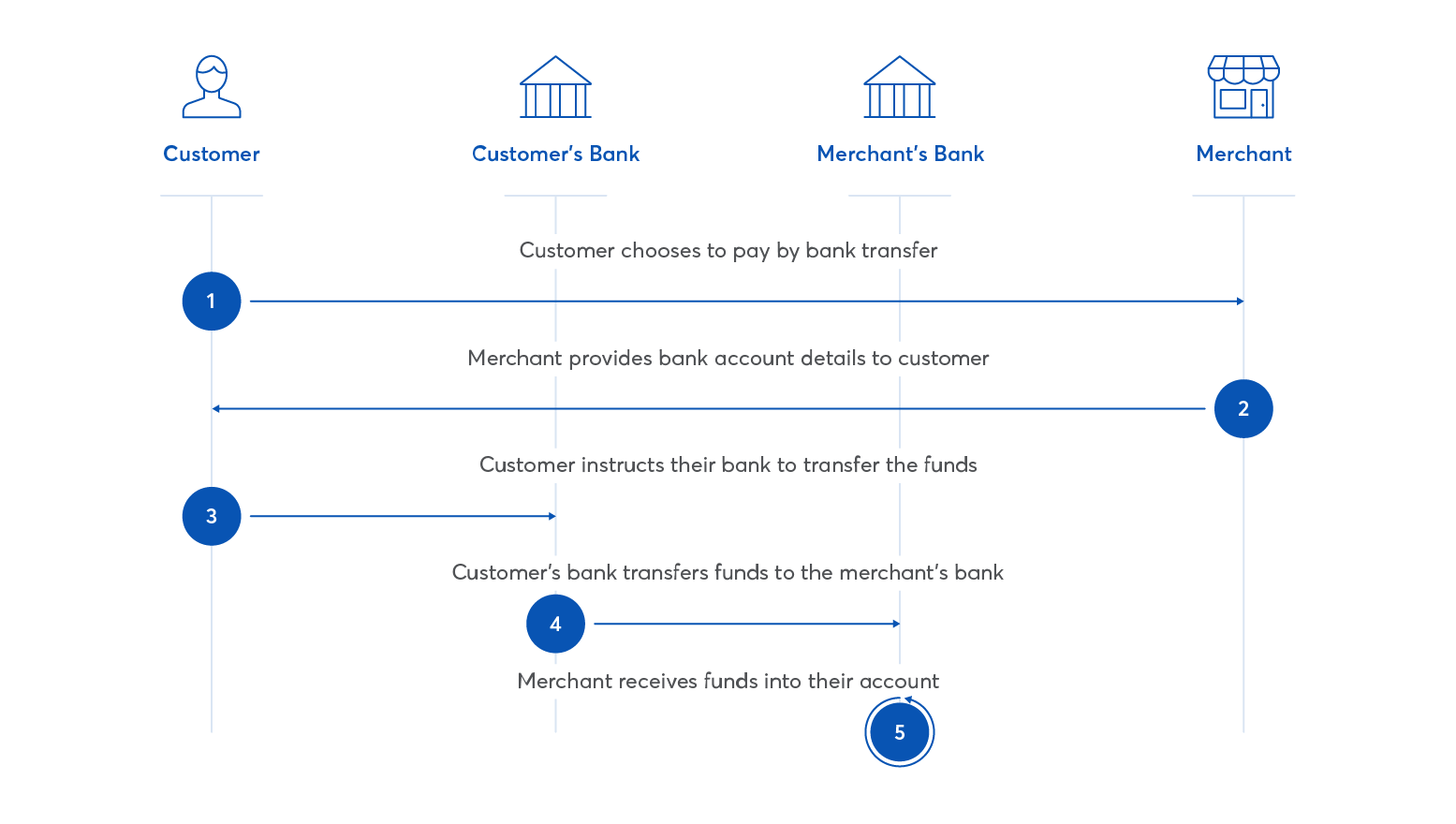
Bank wire transfers involve sending money electronically through a financial network, bypassing the need for physical cash or checks. Each wire transfer requires details such as the recipient’s name, bank account number, bank name, and sometimes SWIFT or IBAN codes for international transfers. Banks charge fees for wire transfers, which vary depending on whether the transfer is domestic or international. Domestic transfers are generally faster and cheaper, while international transfers take longer due to currency conversion and cross-border banking processes. Security is a key consideration, as wire transfers are direct and nearly instantaneous. Banks also provide confirmation receipts to ensure funds are sent accurately.
How Long Does a Domestic Bank Wire Take?
Domestic bank wire transfers usually take between same-day and one business day to complete. Transfers initiated before the bank’s cut-off time are often processed on the same day, while those made later may be delayed until the next business day. The speed depends on whether the transfer is between accounts at the same bank or different banks. Some banks offer expedited processing for urgent transfers. Bank holidays, weekends, or system maintenance can also extend processing time. Typically, domestic wire transfers are the fastest way to move money within the same country.
How Long Does an International Bank Wire Take?
International wire transfers generally take 1–5 business days, depending on the destination country, currency, and banks involved. The process is more complex due to different banking systems, time zones, and compliance regulations. Transfers may go through intermediary banks or the SWIFT network before reaching the recipient. Currency conversion can also add a delay, as some banks batch foreign exchange orders. Sending funds internationally usually incurs higher fees than domestic wires. Despite these complexities, international wires remain one of the most secure ways to transfer money across borders.
Factors That Affect Bank Wire Transfer Times
Several factors can influence the speed of a bank wire transfer. These include the type of transfer (domestic or international), the banks involved, cut-off times, weekends, holidays, and the accuracy of provided information. Transfers that require currency conversion or pass through intermediary banks may take longer. Compliance checks, anti-fraud measures, and account verification processes can also introduce delays. Additionally, using smaller banks or non-traditional financial institutions may extend processing times. Understanding these factors helps senders plan transfers and avoid unexpected delays.
Bank Cut-Off Times and Their Impact on Wire Transfers
Banks have specific cut-off times for processing wire transfers, usually in the afternoon on business days. Transfers initiated before the cut-off are processed the same day, while those submitted after the deadline are held until the next business day. Cut-off times vary between banks and countries, so it is essential to confirm with your financial institution. Missing a cut-off can delay a time-sensitive payment, which can be critical for business or real estate transactions. Some banks offer expedited processing for an extra fee. Knowledge of cut-off times ensures smoother, more predictable transfer schedules.
How Banks Process Wire Transfers
Banks process wire transfers through secure electronic networks that communicate payment instructions between institutions. When a customer requests a wire transfer, the bank verifies the account details, checks available funds, and debits the sender’s account. The bank then transmits the payment instruction via secure networks such as FedWire (for U.S. domestic wires) or SWIFT (for international wires). The recipient’s bank receives the instruction, credits the account, and may notify the recipient. Banks use anti-fraud systems and compliance checks during this process to prevent errors and illegal activities.
Same-Bank Wire Transfers vs. Interbank Transfers
Wire transfers between accounts at the same bank are generally faster, often completed within hours. Interbank transfers, which involve moving money between different banks, can take longer due to additional verification steps and the involvement of intermediary banks. Domestic interbank wires are usually completed in one business day, while international interbank transfers can take several days. Choosing same-bank transfers when possible ensures faster processing and fewer complications. Understanding this distinction helps individuals and businesses manage cash flow efficiently.
Weekdays vs. Weekends: Timing Differences in Bank Wires
Wire transfers are typically processed only on business days, meaning weekends and public holidays can delay transfers. Transfers initiated on Friday may not be credited until Monday or the next working day. Some banks allow wire transfers to be scheduled in advance to accommodate non-business days. For international transfers, time zone differences may also affect when funds arrive. Awareness of weekdays versus weekends ensures that critical payments are timed accurately to meet deadlines.
How Time Zones Affect International Wire Transfers
International wire transfers are impacted by the time zones of both the sending and receiving banks. A transfer initiated late in the day in one country may not be processed until the next business day in another country. This can add 24–48 hours to the overall transfer time. Banks may batch international transactions and forward them to correspondent banks in other regions, adding further delays. Understanding the recipient’s local banking hours can help avoid unexpected timing issues. Proper planning ensures the funds arrive when needed.
How Long Does a Bank Wire Take on a Holiday?
Bank holidays can significantly delay wire transfers because most banks do not process payments on non-business days. If a transfer is initiated on a holiday, it is generally queued and processed on the next business day. International transfers may also be affected by holidays in the recipient’s country, adding additional delays. Some banks offer partial processing or expedited services, but these often incur extra fees. Planning ahead for holidays ensures that time-sensitive payments, like payroll or vendor payments, are not disrupted. Being aware of both domestic and international banking holidays can save you from unexpected delays.
The Difference Between FedWire and SWIFT Transfers
FedWire is a U.S.-based network used for domestic wire transfers, providing real-time gross settlement between banks. SWIFT, on the other hand, is an international network used to send payments across borders. FedWire transactions are typically completed the same day, while SWIFT transfers take longer due to currency conversions, intermediary banks, and global banking regulations. Fees differ as well, with SWIFT transfers usually costing more. Understanding which network your transfer will use helps set realistic expectations for timing and cost. Both networks prioritize security and compliance in every transaction.
How Long Does a Wire Take from the Sender’s Bank?
The sender’s bank typically processes a wire transfer within a few hours to one business day, depending on internal procedures and cut-off times. The process involves verifying account details, confirming sufficient funds, and sending instructions through the appropriate network. Delays can occur if there are issues with the provided banking information or if compliance checks flag the transfer. Some banks offer expedited processing for urgent transfers. For domestic wires, the funds often leave the sender’s account the same day. For international wires, the transfer may take additional time to reach the recipient bank.
How Long Does a Wire Take to Reach the Recipient’s Bank?
Once the wire leaves the sender’s bank, the receiving bank needs to process and credit the recipient’s account. Domestic transfers are usually completed within the same business day, whereas international transfers may take 1–5 business days. Intermediary banks, differing time zones, and currency conversion can further affect timing. The recipient bank may also perform its own compliance checks, which can introduce slight delays. Communication between banks ensures that the funds are correctly credited. Tracking numbers or reference codes help both sender and recipient confirm the transaction status.
Average Processing Times for Domestic Wire Transfers
Domestic wire transfers are generally faster than international wires due to fewer regulatory and logistical hurdles. Most domestic transfers are completed within the same business day if sent before the cut-off time. Some banks can process same-bank transfers within hours, while interbank transfers may take up to 24 hours. Weekends and bank holidays extend processing times, so careful planning is required. Domestic wire transfers are commonly used for large payments like property transactions, urgent bills, or interbank fund movement. Banks provide tracking confirmation, making it easy to monitor progress.
Average Processing Times for International Wire Transfers
International wire transfers are more complex due to cross-border regulations, currency conversions, and intermediary banks. On average, transfers take 1–5 business days depending on the destination country, bank policies, and time zones. Some transfers may take longer during busy periods or if additional compliance checks are required. Expedited international transfers are available at a premium. Transfer times also vary depending on whether the recipient bank uses SWIFT, SEPA, or other payment networks. Understanding average processing times helps manage expectations for payments like tuition, international invoices, or family remittances.
How Long Does a Bank Wire Take in the U.S.?
In the U.S., domestic bank wires are typically completed within the same business day if sent before the bank’s cut-off time. FedWire ensures real-time processing between financial institutions. Transfers submitted after cut-off or on weekends and holidays are processed the next business day. Same-bank transfers may occur within a few hours, while interbank transfers usually take 24 hours. Banks may charge fees based on the transfer type and urgency. U.S. banks also offer tracking confirmation to provide transparency and security for both sender and recipient.
How Long Does a Bank Wire Take in Europe?
In Europe, wire transfer times depend on whether the transaction is domestic or international within the EU. SEPA (Single Euro Payments Area) transfers are fast, often completed within one business day. International transfers outside the EU may take 1–5 business days, depending on banks and intermediary systems. Currency conversion between non-Euro countries may also affect timing. European banks generally provide tracking options, and fees vary depending on the type of transfer and currency involved. Understanding local banking processes ensures smooth and predictable fund transfers.
How Long Does a Bank Wire Take in Asia?
Wire transfers in Asia vary significantly depending on the country and banking network. Domestic transfers are usually processed the same day, while international transfers can take 2–5 business days. Some countries have stricter compliance checks, which may delay processing. Currency conversion adds an extra layer of time for cross-border transactions. Time zones between Asia and other regions also impact when the recipient will receive funds. Knowing local banking rules and cut-off times is critical for businesses and individuals sending money to Asian countries.
How Long Does a Bank Wire Take in Canada?
In Canada, domestic wire transfers typically complete within the same business day when sent through major banks. International wires, however, often take 2–4 business days, depending on the destination country and currency. Transfers sent after cut-off times, on weekends, or during holidays are delayed. Canadian banks also rely on intermediary banks for international payments, which can introduce additional delays. Fees differ based on whether the transfer is domestic or international. Tracking services allow senders to verify that funds have been successfully credited.
How to Track a Bank Wire Transfer
Most banks provide a tracking or reference number for wire transfers. This number allows both sender and recipient to monitor the transaction status. Domestic wires are usually trackable in real-time, while international wires may have delayed updates due to intermediary banks. Many banks offer online portals or mobile apps to view transfer details. Tracking helps confirm whether funds have left the sender’s account, reached the recipient bank, or are awaiting processing. Proper tracking reduces uncertainty, especially for time-sensitive payments.
How Long Does It Take for a Wire to Clear?
A wire is considered cleared once the recipient’s bank confirms the funds are credited and available for use. Domestic wires usually clear the same day, while international wires may take 1–5 business days. Delays can occur if banks perform compliance checks, encounter errors in account information, or face cut-off timing issues. Clearing times are shorter for transfers within the same bank or currency zone. Understanding wire clearance ensures both sender and recipient plan accordingly for financial obligations.
What Delays Can Affect Bank Wire Transfers?
Wire transfers can be delayed due to several factors, including incorrect account details, compliance verification, bank holidays, and weekends. Intermediary banks in international transfers may also introduce delays. Currency conversion requirements, large transfer amounts, and unusual activity flagged by fraud detection systems can further slow processing. Understanding these potential delays helps avoid confusion and ensures timely payments. Some banks offer expedited options to mitigate delays for urgent transfers.
How Long Does a Bank Wire Take During Banking Hours?
During standard banking hours, domestic wire transfers are usually processed within a few hours to the same day. Banks prioritize same-day processing for transfers submitted before cut-off times. Transfers initiated near the end of business hours may be processed the next day. International wires may still take longer due to time zones and intermediary banks, even during banking hours. Planning transfers within business hours maximizes speed and reduces delays.
How Long Does a Bank Wire Take at Night?
Wire transfers initiated at night are often queued for processing the next business day. Domestic transfers may not leave the bank until the following morning if submitted outside cut-off times. International wires are similarly delayed due to the sender’s and recipient’s bank processing hours. Online banking and mobile apps allow you to schedule transfers in advance, mitigating the impact of nighttime submission. Understanding night-time delays ensures critical payments are timed appropriately.
Bank Wire Fees and Their Impact on Transfer Times

Wire transfer fees vary depending on the bank, type of transfer, and urgency. Domestic wires are generally cheaper, while international wires carry higher costs due to cross-border processing and currency conversion. Expedited services may also incur additional fees. Some banks may delay transfers if the sender has insufficient funds to cover both the transfer and associated fees. Understanding fees helps plan transfers effectively and ensures the funds arrive without unnecessary delays.
How Long Does a Bank Wire Take with Online Banking?
Online banking has made wire transfers faster and more convenient. Domestic wires initiated online are usually processed the same day if submitted before the bank’s cut-off time. International transfers may take 1–5 business days, depending on the recipient’s bank and currency conversion requirements. Online banking platforms often provide tracking numbers and real-time status updates. Some banks offer expedited options online for urgent transfers. Users should ensure all account details are accurate to avoid delays. Overall, online banking provides a secure and accessible method to send wire transfers without visiting a branch.
How Long Does a Bank Wire Take with a Mobile App?
Wire transfers through mobile banking apps function similarly to online banking but offer added convenience from anywhere. Domestic transfers are often completed within hours if submitted during business hours. International transfers still require 1–5 business days due to processing by multiple banks and currency conversions. Mobile apps provide notifications, confirmations, and sometimes push alerts when funds are credited. Security measures, including two-factor authentication, protect against fraud. Properly using a mobile app can speed up transfers compared to traditional in-branch methods.
Wire Transfer Speeds: Standard vs. Expedited
Wire transfers are typically offered in standard and expedited options. Standard transfers follow normal bank processing schedules, which can range from same-day domestic to several business days for international transactions. Expedited transfers are prioritized, often moving funds faster but usually at a higher fee. Expedited services are ideal for urgent business payments, tuition fees, or real estate closings. Some banks offer same-hour processing for domestic transfers with expedited service. Choosing the right speed depends on urgency and cost considerations.
How Long Does a Bank Wire Take from a Small Bank?
Transfers from smaller banks may take slightly longer than those from major banks, particularly for interbank or international wires. Small banks may use correspondent banks or intermediaries for transfers outside their network, adding 1–2 business days to the process. Domestic same-bank transfers remain quick, often completed the same day. Smaller banks may charge lower fees but lack the same real-time tracking infrastructure. Knowing how your small bank handles wire transfers helps plan payments efficiently.
How Long Does a Bank Wire Take from a Big Bank?
Big banks often have streamlined processes and access to faster networks like FedWire and SWIFT. Domestic same-bank transfers are usually completed within hours, while interbank transfers may take 1 business day. International wires are processed efficiently, though currency conversions and intermediary banks still add time. Larger banks provide robust tracking systems, mobile alerts, and customer support for monitoring wire status. Using a big bank can reduce uncertainty and delays, especially for large or urgent transfers.
How Long Does a Wire Take Between Different Currencies?
Wire transfers involving currency conversion generally take longer than those in the same currency. Banks need to convert funds according to current exchange rates and may batch conversions for efficiency. Domestic wires in different currencies are rare, but international wires often involve currency exchange. This can add 1–2 business days to the transfer process. Fees for currency conversion may also apply. Understanding these factors helps manage expectations when sending money across borders.
How Long Does a Bank Wire Take for Business Accounts?
Wire transfers from business accounts are usually prioritized due to their urgency and volume. Domestic transfers often complete the same day if initiated during business hours. International transfers still take 1–5 business days but may be expedited for high-priority business payments. Banks may require additional verification for larger amounts to prevent fraud. Business accounts also often have higher transfer limits, enabling smooth cash flow management. Understanding bank policies ensures businesses can meet payroll, supplier, or contractual obligations on time.
How Long Does a Bank Wire Take for Personal Accounts?
Wire transfers from personal accounts are generally straightforward but may be subject to lower limits and additional verification for larger amounts. Domestic wires typically clear the same day if submitted before the cut-off. International personal transfers may take several business days. Personal accounts may have lower fees than business accounts for smaller transfers. Using accurate recipient details is essential to avoid delays. Mobile and online banking have made personal wire transfers more convenient and trackable than ever before.
Understanding Wire Transfer Confirmation Times
Banks provide confirmation once a wire transfer is sent and again when it is received. Domestic transfers are confirmed faster, often within hours, while international transfers may take 1–5 business days. Tracking numbers and reference codes allow both sender and recipient to monitor the status. Confirmation helps resolve disputes or errors quickly. Some banks also send notifications via email, SMS, or app alerts. Knowing the confirmation timelines ensures that you can verify funds safely and promptly.
How Long Does a Bank Wire Take if Information Is Incorrect?
Incorrect account details, SWIFT codes, or recipient names can significantly delay wire transfers. Domestic wires may be rejected immediately, while international transfers could be delayed for days as banks attempt to correct errors. Some banks may return funds to the sender after verification. Fees may still apply even if the transfer fails. Ensuring accurate information reduces delays and prevents unnecessary costs. Double-checking recipient details before initiating a wire is crucial for a smooth transfer process.
How Long Does a Bank Wire Take for Large Transfers?
Large wire transfers may undergo additional scrutiny due to anti-fraud and anti-money laundering regulations. Domestic transfers may still be completed the same day, but international wires could take 1–5 business days. Banks may require verification of the source of funds or additional documentation. Transfer limits vary between banks, and exceeding them may require special approval. Despite the extra checks, large transfers remain secure and reliable. Planning ahead for large transfers helps ensure funds reach the recipient on time.
How Long Does a Bank Wire Take for Small Transfers?
Smaller wire transfers usually process quickly, as they are less likely to trigger compliance alerts. Domestic transfers often complete within hours or the same day. International small transfers may still require 1–5 business days, depending on the recipient’s bank and currency. Fees are typically lower for small transfers. Banks usually do not require additional documentation for minor amounts, making these transactions faster and more convenient. Small transfers are commonly used for personal payments, bills, and minor business expenses.
How Long Does a Bank Wire Take Compared to ACH Transfers?
ACH (Automated Clearing House) transfers are generally slower than wire transfers. Domestic ACH transfers may take 1–3 business days, whereas wire transfers often complete the same day. ACH is suitable for recurring payments like payroll or bills, but wires are preferred for urgent or large transactions. International ACH transfers are limited, whereas wire transfers are widely used worldwide. Understanding the difference helps choose the appropriate method for each type of payment.
How Long Does a Bank Wire Take Compared to PayPal or Venmo?
Digital wallets like PayPal or Venmo provide instant transfers within their platforms, but moving funds to a bank account may take 1–3 business days. Wire transfers are faster for large sums and more secure for international transactions. Wires offer a formal banking trail, which is useful for legal or financial documentation. PayPal and Venmo are convenient for small, personal transfers but may not replace wires for urgent or high-value transactions. Choosing the right method depends on speed, security, and amount.
How Long Does a Bank Wire Take for International Students?
International students sending tuition or living expenses may experience wire transfer times of 1–5 business days. Transfers depend on both the sender’s and recipient’s banks, currency conversions, and time zones. Some universities provide preferred banks or transfer instructions to speed up processing. Fees for international wires can be higher, and delays may affect tuition deadlines. Planning ahead and using accurate details ensures timely receipt of funds for tuition, housing, and other educational expenses.
How Long Does a Bank Wire Take for Real Estate Transactions?
Real estate transactions often require wire transfers for down payments, closing costs, and escrow accounts. Domestic wires typically clear the same day, while international wires may take 1–5 business days. Banks may require additional verification to prevent fraud, particularly for large sums. Cut-off times and holidays can affect timing, which is critical in closing deals. Using trusted banks and confirming details ensures the transaction completes on schedule. Wire transfers are the preferred method for real estate due to their speed and security.
How Long Does a Bank Wire Take for Loan Payments?
Loan payments via wire transfer are generally fast, often credited the same day for domestic transactions. International loan payments may take 1–5 business days, depending on banks and currency conversion. Banks provide confirmation when funds are received, reducing the risk of missed deadlines. Late payments due to processing delays may incur fees or penalties. Planning transfers ahead of due dates ensures timely credit to your loan account. Wire transfers offer a secure and traceable method for meeting financial obligations.
How Long Does a Bank Wire Take for Investment Accounts?
Investors transferring funds to brokerage or investment accounts often rely on wire transfers for speed and security. Domestic transfers usually post the same day, while international wires may take 1–5 business days. Large transfers may be scrutinized for compliance purposes. Wire transfers provide a clear record for tax and accounting purposes, which is crucial for investors. Using wire transfers ensures quick availability of funds for trading or investment opportunities. Planning transfers according to settlement schedules helps avoid missed investment windows.
How Long Does a Bank Wire Take During Bank System Maintenance?
Banks perform system maintenance periodically, which can delay wire transfers. Domestic transfers may be held until the system is fully operational, typically the next business day. International transfers may experience additional delays due to dependencies on other banks’ systems. Banks usually notify customers in advance of planned maintenance. Scheduling transfers around maintenance windows ensures timely processing. Using online or mobile banking during maintenance periods may still allow scheduling, but funds will only move when systems are active.
Tips to Speed Up Your Bank Wire Transfer
To speed up wire transfers, submit transactions before cut-off times, double-check recipient details, and use banks with robust processing systems. For international wires, choose preferred networks like SWIFT or SEPA where applicable. Expedited transfer services may incur additional fees but reduce waiting times. Confirm all currency conversions and intermediary bank requirements beforehand. Tracking numbers help monitor progress and address delays quickly. Planning transfers in advance and avoiding weekends or holidays ensures funds arrive promptly.
Common Myths About Bank Wire Transfer Times
Many people believe wire transfers are instantaneous, but international transfers often take several business days. Another myth is that all banks process transfers the same way; processing time varies by institution. Some think wire transfers are unsafe, but they are highly secure and irreversible. Fees are often misunderstood, with some assuming wires are always expensive; costs vary by bank and transfer type. Understanding the realities of processing, cut-off times, and compliance checks helps manage expectations and ensures smooth transactions.
How Long Does a Bank Wire Take According to the Federal Reserve?
The Federal Reserve regulates domestic wire transfers through FedWire, which processes payments in real-time during business hours. Transfers initiated before cut-off times are completed the same day. Transfers sent after cut-off or on non-business days are processed the next business day. The Federal Reserve ensures secure and reliable movement of funds between banks. Using FedWire guarantees that domestic transfers meet regulatory standards and arrive promptly. Timing and compliance adherence are crucial for ensuring smooth transactions.
How Long Does a Bank Wire Take According to SWIFT Guidelines?

SWIFT is a global network used for international wire transfers. According to SWIFT, transfers typically take 1–5 business days, depending on intermediary banks, currency conversion, and recipient banking regulations. SWIFT prioritizes security and traceability of funds across borders. Banks follow SWIFT guidelines to ensure accurate and timely delivery. Delays are usually due to local banking rules, cut-off times, or compliance verification. Understanding SWIFT procedures helps plan international payments efficiently and avoid surprises.
Conclusion
Wire transfers are a fast, secure, and reliable way to move money domestically and internationally. Processing times vary based on factors like bank size, network type, currency, cut-off times, holidays, and accuracy of details. Domestic wires often clear the same day, while international wires take 1–5 business days. Using online or mobile banking, understanding bank policies, and planning transfers carefully can minimize delays. By knowing the processes, fees, and potential pitfalls, individuals and businesses can manage wire transfers effectively and ensure timely payments.
FAQs
1. How long does a domestic bank wire take?
Domestic wire transfers usually complete same-day or next business day, depending on the bank’s cut-off times.
2. How long does an international bank wire take?
International wires generally take 1–5 business days, influenced by time zones, currency conversion, and intermediary banks.
3. Can I track my wire transfer?
Yes, most banks provide a tracking number or reference code to monitor the transfer’s progress online or via mobile app.
4. Are wire transfers secure?
Yes, wire transfers use secure networks like FedWire and SWIFT, making them fast, traceable, and safe.
5. Can a wire transfer be reversed?
Typically, no. Wire transfers are usually irreversible, so ensuring all recipient details are accurate is essential.
Keep an eye for more latest news & updates on premiumtechy!