The term 12 3 wire refers to an electrical cable that contains three 12-gauge insulated conductors plus a ground wire. It is widely used in residential and commercial wiring applications where multiple circuits or multi-way switching is required.
The “12” indicates the wire gauge, suitable for carrying up to 20 amps of current, and the “3” indicates the number of hot and neutral wires inside the cable. This wire allows for safer and more versatile electrical connections compared to 12/2 wire. It is commonly found in kitchens, living rooms, and outdoor circuits, offering both flexibility and reliability. Understanding the basics of 12 3 wire is essential for DIY projects and professional installations alike.
12/3 wire is an electrical cable that contains three 12-gauge insulated conductors and a ground wire, making it suitable for circuits that require more flexibility than standard wiring. It is commonly used for three-way and four-way switches, split receptacles, ceiling fans with separate controls, and both 120V and 240V applications. When installed properly and in compliance with electrical codes, 12/3 wire provides safe, reliable, and efficient power distribution in residential and commercial settings.
In this article, we discuss the topic of “12 3 wire“.
Understanding 12 3 Wire in Electrical Wiring

In electrical wiring, 12 3 wire is used when a circuit requires two hot wires and a neutral, along with a ground wire. This setup allows electricians to power devices on 120V or 240V circuits, depending on the configuration. The wire is typically color-coded with black, red, and white conductors, plus a bare or green grounding wire. It is most commonly installed in walls, ceilings, and attics to connect switches, outlets, and fixtures. Homeowners and electricians rely on 12 3 wire for circuits that need multi-way switching or split receptacles, where a single cable can handle more than one function. Proper understanding ensures compliance with the National Electrical Code (NEC).
Components of 12 3 Wire
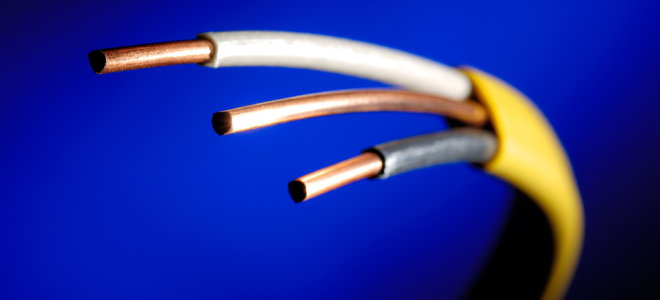
A standard 12 3 wire cable consists of three insulated conductors and one grounding wire. The three conductors usually include black, red, and white wires, each with its own insulation. The black and red wires are used as hot wires, the white serves as the neutral, and the bare or green wire functions as the ground. All these wires are bundled together within a PVC or nylon outer sheath, which protects them from damage and moisture. The materials used ensure durability, heat resistance, and electrical safety. Understanding the components helps users correctly identify each wire and make safe connections for residential or commercial projects.
The Difference Between 12 2 and 12 3 Wire
The main difference between 12 2 wire and 12 3 wire lies in the number of conductors. 12 2 wire contains two insulated wires plus a ground, whereas 12 3 wire contains three insulated wires plus a ground. This additional wire in 12 3 allows for multi-way switches, split circuits, and 240V applications. 12 2 wire is sufficient for most standard outlets and lights, while 12 3 wire is essential when two circuits need to run simultaneously or share a neutral. Choosing the correct type ensures proper circuit function, prevents overload, and maintains electrical safety according to NEC standards.
How 12 3 Wire Works in a Circuit
12 3 wire functions by providing two separate hot conductors and a neutral, allowing the connection of multiple devices on a single cable. In three-way switch setups, the black and red wires carry current between switches, while the white neutral completes the circuit. The grounding wire provides safety by redirecting electricity in case of a fault. This arrangement makes 12 3 wire highly versatile for lighting circuits, split receptacles, and combination circuits. Correct installation ensures efficiency, reduces voltage drop, and keeps the electrical system safe and code-compliant.
Standard Uses of 12 3 Wire in Homes
Homeowners and electricians often use 12 3 wire for three-way switch systems, split outlets, and 240V appliances. It is ideal for kitchens, laundry rooms, and workshops where multiple devices operate simultaneously. Additionally, 12 3 wire can be used in ceiling fans with separate light fixtures or for circuits requiring dedicated hot wires. Its flexibility reduces the need for multiple cables, simplifying installation while maintaining safety. Knowing where and how to use 12 3 wire ensures efficient power distribution throughout the home and supports future upgrades without major rewiring.
12 3 Wire for 120V and 240V Appliances
12 3 wire is particularly useful for circuits supporting both 120V and 240V appliances. The black and red wires can be used as hot wires, allowing either single-phase or split-phase connections. The white neutral returns current safely to the panel, and the grounding wire protects against electrical faults. Appliances such as ovens, dryers, and heavy-duty power tools often rely on 12 3 wiring for safe and efficient operation. Using the correct wire ensures that devices receive stable voltage, minimizing the risk of overheating or electrical failure.
Color Coding in 12 3 Wire
12 3 wire typically uses black, red, and white insulation, plus a bare or green ground wire. The black and red wires serve as hot conductors, capable of carrying current to devices or switches. The white wire is the neutral, completing the circuit and ensuring balanced flow. The bare or green wire functions as the ground, providing protection against faults. Following proper color coding prevents mistakes during installation, ensures code compliance, and maintains electrical safety throughout the system.
How to Identify a 12 3 Wire Cable
Identifying 12 3 wires is easy if you understand its features. Look for a sheath with three colored insulated wires plus a ground wire. Check the cable markings, which indicate gauge (12 AWG) and type (e.g., NM-B for indoor use). Color coding, wire thickness, and the number of conductors help distinguish it from 12 2 or 10 3 wire. Proper identification prevents mismatched wiring, reduces the risk of electrical hazards, and ensures the correct cable is used for specific circuits.
12 3 Wire for Three-Way Switches
Three-way switches require two locations to control the same light or fixture, and 12 3 wire is ideal for this setup. The black and red wires act as travelers, carrying current between the two switches, while the white wire serves as the neutral. The ground wire provides essential safety, reducing the risk of electrical faults. Using 12 3 wire simplifies installation by allowing both switches to share the same cable run. Proper installation ensures smooth operation of lights, code compliance, and reduces potential electrical hazards in residential wiring.
12 3 Wire for Four-Way Switches
Four-way switch circuits, which allow control of a light from three or more locations, require 12 3 wires for proper operation. Two 12 3 cables are typically used to connect the switches in sequence. The red and black wires carry current as travelers between switches, while the white neutral completes the circuit. Grounding ensures safety against shocks. Understanding the wiring layout is critical to prevent miswiring, which can lead to malfunctioning lights or electrical hazards. Four-way circuits benefit from 12 3 wire due to its flexibility and multiple conductor design.
Installing 12 3 Wire Safely
Safety is paramount when installing 12 3 wire. Always turn off the main power before handling wires. Use insulated tools and wear protective gloves. Ensure proper routing through walls, ceilings, and conduits to prevent damage or abrasion. Secure the wire with staples or clamps and avoid sharp bends that could damage insulation. Test connections with a voltage tester before finishing the installation. Following proper installation techniques ensures code compliance and long-term safety.
Tools Needed for Working with 12 3 Wire
Working with 12 3 wires requires the right tools for efficiency and safety. Essential tools include wire strippers, pliers, voltage testers, screwdrivers, and fish tape for pulling wire through walls. A multimeter is helpful for checking continuity and voltage. Safety gear such as gloves and goggles protects against accidental shocks or wire splinters. Using proper tools makes installation faster, reduces errors, and ensures that the 12 3 wire system is both reliable and safe.
Connecting 12 3 Wire to Outlets
Connecting 12 3 wire to outlets involves careful attention to wire colors and terminal screws. The black and red wires are connected to the brass screws as hot conductors, while the white neutral attaches to the silver screw. The ground wire is connected to the green screw. Properly securing wires prevents loose connections, which could cause sparks or overheating. Testing the outlet after installation ensures that electricity flows correctly and safely through the 12 3 wire circuit.
12 3 Wire and Light Fixture Installations
Installing light fixtures with 12 3 wire allows multi-way control or powering multiple fixtures. The black and red wires provide hot power, the white neutral completes the circuit, and the ground ensures safety. It is important to secure connections with wire nuts and ensure no exposed conductors are present. 12 3 wire is especially useful for ceiling fans with integrated lights, three-way switches, or split circuits. Proper installation ensures long-term reliability and safety compliance.
12 3 Wire in Kitchen Appliance Circuits
Kitchens often require circuits that support high-load appliances such as microwaves, ovens, and dishwashers. 12 3 wire allows the use of split outlets, letting two appliances share a single circuit safely. The additional conductor enables multi-way switching or powering multiple devices simultaneously. Correct installation ensures that appliances operate efficiently without tripping breakers. Using 12 3 wire in kitchen circuits improves safety and provides flexibility for future upgrades.
Outdoor Uses of 12 3 Wire
12 3 wire can be used outdoors for lighting, security systems, and power outlets. It should be rated for wet locations (UF-B or outdoor-rated NM-B) to prevent moisture damage. The wire’s multiple conductors allow for multi-circuit setups or controlling lights from different locations. Grounding is essential outdoors to protect against lightning and electrical faults. Proper burial depth and conduit protection ensure durability and safety. Outdoor applications demonstrate the wire’s versatility and reliability.
Using 12 3 Wire for Ceiling Fans
Ceiling fans often require separate control for lights and fan motors, which makes 12 3 wire ideal. One hot wire powers the fan, the second hot powers the light, the neutral completes the circuit, and the ground protects against faults. This setup allows the use of dual wall switches to control lights and fans independently. Proper installation ensures efficient energy use, reduces strain on circuits, and complies with NEC standards.
Running 12 3 Wire Through Walls
Running 12 3 wires through walls requires planning to avoid damage. Drill holes carefully through studs, keeping wire at least 1.25 inches away from edges to prevent nails or screws from puncturing it. Use staples or clamps to secure the cable and avoid sharp bends. Pull the wire slowly to prevent insulation tears. Correctly routing 12 3 wire ensures aesthetic, safe, and code-compliant installations.
Code Compliance for 12 3 Wire Installations
12 3 wire installations must follow the National Electrical Code (NEC) for safety. This includes proper wire gauge, grounding, breaker sizing, and secure fastening. Multi-way switch setups and split circuits must also adhere to NEC requirements. Following the code prevents electrical hazards, reduces fire risks, and ensures that insurance policies remain valid. Understanding and applying code compliance is essential for professional and DIY electricians alike.
Advantages of Using 12 3 Wire
12 3 wire offers multiple advantages, including support for multi-way switches, split circuits, and 240V appliances. It reduces the need for multiple cables, saving space and simplifying installation. Its versatility allows for future upgrades, and the added conductor improves load distribution. Proper grounding enhances safety, and its color-coded conductors reduce installation errors. Overall, 12 3 wire provides efficiency, safety, and convenience for residential and commercial wiring.
Common Mistakes When Using 12 3 Wire
Common mistakes include misidentifying wires, overloading circuits, and improper grounding. Using 12 3 wire where 12 2 would suffice can lead to unnecessary costs. Incorrect connections in multi-way switches can cause flickering lights or circuit failure. Failing to secure the wire properly can lead to insulation damage. Awareness of these mistakes and careful installation helps maintain system safety and longevity.
How to Strip 12 3 Wire Properly
Stripping 12 3 wire requires using the correct wire strippers to avoid nicking the copper conductor. Strip about ¾ inch of insulation from each wire, exposing the bare copper for connection. Ensure wires remain intact and do not fray. Proper stripping ensures secure and safe connections, reducing the risk of sparks or short circuits. Always wear protective gloves and follow safety guidelines when handling live or potentially live wires.
12 3 Wire vs 10 3 Wire: Which One to Use
12 3 wire and 10 3 wire differ mainly in gauge and current capacity. 12 3 wire supports up to 20 amps, while 10 3 wire supports 30 amps, suitable for heavier loads. Using the right gauge prevents overheating, breaker trips, and electrical hazards. For most household lighting and appliance circuits, 12 3 is sufficient, whereas 10 3 is used for electric ranges, large AC units, or high-power equipment. Understanding amperage requirements ensures safe and efficient operation.
Best Practices for 12 3 Wire Wiring
Best practices include planning the route, labeling conductors, securing wires properly, and following NEC codes. Avoid sharp bends, maintain proper spacing, and use conduit when necessary. Test connections and ensure grounding is correct. Label wires for future reference, especially in multi-way or split circuits. These practices reduce installation errors, increase safety, and make troubleshooting easier.
Testing 12 3 Wire for Continuity
Testing 12 3 wire for continuity ensures all conductors are intact and connections are complete. Use a multimeter or continuity tester to check each wire individually. This helps detect breaks, shorts, or miswiring before final installation. Continuity testing improves safety, ensures proper circuit operation, and prevents future electrical problems. Regular testing is especially important for long cable runs or complex installations.
Troubleshooting 12 3 Wire Circuits
Troubleshooting 12 3 wire circuits involves checking for loose connections, broken wires, or incorrect switch wiring. Use a multimeter to verify voltage and continuity. Inspect outlets, switches, and junction boxes for damage or wear. Address any grounding issues immediately. Systematic troubleshooting ensures efficient resolution of electrical problems, preventing damage to appliances or safety hazards.
Maximum Load Capacity of 12 3 Wire
12 3 wire, being 12-gauge, supports a maximum load of 20 amps per hot conductor. Exceeding this load can cause overheating, insulation damage, or tripped breakers. Proper calculation of total load and distribution across the conductors ensures safe operation. Understanding load limits is essential for household circuits, multi-appliance setups, and specialized wiring projects.
12 3 Wire and Circuit Breaker Compatibility
12 3 wire must be paired with a 20-amp circuit breaker to match its capacity. Using a breaker with too high an amperage can lead to overheating and fire risk, while a lower rating may cause nuisance trips. In multi-way circuits, breakers should be coordinated to ensure safe operation. Proper pairing ensures circuit protection and compliance with electrical codes.
DIY Projects Using 12 3 Wire
DIY enthusiasts can use 12 3 wire for lighting upgrades, ceiling fans, split outlets, and home workshops. It provides flexibility for multi-way switches or circuits requiring two hots and a neutral. Always follow safety guidelines and NEC codes when working with 12 3 wire. Proper planning, correct tools, and testing ensure DIY projects are safe and efficient.
12 3 Wire in New Home Construction
In new homes, 12 3 wire is often used for kitchen, laundry, and multi-way lighting circuits. Installing it during construction is easier than retrofitting later. It supports future upgrades, such as adding smart switches or split outlets. Using 12 3 wire in new builds ensures code compliance, efficiency, and reliability.
Retrofitting Older Homes with 12 3 Wire
Retrofitting involves replacing outdated wiring with modern 12 3 wire to support higher loads or multi-way switches. This may require running wire through walls, ceilings, or attics. Careful planning prevents damage to existing structures. Retrofitting improves safety, load capacity, and circuit versatility, bringing older homes up to modern electrical standards.
How to Extend 12 3 Wire Safely
To extend 12 3 wire, use junction boxes, wire connectors, and proper splicing techniques. Ensure all connections are secure, insulated, and accessible. Avoid splicing in the middle of walls without a box, as this is against code. Properly extended wiring maintains safety, circuit integrity, and code compliance.
12 3 Wire in RVs and Campers
12 3 wire is ideal for RVs and campers that require multiple circuits or 120/240V setups. It can power lights, outlets, and appliances efficiently while saving space. Grounding and proper insulation are crucial for safety in mobile applications. Using 12 3 wire ensures reliable, code-compliant electrical systems for mobile living.
Understanding Neutral and Ground in 12 3 Wire
In 12 3 wire, the neutral (white) completes the circuit, while the ground (bare/green) ensures safety. Miswiring these can cause shocks or equipment damage. Grounding protects against faults, and the neutral balances the electrical load. Understanding their roles is essential for safe and efficient electrical installations.
Can You Use 12 3 Wire for Smart Home Wiring?
Yes, 12 3 wire is often used in smart home setups to power multi-way switches, smart outlets, and lighting systems. The extra conductor allows independent control of lights and appliances. Proper installation ensures compatibility with smart devices and maintains electrical safety.
How to Avoid Overloading 12 3 Wire
Avoid overloading by calculating total circuit load, using proper breakers, and distributing appliances across wires. Never exceed 20 amps per conductor. Overloading can cause overheating, damage insulation, or trip breakers. Planning and load management ensures safe, efficient operation.
Safety Tips When Handling 12 3 Wire
Always turn off the breaker before handling wires. Wear protective gloves and goggles, use insulated tools, and verify voltage with a tester. Avoid bending or damaging insulation, and secure wires properly. Following safety tips prevents electrical shocks, short circuits, and fire hazards.
12 3 Wire in Bathroom Installations
Bathrooms often require GFCI-protected outlets and dedicated circuits. 12 3 wire is ideal for split circuits, allowing one circuit to handle lights while another powers outlets. Proper insulation and grounding are critical due to moisture exposure. Using 12 3 wire ensures safety, compliance, and efficient power distribution.
12 3 Wire for Laundry Rooms
Laundry rooms have high-power appliances such as washers and dryers. 12 3 wire allows split or multi-outlet circuits to support both appliances safely. Grounding and correct breaker sizing prevent overheating and ensure compliance with NEC requirements. Proper wiring improves efficiency and minimizes hazards.
Using 12 3 Wire for Split Receptacle Circuits
Split receptacle circuits allow two outlets on the same box to be powered independently. 12 3 wire provides the extra hot wire needed for this setup. The neutral completes the circuit, and the ground ensures safety. This wiring method reduces the number of cables while maintaining flexibility and code compliance.
Wire Nuts and Connectors for 12 3 Wire
Wire nuts and connectors are essential for joining 12 3 wires safely. Choose the correct size for the conductor gauge, twist wires securely, and ensure no exposed copper. Proper connectors maintain circuit integrity, prevent shorts, and enhance long-term safety.
How to Label 12 3 Wire for Future Reference
Labeling wires makes troubleshooting and future upgrades easier. Use colored tape, permanent markers, or tags to identify hot, neutral, and ground wires. Label switches, outlets, and junction boxes clearly. This ensures efficient maintenance, reduces mistakes, and supports safe electrical work.
12 3 Wire in Workshops and Garages
Workshops and garages often require circuits for tools, lighting, and outlets. 12 3 wire allows multiple circuits from a single run, saving space and improving efficiency. Proper grounding and routing prevent accidents in environments with metal tools and moisture.
Differences Between Copper and Aluminum 12 3 Wire
Copper wire is more conductive and durable, while aluminum is lighter and cheaper. Aluminum requires special connectors and anti-oxidant compounds to prevent corrosion. Both types support multi-conductor wiring, but copper is preferred for residential and high-load applications. Choosing the right material ensures longevity, safety, and reliable performance.
Cost of 12 3 Wire: What to Expect
The cost of 12 3 wire varies by length, material, and type (NM-B or UF-B). Copper wire is more expensive than aluminum but provides better conductivity and durability. Expect to pay for additional tools and connectors for installation. Investing in quality 12 3 wire ensures safe and efficient electrical circuits.
How to Store 12 3 Wire Properly
Store 12 3 wires in a dry, cool area away from direct sunlight. Coil it neatly to prevent kinks or damage to insulation. Keep it off the ground to prevent moisture absorption and contamination. Proper storage preserves wire integrity, safety, and usability for future projects.
Recycling and Disposal of 12 3 Wire
Recycle copper and aluminum 12 3 wire at certified facilities. Strip insulation if required, and avoid burning wires, which releases toxic fumes. Proper disposal reduces environmental impact and recovers valuable materials safely.
Upgrading Circuits Using 12 3 Wire
Upgrading circuits with 12 3 wire allows higher loads, split outlets, and multi-way switches. Plan the layout, replace old wire safely, and verify breaker compatibility. Upgrading ensures safer, code-compliant, and more flexible electrical systems for modern homes.
Conclusion
12/3 wire is an essential component in modern residential and commercial electrical systems. Its three conductors plus ground allow for versatile applications, including three-way and four-way switches, split receptacles, ceiling fans, and 120V or 240V appliance circuits. Understanding its components, color coding, and proper installation techniques ensures both safety and compliance with the National Electrical Code (NEC).
Whether you are a DIY enthusiast, a professional electrician, or upgrading older homes, 12/3 wire offers flexibility, efficiency, and durability. By following best practices for routing, grounding, testing, and load management, you can maximize the lifespan and performance of your electrical circuits. Additionally, being aware of common mistakes, safety precautions, and proper storage or disposal helps prevent hazards and maintain a reliable electrical system. Overall, mastering the use of 12/3 wire empowers homeowners and electricians alike to create safe, efficient, and future-proof electrical installations.
FAQs
1. What is 12/3 wire used for?
For three-way switches, split outlets, ceiling fans, and 120V/240V circuits.
2. How is 12/3 different from 12/2 wire?
12/3 has an extra conductor, allowing multi-way or split circuits.
3. Can 12/3 wire be used outdoors?
Yes, if rated for wet locations and properly protected.
4. What is the max amperage of 12/3 wire?
20 amps per hot wire.
5. Can it be used for smart home wiring?
Yes, it supports independent control for lights and switches.
Keep an eye for more latest news & updates on premiumtechy!