Cutting foam with a hot wire is a highly efficient and precise method used across various industries, from crafts and DIY projects to large-scale industrial applications. Unlike traditional cutting methods, which can crush or tear the foam, hot wire cutting melts the material along the wire’s path, producing clean and accurate edges.
This technique is ideal for shaping polystyrene, polyurethane, and other types of foam. Hobbyists, model makers, and professionals often prefer it due to its speed and versatility. With the proper tools and techniques, anyone can achieve professional-quality results at home or in a workshop setting. Understanding how hot wire foam cutting works is the first step toward mastering this art.
Cutting foam with a hot wire is a precise and efficient technique that melts foam cleanly without tearing or crushing it. By using the correct wire type, temperature control, and steady cutting speed, users can achieve smooth straight cuts, curves, and intricate designs safely. With proper ventilation, safety gear, and practice, hot wire foam cutting is ideal for DIY projects, models, props, and industrial applications.
In this article, we discuss the topic of “cutting foam hot wire“.
What Is Hot Wire Foam Cutting?
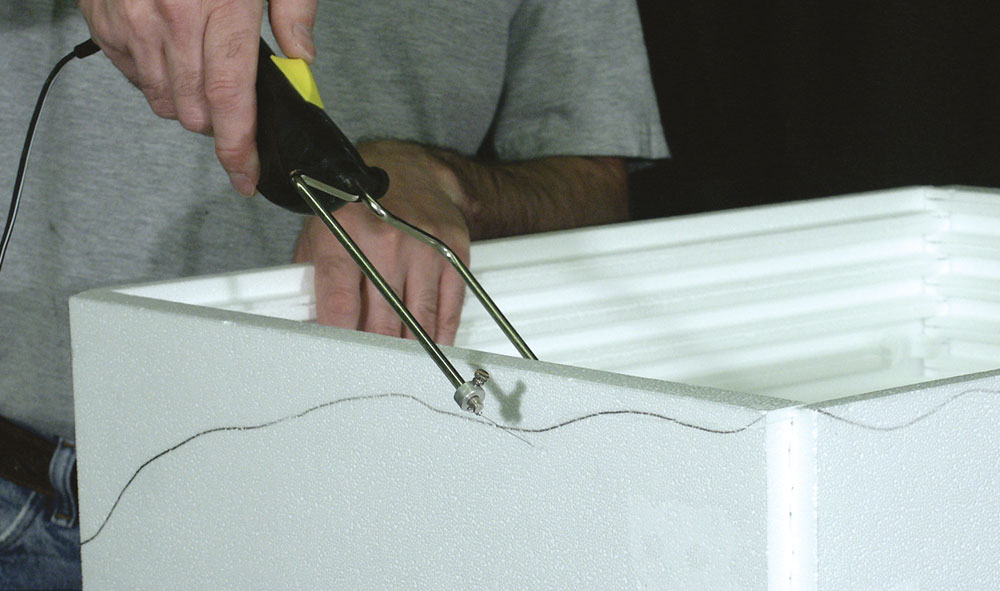
Hot wire foam cutting is a process where an electrically heated wire is used to slice through foam materials. The heat softens the foam along the wire’s path, allowing it to melt and separate cleanly. This method is popular because it creates precise cuts with minimal mechanical pressure, reducing the risk of tearing or deforming the foam. It can be performed manually with handheld cutters or automatically using CNC-controlled machines for intricate shapes and designs. Hot wire cutting is widely used in model-making, prototyping, signage, props, and insulation materials due to its efficiency and ability to produce detailed, repeatable results.
History of Hot Wire Foam Cutting
The hot wire foam cutting technique emerged in the mid-20th century when manufacturers and engineers sought a method to cut foam cleanly without tearing. Initially, it was mostly used in industrial settings for insulation panels and packaging materials. As the technique evolved, hobbyists and artists recognized its potential for creative applications such as model-making, sculpture, and set design. Over time, technological advancements introduced adjustable temperature controls and CNC integration, allowing even more precise and complex designs. Today, hot wire cutting is both an industrial necessity and a popular tool for creative projects worldwide.
How Hot Wire Foam Cutters Work
Hot wire foam cutters operate by passing an electric current through a resistance wire, typically made of nichrome. As electricity flows through the wire, it heats up due to electrical resistance. When the wire contacts the foam, the heat melts the material along its path, creating a smooth, clean cut. The cutting process requires minimal pressure, reducing the risk of deforming the foam. The speed of cutting and the wire temperature must be carefully controlled to match the foam’s density and thickness. Advanced CNC hot wire cutters use computer programs to guide the wire precisely for 2D and 3D shapes, making the process efficient and repeatable.
Types of Hot Wire Foam Cutters
Hot wire foam cutters are available in several types to suit different applications. Manual hot wire cutters are ideal for small projects and DIY enthusiasts because they are portable and easy to operate. Table-top cutters offer stability for larger foam sheets and provide more consistent cuts. CNC hot wire cutters are used in industrial settings for precise and repeatable cuts, particularly for complex 3D designs or large-scale production. Additionally, some hot wire systems come with adjustable temperature controls, different wire gauges, and interchangeable accessories, allowing users to adapt the cutter to various foam types and cutting requirements.
Materials Suitable for Hot Wire Cutting
Not all foam types are suitable for hot wire cutting. Polystyrene foam, polyurethane foam, and extruded foam boards are ideal because they melt easily under heat. EVA foam and insulation foams can also be used, though some dense foams may require slower cutting or higher temperatures. Materials with chemical additives or flame retardants may produce toxic fumes and should be avoided or cut with proper ventilation and protective gear. Choosing the correct foam type ensures clean cuts, prevents wire damage, and maximizes safety during the cutting process.
Advantages of Using a Hot Wire for Foam Cutting
Hot wire foam cutting offers numerous benefits over traditional cutting methods. It produces smooth, precise edges without crushing or tearing the foam. It reduces material waste and allows intricate designs and shapes to be created with ease. The process is faster than knife or saw cutting, and minimal physical effort is required. Additionally, hot wire cutting can be used on both small-scale craft projects and large industrial applications. The versatility, speed, and accuracy make it a preferred method for professionals and hobbyists alike.
Disadvantages of Hot Wire Foam Cutting
Despite its advantages, hot wire foam cutting has some limitations. It is only effective on certain types of foam and cannot cut materials like cardboard, wood, or metal. Overheating the wire can burn or discolor the foam, while improper ventilation may expose users to harmful fumes. Dense foams or very thick sheets may require specialized equipment to achieve clean cuts. Additionally, safety precautions must be strictly followed to prevent burns or fire hazards. Understanding these limitations is important for ensuring successful and safe foam cutting projects.
Safety Precautions When Using Hot Wire Cutters
Safety is a critical concern when working with hot wire foam cutters. Always wear heat-resistant gloves, safety goggles, and a mask to protect from burns and fumes. Ensure your workspace is well-ventilated and free from flammable materials. Never touch the wire when it is hot and always unplug the cutter when not in use. Using clamps, guides, and templates can prevent accidental slips, reducing the risk of injury. Keeping a fire extinguisher nearby is highly recommended, especially when cutting large blocks of foam or working in enclosed spaces.
Choosing the Right Hot Wire Foam Cutter
Selecting the right hot wire foam cutter depends on your project size, foam type, and desired precision. For small DIY projects, a handheld or table-top manual cutter is often sufficient and budget-friendly. Larger projects or professional work may require CNC cutters that offer automated precision and repeatable results. Consider factors like wire type, temperature control, cutting speed, and additional accessories. The right choice ensures cleaner cuts, reduces material waste, and provides a more efficient workflow. Investing in a high-quality cutter will save time and improve overall project results.
Different Wire Types for Foam Cutting
The wire used in hot wire foam cutting plays a critical role in cut quality and durability. Nichrome wire is the most commonly used due to its excellent heat resistance and consistent performance. Thin wires are ideal for intricate shapes and fine details, while thicker wires are better for straight cuts and large foam blocks. Some advanced cutters allow interchangeable wires, enabling users to adapt for different foam densities and shapes. Choosing the right wire ensures smoother cuts and prevents wire breakage or uneven melting of the foam.
Temperature Control in Hot Wire Foam Cutting
Proper temperature control is essential to prevent foam burns and ensure clean edges. Most hot wire cutters feature adjustable power settings, allowing you to match the heat to the density and thickness of your foam. Too high a temperature can burn the foam, while too low may result in rough, uneven cuts. Experienced users often adjust the temperature gradually while testing on scrap foam. Advanced CNC machines allow precise temperature regulation, which is crucial for consistent results, especially in complex or repetitive designs.
Understanding the Physics Behind Hot Wire Cutting
Hot wire foam cutting works on the principle of electrical resistance heating. When electricity flows through a resistance wire, such as nichrome, it produces heat. This heat melts the foam along the wire’s path, allowing it to separate cleanly without mechanical pressure. Wire tension, cutting speed, and foam density all influence the quality of the cut. Understanding this process helps users optimize settings and avoid common issues like sagging wires, uneven melting, or burnt edges. Knowledge of the underlying physics also supports experimentation with different foams and designs.
Manual vs. CNC Hot Wire Foam Cutters
Manual hot wire cutters are operated by hand, making them suitable for small or creative projects. They offer flexibility but rely heavily on the user’s skill for accuracy. CNC cutters, on the other hand, are computer-controlled and capable of producing precise, repeatable cuts for both 2D and 3D designs. CNC machines are ideal for large-scale industrial projects, signage, or mass production. Choosing between manual and CNC depends on project complexity, budget, and the level of precision required. Many professionals use a combination of both methods for efficiency.
Setting Up a Hot Wire Foam Cutter at Home
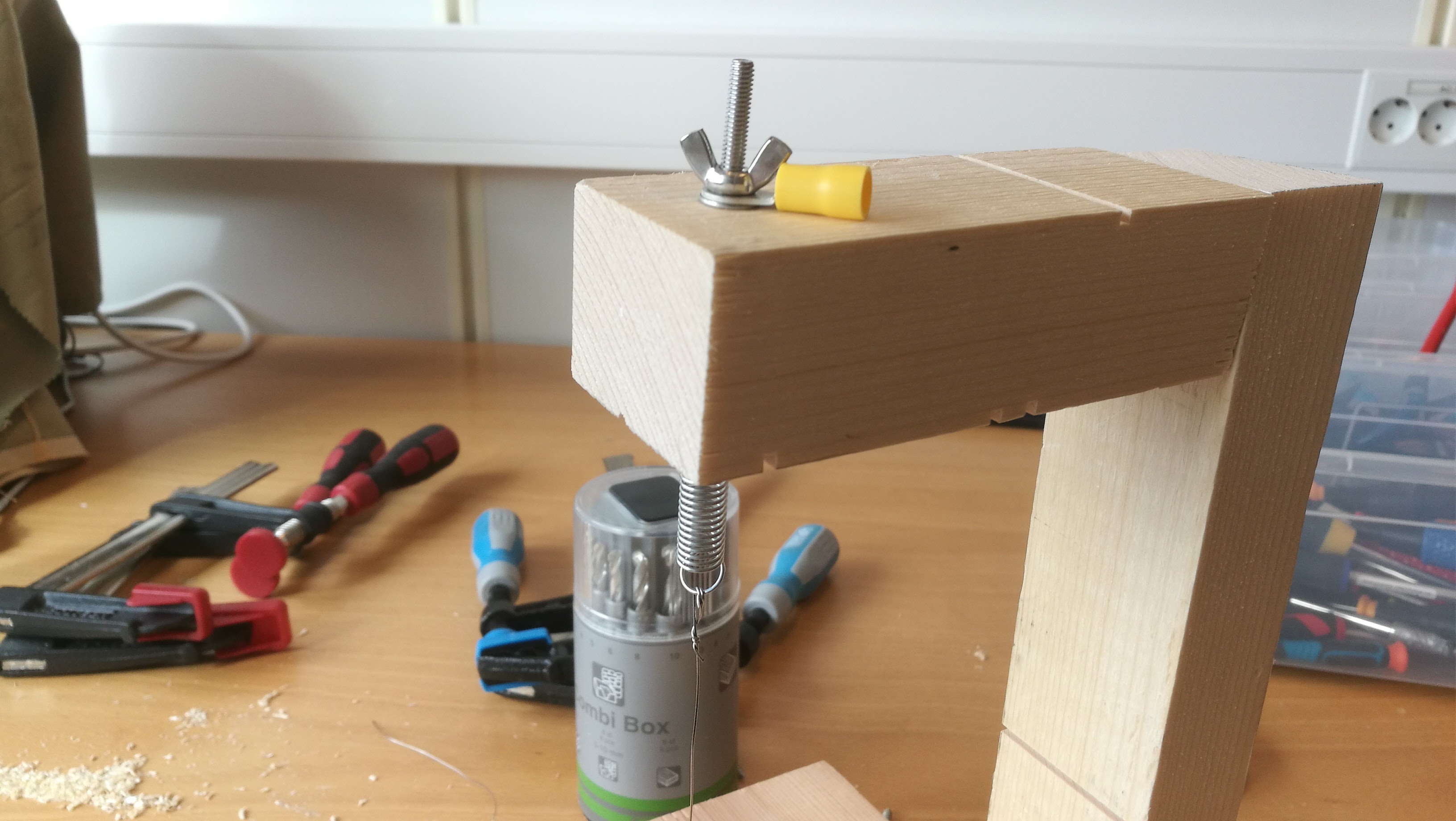
Setting up a hot wire foam cutter at home is straightforward with proper planning. A stable work surface, proper ventilation, and an organized workspace are essential. Ensure the wire is tensioned correctly and the cutter is plugged into a reliable power source. Clamps, guides, and templates improve accuracy, especially for straight or repeated cuts. Safety equipment such as gloves, goggles, and masks should always be used. Starting with small foam pieces helps beginners practice control before attempting larger or more intricate projects.
Tools and Accessories for Hot Wire Foam Cutting
In addition to the cutter itself, several tools and accessories enhance efficiency and accuracy. Straightedges, clamps, guide rails, and templates are commonly used to maintain consistent cuts. Wire tensioners help prevent sagging, while measuring tools ensure precise dimensions. Optional accessories like adjustable frames or CNC controllers can elevate project quality. Investing in the right combination of tools not only improves cut accuracy but also reduces material waste and enhances overall safety.
Common Mistakes in Hot Wire Foam Cutting
Hot wire foam cutting may seem simple, but beginners often make mistakes that affect the final product. Common errors include overheating the wire, cutting too quickly, or using the wrong type of wire for the foam. Skipping safety precautions or working in poorly ventilated areas can pose health risks. Inaccurate measurements, uneven tension, and improper guides can also lead to jagged or crooked cuts. Awareness of these common mistakes and taking corrective steps ensures smoother, safer, and more professional results.
How to Cut Foam Smoothly with a Hot Wire
Achieving smooth foam cuts requires a combination of proper technique, the right temperature, and consistent speed. Start by marking the foam with a pencil or template. Maintain steady pressure and move the wire at an even pace, allowing it to melt the foam rather than forcing it through. Using guides or straightedges for long cuts prevents deviations. Practice on scrap foam to get a feel for the optimal speed and heat settings. Proper preparation, patience, and precision are key to professional-quality foam cuts.
Techniques for Straight Cuts in Foam
Straight cuts are fundamental in most foam projects and require careful preparation. A straightedge or guide rail ensures consistent results and prevents the wire from veering off course. Adjust wire tension to prevent sagging, and maintain a steady, controlled motion during cutting. For thick or high-density foam, multiple passes at moderate temperatures may yield cleaner results. Using templates or pre-marked lines can help beginners maintain accuracy and reduce material waste. Proper lighting and workspace setup also contribute to precision.
Techniques for Curved Cuts in Foam
Curved cuts require a steady hand and proper guidance to maintain smooth lines. Using templates, flexible guides, or adjustable jigs helps control the wire’s movement for precise curves. Move the wire slowly and consistently to prevent kinks or uneven melting. For complex shapes, practice on scrap foam before attempting the final piece. Some CNC cutters can automate curved cuts, ensuring accuracy and repeatability. Patience and controlled speed are key to achieving professional-quality curved edges.
Making Intricate Designs with a Hot Wire
Intricate designs, such as detailed models or decorative elements, require thin wires and controlled cutting speeds. Start with sketches or templates to guide the wire. For complex 3D shapes, CNC hot wire cutters provide superior precision. Handheld cutters can achieve detailed patterns with practice, especially when combined with layered cutting techniques. Using proper temperature settings prevents foam from melting unevenly, maintaining sharp edges and clean details. Precision and patience are essential when working on intricate designs.
Cutting Large Foam Blocks Efficiently
Large foam blocks require stable support and proper wire tension to prevent sagging. Table-top or frame-mounted cutters are ideal for cutting oversized pieces. Plan cuts in advance to reduce waste and improve efficiency. Multiple passes may be necessary for very thick blocks to maintain clean edges. A combination of straight guides and careful hand movements ensures smooth, accurate cuts. Proper ventilation and safety precautions are especially important when working with large volumes of foam.
Foam Sculpting Using Hot Wire Cutters
Hot wire foam cutting is perfect for sculpting complex shapes, including landscapes, props, and artistic models. Start with rough cuts to establish the basic shape, then refine using smaller wires or hand tools. Layering foam sheets can create intricate 3D forms. CNC cutters allow highly detailed sculptures to be created from digital designs. Sculpting requires patience, steady movements, and practice to avoid uneven surfaces or unintended marks. A well-maintained cutter ensures consistent results for artistic projects.
How to Avoid Melting or Burning Foam
Burning foam is a common issue caused by excessive heat or slow cutting. Adjust the wire temperature to match the foam type and density. Move the wire steadily without pausing in one area. Thin wires generate less heat and reduce the risk of burning. Practicing on scrap pieces helps find the optimal settings. Adequate ventilation prevents smoke accumulation, improving safety and reducing material discoloration. Proper technique ensures smooth, clean cuts without scorching the foam.
Working with Different Foam Densities
Foams vary in density, from soft craft foam to rigid insulation panels. Low-density foam cuts easily at lower temperatures, while high-density foam requires slower cuts and higher heat. Understanding foam properties helps optimize cutting speed and wire settings. Testing on small pieces allows adjustments before cutting the main project. Using consistent pressure and steady hand movements ensures uniform cuts regardless of density. Choosing the right wire and temperature is crucial for professional results.
Using Guides and Templates for Precision Cutting
Guides and templates ensure accuracy and consistency, especially for repetitive or intricate cuts. Straightedges, clamps, and laser guides can help maintain alignment. For 3D shapes, digital templates or CNC programming produce precise, repeatable designs. Using templates minimizes mistakes, reduces waste, and saves time. Beginners benefit from templates by providing clear paths for the wire. Combining templates with proper wire tension ensures smooth, clean edges every time.
Hot Wire Foam Cutting for Model Making
Model makers rely heavily on hot wire cutters for creating landscapes, buildings, and props. The method allows clean, precise edges and intricate details. CNC cutters can reproduce complex designs multiple times with consistent quality. Manual cutters are ideal for small projects or custom adjustments. Proper preparation, such as marking lines and using guides, ensures accuracy. Hot wire cutting speeds up production and allows greater creativity in model design.
Foam Cutting in Architectural Models
Architectural model making demands precise and clean cuts to replicate real-world structures. Hot wire foam cutting allows walls, terrain, and intricate details to be shaped accurately. Using CNC cutters helps achieve complex 3D designs with uniform quality. For small-scale projects, manual cutting with templates is sufficient. Careful planning, measuring, and layer stacking ensures accurate scale representation. Professionals often combine hot wire cutting with sanding and finishing for realistic models.
Hot Wire Cutting for Props and Costumes
Cosplay and theatrical props benefit from hot wire cutting’s precision and versatility. Armor, helmets, and decorative pieces can be shaped accurately with minimal sanding. Templates and guides help achieve symmetrical designs. Thin wires allow fine details, while thicker wires are used for structural cuts. CNC cutters provide consistency for mass production or complex pieces. After cutting, pieces can be assembled, sanded, and painted for professional-quality results.
DIY Projects Using Hot Wire Foam Cutting
Hot wire foam cutting opens up endless DIY possibilities, from decorative items to functional pieces. Hobbyists can create custom signs, sculptures, cosplay props, and school projects. Using templates, guides, and adjustable temperature controls ensures professional-quality results. Practicing on scrap foam helps refine technique before attempting the final piece. Combining hot wire cutting with painting and finishing enhances creativity and produces polished results. This method is particularly popular for home décor, craft fairs, and personalized gifts.
Hot Wire Cutting in Industrial Applications
Industries use hot wire cutting for precise production of packaging materials, insulation panels, architectural elements, and large-scale props. CNC hot wire cutters allow rapid and consistent results, reducing waste and increasing efficiency. Automated systems can reproduce complex designs for mass production. Safety protocols and proper ventilation are essential in industrial environments due to larger volumes of foam. Hot wire cutting has become an indispensable tool in sectors requiring precision, speed, and minimal material distortion.
Tips for Reducing Foam Waste During Cutting
Reducing waste begins with careful planning and accurate measurements. Using templates and guides minimizes errors and ensures consistent cuts. Scrap foam can often be reused for smaller projects or filler materials. Proper wire tension and consistent speed prevent jagged edges that lead to unusable pieces. Choosing the correct wire type and temperature for the foam density also improves efficiency. By combining these tips, both hobbyists and professionals can save material and reduce project costs.
Cleaning and Maintaining Your Hot Wire Cutter
Regular maintenance extends the life of your hot wire cutter and ensures consistent performance. Clean the wire and frame after each use to remove melted foam residues. Check wire tension regularly and replace worn or broken wires promptly. Inspect the power supply and connections for safety. Lubricate moving parts if necessary and store the cutter in a dry, secure location. Proper maintenance prevents malfunctions and reduces the risk of accidents during cutting.
Troubleshooting Common Hot Wire Issues
Common issues include wire sagging, inconsistent heating, and uneven cuts. Wire sag can be corrected by adjusting tension or replacing worn wires. Uneven heating may indicate a faulty power supply or incorrect wire gauge. For thick or high-density foam, multiple passes may be necessary to prevent burning or jagged edges. Practicing on scrap foam allows identification and correction of problems. Proper setup, consistent technique, and routine maintenance prevent most common issues.
How to Extend the Life of Your Hot Wire
Extending the life of a hot wire cutter involves proper handling, regular maintenance, and careful operation. Avoid overheating the wire or forcing it through thick foam. Clean residue after each use and replace wires before they become brittle. Store the cutter in a secure, dry environment to prevent corrosion. Regular inspections and preventive maintenance reduce the likelihood of breakdowns. Following these steps ensures your hot wire cutter remains efficient and reliable for years.
Best Practices for Foam Cutting Accuracy
Accuracy depends on preparation, technique, and equipment quality. Mark foam carefully before cutting and use straightedges or templates to guide the wire. Maintain consistent pressure and speed while cutting. Practice on scrap foam to perfect technique before tackling the main project. Ensure proper wire tension and temperature adjustments for different foam types. Combining these practices results in smooth, precise cuts and reduces errors, waste, and material damage.
Hot Wire Cutting Safety Gear and Equipment
Safety is critical when using hot wire foam cutters. Essential gear includes heat-resistant gloves, safety goggles, and a mask to protect from fumes and burns. Use proper ventilation or fume extraction systems. Ensure the workspace is free of flammable materials, and always keep a fire extinguisher nearby. Using clamps, guides, and stable work surfaces reduces the risk of accidents. Following these safety measures protects both the user and the workspace.
Cutting Foam for Insulation Projects
Hot wire cutting is ideal for creating insulation panels, custom shapes, and retrofitted foam inserts. Accurate cuts reduce gaps and improve thermal efficiency. Wire temperature and speed must be matched to the foam type for clean results. For large projects, table-top or CNC cutters ensure consistent sizing. Proper planning, precise measurements, and safety precautions are essential when working on insulation applications. Hot wire cutting saves time and ensures high-quality installation.
Hot Wire Foam Cutting for Signage and Letters
Creating signage and lettering from foam is efficient with a hot wire cutter. CNC cutters allow consistent replication of intricate designs, while manual cutters are suitable for smaller projects. Templates or stencils ensure uniformity. Using adjustable wire tension and proper cutting speed prevents jagged edges. Foam signs can be painted, coated, or assembled for professional-looking results. This technique is widely used in advertising, events, and decorative projects.
How to Cut 3D Shapes from Foam
Creating 3D foam shapes involves layered cutting or CNC programming. Start by sketching the desired shape and cutting layers sequentially. Manual cutters can achieve simple 3D forms, while CNC machines excel at complex designs. Smoothing edges and joining layers carefully improves final aesthetics. Patience, practice, and proper wire temperature settings are essential. Hot wire cutting allows sculptors and designers to transform foam blocks into detailed 3D structures efficiently.
Combining Hot Wire Cutting with Other Tools
Hot wire cutting can be combined with knives, rotary tools, or sanding to achieve detailed finishes. While hot wire handles the bulk and shape, hand tools refine edges and intricate details. For 3D models, combining multiple tools ensures smooth surfaces and sharp features. Using complementary techniques enhances creativity and allows more precise results. Understanding the strengths of each tool helps maximize efficiency and overall project quality.
Painting and Finishing Foam After Cutting
Once the foam is cut, painting and finishing are essential for aesthetics and durability. Sand edges lightly to smooth any rough areas. Use primers or sealants compatible with foam to prevent chemical reactions. Acrylic paints, spray paints, or coatings can add color and texture. For props or models, additional details can be added with adhesives or layers of foam. Proper finishing enhances both the appearance and longevity of the project.
Environmental Considerations in Foam Cutting
Foam cutting generates waste that should be handled responsibly. Recycle scraps where possible and dispose of unusable foam properly. Ensure ventilation to reduce inhalation of fumes. Choosing eco-friendly foam materials reduces environmental impact. Minimizing waste through careful planning and accurate cutting also contributes to sustainability. Awareness of environmental considerations ensures foam projects are both safe and responsible.
Cost-Effective Hot Wire Foam Cutting Tips
Saving money while cutting foam involves proper planning, using the right tools, and reducing waste. Templates and guides prevent mistakes and excess scrap. Using high-quality wires prolongs their life and reduces replacement costs. Reusing foam scraps for small projects maximizes material efficiency. Practicing on leftover pieces allows beginners to learn without wasting new materials. These strategies help both hobbyists and professionals maintain budget-friendly operations.
How to Train Beginners in Hot Wire Cutting
Beginners should start with simple projects and scrap foam to develop technique. Safety education is crucial, including wearing gloves, goggles, and masks. Use templates and guides to build confidence in making straight and curved cuts. Gradually introduce more complex shapes and 3D designs. Supervising practice sessions ensures correct wire handling and temperature settings. Structured training builds skill, reduces mistakes, and ensures safe, accurate foam cutting.
Creative Ideas for Hot Wire Foam Projects
Hot wire foam cutting can be used for a wide range of creative projects. Ideas include home décor items, signage, cosplay armor, decorative sculptures, architectural models, and school projects. Layered foam designs allow intricate 3D shapes. Combining cutting with painting and finishing expands creative possibilities. Both hobbyists and professionals can explore innovative designs with hot wire cutters, limited only by imagination.
Scaling Up: Hot Wire Cutting for Businesses
Businesses benefit from hot wire cutting for rapid and precise production of signs, props, packaging materials, and architectural elements. CNC cutters increase efficiency, consistency, and scalability. Combining manual and CNC cutters allows flexibility for custom orders. Training staff on safety and technique ensures high-quality output. Scaling operations with hot wire technology helps businesses meet customer demands while minimizing material waste.
Comparing Hot Wire Cutting with Other Foam Cutting Methods
Hot wire cutting is superior to traditional knife or saw methods for smoothness, precision, and speed. Unlike saws, it doesn’t crush or tear foam. CNC hot wire cutters allow complex designs that are difficult with manual methods. Knives and blades may still be useful for minor adjustments or fine detailing. Choosing the right method depends on project requirements, material type, and desired accuracy. Hot wire cutting consistently provides clean, professional results.
Future Innovations in Hot Wire Foam Cutting
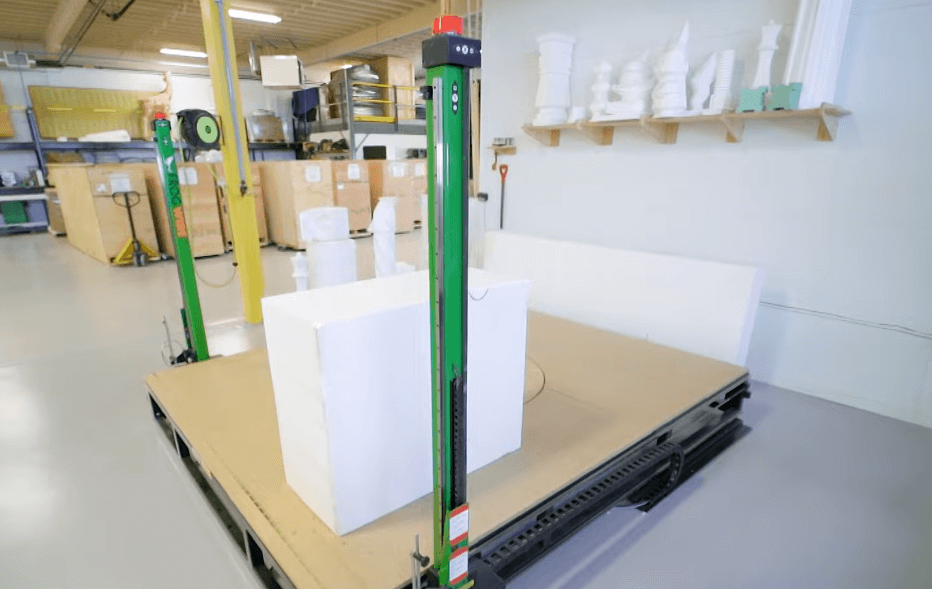
Future innovations may include smarter CNC systems, automated temperature control, eco-friendly foam materials, and portable high-precision cutters. Advances in software will enable more intricate 3D designs with minimal manual input. Enhanced safety features and energy-efficient cutters will improve usability and reduce environmental impact. These innovations promise to make hot wire foam cutting more accessible, precise, and sustainable for both hobbyists and professionals.
Conclusion
Mastering hot wire foam cutting requires understanding the tools, techniques, and safety protocols. From simple straight cuts to intricate 3D designs, the method offers versatility and precision. Proper planning, temperature control, and wire selection ensure professional-quality results. Whether for hobby projects, cosplay, architectural models, or industrial applications, hot wire cutting is a reliable and creative technique. With practice, patience, and creativity, anyone can achieve outstanding results and expand their foam crafting capabilities.
FAQs
Q1: What is hot wire foam cutting?
A: It’s a method using a heated wire to melt and cut foam precisely.
Q2: Which foams can I cut?
A: Polystyrene, polyurethane, EVA foam, and other lightweight foams.
Q3: Is it safe for beginners?
A: Yes, if you wear gloves, goggles, and work in a ventilated area.
Q4: Can I make curved or intricate designs?
A: Yes, using templates, guides, or CNC machines for complex shapes.
Q5: How do I avoid burning foam?
A: Adjust wire temperature, maintain steady cutting speed, and practice on scrap foam.
Keep an eye for more latest news & updates on premiumtechy!