Red, white, and black wires are some of the most common electrical wires used in residential and commercial wiring. Each color has a specific purpose: black is generally used as a hot wire, red can be used as a secondary hot wire or for switch connections, and white is the neutral wire. These wires form the backbone of most household circuits, providing safe and efficient pathways for electrical current. Proper identification and use are essential to prevent electrical hazards, short circuits, and equipment damage. Understanding their functions allows homeowners and electricians to install and maintain systems safely.
Red, white, and black wires are fundamental to electrical wiring, with black serving as the primary hot wire, red as a secondary hot or switch leg, and white as the neutral return path. Correct identification, proper wire gauge selection, and safe installation practices are essential to prevent shocks, short circuits, and fires. Following electrical codes and testing wires before use ensures a safe, efficient, and reliable electrical system.
In this article, we discuss the topic of “red white black wires“.
Understanding Wire Color Codes

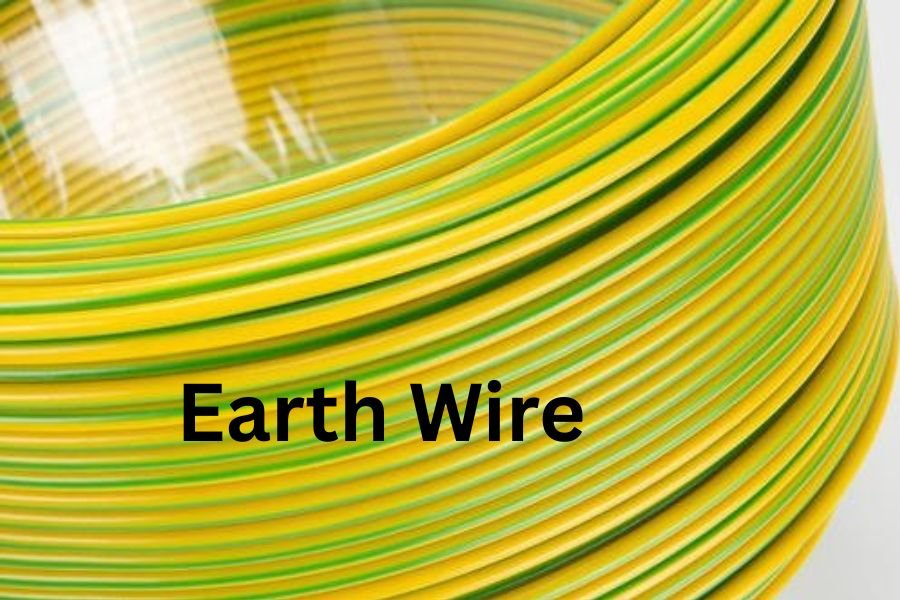
Electrical wires are color-coded to indicate their function and ensure safety. Black typically represents the primary hot wire carrying current from the panel to the devices. Red is used for secondary hot wires, three-way switches, or for split circuits. White wires act as neutral, returning current to the electrical panel. Ground wires, usually green or bare copper, protect against electrical faults. These color codes help electricians and DIY enthusiasts work efficiently and safely, preventing mistakes that could lead to electrocution or equipment damage. Adhering to wire color codes is also required by the National Electrical Code (NEC).
The Function of Black Wires
Black wires are considered “hot” wires and carry live electricity from the breaker panel to outlets, switches, or devices. They are the main source of power in most circuits and must be handled with care. When working with black wires, it is important to ensure the circuit is turned off and to use insulated tools. In multi-wire setups, black wires may share circuits with red wires for devices that require more than one hot connection. Correct installation of black wires ensures devices receive the proper voltage and helps prevent electrical hazards such as shorts, shocks, and fires.
The Function of Red Wires
Red wires serve as secondary hot wires in circuits and are often used for interconnecting switches or for 220V appliance circuits. In three-way or four-way switch configurations, red wires help carry current between switches. Red wires are also used in split-phase circuits to provide additional voltage. Like black wires, red wires carry current and should be treated with caution. Proper labeling and understanding of the circuit layout are essential before handling red wires. Failing to correctly connect red wires can result in malfunctioning devices, tripped breakers, or potential electrical hazards.
The Function of White Wires
White wires act as neutral wires in electrical systems. They complete the circuit by carrying current back to the breaker panel, allowing electricity to flow safely. Although white wires are usually safe to touch if properly installed, they can still carry current in certain conditions and must be handled carefully. Neutral wires are essential for maintaining circuit balance, preventing overloads, and ensuring devices operate correctly. In some cases, white wires may be re-identified with tape or markings to function as hot wires, but this should only be done following electrical codes.
Hot, Neutral, and Ground Wires Explained
In any electrical system, three types of wires are essential: hot, neutral, and ground. Hot wires, like black and red, carry current to the device. Neutral wires, usually white, carry current back to the electrical panel, completing the circuit. Ground wires, which are green or bare copper, provide a safety path in case of faults, protecting people and equipment from electrical shocks. Understanding these three types of wires is critical for safe installation and troubleshooting. Each wire must be properly connected to ensure both efficiency and safety in any electrical system.
Common Residential Wiring Configurations
In most homes, wiring configurations use black, red, and white wires to connect outlets, lights, and switches. A typical setup involves a black wire as the main hot line, a white wire as neutral, and a red wire for secondary connections such as three-way switches or split circuits. These configurations allow multiple devices to function efficiently while maintaining safety. Proper planning of wire runs and adherence to local electrical codes are crucial for preventing hazards. Understanding typical residential wiring layouts also helps with troubleshooting problems and adding new circuits or devices safely.
Red White Black Wires in 120V Circuits
120V circuits are the most common type found in homes and use black, red, and white wires for proper operation. In these circuits, black wires supply the primary voltage, white wires serve as neutral, and red wires can be used in switch loops or to provide power to additional devices. Correct installation ensures that outlets, lighting, and small appliances function properly without tripping breakers. Voltage testing before installation is important to confirm wire identification. Following NEC guidelines ensures safety and compliance.
Red White Black Wires in 240V Circuits
In 240V circuits, which are used for larger appliances such as dryers, ovens, or air conditioners, both black and red wires act as hot lines, providing the two legs of the circuit. White wires serve as neutral, returning current to the panel. This setup allows higher voltage devices to operate efficiently and safely. Proper insulation and careful handling are essential because both black and red wires carry live electricity. Incorrect connections can result in serious hazards including fire or electric shock.
Identifying Wires Safely at Home
Before working on any electrical project, it is crucial to identify wires safely. A non-contact voltage tester or multimeter should be used to verify whether a wire is hot or neutral. Never assume wire color alone, especially in older homes, as previous DIY projects may have altered standard wiring. Turning off the breaker and testing each wire reduces the risk of accidental shocks. Proper labeling of wires during work also helps prevent confusion and ensures future maintenance is easier.
Tools Needed for Working with Red White Black Wires
Working safely with red, white, and black wires requires basic tools such as wire strippers, screwdrivers, pliers, wire nuts, voltage testers, and electrical tape. Using insulated tools reduces the risk of shocks, while quality wire nuts ensure secure connections. Multimeters are useful for checking voltage, continuity, and current. Planning the workspace and having all tools ready before starting a project increases efficiency and safety, particularly for complex wiring setups.
Testing Red, White, and Black Wires
Testing is a critical step in any electrical work to ensure wires are functioning correctly. Use a multimeter to check voltage between black or red and white wires to confirm proper connections. For safety, always turn off the breaker before touching wires. Continuity tests help identify broken wires or poor connections. Testing also prevents overloads and ensures appliances or lights will function as intended once connected. Regular testing helps maintain long-term system reliability.
Common Wiring Mistakes to Avoid
Mistakes such as reversing hot and neutral wires, using the wrong wire gauge, or improperly connecting wires can create hazards. Mislabeling wires or ignoring color codes may lead to short circuits or electrical fires. Failing to turn off the breaker before working on wires is a common but dangerous mistake. Proper planning, careful testing, and adherence to electrical codes reduce errors and improve safety in any project.
Wiring Standards in the U.S. (NEC Guidelines)
The National Electrical Code (NEC) establishes guidelines for safe wiring practices in the United States. It dictates wire color codes, wire gauge requirements, insulation types, and grounding practices. Compliance with these standards ensures circuits are safe, efficient, and reliable. Following NEC guidelines also helps pass inspections and reduces the risk of electrical accidents. Homeowners and electricians should always consult the latest NEC version when planning wiring projects.
Wiring Standards in Other Countries
Different countries have unique wiring color codes and installation rules. For example, in Europe, brown is often used for hot wires, blue for neutral, and green/yellow for ground. Understanding international standards is important for electricians working abroad or when installing imported electrical devices. Following local codes prevents hazards and ensures compatibility with appliances and safety devices. Always verify wiring standards for your specific location.
How to Strip Wires Without Damage
Properly stripping wires is essential to prevent nicking or weakening the conductor. Use a wire stripper matched to the wire gauge and carefully remove insulation without cutting into the metal. Damaged wires can overheat, break, or cause poor connections. Always inspect stripped wires before making connections and ensure that insulation is removed only to the necessary length. Safe wire stripping ensures reliable and long-lasting circuits.
Wire Gauge Selection for Red, White, Black Wires
Selecting the correct wire gauge is vital for safety and efficiency. Common wire gauges include 14 AWG for 15-amp circuits, 12 AWG for 20-amp circuits, and 10 AWG for 30-amp circuits. Using a wire that is too thin can overheat and cause fires, while oversized wires may be difficult to work with and unnecessary. Always match wire gauge to the circuit’s amperage and intended load to maintain safe electrical systems.
How to Connect Wires to Outlets
When connecting outlets, black or red wires connect to brass screws, white wires connect to silver screws, and ground wires attach to the green screw. Ensure all connections are tight and insulated. Avoid crossing wires or leaving exposed copper. Correctly wired outlets prevent electrical shocks, provide stable power, and comply with safety codes.
How to Connect Wires to Switches
Switches generally use black or red wires for hot lines. Connect wires according to the switch’s instructions and ensure secure, insulated connections. For multi-way switches, red wires may carry current between switches. Proper labeling and testing after installation ensure the switch operates correctly and safely.
Using Red White Black Wires in Lighting Circuits
In lighting circuits, black and red wires carry power to fixtures, while white wires complete the circuit. Switch loops often use red wires to control lighting from multiple locations. Correct installation ensures lights operate reliably and safely, reducing the risk of flickering, short circuits, or electrical fires.
Using Red White Black Wires in Appliance Circuits
Appliances like ovens, dryers, and air conditioners often require dedicated circuits using red, white, and black wires. Black and red wires act as hot lines supplying power, while white wires serve as neutral. Correctly sizing the wire gauge according to the appliance’s amperage ensures safe operation. Miswiring can lead to tripped breakers, malfunctioning appliances, or electrical hazards. Always consult the manufacturer’s instructions and follow NEC guidelines when wiring appliances.
Extending Red White Black Wires Safely

Sometimes existing circuits need longer wires to reach new devices or outlets. Use wire nuts or approved connectors to join wires securely. Ensure the gauge of the new wire matches the existing wire, and insulate all connections properly. Avoid splicing wires multiple times in a single run, as this increases the risk of overheating or loose connections. Proper extension ensures the circuit remains safe and reliable.
How to Replace Damaged Wires
Damaged wires, whether frayed, cut, or burned, must be replaced promptly. Turn off the breaker and remove the damaged section, replacing it with the same gauge and type of wire. Use wire nuts or terminal blocks for secure connections, and ensure insulation is intact. Regular inspection of wires can prevent hazards and maintain system efficiency.
Grounding Practices with Red White Black Wires
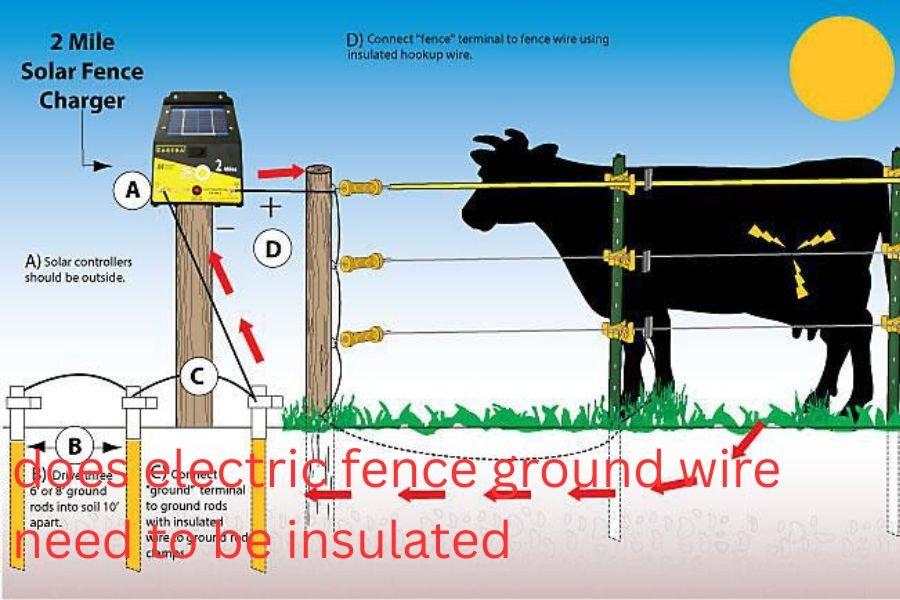
Grounding provides a path for electricity to safely return to the earth in case of a fault. Always connect green or bare copper wires to grounding screws or metal boxes. Proper grounding prevents electric shock and protects appliances from damage. Grounding is an essential part of any wiring project and must never be overlooked.
Using Junction Boxes for Wire Safety
Junction boxes house wire connections and protect them from physical damage. They provide a safe enclosure for splices, helping prevent shorts and fires. Always use appropriately sized boxes and secure wires with wire clamps. Cover boxes with a proper faceplate to maintain safety and compliance with electrical codes.
Testing Voltage Between Red, White, and Black Wires
Before completing a circuit, use a multimeter to test voltage between black or red wires and white neutral wires. Correct voltage readings confirm proper wiring and prevent damage to devices. Testing also identifies any open or short circuits, helping ensure safety before powering the system.
Understanding Wire Ampacity
Ampacity refers to the maximum current a wire can safely carry. Exceeding this limit causes overheating and may result in fire hazards. Selecting wires with appropriate ampacity based on the circuit’s load is essential. NEC tables provide guidance for different wire gauges and insulation types. Proper calculation ensures safe and reliable operation of electrical circuits.
How Temperature Affects Wire Performance
High temperatures can degrade insulation and reduce a wire’s current-carrying capacity. Wires near heat sources should be rated for higher temperatures. Overheating wires can lead to insulation failure and fire hazards. Proper routing and ventilation help maintain wire integrity and long-term safety.
Troubleshooting Wire Problems
Common wire issues include loose connections, damaged insulation, and incorrect wiring. Use visual inspections, continuity tests, and voltage measurements to identify faults. Address problems immediately to prevent shocks, tripped breakers, or appliance damage. Systematic troubleshooting saves time and ensures circuit reliability.
Differences Between Solid and Stranded Wire
Solid wires consist of a single conductor and are easier to insert into outlets and switches. Stranded wires are made of multiple thin strands, making them more flexible and ideal for movable applications. Both types can be used in residential wiring, but knowing their properties helps ensure proper connections and reduces the risk of breaks or loose connections.
Labeling Wires for Easy Identification
Labeling wires during installation or maintenance prevents confusion and ensures safety. Use colored tape or permanent markers to indicate hot, neutral, and ground wires. Proper labeling is especially useful in complex circuits with multiple switches, outlets, and appliances. It simplifies future troubleshooting and prevents mistakes.
How to Avoid Electrical Shorts
Electrical shorts occur when hot wires touch neutral or ground wires, creating excessive current flow. Proper insulation, secure connections, and careful routing prevent shorts. Use junction boxes, wire nuts, and cable clamps to maintain separation between wires. Regular inspections also help identify potential risks before they become dangerous.
Planning a Wiring Project Step by Step
A successful wiring project begins with careful planning. Determine the circuit load, select proper wire gauges, and layout the routing of black, red, and white wires. Follow electrical codes and create a diagram for guidance. Planning reduces errors, ensures safety, and speeds up installation.
Red White Black Wires in Smart Home Installations

Smart devices often integrate into existing wiring systems. Black and red wires supply power, while white provides neutral. Proper labeling and knowledge of switch configurations are crucial to avoid interference. Smart home installations require careful planning to maintain safety and device compatibility.
Wiring Diagrams: How to Read Them
Wiring diagrams illustrate connections between devices, outlets, and switches. Black and red lines represent hot wires, white lines show neutral, and green indicates grounding. Understanding diagrams helps electricians and DIY enthusiasts visualize circuits and prevent mistakes. Diagrams are essential tools for both installation and troubleshooting.
Conclusion
Red, white, and black wires are essential components of residential and commercial electrical systems. Each wire serves a specific purpose: black as the primary hot wire, red as the secondary hot or switch leg, and white as neutral.
Proper understanding of their functions, correct wire gauge selection, safe installation practices, and adherence to electrical codes are critical for preventing hazards like short circuits, electrical shocks, or fires. By following best practices, using the right tools, and testing circuits before use, both homeowners and electricians can ensure reliable and safe operation of electrical systems. This knowledge is the key to maintaining efficient, long-lasting, and safe wiring in any building.
FAQs
1. Can I mix red and black wires in the same circuit?
Yes, black and red wires can be used together, especially in multi-way switches or split circuits. Proper labeling is crucial to avoid confusion.
2. What happens if I reverse black and white wires?
Reversing hot and neutral wires can cause electrical shocks, tripped breakers, and appliance damage. Always test before connecting.
3. Is red wire always hot?
Typically, yes. Red wires are usually secondary hot wires or switch legs. Always confirm with a voltage tester.
4. Can I reuse old wires from another project?
Only if they are in good condition, meet current electrical codes, and match the circuit’s amperage. Damaged or undersized wires should not be reused.
5. Do I need a license to work with these wires?
Minor DIY projects may be allowed, but in most regions, a licensed electrician is required for full electrical work. Always follow local regulations.
6. How do I know the wire gauge?
Wire gauge is usually printed on the insulation. If not, use a wire gauge tool or chart to measure and match it to the circuit’s amperage.
7. Are stranded wires better than solid wires?
Stranded wires are flexible and suitable for movable applications, while solid wires are rigid and better for outlets and switches. Each type has its proper use.
8. Can red, white, and black wires be used outdoors?
Yes, but only if they are rated for outdoor or wet locations. Using indoor-rated wires outside is unsafe.
9. How can I prevent wires from overheating?
Use the correct wire gauge, avoid overloading circuits, maintain proper insulation, and keep wires away from heat sources.
10. How do I safely test red, white, and black wires?
Turn off the breaker first, then use a multimeter or voltage tester to check which wires are hot, neutral, and ground before touching or connecting them.
Keep an eye for more latest news & updates on premiumtechy!