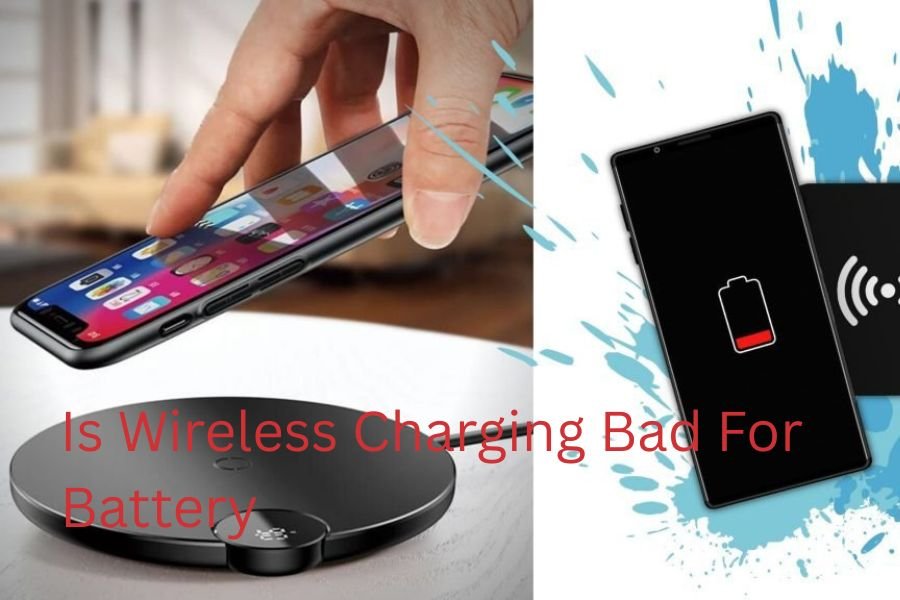
Wireless charging has revolutionized how we power our devices, offering the convenience of cable-free charging. But many users question whether it negatively affects battery health. The truth is, wireless charging is generally safe for modern smartphones, provided it is used correctly. Advances in battery and charger technology have minimized risks like overheating and excessive wear. Understanding the relationship between wireless charging and battery lifespan is crucial for optimizing device performance. This guide explores the science, myths, and best practices to ensure your battery stays healthy.
Wireless charging is not bad for battery health when used correctly with certified, high-quality chargers. Modern smartphones manage heat, prevent overcharging, and regulate power to protect lithium-ion batteries. As long as you avoid excessive heat, cheap chargers, and constant fast charging, wireless charging is safe and convenient for daily use.
In this article, we discuss the topic of “is wireless charging bad for battery“.
What Is Wireless Charging and How Does It Work?
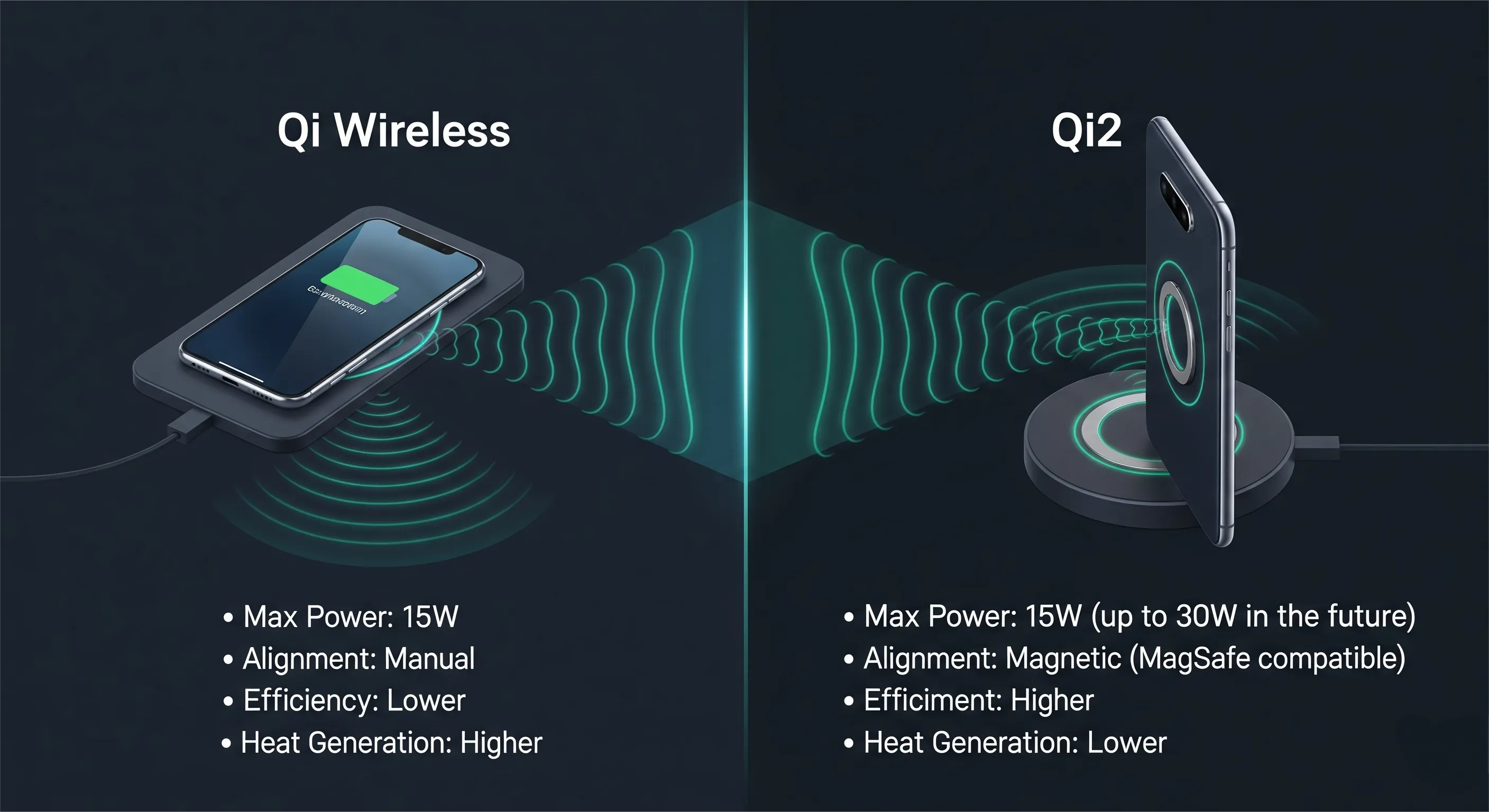
Wireless charging, also known as inductive charging, uses electromagnetic fields to transfer energy from a charging pad to your device. A transmitter coil in the charger creates an alternating electromagnetic field, which a receiver coil in the device converts back to electrical energy. This technology eliminates the need for cables and plugs. Most smartphones now support Qi-standard wireless charging, ensuring compatibility across multiple devices. While convenient, the efficiency of wireless charging depends on proper alignment and quality of the charger.
The Evolution of Wireless Charging Technology
Wireless charging has come a long way since its early days, evolving from slow, inefficient chargers to fast, high-power devices. Initially, wireless chargers delivered low wattage, making charging time-consuming. Today, many chargers support up to 15W or higher, rivaling wired charging speeds. Improvements in magnetic alignment and thermal management have enhanced safety and efficiency. The evolution of standards like Qi2 has also reduced energy loss, making wireless charging a practical solution for everyday use.
How Wireless Charging Differs from Wired Charging
Unlike wired charging, wireless charging eliminates direct electrical contact between the charger and device. While this provides convenience, it is slightly less efficient than wired charging. Energy is lost in the form of heat during the electromagnetic transfer. Wired charging typically offers faster speeds and lower heat generation. However, wireless charging reduces wear and tear on charging ports, prolonging device lifespan. Users must weigh convenience against minor efficiency losses when choosing between the two.
Are Wireless Chargers Harmful to Your Phone Battery?
Wireless chargers are generally safe for modern batteries and are designed to prevent overcharging and overheating. Smartphones have built-in protection circuits to regulate charging speed. Excessive heat is the primary factor that could degrade battery health, but reputable wireless chargers manage temperature effectively. Avoid using low-quality or cheap chargers, as they may not have proper thermal controls. With proper precautions, wireless charging poses minimal risk to battery longevity.
Common Misconceptions About Wireless Charging
Many myths surround wireless charging, from claims that it melts batteries to fears of electromagnetic radiation damage. In reality, modern devices are engineered to handle wireless power safely. Overheating is rare with quality chargers, and electromagnetic fields are well within safe exposure limits. Misconceptions often arise from early wireless chargers or anecdotal experiences. Understanding the science behind wireless charging helps debunk these myths and encourages safe usage practices.
Heat Generation During Wireless Charging: Is It Dangerous?
Heat is the main concern when using wireless chargers, as excessive temperature can degrade battery performance. Inductive charging generates heat due to energy loss during electromagnetic transfer. However, most modern chargers and phones have temperature sensors to slow charging when necessary. Keeping your phone on a flat, ventilated surface also helps reduce heat buildup. Occasional warmth during charging is normal and does not significantly impact battery life.
Battery Degradation Explained: What You Need to Know
Battery degradation occurs naturally over time due to chemical reactions within lithium-ion cells. Each charge and discharge cycle slightly reduces capacity. Heat and overcharging accelerate this process. Wireless charging, if done with high-quality chargers, has minimal impact compared to normal wear and tear. Understanding battery chemistry helps users adopt practices that extend battery lifespan, such as avoiding extreme heat and maintaining moderate charge levels.
The Role of Charge Cycles in Battery Longevity
A charge cycle is counted each time a battery is fully charged and discharged. Lithium-ion batteries have a limited number of cycles, usually around 300–500, before noticeable degradation occurs. Wireless charging contributes to cycles just like wired charging. Maintaining battery levels between 20% and 80% can reduce the number of full cycles, thereby prolonging battery health. Monitoring usage and avoiding unnecessary full charges helps maximize battery lifespan.
Can Wireless Charging Reduce Battery Lifespan?
Wireless charging itself does not inherently reduce battery lifespan. Risks arise primarily from heat and improper charging habits. Using low-quality chargers or charging in hot environments may slightly accelerate battery wear. Modern smartphones feature charging management systems to minimize risks. Following best practices, like moderate charging levels and avoiding heavy use while charging, ensures your battery remains healthy for years.
Why Battery Heat Is the Main Concern
Heat negatively affects lithium-ion batteries by accelerating chemical reactions that degrade capacity. Wireless charging generates more heat than standard wired charging due to energy conversion inefficiencies. However, devices are equipped with sensors and thermal throttling to mitigate heat damage. Avoiding prolonged exposure to heat sources and using high-quality chargers ensures your battery is protected. Proper heat management is key to safe wireless charging.
How Wireless Chargers Manage Heat and Safety
Reputable wireless chargers incorporate safety features like temperature sensors, foreign object detection, and controlled charging speeds. These measures prevent overheating and overcurrent, protecting both the battery and the charger. Advanced chargers can slow down charging if heat levels rise, ensuring minimal stress on the battery. Always choose chargers with safety certifications and avoid using damaged or uncertified devices.
Fast Wireless Charging vs Regular Wireless Charging
Fast wireless charging delivers higher wattage, reducing charging time but potentially generating more heat. Regular wireless charging is slower but gentler on the battery. Modern devices balance speed and safety by regulating power output based on temperature and battery condition. Users should use fast charging only when necessary and rely on standard charging for routine overnight or low-priority sessions.
Does Fast Charging Cause More Battery Wear?
Fast charging can slightly accelerate battery wear due to increased heat generation. However, the impact is minimal if done occasionally and with quality chargers. Modern devices limit current when batteries reach higher charge levels, preventing over-stressing the cells. Moderating fast charging and avoiding excessive use can preserve battery longevity.
Wireless Charging Alignment: Why It Matters
Proper alignment of the transmitter and receiver coils is crucial for efficient wireless charging. Misalignment reduces efficiency and increases heat, which may affect battery health over time. Many wireless chargers have magnetic guides or designated charging zones to ensure optimal positioning. Aligning your device correctly improves energy transfer and reduces unnecessary heat.
The Impact of Coil Placement on Charging Efficiency
The position of the charging coils inside the device and charger determines how effectively energy is transferred. Poor placement can result in slower charging and excess heat. Modern chargers optimize coil design to maximize efficiency. Users should follow manufacturer guidelines and place devices accurately on charging pads to maintain safe and efficient charging.
Understanding Qi Standard Wireless Charging
Qi is the most widely adopted wireless charging standard. It ensures compatibility across devices and provides safety features like power regulation and temperature control. Qi-certified chargers are tested to minimize battery stress and prevent damage. Using a Qi-certified charger is recommended to maintain battery health and ensure efficient charging.
MagSafe and Magnetic Wireless Chargers: Are They Safe?
MagSafe and other magnetic chargers provide precise alignment and faster charging. These chargers are designed with safety mechanisms to prevent overheating and overcurrent. Magnetic alignment improves efficiency and reduces battery stress. When used with compatible devices, magnetic wireless chargers are generally safe for daily use.
Tips to Minimize Battery Stress While Charging Wirelessly
To protect your battery, avoid overcharging, use high-quality chargers, and maintain moderate temperatures. Keeping charge levels between 20% and 80% reduces stress on battery chemistry. Avoid using the phone for heavy tasks while charging. Choosing certified wireless chargers ensures proper power regulation and thermal management.
Optimal Battery Levels for Longer Lifespan (20%–80% Rule)
Maintaining battery levels between 20% and 80% reduces the number of full charge cycles. This range minimizes stress on lithium-ion cells and prolongs lifespan. Avoid letting your battery drop to 0% or charging to 100% constantly. Implementing this habit can significantly improve long-term battery health.
Avoiding Overcharging: How Modern Phones Prevent Damage
Modern smartphones include built-in mechanisms to stop charging when the battery reaches 100%. This prevents overcharging, which can generate heat and accelerate degradation. Smart charging features, like overnight optimization, slow charging during the night to preserve battery health. Proper charger selection further enhances safety.
Should You Use Your Phone While Charging Wirelessly?
Using your phone during wireless charging generates additional heat, potentially affecting battery health. Tasks like gaming, video streaming, or GPS navigation should be limited during charging. Minimal usage, such as texting or calls, has negligible impact. For optimal battery longevity, avoid multitasking while charging wirelessly.
Quality Matters: Choosing the Right Wireless Charger
Not all wireless chargers are created equal. Quality chargers include safety features, regulate current, and manage heat effectively. Cheap chargers may overheat or provide inconsistent voltage, stressing the battery. Investing in a certified, reputable charger is crucial for maintaining battery health.
Cheap vs Premium Wireless Chargers: Risks to Battery Health
Premium chargers often include thermal sensors, foreign object detection, and optimized coil design. In contrast, cheap chargers may lack these features, increasing the risk of heat generation and battery stress. Opting for high-quality chargers reduces long-term wear on your battery and ensures safer charging practices.
Battery Myths: Can Wireless Charging Melt Your Battery?
Some myths claim wireless charging can melt batteries. Modern batteries and chargers are designed to prevent overheating and overcurrent. With proper usage, wireless charging is far from dangerous. Misuse or using substandard chargers may pose risks, but certified devices maintain safe temperature ranges.
Environmental Factors That Affect Wireless Charging Safety
Ambient temperature, humidity, and ventilation impact wireless charging efficiency. Charging in hot or poorly ventilated areas can generate excess heat. Place chargers on flat, hard surfaces away from sunlight and soft fabrics. Environmental awareness ensures efficient, safe charging and protects battery health.
Do Wireless Chargers Waste Energy?
Wireless charging is less efficient than wired charging due to energy lost as heat. Estimates suggest wireless chargers may use up to 50% more electricity. While this does not directly harm battery life, it contributes to environmental impact and slightly higher heat production. Choosing efficient chargers reduces energy waste.
How Wireless Charging Efficiency Compares to Wired Charging
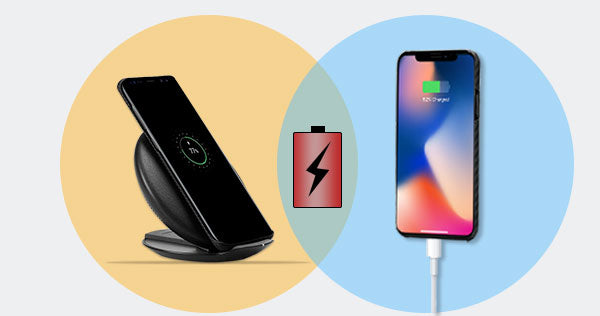
Wired charging is typically faster and more efficient, with minimal energy loss. Wireless charging offers convenience but slightly reduces efficiency due to heat and energy dispersion. The tradeoff is reduced port wear and cable clutter. Balancing convenience and efficiency is key for daily usage.
The Pros and Cons of Wireless Charging for Your Battery
Wireless charging is convenient, reduces port wear, and provides safer alignment with modern chargers. Downsides include slower charging, heat generation, and slight energy inefficiency. Using quality chargers and avoiding heavy phone usage during charging mitigates most risks.
Does Wireless Charging Affect iPhone Batteries Differently?
iPhones are designed with charging management systems to prevent overheating and overcharging. Wireless charging, including MagSafe, is safe for iPhones. The same precautions—avoiding heat buildup, using certified chargers, and moderate charge levels—apply to all devices.
Android vs iPhone: Wireless Charging Effects on Battery
Both Android and iPhone devices incorporate safety features for wireless charging. Differences lie in battery chemistry and thermal management. Overall, the impact on battery health is minimal when using certified chargers. Users should follow device-specific guidelines for optimal results.
Case Studies: Long-Term Wireless Charging on Battery Health
Research indicates that consistent wireless charging does not significantly accelerate battery degradation. Long-term tests show similar lifespan results compared to wired charging when proper precautions are observed. Heat and fast charging remain the primary variables affecting battery health.
Wireless Charging in Hot Climates: Precautions to Take
High temperatures amplify the effects of heat generated during wireless charging. Avoid charging in direct sunlight or hot environments. Use ventilated surfaces and limit heavy phone usage during charging. Hot climates require extra attention to battery health and charger placement.
Using Power Banks with Wireless Charging: Is It Safe?
Wireless power banks offer convenience, but overheating is a concern if multiple devices are charged simultaneously. High-quality power banks include temperature regulation and safety mechanisms. Avoid stacking devices or covering the power bank during charging to maintain battery health.
Travel-Friendly Wireless Chargers and Battery Longevity
Portable wireless chargers are great for travel, offering convenience without cables. Maintaining proper battery levels and avoiding heat buildup ensures device safety on the go. Compact designs should include certified safety features to prevent battery degradation.
Foldable 3-in-1 Wireless Chargers: Pros and Cons
Foldable 3-in-1 chargers allow charging multiple devices simultaneously. Benefits include space-saving and convenience. Drawbacks include heat generation when charging several devices at once. Ensure proper ventilation and use quality devices to protect batteries.
Avoiding Heat Buildup While Charging Overnight
Charging overnight is generally safe if the phone has optimized charging features. Use ventilated surfaces and avoid soft bedding. Smart chargers reduce current once fully charged, minimizing heat and preserving battery health.
Wireless Charging Myths Busted by Experts
Experts confirm that modern wireless charging is safe, efficient, and battery-friendly when used properly. Concerns like battery melting or rapid degradation are mostly myths. Following guidelines and using certified chargers ensures safety and longevity.
How to Extend Battery Life While Using Wireless Charging
Extend battery life by maintaining moderate charge levels, avoiding heat buildup, using quality chargers, and minimizing fast charging. Regular monitoring and proper usage habits contribute to long-term battery health.
The Science Behind Wireless Charging and Battery Chemistry
Wireless charging transfers energy through electromagnetic induction, converting it to electricity in the receiver coil. Lithium-ion battery chemistry responds to heat and charge cycles, so thermal management is key. Understanding the science helps users adopt safe charging habits.
Battery Safety Tips for Fast Wireless Charging Users
Fast wireless charging should be occasional, not continuous. Limit device usage during charging, maintain moderate battery levels, and monitor device temperature. Certified chargers with built-in safety features reduce the risk of degradation.
Does Leaving Your Phone on Wireless Charger Cause Overheating?
Modern smartphones prevent overcharging and slow current when fully charged. Leaving your phone on a wireless charger overnight rarely causes overheating. Occasional warmth is normal and does not significantly impact battery health.
Understanding Battery Wear and Tear From Wireless Charging
Battery wear occurs naturally over time due to chemical reactions within lithium-ion cells. Wireless charging contributes minimally to wear if proper precautions are taken. Avoid heat, overcharging, and using cheap chargers to reduce unnecessary stress.
Maintenance Tips for Wireless Charging Pads and Batteries
Keep charging pads clean, free from dust, and properly ventilated. Inspect cables and chargers for damage regularly. Proper maintenance prevents heat buildup and ensures efficient energy transfer, prolonging battery and charger life.
The Role of Firmware and Phone Management in Charging
Device firmware regulates charging current, temperature, and battery health. Updates often include optimizations for wireless charging. Keeping your phone updated ensures safe charging and maximizes battery lifespan.
Battery-Saving Settings for Wireless Charging Users
Many smartphones offer battery optimization settings, like adaptive charging or optimized overnight charging. Activating these features reduces heat and stress on batteries, extending overall lifespan while using wireless charging.
How to Combine Wired and Wireless Charging Safely
Alternating between wired and wireless charging can reduce battery stress. Use wired charging for quick top-ups and wireless charging for convenience. Avoid overuse of fast charging and maintain proper thermal management.
Future of Wireless Charging: Will It Be Better for Batteries?
Technological advancements, such as improved coil efficiency and reduced heat generation, promise safer and faster wireless charging. Emerging standards aim to further minimize battery stress, making wireless charging increasingly battery-friendly.
Conclusion
Wireless charging is generally safe for modern smartphones when used responsibly. Proper charger selection, thermal management, and avoiding extreme charging habits ensure long battery lifespan. Convenience does not have to come at the cost of battery health.
FAQs
Q1: Is wireless charging better than wired charging?
A1: Convenience-wise, yes. Wired charging is faster and slightly more efficient, but wireless reduces port wear.
Q2: Do wireless chargers waste energy?
A2: Slightly. Wireless charging can use up to 50% more electricity due to energy lost as heat.
Q3: Can wireless charging damage batteries long-term?
A3: Modern chargers and phones prevent overcharging and overheating, so long-term damage is minimal.
Q4: Is it safe to leave phones on wireless chargers overnight?
A4: Yes, modern devices manage charging safely, though occasional heat may occur.
Q5: Should I avoid fast wireless charging to protect battery life?
A5: Use fast charging sparingly. Regular charging is gentler on the battery.
Q6: Does wireless charging generate harmful radiation?
A6: No, electromagnetic radiation from chargers is well within safe limits.
Q7: How can I reduce heat while charging wirelessly?
A7: Place the charger on a flat, ventilated surface, avoid heavy phone use, and use certified chargers.
Q8: Do iPhones and Androids handle wireless charging differently?
A8: Both have safety features, but minor differences exist in thermal management and firmware.
Q9: Can cheap chargers harm my battery?
A9: Yes, uncertified chargers may overheat and stress your battery.
Q10: Does using wireless power banks affect battery health?
A10: Only if poorly designed or used in hot conditions. High-quality power banks are safe.
Keep an eye for more latest news & updates on premiumtechy!