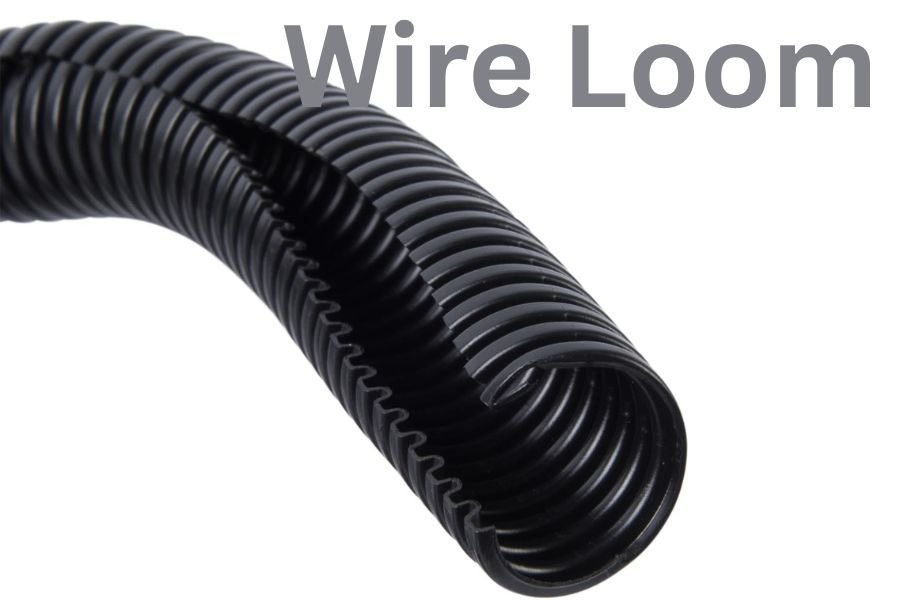
Wire management in outdoor landscaping is an essential aspect of creating a safe, functional, and visually appealing outdoor environment. From garden lighting to water features and security systems, wires are a critical part of modern landscapes. Without proper planning, wires can become unsightly, hazardous, and prone to damage from weather, animals, or human activity.
Effective wire management ensures not only the durability of electrical systems but also the aesthetic appeal of gardens, patios, and other outdoor spaces. It involves proper planning, the use of protective conduits, and thoughtful routing techniques that blend seamlessly with landscaping features.
Wire management in outdoor landscaping is essential for safety, durability, and visual appeal, as it protects wiring from weather, physical damage, and electrical hazards. Proper planning, correct wire types, protective conduits, and adherence to electrical codes help prevent accidents while making maintenance easier. Well-organized wiring not only improves system performance but also keeps gardens, pathways, and outdoor spaces clean, safe, and aesthetically pleasing.
In this article, we discuss the topic of “wire management for outdoor landscaping“.
Why Proper Wire Management Is Crucial Outdoors
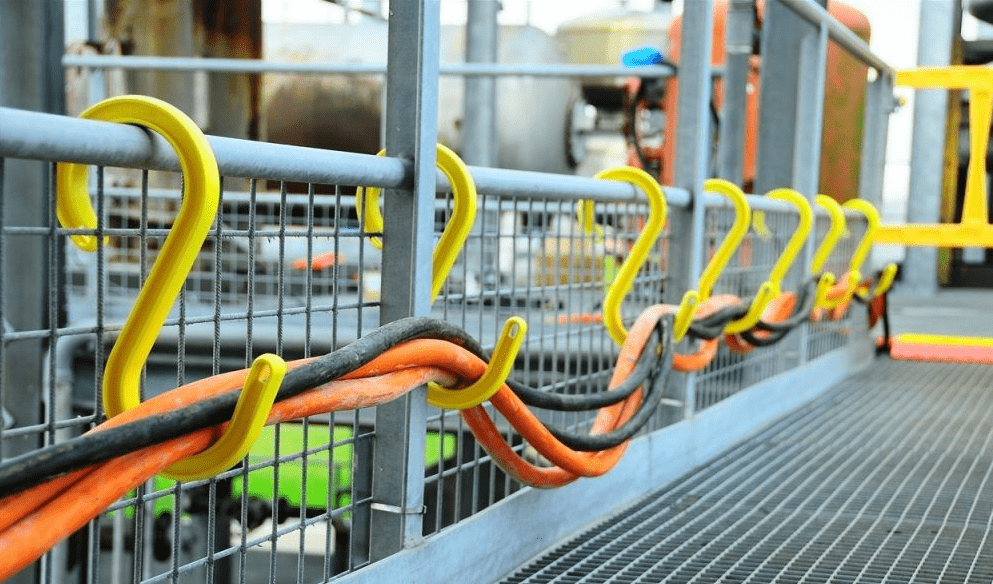
Proper wire management is crucial outdoors because unorganized wires can pose significant safety hazards. Exposed or poorly routed wires increase the risk of electric shocks, short circuits, and fire hazards, especially in wet or damp environments. Additionally, unmanaged wires can create tripping hazards and negatively impact the visual appeal of the landscape. Proper wire management helps prevent these problems while making maintenance easier. Organized wiring also ensures the longevity of electrical components, as wires are protected from environmental elements such as UV radiation, rain, and temperature fluctuations.
Common Outdoor Landscaping Wires and Cables
Outdoor landscaping relies on a variety of wires and cables, each designed for specific applications. Low-voltage wires are commonly used for garden lighting, pathway lights, and water features. High-voltage cables may be needed for outdoor power outlets, fountains, and large security systems. Additionally, landscape architects often use specialty wires for irrigation controls, smart devices, and outdoor sound systems. Understanding the types of wires used is critical for planning and protecting them from damage while maintaining a neat appearance.
Risks of Poor Wire Management in Landscaping
Poor wire management in outdoor landscaping can lead to multiple issues. Wires left exposed or loosely buried may get damaged by gardening equipment, rodents, or environmental factors such as sun and rain. They also increase the risk of electrical hazards, including shocks and fire. Poorly managed wires can become tangled, making troubleshooting and maintenance more complicated and time-consuming. Furthermore, neglected wiring detracts from the aesthetic appeal of a landscape, making even the most beautifully designed garden look messy and unsafe.
Understanding Electrical Codes for Outdoor Wiring
Understanding electrical codes for outdoor wiring is critical to ensure safety and compliance with local regulations. Electrical codes dictate the types of wires, conduits, and installation practices permitted outdoors. For example, underground wires often require specific insulation types, burial depths, and protective conduits. Adhering to codes not only prevents hazards but also ensures that insurance policies and building permits remain valid. Compliance with electrical standards is particularly important when installing high-voltage systems, such as outdoor power outlets or fountains, to reduce the risk of accidents.
Planning Your Outdoor Landscape Wiring Layout
Planning a comprehensive wiring layout is essential before beginning any landscaping project. A well-designed plan outlines wire routes, identifies power sources, and considers future expansion needs. This step ensures that wires are placed safely and aesthetically, avoiding areas where digging, planting, or foot traffic may interfere. Proper planning also allows you to incorporate protective measures such as conduits, cable clips, and wire sleeves. A detailed layout reduces installation errors, simplifies maintenance, and enhances the longevity of your outdoor electrical systems.
Tools Needed for Outdoor Wire Management
Effective wire management requires the right set of tools. Basic tools include wire cutters, pliers, screwdrivers, measuring tape, and electrical tape. For more advanced installations, tools like conduit benders, trenching shovels, voltage testers, and cable pullers are essential. Using appropriate tools ensures that wires are cut, routed, and secured safely. High-quality tools also reduce the risk of damaging wires during installation. Investing in the right equipment simplifies the process, improves efficiency, and ensures a professional-looking landscape setup.
Different Types of Wire Conduits for Landscaping
Wire conduits protect wires from environmental elements, physical damage, and accidental contact. Common types of conduits used in landscaping include PVC, metal, flexible, and corrugated options. PVC conduits are lightweight, easy to install, and resistant to moisture and corrosion. Metal conduits provide stronger physical protection but may require additional tools for installation. Flexible conduits allow wiring to navigate curves and complex landscaping layouts. Choosing the right type depends on wire type, location, and exposure to outdoor conditions.
PVC vs. Metal Conduits: Which Is Better?
PVC and metal conduits each have distinct advantages for outdoor landscaping. PVC conduits are corrosion-resistant, lightweight, and easy to install, making them ideal for most garden and pathway applications. Metal conduits, often made from aluminum or galvanized steel, offer superior strength and protection against impact. While metal conduits are more durable, they are heavier and harder to cut or bend. The choice depends on the specific needs of the project, such as underground wiring, high-traffic areas, or exposure to extreme weather conditions.
Using Cable Trays for Outdoor Landscapes
Cable trays are practical solutions for organizing and protecting multiple wires in outdoor settings. They are often used for larger installations, such as outdoor lighting arrays, commercial gardens, or entertainment areas. Cable trays help keep wires elevated, reducing the risk of water damage and physical wear. They also simplify maintenance by allowing easy access to individual wires. Made from materials like metal or durable plastics, cable trays provide long-term protection while maintaining a clean and organized appearance in landscaped areas.
How to Bury Electrical Wires Safely
Burying electrical wires safely involves proper planning, conduit use, and adherence to electrical codes. Wires should be buried at recommended depths to prevent accidental damage from shovels, lawnmowers, or foot traffic. Using PVC or metal conduits further protects wires from moisture, pests, and shifting soil. Marking wire routes with warning tape or flags ensures future excavations don’t damage buried wiring. Following safety guidelines prevents electrical hazards and extends the lifespan of your outdoor wiring system.
Proper Depth for Underground Wires
The proper depth for underground wires depends on voltage, wire type, and local codes. Low-voltage landscape lighting wires typically require a minimum burial depth of 6–12 inches, while high-voltage cables may need to be buried 18–24 inches deep. Deeper installations provide extra protection against physical damage and weather conditions. Always consult local electrical codes before installation to ensure compliance and safety. Proper depth also reduces the risk of interference from garden tools, roots, or other landscaping activities.
Protecting Wires from Moisture and Weather
Outdoor wires are exposed to rain, humidity, UV rays, and temperature fluctuations, which can degrade insulation over time. Moisture protection can be achieved by using waterproof conduits, sealed junction boxes, and high-quality wire insulation. UV-resistant coatings prevent sun damage and cracking, extending wire life. Proper protection reduces maintenance costs and minimizes the risk of electrical hazards. Keeping wires dry and shielded ensures consistent performance and longevity, especially for lighting and irrigation systems.
UV-Resistant Wiring Solutions for Gardens
UV-resistant wiring is specifically designed to withstand prolonged sun exposure. These wires maintain insulation integrity, preventing cracks, brittleness, and electrical failures. UV-resistant wires are ideal for exposed garden paths, fences, and pergolas where sunlight is intense. Combined with protective conduits, they ensure durability even in harsh outdoor conditions. Choosing the right wire type can prevent frequent replacements and reduce the risk of short circuits caused by weather-induced damage.
Organizing Wires Along Pathways and Driveways
Wires along pathways and driveways should be discreet yet accessible for maintenance. Using buried conduits, cable trays, or protective sleeves keeps wires safe from foot traffic and vehicles. Cable clips and ties help route wires neatly along edges or underneath landscape features. Strategic placement prevents tripping hazards while preserving the aesthetic appeal of pathways. Well-organized wiring enhances safety and maintains the clean visual lines of your outdoor space.
Concealing Wires Around Trees and Plants
Hiding wires near trees and plants requires careful planning to avoid root interference and damage. Wires can be buried under mulch or routed through underground conduits to remain out of sight. Flexible conduits allow wires to navigate curves around trees without bending excessively. Avoid running wires too close to roots, as this can affect plant growth or damage insulation over time. Proper concealment preserves the natural beauty of gardens while maintaining functionality.
Wire Management Tips for Outdoor Lighting
Outdoor lighting enhances both aesthetics and safety in landscaping, but improper wiring can be hazardous. Use low-voltage wires for small garden lights and ensure they are buried or protected with conduits. Cable clips, stakes, and sleeves keep wires neatly arranged along pathways and flower beds. Group wires together to reduce clutter and label them for easy maintenance. Proper wire management ensures that lights remain functional and visually appealing year-round.
Low-Voltage vs. High-Voltage Wire Management
Low-voltage and high-voltage wires require different management techniques. Low-voltage wires are easier to install and safer to handle, making them ideal for garden lighting or small water features. High-voltage wires require thicker insulation, deeper burial, and compliance with strict electrical codes. Grouping and labeling wires, using proper conduits, and avoiding sharp bends are critical for both types. Understanding the differences ensures safe and effective wiring in outdoor landscaping projects.
Managing Wires for Outdoor Water Features
Water features like fountains, ponds, and waterfalls introduce additional risks for outdoor wiring. Wires should be waterproof and routed through sealed conduits or underwater-rated cables. Using GFCI (ground fault circuit interrupter) outlets provides extra protection against electrical hazards. Wire placement should avoid areas prone to flooding or constant moisture. Proper planning ensures the safety, functionality, and longevity of both wiring and water features.
Using Cable Clips and Ties Outdoors
Cable clips and ties are simple yet effective tools for organizing wires outdoors. Clips secure wires along walls, fences, or decking, while ties bundle multiple wires together neatly. Outdoor-rated clips and ties resist UV rays, moisture, and temperature changes. Using these tools prevents tangled wires, reduces tripping hazards, and enhances the visual appeal of landscaping projects. Regular inspection ensures that clips and ties remain intact over time.
How to Prevent Tripping Hazards with Wires

Tripping hazards are a major concern in outdoor landscapes, especially in gardens, pathways, and patios. Wires should be buried, routed along edges, or secured with cable covers to prevent accidents. Avoid running wires across high-traffic areas or using loose, exposed cables. Proper planning and wire organization minimize the risk of falls and injuries. Safety measures also enhance the overall enjoyment of outdoor spaces for family, friends, and guests.
Labeling and Identifying Outdoor Wires
Labeling wires is essential for future maintenance, troubleshooting, and expansion. Use weatherproof tags or colored tape to indicate wire function, voltage, or destination. Clear identification prevents confusion when repairing or upgrading electrical systems. For large landscaping projects, labeling reduces time spent tracing wires and ensures compliance with safety protocols. Proper labeling contributes to long-term organization and system reliability.
Best Practices for Wire Splicing Outdoors
Wire splicing outdoors requires careful attention to safety and durability. Use waterproof wire connectors or heat-shrink tubing to protect splices from moisture and corrosion. Avoid exposing bare wires, and ensure connections are secure to prevent electrical faults. Splicing should be done in accessible yet concealed areas to allow maintenance while preserving the aesthetics of the landscape. Following best practices ensures reliable connections and reduces potential hazards.
Choosing the Right Wire Gauge for Landscaping
Selecting the appropriate wire gauge is essential for efficiency and safety. Low-voltage systems like garden lights require thinner wires, while high-power devices need thicker gauges. Incorrect wire sizing can lead to overheating, voltage drops, and equipment failure. Consider the distance between the power source and devices when choosing wire gauge. Proper wire selection ensures optimal performance and reduces the risk of electrical issues in outdoor landscapes.
Solar-Powered Lighting and Wire Management
Solar-powered lighting simplifies wire management by reducing the need for extensive electrical wiring. However, wires are still needed to connect solar panels, batteries, and lights. Organize these wires with clips, conduits, and protective sleeves to maintain safety and aesthetics. Solar systems may require low-voltage wiring, making installation easier and safer. Proper management enhances system efficiency and prevents damage from environmental factors.
Managing Wires for Outdoor Security Systems
Outdoor security systems, including cameras and sensors, rely on well-managed wiring for reliable operation. Wires should be concealed, waterproof, and protected from tampering. Use conduits, cable trays, and weatherproof junction boxes to safeguard connections. Proper routing prevents accidental damage and ensures cameras remain functional during storms or landscaping activities. Organized wiring supports system reliability and safety.
Weatherproof Junction Boxes for Outdoor Wiring
Weatherproof junction boxes protect electrical connections from rain, dust, and pests. They provide a safe enclosure for splices, switches, and wiring intersections. Using durable, outdoor-rated boxes ensures long-term reliability and compliance with electrical codes. Boxes should be placed in accessible locations while remaining discreet within the landscape. Proper use of junction boxes enhances safety and simplifies maintenance.
Organizing Wires for Decks and Patios
Decks and patios often require lighting, speakers, and power outlets. Organizing wires in these areas prevents tripping hazards and maintains visual appeal. Use conduits, cable channels, or under-deck routing to conceal wires. Label connections and keep them away from water sources. Organized wiring enhances the functionality of outdoor entertainment areas while preserving aesthetics.
Wire Management for Outdoor Entertainment Areas
Outdoor entertainment areas include sound systems, lighting, and electronic devices that require careful wire management. Conceal wires with conduits, sleeves, or under furniture to maintain safety. Labeling and grouping wires simplifies troubleshooting and upgrades. Well-managed wires ensure that outdoor spaces remain enjoyable, visually appealing, and safe for family and guests.
How to Route Wires Around Garden Beds
Routing wires around garden beds requires precision to avoid damaging plants or disturbing soil. Use flexible conduits, bury wires at appropriate depths, and avoid sharp bends. Consider the growth of plants to prevent interference with roots. Proper routing keeps wires hidden while allowing easy maintenance and prevents hazards in active garden areas.
Using Wire Sleeves for Outdoor Protection
Wire sleeves provide an extra layer of protection against moisture, UV rays, and physical damage. Flexible or braided sleeves can accommodate multiple wires, keeping them organized and safe. Sleeves are particularly useful for areas with heavy foot traffic or where wires are exposed to animals. They enhance durability and simplify maintenance while improving the overall appearance of landscapes.
Strategies for Temporary Outdoor Wiring
Temporary outdoor wiring is often needed for events, holiday decorations, or seasonal installations. Use portable, weatherproof extension cords, and cable covers to ensure safety. Keep temporary wires organized and clearly marked to prevent tripping hazards. Remove temporary wiring promptly after use to avoid long-term damage or safety risks. Planning temporary wiring properly ensures convenience without compromising safety.
Preventing Wire Damage from Lawn Equipment
Lawnmowers, trimmers, and other garden equipment can easily damage outdoor wires if they are not properly protected. Bury wires at safe depths, use protective conduits, and mark wire locations before mowing. Consider using cable covers or raised routing in high-traffic areas. Regular inspections help identify potential risks early, preventing costly repairs and ensuring continuous operation.
Wire Management for Holiday Lighting Outdoors
Holiday lighting involves numerous wires and connections that require careful organization. Use clips, sleeves, and cable ties to keep wires neat and prevent tangling. Avoid overloading circuits and ensure all connections are weatherproof. Planning wire routes in advance reduces setup time and minimizes hazards during festive seasons. Proper management enhances both safety and aesthetic appeal.
Tips for Running Wires Along Fences
Fences are common structures for routing outdoor wires. Secure wires with UV-resistant clips or staples, keeping them tight but not overly stressed. Avoid running wires too close to metal fences to prevent potential electrical interference. Consider burying wires along fence lines for added protection. Proper installation keeps wires safe, accessible, and visually discreet.
Integrating Smart Devices in Landscape Wire Management
Smart devices like sensors, lights, and irrigation controllers require organized wiring for optimal performance. Use conduits, labeled connections, and protective sleeves to integrate these devices seamlessly. Plan wire routes to minimize interference and ensure accessibility for maintenance. Proper wire management enhances device reliability, aesthetics, and long-term functionality.
Managing Wires for Outdoor Sound Systems
Outdoor sound systems require both power and audio wiring to be routed safely and discreetly. Protect wires with conduits, sleeves, or underground routing. Group wires by function and label them for easy troubleshooting. Organized wiring prevents interference, reduces hazards, and maintains the aesthetic integrity of outdoor entertainment spaces.
Outdoor Wire Management for Pergolas and Gazebos
Pergolas and gazebos often host lighting, fans, or speakers, requiring thoughtful wire management. Use flexible conduits, cable clips, or hidden channels to route wires neatly along structural elements. Ensure connections are weatherproof and accessible for maintenance. Proper organization enhances safety and preserves the elegance of outdoor structures.
Cable Management Solutions for Raised Garden Beds
Raised garden beds can hide or expose wires depending on placement. Bury wires beneath soil, use protective conduits, or route them along bed edges. Ensure wires do not interfere with plant roots or watering systems. Effective cable management maintains aesthetics and prevents damage while supporting functional outdoor systems.
Planning Wire Routes During Landscaping Projects
Planning wire routes early in landscaping projects saves time, money, and frustration. Consider plant growth, water features, pathways, and structures when designing wire paths. Use diagrams to map out connections, depths, and conduit placements. Proper planning ensures a safe, efficient, and visually appealing electrical system that integrates seamlessly with the landscape.
How to Repair Damaged Outdoor Wires Safely
Repairing damaged outdoor wires requires caution and proper techniques. Turn off power before working, inspect wires for corrosion or cuts, and use weatherproof connectors or splicing kits. Replace damaged sections with the correct gauge wire and protect them with conduits or sleeves. Following safety guidelines ensures reliable repairs and prevents future hazards.
Using Conduit Bends and Elbows Correctly
Conduit bends and elbows help navigate wires around obstacles while maintaining protection. Avoid sharp bends that can stress wires and cause insulation damage. Use pre-formed elbows or bending tools to create smooth transitions. Correct use of bends enhances wire durability, simplifies installation, and maintains a clean, professional appearance.
Color Coding Wires for Easy Maintenance
Color coding wires simplifies identification, maintenance, and troubleshooting. Use standard colors for different wire types, voltages, or functions. Apply waterproof labels or colored sleeves to maintain visibility in outdoor conditions. Proper coding reduces errors, saves time during repairs, and improves overall wire organization.
Maintaining Wire Systems in Outdoor Environments
Regular maintenance of outdoor wires ensures safety and performance. Inspect for insulation cracks, moisture ingress, or physical damage. Clean junction boxes, replace worn ties or clips, and verify connections. Proactive maintenance prevents accidents, extends the life of your wiring system, and keeps your landscape functional and safe.
Signs of Wear and Tear in Outdoor Wiring
Outdoor wires show wear through cracks, discoloration, fraying, and moisture damage. Exposed wires or corroded connectors indicate immediate attention is required. Detecting signs early prevents electrical hazards and costly replacements. Regular inspections help identify problems before they affect the functionality of outdoor lighting, irrigation, or entertainment systems.
Outdoor Wire Management for Commercial Landscapes
Commercial landscapes, such as parks, hotels, and office complexes, often involve large-scale electrical systems. Wire management in these settings is critical to ensure safety, efficiency, and aesthetic appeal. Conduits, cable trays, and weatherproof junction boxes are commonly used to protect wiring from environmental hazards and heavy foot traffic. Planning routes carefully minimizes maintenance costs and reduces downtime for repairs. Proper labeling, color coding, and documentation allow technicians to troubleshoot and upgrade systems efficiently. Investing in organized wire management enhances the overall functionality, safety, and professional appearance of commercial outdoor spaces.
Eco-Friendly Wire Management Options
Eco-friendly wire management options focus on sustainability while maintaining safety and efficiency. Using recycled or biodegradable cable ties, conduits made from recycled PVC, and solar-powered lighting systems reduces environmental impact. Burying wires minimally to avoid disturbing soil ecosystems and using non-toxic insulation materials further supports eco-conscious landscaping. Integrating smart sensors and timers can optimize energy usage and reduce waste. Implementing green wire management practices ensures long-lasting, efficient systems without compromising environmental responsibility.
Cost Considerations for Outdoor Wire Management
Cost considerations play a crucial role in planning outdoor wire management. Expenses vary depending on wire type, conduit material, installation complexity, and labor requirements. Low-voltage systems are generally less expensive than high-voltage installations. Additional costs may include weatherproof junction boxes, cable trays, or protective sleeves. Planning ahead, choosing durable materials, and using proper installation techniques can reduce long-term maintenance costs. Investing in high-quality wire management upfront prevents frequent repairs and ensures the safety and efficiency of outdoor electrical systems.
Common Mistakes to Avoid in Landscape Wiring
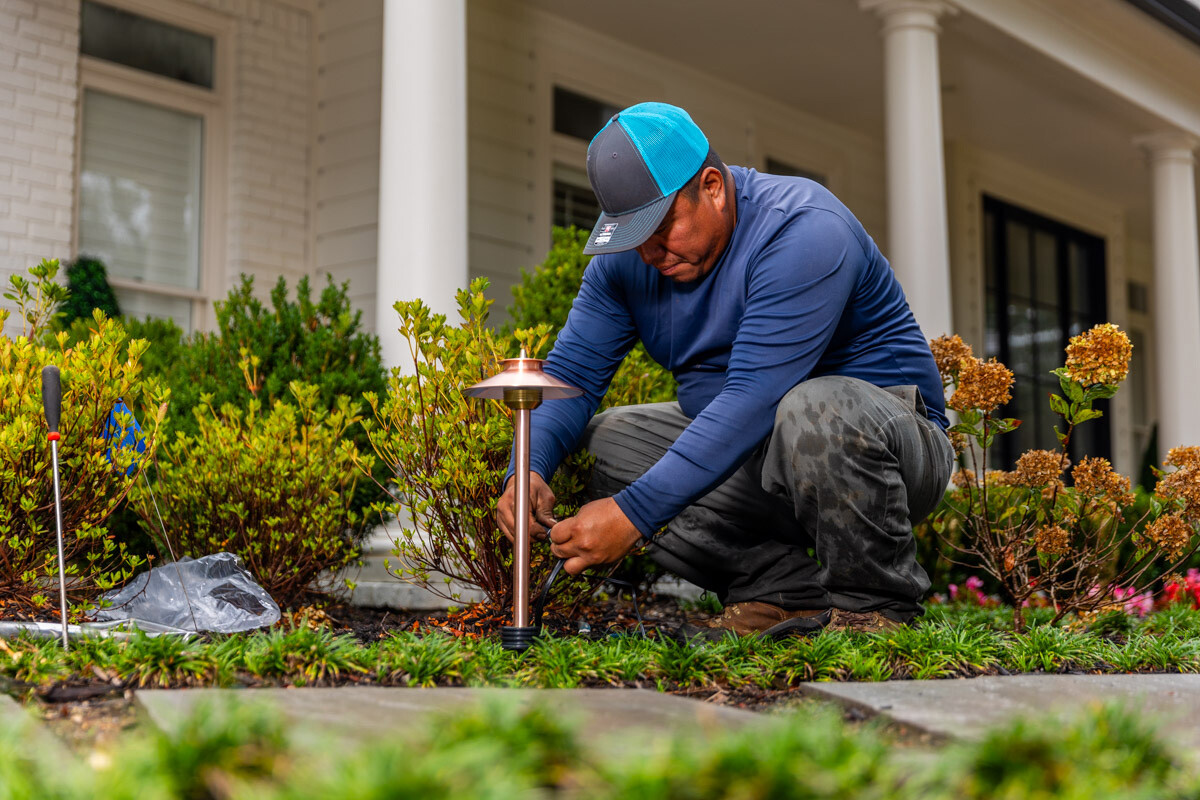
Several common mistakes can compromise wire management in outdoor landscapes. Burying wires too shallow, using improper conduit types, neglecting weatherproofing, and overloading circuits are frequent errors. Failing to plan wire routes around obstacles or ignoring electrical codes can lead to hazards and costly repairs. Another mistake is inadequate labeling, which complicates maintenance. Avoiding these errors by following best practices ensures a safe, organized, and durable outdoor wiring system that enhances both aesthetics and functionality.
Conclusion
Organized wire management in outdoor landscaping provides multiple long-term benefits, including safety, efficiency, durability, and aesthetics. Proper planning, use of conduits, protective accessories, and adherence to electrical codes ensures that wires remain functional and secure for years. Well-managed wiring simplifies maintenance, allows for future expansion, and reduces the risk of accidents or damage. Beyond functionality, neat and concealed wiring enhances the visual appeal of gardens, pathways, patios, and commercial landscapes. Investing time and resources into proper wire management ultimately creates safe, efficient, and beautiful outdoor spaces that stand the test of time.
FAQs
1. Why is wire management important outdoors?
It ensures safety, prevents electrical hazards, protects wires from weather, and keeps your landscape visually neat.
2. What types of wires are used in outdoor landscaping?
Low-voltage wires for lighting, high-voltage wires for outlets, and specialty wires for irrigation, security, or audio systems.
3. How deep should outdoor wires be buried?
Low-voltage wires: 6–12 inches; high-voltage wires: 18–24 inches, following local electrical codes.
4. How can I protect outdoor wires from damage?
Use conduits, cable sleeves, waterproof junction boxes, and UV-resistant insulation to shield wires from moisture, sun, and physical hazards.
5. Can I use temporary wiring for holidays or events?
Yes, use weatherproof extension cords, cable covers, and remove them promptly to prevent damage and hazards.
Keep an eye for more latest news & updates on premiumtechy!