A 200 amp electrical service is the modern standard for most medium to large homes. It refers to the total electrical capacity available from your utility company to your main electrical panel. This service allows up to 200 amps of current to safely flow through your home’s electrical system at one time. A 200 amp service can easily power today’s high-demand appliances, including HVAC systems, electric vehicles, and multiple smart devices. The main panel connects to the meter through properly sized service entrance wires that are rated to handle this load continuously.
A 200 amp electrical service is the modern standard for homes, providing enough power for high-demand appliances like HVAC systems, EV chargers, and smart devices. For safe and code-compliant installation, the recommended wire sizes are 3/0 AWG copper or 4/0 AWG aluminum, with larger sizes needed for long distances to reduce voltage drop. Choosing the correct wire type, following NEC guidelines, and ensuring proper grounding guarantees efficiency, safety, and long-term reliability.
In this article, we discuss the topic of “wire for 200 amp service“.
Why 200 Amp Service Is the New Standard for Modern Homes
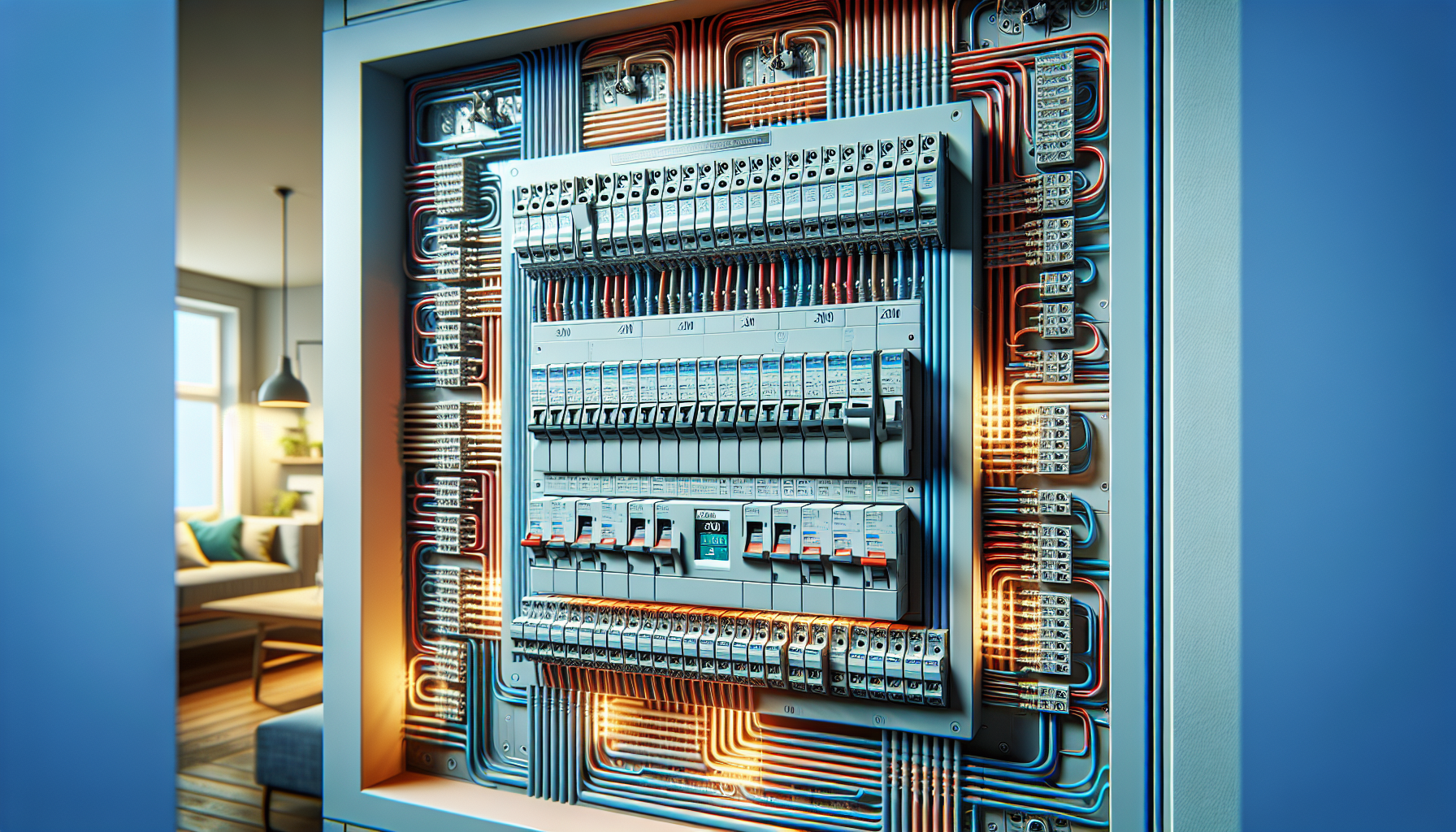
With modern households relying heavily on high-power appliances, home offices, and EV chargers, the old 100-amp service panels are no longer enough. Upgrading to 200 amps ensures you have enough capacity for all circuits to operate safely without tripping breakers. Most new residential construction now uses 200 amp panels as the standard minimum. It provides flexibility for future upgrades and supports balanced energy distribution across lighting, heating, and entertainment systems. Having 200 amps available also prevents voltage drops and keeps sensitive electronics running efficiently.
Wire Size Requirements for 200 Amp Service
Choosing the correct wire size for a 200 amp service is crucial for safety and efficiency. According to the National Electrical Code (NEC), you’ll typically need 3/0 AWG copper wire or 4/0 AWG aluminum wire for a 200-amp main panel. These sizes account for current carrying capacity and heat resistance. Using smaller wire can cause overheating and voltage drop, while oversized wire may be expensive and difficult to work with. Always verify ampacity tables and NEC requirements before installation. The wire size also depends on the length of the run, installation type, and environmental temperature.
Choosing the Right Wire Type for 200 Amp Service
There are different types of wires suitable for 200 amp service, such as SER (Service Entrance Cable), THHN/THWN conductors, or USE-2 direct burial cable. The right choice depends on where and how the wire will be installed. For indoor applications, THHN or SER cables in conduit are common. For underground runs from meter to panel, USE-2 aluminum wire is preferred because it’s moisture-resistant and designed for direct burial. Each wire type has different insulation ratings and ampacity limits, so it’s important to select one that matches both code and environmental needs.
NEC Code Requirements for 200 Amp Service Wiring
The National Electrical Code (NEC) establishes minimum safety standards for all electrical installations, including 200 amp services. NEC Article 310 covers conductor sizing, while Article 230 deals with service entrance conductors. For a 200 amp panel, wires must be rated for at least 200 amps under the given insulation temperature rating—typically 75°C or 90°C. Grounding and bonding must comply with NEC Article 250. Conduit fill, bend radius, and termination methods are also regulated. Always confirm with local inspectors or a licensed electrician, as local jurisdictions may have additional rules.
Copper vs Aluminum Wire for 200 Amp Service
Both copper and aluminum can be used for 200 amp services, but each has pros and cons. Copper wire offers higher conductivity, less resistance, and smaller size for the same ampacity. It’s durable and less prone to oxidation but costs more. Aluminum wire, on the other hand, is lighter and more affordable, making it common for long runs. However, it requires larger size (4/0 AWG instead of 3/0) and proper antioxidant paste to prevent corrosion. For most residential applications, aluminum works well if installed correctly; copper remains the premium choice.
What Size Copper Wire for 200 Amp Service?
For copper conductors, the NEC recommends 3/0 AWG copper for a 200 amp main panel. This size safely handles about 225 amps, offering a margin of safety. If the wire run exceeds 100 feet, you may need to upgrade to 4/0 AWG copper to offset voltage drop. Copper’s superior conductivity ensures efficient power delivery even at long distances. For subpanels or special installations, always check the ampacity charts and consider environmental conditions like temperature or insulation type to maintain compliance and performance.
What Size Aluminum Wire for 200 Amp Service?
If you’re using aluminum conductors, you’ll need 4/0 AWG aluminum to safely carry 200 amps. Aluminum wire has lower conductivity, so it must be larger to match copper’s performance. For long runs (over 100 feet), you may need to use 250 MCM aluminum to keep voltage drop under 3%. Aluminum is lighter, easier to pull, and cheaper than copper, which makes it popular for service entrances and underground installations. However, ensure proper torque, oxidation protection, and code-compliant connectors to avoid overheating or loose connections.
Understanding AWG Wire Sizes for 200 Amp Panels
The American Wire Gauge (AWG) system measures wire diameter—smaller numbers mean thicker wires. For a 200 amp service, wires between 2/0 and 4/0 AWG are typical, depending on material and distance. Larger gauge wires reduce resistance and voltage drop but can be difficult to install in conduits. Knowing how AWG sizes translate into ampacity helps electricians and homeowners choose the right conductor without overpaying or compromising safety. Always refer to the NEC ampacity table (Table 310.16) for accurate wire sizing.
Comparing 2/0 vs 3/0 Wire for 200 Amp Service
Both 2/0 and 3/0 copper wires are used for heavy-duty service applications, but their ampacity differs. 2/0 copper typically supports around 195–200 amps, which puts it at maximum load for a 200 amp service. 3/0 copper, rated around 225 amps, offers a safer margin and better performance during peak demand. If your wire run is long or includes multiple bends, 3/0 is the recommended choice. Using 2/0 may technically work in some short runs, but it limits future expansion and can cause higher voltage drop.
Ampacity Ratings Explained for 200 Amp Service
Ampacity refers to the maximum current a wire can safely carry without overheating. Every wire size, insulation type, and material has its own ampacity rating defined by the National Electrical Code (NEC). For a 200 amp service, copper conductors generally need an ampacity of at least 200 amps, while aluminum requires a higher gauge to achieve the same rating. For example, 3/0 copper is rated at 225 amps and 4/0 aluminum at 205 amps at 75°C. Always match wire ampacity with breaker ratings to prevent overheating and maintain electrical safety.
How to Calculate the Correct Wire Size for 200 Amp Load
Determining the right wire size for a 200 amp load involves three main factors: distance, voltage drop, and conductor type. Start by identifying your total load in amps and the length of the run. Longer distances create more resistance, causing voltage drop. Use the voltage drop formula or a calculator to ensure that loss stays under 3%. Once you have the amperage and distance, refer to NEC tables for recommended wire sizes. Upsize your wire if your run exceeds 100 feet or if local conditions demand higher ampacity.
Voltage Drop Considerations for 200 Amp Service
Voltage drop is a natural loss of voltage as electricity travels through conductors. For 200 amp services, a voltage drop greater than 3% can cause lights to dim and appliances to underperform. To reduce this, use thicker wire or higher gauge conductors, especially for long runs. For instance, if your meter is 150 feet from the main panel, you might choose 4/0 copper instead of 3/0. Proper voltage drop management ensures efficient energy use and prevents damage to sensitive electronics and motors.
Wire Distance Chart for 200 Amp Service
Here’s a simple reference guide for wire distance at 240 volts and 3% voltage drop:
| Distance (Feet) | Copper Wire Size | Aluminum Wire Size |
| 50 ft | 3/0 AWG | 4/0 AWG |
| 100 ft | 4/0 AWG | 250 MCM |
| 150 ft | 250 MCM | 350 MCM |
| 200 ft | 300 MCM | 400 MCM |
This table shows how wire size must increase with distance. Always consult a licensed electrician to confirm the best option for your specific layout and load demand.
Maximum Distance You Can Run 200 Amp Service Wire
The maximum distance for a 200 amp wire run depends on maintaining voltage drop within acceptable limits. For 3/0 copper, the safe distance is roughly 100 feet, while 4/0 aluminum can handle about the same distance under standard conditions. Beyond that, you must upsize to reduce resistance. In larger properties or detached buildings, voltage loss becomes a significant concern. For distances over 150 feet, consider using 250 or 300 MCM copper conductors for efficiency and compliance with NEC recommendations.
Underground Wire for 200 Amp Service
Underground installations require wire rated for direct burial or use within conduit. The most popular options are USE-2 or URD aluminum cables, which have insulation designed to withstand moisture and soil conditions. Copper options, while more expensive, offer better conductivity and corrosion resistance. The wires are typically buried at least 24 inches deep according to NEC 300.5. Proper conduit, warning tape, and drainage considerations are essential to ensure long-term safety and durability of the underground service connection.
Overhead Wire for 200 Amp Service
For overhead 200 amp service, triplex aluminum service drop cable is the standard choice. It consists of two insulated conductors and one bare neutral messenger that also serves as the support wire. The conductors are typically 2/0 or 4/0 aluminum, depending on span length and load. Overhead wiring must maintain minimum clearance from the ground—usually 10 to 12 feet above walkways and 18 feet above driveways. Using properly tensioned and weather-resistant cables ensures reliable performance in all weather conditions.
Conduit Size for 200 Amp Service Wire
When pulling large wires like 3/0 or 4/0, conduit size matters. The NEC recommends at least a 2-inch PVC or EMT conduit for three 3/0 copper conductors or 4/0 aluminum wires. A larger 2.5-inch conduit may be used for easier pulling and heat dissipation. Ensure proper bend radius and spacing to avoid damaging insulation. For underground installations, use Schedule 80 PVC for added strength. Always verify conduit fill percentages to comply with NEC Table 1, Chapter 9, and avoid overcrowding.
Direct Burial Cable Options for 200 Amp Panels
Direct burial cables eliminate the need for conduit in many cases. USE-2 and RHH/RHW-2 aluminum cables are specifically rated for burial applications. These cables feature cross-linked polyethylene (XLPE) insulation that resists moisture, sunlight, and chemicals. For residential service, direct burial saves time and reduces installation costs. However, in rocky or unstable soil, conduit protection may still be required. Always check with your local electrical authority to confirm burial depth and approved cable types for your area.
Ground Wire Size for 200 Amp Service
Grounding is a key part of any 200 amp installation. The NEC specifies that for a 200 amp service, the minimum ground wire size should be #4 AWG copper or #2 AWG aluminum. This conductor connects the panel to the ground rod or other grounding electrode. Its main role is to provide a low-resistance path for fault current, protecting people and equipment from shock hazards. For long runs or corrosive environments, always use copper for better durability and performance.
Understanding 2/0 Copper Wire for 200 Amp Service
2/0 copper wire, also known as 2/0 AWG, is one of the most popular wire sizes used for 200 amp electrical service. It has a diameter of roughly 0.365 inches and a cross-sectional area of about 67,000 circular miles. This large surface area allows it to safely conduct up to 195–200 amps of current, depending on insulation type and temperature. 2/0 copper wire is durable, flexible, and highly conductive, which makes it ideal for both residential and light commercial installations. However, when used for long distances, upsizing may be necessary to compensate for voltage drop.
Why 2/0 Copper Wire Is Recommended for 200 Amp Panels
Electricians often recommend 2/0 copper wire for 200 amp panels because it meets most standard installation requirements and provides reliable performance. Copper offers superior conductivity compared to aluminum, meaning it transmits electricity with less resistance and heat buildup. This reduces the risk of overheating and improves energy efficiency. Moreover, copper is more durable, less prone to corrosion, and maintains strong terminal connections over time. While slightly more expensive than aluminum, 2/0 copper provides long-term reliability and safety—qualities that are crucial for home power systems.
When to Use 3/0 Copper or 4/0 Aluminum Wire
For most residential installations, 2/0 copper or 4/0 aluminum is sufficient for a 200 amp service. However, when the service run exceeds 100 feet, voltage drop becomes a concern. In that case, electricians often upgrade to 3/0 copper or 250 MCM aluminum to maintain efficiency. At distances beyond 150 feet, 4/0 aluminum or 300 MCM copper may be necessary. Using larger wire ensures proper voltage levels and prevents loss of power efficiency. Always consider both the material type and run distance when upsizing conductors.
How Ambient Temperature Affects Wire Size Selection
Temperature has a direct effect on wire performance and ampacity. Higher ambient temperatures increase conductor resistance, which can reduce a wire’s current-carrying capacity. The NEC provides temperature correction factors for ampacity ratings above 30°C (86°F). For example, if wires are installed in an attic or conduit exposed to heat, you may need to choose a larger size or a higher-rated insulation such as THHN or XHHW-2. Proper temperature compensation ensures safe operation and prevents premature insulation failure in high-heat environments.
Common Mistakes When Choosing Wire for 200 Amp Service
Several common mistakes occur when selecting wire for 200 amp service. The most frequent is using undersized wire, which leads to overheating and voltage drop. Others include neglecting to account for run length, using the wrong wire type for the environment, or skipping NEC code checks. Some homeowners also confuse aluminum and copper sizing, not realizing aluminum requires larger conductors. Finally, failing to use antioxidant paste or torque connectors correctly can cause loose joints and fire hazards. Always double-check your wire choice before installation.
Voltage Drop Calculator for 200 Amp Wire Runs
A voltage drop calculator helps determine if your chosen wire can maintain efficiency over a specific distance. Input variables include wire size, material type, current load, and distance. For a 200 amp load over 100 feet using copper wire, voltage drop is roughly 2.8%. However, aluminum wire may experience up to 3.5% for the same length. Keeping voltage drop under 3% ensures optimal appliance performance and prevents wasted energy. Many online calculators or NEC reference tables can help you verify this before purchasing wire.
Long-Distance Runs: When to Upsize Your Wire
When your main panel or subpanel is located far from the meter—such as in a detached garage or large property—you’ll likely need to upsize your wire. For example, if the distance exceeds 150 feet, 4/0 aluminum or 250 MCM copper becomes the recommended choice. This prevents voltage loss and maintains stable performance during peak demand. Upsizing wire is especially important for systems that power high-demand loads like electric vehicle chargers, HVAC units, or welders. It’s a small investment that ensures consistent, safe power delivery.
Choosing Between THHN, SER, and USE-2 Cables
Each cable type serves a specific purpose for 200 amp installations. THHN/THWN wire is best for conduit-based indoor or outdoor runs and offers high heat resistance. SER cable is a flexible service entrance cable used for above-ground installations from the meter to the panel. USE-2 cable, on the other hand, is designed for underground or direct burial applications, with tough XLPE insulation that resists moisture and corrosion. Choosing the right type depends on your layout, exposure to weather, and local code requirements.
Indoor vs Outdoor Cable for 200 Amp Installation
Indoor wiring typically uses THHN or SER cable protected in conduit, while outdoor or underground applications use USE-2 or URD aluminum cable. Indoor environments are controlled, allowing for smaller conduit and less insulation, but outdoor cables must handle UV exposure, temperature swings, and moisture. In humid climates or near the coast, copper may outperform aluminum due to corrosion resistance. Always match your cable’s insulation rating to the environment to ensure compliance with NEC and long-term safety.
How to Run 200 Amp Service to a Detached Garage
Running a 200 amp service to a detached garage requires planning and code compliance. You’ll need a subpanel rated at 200 amps, properly sized conductors, and a secure conduit or burial path. If running underground, use USE-2 aluminum or THWN copper in conduit buried at least 24 inches deep. Ground the subpanel separately with its own ground rod, and keep neutral and ground wires isolated. Before trenching, contact your local utility for approval and inspection to ensure a safe and compliant setup.
Installation Guidelines for 200 Amp Service Wire
Installing a 200 amp service wire requires precise planning and adherence to local and national electrical codes. Begin by verifying that your service panel, meter base, and disconnect switch are all rated for 200 amps. Use properly sized conductors—typically 3/0 copper or 4/0 aluminum—and make sure all connections are tight and corrosion-free. Run wires through approved conduit, avoiding sharp bends that could damage insulation. Always leave enough slack for future maintenance and ensure neutral and ground conductors are connected correctly. A licensed electrician should review or perform the installation to guarantee full code compliance and safety.
Safety Tips for Installing 200 Amp Service
Safety is paramount when dealing with high-capacity electrical systems. Always shut off power at the main disconnect before working on any connections. Wear insulated gloves and use properly rated tools. Avoid working in damp areas, and ensure your ladder or workspace is dry. Never attempt to install or upgrade a 200 amp service without understanding electrical hazards and NEC standards. Improper wiring can result in serious shock, fire, or equipment damage. When in doubt, hire a licensed professional to handle terminations and inspections.
Tools and Materials Needed for Wiring 200 Amp Panel

Before starting a 200 amp service installation, gather all essential tools and materials. You’ll need heavy-duty wire cutters, conduit benders, torque wrenches, screwdrivers, electrical tape, wire pulling lubricant, and voltage testers. Materials include 3/0 copper or 4/0 aluminum conductors, conduit (PVC or EMT), cable connectors, lugs, and grounding rods. A 200 amp main breaker panel, meter socket, and service disconnect are also required. Using high-quality materials and the correct tools ensures smooth installation and long-term reliability of your electrical system.
Step-by-Step 200 Amp Service Wire Installation Process
- Mount the meter base and main panel at the designated location according to utility specifications.
- Install conduit from the meter to the panel, ensuring proper support and alignment.
- Pull service entrance conductors—typically 3/0 copper or 4/0 aluminum—through the conduit.
- Connect the wires to the meter lugs and the main breaker, tightening to manufacturer-specified torque.
- Install grounding electrodes and connect with the appropriate ground wire size (#4 copper or #2 aluminum).
- Label circuits and test voltage across the system before finalizing.
Always schedule an inspection before energizing the service to ensure compliance and safety.
Grounding and Bonding Requirements for 200 Amp Panels
Proper grounding and bonding protect both equipment and people from electrical faults. For a 200 amp service, the NEC requires a #4 AWG copper or #2 AWG aluminum grounding electrode conductor connected to a ground rod (typically 8 feet long). Bond all metallic enclosures and panels to ensure they share a common ground potential. Inside the main panel, neutral and ground bars are bonded, while subpanels must keep them isolated. Following NEC Article 250 ensures the electrical system remains stable and minimizes shock hazards.
Conduit Fill and Bending Rules for Large Gauge Wire
Large conductors like 3/0 or 4/0 can be challenging to route through conduit. The NEC’s Chapter 9 Table 1 limits conduit fill to 40% of total area for three or more conductors. For 200 amp wiring, a 2-inch PVC or EMT conduit is the minimum recommended size. When bending conduit, use long sweeps rather than sharp turns to avoid damaging insulation or making wire pulls difficult. Applying wire-pulling lubricant helps reduce friction and prevents conductor insulation from scuffing during installation.
Checking Voltage and Load After Installation
After completing your 200 amp service installation, always verify system voltage and load balance. Use a multimeter to check voltage between phases and from phase to neutral; typical residential readings should be around 240 volts (phase-to-phase) and 120 volts (phase-to-neutral). Then test amperage under load to ensure no conductor is overloaded. Uneven load distribution can cause overheating or breaker tripping. Regular monitoring during the first week of operation helps confirm that the installation performs efficiently and safely.
How to Test Your 200 Amp Service for Efficiency
Testing ensures your 200 amp service delivers optimal performance. Begin by measuring voltage drop under typical load conditions—values under 3% are ideal. Check for warm spots at lugs or terminals, which can indicate loose connections. Test ground resistance; values below 25 ohms are generally acceptable per NEC standards. You can also use a clamp meter to measure amperage on each leg, ensuring the load is balanced between phases. Keeping detailed records of test results provides a valuable reference for future maintenance.
Inspecting and Maintaining 200 Amp Service Wiring
Routine inspections are essential to keep your electrical service safe and efficient. Inspect visible wiring annually for signs of wear, corrosion, or loose connections. Check the panel for tripped breakers or burned marks that may signal overload. Tighten all terminal screws to manufacturer torque ratings and verify grounding continuity. Cleaning dust and debris from the panel also prevents overheating. Professional inspections every few years help detect hidden issues early, extending the lifespan of your entire electrical system.
Upgrading from 100 Amp to 200 Amp Service Safely
Upgrading from a 100 amp to a 200 amp service is a significant improvement in capacity and reliability. The process involves replacing the meter base, main panel, and service entrance conductors with 200-amp-rated equipment. You’ll also need to coordinate with your utility provider to disconnect and reconnect service safely. Because this work involves live feeds and high current, it’s best performed by a licensed electrician. Once upgraded, your home can support more appliances, EV chargers, and future energy needs without overloading the system.
Wire Size for 200 Amp Subpanel
When wiring a 200 amp subpanel, conductor sizing depends on both the amp rating of the subpanel and distance from the main panel. If the subpanel is rated for a full 200 amps and located close to the main service, use 3/0 AWG copper or 4/0 AWG aluminum. For subpanels that supply less current, you can size down accordingly—for example, 1/0 copper for 150 amps. Always include a four-wire feeder: two hots, one neutral, and one ground. Keep the ground and neutral isolated inside the subpanel to prevent grounding issues and feedback currents.
Wire Size for 200 Amp Meter Base to Panel
The connection between the meter base and the main breaker panel carries the entire household load, so correct wire sizing is critical. For standard installations, use 3/0 copper or 4/0 aluminum SER cable. If the meter is mounted on the same wall as the panel, shorter runs may allow these standard sizes. However, if the run exceeds 75–100 feet, consider upsizing to 250 MCM aluminum or 4/0 copper to reduce voltage drop. Ensure the wire insulation is rated for at least 75°C and the terminals match the conductor type.
200 Amp Wire for Mobile Homes and Modular Buildings
Mobile homes and modular buildings often require special wiring setups that comply with HUD and NEC Article 550 standards. Most use a 200 amp service disconnect mounted on a post or pedestal outside, feeding a main panel inside. The conductors between the disconnect and panel are typically 4/0-4/0-4/0-2/0 aluminum URD cable, designed for underground use. Because these homes are frequently relocated or installed on open lots, durable and weather-resistant materials are essential. Always confirm with local building authorities before installing or upgrading the electrical service.
Commercial Applications of 200 Amp Service
A 200 amp service isn’t limited to homes—it’s common in small commercial buildings, such as retail shops, restaurants, and offices. These locations often require higher loads for lighting, HVAC systems, and specialized equipment. Copper is generally preferred in commercial environments due to its higher conductivity and reliability under continuous load. Businesses also benefit from dedicated subpanels and surge protection devices to handle fluctuating power demands. Properly sized conductors and balanced circuits help prevent downtime and extend the life of sensitive electronics.
Industrial Uses for 200 Amp Service Wiring
In light industrial settings, a 200 amp service may supply workshops, warehouses, or small manufacturing equipment. These installations typically include three-phase service for balanced power delivery. Conductors must be rated not only for current but also for heat, vibration, and chemical exposure. THHN copper wire in conduit is often chosen for its durability and easy maintenance. Industrial electricians follow stricter NEC standards for conductor spacing, grounding, and overload protection. Proper installation ensures stable performance for heavy machinery and critical operations.
How Much Does Wire for 200 Amp Service Cost?
The total cost of wiring a 200 amp service varies depending on material, distance, and installation complexity. As of recent estimates, copper wire costs between $5 and $8 per foot, while aluminum ranges from $2 to $4 per foot. For a typical 50-foot run, expect to pay $250–$400 for aluminum or $500–$700 for copper, excluding conduit and labor. Underground installations are usually more expensive due to trenching and protective materials. Always factor in additional components such as lugs, conduit, and ground rods when estimating total project costs.
Price Comparison: Copper vs Aluminum per Foot
Copper wire remains the premium option but is significantly more expensive than aluminum. On average, 3/0 AWG copper costs around $7.00 per foot, whereas 4/0 AWG aluminum costs about $3.00 per foot. While copper provides better conductivity and smaller wire size, aluminum’s lower price makes it attractive for long runs. The key is to balance performance with cost: for short distances and indoor use, copper is ideal; for longer underground or overhead runs, aluminum provides excellent value without compromising safety when installed correctly.
Long-Term Savings with Copper Wire
Although copper wire has a higher upfront cost, it can save money in the long run through better energy efficiency and lower maintenance. Copper’s low resistance reduces energy loss, which can add up over years of operation. It also withstands temperature fluctuations and corrosion better than aluminum, resulting in fewer connection issues. Because copper connections stay tight longer, you’ll avoid costly repairs or downtime. For homeowners planning long-term occupancy or businesses requiring stable, efficient service, copper wiring is a worthwhile investment.
How to Choose the Best Brand of Wire for 200 Amp Service
Choosing a reputable wire brand ensures quality, compliance, and long-term reliability. Some of the best brands include Southwire, Cerrowire, Encore Wire, and General Cable. These manufacturers produce both copper and aluminum conductors rated for 200 amp service, tested for durability and flexibility. Always check that the cable is UL-listed and compliant with NEC and ASTM standards. Avoid unbranded or counterfeit wire, as inferior insulation and metal purity can cause overheating or failure. A trusted brand provides consistent performance and peace of mind for years to come.
Conclusion
A properly designed and installed 200 amp electrical service ensures your home or business can safely meet modern energy demands. From selecting the right wire size—3/0 copper or 4/0 aluminum—to following NEC code requirements, every step matters for efficiency and safety. Whether you’re upgrading an older panel, wiring a new property, or powering a detached structure, correct wire sizing, grounding, and installation techniques are essential. Investing in high-quality materials and professional installation guarantees stable power, reduced maintenance, and lasting performance for decades.
FAQs
Q1: Can I use aluminum wire safely for 200 amp service?
Yes, if installed correctly with antioxidant paste and rated connectors.
Q2: What’s the best wire for underground 200 amp runs?
USE-2 or URD aluminum cable is ideal for direct burial or conduit.
Q3: What conduit size should I use?
A 2-inch PVC or EMT conduit typically meets code for 3/0 copper or 4/0 aluminum.
Q4: Do I need a permit for a 200 amp service upgrade?
Yes, most jurisdictions require a permit and inspection.
Q5: How far can I run 200 amp service?
Up to about 100 feet with standard wire; beyond that, upsize conductors to reduce voltage drop.
Q6: Can I use a smaller wire size if my 200 amp service is only lightly loaded?
Even if your load is lower, you must still size the wire according to the breaker rating, not just the current draw. Using smaller wire can create overheating hazards and violate NEC code. Always size conductors to handle the maximum rated amperage safely.
Q7: What type of wire insulation is best for outdoor 200 amp installations?
For outdoor or underground applications, USE-2 or RHH/RHW-2 insulation is recommended because it resists moisture, sunlight, and temperature extremes. For indoor conduit runs, THHN or THWN-2 is ideal. Choose insulation based on the environment and exposure conditions.
Q8: Do I need to upgrade my grounding system when installing a 200 amp service?
Yes. A 200 amp service requires a properly sized grounding electrode conductor—typically #4 AWG copper or #2 AWG aluminum—connected to ground rods, water pipes, or concrete-encased electrodes. Upgrading the grounding system ensures safety and compliance with NEC Article 250.
Q9: How long does it take to install or upgrade to 200 amp service?
A professional installation typically takes one full day for standard residential setups, but larger or more complex jobs may require two to three days. This includes disconnecting old wiring, installing the new panel, running conductors, grounding, and passing inspection.
Q10: What signs indicate that I need to upgrade to a 200 amp service?
Frequent breaker trips, flickering lights, and insufficient outlets are common signs. If you’ve added high-demand appliances like electric ranges, EV chargers, or HVAC systems, upgrading ensures you have enough power for safe, reliable operation. It also increases your home’s resale value and capacity for future expansion.
Keep an eye for more latest news & updates on premiumtechy!