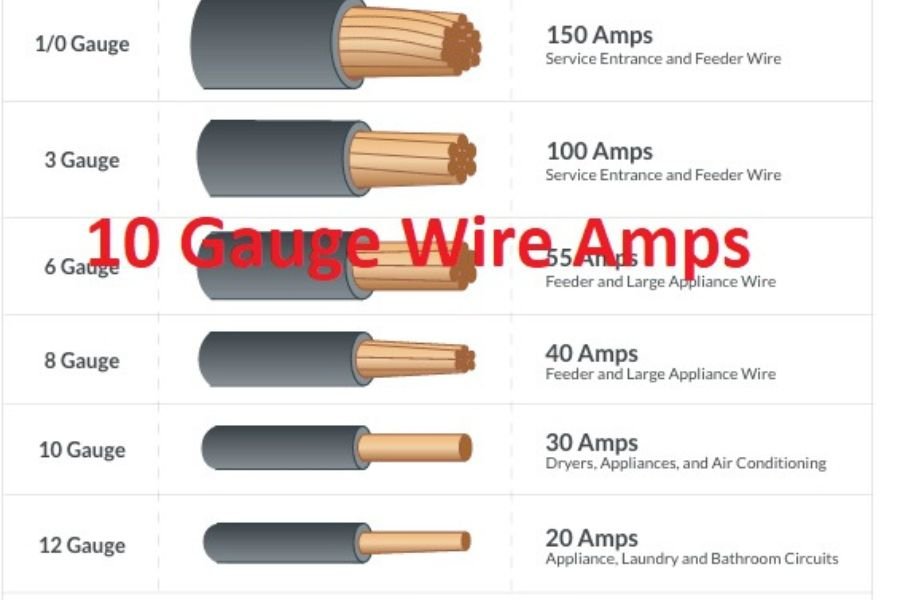
Choosing the right wire size for a 30 amp circuit is crucial for safety, performance, and code compliance. In most residential or RV applications, the standard recommendation is 10 AWG copper wire. This wire gauge can safely carry 30 amps without overheating. However, depending on the length of the wire run and ambient temperature, you might need to size up to 8 AWG to minimize voltage drop and ensure consistent power delivery.
For a 30-amp circuit, the correct wire size is 10 AWG copper, which safely handles the load under standard NEC conditions. If the wire run is long (over 75–100 feet) or installed in high-temperature or outdoor environments, upsizing to 8 AWG helps reduce voltage drop and improve performance. Using the proper wire size ensures safety, code compliance, and reliable operation for appliances like dryers, RV plugs, and air conditioners.
In this article, we discuss the topic of “what size wire for a 30 amp”.
Understanding How Wire Gauge Affects a 30 Amp Breaker

Wire gauge determines how much electrical current a wire can safely handle. The smaller the gauge number, the thicker the wire, and the more current it can carry. For a 30 amp breaker, using too small a gauge can cause the wire to overheat, leading to insulation damage or even fire hazards. Correctly matching the wire gauge to the breaker ensures that the circuit functions safely and efficiently under continuous load.
What Does “30 Amp” Really Mean in Electrical Terms?
“30 amp” refers to the maximum current a breaker or circuit is designed to handle safely. This means the circuit can deliver up to 30 amperes of current before the breaker trips to prevent overload. Understanding this helps you select wires, outlets, and appliances that are compatible with the circuit’s capacity. Running equipment that draws more than 30 amps on this circuit risks tripping the breaker or damaging components.
Recommended Wire Gauge for a 30 Amp Breaker
The National Electrical Code (NEC) recommends using 10 AWG copper wire for 30 amp circuits under typical conditions. This gauge provides an ideal balance between capacity, safety, and flexibility. Aluminum wire, while acceptable in certain installations, should be one size larger — typically 8 AWG aluminum — due to its higher resistance and lower conductivity. Always check NEC tables and manufacturer guidelines for your specific application.
Is 10 AWG the Correct Wire Size for 30 Amps?
Yes, 10 AWG copper wire is generally the correct and most commonly used wire size for a 30 amp breaker. It’s rated to handle the current load safely without overheating. However, environmental factors such as temperature, conduit type, or long distances can alter performance. For wire runs exceeding 100 feet, electricians often recommend upsizing to 8 AWG to reduce voltage drop and maintain power efficiency.
When to Use 8 Gauge Wire for a 30 Amp Circuit
Using 8 AWG wire for a 30 amp circuit is necessary when the total wire run is long or when the circuit operates in a high-temperature environment. Longer runs create resistance that causes voltage drop, reducing the effectiveness of connected equipment. By using thicker 8 AWG copper wire, you minimize loss and keep the current stable. This is especially useful in RVs, detached garages, or outdoor setups where wire lengths exceed normal household distances.
Copper vs. Aluminum Wire for a 30 Amp Breaker
Copper wire is preferred for most 30 amp circuits because of its superior conductivity and resistance to corrosion. Aluminum wire can still be used, but it must be upsized to handle the same current safely. For instance, if you’re using 10 AWG copper, you would need 8 AWG aluminum. Always apply anti-oxidant compound on aluminum terminations and ensure connections are tight to prevent resistance heating and future failure.
NEC Code Requirements for 30 Amp Wire Size
The National Electrical Code (NEC) provides strict guidelines for selecting wire sizes based on amperage and application type. According to NEC Table 310.16, 10 AWG copper is rated for up to 30 amps under standard conditions. However, continuous loads (running for three hours or more) must not exceed 80% of the breaker’s rating. Always follow local electrical codes and inspect installations for proper grounding and insulation.
The 80% Rule: How It Impacts 30 Amp Wire Selection
The 80% rule states that a circuit’s continuous load should not exceed 80% of its breaker rating. For a 30 amp breaker, that equals 24 amps of continuous load. This rule helps prevent overheating and ensures long-term reliability. When calculating total electrical demand, consider the devices connected to the circuit and ensure they collectively draw no more than 24 amps continuously to stay within safe operating limits.
Wire Size for a 30 Amp Circuit at Different Distances
Distance plays a key role in determining the correct wire size. The longer the wire run, the greater the resistance and voltage drop. For short runs under 50 feet, 10 AWG copper is sufficient. Between 50What Size Wire Do You Need for a 30 Amp Circuit?
Choosing the right wire size for a 30 amp circuit is crucial for safety, performance, and code compliance. In most residential or RV applications, the standard recommendation is 10 AWG copper wire. This wire gauge can safely carry 30 amps without overheating. However, depending on the length of the wire run and ambient temperature, you might need to size up to 8 AWG to minimize voltage drop and ensure consistent power delivery.
Understanding How Wire Gauge Affects a 30 Amp Breaker
Wire gauge determines how much electrical current a wire can safely handle. The smaller the gauge number, the thicker the wire, and the more current it can carry. For a 30 amp breaker, using too small a gauge can cause the wire to overheat, leading to insulation damage or even fire hazards. Correctly matching the wire gauge to the breaker ensures that the circuit functions safely and efficiently under continuous load.
What Does “30 Amp” Really Mean in Electrical Terms?
“30 amp” refers to the maximum current a breaker or circuit is designed to handle safely. This means the circuit can deliver up to 30 amperes of current before the breaker trips to prevent overload. Understanding this helps you select wires, outlets, and appliances that are compatible with the circuit’s capacity. Running equipment that draws more than 30 amps on this circuit risks tripping the breaker or damaging components.
Recommended Wire Gauge for a 30 Amp Breaker
The National Electrical Code (NEC) recommends using 10 AWG copper wire for 30 amp circuits under typical conditions. This gauge provides an ideal balance between capacity, safety, and flexibility. Aluminum wire, while acceptable in certain installations, should be one size larger — typically 8 AWG aluminum — due to its higher resistance and lower conductivity. Always check NEC tables and manufacturer guidelines for your specific application.
Is 10 AWG the Correct Wire Size for 30 Amps?
Yes, 10 AWG copper wire is generally the correct and most commonly used wire size for a 30 amp breaker. It’s rated to handle the current load safely without overheating. However, environmental factors such as temperature, conduit type, or long distances can alter performance. For wire runs exceeding 100 feet, electricians often recommend upsizing to 8 AWG to reduce voltage drop and maintain power efficiency.
When to Use 8 Gauge Wire for a 30 Amp Circuit
Using 8 AWG wire for a 30 amp circuit is necessary when the total wire run is long or when the circuit operates in a high-temperature environment. Longer runs create resistance that causes voltage drop, reducing the effectiveness of connected equipment. By using thicker 8 AWG copper wire, you minimize loss and keep the current stable. This is especially useful in RVs, detached garages, or outdoor setups where wire lengths exceed normal household distances.
Copper vs. Aluminum Wire for a 30 Amp Breaker
Copper wire is preferred for most 30 amp circuits because of its superior conductivity and resistance to corrosion. Aluminum wire can still be used, but it must be upsized to handle the same current safely. For instance, if you’re using 10 AWG copper, you would need 8 AWG aluminum. Always apply anti-oxidant compound on aluminum terminations and ensure connections are tight to prevent resistance heating and future failure.
NEC Code Requirements for 30 Amp Wire Size
The National Electrical Code (NEC) provides strict guidelines for selecting wire sizes based on amperage and application type. According to NEC Table 310.16, 10 AWG copper is rated for up to 30 amps under standard conditions. However, continuous loads (running for three hours or more) must not exceed 80% of the breaker’s rating. Always follow local electrical codes and inspect installations for proper grounding and insulation.
The 80% Rule: How It Impacts 30 Amp Wire Selection
The 80% rule states that a circuit’s continuous load should not exceed 80% of its breaker rating. For a 30 amp breaker, that equals 24 amps of continuous load. This rule helps prevent overheating and ensures long-term reliability. When calculating total electrical demand, consider the devices connected to the circuit and ensure they collectively draw no more than 24 amps continuously to stay within safe operating limits.
Wire Size for a 30 Amp Circuit at Different Distances
Distance plays a key role in determining the correct wire size. The longer the wire run, the greater the resistance and voltage drop. For short runs under 50 feet, 10 AWG copper is sufficient. Between 50–100 feet, 8 AWG is recommended, while extremely long runs may require 6 AWG. These adjustments maintain voltage levels near 120V or 240V, ensuring appliances and tools operate efficiently and without strain.
How Far Can You Run a 30 Amp Circuit on 10 Gauge Wire?
A 10 AWG copper wire can safely run up to about 50–75 feet for a 30 amp circuit without noticeable voltage drop. Beyond that, the efficiency of the circuit starts to decrease, especially for high-load devices like air conditioners or dryers. If your setup requires longer wiring, it’s best to use 8 AWG to maintain power stability. This is critical for outdoor or RV installations where wire runs often exceed standard distances.
What Happens if You Use the Wrong Size Wire for 30 Amps?
Using an undersized wire for a 30 amp circuit can lead to overheating, tripping breakers, and even electrical fires. Smaller wires increase resistance, which converts excess current into heat. Over time, this damages insulation and can lead to arcing or complete circuit failure. Conversely, using an overly large wire won’t harm the system but increases costs and installation difficulty. Proper wire sizing balances safety, cost, and performance.
Why Wire Size Is Critical for Safety and Performance
Choosing the right wire size ensures that electrical current flows efficiently with minimal resistance. When wire size is too small, heat buildup can degrade insulation and cause dangerous short circuits. Properly sized wires prevent excessive voltage drop, extend equipment lifespan, and maintain compliance with electrical codes. In essence, correct wire sizing is not just about efficiency—it’s about protecting property and lives from electrical hazards.
Ampacity Chart for Choosing the Right 30 Amp Wire
An ampacity chart lists the maximum current each wire gauge can carry safely. For 30 amps, 10 AWG copper and 8 AWG aluminum are standard. Ampacity changes depending on temperature ratings of insulation (60°C, 75°C, 90°C). Always verify wire insulation ratings before purchase. Charts are essential for electricians designing circuits that balance load demand with environmental and installation factors.
Voltage Drop Considerations for 30 Amp Circuits
Voltage drop occurs when electrical current travels over long distances, losing voltage along the way due to resistance. The general rule is to keep voltage drop below 3%. For 30 amp circuits, if your voltage drop exceeds this limit, equipment performance may suffer. Upsizing wire to 8 AWG or even 6 AWG helps reduce drop and maintain consistent voltage delivery, especially for tools or motors sensitive to power fluctuations.
How Ambient Temperature Affects 30 Amp Wire Capacity
High ambient temperatures reduce a wire’s ability to carry current safely. For instance, in hot attics, metal conduits, or outdoor settings, wire ampacity decreases due to increased resistance. The NEC requires derating of wire ampacity in such conditions. In these cases, using thicker wire—such as 8 AWG instead of 10 AWG—helps maintain safe operating temperatures and prevents premature insulation breakdown.
Which Cable Type Is Best for a 30 Amp Breaker?
The best cable type for a 30 amp breaker depends on your installation environment. For indoor applications, NM-B Romex® cable is commonly used. Outdoor or underground installations require UF-B or THWN wires in conduit. Each type has specific insulation and jacket properties suited for moisture, temperature, and exposure conditions. Always match the cable type to your project’s environment for code-compliant performance.
NM-B vs. UF-B vs. THHN: What’s Right for 30 Amp Wiring?
NM-B is ideal for dry, indoor environments and is easy to install within walls. UF-B cable is more durable and moisture-resistant, making it perfect for direct burial or outdoor use. THHN wire, on the other hand, is designed for conduit systems and offers high heat resistance. The correct choice ensures longevity and safety for your 30 amp circuit, whether you’re wiring a workshop, shed, or RV outlet.
Indoor vs. Outdoor Wire Options for 30 Amp Service
Indoor 30 amp circuits typically use 10/2 NM-B cable with ground, suitable for protected spaces like basements or garages. Outdoor circuits, however, need weather-resistant options such as UF-B or THWN in conduit. Outdoor-rated wires resist UV exposure, moisture, and physical damage, maintaining performance under harsh conditions. Always choose outdoor-rated wire when running power to external units or subpanels.
–100 feet, 8 AWG is recommended, while extremely long runs may require 6 AWG. These adjustments maintain voltage levels near 120V or 240V, ensuring appliances and tools operate efficiently and without strain.
How Far Can You Run a 30 Amp Circuit on 10 Gauge Wire?
A 10 AWG copper wire can safely run up to about 50–75 feet for a 30 amp circuit without noticeable voltage drop. Beyond that, the efficiency of the circuit starts to decrease, especially for high-load devices like air conditioners or dryers. If your setup requires longer wiring, it’s best to use 8 AWG to maintain power stability. This is critical for outdoor or RV installations where wire runs often exceed standard distances.
What Happens if You Use the Wrong Size Wire for 30 Amps?
Using an undersized wire for a 30 amp circuit can lead to overheating, tripping breakers, and even electrical fires. Smaller wires increase resistance, which converts excess current into heat. Over time, this damages insulation and can lead to arcing or complete circuit failure. Conversely, using an overly large wire won’t harm the system but increases costs and installation difficulty. Proper wire sizing balances safety, cost, and performance.
Why Wire Size Is Critical for Safety and Performance
Choosing the right wire size ensures that electrical current flows efficiently with minimal resistance. When wire size is too small, heat buildup can degrade insulation and cause dangerous short circuits. Properly sized wires prevent excessive voltage drop, extend equipment lifespan, and maintain compliance with electrical codes. In essence, correct wire sizing is not just about efficiency—it’s about protecting property and lives from electrical hazards.
Ampacity Chart for Choosing the Right 30 Amp Wire
An ampacity chart lists the maximum current each wire gauge can carry safely. For 30 amps, 10 AWG copper and 8 AWG aluminum are standard. Ampacity changes depending on temperature ratings of insulation (60°C, 75°C, 90°C). Always verify wire insulation ratings before purchase. Charts are essential for electricians designing circuits that balance load demand with environmental and installation factors.
Voltage Drop Considerations for 30 Amp Circuits
Voltage drop occurs when electrical current travels over long distances, losing voltage along the way due to resistance. The general rule is to keep voltage drop below 3%. For 30 amp circuits, if your voltage drop exceeds this limit, equipment performance may suffer. Upsizing wire to 8 AWG or even 6 AWG helps reduce drop and maintain consistent voltage delivery, especially for tools or motors sensitive to power fluctuations.
How Ambient Temperature Affects 30 Amp Wire Capacity
High ambient temperatures reduce a wire’s ability to carry current safely. For instance, in hot attics, metal conduits, or outdoor settings, wire ampacity decreases due to increased resistance. The NEC requires derating of wire ampacity in such conditions. In these cases, using thicker wire—such as 8 AWG instead of 10 AWG—helps maintain safe operating temperatures and prevents premature insulation breakdown.
Which Cable Type Is Best for a 30 Amp Breaker?
The best cable type for a 30 amp breaker depends on your installation environment. For indoor applications, NM-B Romex® cable is commonly used. Outdoor or underground installations require UF-B or THWN wires in conduit. Each type has specific insulation and jacket properties suited for moisture, temperature, and exposure conditions. Always match the cable type to your project’s environment for code-compliant performance.
NM-B vs. UF-B vs. THHN: What’s Right for 30 Amp Wiring?
NM-B is ideal for dry, indoor environments and is easy to install within walls. UF-B cable is more durable and moisture-resistant, making it perfect for direct burial or outdoor use. THHN wire, on the other hand, is designed for conduit systems and offers high heat resistance. The correct choice ensures longevity and safety for your 30 amp circuit, whether you’re wiring a workshop, shed, or RV outlet.
Indoor vs. Outdoor Wire Options for 30 Amp Service
Indoor 30 amp circuits typically use 10/2 NM-B cable with ground, suitable for protected spaces like basements or garages. Outdoor circuits, however, need weather-resistant options such as UF-B or THWN in conduit. Outdoor-rated wires resist UV exposure, moisture, and physical damage, maintaining performance under harsh conditions. Always choose outdoor-rated wire when running power to external units or subpanels.
What Size Wire for a 30 Amp RV Plug or Shore Power?
For most RV setups, a 10 AWG copper wire is ideal for a 30 amp RV plug or shore power connection. RVs typically operate at 120 volts and draw a maximum of 30 amps through a single-pole breaker. Because RVs often park far from the power source, minimizing voltage drop is essential. If your cable run exceeds 50 feet, consider using 8 AWG copper wire. Always use outdoor-rated cable or heavy-duty extension cords built specifically for RV use to ensure durability and safety.
Wire Size for a 30 Amp Dryer Circuit
Electric dryers that operate on a 30 amp breaker typically require a 10/3 cable with ground, which includes two hot wires, one neutral, and one ground. This configuration is standard for 240-volt appliances. Using smaller wire, such as 12 AWG, would overheat under a 30 amp load and violate electrical code. Always confirm your dryer’s voltage and amperage requirements before wiring, and ensure your outlet matches the NEMA 14-30R or 10-30R configuration as needed.
What Size Wire for a 30 Amp Air Conditioner?
Large air conditioning units often demand dedicated 30 amp circuits to handle their startup surge and continuous cooling load. For most installations, 10 AWG copper is suitable for runs under 50 feet. However, if the unit is located farther away or outdoors, 8 AWG copper provides extra protection against voltage drop. Outdoor-rated wiring such as UF-B or THWN in conduit is strongly recommended to protect against moisture and temperature fluctuations.
What Size Wire for a 30 Amp Water Heater?
A 30 amp breaker powering an electric water heater typically requires 10 AWG copper wire. This setup supports a 240-volt circuit, providing enough current to heat water efficiently. Since water heaters are usually installed in damp or semi-outdoor areas, using UF-B cable or THWN wires in conduit helps ensure safety and longevity. Always check your heater’s manufacturer specifications, as some high-capacity units may require a larger breaker and heavier gauge wire.
Can I Use 12 Gauge Wire for 30 Amps?
No, 12 gauge wire is not suitable for 30 amps. It’s rated for a maximum of 20 amps, and exceeding that can cause overheating and fire hazards. Even if the circuit appears to function initially, 12 AWG wire cannot handle the sustained load of 30 amps safely. Always follow the NEC guidelines—use 10 AWG copper as the minimum wire size for 30 amp circuits. Undersized wiring is one of the most common causes of electrical failures and insulation damage.
Can You Run a 30 Amp Breaker on 14 Gauge Wire?
Absolutely not. 14 gauge wire is rated for only 15 amps, making it dangerously undersized for a 30 amp circuit. Using it will cause the wire to heat excessively, potentially melting insulation and leading to an electrical fire. Electrical code strictly prohibits pairing 14 AWG with a 30 amp breaker. Always match the breaker rating to the wire’s ampacity—10 AWG copper for 30 amps is the safe, code-compliant choice.
When Should You Upsize to 8 AWG for 30 Amp Circuits?
You should upsize to 8 AWG copper wire when the wire run exceeds 75–100 feet or when the circuit is exposed to high ambient temperatures. Long distances increase resistance, which causes voltage drop and reduces power efficiency. Upsizing compensates for this loss and ensures that your appliances or tools receive full operating voltage. It’s also smart to use 8 AWG for critical loads like air compressors, RVs, and EV chargers located far from the main panel.
Calculating Wire Size for 30 Amp Loads Over Long Runs
To determine the correct wire size for a 30 amp circuit, calculate voltage drop using the formula:
Voltage Drop (%) = (Length × Current × Resistance per foot) / Source Voltage × 100.
If the voltage drop exceeds 3%, choose the next thicker wire gauge. For example, a 100-foot 30 amp run on 10 AWG might exceed 3% drop, so 8 AWG would be better. Online calculators can simplify this process and ensure that your wiring meets both NEC standards and practical performance needs.
What Size Ground Wire for a 30 Amp Circuit?
For a 30 amp circuit, the ground wire should be at least 10 AWG copper or 8 AWG aluminum, matching the main conductor size. The ground provides a safe path for fault current, preventing electric shock and protecting connected equipment. While the NEC allows smaller ground wires in certain situations, it’s best practice to size the ground the same as the hot conductors for simplicity and enhanced safety—especially for outdoor or high-moisture installations.
How to Install Wire for a 30 Amp Breaker Step-by-Step
Installing wire for a 30 amp breaker involves planning, safety, and attention to detail.
- Turn off power at the main service panel.
- Measure and cut your 10 AWG or 8 AWG wire to the required length.
- Strip insulation carefully using a proper gauge wire stripper.
- Connect hot wires to the 30 amp breaker terminals, and secure neutral and ground to their bars.
- Mount the breaker, ensuring it snaps firmly into the panel bus.
- Test the circuit with a multimeter before energizing the load.
Always follow NEC installation standards and double-check torque specs for secure connections.
Tools and Materials Needed for 30 Amp Wiring
To wire a 30 amp breaker safely, you’ll need:
- 10 AWG copper or 8 AWG aluminum wire (depending on run length)
- Wire stripper and lineman’s pliers
- Voltage tester or multimeter
- Screwdrivers and torque wrench
- Conduit, cable clamps, and staples
- Proper 30 amp breaker and receptacle (e.g., NEMA TT-30 or 14-30)
Having the right tools ensures clean, professional connections and minimizes the risk of loose terminals or overheating.
Safety Precautions When Installing 30 Amp Circuits
Safety should always come first when working with electricity. Always turn off the main breaker before touching any wires. Use insulated tools, wear protective gloves, and verify all circuits are de-energized with a voltage tester. Avoid sharp bends and pinched wires during installation. Follow color coding—black for hot, white for neutral, green or bare for ground. Never exceed rated ampacity, and if unsure, hire a licensed electrician to inspect your setup.
Testing and Verifying a 30 Amp Circuit After Installation
:max_bytes(150000):strip_icc()/safely-install-a-circuit-breaker-1152745-hero-412238e225a44536970a138ba2c57de6.jpg)
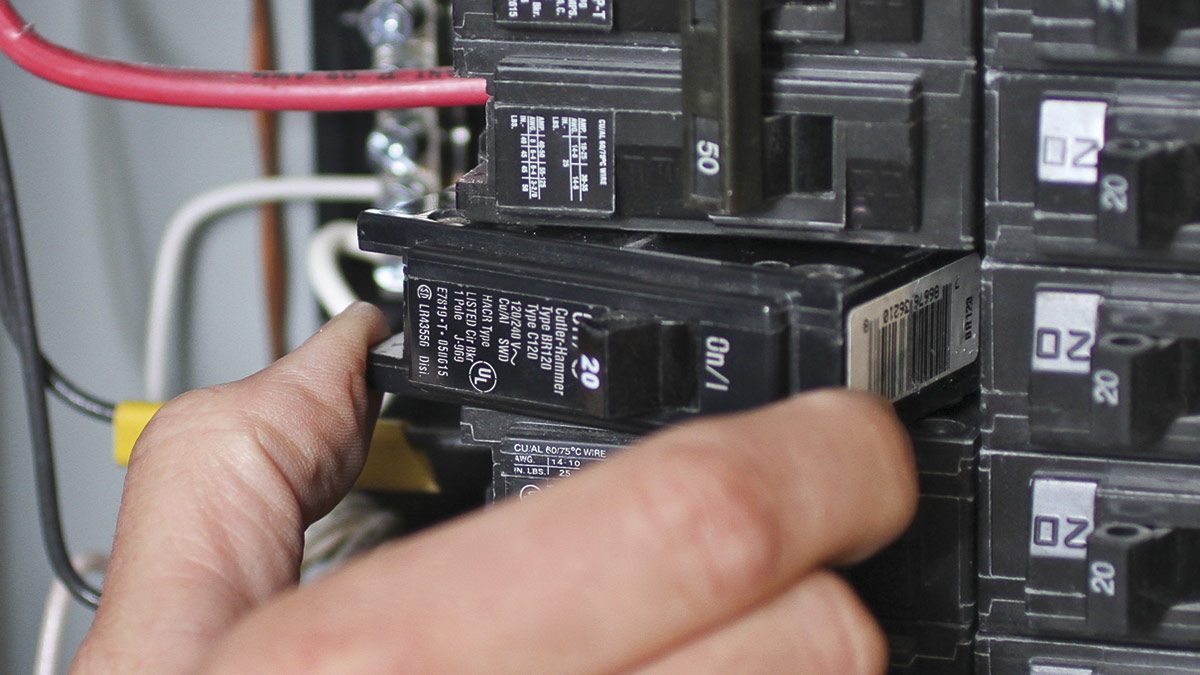
After installation, verify your 30 amp circuit to ensure everything functions correctly. Use a multimeter to check voltage at the outlet—it should read around 120V (single-pole) or 240V (double-pole). Test the ground connection for continuity and ensure the breaker trips correctly under simulated overload. This final inspection confirms that your wiring is safe, compliant, and ready for regular use, preventing potential hazards later on.
Conclusion:
Selecting the correct wire size for a 30 amp circuit isn’t just a technical step—it’s a critical safety decision. In most situations, 10 AWG copper wire is the standard and code-approved choice, providing the right balance between conductivity, flexibility, and safety. However, certain conditions—like long wire runs, outdoor installations, or high temperatures—may require upsizing to 8 AWG copper or 8 AWG aluminum to maintain voltage stability.
Always consider the NEC 80% rule, environmental factors, and the total length of your wire run before installation. Whether you’re wiring a dryer, RV hookup, water heater, or subpanel, proper wire sizing ensures reliable power delivery and prevents overheating or fire hazards. When in doubt, consult a qualified electrician or use NEC-compliant wire sizing charts to confirm your choice. A correctly wired 30 amp circuit not only protects your equipment but also gives you long-term electrical safety and peace of mind.
FAQs
1. What is the standard wire size for a 30 amp breaker?
The standard wire size for a 30 amp breaker is 10 AWG copper wire. This size safely handles up to 30 amps under normal conditions, making it the most common choice for home and RV circuits.
2. Can I use 12 gauge wire for a 30 amp circuit?
No. 12 gauge wire is only rated for 20 amps. Using it on a 30 amp breaker can cause overheating, insulation damage, and serious fire risks. Always match the wire gauge to the breaker rating.
3. Can I use 8 gauge wire for 30 amps?
Yes. 8 AWG copper or 8 AWG aluminum can safely carry 30 amps, especially over longer distances. While it’s thicker and more expensive, it helps reduce voltage drop and improves efficiency for long wire runs.
4. What size wire do I need for a 30 amp 240V circuit?
For a 240-volt 30 amp circuit, use 10/2 cable with ground if it’s copper. This cable includes two hot wires and one ground, suitable for appliances like dryers or water heaters that don’t need a neutral.
5. How far can you run 10 gauge wire for 30 amps?
You can run 10 AWG copper wire up to about 50–75 feet before voltage drop becomes significant. Beyond that distance, upgrade to 8 AWG to maintain safe and consistent voltage.
6. Is copper or aluminum better for a 30 amp circuit?
Copper is generally better because it has lower resistance and higher conductivity. However, aluminum can be used safely if upsized one gauge and properly terminated with anti-oxidant compound
7. What happens if I undersize the wire for a 30 amp breaker?
Undersizing the wire increases resistance, which causes excessive heat buildup. Over time, this can melt insulation, trip breakers, or even lead to electrical fires. Always follow NEC wire sizing charts.
8. Do I need a neutral wire for a 30 amp circuit?
That depends on your application. A 120V circuit usually requires a neutral, while a 240V circuit typically uses only two hot wires and a ground. Always check your equipment’s wiring diagram.
9. What size ground wire should I use for a 30 amp circuit?
A 10 AWG copper ground wire is standard for 30 amp circuits, ensuring proper fault current return and system safety. For aluminum conductors, use 8 AWG ground to match conductivity.
10. What’s the safest way to install a 30 amp circuit?
Always turn off power at the main panel, use wire rated for the environment (indoor/outdoor), and ensure connections are tight and code-compliant. If you’re not confident, hire a licensed electrician to inspect your work before energizing the circuit.
Keep an eye for more latest news & updates on premiumtechy!