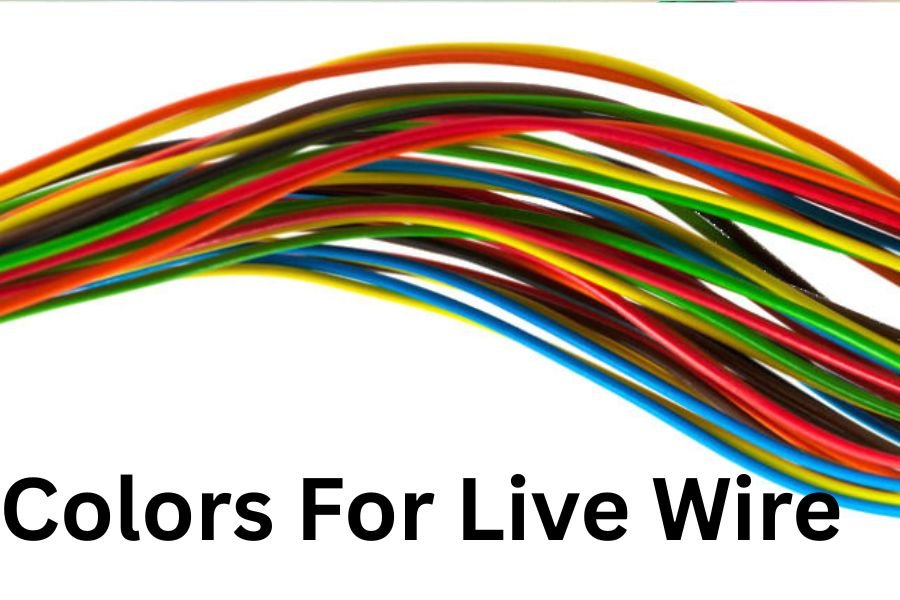
Understanding which wire is hot, neutral, or ground is one of the most important steps in safe electrical work. Whether you’re installing a light fixture, replacing an outlet, or troubleshooting your wiring, knowing the purpose of each wire color can prevent shocks, fires, and costly damage. This comprehensive guide explains everything you need to know about wire color meanings, U.S. standards, and how to safely identify a hot wire in your home.
The black wire is the hot wire that carries live electrical current, while the white wire is the neutral wire that returns the current to the panel. These color codes are standard in U.S. homes, but older or repurposed wiring may not always follow them. For safety, always test wires before touching or working with them.
In this article, we discuss the topic of “is white or black wire hot”.
Understanding Electrical Wire Colors
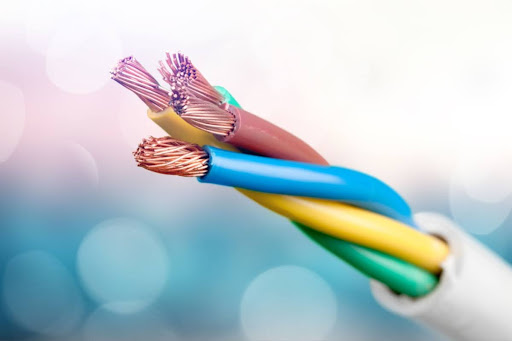
Electrical wire colors are more than just visual aids—they are part of a safety code designed to prevent accidents. In the U.S., the black wire is typically hot, the white wire is neutral, and the green or bare wire is ground. Each color has a specific function in your electrical system. By understanding these colors, you can easily trace circuits, identify hazards, and safely handle installations or repairs.
Why Knowing Wire Colors Is Crucial for Safety
Recognizing wire colors can literally save your life. Handling a hot wire without turning off the breaker can result in severe electric shock. Misconnecting wires may cause short circuits or even fires. The color coding system gives you a quick visual guide to what each wire does, allowing you to take proper precautions. Always double-check color codes before starting any electrical project to ensure safety.
What Does a Hot Wire Do?
A hot wire carries electrical current from the power source to switches, outlets, and appliances. It’s the live part of the circuit that provides energy for operation. Hot wires are usually black, red, or blue depending on the system. When you flip a switch, the current from the hot wire flows through the device and back to the neutral wire, completing the circuit.
Is the Black Wire Hot or Neutral?
The black wire is almost always the hot wire in residential wiring. It supplies electricity directly from the power source to devices. When working with a black wire, treat it as live—even if the switch is off. Use a multimeter to verify voltage before touching. Never confuse it with neutral or ground, as miswiring could lead to shocks or equipment failure.
Is the White Wire Hot or Neutral?
In most homes, the white wire serves as the neutral wire, providing the return path for the current. It connects directly to the neutral bus bar in the electrical panel. However, under certain conditions, a white wire may be repurposed as a hot wire, usually marked with black or red tape. Always inspect the ends for markings before assuming it’s neutral.
When Can a White Wire Be Hot?
Sometimes electricians use a white wire as a hot wire in switch loops or complex circuits. In these cases, they wrap the ends with black or red electrical tape to indicate the change in function. This is perfectly acceptable under NEC rules if properly marked. If you find a white wire that’s re-labeled, treat it as hot and handle it with caution.
How to Identify a Hot Wire in Your Home
The safest way to identify a hot wire is by using a multimeter or non-contact voltage tester. Set the multimeter to measure voltage, touch the red probe to the suspected hot wire and the black to a neutral or ground. If you read voltage, the wire is hot. Never rely solely on color—older homes may have non-standard wiring that can mislead you.
The Role of the Neutral Wire (White or Gray)
The neutral wire completes the electrical circuit by carrying electricity back to the breaker panel. It balances the load and ensures current flows smoothly. Typically white or gray, it connects to the silver-colored terminals on outlets. Even though it’s called “neutral,” it can still carry current and pose a shock risk if the circuit is live.
The Importance of the Ground Wire (Green or Bare Copper)
Ground wires act as the safety path for stray electricity. They direct excess current safely into the earth, preventing electric shock and protecting appliances. Most ground wires are either green or bare copper. Always ensure your outlets and fixtures are properly grounded—this is your first line of defense against electrical hazards.
The Function of the Red Wire in Electrical Systems
Red wires are also considered hot wires, commonly used as secondary conductors in 220-volt circuits or three-way switches. You’ll often find red wires paired with black wires in switch legs or outlet connections. Always treat red wires as live and use proper labeling when working on multi-switch or dual-circuit installations.
Blue and Yellow Wires: What Do They Mean?
Blue and yellow wires are typically used as traveler or switch-leg wires in advanced wiring systems. They carry current between switches in multi-way configurations or control lighting systems. While less common in basic household circuits, they’re still considered hot wires and should be handled carefully.
Brown and Orange Wires in Electrical Circuits
Brown and orange wires are seen mostly in commercial or international wiring systems. In some regions, brown represents the live wire, while orange may indicate a high-voltage leg. If your home contains these wires, check local electrical standards or consult an electrician before making any assumptions.
National Electrical Code (NEC) Color Standards Explained
The NEC (National Electrical Code) defines color standards for consistency and safety across the U.S. According to the NEC, hot wires are black, red, or blue; neutral wires are white or gray; and ground wires are green or bare copper. Following NEC color codes ensures your home’s electrical system is compliant and safe to maintain.
U.S. Electrical Wiring Color Code Summary
Here’s a quick summary:
- Black/Red/Blue: Hot (live)
- White/Gray: Neutral
- Green/Bare: Ground
These colors make identifying wire function simple, reducing the risk of confusion and danger during installation or maintenance.
International Wire Color Differences (UK, EU, Canada)
Electrical color codes differ worldwide. In the UK and EU, live wires are brown, neutrals are blue, and grounds are green/yellow. In Canada, black and red are hot, white is neutral, and green is ground. Always verify the standard before working on wiring abroad or in imported appliances.
Old vs. Modern Wiring Color Codes
Older homes may have outdated or non-standard wire colors, especially if built before NEC revisions. Some older systems used green or bare wires as neutral, which is now unsafe. If your home has mixed colors or fabric-covered wiring, hire a professional to inspect and modernize the system.
Why Mislabeling Wires Can Be Dangerous
Incorrectly labeled or mismatched wires can cause short circuits, fire hazards, and shock risks. A misidentified neutral may carry voltage, and a wrong ground connection could fail to protect during a surge. Always label wires accurately and use proper electrical tape colors when repurposing conductors.
How to Check Which Wire Is Hot Using a Multimeter
A multimeter helps identify a live wire with precision. Set it to measure AC voltage, place one probe on the suspected hot wire and another on a known ground or neutral. A reading of around 120 volts indicates a hot wire. This method is safe and reliable for confirming wire function before working.
Safety Steps Before Touching Any Electrical Wire
Before starting any wiring project:
- Turn off power at the breaker.
- Confirm with a voltage tester.
- Use insulated tools.
- Keep your hands dry.
- Work in good lighting.
Following these steps can prevent shocks, burns, or even fatal accidents. Electrical safety always comes first.
Common Electrical Color Mistakes Homeowners Make
A frequent mistake is assuming color equals safety. Some DIYers confuse white for ground or fail to mark re-purposed wires. Others splice colors incorrectly or skip grounding altogether. Avoid shortcuts—always follow NEC color standards and double-check each connection with a tester.
What Happens If You Mix Up Hot and Neutral Wires
Reversing hot and neutral wires can cause shorts, equipment damage, or breaker trips. In severe cases, it may energize metal fixtures, leading to electric shock. Always confirm wire orientation before connecting outlets or switches to ensure proper current flow.
Can You Use White Wire as a Hot Wire Legally?
Yes, but only if the white wire is clearly marked with black or red tape at both ends. This marking shows it’s been re-purposed as a hot conductor. While legal under NEC, it should be done only by trained electricians to maintain compliance and safety.
When a White Wire Is Marked with Black Tape
If you see black tape wrapped around a white wire, it signals that the wire has been re-designated as hot. This is common in switch loops where power travels to a fixture and back. Always treat such wires as live and test before touching.
Electrical Tape Color Meanings for Re-Labeling Wires
Electrical tape colors help indicate wire function:
- Black/Red: Hot
- White: Neutral
- Green: Ground
- Yellow/Blue: Switch legs or travelers
Marking correctly avoids confusion and keeps circuits compliant with NEC guidelines.
Three-Way Switch Wiring and Color Roles
Three-way switches use black, red, and traveler wires (often blue or yellow). These allow you to control a light from two different locations. Misconnecting any of these wires may cause the switch not to function or result in constant power on one side. Always label travelers during installation.
Outlet Wiring: Which Wire Goes Where?
In a standard outlet, the hot (black) wire connects to the brass terminal, the neutral (white) wire to the silver terminal, and the ground (green/bare) to the green screw. Connecting these correctly ensures proper operation and minimizes risk.
Lamp Cord Wiring: Identifying Hot vs Neutral
Lamp cords have two conductors—one smooth and one ridged. The smooth wire is hot, while the ridged side is neutral. Connecting them properly ensures that the socket’s metal parts aren’t energized, protecting you from accidental shocks.
How Ground Wires Prevent Electric Shock
Ground wires act like emergency exits for electricity. In case of a fault, the excess current flows into the earth instead of through your body or appliances. This prevents fires and electrical shocks. Always make sure ground wires are securely attached to outlets and fixtures.
Three-Phase Wiring Color Coding Explained
In commercial and industrial settings, three-phase systems use multiple hot wires for balanced power distribution. Typically, black, red, and blue are used for the three live wires, with white for neutral and green for ground. Homeowners rarely encounter this setup but should recognize its purpose.
How to Replace Old Wiring Safely
If your wiring is outdated, start by turning off power and labeling every connection. Use new wires that follow modern color codes. Avoid mixing aluminum and copper wires without proper connectors. When in doubt, hire a licensed electrician to ensure the upgrade meets NEC standards.
What to Do If Your Wires Don’t Match Color Codes
If you encounter non-standard colors, don’t assume their function. Use a multimeter to test each wire and label them according to their role. Document your findings to make future repairs easier. This step prevents confusion and ensures continued electrical safety.
How to Identify Wires in Older Homes
Older homes may not follow today’s NEC color standards, especially those built before the 1970s. You might find cloth-insulated wires, faded colors, or even aluminum wiring. In such cases, always verify each wire’s function with a voltage tester instead of relying on color. Many old homes used green or bare wires as neutrals, which is no longer safe or compliant. If your wiring looks outdated, schedule an inspection with a qualified electrician before making any connections.
Can You Connect Black and Red Wires Together?
Yes, both black and red wires are typically hot wires, so they can be connected under certain circumstances—such as in three-way switch setups or dual-circuit installations. However, doing this incorrectly can cause an overload or circuit trip. Always confirm that both wires are part of the same circuit and have matching voltage ratings. If unsure, consult your circuit diagram or a professional electrician before making the connection.
Are Blue and Yellow Wires Always Hot?

In most systems, blue and yellow wires are used as travelers or switch legs, which means they are considered hot when the switch is active. These colors are more common in complex or commercial circuits. They can carry current, so never assume they’re safe to touch without testing. In residential settings, they may appear in fan controls, three-way switches, or lighting automation systems.
How to Wire a Switch Safely by Color Code
When wiring a standard switch, the black wire connects to the brass terminal (hot), while the white wire connects to the silver terminal (neutral). If there’s a ground wire, attach it to the green screw on the switch. For three-way or four-way switches, identify traveler wires (often red, blue, or yellow) before installation. Always turn off power at the breaker and verify with a voltage tester before starting work.
Signs Your Home Wiring Needs Updating
Your home may need rewiring if you notice frequent breaker trips, flickering lights, burning smells, or discolored outlets. These symptoms suggest overloaded circuits or deteriorated insulation. Older wiring may also lack grounding or use aluminum, which increases fire risk. A modernized wiring system not only enhances safety but also improves energy efficiency and supports today’s higher electrical demands.
How to Read Electrical Diagrams and Color Legends
Electrical diagrams use color legends to represent hot, neutral, and ground wires clearly. Black, red, and blue lines typically indicate live conductors, white or gray lines show neutrals, and green or bare lines mark grounds. By learning how to read these diagrams, you can plan installations more effectively and troubleshoot wiring problems faster. Always reference the legend before beginning work on any system.
Using a Voltage Tester vs Multimeter for Wire Checking
A voltage tester is a quick, non-contact tool that detects the presence of voltage. It’s perfect for identifying hot wires safely without touching them. A multimeter, on the other hand, provides precise voltage readings and helps test continuity and resistance. Both are essential for confirming wire identity, especially when colors are faded, mismatched, or reused for different purposes.
What Color Wires Are Live, Neutral, and Earth?
In U.S. systems:
- Live (Hot): Black, Red, or Blue
- Neutral: White or Gray
- Earth (Ground): Green or Bare Copper
Understanding these color codes helps you wire devices properly and avoid dangerous connections. Always treat live wires with caution, and never bypass grounding connections—they’re crucial for preventing shock hazards.
What Electricians Want You to Know About Wire Colors
Professional electricians emphasize one key point: color coding is a guide, not a guarantee. Over time, homeowners may have performed repairs or replacements that don’t follow NEC standards. That’s why electricians always verify wire function with proper tools before working. They also label wires during installations to make future maintenance safer and easier.
Common Myths About Hot and Neutral Wires
A popular myth is that neutral wires are “safe to touch.” This is false—neutrals still carry current when the circuit is energized. Another misconception is that black wires are always hot; while generally true, older homes may use them differently. Finally, some believe ground wires are unnecessary, but they are your best protection against electrical shock and should never be omitted.
Can Reversed Wires Trip Your Circuit Breaker?
Yes, reversed or crossed wires can cause breakers to trip or outlets to malfunction. When hot and neutral wires are swapped, electricity flows in the wrong direction, confusing safety mechanisms like GFCIs. This condition, known as reverse polarity, poses serious risks to appliances and users. Always check your wiring orientation before powering up a circuit.
The Role of Color Codes in Electrical Safety Inspections
During professional safety inspections, electricians rely on wire color codes to assess circuit accuracy and code compliance. Mismatched colors, missing labels, or damaged insulation are red flags for potential hazards. Following proper color standards helps pass inspections easily and ensures your electrical system remains safe and reliable over time.
How to Label and Organize Wires During Installation
When working on a wiring project, always label each wire as you disconnect or reconnect it. Use colored electrical tape or printed tags to mark its purpose—hot, neutral, or ground. Group wires neatly using cable ties and avoid tangling or overcrowding electrical boxes. Organized wiring not only looks professional but also simplifies troubleshooting in the future.
NEC Updates and 2025 Wiring Color Standards
The 2025 NEC update continues to refine wiring safety standards. While color codes remain largely the same, new provisions stress proper labeling of repurposed wires and improved grounding in smart homes. Modern wiring must also support energy-efficient technologies and renewable systems. Staying updated with NEC revisions ensures long-term safety and compliance.
Tips for DIY Homeowners Working with Electrical Wiring
DIY electrical projects can be rewarding but risky. Always turn off power, use insulated tools, and wear rubber-soled shoes. Double-check wire colors and test before touching. If you’re unsure about a connection, call a professional. Even minor wiring mistakes can lead to severe consequences. Respect electricity—it’s powerful and unforgiving.
When to Call a Licensed Electrician for Wiring Help
If you encounter burned wires, flickering lights, or outdated fuse boxes, it’s time to call a licensed electrician. Professional electricians have the training and equipment to handle complex systems safely. They can upgrade your wiring to meet NEC codes, install GFCI outlets, and ensure proper grounding. Never risk your safety by guessing—always consult an expert when in doubt.
Tools You Need for Safe Electrical Work
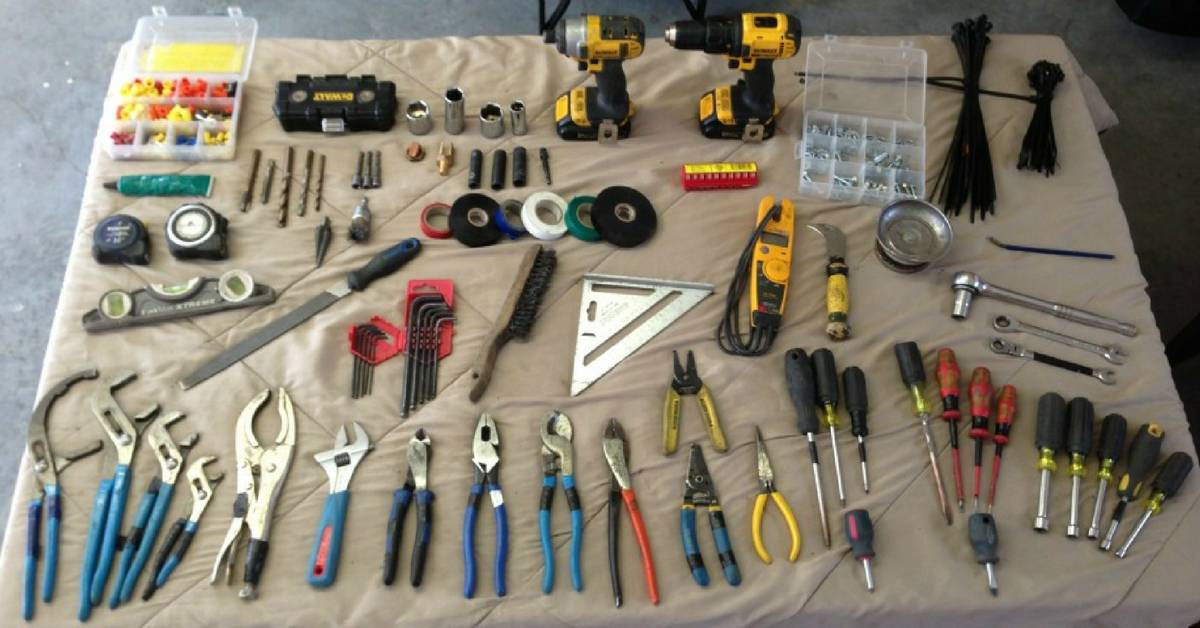
Before starting any wiring project, gather essential tools:
- Multimeter or Voltage Tester for checking live wires
- Insulated Screwdrivers for protection against shocks
- Wire Strippers for clean connections
- Electrical Tape for labeling and insulation
- Cable Ties for organization
These tools make your work safer, faster, and more professional. Investing in quality equipment can prevent costly accidents.
Conclusion
Understanding whether the white or black wire is hot is vital for safe electrical work. The black wire usually carries live current, while the white wire returns it to the source as neutral. Green or bare wires keep you grounded and protected. Always follow color codes, test wires before touching, and consult professionals when unsure. By respecting electrical color systems and staying informed, you can keep your home safe, efficient, and up to modern standards.
FAQs
Q1. Is black always the hot wire?
Yes, in most residential systems, black wires are the primary hot wires carrying live current.
Q2. Can a white wire ever be hot?
Yes, but only if it’s clearly marked with black or red tape to indicate re-purposing.
Q3. What if my wires have no color or faded insulation?
Use a multimeter to test and label each one properly.
Q4. What happens if I touch a hot wire?
You risk electric shock or burns—always test first and cut power.
Q5. Should I do my own wiring?
Only if you’re confident and follow NEC standards. For major projects, hire a licensed electrician.
Keep an eye for more latest news & updates on premiumtechy!