The standard wire gauge recommended for a 20 amp circuit is 12 AWG copper wire. This size wire can safely handle up to 20 amps of electrical current without overheating. For aluminum wiring, 10 AWG is typically used due to aluminum’s lower conductivity compared to copper. Choosing the correct gauge ensures that the wire can safely carry the electrical load and prevent hazards such as overheating or fire. It is important to always follow national electrical codes and standards when selecting wire sizes for any circuit. Proper sizing not only protects your home but also improves efficiency and reliability of the electrical system.
A 20-amp circuit typically requires 12 AWG copper wire, which safely handles the electrical load without overheating. For aluminum wiring, 10 AWG is used because it conducts electricity less efficiently. Choosing the correct wire size prevents hazards, ensures efficiency, and keeps your electrical system code-compliant.
In this article, we discuss the topic of “what gauge wire for 20 amp”.
Why Choosing the Right Wire Size for 20 Amps Is Crucial
Using the right wire gauge for a 20 amp circuit is essential to avoid electrical problems such as overheating, voltage drop, or even fire hazards. An undersized wire may become dangerously hot as it struggles to carry more current than it can handle. On the other hand, an oversized wire may be unnecessarily costly and difficult to work with. Correct wire sizing ensures a stable flow of electricity, minimizes resistance, and protects your devices and appliances. It also helps ensure that your electrical system meets code requirements, reducing risks and improving safety.
Understanding the American Wire Gauge (AWG) System
The American Wire Gauge (AWG) is a standardized system used in the United States to denote wire thickness. A key feature of the AWG system is that smaller gauge numbers represent thicker wires, which can safely carry higher current. For example, a 12 AWG wire is thicker than a 14 AWG wire and has a higher current-carrying capacity. Knowing AWG sizes helps in choosing the right wire for a given circuit load, ensuring safety and efficiency. This system is widely referenced by electricians and code regulations across residential and commercial wiring projects.
How Wire Gauge Affects Electrical Current Capacity

Wire gauge directly influences how much electrical current a wire can safely carry without overheating. Thicker wires (lower AWG numbers) have less electrical resistance, allowing more current to flow through with minimal heat generation. Conversely, thinner wires have higher resistance, which increases the risk of heat buildup when overloaded. Choosing the correct wire gauge based on the amperage protects the wire insulation and prevents potential electrical failures. For a 20 amp circuit, using the proper wire size guarantees safe current flow and longevity of the wiring.
What Does Ampacity Mean and Why Is It Important?
Ampacity refers to the maximum amount of electrical current a conductor or wire can carry before its temperature rises beyond safe limits. It is a critical factor in wire sizing, as exceeding the ampacity can lead to overheating and insulation damage. Different wire materials, sizes, and insulation types have varying ampacity ratings. Understanding ampacity helps ensure that the wire you choose can handle your circuit’s load without risks. Electrical codes base their recommendations largely on ampacity to maintain system safety and reliability.
Standard Wire Sizes for 20 Amp Circuits: Copper vs Aluminum
For 20 amp circuits, the standard size for copper wire is 12 AWG, while aluminum wiring requires 10 AWG. This difference is because aluminum has a lower conductivity compared to copper and thus requires a thicker wire to carry the same current safely. Both types must meet code requirements and should be installed correctly to avoid safety risks like loose connections or corrosion. Copper is generally preferred due to its durability and conductivity, but aluminum may be used in specific applications where cost or weight is a concern.
Why 12 AWG Copper Wire Is the Typical Choice for 20 Amps
12 AWG copper wire is the typical choice for a 20 amp circuit because it provides the optimal balance between size, cost, and safety. It is thick enough to handle 20 amps without excessive voltage drop or heat generation. Copper’s superior conductivity also makes it reliable for residential and commercial applications. Using 12 AWG wire minimizes the risk of overheating and fire, ensuring your circuit operates safely. Additionally, this wire size is widely available and compliant with the National Electrical Code (NEC) standards.
When Should You Use 10 AWG Wire for a 20 Amp Circuit?
You should consider using 10 AWG wire for a 20 amp circuit when the wiring run exceeds a certain distance, typically over 100 feet. Longer wire runs increase voltage drop, which can reduce the performance of connected appliances and potentially damage them over time. Increasing the wire gauge to 10 AWG reduces resistance and helps maintain voltage levels over long distances. This is especially important in outdoor installations, large homes, or commercial settings where circuits may span significant lengths.
Comparing Copper and Aluminum Wire for 20 Amp Circuits
Copper wire offers better conductivity, durability, and flexibility compared to aluminum, making it the preferred choice for most 20 amp circuits. Aluminum wiring is lighter and less expensive but has higher resistance and a greater tendency to expand and contract, which can cause loose connections over time. Both copper and aluminum must be installed according to code with appropriate connectors and techniques to prevent safety issues. Properly installed aluminum wiring can be safe and effective but requires more care and maintenance.
The Role of Circuit Breakers in 20 Amp Circuits
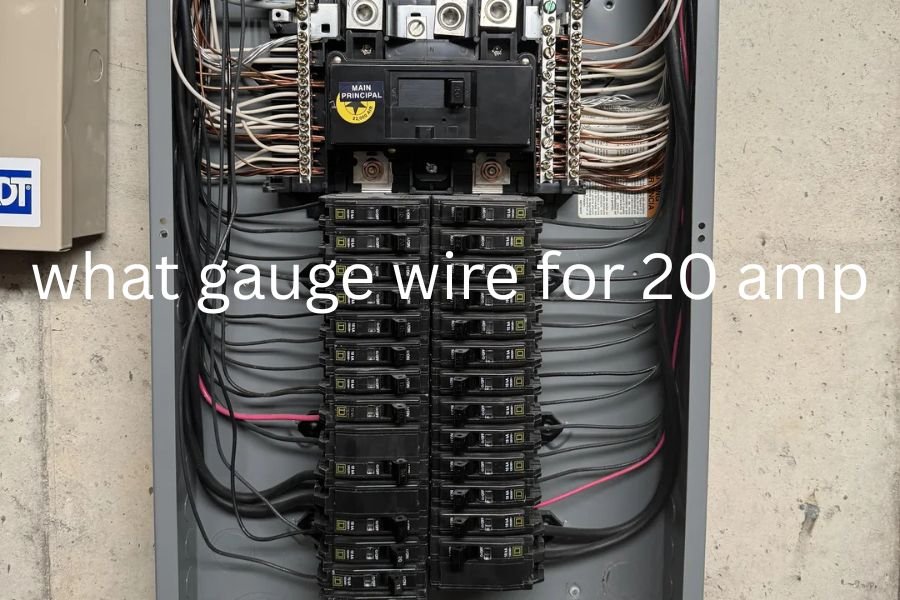
Circuit breakers protect wiring and devices by interrupting the electrical flow if current exceeds the rated limit—in this case, 20 amps. This safety mechanism prevents overheating and fire hazards caused by overcurrent. Choosing the right circuit breaker that matches the wire gauge and load is critical to system safety. A breaker rated for 20 amps should be paired with the appropriate wire size (usually 12 AWG copper) to provide effective protection without nuisance trips. Regular testing and maintenance ensure breakers function properly.
How to Match Circuit Breakers with Wire Gauge for 20 Amps
Matching the correct circuit breaker size with the wire gauge is essential for safe electrical system operation. For a 20 amp circuit, the breaker must be rated at 20 amps and paired with wire capable of handling that load, typically 12 AWG copper or 10 AWG aluminum. Using a breaker rated higher than the wire’s ampacity can lead to dangerous overheating, while a breaker rated too low may trip unnecessarily. Proper pairing complies with electrical codes and protects both the wiring and connected equipment.
Understanding Voltage Drop and Its Impact on Wire Size
Voltage drop occurs when electrical current travels over long wire runs, causing a reduction in voltage at the load end. Excessive voltage drop can lead to inefficient appliance operation and potential damage. To mitigate this, thicker wire (lower AWG number) is used to reduce resistance and maintain voltage levels. For 20 amp circuits, voltage drop becomes significant when the distance exceeds 100 feet, prompting the use of 10 AWG wire instead of 12 AWG. Considering voltage drop in wire sizing ensures optimal performance and equipment longevity.
How Distance Affects Wire Gauge Selection for 20 Amps
The longer the wire run, the more resistance the current encounters, which can cause voltage drop and reduce circuit efficiency. For short distances (under 50 feet), 12 AWG wire is generally sufficient for 20 amp circuits. However, as distance increases beyond 100 feet, increasing the wire size to 10 AWG helps maintain voltage levels and prevents overheating. Ignoring distance in wire sizing can lead to underperforming devices and potential hazards. Always calculate distance and voltage drop when planning your wiring.
When to Upgrade Wire Gauge Due to Long Circuit Runs
Wire gauge should be upgraded when the length of the circuit run causes significant voltage drop that exceeds recommended limits, generally around 3% for branch circuits. For 20 amp circuits, this typically means using 10 AWG wire if the distance is more than 100 feet. Upgrading wire size ensures devices receive sufficient voltage, preventing malfunction or damage. Consulting wire size charts and voltage drop calculators can help you determine when an upgrade is necessary for safety and performance.
Using a Wire Size Chart to Determine the Right Gauge for 20 Amps
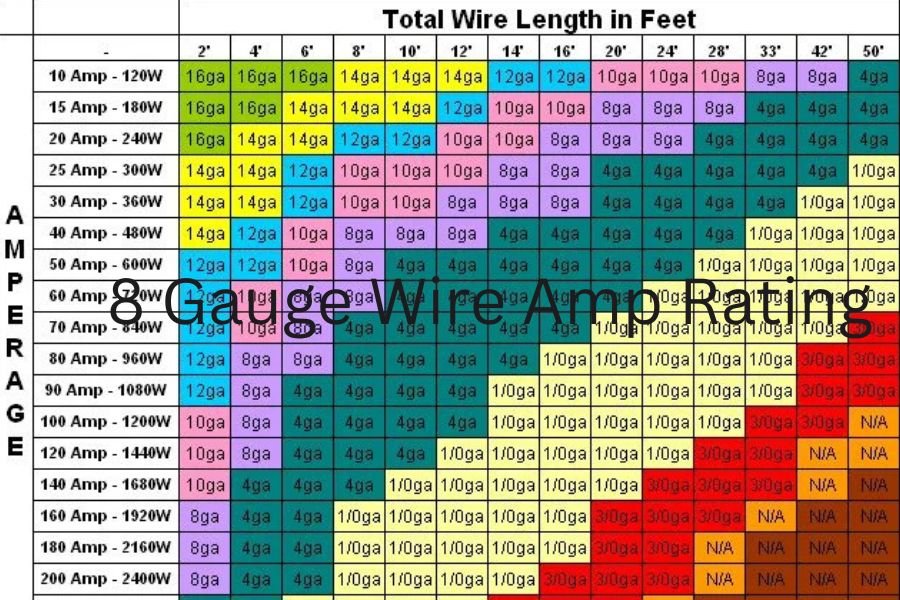
A wire size chart is a helpful reference that correlates wire gauge, amperage, and distance to ensure safe and efficient wiring. For 20 amp circuits, charts typically recommend 12 AWG for standard lengths and 10 AWG for longer runs. These charts consider factors like allowable voltage drop and wire material. Using a chart simplifies wire selection and ensures compliance with electrical codes. Always verify the chart with the latest NEC guidelines to maintain safety and accuracy.
The National Electrical Code (NEC) Requirements for 20 Amp Wiring
The NEC sets minimum standards for electrical wiring, including wire gauge specifications for 20 amp circuits. According to the NEC, a 20 amp circuit must use at least 12 AWG copper wire or 10 AWG aluminum wire. The code also considers factors such as ambient temperature, installation type, and voltage drop. Adhering to NEC requirements ensures that electrical systems are safe, reliable, and compliant with legal standards. Non-compliance may lead to inspection failures or safety hazards.
Common Electrical Code Mistakes to Avoid with 20 Amp Circuits
Common mistakes include using undersized wire, mismatching wire with breakers, ignoring voltage drop for long runs, and improper installation techniques. These errors can lead to overheating, frequent breaker trips, or fire risks. Another frequent mistake is not accounting for ambient temperature or conduit fill, which affects ampacity. Avoiding these pitfalls by following the NEC and consulting professionals ensures your 20 amp circuits operate safely and efficiently.
How Ambient Temperature Influences Wire Size Choice
Higher ambient temperatures reduce a wire’s ampacity, meaning it can carry less current safely without overheating. When wiring in hot environments or enclosed spaces, you may need to increase the wire gauge beyond the standard 12 AWG for 20 amp circuits. The NEC provides adjustment factors for ampacity based on temperature. Considering ambient temperature during planning prevents overheating and ensures the longevity of your electrical system.
Safety Risks of Using Undersized Wire for 20 Amp Circuits
Using wire thinner than recommended for 20 amps can cause the wire to heat excessively under load. Over time, this degrades the insulation and can lead to short circuits or electrical fires. Undersized wiring also causes frequent breaker trips and poor appliance performance. The risk to property and personal safety makes it critical to always use the correct gauge wire. If unsure, consulting an electrician is the safest approach.
Preventing Overheating and Electrical Fires with Proper Wire Gauge
Proper wire gauge selection is one of the most effective ways to prevent electrical fires. Using wire rated for your circuit’s amperage avoids excessive heat buildup. Additionally, ensuring tight and secure connections, avoiding physical damage to wires, and maintaining breakers in good working order contribute to safety. Regular inspections can detect signs of overheating before they become dangerous. These proactive measures protect both property and lives.
Calculating Load to Ensure Correct Wire Gauge for 20 Amps
Before selecting a wire gauge, it’s essential to calculate the total electrical load the circuit will carry. This involves adding up the wattage of all appliances and devices connected to the circuit. Once you have the total wattage, divide it by the voltage (usually 120V for residential circuits) to determine the amperage. If the total amperage approaches or exceeds 20 amps, it’s crucial to ensure the wire gauge matches or exceeds this load. Accurate load calculations prevent overloading and maintain safe circuit operation.
The Impact of Connected Appliances on Wire Gauge Selection
The type and number of appliances connected to a 20 amp circuit significantly influence the choice of wire gauge. High-power appliances like microwaves, air conditioners, or space heaters demand steady current and may require thicker wire to prevent overheating. Conversely, circuits powering low-demand devices like LED lighting might safely use the standard 12 AWG wire. Understanding the load characteristics helps in selecting the correct wire, ensuring safety and optimal device performance.
Wire Gauge Recommendations for Residential 20 Amp Circuits
For most residential applications, 12 AWG copper wire is the standard recommendation for 20 amp circuits. This includes common uses such as kitchen outlets, bathroom circuits, and lighting. Residential wiring must comply with NEC standards and local building codes to ensure safety. Additionally, any deviations, such as longer wire runs or specialized appliances, might require adjusting the wire size accordingly. Proper sizing avoids potential hazards and ensures reliable electrical service.
Wiring for Commercial 20 Amp Circuits: What You Need to Know
Commercial wiring often involves different considerations than residential wiring, such as higher loads, longer cable runs, and specialized equipment. While 12 AWG copper remains a common choice for 20 amp circuits, commercial settings may require heavier gauge wires or additional protective measures. Compliance with NEC and local codes is especially critical due to increased usage and safety risks. Consulting with a licensed commercial electrician ensures appropriate wire sizing and installation.
How to Handle Specialized Circuits on a 20 Amp Breaker
Specialized circuits, like those powering medical equipment, kitchen appliances, or outdoor lighting, may have unique wiring requirements even on a 20 amp breaker. These circuits might require dedicated wiring paths, higher quality wire insulation, or increased gauge to handle fluctuating loads safely. Proper planning and adherence to electrical codes help ensure that specialized circuits operate reliably without causing hazards or interference with other systems.
The Importance of Using Licensed Electricians for Wire Sizing
Determining the correct wire gauge and installing electrical wiring is a complex task that requires professional knowledge. Licensed electricians have the training and experience to assess your specific needs, consider all safety factors, and comply with electrical codes. DIY wiring without expertise can result in incorrect gauge selection, unsafe installations, or code violations. Hiring professionals guarantees that your 20 amp circuits are installed safely and efficiently.
Tools and Resources for Calculating Wire Size for 20 Amp Circuits
Several tools and resources can help you calculate the appropriate wire size, including wire size charts, voltage drop calculators, and ampacity tables. These tools take into account factors such as wire length, load, and material type. Many manufacturers and electrical organizations provide online calculators that simplify this process. Utilizing these resources ensures accurate wire sizing, compliance with codes, and overall safety in your electrical installations.
How to Use Voltage Drop Calculators to Choose Wire Gauge
Voltage drop calculators allow you to input variables like circuit length, load amperage, and wire material to determine the expected voltage drop. If the calculated drop exceeds acceptable limits (typically 3%), it indicates that a larger wire gauge is necessary. This tool is especially useful for long circuit runs or high-demand applications. By using a voltage drop calculator, you can avoid under-sizing wires and ensure efficient and safe operation of your electrical system.
Understanding the Relationship Between Wire Length and Gauge
As wire length increases, electrical resistance also increases, which can reduce voltage and cause inefficiency or damage to appliances. To compensate, electricians use thicker wire (lower AWG number) for longer runs to maintain voltage within safe limits. Ignoring wire length when choosing gauge can lead to voltage drop, poor performance, and potential hazards. Properly accounting for wire length during planning guarantees a stable and safe electrical system.
What Happens If You Use a Smaller Gauge Wire Than Recommended?
Using a wire gauge smaller than recommended for a 20 amp circuit can lead to dangerous overheating, melting of insulation, and even electrical fires. The smaller wire has higher resistance, causing it to heat up as it carries the current. This also results in frequent tripping of circuit breakers and reduced lifespan of connected devices. It is essential never to compromise on wire gauge to avoid these serious safety risks.
Advantages of Using Heavier Gauge Wire for Future-Proofing
Installing a heavier gauge wire than currently required can future-proof your electrical system. For example, using 10 AWG instead of 12 AWG wire for a 20 amp circuit allows for increased load capacity without rewiring later. This is especially useful if you plan to add appliances, upgrade systems, or incorporate smart technologies. Although thicker wire may cost more upfront, it saves time and expense in the long run by accommodating future needs safely.
Wire Insulation Types Suitable for 20 Amp Circuits
Wire insulation protects conductors from damage and prevents electrical shorts. Common insulation types for 20 amp circuits include THHN, THWN, and NM-B. The choice depends on the installation environment; for example, NM-B (non-metallic sheathed cable) is often used indoors, while THWN is suitable for wet or outdoor locations. Proper insulation selection ensures durability, safety, and code compliance in your wiring projects.
Tips for Safe Wire Installation on 20 Amp Circuits
Safe wire installation involves following proper techniques such as securing wires correctly, avoiding sharp bends, maintaining proper spacing, and protecting wires from physical damage. Always turn off power before working on circuits and use tools designed for electrical work. Using appropriate connectors and following local electrical codes minimizes risks of faults and fire. If unsure, always consult a professional electrician.
How to Identify Wire Gauge by Color Coding and Markings
Wire gauge is often identified through color-coded insulation or stamped markings on the wire jacket. For example, 12 AWG wires may have specific color markings or labels indicating their gauge and ampacity. Understanding these codes helps in quickly verifying wire size during installation or inspection. If in doubt, use a wire gauge tool or consult documentation to ensure correct identification and safe use.
Inspecting Wire Condition Before Installation on 20 Amp Circuits
Before installation, inspect wires for any physical damage such as cuts, nicks, or corrosion. Damaged wires can compromise safety and cause shorts or fires. Verify insulation integrity and ensure wire length and gauge match your circuit requirements. Using damaged or substandard wires can lead to premature failure or hazardous conditions. Proper inspection is a crucial step in any electrical project.
Common Signs of Wire Overload and When to Upgrade
Signs of wire overload include warm or hot outlets and switches, frequent breaker trips, flickering lights, or a burning smell near wiring. These symptoms indicate the current load exceeds the wire’s capacity, posing safety risks. If you notice any of these signs, it’s essential to have your wiring inspected and upgraded if necessary. Timely action prevents electrical failures and potential fires.
How to Avoid Voltage Drop Issues in Outdoor 20 Amp Wiring
Outdoor wiring is especially vulnerable to voltage drop due to longer runs and exposure to environmental factors. Using thicker wire (like 10 AWG) can reduce resistance and voltage loss. Additionally, selecting wire with appropriate insulation for outdoor use protects against moisture and temperature fluctuations. Proper planning and installation help maintain voltage levels, ensuring reliable outdoor lighting and equipment operation.
Using Aluminum Wire Safely for 20 Amp Circuits
Aluminum wire can be safely used for 20 amp circuits if installed correctly with appropriate connectors and anti-oxidant compounds to prevent corrosion. It requires a larger gauge than copper (usually 10 AWG for 20 amps) due to its lower conductivity. Improper installation can cause loose connections and overheating. Always follow NEC guidelines and consult professionals when using aluminum wiring to ensure safety.
Benefits and Drawbacks of Copper vs Aluminum Wire
Copper wire offers superior conductivity, flexibility, and durability but tends to be more expensive. Aluminum wire is lighter and more affordable but requires careful installation and thicker gauges to compensate for lower conductivity. Copper is less prone to oxidation and mechanical failures, while aluminum is more prone to expansion and contraction, potentially causing loose connections. Choosing between them depends on budget, application, and installation expertise.
How to Maintain Electrical Safety With 20 Amp Circuits
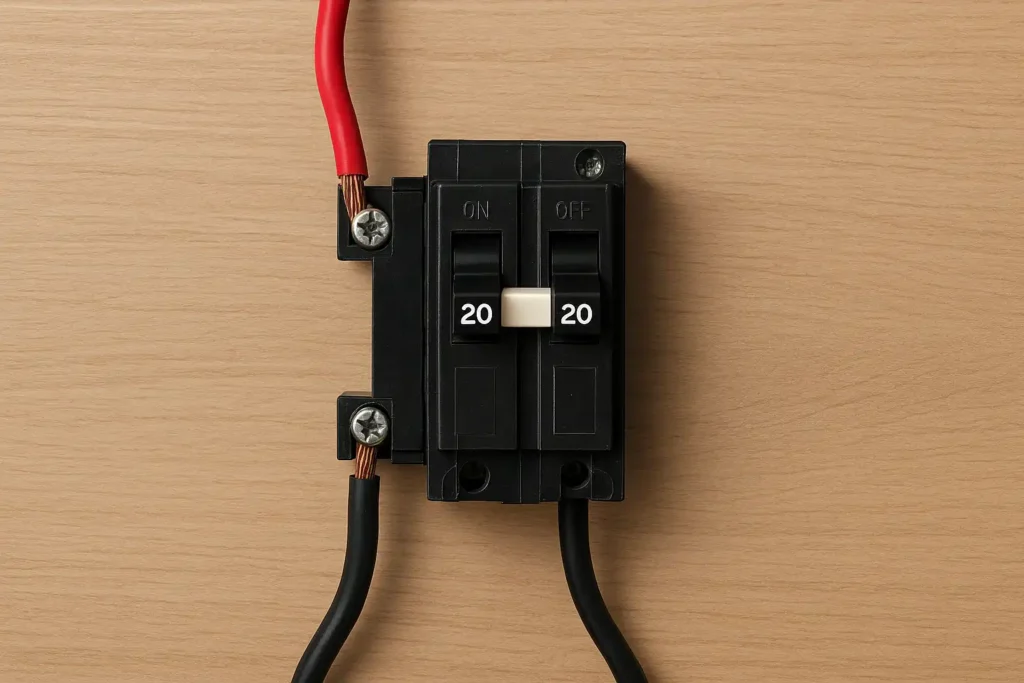
Maintaining electrical safety involves regular inspections, avoiding overloading, ensuring proper wire sizing, and keeping wiring in good condition. Use quality breakers and replace any faulty components promptly. Avoid DIY electrical work unless qualified, and follow local codes. Regular maintenance and professional inspections reduce the risk of electrical fires and improve system reliability.
Conclusion
Choosing the correct wire gauge for a 20 amp circuit is vital to ensure electrical safety, efficiency, and compliance with electrical codes. Generally, 12 AWG copper wire is the standard choice for most 20 amp circuits, with 10 AWG used for longer runs or specific conditions to prevent voltage drop. Proper wire sizing prevents overheating, electrical fires, and device malfunction, protecting your home or business. Understanding factors such as load, distance, and wire material helps you make informed decisions. Whenever in doubt, consulting a licensed electrician guarantees a safe, reliable, and code-compliant electrical installation. Prioritizing the right wire gauge now can save you from costly repairs and hazards in the future.
FAQs
1. What wire gauge is recommended for a 20 amp circuit?
The standard wire gauge for a 20 amp circuit is 12 AWG copper wire. For aluminum wiring, 10 AWG is commonly used.
2. Can I use 14 AWG wire for a 20 amp circuit?
No, 14 AWG wire is rated for 15 amps and is not safe for 20 amp circuits.
3. When should I use 10 AWG wire for a 20 amp circuit?
10 AWG wire is recommended for longer runs over 100 feet to prevent voltage drop.
4. Is copper wire better than aluminum for 20 amp circuits?
Copper is preferred due to better conductivity and durability, but aluminum can be used with proper installation and a larger gauge.
5. What happens if I use an undersized wire for a 20 amp circuit?
Using undersized wire can cause overheating, insulation damage, and increase the risk of electrical fires.
6. How does voltage drop affect wire size for a 20 amp circuit?
Longer wire runs increase voltage drop; using a thicker wire (lower AWG) helps maintain voltage and prevent device malfunction.
7. Do I need a special circuit breaker for a 20 amp circuit?
Yes, a 20 amp breaker should be used and matched to the wire gauge for proper protection.
8. Can I install a 20 amp circuit myselfIt’s recommended to hire a licensed electrician to ensure safety and code compliance.
9. How often should I inspect my wiring for 20 amp circuits?
Regular inspections every few years or if you notice issues like breaker trips or overheating are advisable.
10. What insulation type is best for 20 amp wiring?
Common types include NM-B for indoor use and THWN for outdoor or wet locations, depending on installation requirements.
Keep an eye for more latest news & updates on premiumtechy!