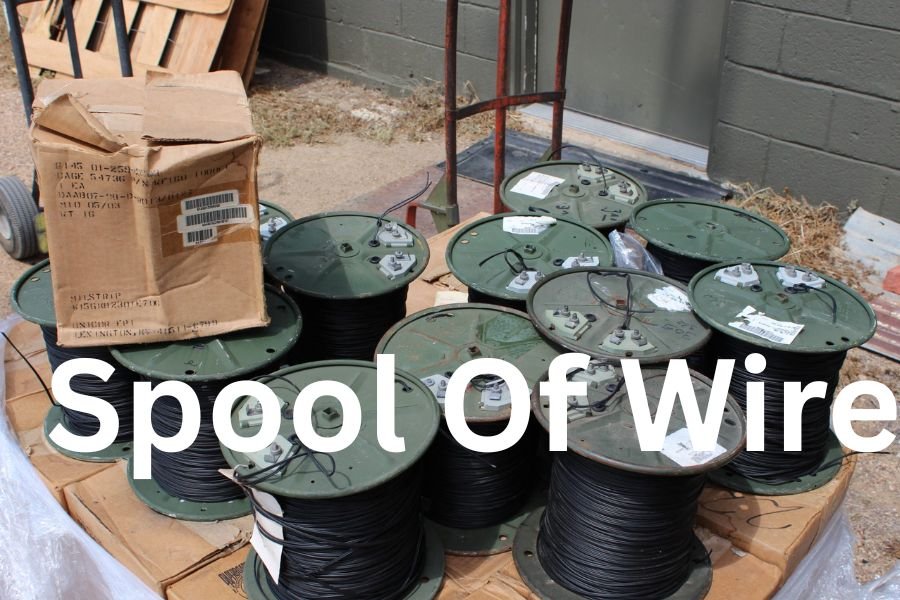
When wiring a 30 amp circuit, the generally recommended wire size is 10 AWG copper wire. This gauge is rated to safely handle up to 30 amps of current under typical conditions. Using the right wire size ensures your circuit can handle the electrical load without overheating, reducing the risk of fire or equipment damage. However, certain factors such as wire length, ambient temperature, or installation environment can affect this recommendation, sometimes requiring larger wire sizes like 8 AWG. Always follow local electrical codes and manufacturer guidelines to select the appropriate wire gauge.
A 30-amp circuit typically uses 10 AWG copper wire for safe and reliable performance. Longer distances or higher temperatures may require 8 AWG to reduce voltage drop. Choosing the correct wire size helps prevent overheating and keeps the electrical system compliant and safe.
In this article, we discuss the topic of “what size wire for 30 amp”.
Understanding the Importance of Proper Wire Gauge for 30 Amps

Selecting the correct wire gauge is crucial for both safety and performance. An undersized wire can cause overheating, increased resistance, and voltage drop, leading to electrical fires or damage to appliances. On the other hand, oversized wire, while safer, can be more expensive and harder to work with due to its thickness and stiffness. Proper wire sizing helps ensure efficient power delivery, minimizes energy loss, and protects your electrical system from unexpected failures. It also helps keep your installation compliant with the National Electrical Code (NEC), which regulates safe electrical practices.
Why You Should Never Undersize Your 30 Amp Wire
Undersizing your wire for a 30 amp circuit is a serious safety hazard. If the wire gauge is too small to handle the current, it will heat up excessively, potentially melting insulation and causing electrical fires. This overheating can also cause circuit breakers to trip frequently, resulting in unreliable power supply and possible damage to sensitive electronics. Using the proper wire gauge reduces fire risk and ensures your devices receive stable power. Always adhere to the NEC guidelines and avoid shortcuts to maintain the integrity and safety of your electrical system.
10 AWG vs 8 AWG Wire: Which Is Best for 30 Amp Breakers?
While 10 AWG copper wire is typically recommended for 30 amp circuits, 8 AWG wire can be a better choice in specific situations. The thicker 8 AWG wire has a higher ampacity and lower resistance, making it ideal for longer wire runs where voltage drop becomes an issue. It can also be a safer choice in high-temperature environments or when wiring certain appliances. However, 8 AWG wire is bulkier and more expensive, so it’s important to weigh these factors against the demands of your installation before choosing.
How the National Electrical Code (NEC) Influences 30 Amp Wire Size
The NEC provides standards for safe electrical installations across the United States and influences wire sizing decisions. According to NEC guidelines, a 30 amp circuit generally requires at least 10 AWG copper wire. The NEC also includes rules about voltage drop, conductor insulation, and environmental factors that can affect wire performance. Electricians and DIYers must follow these codes not only for safety but also to comply with local regulations. Understanding NEC requirements helps ensure your wiring project passes inspection and functions safely.
The NEC 80% Rule and What It Means for Your 30 Amp Wiring
The NEC 80% rule states that a continuous load on a circuit should not exceed 80% of the breaker’s rated capacity. For a 30 amp breaker, this means the continuous load should stay below 24 amps to avoid overheating and nuisance trips. This rule can impact your wire gauge choice because wires must be sized to handle the expected continuous load, not just the breaker’s maximum rating. Following the 80% rule helps prevent overloading and prolongs the lifespan of your wiring and connected devices.
Copper vs Aluminum Wire for 30 Amp Circuits: Pros and Cons
Copper and aluminum wires are the two primary materials used for electrical wiring. Copper is more conductive, durable, and resistant to corrosion, making it the preferred choice for most residential and commercial wiring, including 30 amp circuits. Aluminum wire is lighter and less expensive but has lower conductivity and can be prone to oxidation, which increases resistance over time. If you use aluminum, it usually requires a larger gauge to carry the same current safely. Understanding these differences helps you select the best wire material for your project.
Ampacity Chart: Understanding Wire Gauge and Current Capacity
An ampacity chart shows the maximum current a wire gauge can safely carry without overheating. For 30 amps, 10 AWG copper wire is standard because it supports this load safely. Smaller gauges, like 12 AWG or 14 AWG, are not safe for 30 amps as they can overheat under such loads. Larger gauges, such as 8 AWG or 6 AWG, can carry higher currents and may be used for longer runs to reduce voltage drop. Consulting an ampacity chart is essential to match wire size with electrical load safely.
What Happens When You Use Too Small a Wire for 30 Amps?
Using wire that is too small for a 30 amp load can lead to dangerous overheating, which melts the wire’s insulation and increases the risk of electrical fires. The circuit breaker may trip frequently due to excessive current, causing inconvenience and potential damage to appliances. Small wires also suffer from higher voltage drop, which can cause devices to underperform or malfunction. This is why strict adherence to wire sizing guidelines is crucial for safety and reliability.
Can You Use 14 Gauge Wire for a 30 Amp Breaker? (And Why Not)
No, 14 gauge wire should never be used on a 30 amp breaker. It is rated for a maximum of 15 amps, making it dangerously undersized for 30 amps. Using 14 AWG wire on a 30 amp circuit violates electrical codes and poses a serious fire hazard. Always match the wire gauge to the breaker’s amperage rating; for 30 amps, this means using at least 10 AWG wire. Safety codes exist to protect your home and family, so never ignore them.
How Distance Affects Wire Size Requirements for 30 Amp Circuits
The length of your wire run impacts the size you need because of voltage drop. Over long distances, electrical resistance causes voltage to drop, reducing the efficiency and safety of your circuit. For runs over 100 feet, upsizing from 10 AWG to 8 AWG wire may be necessary to compensate for this loss. Properly sizing wire based on distance ensures your devices receive adequate voltage and prevents overheating or tripping breakers.
Why Voltage Drop Matters in Choosing Wire Size for 30 Amps
Voltage drop refers to the reduction in voltage as electricity travels through wire, which can affect performance and safety. Excessive voltage drop can cause lights to dim, appliances to run inefficiently, or motors to overheat. Selecting a wire gauge that minimizes voltage drop is important, especially for longer wire runs or high-demand appliances. Using a larger wire than the minimum required can be a wise choice to maintain voltage levels and protect your electrical system.
Outdoor vs Indoor Wiring: Choosing the Right Wire Type for 30 Amps
Outdoor wiring faces different challenges than indoor wiring, such as exposure to moisture, UV rays, and temperature fluctuations. For outdoor 30 amp circuits, use wire with proper insulation like UF-B cable or conduit-protected THWN wire. Indoor wiring often uses NM-B Romex cable, which is not rated for wet locations. Selecting the correct wire type for your installation environment ensures durability, safety, and compliance with electrical codes.
Understanding Wire Insulation Types for 30 Amp Circuits
Wire insulation protects conductors from moisture, heat, and mechanical damage. For 30 amp circuits, common insulation types include THHN, THWN, NM-B, and UF-B. THHN and THWN are often used in conduit for dry and wet locations, respectively. NM-B (Romex) is popular for indoor residential wiring, while UF-B is designed for underground or outdoor use. Choosing the right insulation type based on location and application is crucial for longevity and safety.
How to Read Wire Labels for Proper 30 Amp Wire Selection
Wire labels provide key information such as gauge size, conductor count, insulation type, and whether a ground wire is included. For example, “10-2 w/G” means 10 gauge wire with two conductors plus a ground wire. Understanding these labels helps you buy the correct wire for your 30 amp circuit. Always verify that the wire gauge and insulation type match your project’s requirements and electrical code standards before purchase.
Romex vs UF-B Cable: Which Should You Use for a 30 Amp Circuit?
Romex (NM-B) cable is typically used for indoor residential wiring where the environment is dry and protected. UF-B cable, on the other hand, is designed for outdoor or underground use due to its waterproof insulation. For a 30 amp circuit inside a home, Romex is usually appropriate, but for outdoor applications or wet locations, UF-B cable is safer and code-compliant. Selecting the right cable type ensures your wiring remains protected and functional over time.
When to Use Metal-Clad (MC) Cable for 30 Amp Breakers
Metal-Clad (MC) cable provides excellent mechanical protection and is often used where wiring may be exposed to physical damage. It is suitable for 30 amp circuits in commercial or industrial settings, or in areas requiring additional durability. However, MC cable is generally not recommended for wet locations unless specially rated. Consider MC cable when durability is a priority, and always check local codes before installation.
The Role of Ground Wire in 30 Amp Circuit Wiring
Ground wires provide a safe path for electrical faults, reducing the risk of shock and fire. For 30 amp circuits, a grounding conductor must be included and properly connected to the panel and device grounding points. Using a bare or green insulated wire as the ground is standard. Proper grounding protects equipment and people by ensuring fault currents are safely diverted away from users and sensitive electronics.
How to Safely Install Wire for a 30 Amp Breaker: Step-by-Step
Installing wire for a 30 amp breaker begins with turning off power at the main panel. Measure the wire length accurately, cut it, and strip the ends carefully without damaging the conductor. Connect the hot wire to the breaker, neutral to the neutral bus, and ground to the ground bus. Secure the wire using staples or conduit straps according to code, and test the circuit for proper voltage and continuity before restoring power. Safety and precision at each step prevent hazards and ensure a reliable connection.
Tools You Need to Install 30 Amp Wiring Like a Pro
Proper installation of 30 amp wiring requires tools such as wire strippers, voltage testers, screwdrivers, pliers, a fish tape for pulling wire, conduit benders, and multimeters. Using quality tools ensures clean connections and accurate measurements, reducing the risk of mistakes or injury. Investing in the right equipment not only speeds up the job but also helps maintain compliance with electrical standards and increases overall safety.
How to Strip and Connect 10 AWG Wire for a 30 Amp Breaker
Stripping 10 AWG wire requires a wire stripper sized for thicker gauge wire to avoid damaging the conductor. Remove about half an inch of insulation to expose clean copper. When connecting to the breaker, ensure the wire is fully inserted and the terminal screws are tightened securely to manufacturer specifications. Loose connections can cause overheating and arcing, so take care to create solid, reliable contacts for safe operation.
Best Practices for Securing 30 Amp Wiring Along Its Route
Wires must be secured every 4.5 feet and within 12 inches of electrical boxes using cable staples, conduit clamps, or straps. Proper securing prevents sagging, abrasion, and accidental damage during use or renovations. Avoid over-tightening staples which can damage insulation. Follow local codes for securing methods and spacing to maintain safety and a professional finish in your 30 amp wiring project.
Common Appliances That Require a 30 Amp Circuit
Several household appliances commonly require a dedicated 30 amp circuit. These include central air conditioning units, electric water heaters, clothes dryers, and some kitchen ranges or ovens. RV electrical hookups also frequently use 30 amp circuits. Understanding the power requirements of your appliances helps ensure you select the correct wire size and breaker to handle the load safely and efficiently.
Why RVs Commonly Use 30 Amp Circuits and Wire Sizes
Many recreational vehicles (RVs) are designed to use 30 amp electrical service, balancing power needs and portability. The 30 amp service can support essential appliances and systems without requiring bulky wiring or large breakers. Wiring for RV circuits often uses 10 or 8 AWG wire depending on length and load. Understanding RV electrical standards is key for safe and reliable hookups at campgrounds or with portable power systems.
How to Calculate the Wire Size Based on Appliance Wattage
To determine the correct wire size, divide the appliance wattage by the voltage to find the current in amps. For example, a 3,600-watt appliance at 120 volts draws 30 amps (3600 ÷ 120 = 30). Once you know the amperage, refer to an ampacity chart to select the proper wire gauge that can handle that current safely. Always consider continuous load factors and distance to prevent overheating and voltage drop.
Can You Use 8 AWG Wire for 30 Amp Circuits? When and Why
Using 8 AWG wire for a 30 amp circuit is sometimes recommended when the wire run is long or when extra safety margin is desired. The thicker wire reduces voltage drop and improves durability in challenging environments. While 10 AWG is typically sufficient, upgrading to 8 AWG wire can enhance performance and compliance with NEC voltage drop recommendations, especially for circuits exceeding 100 feet.
The Impact of Ambient Temperature on Wire Size Selection
Higher ambient temperatures increase the resistance in electrical conductors, which can reduce the ampacity of the wire. In hot environments, you may need to use a larger wire size to safely carry 30 amps without overheating. The NEC provides temperature correction factors for wire sizing. Considering ambient temperature is critical for outdoor wiring or installations near heat sources to maintain safe operation.
What Is the Maximum Length for 10 AWG Wire on a 30 Amp Circuit?
The maximum length for 10 AWG wire on a 30 amp circuit depends on acceptable voltage drop limits, typically 3% for most applications. For a 120-volt circuit, this generally means a maximum length of about 100 feet. Beyond this distance, voltage drop can cause inefficiency and equipment malfunction. For longer runs, upsizing to 8 AWG or larger wire is recommended to maintain voltage and safety.
How to Avoid Voltage Drop in Long 30 Amp Wire Runs
To avoid voltage drop, increase wire gauge size, reduce wire length, or both. Using thicker wire like 8 AWG instead of 10 AWG reduces resistance and voltage loss over long distances. Additionally, minimize sharp bends and avoid bundling wires excessively, which can generate heat. Proper planning and calculation before installation ensure your 30 amp circuit performs optimally without risking damage or power loss.
Signs Your 30 Amp Wiring Is Undersized or Failing
Common signs include frequent breaker trips, flickering lights, overheating outlets, or a burning smell near wiring. Appliances may run erratically or fail prematurely. If your 30 amp circuit exhibits these symptoms, it could indicate undersized or damaged wiring. Immediate inspection and possible rewiring by a qualified electrician are necessary to prevent hazards and restore safe power.
What Does the NEC Say About Wire Size for 30 Amp Breakers?
The NEC mandates a minimum of 10 AWG copper wire for 30 amp circuits, considering load, temperature, and installation conditions. It also requires grounding conductors and specific insulation types for various environments. NEC rules protect people and property by standardizing safe wiring practices. Compliance ensures installations pass inspection and operate reliably.
How to Safely Upgrade Your Wire for a 30 Amp Breaker
To upgrade wiring safely, first turn off the power and verify the new wire size meets or exceeds NEC requirements. Remove old wiring carefully, install new appropriately sized wire, and secure connections tightly. Upgrade any related components such as breakers and outlets to match the new wiring. Testing with a multimeter confirms proper installation before restoring power.
Wiring Safety Tips: Preventing Fires and Overheating at 30 Amps
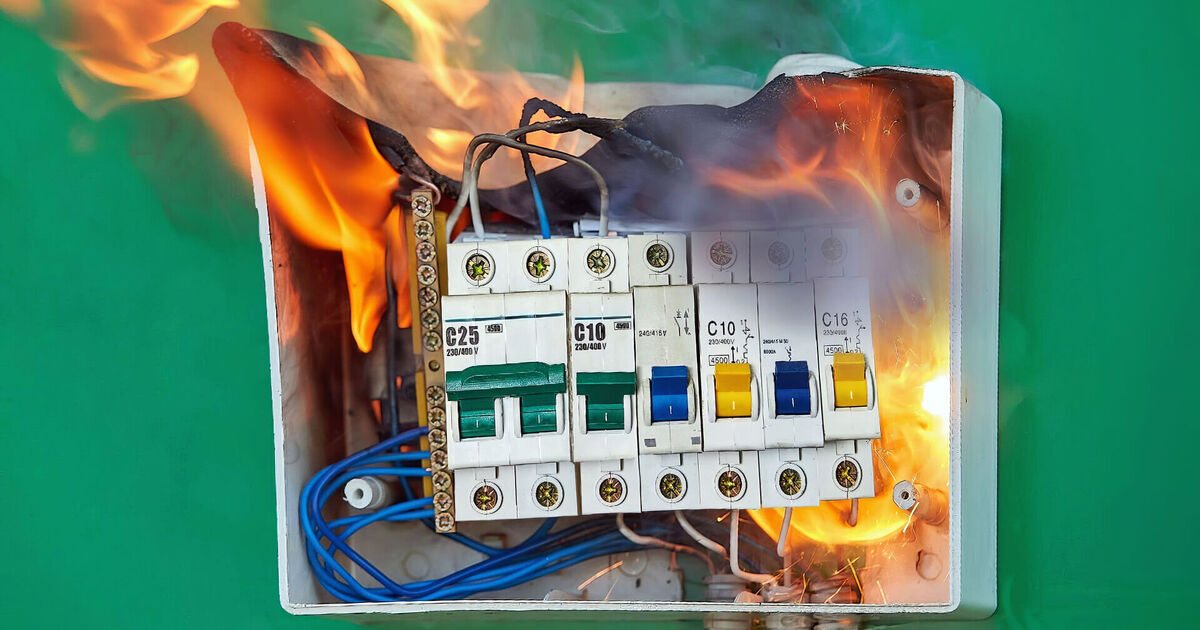
Always use the correct wire size and type, avoid overloading circuits, and ensure tight, corrosion-free connections. Regularly inspect wiring for damage or wear, and replace any suspect cables. Use protective devices like circuit breakers and ground-fault interrupters. Following these precautions minimizes the risk of fires and maintains safe electrical operation.
Can You Use Aluminum Wire for a 30 Amp Circuit? Safety and Codes
Aluminum wire can be used for 30 amp circuits if properly sized, typically one gauge larger than copper due to lower conductivity. It requires special connectors and anti-oxidant compounds to prevent corrosion and loosening. Some jurisdictions restrict aluminum wiring for residential use. Always check local codes and follow manufacturer guidelines to ensure safety when using aluminum wire.
The Cost Differences Between Wire Sizes for 30 Amp Circuits
Generally, larger wire sizes cost more due to increased copper or aluminum content and manufacturing complexity. For example, 8 AWG copper wire is pricier than 10 AWG but offers performance benefits for certain installations. Budgeting for the correct wire size helps avoid costly repairs or upgrades later. Investing in quality wiring upfront protects your electrical system and safety.
How to Identify Wire Gauge Without a Tool
You can estimate wire gauge by measuring the diameter of the conductor or the thickness of the wire insulation and comparing it to standard gauge charts. Visual inspection of printed markings on the wire jacket often includes gauge size. However, for accuracy and safety, using a wire gauge tool or caliper is recommended, especially for critical circuits like 30 amps.
What Size Wire Do You Need for a 30 Amp Subpanel?
For subpanels on a 30 amp circuit, 10 AWG copper wire is usually sufficient if the distance is short. However, for longer runs or when powering multiple devices, 8 AWG wire may be required to handle combined loads and voltage drop. The feeder cable must include hot, neutral, and ground conductors properly sized per NEC and local codes to ensure safety and functionality.
Using Wire Size Calculators to Get Your 30 Amp Wiring Right
Online wire size calculators consider factors such as current, voltage, distance, and temperature to recommend appropriate wire gauges. These tools simplify complex calculations and help avoid costly errors. Always double-check calculator results against NEC tables and consult a professional electrician for critical or unusual installations.
Understanding Circuit Breakers and Their Relationship to Wire Size
Circuit breakers protect wiring and appliances by interrupting power when current exceeds safe limits. Wire size must be matched to breaker rating to prevent overheating and fire. A 30 amp breaker requires wiring that can safely handle at least 30 amps continuously. Incorrect pairing can cause nuisance tripping or dangerous faults, highlighting the importance of compatibility.
Why Oversizing Wire for 30 Amps Can Be Beneficial
Using wire larger than the minimum required can reduce voltage drop, increase safety margins, and improve durability. Oversizing is especially helpful for long runs, high ambient temperatures, or sensitive equipment. Though it adds material costs and installation difficulty, the long-term benefits often outweigh these drawbacks by enhancing system reliability and lifespan.
How to Handle Wire Splices on 30 Amp Circuits Correctly
Splices must be made with proper connectors like wire nuts or approved splice kits rated for the wire gauge and environment. Ensure connections are tight and insulated to prevent arcing or corrosion. Splices should be located inside junction boxes accessible for inspection. Poorly executed splices compromise circuit safety and are a common cause of electrical failures.
Can You Run a 30 Amp Circuit on a 15 or 20 Amp Breaker?
No, running a 30 amp load on a 15 or 20 amp breaker is unsafe and violates electrical codes. The breaker would trip frequently, and the wiring may not be sized properly, increasing fire risk. Breakers and wire must be matched to the load requirements to ensure safe and reliable operation.
The Most Common Mistakes When Choosing Wire for 30 Amps
Common errors include undersizing wire, ignoring voltage drop, using incorrect insulation types, and neglecting grounding. Other mistakes are failing to comply with NEC codes or local regulations, leading to unsafe installations and costly corrections. Understanding proper sizing and installation standards helps avoid these pitfalls.
Wire Sizing for 30 Amp Circuits in Mobile Homes and RVs
Mobile homes and RVs often have specific electrical requirements due to space and mobility constraints. Typically, 10 AWG copper wire is used for 30 amp circuits, but longer runs or heavier loads may require upsizing. Special attention to flexible wiring, vibration resistance, and grounding is necessary to meet safety standards and ensure reliable power on the move.
How Local Codes Can Affect Your Wire Size Choices for 30 Amps
Local electrical codes may add requirements or restrictions beyond the NEC, such as mandating larger wire sizes, specific insulation types, or special grounding practices. Always check with local authorities or a licensed electrician before starting a project. Adhering to local codes ensures safety, legality, and smooth inspection approval.
DIY vs Professional Installation for 30 Amp Wiring: What You Need to Know
While some experienced DIYers may safely install 30 amp wiring, hiring a licensed electrician is recommended for most people. Professionals ensure code compliance, use proper tools, and handle unexpected issues. Improper installation can cause costly damage or hazards. Assess your skills honestly before attempting a 30 amp wiring project yourself.
Understanding the Different Wire Types: THHN, THWN, NM-B for 30 Amps
THHN and THWN wires are single conductors typically used in conduit for dry or wet environments respectively, offering durability and heat resistance. NM-B (Romex) is a common indoor cable with multiple conductors and ground wire. Knowing the differences and appropriate applications for each type helps ensure your 30 amp wiring is safe and code-compliant.
How to Test Your 30 Amp Circuit Wiring for Safety and Performance
Use a multimeter to check continuity, resistance, and voltage at various points along the circuit. Verify the breaker trips under overload conditions and test grounding integrity with a ground tester. Inspect physical connections and insulation for damage. Regular testing helps detect potential problems before they cause failures or hazards.
Future-Proofing Your 30 Amp Wiring for Increased Electrical Loads

Consider installing larger gauge wire or conduits that allow easy upgrades in the future. Anticipate potential new appliances or increased power demands and plan wiring capacity accordingly. Future-proofing saves time and money by avoiding costly rewiring as your electrical needs grow.
Conclusion
Choosing the correct wire size for a 30 amp circuit is essential to ensure safety, efficiency, and compliance with electrical codes. Typically, 10 AWG copper wire is recommended for most 30 amp applications, but factors like distance, ambient temperature, and wire material can influence the appropriate gauge. Undersizing wire can lead to overheating, voltage drop, and fire hazards, while oversizing, though safer, can increase costs. Always follow the National Electrical Code (NEC) and local regulations, and consider consulting a licensed electrician for complex installations. Proper wire sizing not only protects your home and devices but also guarantees reliable and efficient power delivery for years to come.
FAQs
1. What size wire do I need for a 30 amp circuit?
Generally, 10 AWG copper wire is used for 30 amp circuits, but longer runs or special conditions may require 8 AWG wire.
2. Can I use 14 gauge wire for a 30 amp breaker?
No. 14 gauge wire is rated for 15 amps maximum and is unsafe for 30 amp circuits.
3. Is aluminum wire safe for a 30 amp circuit?
Aluminum can be used if properly sized (usually one gauge larger than copper) and installed with appropriate connectors and anti-oxidant compounds.
4. How does distance affect the wire size needed for 30 amps?
Longer distances increase voltage drop, often requiring a larger wire gauge like 8 AWG to maintain safe and efficient operation.
5. What insulation types are suitable for 30 amp wiring?
Common types include THHN, THWN, NM-B (Romex for indoor use), and UF-B for outdoor or underground installations.
6. Can I install 30 amp wiring myself?
If you have electrical experience and follow all codes, yes, but professional installation is recommended to ensure safety and code compliance.
7. Why is the NEC 80% rule important for 30 amp circuits?
It limits continuous load to 80% of the breaker rating (24 amps for 30 amps) to prevent overheating and prolong circuit life.
8. What are the risks of using undersized wire for 30 amps?
Risks include overheating, fire hazards, frequent breaker trips, and damage to appliances.
9. How do I identify wire gauge without a tool?
Check wire markings printed on the insulation or compare wire diameter against standard gauge charts.
10. When should I consider oversizing wire for a 30 amp circuit?
For long wire runs, high ambient temperatures, or to future-proof your installation, using 8 AWG wire instead of 10 AWG can be beneficial.
Keep an eye for more latest news & updates on premiumtechy!