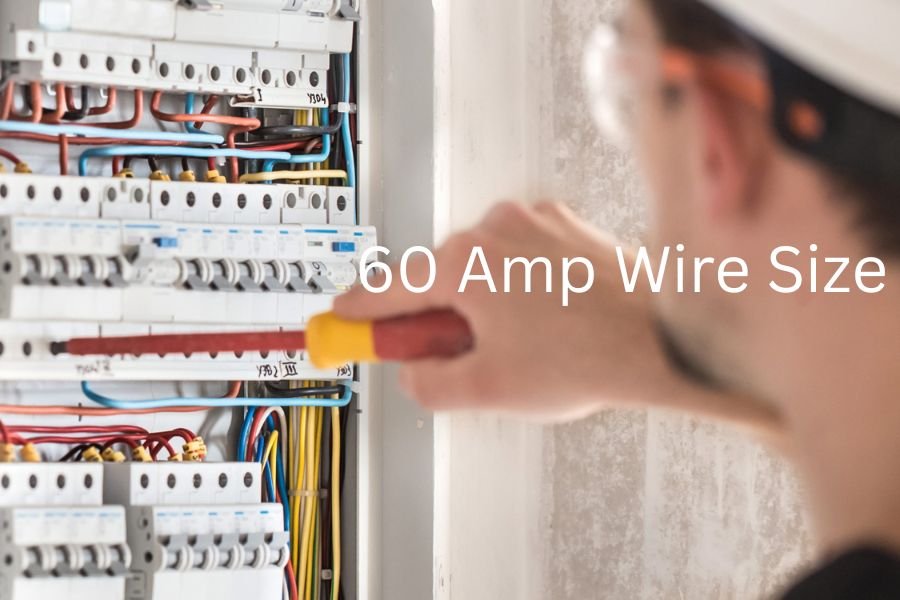
For a 60 amp circuit, selecting the right wire size is crucial for safety and efficiency. Typically, 4 AWG copper or 3 AWG aluminum wire is recommended. These sizes provide adequate ampacity to handle the load without overheating. Using the correct wire ensures your appliances operate safely and prevents potential electrical hazards. Undersized wire can cause voltage drops and even fire risks. Always consider the length of the wire run and the load of the devices connected to the circuit. Proper planning makes your electrical system more reliable and durable.
For a 60 amp circuit, the correct wire size is 4 AWG copper or 3 AWG aluminum, ensuring safe current flow without overheating. Proper wire sizing reduces voltage drop, improves efficiency, and prevents fire hazards, especially for high-demand appliances like EV chargers, subpanels, and hot tubs. Always account for wire length, installation environment, and NEC code requirements to maintain a reliable and long-lasting electrical system.
In this article, we discuss the topic of “60 amp wire size“.
Understanding 60 Amp Wire Size and Its Importance
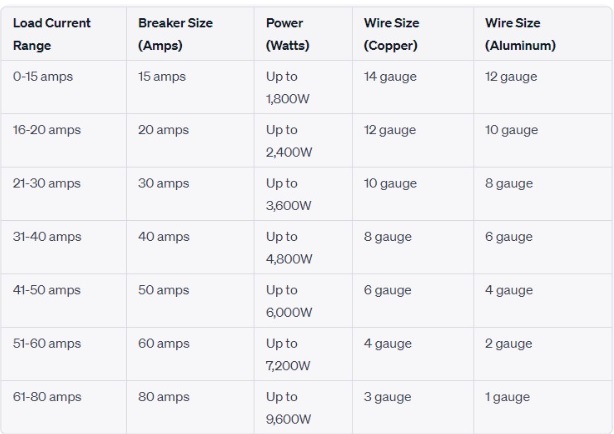
The wire size for a 60 amp circuit determines the maximum amount of current it can safely carry. Proper sizing prevents overheating and reduces the risk of electrical fires. Wire gauge is calculated based on the ampacity and material type, with copper being more conductive than aluminum. Voltage drop over long distances must also be considered, as it affects performance. Choosing the correct wire ensures that large appliances, EV chargers, and subpanels function efficiently. It also helps comply with electrical codes and enhances the overall lifespan of your wiring system.
60 Amp Copper Wire vs Aluminum Wire: Which Is Better?
Copper and aluminum are the two main materials used for 60 amp wiring. Copper wire is more conductive, has higher durability, and experiences less voltage drop. Aluminum is lighter and more cost-effective but requires a larger gauge to carry the same current safely. Aluminum wires must be installed carefully to avoid oxidation and loose connections. For residential circuits, copper is often preferred for reliability, while aluminum is suitable for longer runs or budget-conscious projects. The choice depends on cost, application, and local electrical code requirements.
Recommended Wire Gauge for a 60 Amp Breaker
For most standard 60 amp circuits, 4 AWG copper wire or 3 AWG aluminum wire is recommended. These sizes offer adequate safety margins, even if the circuit approaches full capacity. When wiring over long distances, consider increasing the gauge to compensate for voltage drop. Using the proper wire size also prevents overheating and ensures compliance with NEC regulations. Incorrect wire sizing can lead to serious hazards, including fire or equipment damage. Always consult a licensed electrician if unsure about the correct gauge for your application.
How to Calculate Wire Size for 60 Amps
Calculating wire size for a 60 amp circuit requires knowledge of the load, wire material, and run length. Ampacity charts help determine the minimum gauge required. For copper, 4 AWG is standard, while 3 AWG is typical for aluminum. Voltage drop calculations are essential for long runs, as excessive drop can affect performance. The formula considers amperage, wire length, and conductor material. Proper calculation ensures safety, efficiency, and compliance with electrical codes. Using online calculators or consulting professionals can simplify the process.
4 AWG Copper Wire for 60 Amp Circuits
4 AWG copper wire is ideal for 60 amp circuits in most residential and commercial applications. It provides ample capacity, even under heavy load conditions. Copper’s high conductivity ensures minimal voltage drop and long-term reliability. This wire is compatible with THHN, THWN, and XHHW insulation types, making it versatile for different installations. It is suitable for subpanels, EV chargers, and large appliances. When installed correctly, it offers excellent performance and safety for decades.
3 AWG Aluminum Wire for 60 Amp Circuits
3 AWG aluminum wire is a cost-effective alternative to copper for 60 amp circuits. Due to lower conductivity, aluminum requires a larger gauge than copper to safely carry the same current. It is lightweight, making it easier to handle for long runs or overhead installations. Aluminum wire must be installed carefully to prevent oxidation and ensure proper torque connections. It is commonly used for outdoor circuits, subpanels, and industrial applications. Following NEC guidelines ensures safe and efficient performance.
Why Smaller Wires Are Not Suitable for 60 Amp Breakers
Using a wire smaller than 4 AWG copper or 3 AWG aluminum for a 60 amp circuit is unsafe. Smaller wires cannot handle the full load, which can lead to overheating and potentially cause fires. Even if their ampacity seems close to 60 amps, the 80% rule for continuous loading means the wire may be overloaded. Voltage drops become more significant with smaller conductors, especially on long runs. For heavy-duty appliances or multiple devices on the same circuit, undersized wire is a serious hazard. Proper sizing ensures safety, reliability, and compliance with code.
Voltage Drop Considerations for 60 Amp Wire
Voltage drop occurs when electricity travels over long distances, causing reduced efficiency. For a 60 amp circuit, excessive voltage drop can impair appliance performance or cause overheating. To compensate, electricians may increase the wire size—using 2 AWG copper or 3 AWG aluminum for runs over 100 feet. Voltage drop should generally not exceed 3% for residential circuits. Using high-quality conductors with proper insulation also helps minimize losses. Careful planning ensures consistent voltage delivery and prolongs the life of connected equipment.
How Long Wire Runs Affect 60 Amp Circuit Sizing
The length of a wire run directly affects the current-carrying capacity of the conductor. Longer distances increase resistance, leading to voltage drop. For a 60 amp breaker, runs exceeding 100 feet often require upsizing the wire to maintain performance. Proper calculations consider amperage, conductor material, and distance. Oversizing ensures appliances operate efficiently and safely. This is especially important for subpanels, EV chargers, or large air conditioning units. Planning wire runs in advance prevents costly modifications later.
Upgrading Wire Size for Long 60 Amp Runs
When wiring circuits over long distances, upgrading the wire size is essential. For 60 amp circuits, this may mean using 2 AWG copper or 3 AWG aluminum instead of standard sizes. Oversizing accounts for voltage drop and ensures appliances receive adequate power. It also enhances safety by reducing the risk of overheating. Large workshops, garages, and outdoor installations often require this adjustment. Following NEC guidelines and professional recommendations guarantees a reliable and code-compliant setup. Correct sizing also reduces energy loss over time.
THHN vs THWN Wire for 60 Amp Circuits
THHN and THWN are popular wire types for 60 amp circuits. THHN is suited for dry, indoor applications, while THWN is rated for wet or damp environments. Both come in copper and aluminum and offer flexibility in conduit installations. Choosing the right type depends on location, exposure, and installation method. Proper insulation ensures safety, reduces voltage drop, and protects against corrosion. THHN/THWN wires are versatile, making them ideal for residential, commercial, and industrial projects.
XHHW Cables for 60 Amp Breakers: Pros and Cons
XHHW (cross-linked polyethylene) cables are designed for durability and moisture resistance. They are suitable for both copper and aluminum conductors. XHHW cables are ideal for 60 amp circuits in commercial and outdoor applications. Their insulation resists heat, water, and chemicals, making them highly reliable. They can be used in conduit or direct burial settings. While slightly more expensive, their long lifespan and enhanced safety make them a popular choice. Proper installation ensures optimal performance.
NM-B Romex Cable for 60 Amp Residential Applications
NM-B (Non-Metallic Sheathed) Romex cable is commonly used indoors for residential wiring. It contains insulated conductors and a bare ground wire, wrapped in a protective sheath. For 60 amp circuits, NM-B is suitable for subpanels and large appliances indoors. However, it is not recommended for outdoor or wet locations. Romex simplifies installation, as it can be run through walls without conduit. Following code guidelines ensures safe operation and prevents potential fire hazards. It’s cost-effective and widely available.
UF-B Wire for Outdoor 60 Amp Installations
UF-B (Underground Feeder) wire is designed for direct burial applications. It is suitable for 60 amp circuits running outdoors or underground. UF-B insulation protects against moisture, sunlight, and physical damage. This type of wire can be used for outdoor subpanels, hot tubs, or garages. Local code must be checked to ensure proper use. Proper installation depth and conduit protection improve longevity. UF-B wire is durable, reliable, and safe for exterior applications.
MC Metal-Clad Cable for 60 Amp Breakers
MC (Metal-Clad) cable consists of multiple insulated conductors within a protective metal sheath. It offers mechanical protection and acts as a grounding path. For 60 amp circuits, MC cable is suitable for indoor and dry outdoor installations. It provides durability and resistance against physical damage. MC cable is easy to route and meets NEC standards for many commercial applications. Choosing the correct size ensures safe operation. Its versatility makes it ideal for areas where conduit installation is impractical.
Indoor vs Outdoor Wire Selection for 60 Amp Circuits
Selecting the right wire type depends on whether the circuit is indoors or outdoors. Indoor applications often use NM-B or THHN wires, which are easy to install and cost-effective. Outdoor circuits require UF-B, XHHW, or MC cables to withstand moisture, sunlight, and physical damage. Using the wrong type compromises safety and violates code. Consider conduit use, burial depth, and exposure to elements. Proper wire selection ensures durability, efficiency, and compliance. Planning ahead saves costly mistakes and ensures safe performance.
Safety Tips When Installing 60 Amp Wire
Working with 60 amp circuits requires strict adherence to safety guidelines. Always turn off the main breaker before beginning any installation. Use proper personal protective equipment, including insulated gloves and safety glasses. Verify that wire sizes and types comply with NEC standards. Avoid sharp bends or damage to insulation during installation. Ensure connections are tight to prevent overheating. Regularly inspect wiring to detect signs of wear or corrosion. Following safety practices minimizes the risk of electrical shocks, fires, and long-term equipment damage.
Common Applications of 60 Amp Breakers
60 amp breakers are used for high-demand appliances and systems. Common residential uses include subpanels, large hot tubs, central air conditioning units, and electric water heaters. Commercial applications include large workshops, industrial machinery, and EV charging stations. They are ideal when multiple heavy-duty appliances operate simultaneously. Choosing the right wire gauge for these applications ensures safe and reliable power delivery. Understanding where 60 amp circuits are necessary helps prevent overloading and circuit failure.
Using 60 Amp Wire for Subpanels
Subpanels often require a 60 amp feed to distribute power efficiently. Proper wire sizing ensures the subpanel can handle all connected circuits without overheating. Copper 4 AWG or aluminum 3 AWG is recommended depending on distance and load. The subpanel must be grounded correctly and installed in a dry, accessible location. Voltage drop should be considered for long runs to maintain appliance performance. Using the correct conductor type, such as THHN or XHHW, ensures compliance with electrical codes. Regular inspections enhance safety and reliability.
60 Amp Wire for Hot Tubs and Spas
Hot tubs and spas are high-current devices that require a dedicated 60 amp circuit. Proper wire selection prevents overheating and voltage drop, which could damage equipment. Copper or aluminum wire of appropriate gauge should be used depending on the installation distance. Ground-fault protection is mandatory for safety. Outdoor or underground installations may require UF-B or XHHW cables. Circuit breakers should match the manufacturer’s specifications. Following installation guidelines ensures a safe, enjoyable, and long-lasting spa experience.
Central Air Conditioning Units on 60 Amp Circuits
Large central air conditioning units often require 60 amp circuits for efficient operation. Correct wire sizing ensures the unit receives stable voltage and avoids tripping breakers. Copper or aluminum conductors can be used, with consideration for run length and voltage drop. Outdoor units may need XHHW or UF-B wires for durability. Adequate breaker protection prevents overload and equipment damage. Professional installation ensures compliance with NEC standards. Properly sized circuits improve energy efficiency and extend the lifespan of the AC unit.
Level 2 EV Chargers and 60 Amp Wire Requirements

Level 2 EV chargers draw significant current, often requiring a dedicated 60 amp circuit. Copper 4 AWG or aluminum 3 AWG is typically recommended, depending on the distance from the main panel. Voltage drop must be calculated to maintain charging efficiency. Grounding and GFCI protection are critical for safety. Outdoor installations require weather-resistant cables like UF-B or XHHW. Following manufacturer and code requirements ensures safe and reliable EV charging. Proper wiring also prevents overheating and energy loss.
Workshops and Heavy-Duty Appliances on 60 Amp Circuits
Workshops with multiple power tools or heavy-duty appliances require a 60 amp breaker for safe operation. Correct wire sizing prevents overheating and minimizes voltage drop. Copper or aluminum conductors can be used depending on distance and budget. Proper grounding and conduit protection improve safety. Large machines such as welders, compressors, and saws benefit from stable voltage delivery. Regular maintenance of wiring ensures long-term safety. Planning circuits for high-demand applications prevents downtime and equipment failure.
Electric Ovens and Ranges: 60 Amp Wire Considerations
High-capacity electric ovens and ranges often need a 60 amp circuit to function efficiently. Using the correct wire gauge ensures proper current flow and reduces overheating risk. Copper 4 AWG or aluminum 3 AWG is recommended based on installation length. Voltage drop calculations are critical for long runs. Breaker and wire selection must comply with NEC and manufacturer specifications. Properly installed wiring guarantees safe, efficient, and reliable operation. Regular inspection prevents hazards and prolongs appliance life.
Electric Water Heaters on a 60 Amp Circuit
Large electric water heaters may require a 60 amp breaker and appropriately sized wire. Correct gauge ensures the unit operates efficiently and safely. Copper or aluminum conductors should be chosen based on distance and load. Grounding and breaker sizing are critical for protection. Indoor and outdoor installation considerations affect wire type selection, with THHN and UF-B commonly used. Proper installation prevents overheating and circuit tripping. Maintaining wiring integrity extends the heater’s life and ensures consistent performance.
Garages with Multiple Appliances: 60 Amp Wiring Guide

Garages with several high-demand appliances like heaters, compressors, and power tools benefit from a 60 amp circuit. Correct wire sizing ensures each device operates without overloading the system. Copper or aluminum conductors must be selected based on distance and environmental exposure. Voltage drop calculations prevent equipment inefficiency. Proper grounding and conduit protection ensure safety. Circuit breaker selection should match the total load. Planning wiring layout in advance reduces hazards and improves performance
Conclusion
Selecting the correct wire size for a 60 amp circuit is essential for safety, efficiency, and long-term reliability. Whether you are installing a subpanel, EV charger, hot tub, or heavy-duty appliances, using the proper conductor material and gauge prevents overheating, voltage drop, and potential electrical hazards. Copper and aluminum wires both have advantages, but the choice depends on load requirements, distance, cost, and installation environment.
Always follow NEC guidelines, consider voltage drop for long runs, and ensure proper grounding. Regular inspections and maintenance further enhance the safety and performance of your electrical system. By carefully planning and installing your 60 amp wiring, you ensure a durable, code-compliant, and efficient electrical setup for residential, commercial, or industrial applications.
FAQs
Q1: What size wire do I need for a 60 amp breaker?
A: For a 60 amp circuit, 4 AWG copper wire or 3 AWG aluminum wire is recommended. For runs over 100 feet, you may need to increase the size to 3 AWG copper or 2 AWG aluminum to compensate for voltage drop.
Q2: Can I use 6 AWG wire for a 60 amp breaker?
A: No, 6 AWG wire is too small for a 60 amp circuit. Using an undersized wire can cause overheating, voltage drop, and fire hazards. Always use the proper gauge according to NEC guidelines.
Q3: What wire types are suitable for a 60 amp circuit?
A: Common wire types include THHN/THWN, XHHW, NM-B Romex, UF-B for outdoor use, and MC (metal-clad) cable. The choice depends on whether the circuit is indoors, outdoors, underground, or in conduit.
Q4: Can aluminum wire be used instead of copper for 60 amps?
A: Yes, aluminum can be used, but it must be a larger gauge (3 AWG) than copper due to lower conductivity. Proper installation and torque are crucial to prevent oxidation and loose connections.
Q5: How does wire length affect a 60 amp circuit?
A: Longer wire runs increase resistance, causing voltage drop. To maintain efficiency and prevent overheating, you may need to use a larger gauge wire for runs over 100 feet.
Q6: Are 60 amp breakers common in homes?
A: They are less common than 50 or 100 amp breakers but are used for high-demand appliances, subpanels, large hot tubs, EV chargers, and workshops. Proper wire sizing is essential for safety.
Q7: What safety precautions should I take when installing a 60 amp circuit?
A: Always turn off the main breaker, use proper PPE, verify wire gauge and type, ensure proper grounding, avoid sharp bends, and inspect connections for tightness. Following code ensures safe operation.
Q8: Can I use a 60 amp wire for multiple appliances on the same circuit?
A: Yes, but you must calculate the total load of all appliances to ensure it does not exceed 80% of the breaker’s capacity. Oversizing the wire may be necessary for heavy-duty or multiple appliances to prevent overheating and voltage drop.
Q9: What is the difference between THHN, THWN, and XHHW for 60 amp wiring?
A: THHN is typically used for dry, indoor locations, THWN is rated for wet environments, and XHHW offers high durability, moisture resistance, and is suitable for both indoor and outdoor use. The choice depends on installation location and environmental exposure.
Q10: How often should I inspect a 60 amp circuit?
A: It is recommended to inspect 60 amp circuits at least once a year. Look for signs of wear, loose connections, corrosion, or overheating. Regular inspections help maintain safety, prevent hazards, and extend the lifespan of your wiring system.
Keep an eye for more latest news & updates on premiumtechy!